Full Article
about Urduña/Orduña
Ocultar artículo Leer artículo completo
A border town that forgot to choose sides
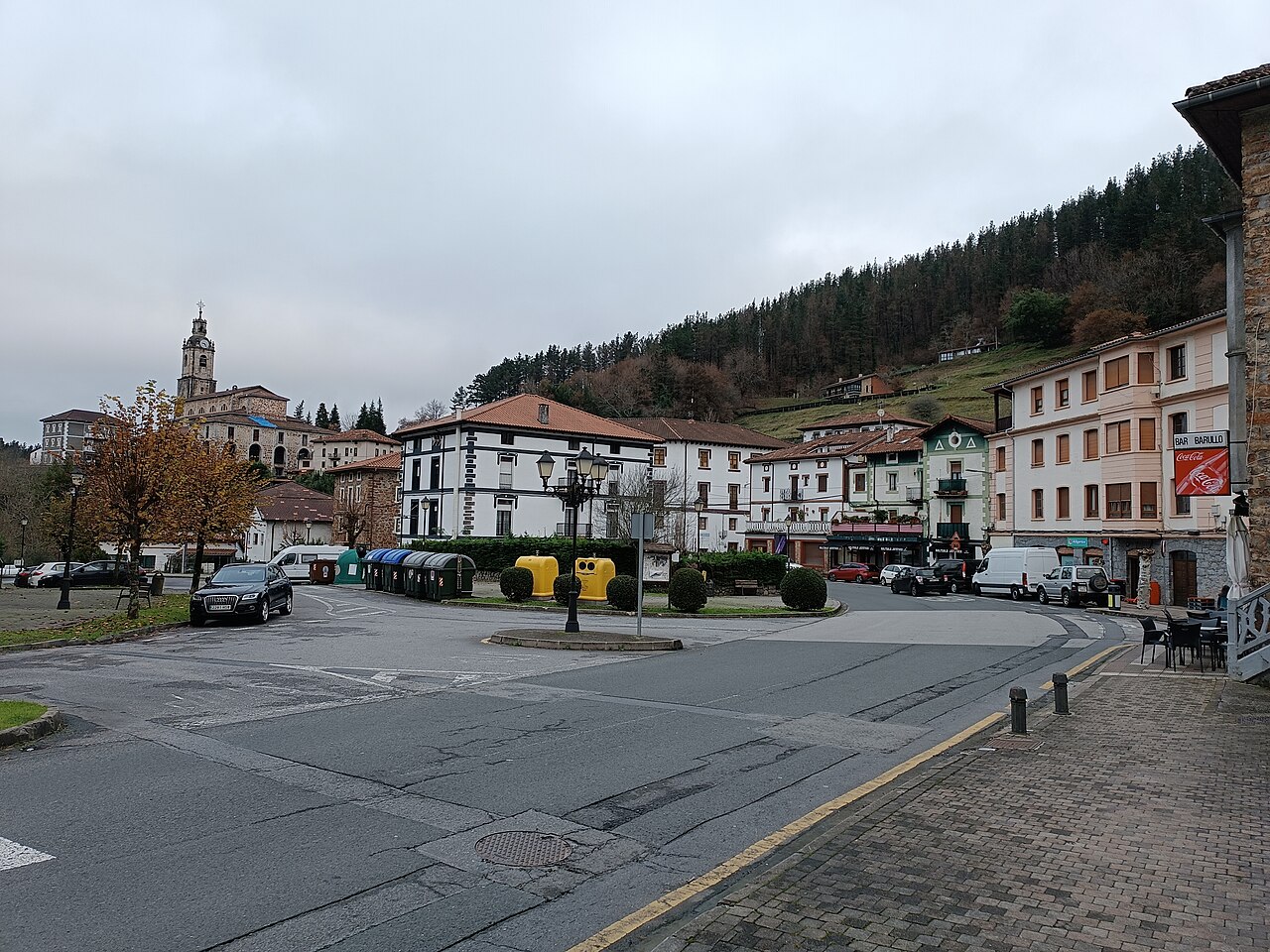
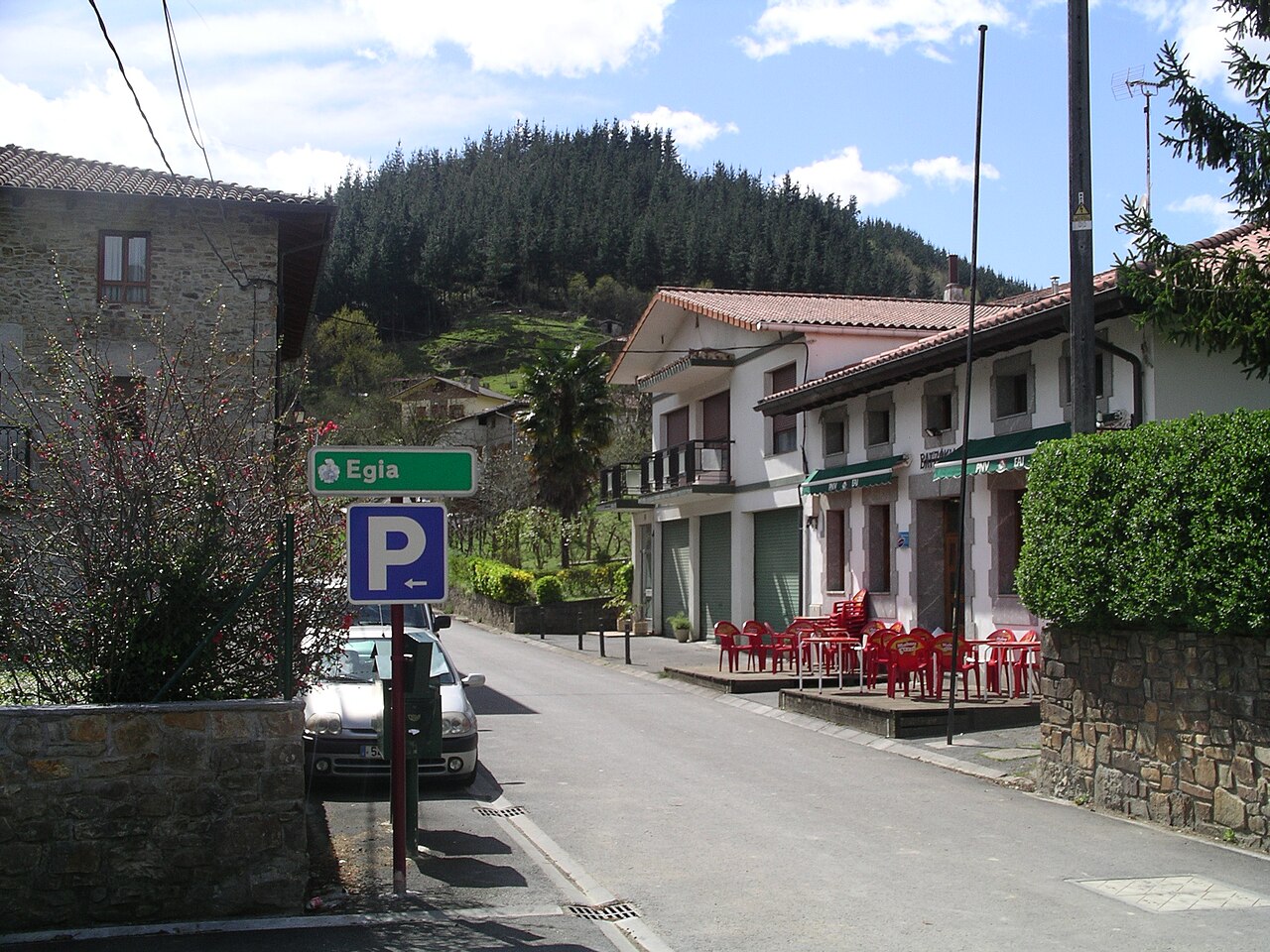
The road signs change language three times before you reach Orduña. First the green motorway panels say “Orduña”, then the white local ones insist “Urduña”, and by the time you park on the sloping edge of Foru Plaza both spellings feel equally plausible. This is the only town in Biscay that you can’t reach from Bilbao without crossing into another province. A quirk of 13th-century treaties left the municipality surrounded on all sides by Álava, creating a pocket of Basque coastline-without-coast that joined Biscay proper only in 1926. The resulting geography feels like someone cut-and-pasted a mountain market town into the wrong map.
Walk downhill from the free afternoon parking bays and the illusion of remoteness evaporates. Children chase footballs across the stone square until long after a British bedtime, watched by grandparents on benches that have seen sharper climes. The air is cooler here than on the coast—pack a fleece even in August—and the light has the thin clarity that painters associate with altitude. At 336 metres above sea level Orduña is hardly the Alps, but the valley walls rise fast enough to cast dusk an hour early in November.
Stone, water and what happens when there isn’t any
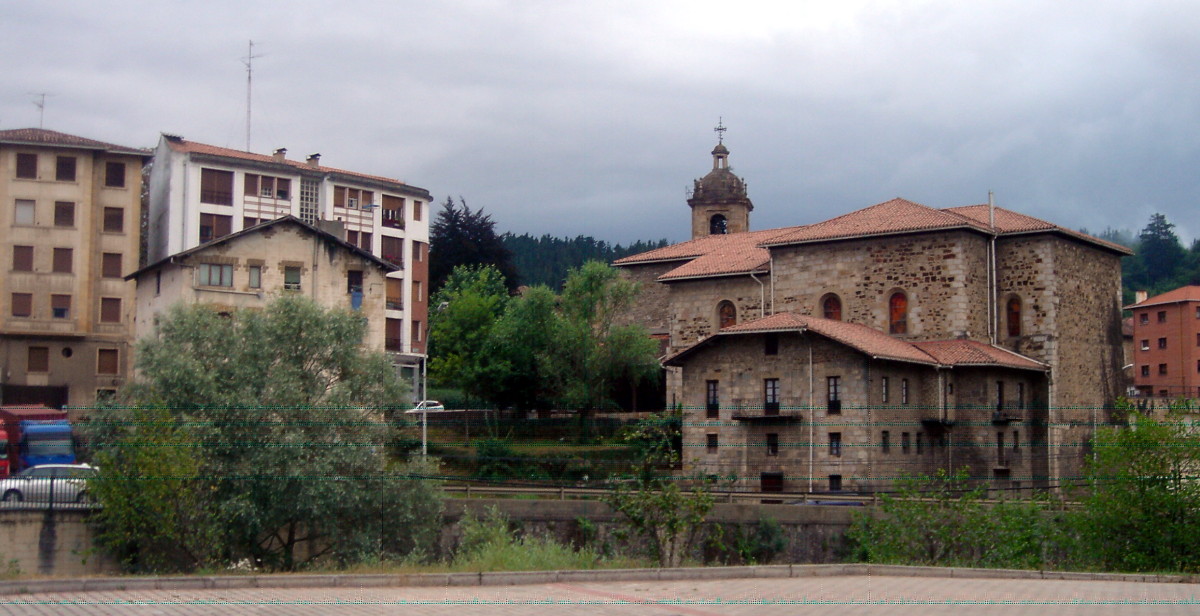
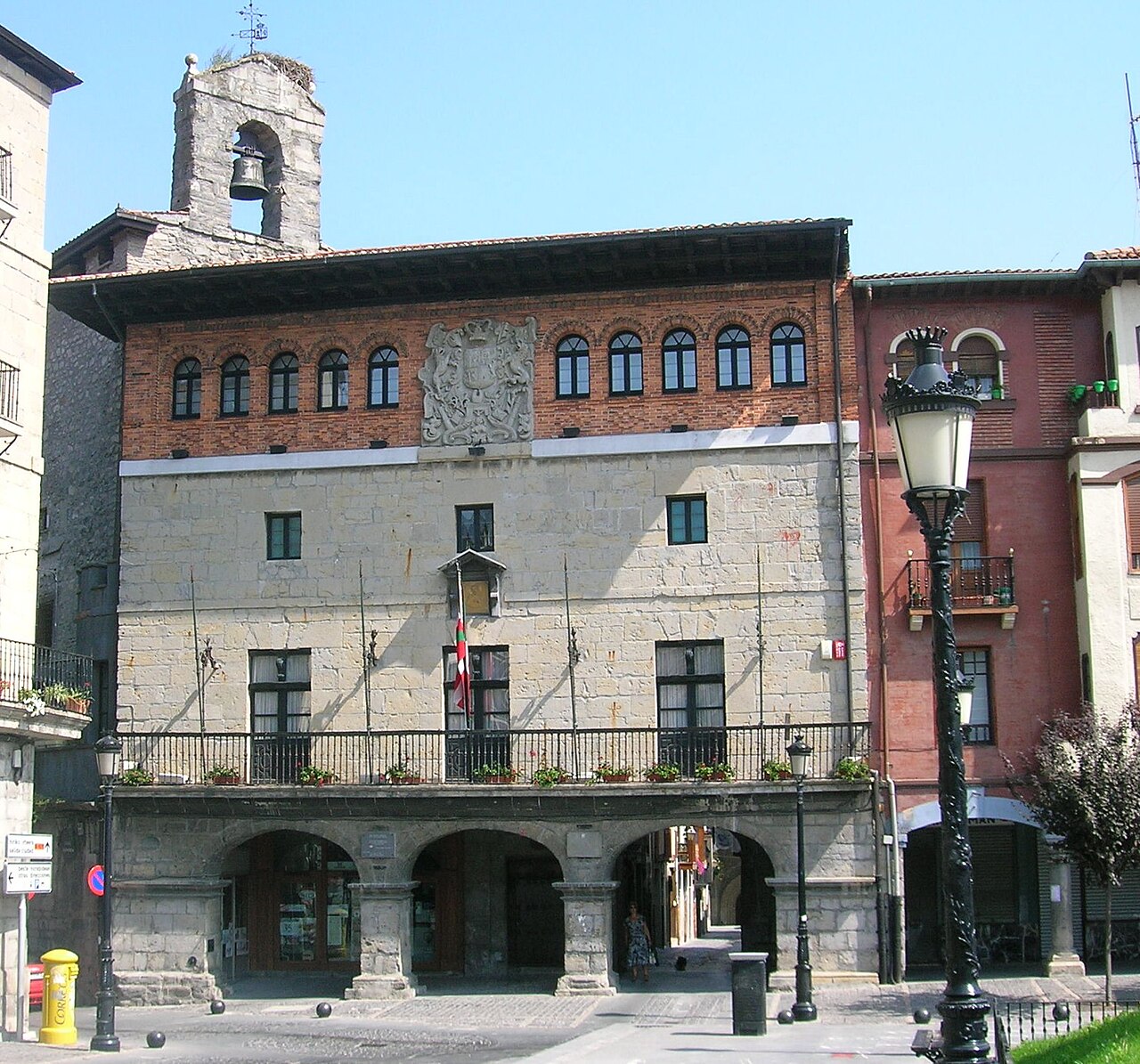
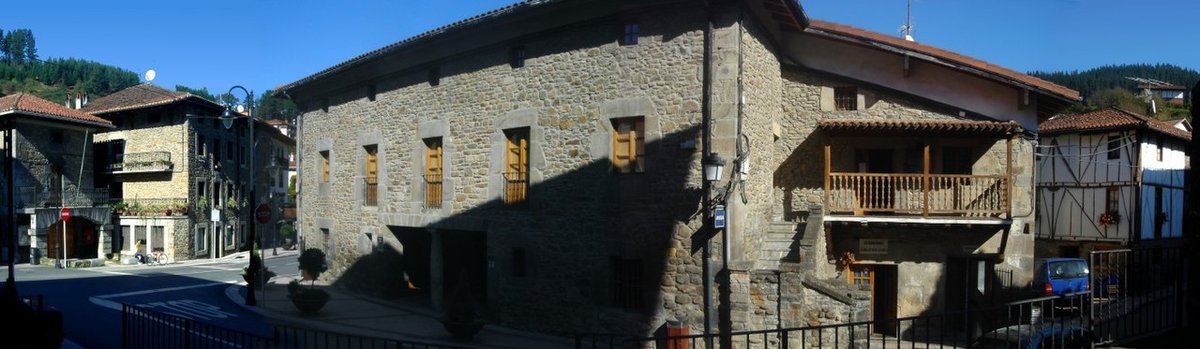
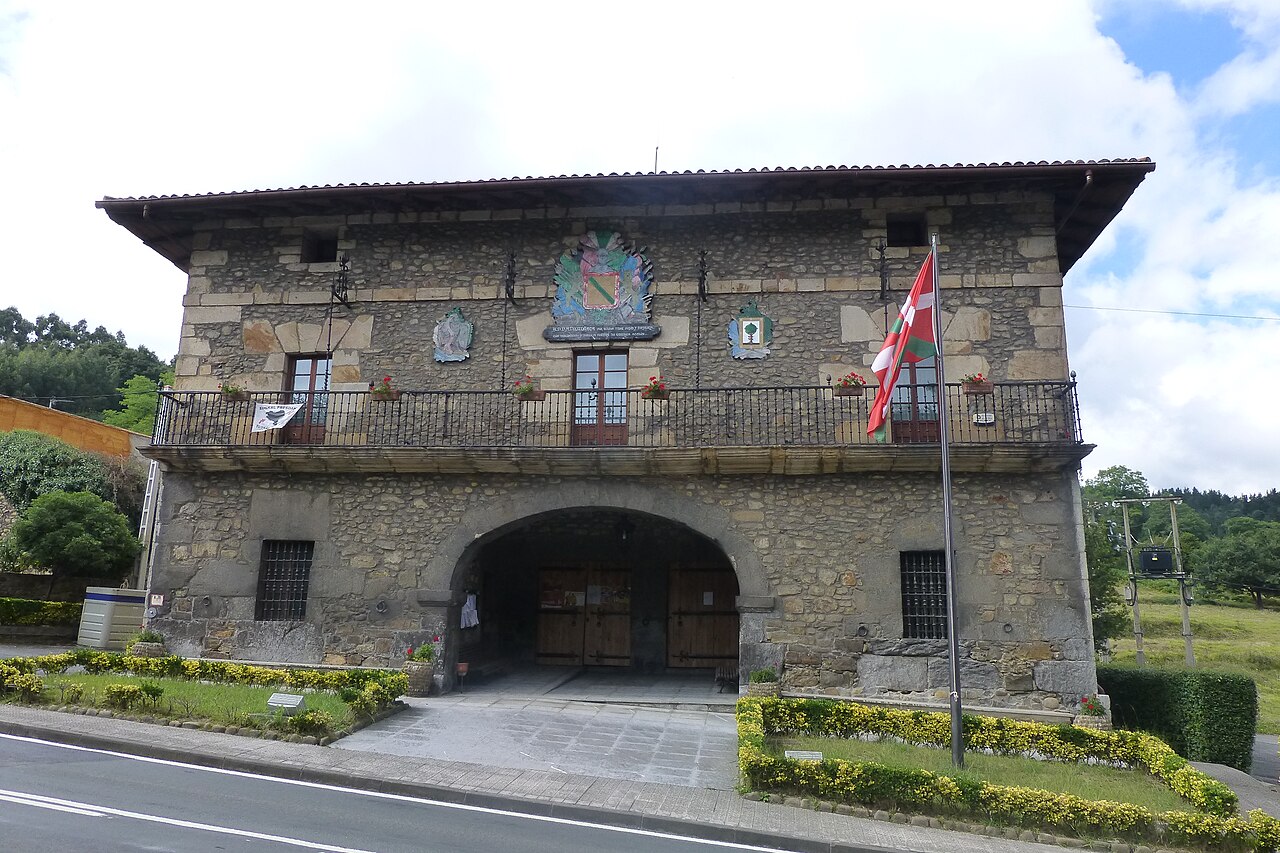
The old centre is small enough to explore between lunch and the evening pintxo return. Start at the 15th-century Santa María church; if the oak doors are unlocked, step inside for five minutes of vaulting and shadow. When they’re not, console yourself with the plateresque façade of the former University of Sancti Spiritus next door—sixteenth-century students came here to study grammar and theology long before the place had reliable road access. Continue past mansions whose coats of arms grow more elaborate the narrower the street becomes, until you spill out again into Foru Plaza where the neoclassical town hall keeps watch like a punctilious usher.
Behind the square the Nervión river begins the journey that ends 200 metres lower in Bilbao’s estuary. A ten-minute drive (or a stiff two-hour trek) brings you to the Salto del Nervión, Spain’s highest single-drop waterfall—except when it isn’t. Visit after a dry July and you’ll find a limestone amphitheatre echoing with wind rather than water. The canyon still impresses, but the Instagram money-shot requires recent rain or spring snow-melt. Locals suggest ringing the tourist office; if staff answer “no hay agua”, postpone and go walking instead. The path is straightforward but wear grippy soles: Basque limestone polishes into an ice-rink at the first hint of drizzle.
Uphill for views, downhill for lunch
If the waterfall is running, pair it with the shorter mirador circuit (allow 90 minutes return). Otherwise swap cars for calves and climb to the Santuario de Nuestra Señora de la Antigua. The cobbled track starts between pastel houses at the top of the town, gains 160 metres in 1.2 kilometres, and provides handrails only at the final chapel gate. The effort buys a balcony over the entire enclave: cornfields, red roofs and the BI-636 threading away towards Vitoria like a dropped ribbon. Sunday mornings see families power-walking the slope; catch your breath while they recite the rosary inside, then descend in time for churros at the kiosk that appears beside the fountain each weekend.
Back on level ground, lunch options revolve around seasonal stews rather than tasting menus. Beltza Gorri on Calle San Juan does a textbook tortilla de patata—runny centre, no onions—safe enough for the pickiest British child. Adults can graduate to a Gilda pintxo: anchovy, guindilla pepper and olive on a stick, salty, spicy and the colour of a Barcelona shirt. Roast lamb appears on Sundays; order for two and you’ll receive enough cordero to fell a lesser appetite, plus the bone to gnaw politely. Txakoli, the local lightly-fizzed white, is poured from height into small glasses; at 11% ABV you can manage a second round without missing the afternoon museum slot.
When the day trippers leave
That museum—the Casa de la Cultura on the square—opens whenever volunteers feel like it. Knock and hand over two-euro coins for an eccentric display of ironwork, butter presses and a 1920s photograph of British engineers inspecting the Bilbao railway. The experience lasts twenty minutes, perfect while you wait for kitchens to reopen at 19:30. Attempting dinner earlier is the surest way to learn that Spanish clocks are not a tourist suggestion.
Evenings follow the continental script: stroll, natter, compare yesterday’s football until pintxo bars flick on their neon at half-past seven. By 22:00 the plaza is loud with Basque, the language most locals speak first; Spanish arrives second, English a distant third. Pointing works, but downloading an offline Basque-Spanish dictionary saves blushes when asking for the loo (komuna, since you wondered).
Practicalities without the checklist
Bilbao airport sits 40 minutes away on the BI-636—fast, sweeping, and preferable to sat-nav routes that detour through Burgos. Fill the tank before the weekend; Orduña’s single petrol station closes Saturday afternoon and all day Sunday. Parking on the square edges is free after 14:00 and unrestricted on Sundays, but move the car before Tuesday market or you’ll be boxed in by vegetable stalls. Bring cash: many bars refuse cards under €20 and both ATMs occasionally refuse foreign plastic after 22:00. Nights are cool year-round; a light jacket weighs less than regret.
The town makes a convenient overnight halt rather than a multi-day base. One night lets you walk the gorge, climb the sanctuary and eat well without rushing. Combine it with a circuit of the nearby Salt Valley of Añana or the Gorbea massif, then head north to the coast or south to Rioja depending on rainfall and enthusiasm. Leave time for a final coffee in the square: watch the delivery vans negotiate medieval corners and remind yourself that, administratively at least, you’re still in Bilbao’s province even if every road out insists otherwise.