Full Article
about Zeanuri (Ceánuri)
Valleys and hamlets a short distance from Bilbao, with a strong local life.
Hide article Read full article
Zeanuri is bigger than it looks
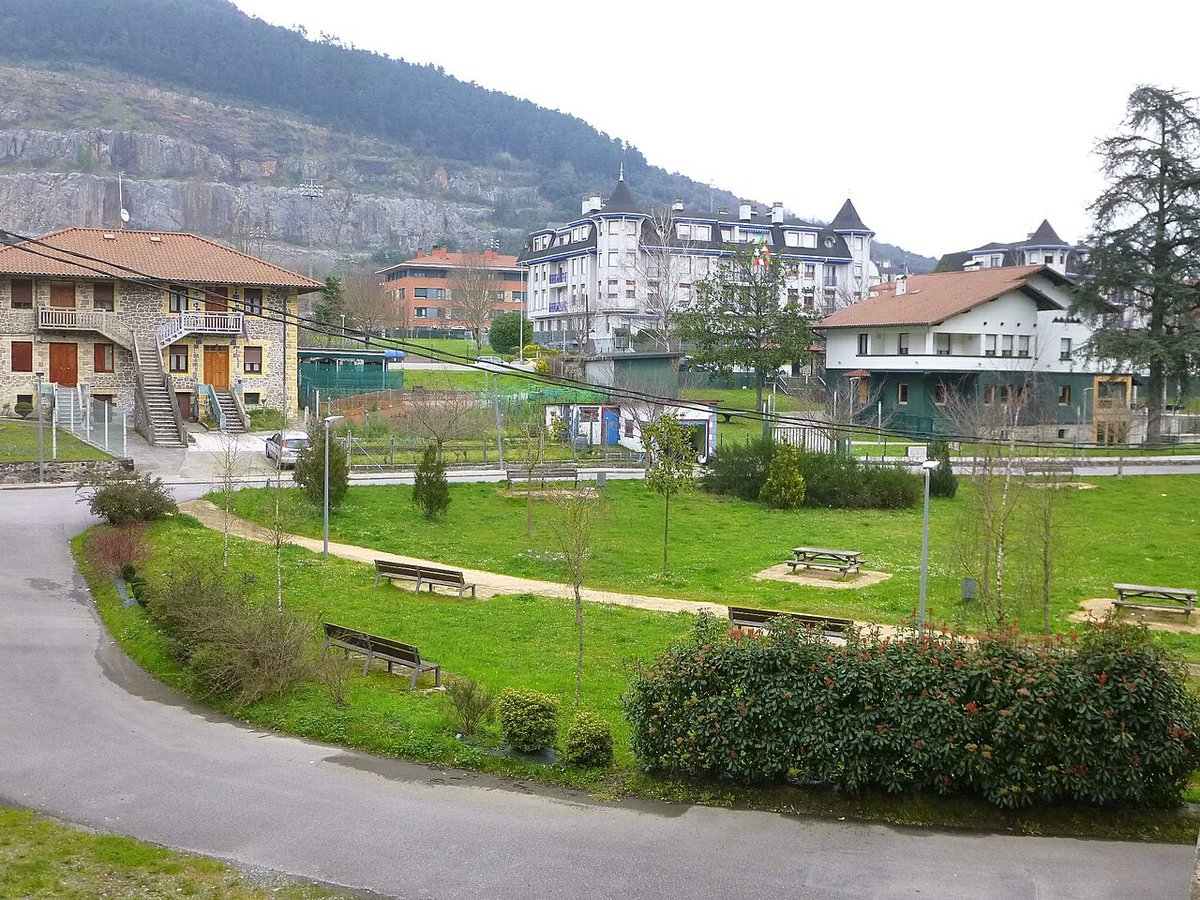
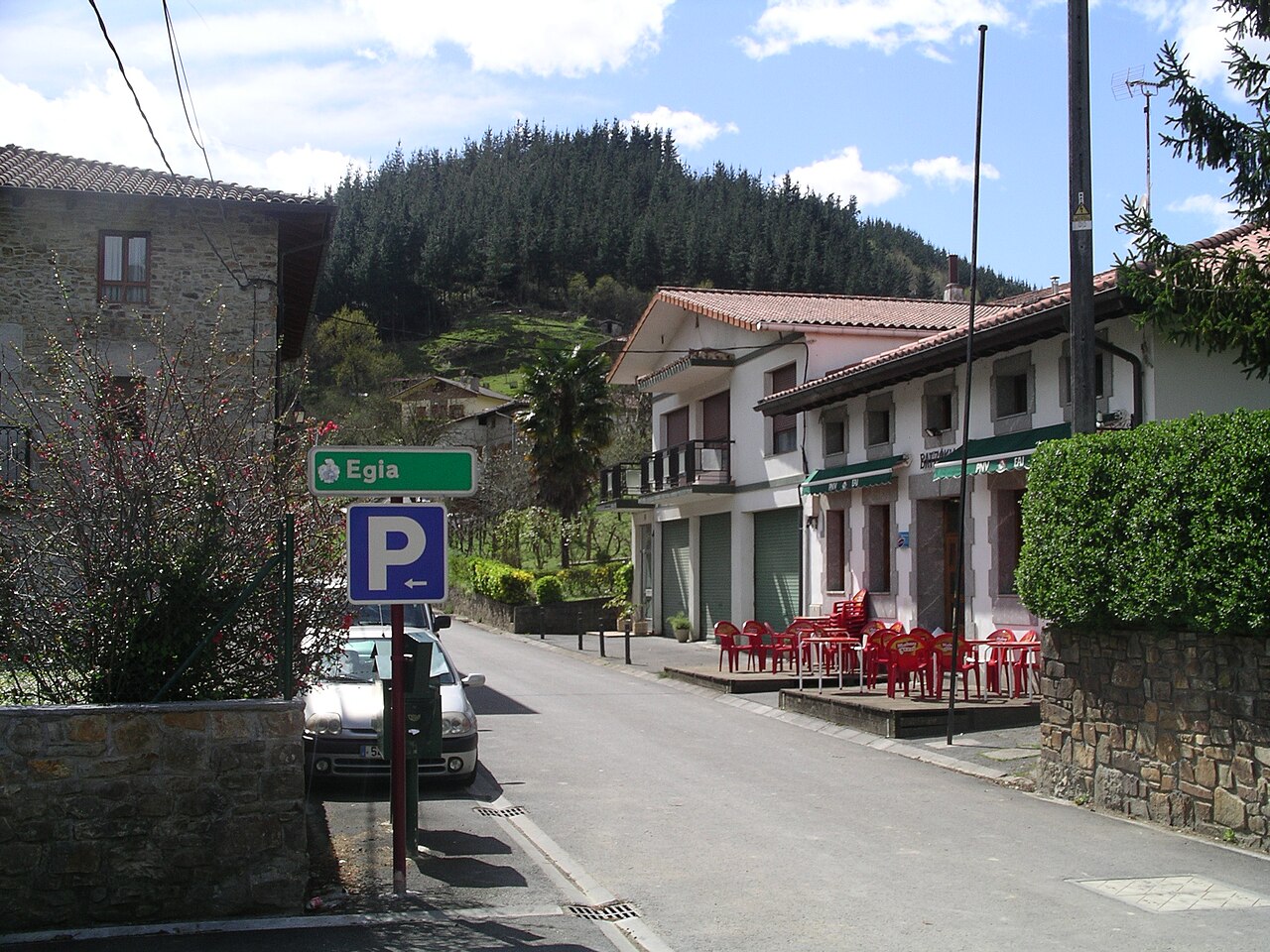
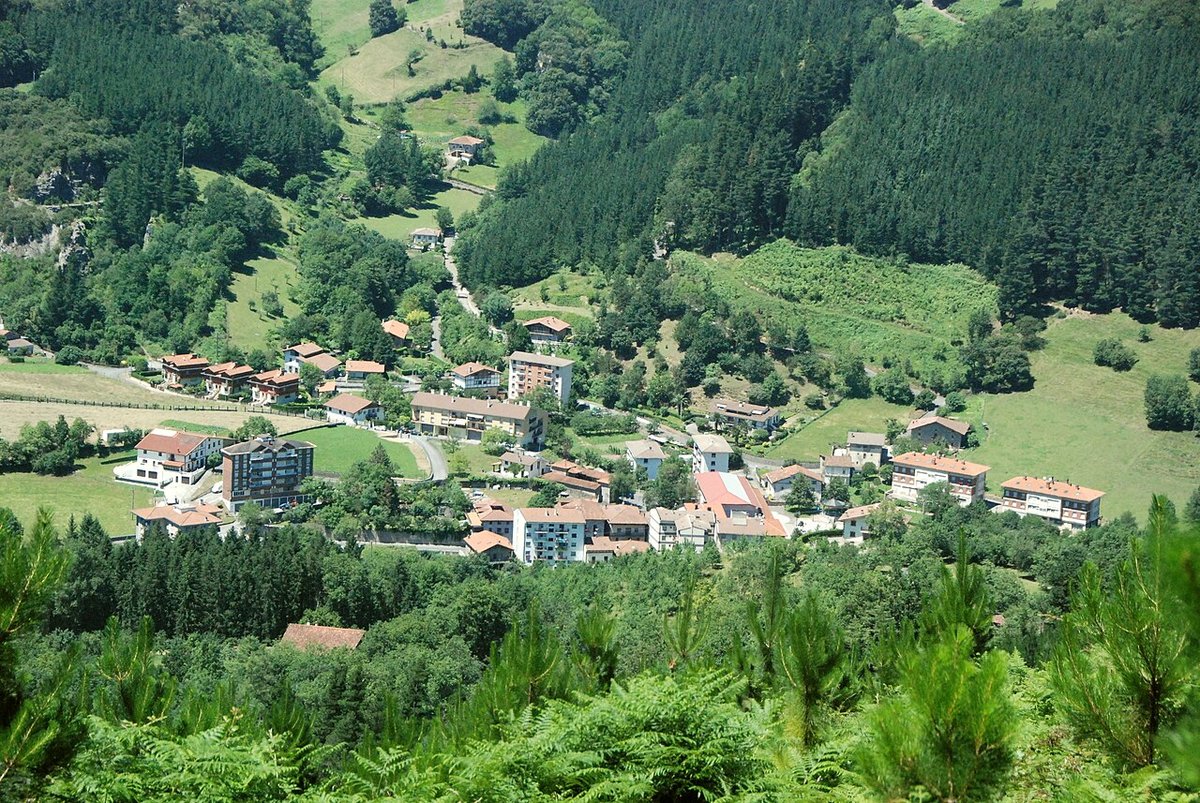
You know those villages where you park, see the church, have a coffee and feel like you’ve done the whole place? Zeanuri isn’t one of them. It’s more like someone took a handful of farmhouses and neighbourhoods and tossed them across a valley in the Arratia-Nervión area. The official centre is just where the map says it is. The real village is out there, spread over the hillsides, connected by paths that disappear into meadows.
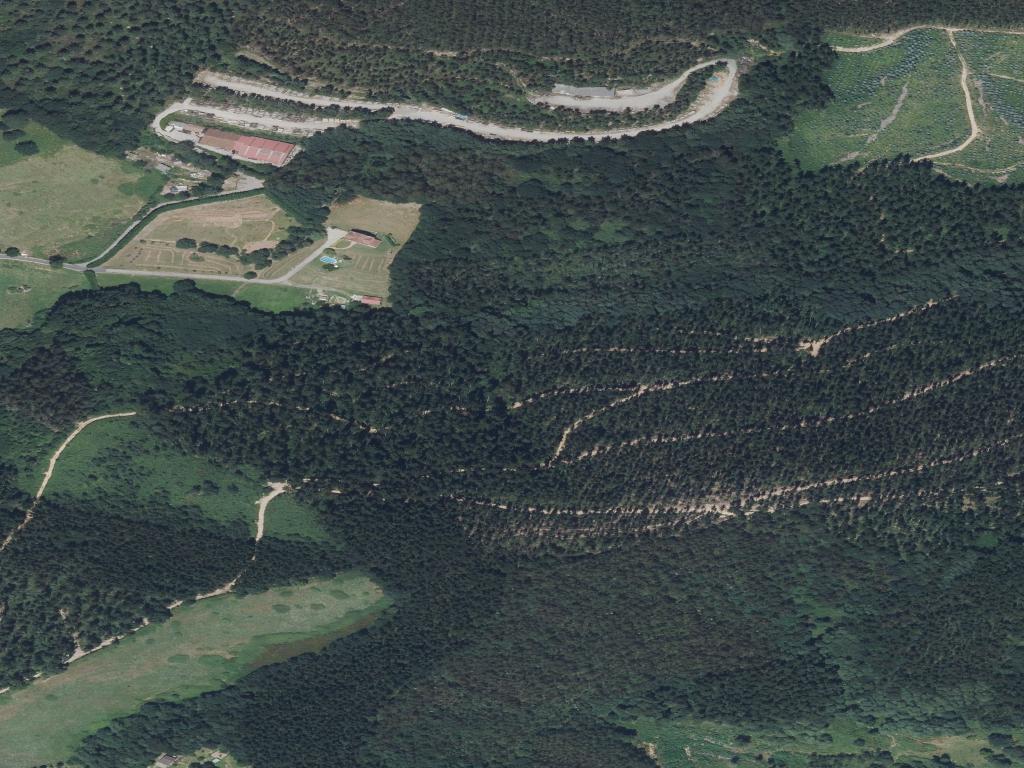
With about 1,200 people, life here is tied to the land. A good chunk of the municipality sits inside Gorbeia Natural Park, and you feel it immediately. The air is damp, there’s limestone underfoot, and you’re never far from the sound of sheep or cowbells. This isn't a checklist destination. You come here to walk, to get a sense of how people live with a mountain on their doorstep.
Understanding the layout: start at the church
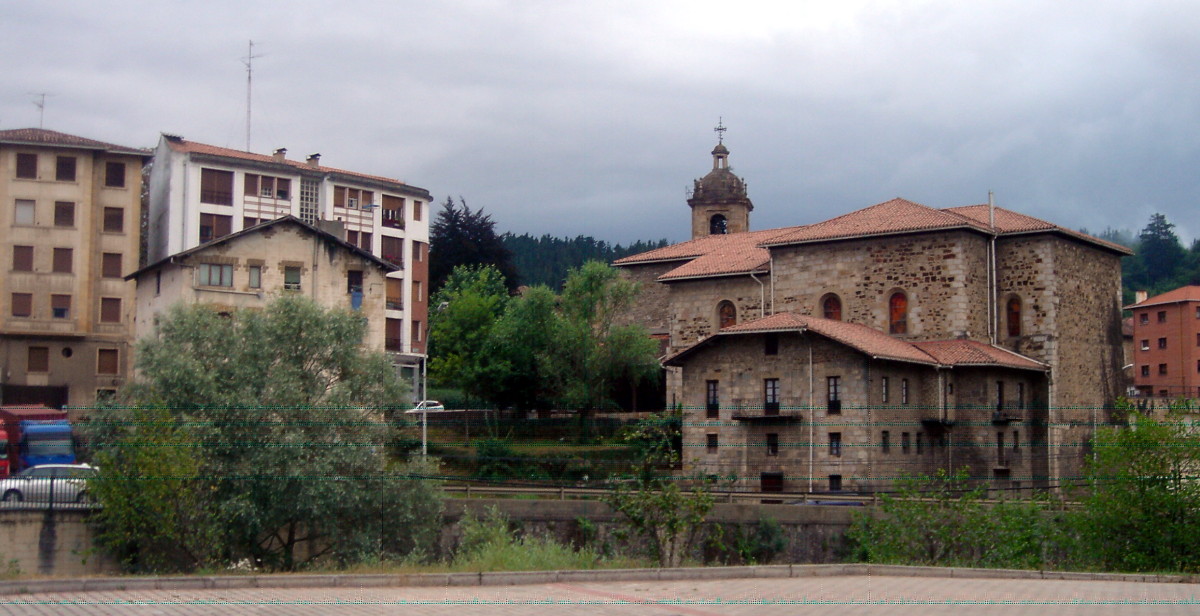
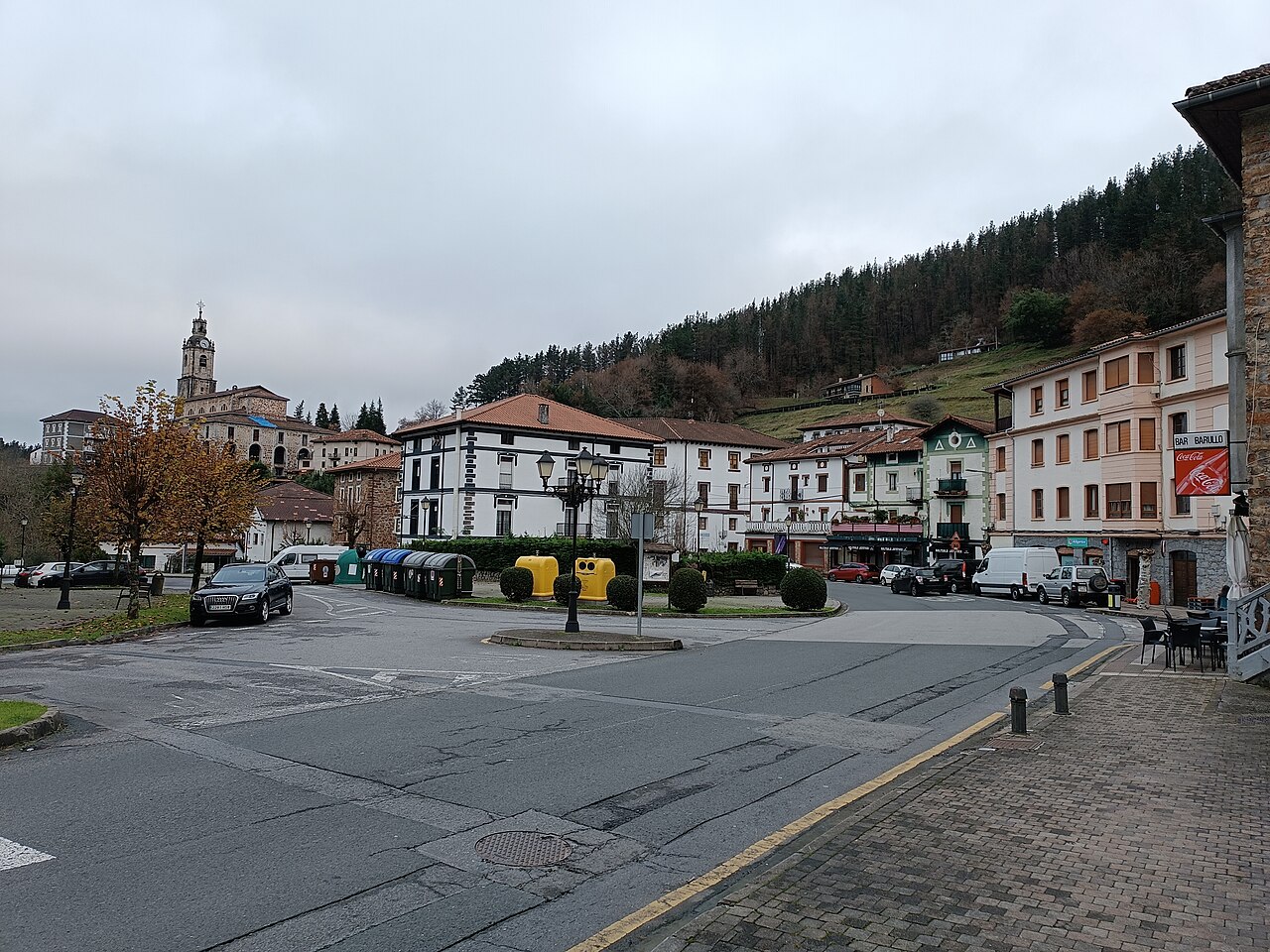
When you arrive, head for the church of San Martín de Tours. It’s your landmark. It's not overly grand, but it gives you a fixed point in what can feel like a scattered place. From there, the village starts to make sense.
Walk away from it and Zeanuri unfolds. You’ll pass low stone walls, isolated caseríos (those classic Basque farmhouses), and fields that seem to stitch the different barrios together. The paths don’t run straight; they follow old tracks between homes and pastures. One minute you’re by a stream under alder trees, the next you’re in an open field with a view straight up to Gorbeia.
Your reason to come: walking in Gorbeia
Let's be honest: for most visitors, Zeanuri is a starting point for Gorbeia. That famous cross on the summit is over 1,400 metres up and it's a proper day hike from here. It's not technical climbing, but it's long and steep in parts. The weather also does what it wants up there.
If that sounds like too much commitment, don't worry. The lower slopes are crisscrossed with shorter routes through beech woods and pastures. You can easily spend half a day following paths that loop back to where you started, without ever tackling the main climb.
For an easier loop: Undurraga reservoir
Need something flat? Drive a few minutes to the Undurraga reservoir. It won't win any awards for dramatic scenery, but that's kind of the point.
Locals use the track around it for running or an evening stroll. It's peaceful in an understated way – just water, trees, and hills in the distance. Think of it as a palate cleanser after more demanding walks.
Walking here is just what people do
In Zeanuri, walking isn't really a tourist activity. It's just how you get around between neighbourhoods or check on livestock. Some visitors come with the single goal of bagging Gorbeia's summit. Others are happier linking farm tracks into a meandering route of their own making.
Come autumn, those woods fill with people foraging for mushrooms. If you join in, do your homework first. There are rules about where and what you can pick; treating it like a free-for-all supermarket won't make you any friends.
Festivals are for locals (but you can watch)
The main event is around San Martín in November. In summer, different neighbourhoods throw their own smaller fiestas with music, food, and sometimes rural sports like stone-lifting.
These aren't staged performances for outsiders. They're community parties that happen to be in public spaces. The best approach is to observe quietly from the edges – maybe grab a drink from a stall – without expecting to be part of the inner circle.
A few practical things to know
You can "see" central Zeanuri in twenty minutes flat if that's all you want. But that misses everything worthwhile here.
Distances between neighbourhoods are longer than they look on a map because of the terrain involved – lots of up and down on those connecting paths. If your time is limited (say two hours), pick one thing: either wander out from the church along any path that catches your eye until you feel like turning back. Don't be fooled by roadside views of Gorbeia either – getting to its base often requires more walking than expected before any real ascent begins. Plan accordingly with water and decent shoes. Zeanuri works when you accept its pace. It’s not about seeing things; it’s about passing through them slowly enough to notice how life fits into this landscape