Full Article
about Zeberio (Ceberio)
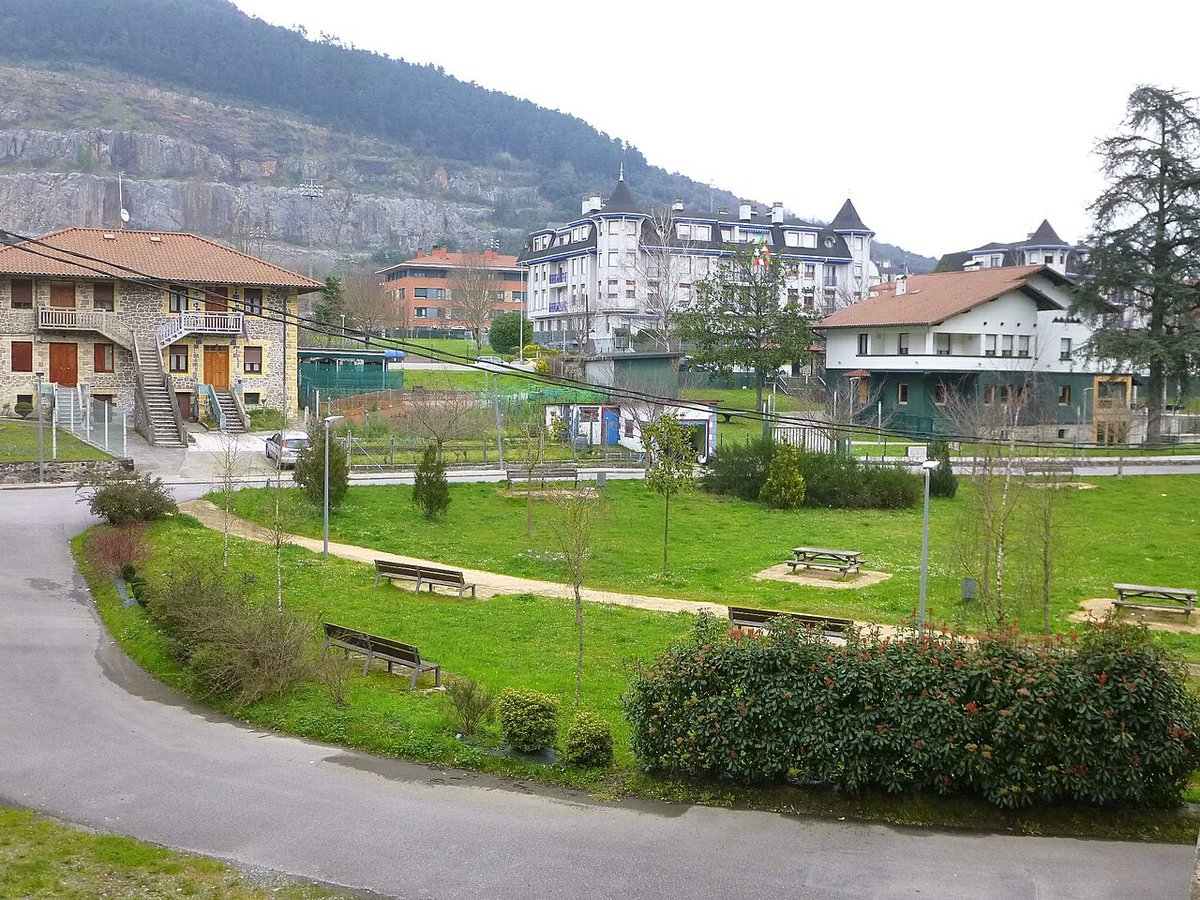
Valleys and hamlets a stone’s throw from Bilbao, with plenty of local life.
Hide article Read full article
Morning in the valley
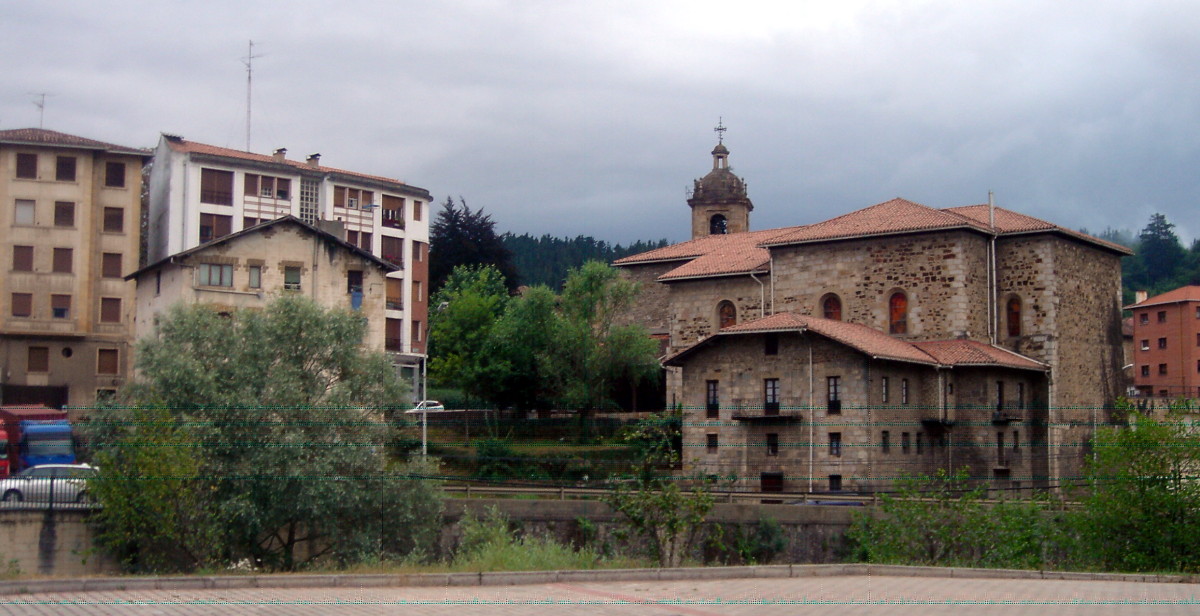
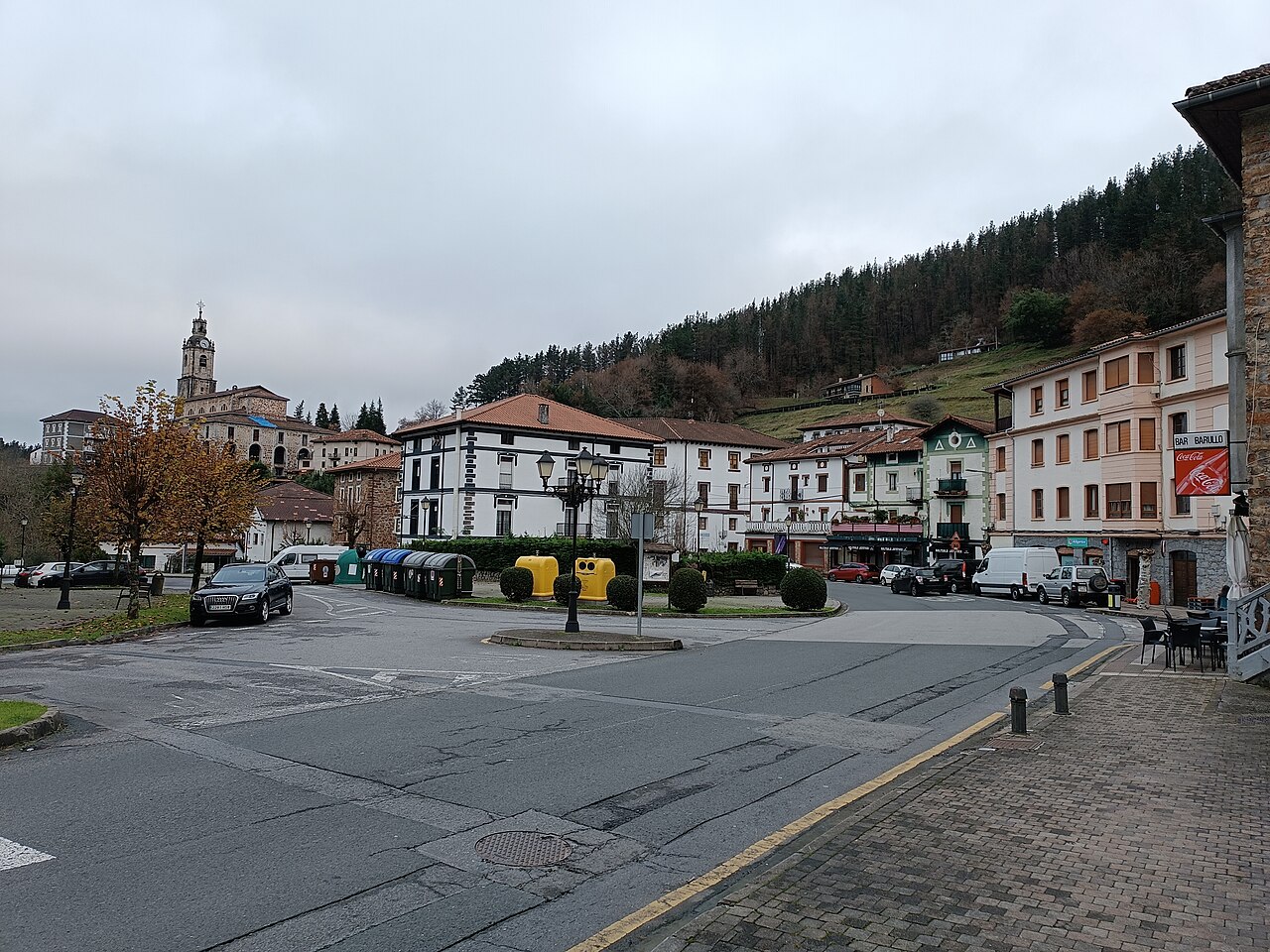
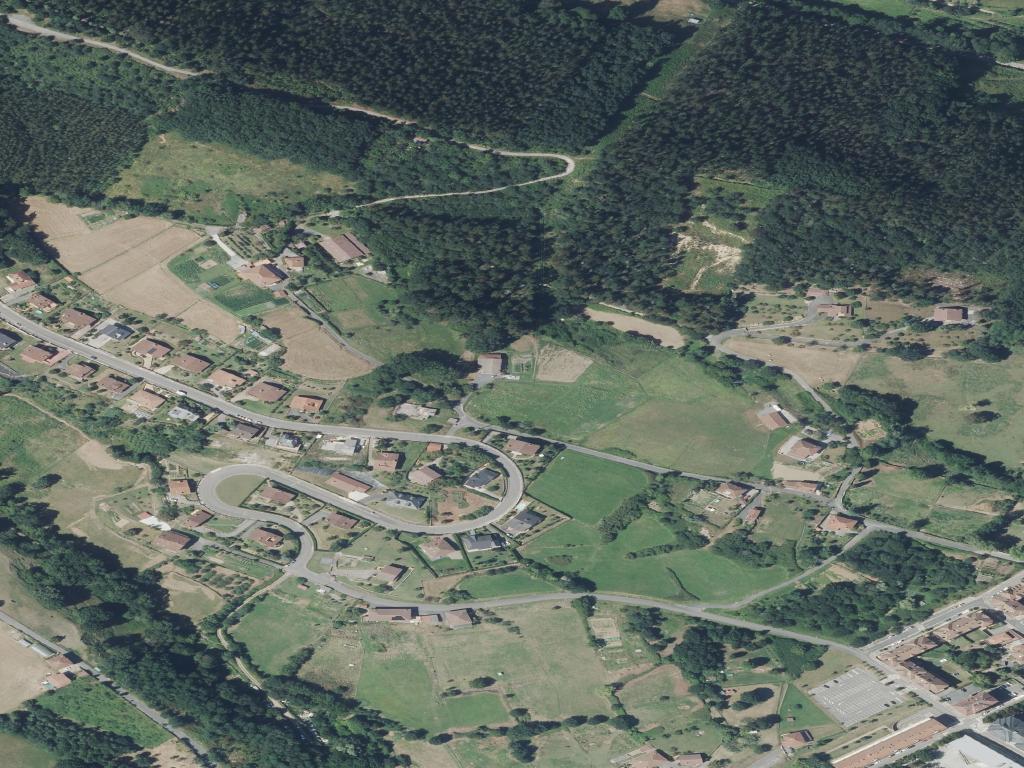
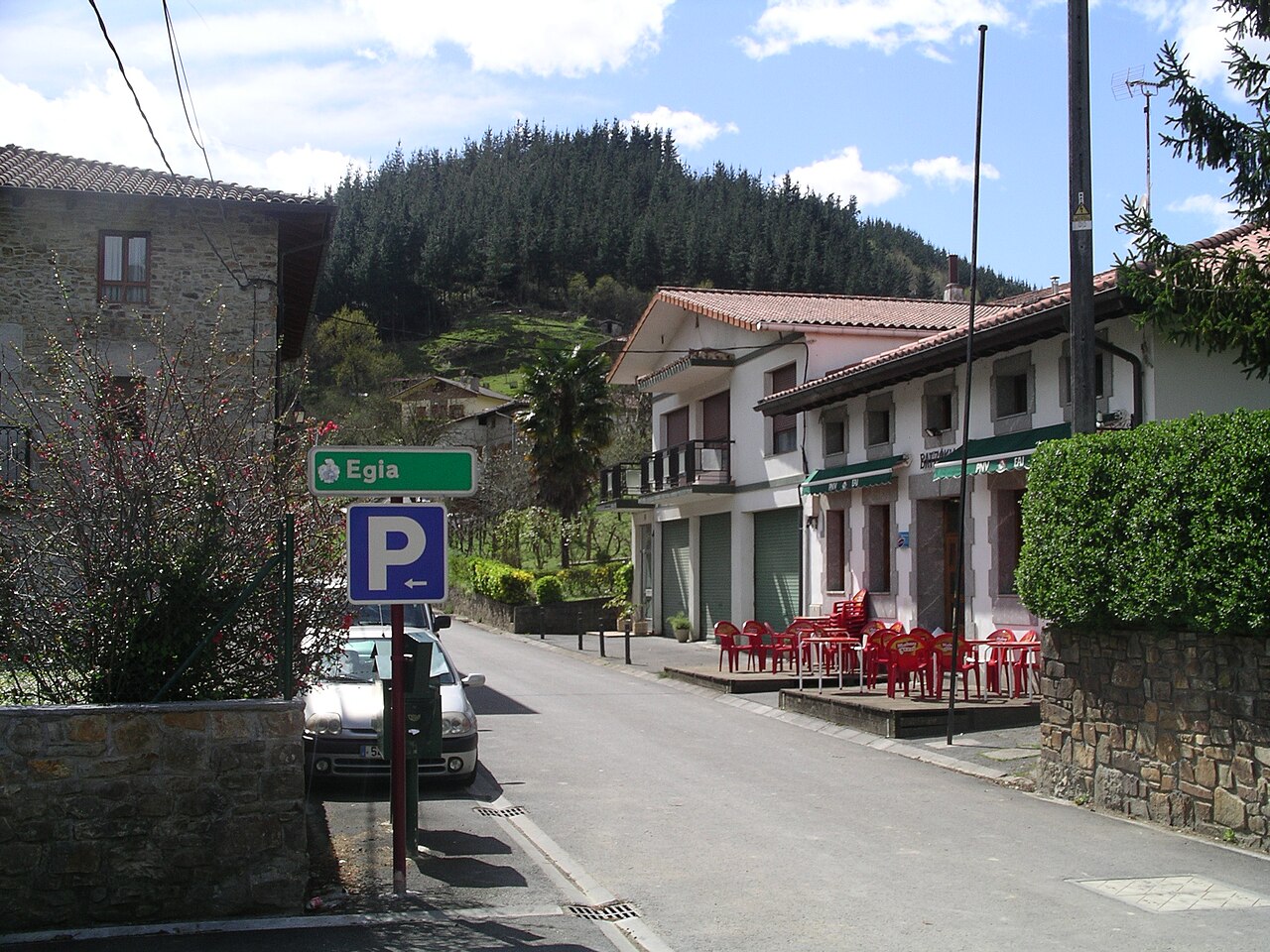
At eight in the morning, mist climbs the valley as if someone has turned on the tap of an invisible river. From the porch of the church of Santo Tomás, dark roof tiles shine with frost, and the air carries the smell of freshly lit firewood and wet grass. This is where tourism in Zeberio begins to make sense, in moments when barely a car passes along the valley road and the first sound of the day is often a farmhouse door opening or a dog lifting its head before you even reach for a camera.
There is no rush here. The rhythm is set by small, everyday movements and by a landscape that seems to wake slowly. Zeberio does not present itself all at once. It reveals itself in fragments, in sounds, in the way light shifts across the slopes.
A valley once divided by work
Before becoming an independent municipality, something that happened relatively recently, Zeberio already functioned as two distinct worlds within the same valley. The divide was not marked by roads or administrative borders, but by trades.
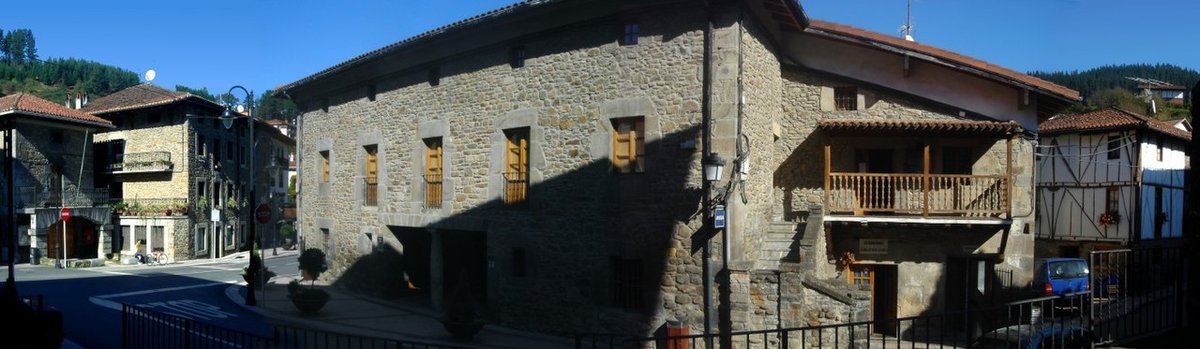
In the higher areas, agricultural farmhouses dominated. Lower down, closer to the water, lived those who worked in ironworks and mills. That contrast has not disappeared entirely. It can still be traced if you walk without hurry: small stone roadside shrines, old lime kilns where quicklime was once burned, and the remains of ironworks whose walls still seem to hold a faint metallic smell that appears when moisture meets old iron.
In Ermitabarri, a small space dedicated to the craft of the blacksmith is sometimes open to visitors. It is modest, but enough to understand the nature of the work. Heavy anvils, tools worn down by decades of use, and a lingering sense that this valley, long before roads and cars, rang with the sound of hammer striking metal.
Twelve hermitages and a demanding path
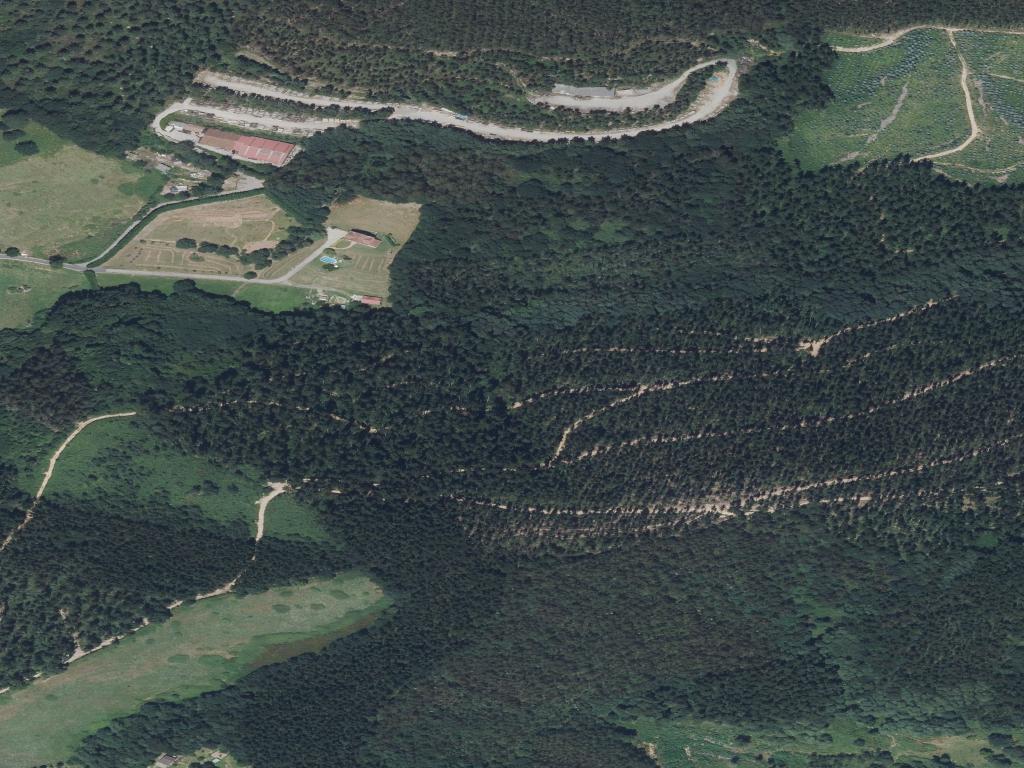
The route known as the twelve hermitages is far from a short stroll. It stretches for nearly twenty kilometres, climbing and descending along slopes covered in oak and beech trees. After several days of rain, something quite common here, mud clings to your boots and forces a slower pace.
The path passes small hermitages scattered across the valley’s neighbourhoods. Some are very simple, almost rustic. Others hold small details that catch the eye, such as narrow windows or very old stones reused during later rebuilding. The hermitage of San Adrián, in Argiñao, has an opening so slim that at dawn a thin beam of light cuts through the dim interior.
Certain winter customs linked to these hermitages are still maintained. After some masses or local pilgrimages, it is common for farmhouse products to be raffled: chickens, cheese, cured meats, eggs. It does not happen in exactly the same way every year, but the purpose remains unchanged, to bring the local community together.
Sulphur water and quiet oak woods
The old spa of Telleri disappeared long ago, though the spring continues to flow. The water has a strong sulphur smell, reminiscent of boiled eggs. Some locals still come with small containers, saying it is good for the skin.
The path leading there is not long. It runs between tall ferns and twisted oak trees that let light through in fragments, especially in the late afternoon. Nearby, there is a small area to stop, with stone tables and a stream that in summer runs clear enough for children to step into up to their knees.
It is worth bringing water or something to eat if spending the day in this part of the valley. There are no bars or shops nearby. The plan here is usually simple: walk, sit for a while, and listen to the water.
When to go, and what to expect
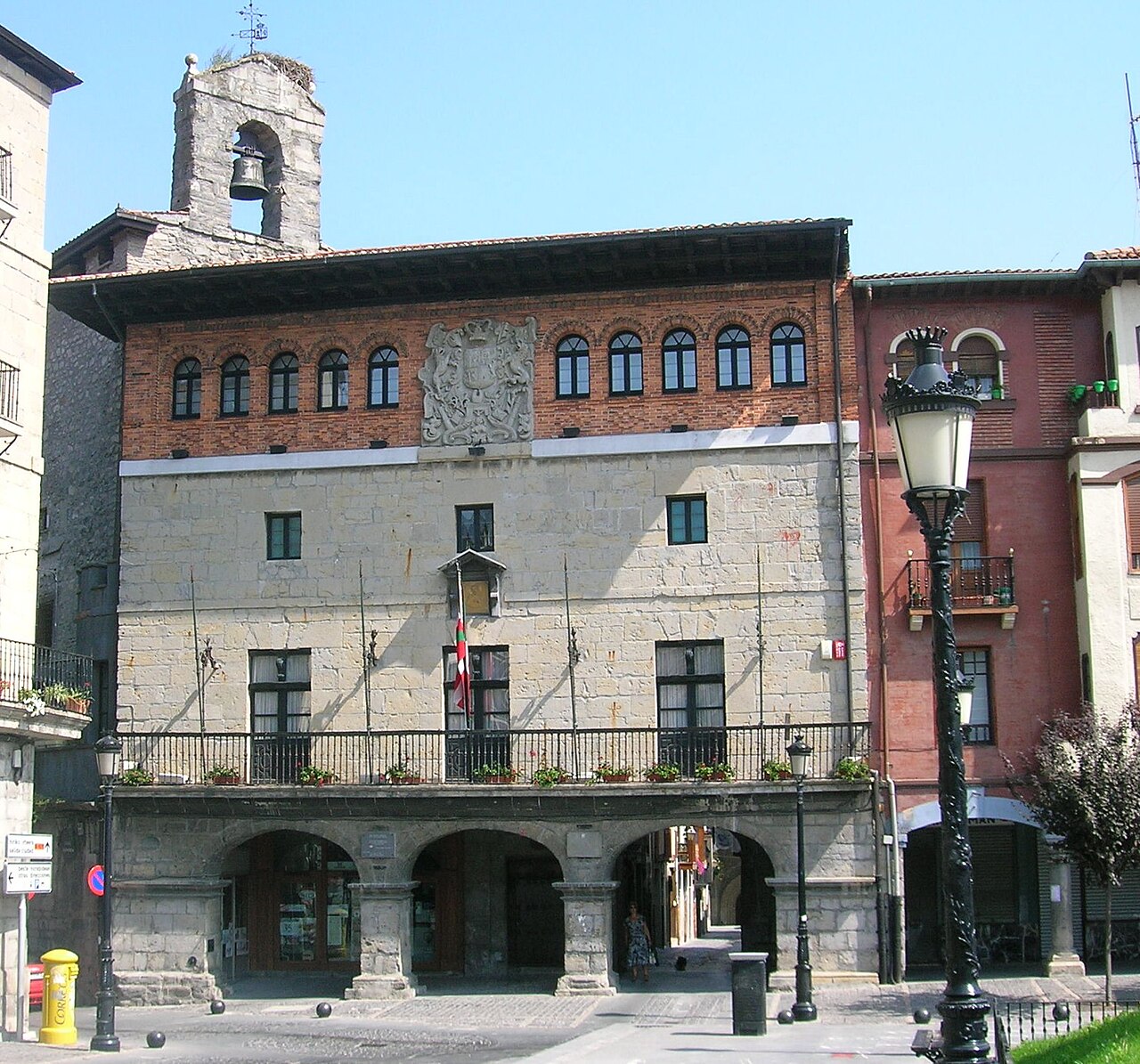
Zeberio is best enjoyed between spring and early autumn. In April and May, the oak woods of Ermitabarri burst into leaf and the valley turns intensely green. By September, the atmosphere shifts. The festivities of San Antolín tend to bring together much of the municipality around the square and the fronton, a traditional Basque pelota court, with txistu music, a high-pitched Basque flute, carrying across the valley when the air is still.
In August, especially at weekends, more mountain bikes and cars appear than usual. It never becomes crowded, but some of the valley’s quiet is softened.
It helps to arrive with simple expectations. There are no elaborate gastronomic displays or menus with elaborate names. What appears on the table usually comes from the garden or the farmhouse. If at a gathering you are offered talo, a traditional maize flatbread, with freshly made cheese still warm, it is best not to overthink it. The toasted maize leaves a flavour that lingers.
As evening falls, the mist rises again from the valley floor and the lights of the farmhouses begin to switch on one by one. From any hillside, they appear scattered across the slope like small yellow embers. The rest is silence, broken now and then by the lowing of a cow or the sharp sound of a wooden door closing.