Full Article
about Arratzu (Arrazua)
Valleys and hamlets a stone’s throw from Bilbao, buzzing with local life.
Ocultar artículo Leer artículo completo
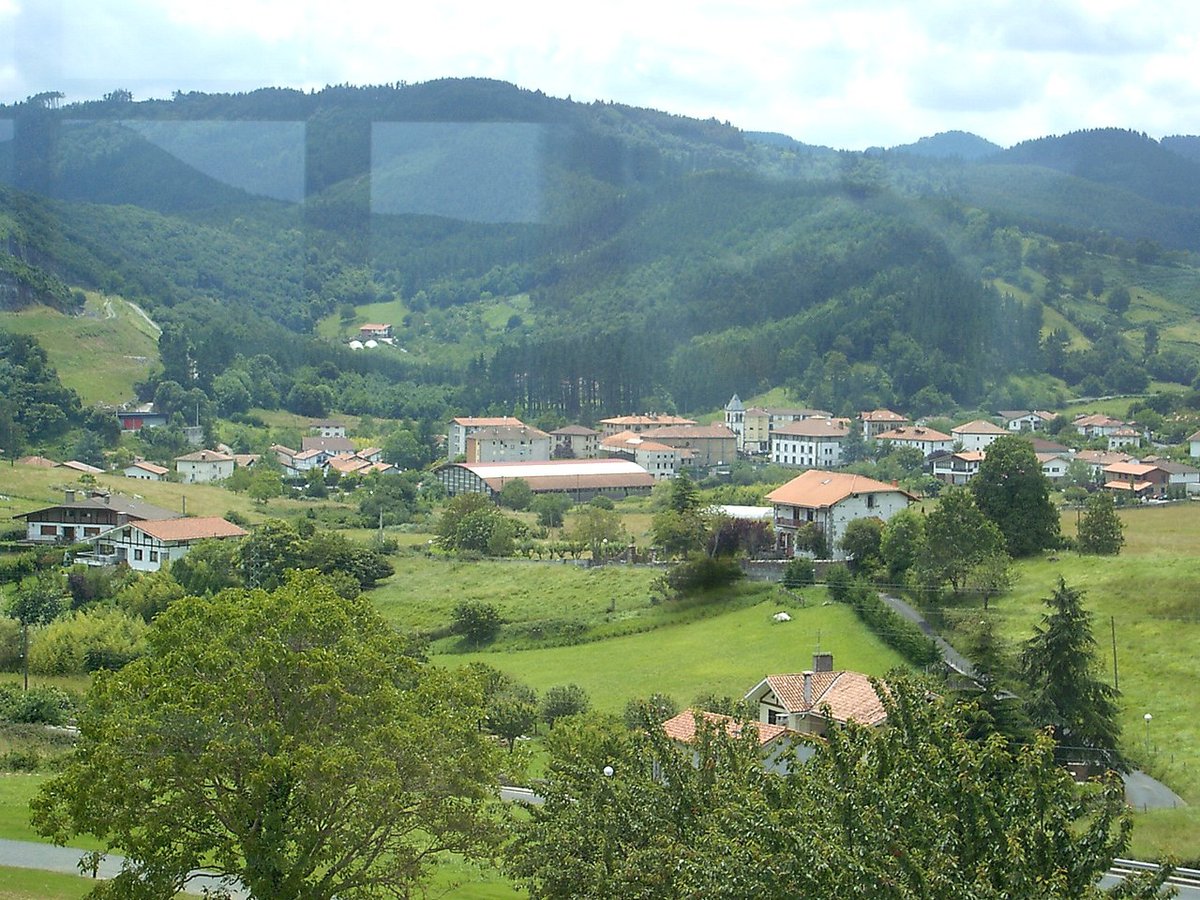
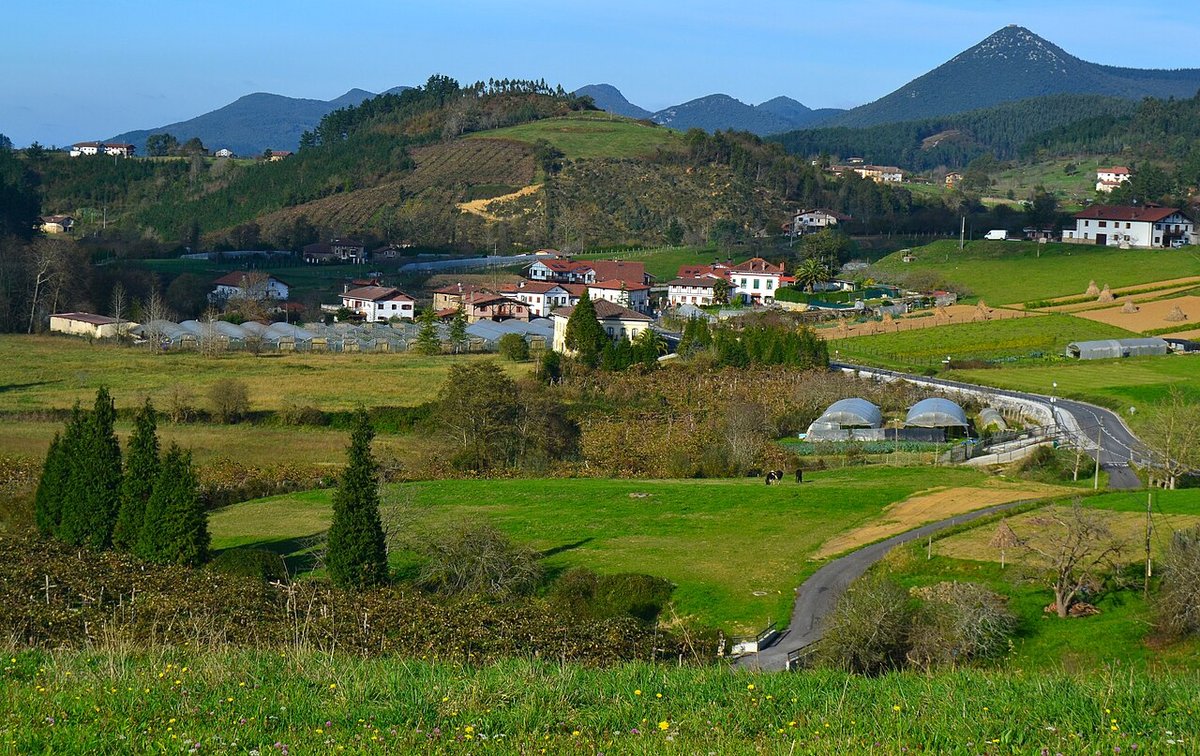
The kiwi orchards appear first, their vines strung along wires like oversized hop gardens. Forty minutes after leaving Bilbao's airport, the BI-2238 drops into the Busturialdea valley and suddenly you're surrounded by smallholdings that look suspiciously like Devon allotments on steroids. This is Arratzu—not quite a village, more a loose federation of farmsteads where 414 people still grow their own veg and know precisely which field belongs to whom.
Iron Age Foundations and Medieval Crossings
History here predates the Romans. A five-minute detour down a farm track leads to Arrola, an Iron-Age oppidum whose grassy mounds hide 2,000-year-old house platforms. Information panels are non-existent, so bring a torch and imagination. Down by the Oka river, the medieval Artzubi Bridge once funneled pilgrims northwards along the Camino del Norte; its single stone arch still carries tractors to market gardens on the far bank. Both sites sit on private land—farmers tolerate respectful walkers, but if a gate's shut, leave it that way.
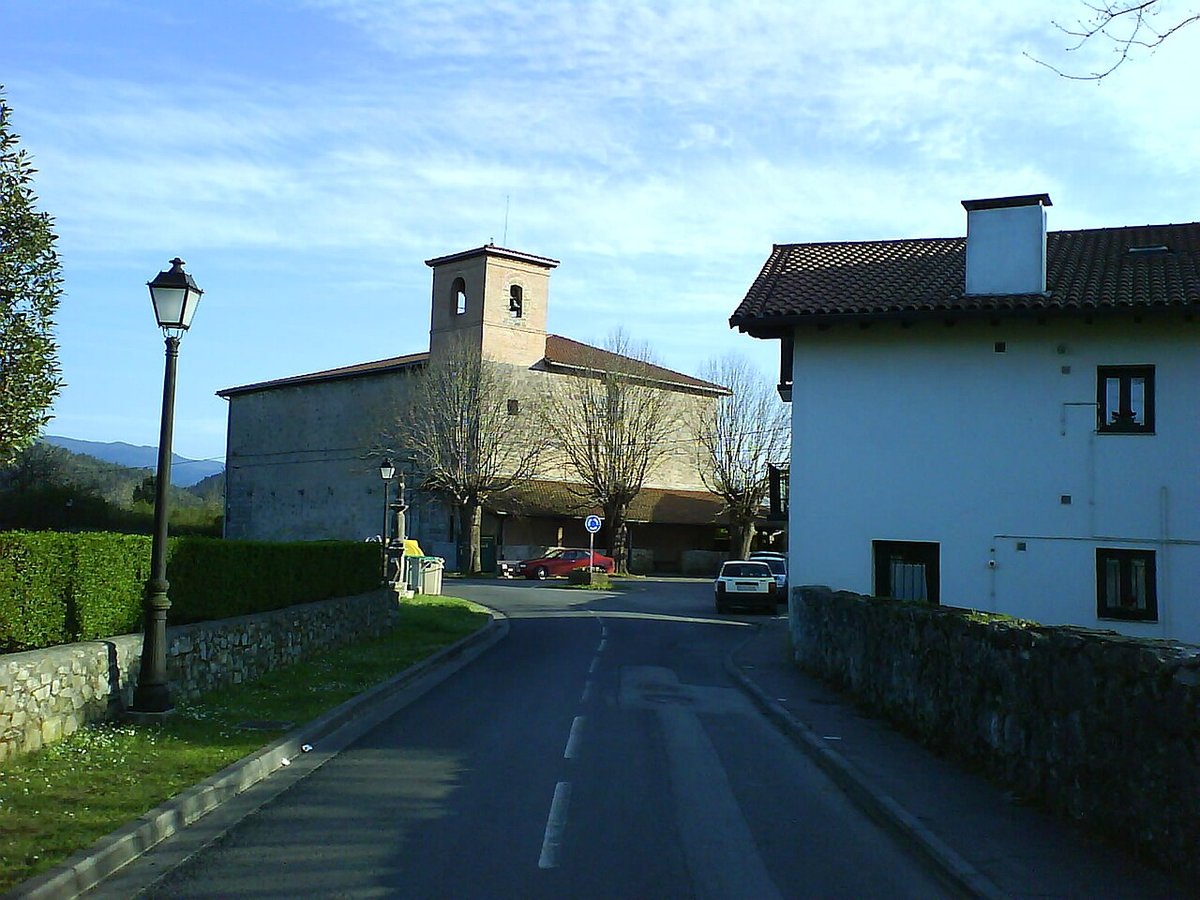
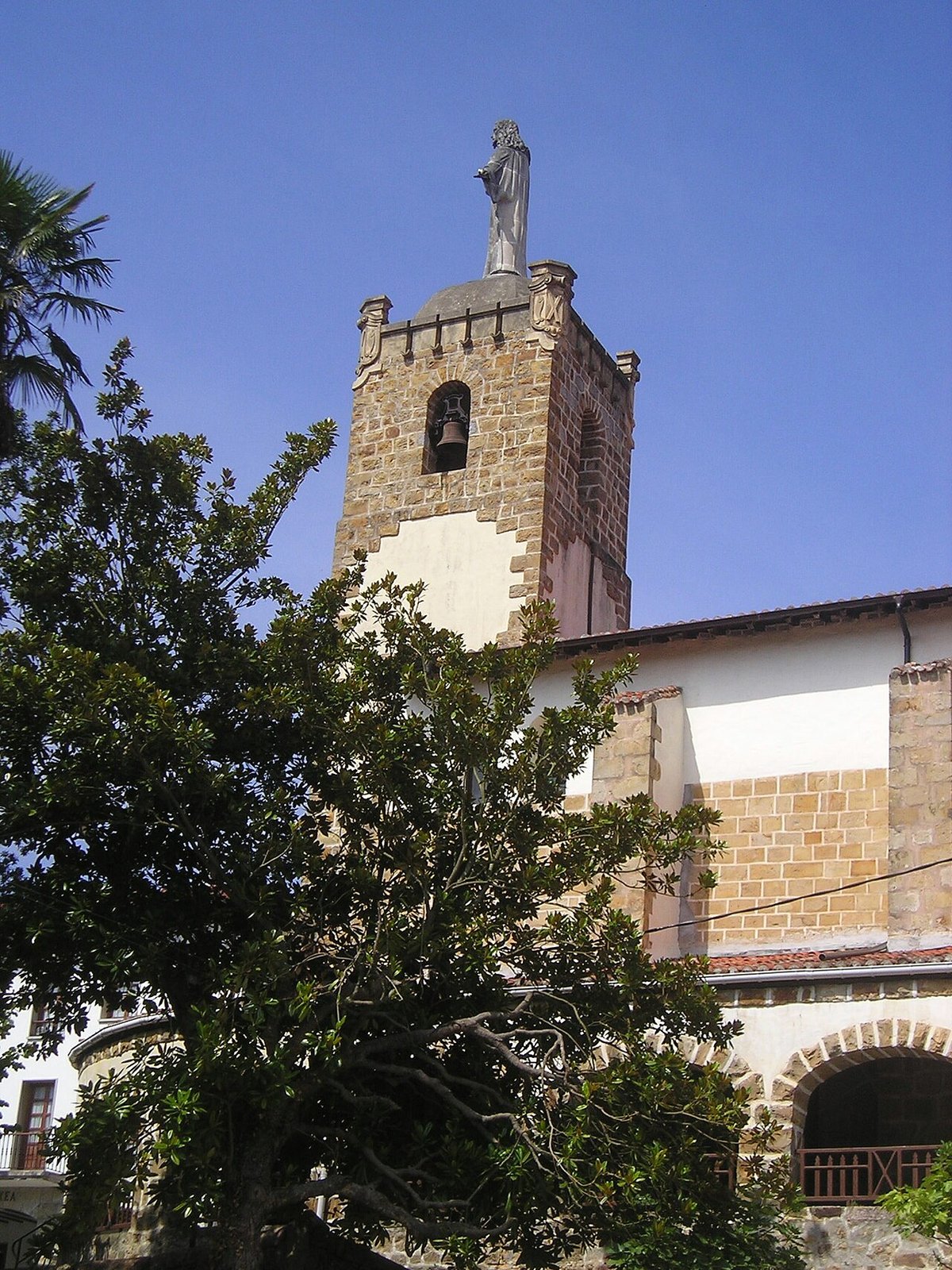
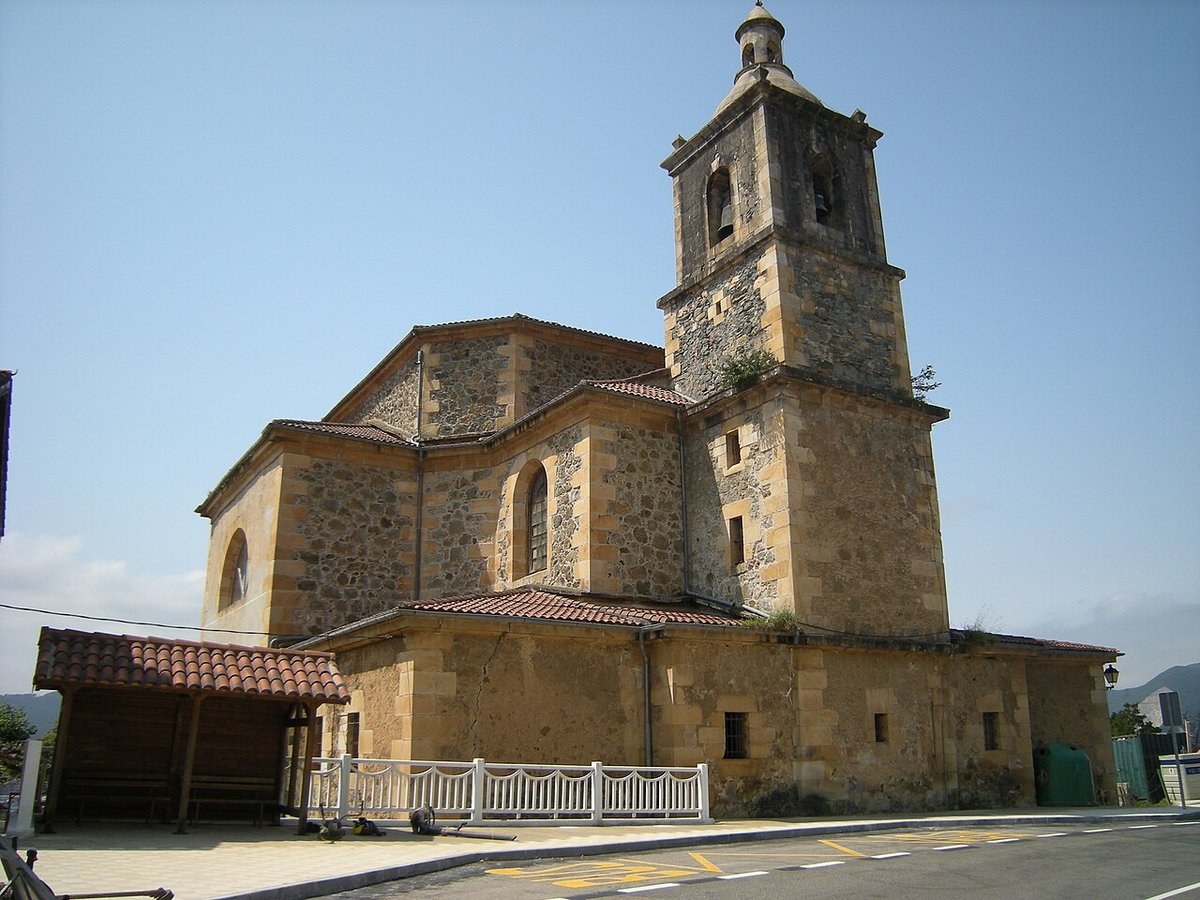
The only building that feels remotely "central" is the sixteenth-century parish church, locked except for Sunday mass at 11:00. Its plateresque doorway is worth the pause, though most visitors photograph the adjacent walnut tree instead; its trunk has swallowed half the surrounding bench, creating a natural sculpture that changes with every season.
Walking Through Someone's Workplace
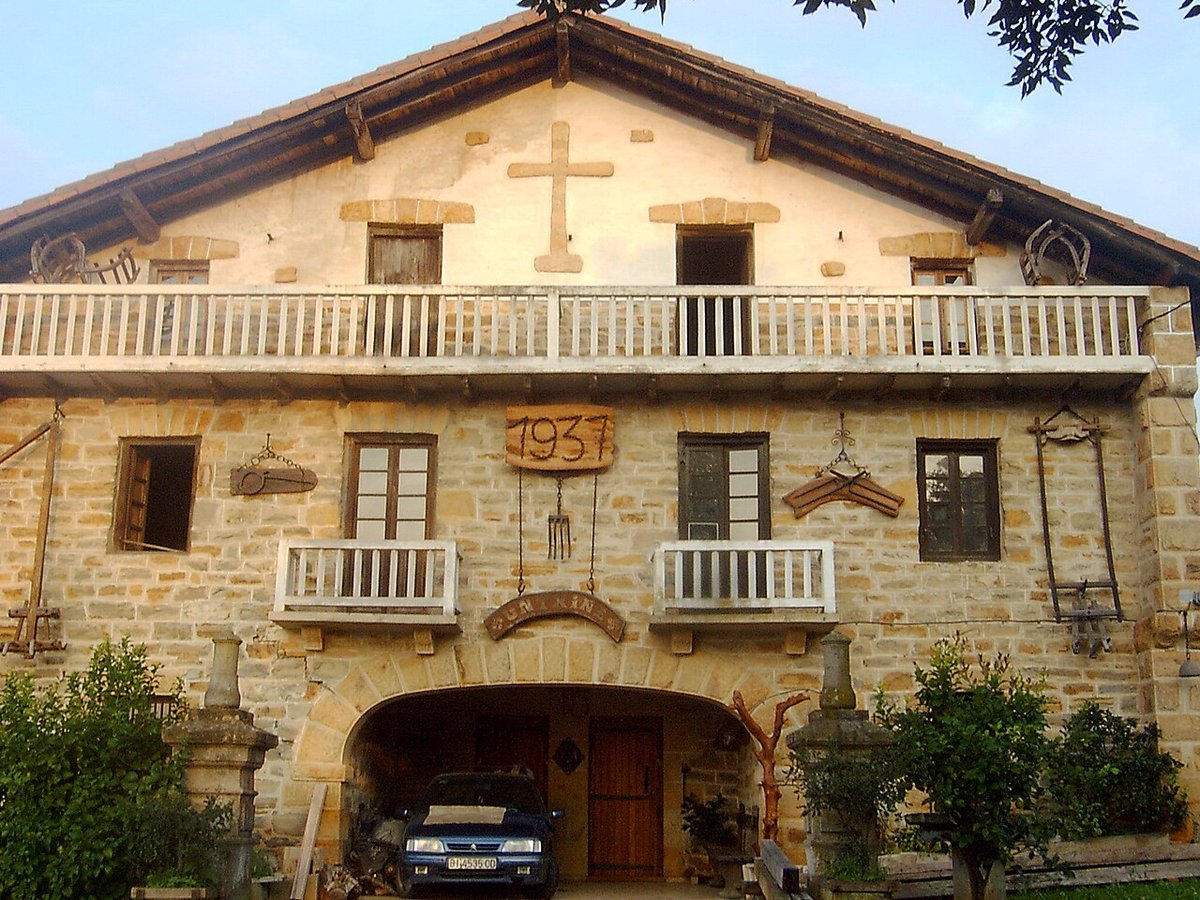
Arratzu has no signed footpath network. What it does have is a lattice of farm tracks, grassy lanes and concrete roads barely wider than a Transit van. The best strategy is to park near the fronton (basque pelota court) and head uphill past the kiwi plots towards the Artzubi oak grove. In April the undergrowth glows lime-green; by October the canopy turns copper and photographers arrive with tripods and thermos flasks. The track eventually loops back past stone caseríos whose vegetable gardens run right to the door—this isn't ornamental landscaping, it's Tuesday's lunch.
Footwear matters. After rain the clay soil sticks to soles like wet cement; locals swap espadrilles for rubber boots the moment clouds gather. Even in high summer you'll squelch across irrigation run-off—leave the pristine white trainers at home.
Mobile signal fades under the oaks, so screenshot the offline map before setting off. A wrong turning can add two kilometres of road walking; not catastrophic, but tedious when the only traffic is an elderly farmer in a Land Rover who expects you to squeeze into the hedge.
Eating (and Drinking) on Farm Time
Gastronomy is resolutely domestic. The co-operative shop on the main road sells jars of kiwi jam made from the surrounding terraces—sweet-sharp, excellent on toast back at the Airbnb. For anything more substantial you'll need the two bars, both hidden inside converted farm buildings.
Bar Kiñu opens at 07:30 for coffee and churros, then switches to pintxos at 11:00. Try the kiwi-and-anchovy brochette: the fruit's acidity cuts through the oil in a way that shouldn't work but does. They also serve a vegetarian cocina of peppers, tomatoes and courgettes—mild enough for the most timid British palate. Last hot food orders are taken around 21:00; turn up later and you'll get crisps and polite smiles.
Next door, Sidrería Artzubi only fires its grill at weekends. Walnut-and-Idiazabal salad appears year-round, followed by txuleton steak the size of a house brick. Basque cider is poured from height into wide glasses—less alcoholic than Strongbow, more apple-y than Magners. Book ahead in August; village fiestas fill every table and the nearest alternative is a 15-minute drive to Gernika.
Combining With the Coast Without the Crowds
Arratzu sits 10 km inland from Mundaka's legendary left-hand wave, making it a handy base for surfers who'd rather hear cowbells than club beats. Morning surf checks are feasible: leave at 07:00, park above Mundaka harbour (€1.20 per hour), watch the sets roll in, then retreat to Arratzu's silence by 11:00 before day-trippers arrive. The same back-road threads past Urdaibai's bird-rich marshes—bring binoculars and you can tick off spoonbills and marsh harriers between coffee stops.
Inland, the BI-2235 climbs sharply to Gautegiz-Arteaga and its palm-flanked castle, now a pricey hotel but with free gardens for loo breaks. The road then crests the ridge at 360 m before plunging toward Vitoria—worth remembering if clouds sit low in the valley and you need sunshine.
When to Come, When to Stay Away
Spring (late March-May) delivers fluorescent green meadows and migrating storks overhead. Showers are frequent, but tracks dry by midday. Autumn (mid-September-November) trades flowers for rust-coloured oaks and the cider season proper; expect misty dawns that lift to reveal the valley in layers.
High summer is surprisingly manageable—temperatures hover around 24°C thanks to the 100 m altitude and Atlantic breeze—but August fiestas mean every spare room is booked by cousins from Bilbao. Accommodation within the parish boundary consists of three self-catering farmhouses; reserve six months ahead or stay in Gernika and commute.
Winter is quiet, often wet, and occasionally spectacular after snow on the encircling peaks. Daylight fades by 17:30 and the lanes become tunnels of dripping hedgerow. Fine for a brisk walk and a fireside cider, but not the moment for lengthy photography projects.
Getting There, Getting It Right
Bilbao is the only practical gateway. EasyJet, Vueling and BA fly from Gatwick, City, Bristol and Manchester; hire cars sit directly opposite arrivals. Take the A-8 towards Santander, exit at Gernika-Lumo, then follow the BI-2238 for 12 km. The entire journey takes 45 minutes unless you collide with market-day tractors on the final bend.
Petrolheads should note speed cameras every two kilometres on the BI-2238—locals know exactly where, visitors collect €100 fines. There is no train, and buses terminate in Gernika; a taxi from there costs €25 each way and must be booked by phone (no rank).
Parking etiquette matters. Farm gateways double as field access; block one and you'll meet a very polite but very stuck farmer with a trailer full of cows. The gravel pull-by beside the fronton accepts eight cars—arrive after 10:00 on weekends and you'll be reversing half a kilometre.
The Bottom Line
Arratzu won't keep you busy for a week. What it offers is a half-day immersion in a Basque countryside that hasn't been repackaged for visitors. Come for the oak grove in autumn mist, stay for a kiwi jam sandwich, then drive to Mundaka for sunset over the estuary. Expect mud on your boots, total silence after 22:00, and the odd tractor blocking the lane. That's the deal—and for many, it's exactly what's been missing from the Costas.