Full Article
about Bermeo
Cantabrian Sea, cliffs and seafaring flavor in the heart of the Basque Country.
Hide article Read full article
A town that doesn’t perform for visitors
Tourism in Bermeo doesn’t match the polished image many people carry of a Basque coastal town. There are no spotless streets arranged for photographs, no carefully staged maritime backdrop designed with visitors in mind. What you find instead is a port that smells unmistakably of the sea: damp fishing nets, boat fuel, and the rhythm of people starting their day before sunrise to head out onto the Cantabrian.
Even if you arrive simply to look around, it quickly becomes clear that daily life here does not revolve around those passing through with a camera. The town carries on as it always has, and you step into that rather than the other way round.
A port that still works for a living
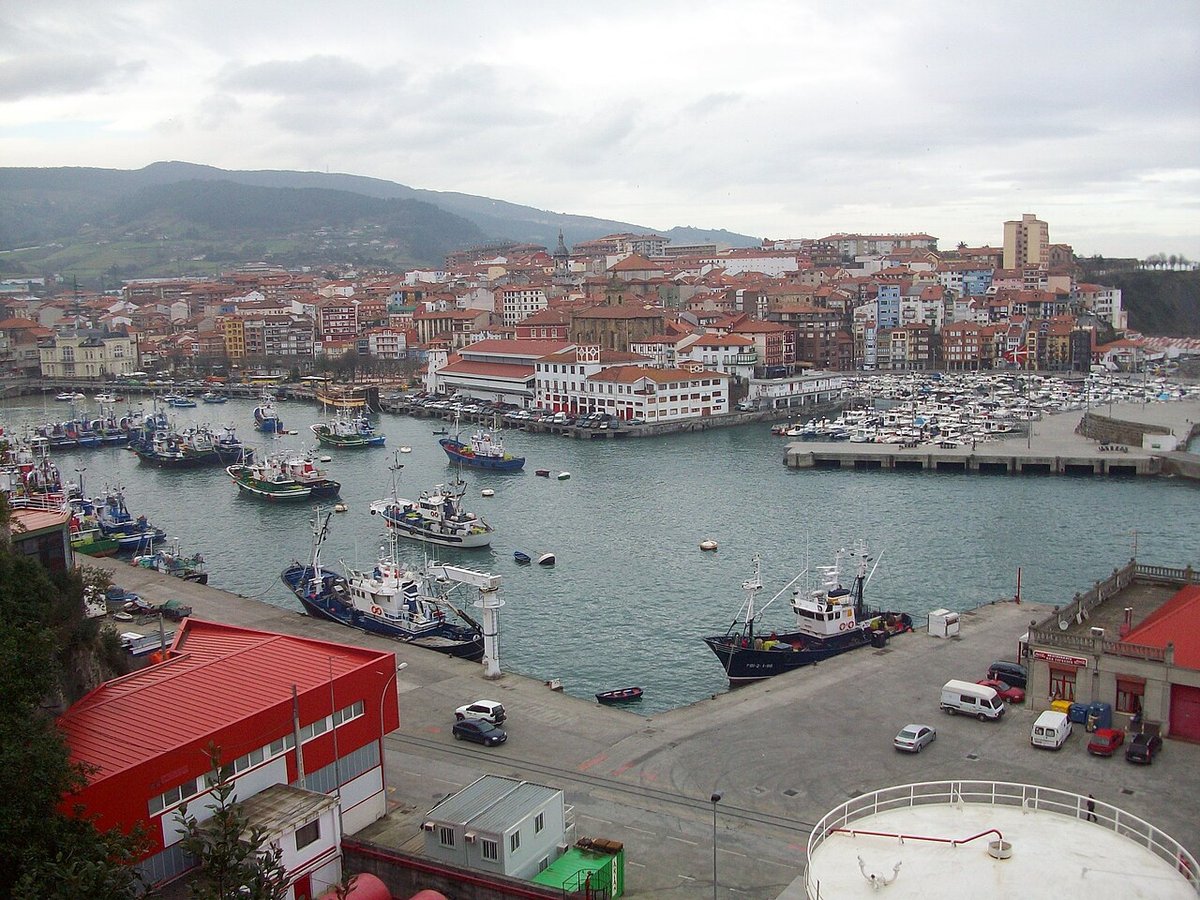
On a weekday morning the harbour feels busy in a way that is hard to fake. There is constant movement, with lorries loading boxes of fish, people speaking into phones while still wearing aprons, and gulls making their usual noise overhead.
For centuries, Bermeo was one of the key ports in Bizkaia. That history lingers, not through grand monuments or landmark buildings, though a few older structures appear among the streets, but through the atmosphere. The harbour is not decorative. It functions.
Fishing boats continue to arrive, catches are unloaded, and there is activity on most days. This is not a quay where an old boat has been left behind for effect. It is a working port, and that shapes everything around it.
Eating without overthinking it
Food in Bermeo follows the same straightforward logic. There is no need for elaborate explanations or long descriptions. You sit down, see what is available, and eat.
In the Puerto Viejo, the old harbour area, bars tend to keep things simple. A quick look at the board or a short question about the day’s dishes often leads to marmitako.
Marmitako is one of those dishes that explains itself as soon as you try it. It is a stew made with bonito, potatoes, pepper and a broth that carries the flavour of the sea. There is nothing complicated about it, yet when it is done properly it feels complete.
Then there are Cantabrian anchovies. Many people claim not to like anchovies until they taste good ones. Here they are usually served clean, with good oil and bread on the side. That is enough. Nothing extra is needed.
Izaro and the force of the Cantabrian
Just off the coast sits the islet of Izaro. From Bermeo it is clearly visible, like a large rock set in the middle of the water.
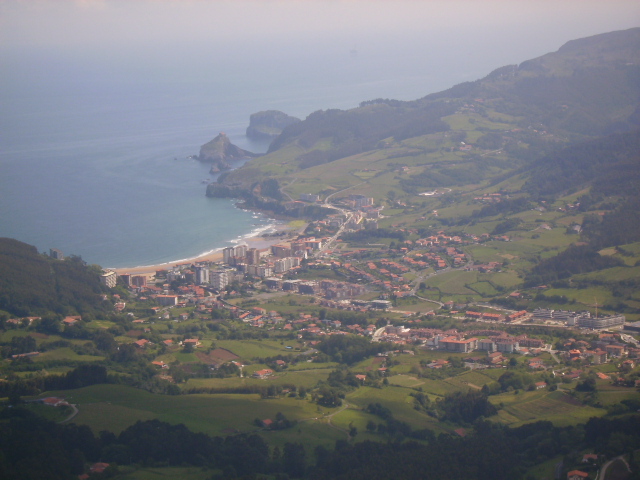
It is not somewhere you can freely visit. The island is protected, and it is normally seen either from the sea or from viewpoints along the coast. Even so, simply seeing it from the harbour or nearby cliffs gives a strong sense of the landscape in this part of Urdaibai, a coastal area in the Basque Country known for its natural setting.
Close by lies Cape Matxitxako. The name may sound unusual, but what matters is the setting. This is one of the places where the Cantabrian Sea shows its character most clearly. There is open water, wind, and a lighthouse marking the edge of the coastline. When storms roll in, the scene becomes intense and difficult to ignore.
A small beach that belongs to the town
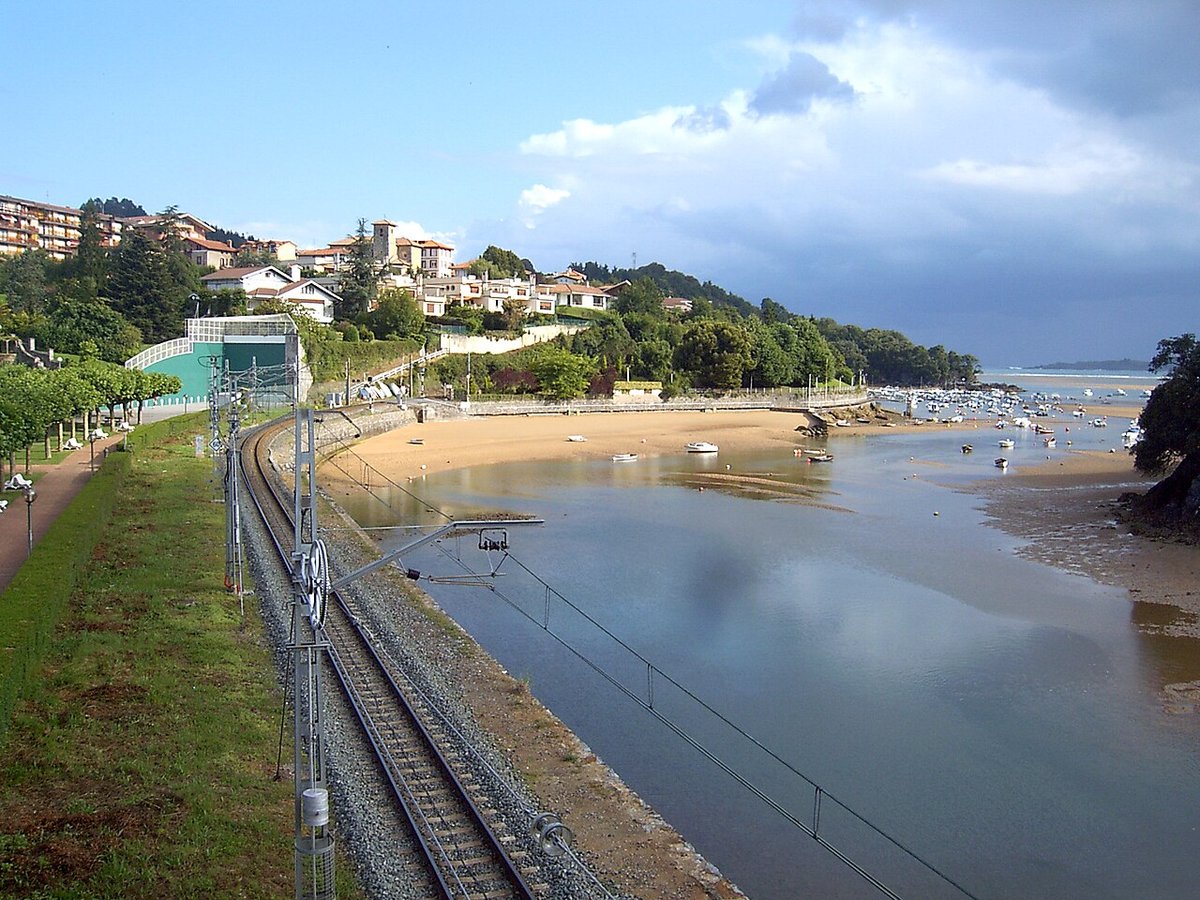
Bermeo has its own beach, though compared with others in the area it feels almost like a small pocket of sand. Laidatxu is not large, and during summer it fills up quickly.
What stands out is how much it is used by local people. It is somewhere to go for a quick swim, to stop by after work, or simply to sit for a while looking out over the estuary. It works less as a full-day destination and more as a shared space woven into everyday life.
The Carmen festivities
Ask about the main celebrations in Bermeo and most people will mention the Carmen festival, held in mid-July. Traditionally it includes a maritime procession, boats decorated for the occasion, and a lively atmosphere across the town.
During these days, everything centres on the port. The town fills up, and the usual rhythm shifts towards celebration. Anyone looking for quiet might prefer a different weekend. Those interested in seeing how a community gathers around its maritime traditions will find it a revealing time to visit.
Getting around and seeing the layout
Arriving by car or bus gives more freedom to explore not only Bermeo but also the surrounding Urdaibai area.
There is also a train connection, though the station sits some distance from the port and the route involves a few hills. It is manageable, but worth bearing in mind if time is short or if you are carrying luggage.
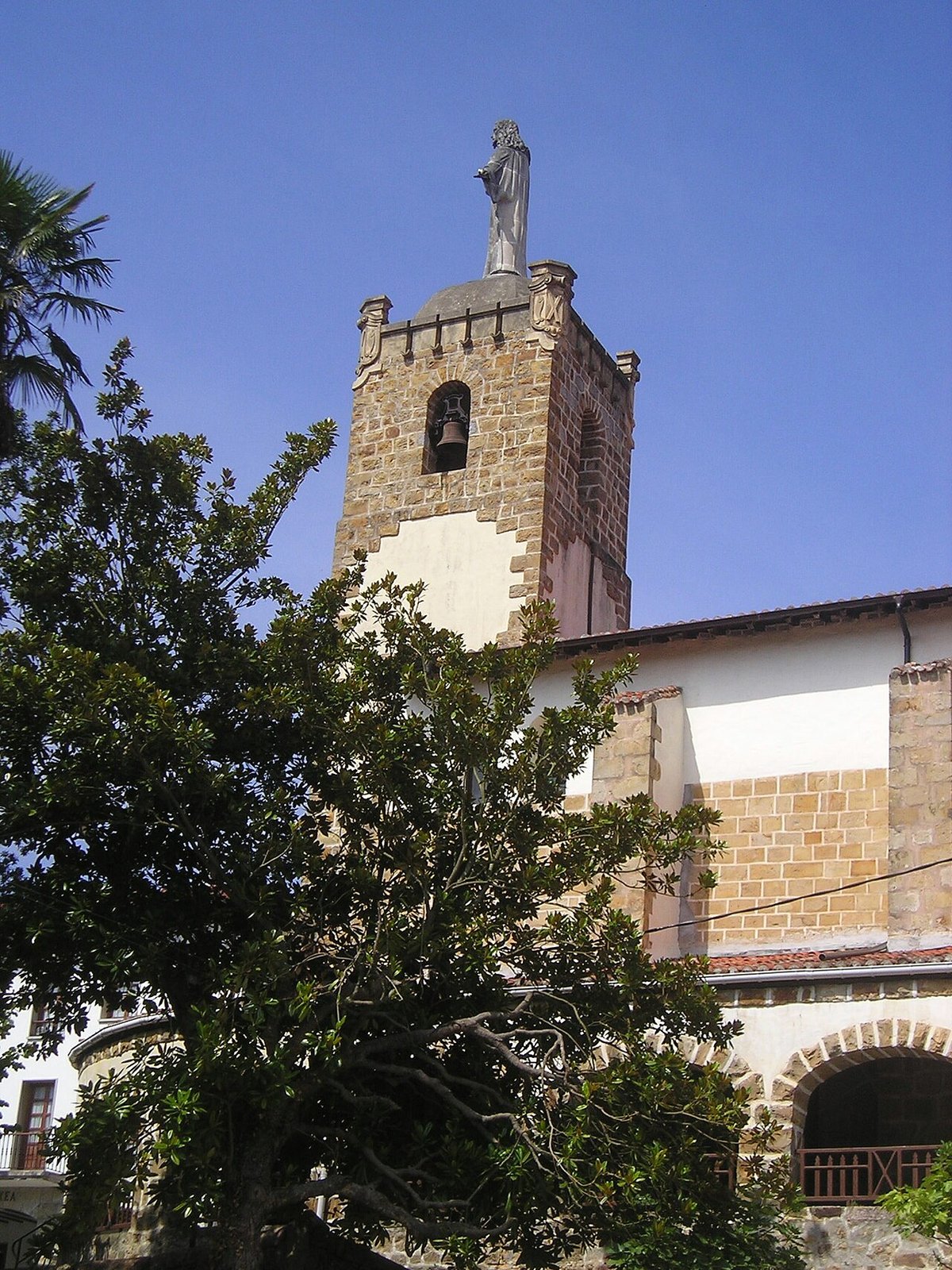
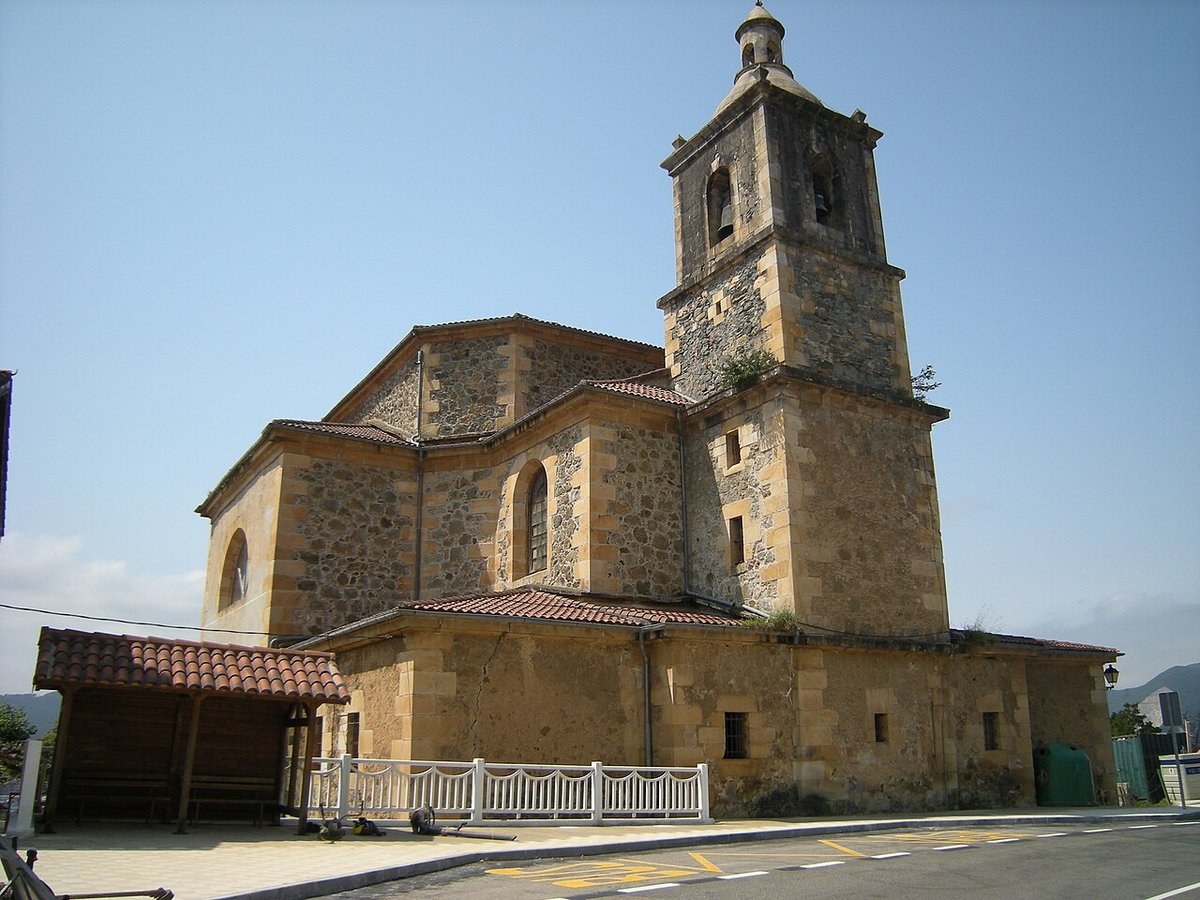
Once in the centre, walking is the best way to move around. The Puerto Viejo is an obvious place to start. From there, it is worth heading up to the church of Santa Eufemia, known for its slightly leaning bell tower, and then continuing towards one of the higher viewpoints in town.
From above, the layout becomes clear. Houses cluster tightly around the harbour, while the sea stretches across the horizon and defines the view.
Bermeo is not the most beautiful town in the Basque Country. It is not the quietest, nor the most polished. What it offers is something less tidy but more grounded. The sea still sets the pace of the day here, and that presence is felt in every corner. Places that hold on to that rhythm tend to leave a stronger impression than those that smooth it away.