Full Article
about Ea
Cantabrian Sea, cliffs and seafaring flavor in the heart of the Basque Country.
Hide article Read full article
First impressions by the water
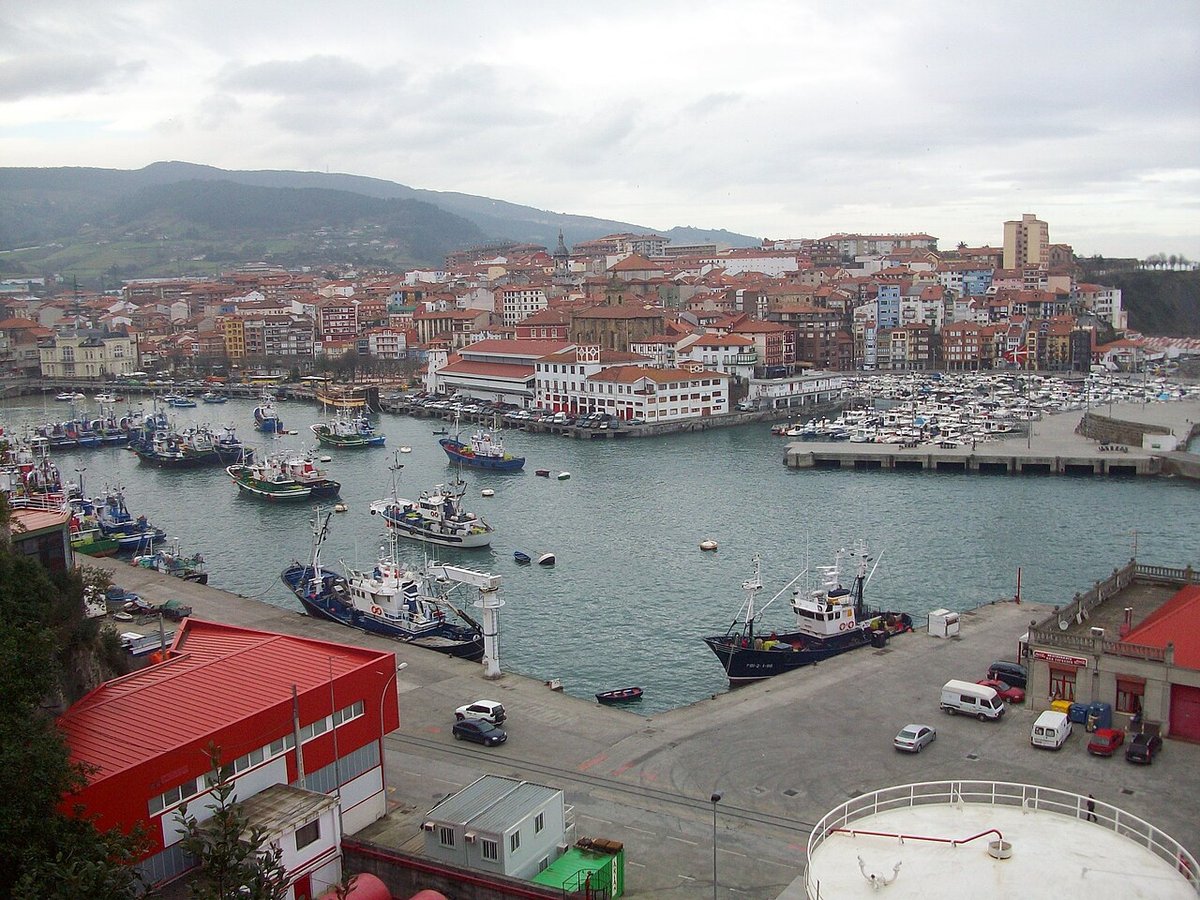
Some places need a map; others make sense within a few minutes on foot. Ea clearly belongs to the second group. The moment you cross the bridge and see the estuary threading between the houses, the layout explains itself without effort.
Tourism in Ea often begins right there, with that first look at still water, façades pressed up against the channel, and a sense that everything happens on a small scale. The village has just over 800 residents, and it shows. There are no wide avenues or large squares. Life revolves around the estuary and the bridge that spans it.
It is the kind of place where orientation is immediate. A short walk gives a full picture, and there is no need to search for viewpoints or landmarks. The setting does the work on its own.
The bridge and the village centre
The stone bridge is the point most people cross more than once. It is not especially grand, yet it organises the whole village. On one side, a row of houses runs alongside the water; on the other, the path continues towards the beach.
Visitors are not always sure when the original bridge was built, though it has served as the main crossing for centuries. What stands out is how it shapes daily life. People cross it carrying shopping bags, neighbours stop to talk while leaning on the railing, children look down at the water when the tide is low.
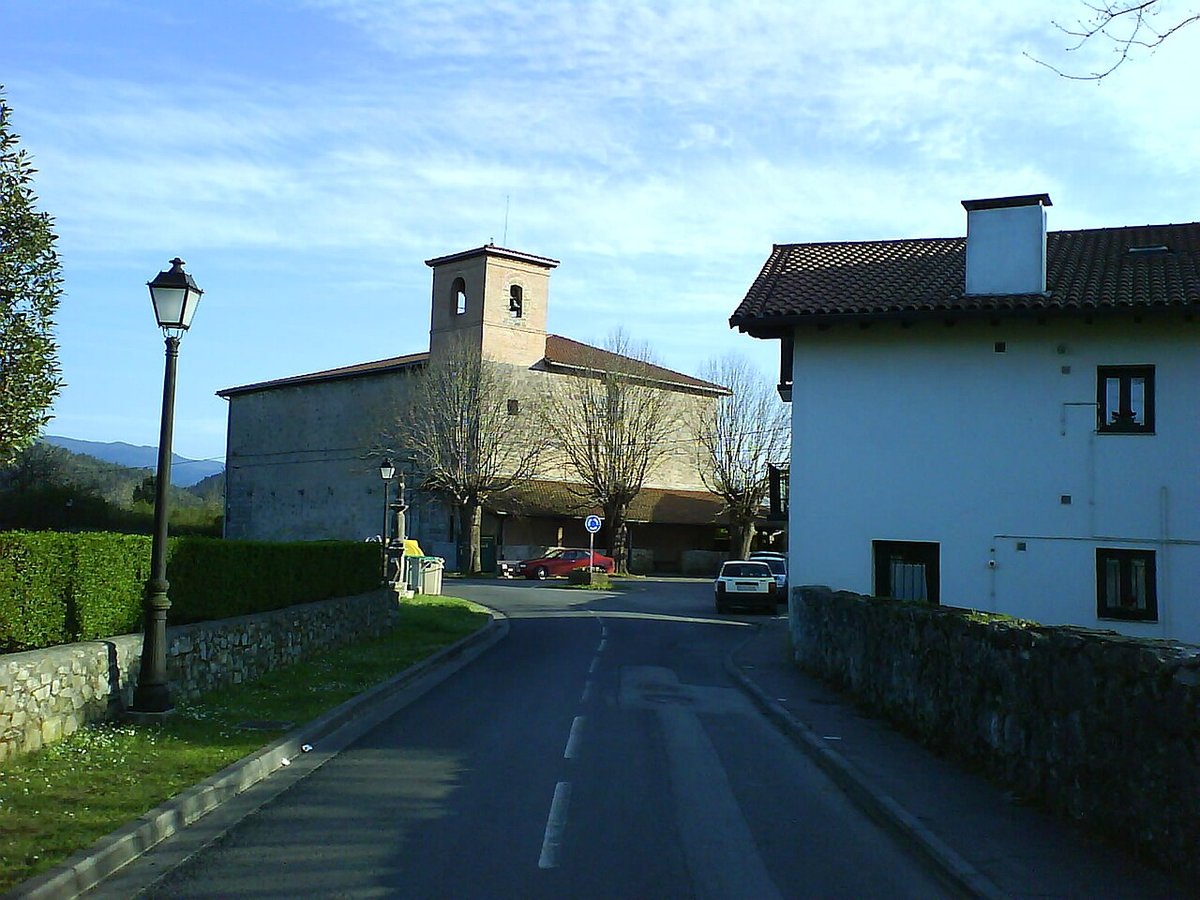
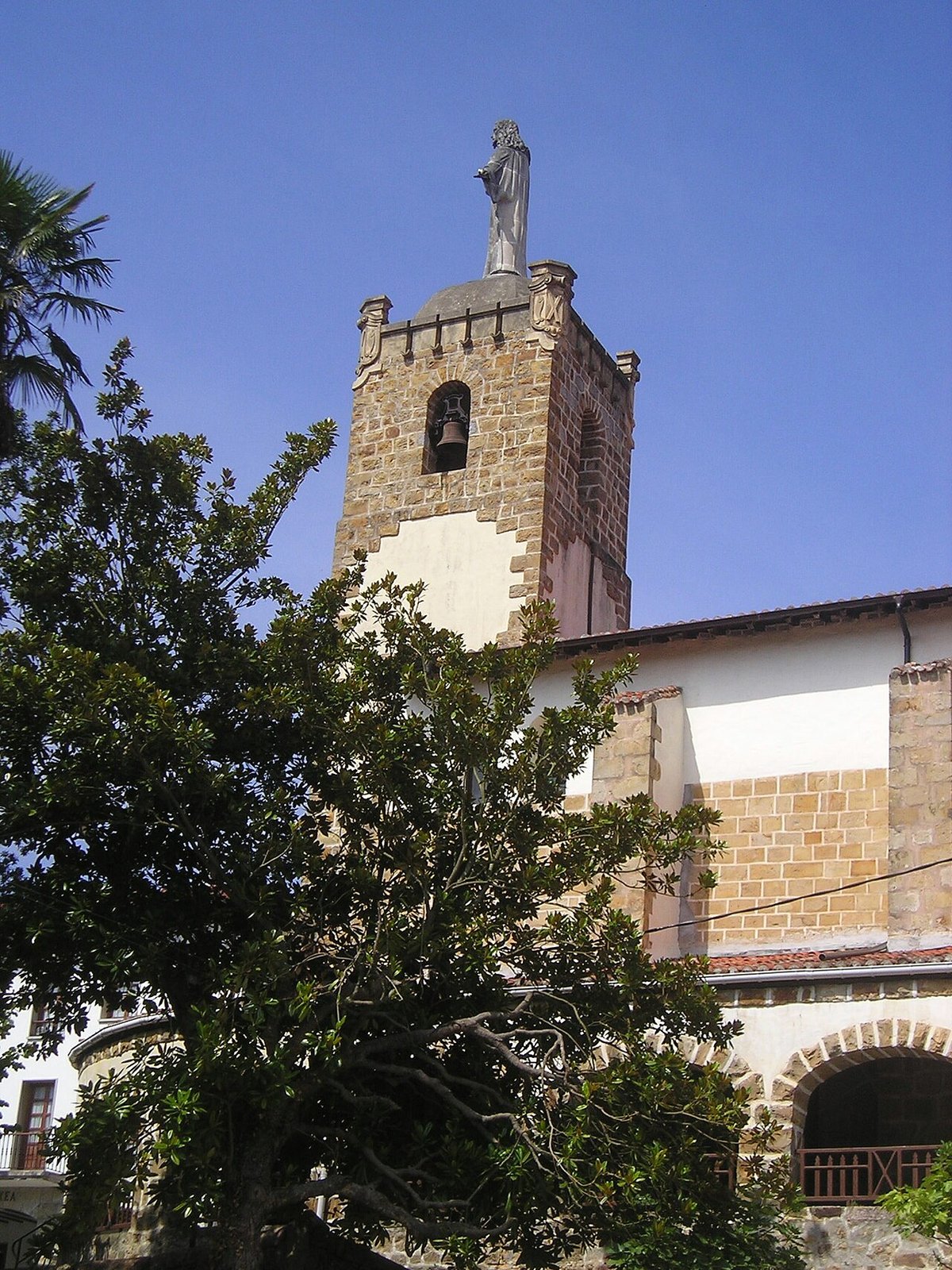
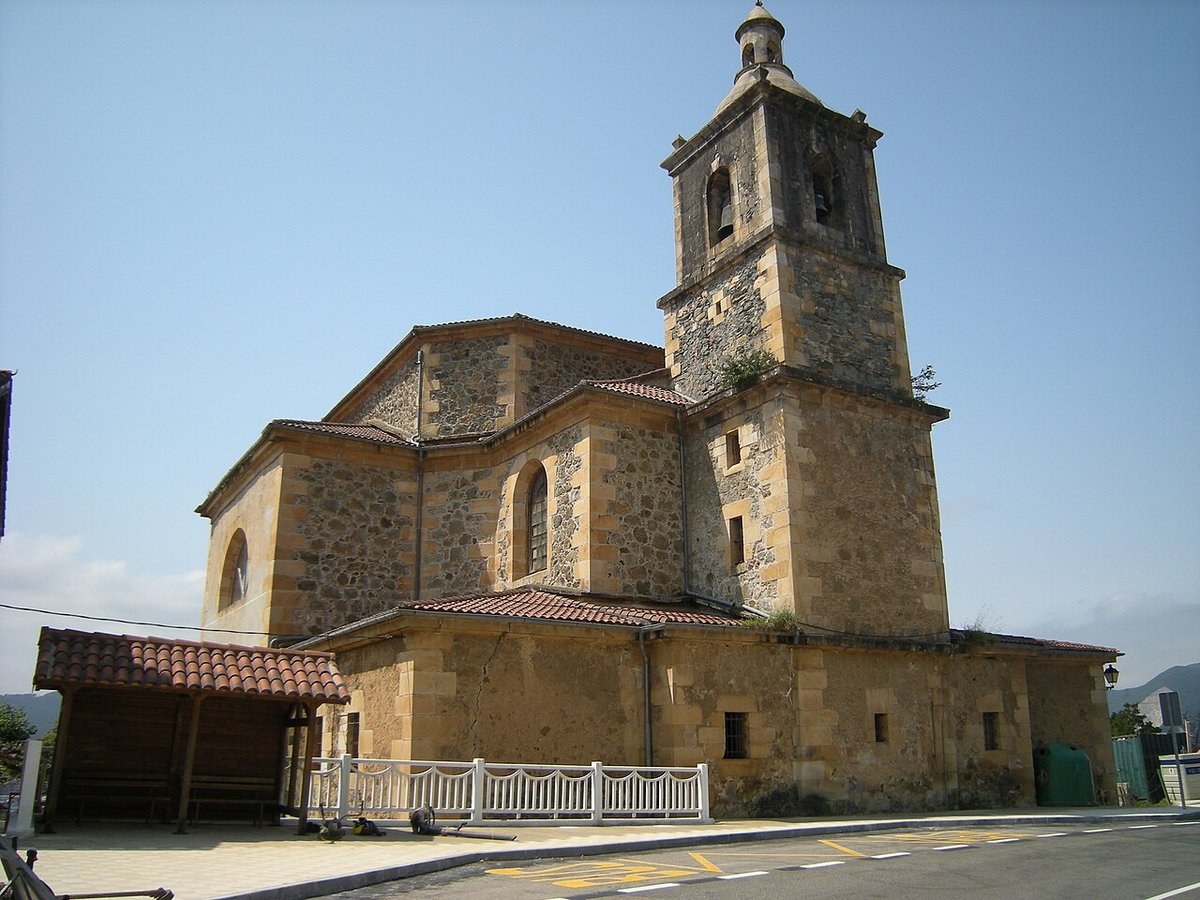
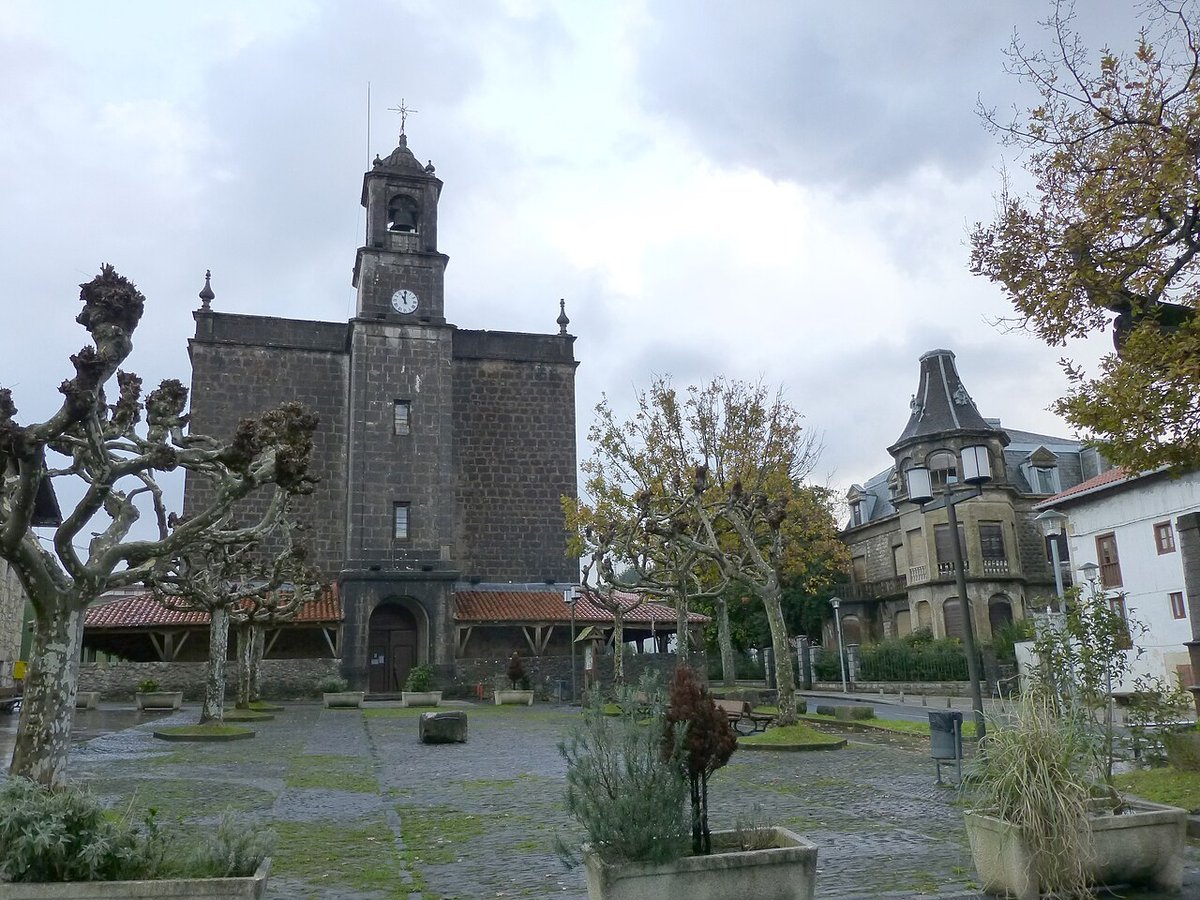
Close by is the church of Santa María de la Asunción. It does not overwhelm or dominate the skyline, but it fits the scale of Ea. The façade is restrained, the volume simple, and there is a sense that it has always been part of the village.
The centre does not try to impress. Its appeal lies in how everything connects: bridge, houses, water, and the steady rhythm of everyday activity.
The estuary and the small beach
Distances in Ea are short. From the bridge to the beach is a brief walk following the line of the estuary, one of those routes that passes almost without noticing.
At first there are small boats moored along the edge and the occasional ramp leading down into the water. Then the estuary opens out and the beach comes into view. It is not large, yet it works well for a quick swim or for sitting quietly facing the Cantabrian Sea.
The tide changes the scene quite noticeably. As it rises, the water pushes back inland towards the centre of the village, altering the shape of the shoreline and the feel of the place.
Outside the summer months, the atmosphere becomes much calmer. Some locals come down to walk along the sand or pause to look at the sea before heading home. There is no sense of rush, just brief moments spent outdoors.
The climb towards Bedarona
For those who want to move a little further, a road leads up from Ea to the neighbourhood of Bedarona. The distance is not long, but the incline makes itself felt.
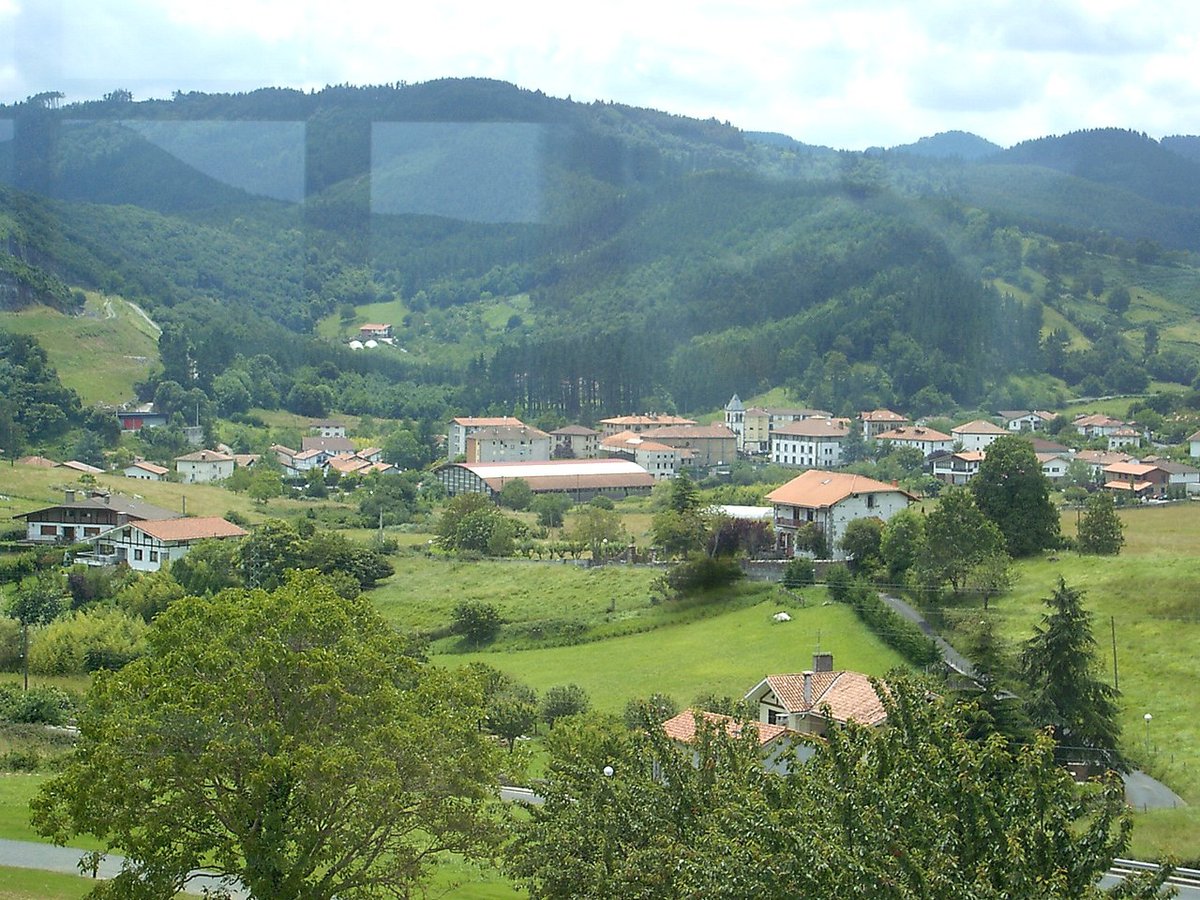
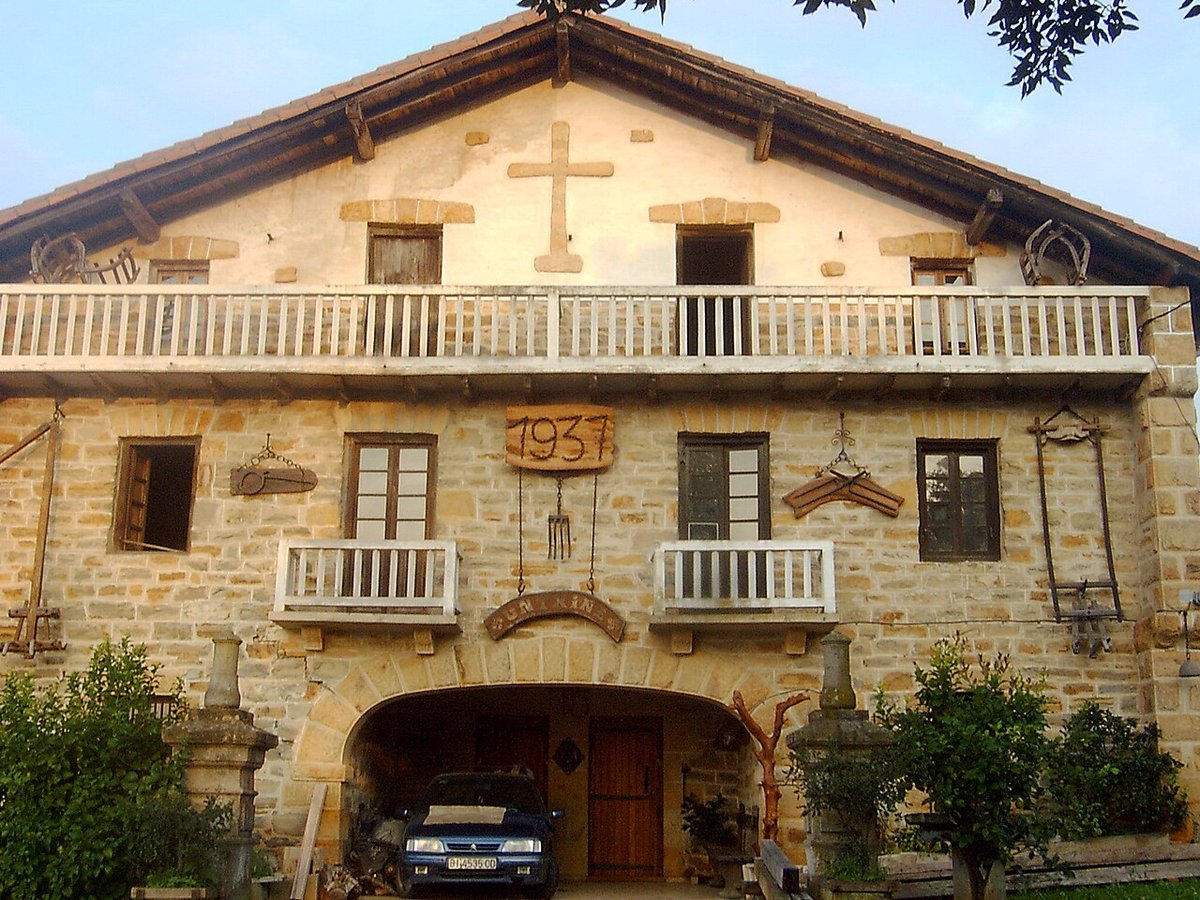
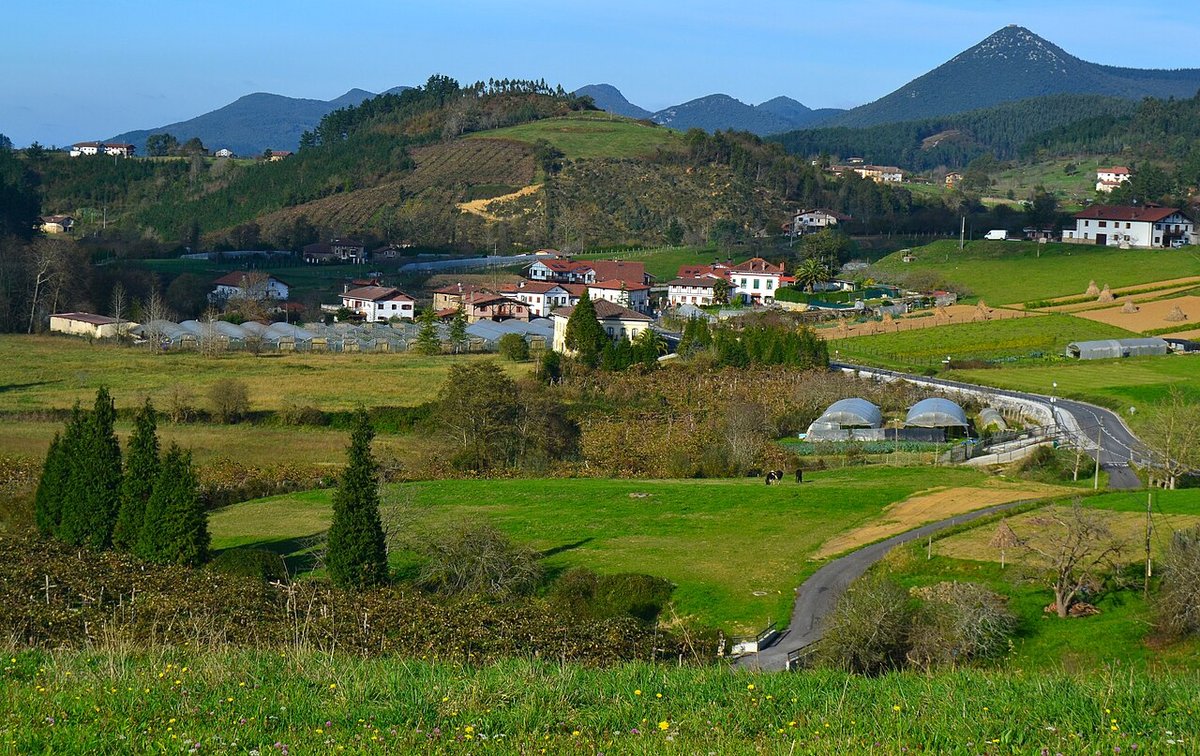
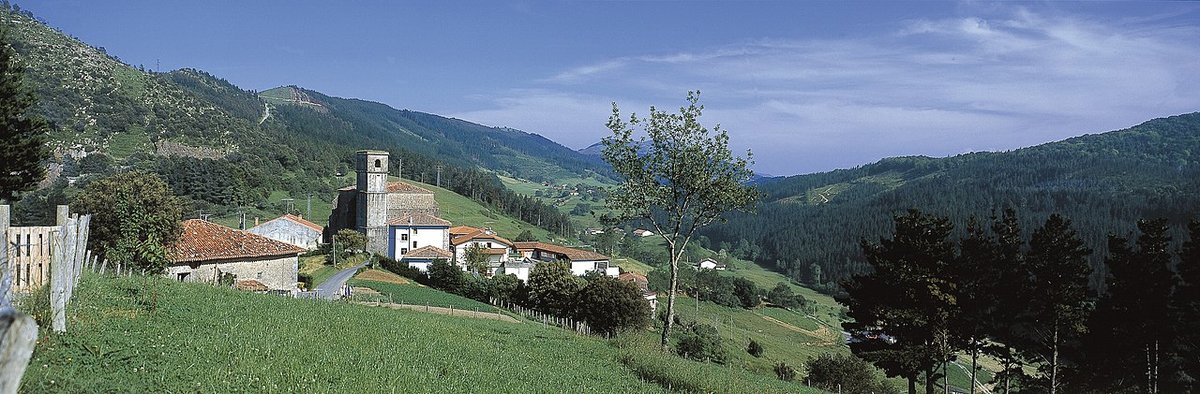
From below, it looks manageable, yet the slope soon slows the pace. At the top, the landscape opens up more widely. There are meadows, scattered farmhouses known as caseríos, and views stretching towards the coast. It is not dramatic scenery, though it represents this part of Bizkaia clearly.
The change from the enclosed estuary to the more open countryside happens quickly. In a short space of time, the village gives way to a broader rural setting.
Walking around the estuary
The area around Ea suits unplanned walks. Some paths follow the estuary closely, while others turn off towards the nearby hills.
A variant of the Camino de Santiago, the well-known pilgrimage route across northern Spain, passes through this coastal area. It is not unusual to come across pilgrims along the way. Even so, the overall pace remains slow, and large groups are uncommon.
With only a couple of turns, the surroundings shift into a rural landscape: enclosed meadows bordered by low walls, older farmhouses, and narrow roads where traffic is minimal. The transition is quick and does not require much effort or planning.
These walks do not depend on marked routes or major viewpoints. The interest comes from moving gradually between water, village, and countryside.
When to go and what to keep in mind
During the week, outside the summer season, Ea is usually very quiet. It is possible to cross the bridge several times and encounter almost no one apart from local residents.
In July and August, things change. The village does not become overcrowded, but its small size makes any increase in visitors immediately noticeable. Parking near the centre may involve a few extra turns, so arriving earlier or leaving the car a little further away and walking in can make things easier.
The most straightforward approach is to come without rushing and not try to turn the visit into a long excursion. Ea works best as a brief stop within the Urdaibai area, a coastal region in Bizkaia known for its natural landscapes. A walk along the estuary, a couple of crossings over the bridge, a look out to sea, and the place reveals itself almost without effort.
That simplicity is part of what defines it. There is no need to search for more than what is already there. In a short time, the essentials are clear, and that is precisely the point.