Full Article
about Elantxobe (Elanchove)
Cantabrian Sea, cliffs and seafaring flavor in the Basque heartland.
Hide article Read full article
By the water, where everything begins
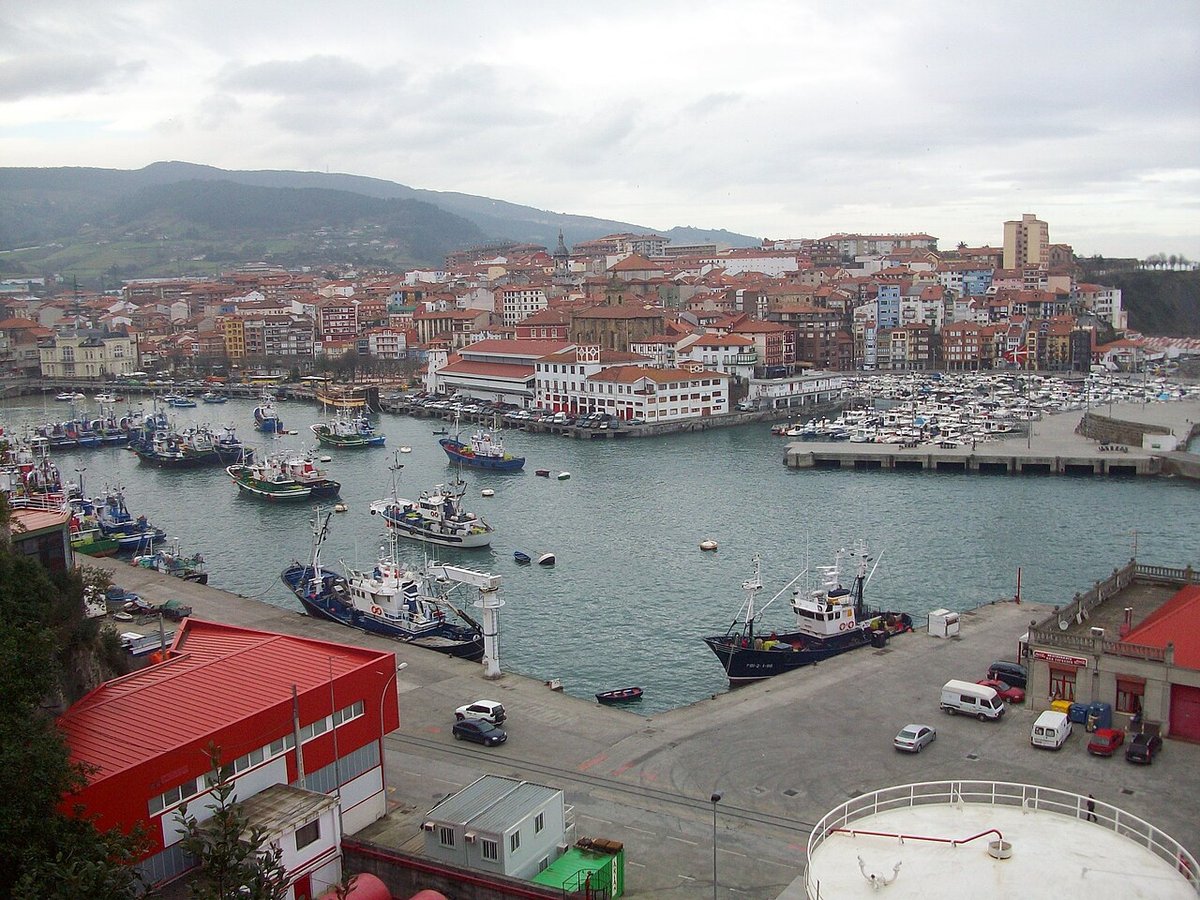
Early in the morning on Calle Muelle, the sound of water against the breakwater mixes with the sharp pull of a rope tightening. The air carries salt and a faint trace of damp wood that clings to clothes. The houses still cast shadows over the harbour, and there is little to hear beyond the sea and the occasional footstep on the stairs.
Tourism in Elantxobe almost always starts here, right by the water. From this point it becomes clear how the village works. Streets do not run straight, they climb. There are stairways, narrow ramps and sudden turns that follow the shape of the rock. Nothing seems laid out on a plan, everything adjusts to the slope.
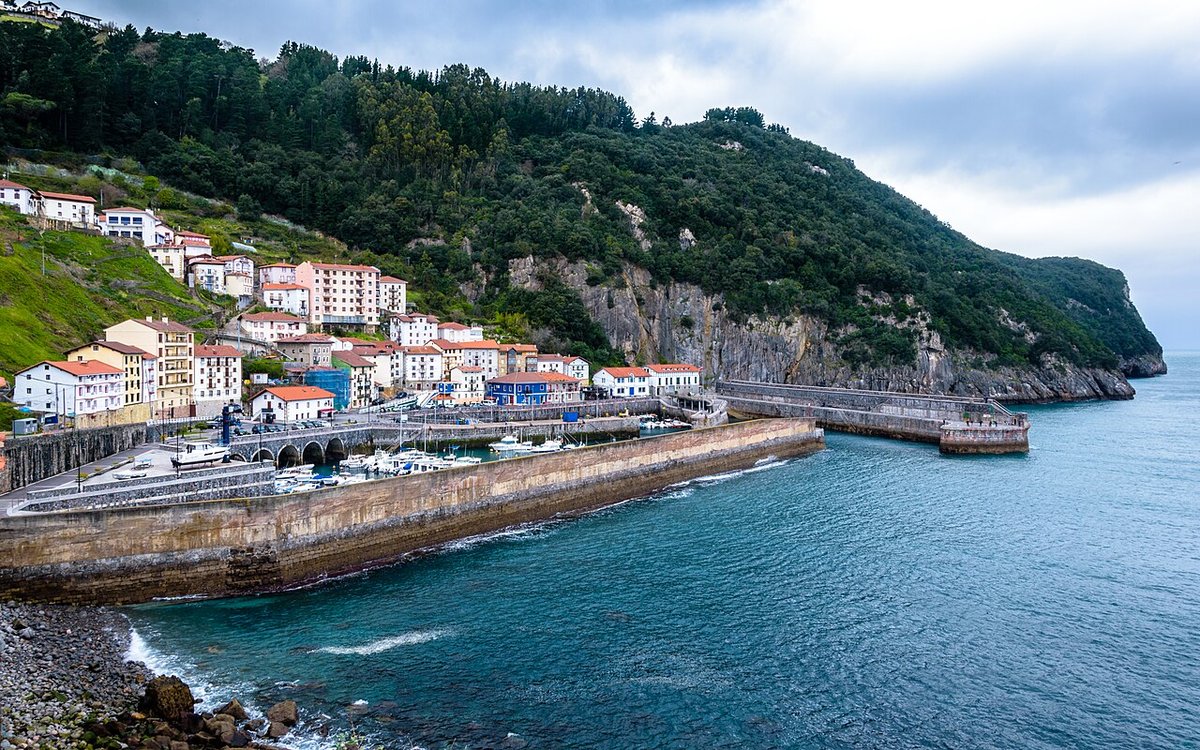
The houses, built of stone with pale façades, lean into one another while facing the Cantabrian Sea. From below, the whole place looks like a small amphitheatre tilted towards the harbour. When the sun comes in at an angle, especially late in the afternoon, the walls reflect a soft light that contrasts with the dark green of the hillside surrounding the village.
The harbour at the foot of the slope
The harbour fits into a tight space between rock and the first line of houses. It is not large: a short pier, a few small boats and the sea always close. When the weather shifts, it shows here first. The wind comes straight in and the water strikes the stones with more force.
It is the best place to begin walking through Elantxobe. From the pier, several stairways lead up to different levels of the town. Within minutes, you gain height and the harbour drops away, becoming smaller with each step.
If arriving by car, it helps to know this in advance. Space is limited and the village is wedged between hillside and sea. The usual approach is to leave the car in the designated area at the entrance and continue on foot.
Climbing towards San Nicolás de Bari
As the climb continues, small details begin to appear, things that go unnoticed from below. Wooden shutters worn by salt air, flowerpots set on narrow window ledges, washing lines stretched between façades.
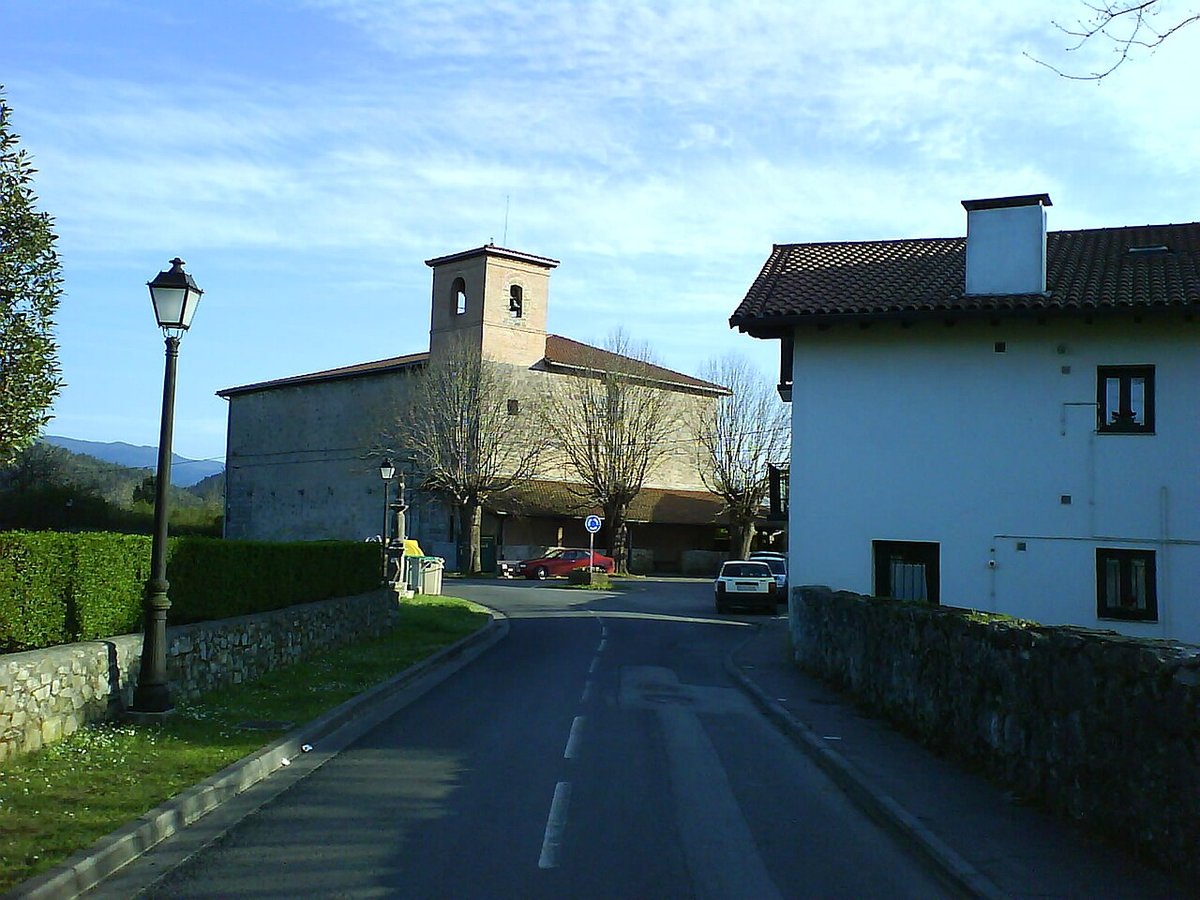
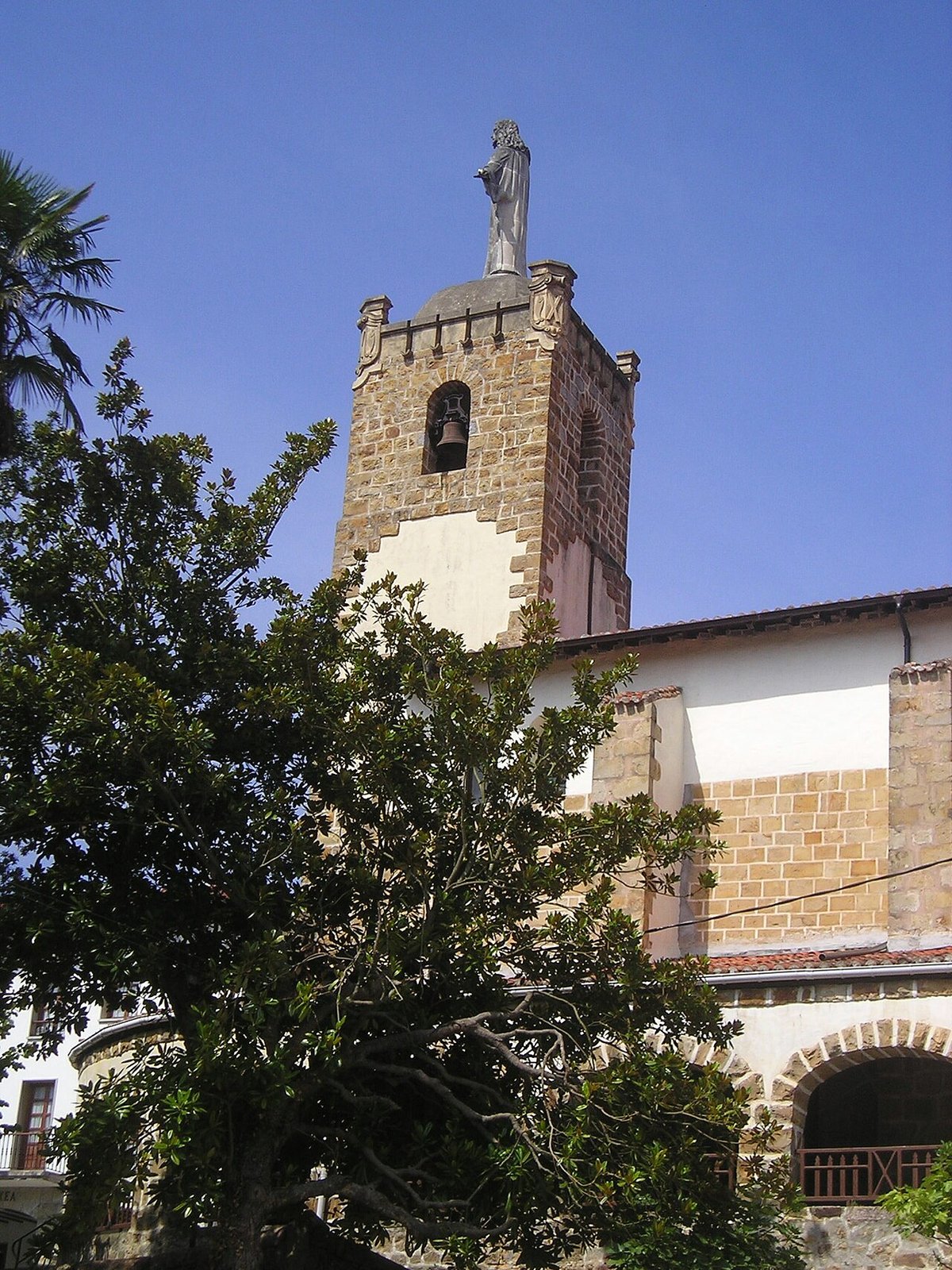
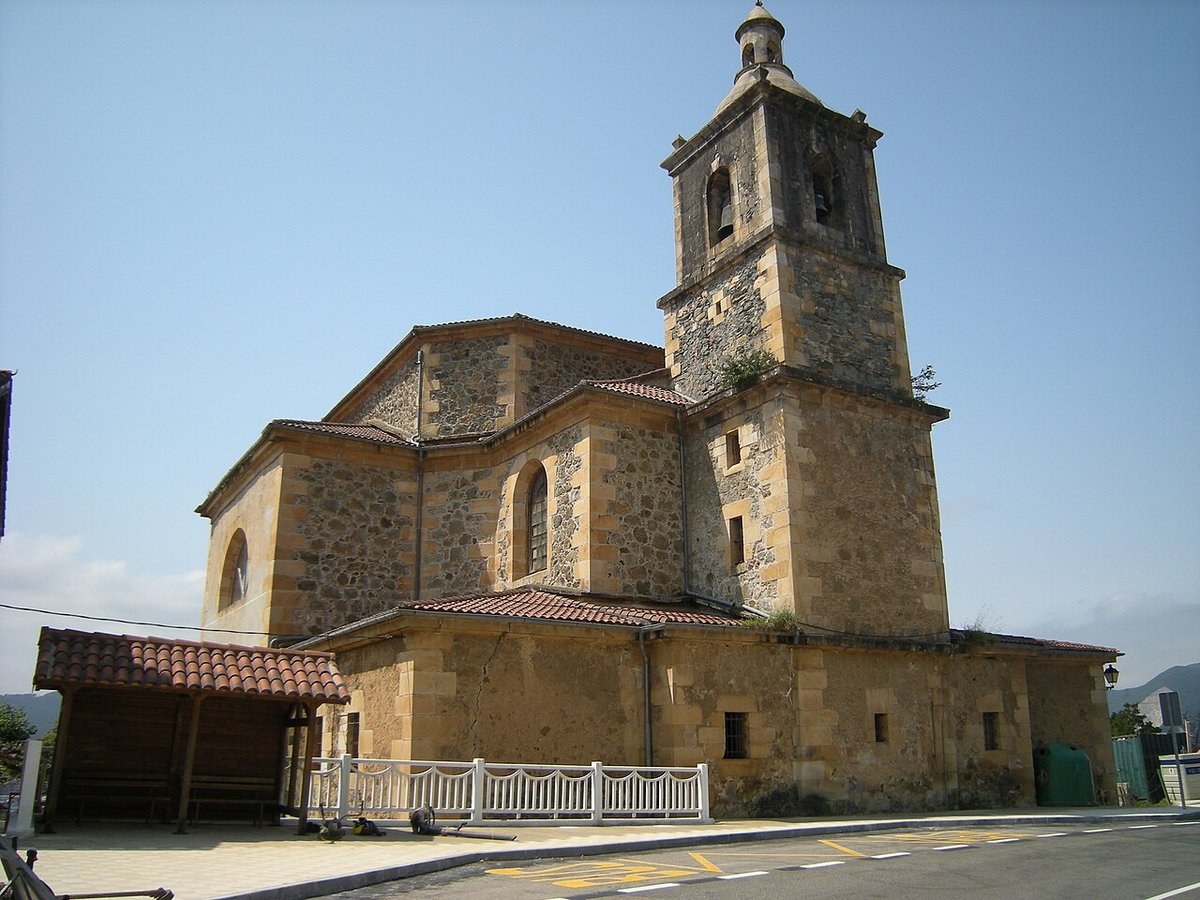
The church of San Nicolás de Bari stands at the upper part of the village. Its pale walls and square tower are visible from almost anywhere in the harbour. Reaching the top, the space opens slightly and the perspective shifts. The village steps downwards beneath you, and ahead lies the Cantabrian Sea, wide and usually restless.
From here, the shape of Elantxobe makes sense. Streets zigzag downwards, disappearing between houses before reappearing a little further below.
Cabo Ogoño and the wider landscape
A short distance from the village rises the mass of Ogoño, a wall of rock that drops straight into the sea. Paths from the surroundings of Elantxobe and nearby neighbourhoods climb towards the top of the cape, crossing meadows and areas of low scrub.
On clear days, the coastline of Urdaibai opens out to east and west, with long cliffs and dark water breaking below. The wind often blows strongly in this exposed area, and the ground can be slippery after rain, so it is worth wearing sturdy footwear and taking things steadily.
Getting lost on the stairs
Elantxobe is not a place to follow a fixed route. What matters most is wandering a little, moving through the stairways that link its different levels.
Streets such as Etxezarreta rise between very close walls, and in some sections there is barely space for one person to pass sideways. Then, without warning, a small landing appears, perhaps with a bench or an improvised viewpoint. From there, the line of the harbour comes into view, boats shifting slowly and a grey-blue horizon beyond.
In one or two hours it is possible to cover almost the entire urban area, although it often feels as though much more climbing and descending has taken place.
When to come and what to expect
The village changes noticeably depending on the time of day. Early morning and late afternoon tend to be quieter. In the middle hours of summer, more cars arrive and the limited space becomes obvious.
It is also worth remembering that almost everything here is done on foot and on a slope. There are many stairways and short but steep inclines. This is not a flat or quick walk, and much of its character lies in that way of moving through it.
Elantxobe does not have large buildings or striking monuments. What remains is the landscape at close range, the houses gripping the hillside and the constant sound of the sea rising through the streets. Taken slowly, these details are what tend to stay in mind after leaving.