Full Article
about Errigoiti (Rigoitia)
Valleys and hamlets a stone’s throw from Bilbao, buzzing with local life.
Hide article Read full article
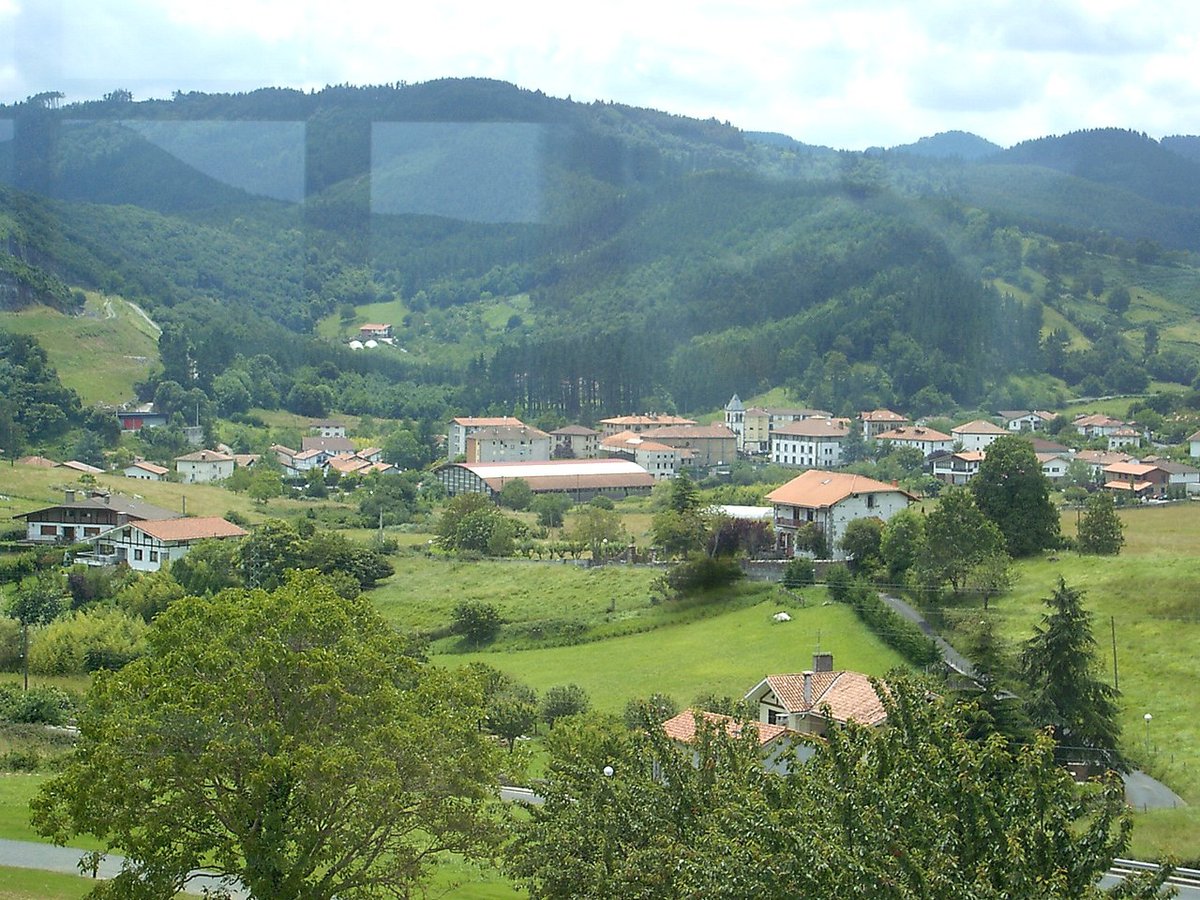
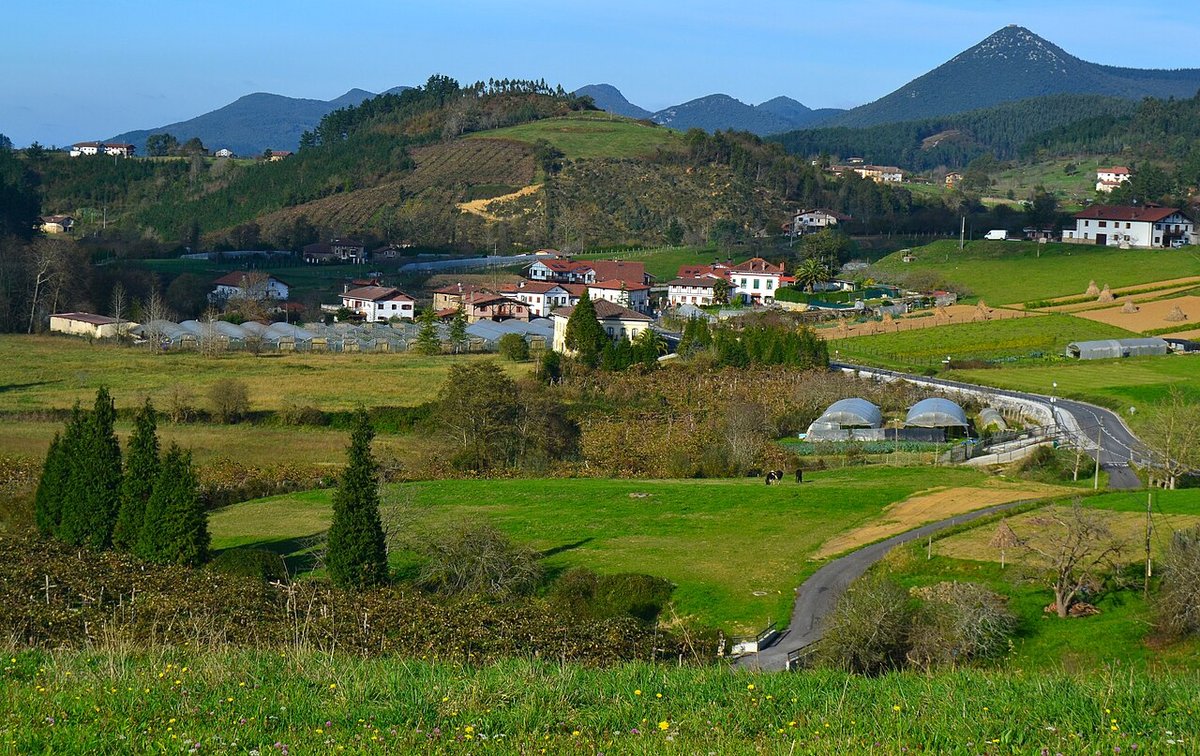
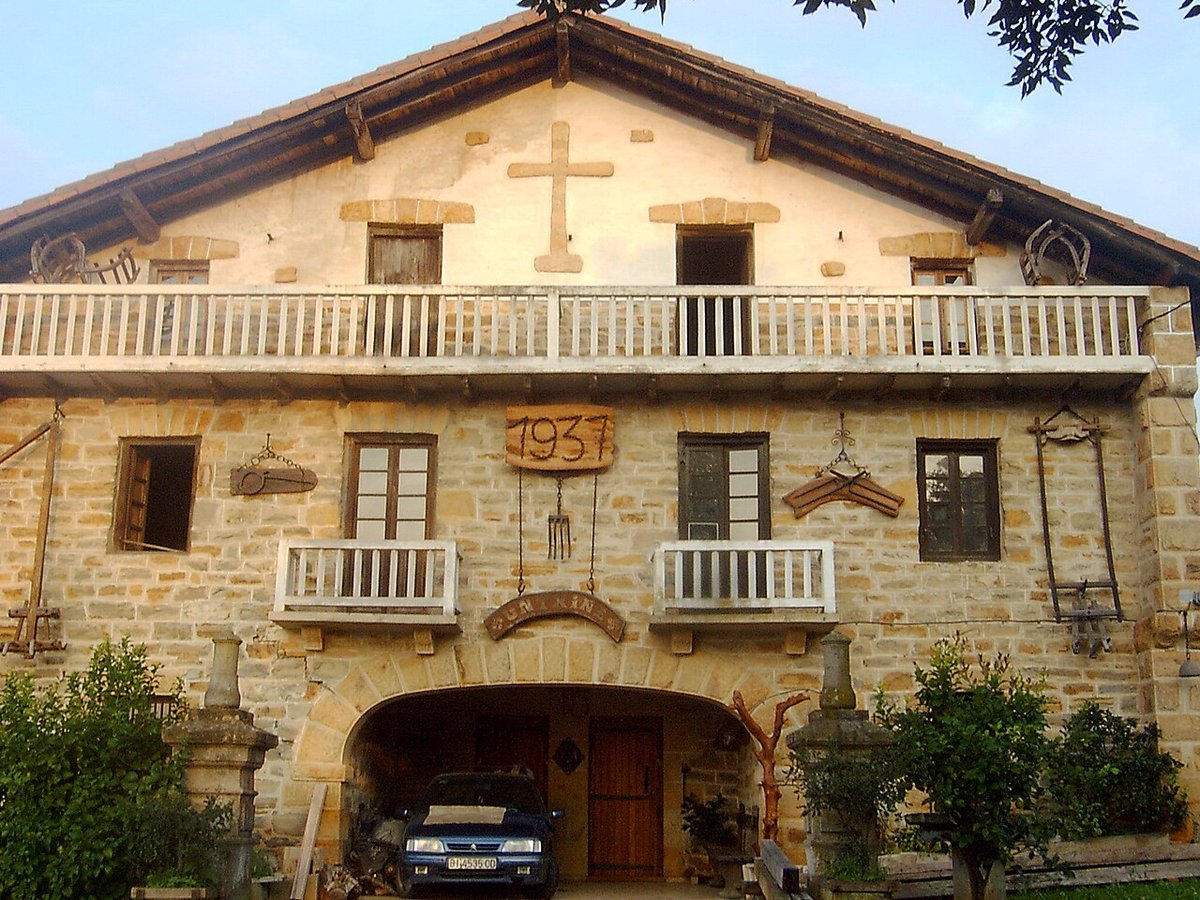
The light in Errigoiti thickens in the late afternoon, turning the green of the pastures a deeper, almost blue shade. The air carries the specific dampness of turned earth and cut grass. From the BI-635, which cuts through the municipality, you see scattered farmhouses—baserriak—each with its dark tile roof and a small stand of trees for shelter. Time here is measured in footsteps, not in landmarks.
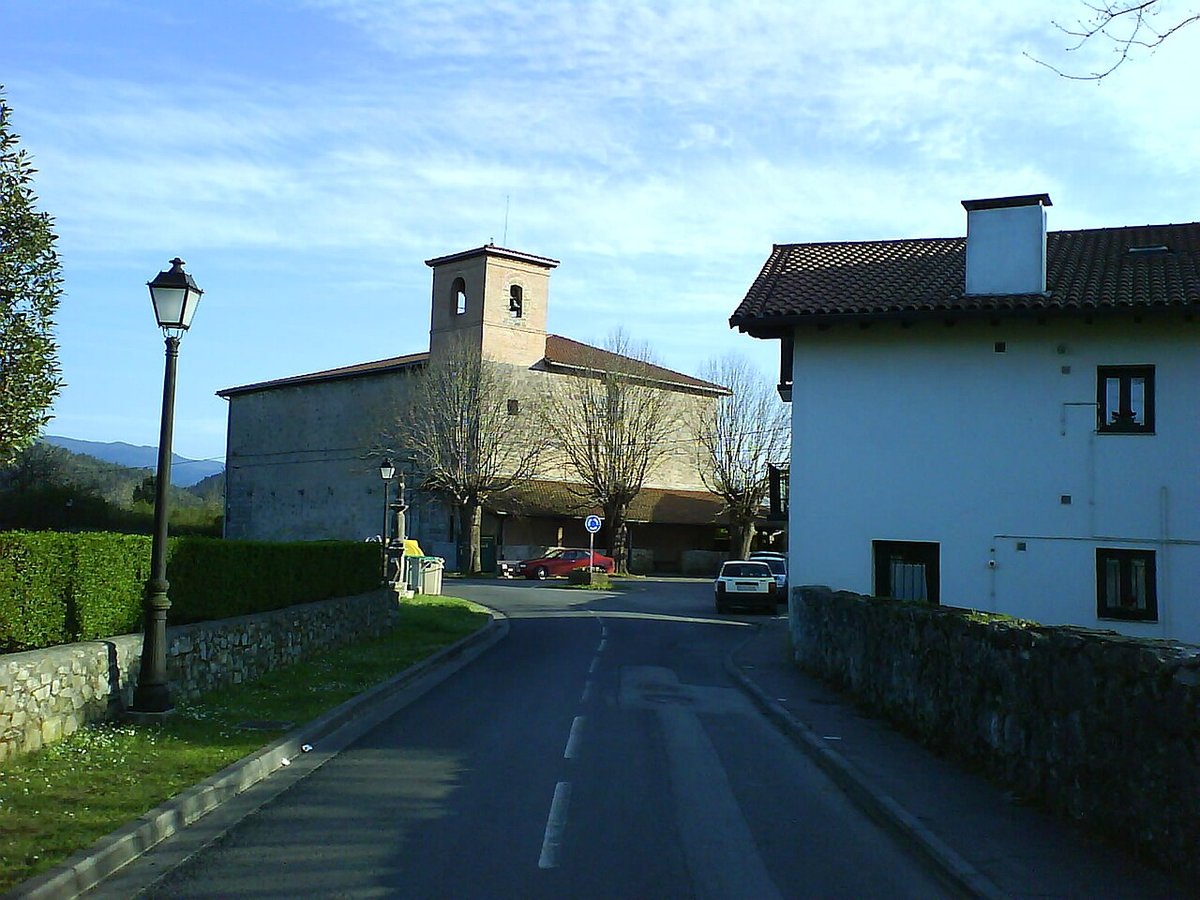
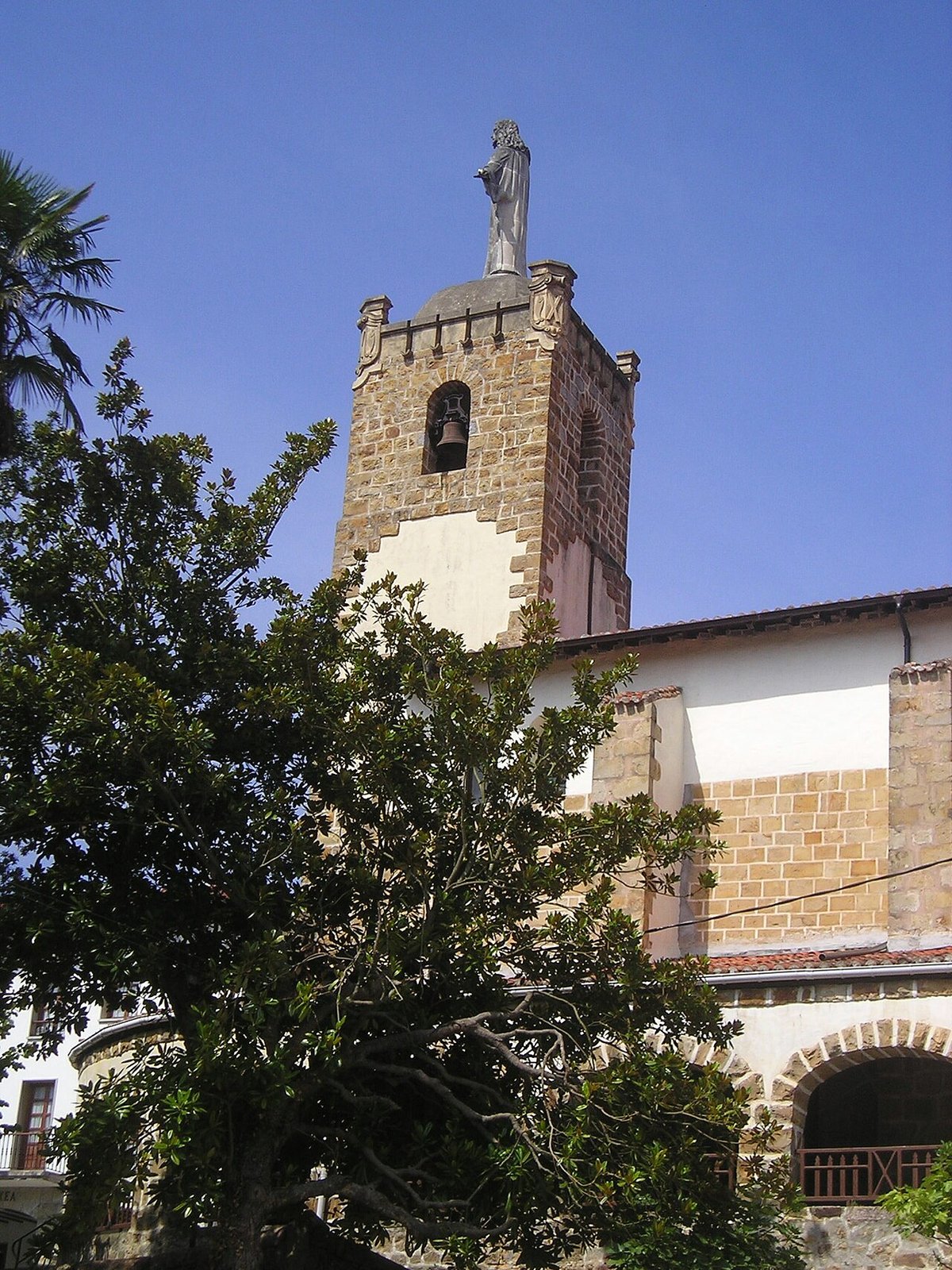
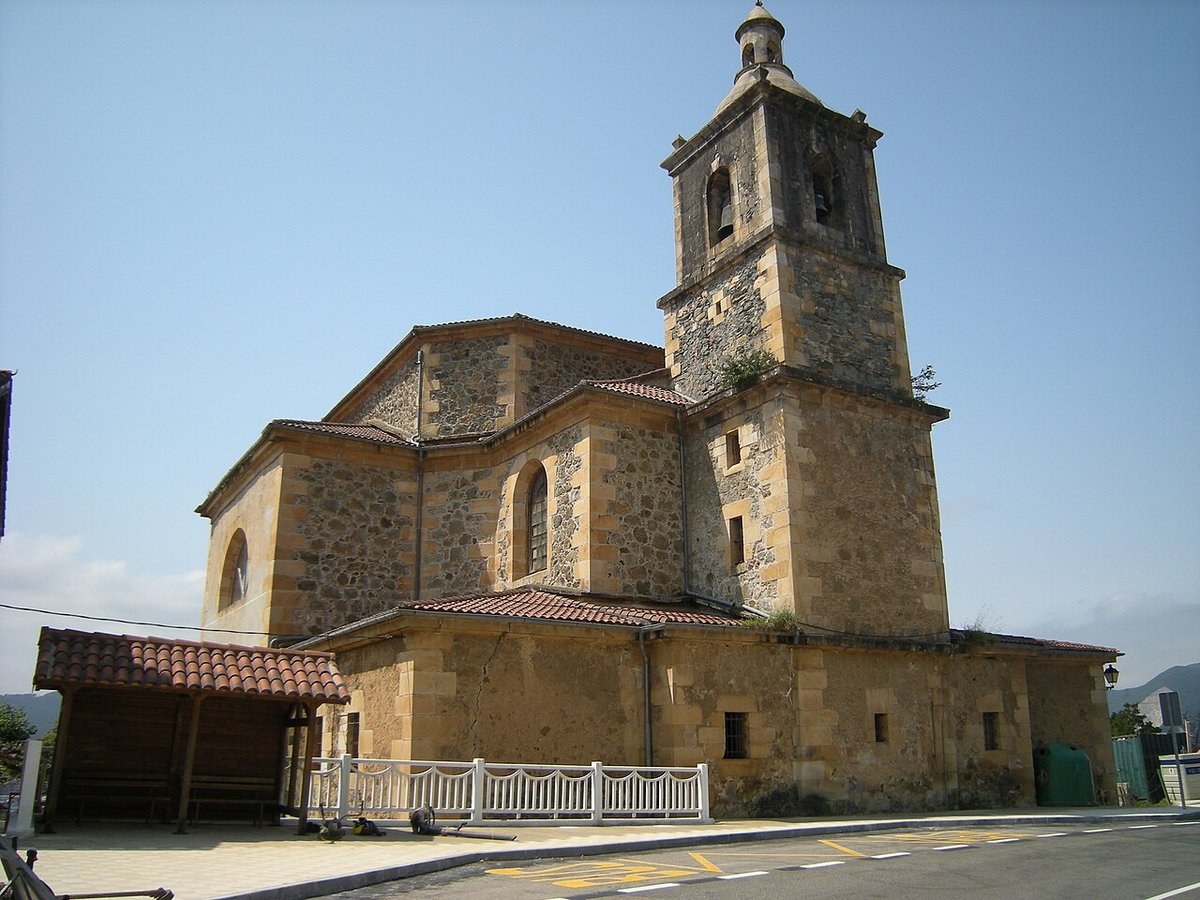
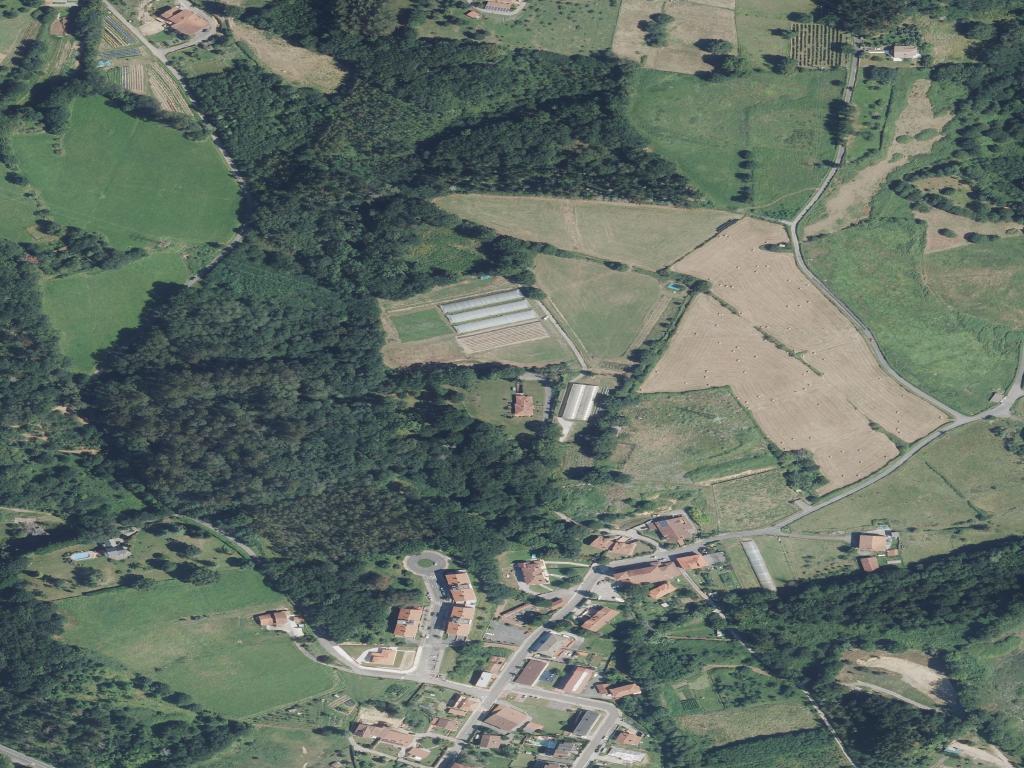
This is a municipality of some five hundred people spread across the gentle, rolling hills just inland from Gernika. There is no village square, no clustered nucleus. Homes are placed deliberately apart, separated by vegetable plots, pasture, and pockets of oak and chestnut woodland. The parish church of San Martín, built from unadorned stone, is one of the few points where structures gather. It often stands locked, but the reason to come is the space around it: the smell of recently mown grass, the sound of a tractor fading in and out over a ridge, the wind moving through the high branches of the surrounding trees.
Following the roads between baserris
To understand Errigoiti, you walk the narrow local roads that connect its neighbourhoods—Zubieta, Metxika, Arkotxa. Traffic is scarce, but you listen for it. The walk is a catalogue of rural details: wooden gates worn smooth by hands, chicken coops behind wire fencing, kitchen gardens showing rows of leeks or the red flash of ripe tomatoes. In nearby fields, sheep and blonde Aquitaine cattle graze with a profound indifference.
You won’t find signposted viewpoints. The landscape reveals itself in sudden, fleeting gaps: a break in a stone wall that frames the distant hump of Oiz mountain, a bend where the land falls away into a small, unnamed valley dense with ferns. These vistas appear without ceremony and are gone as soon as the road turns again.
Rain is a frequent companion here. After a shower, the gravel on the paths softens underfoot and the scent of wet oak bark rises from the woods. You hear water everywhere—the trickle of a stream you’d missed on a dry day, droplets falling from leaves onto last year’s chestnuts. It’s a sound that deepens the quiet, only broken by the distant metallic clang of farm work.
A quiet corner within Urdaibai
Errigoiti sits within the comarca of Busturialdea-Urdaibai. It is minutes by car from places that draw crowds: Gernika-Lumo with its Monday market, or the bird-rich marshes of the estuary at low tide. The contrast is physical. There, you find movement, terraces, traffic. Here, the rhythm is set by the slow turn of agricultural seasons and the isolation of the farmsteads.
Consequently, most people pass through without stopping. The main road offers no major signs prompting a visit, no obvious landmark demanding a photograph. It doesn’t function as a destination in the conventional sense. It is simply part of the wider Urdaibai landscape—a quieter, more introverted part.
If you go
Services are limited to fundamentals, with opening hours that can be brief. For supplies, a meal, or fuel, you’re better relying on Gernika or Mungia before you arrive or after you leave.
Wear shoes that can handle mud. In autumn and winter, paths hold water for days. In summer, while the hills are not steep, their constant roll builds a quiet fatigue if you walk under the midday sun. Early morning or late afternoon light makes for cooler movement and longer shadows.
Park considerately. Leave your car in one of the wider pull-offs near a main neighbourhood and continue on foot. Many lanes are single-track, and farm entrances are needed for machinery; blocking them is a genuine nuisance.
A place felt through movement
Errigoiti has no central plaza to orient you. Its character emerges through the act of moving between its scattered points, along roads that follow the old contours of the land. The soundtrack is rural and specific: a dog barking two valleys over, the low diesel grumble of a tractor starting up, the solid thud of a farmhouse door closing against the weather.
Sometimes, if the wind is right from the north, it brings a faint salt tang from the Urdaibai estuary. Other times there is only stillness and the soft friction of beech leaves. These slight shifts in atmosphere give you the measure of daily life in this inland part of Busturialdea.
Your time here is less about seeking and more about settling into a slower pace. The lay of the land, the deliberate space between houses, and the lack of a centre all point to the same conclusion: Errigoiti is understood gradually, step by step along its quiet roads.