Full Article
about Forua
Valleys and hamlets a stone’s throw from Bilbao, buzzing with local life.
Hide article Read full article
A scattered village in Urdaibai
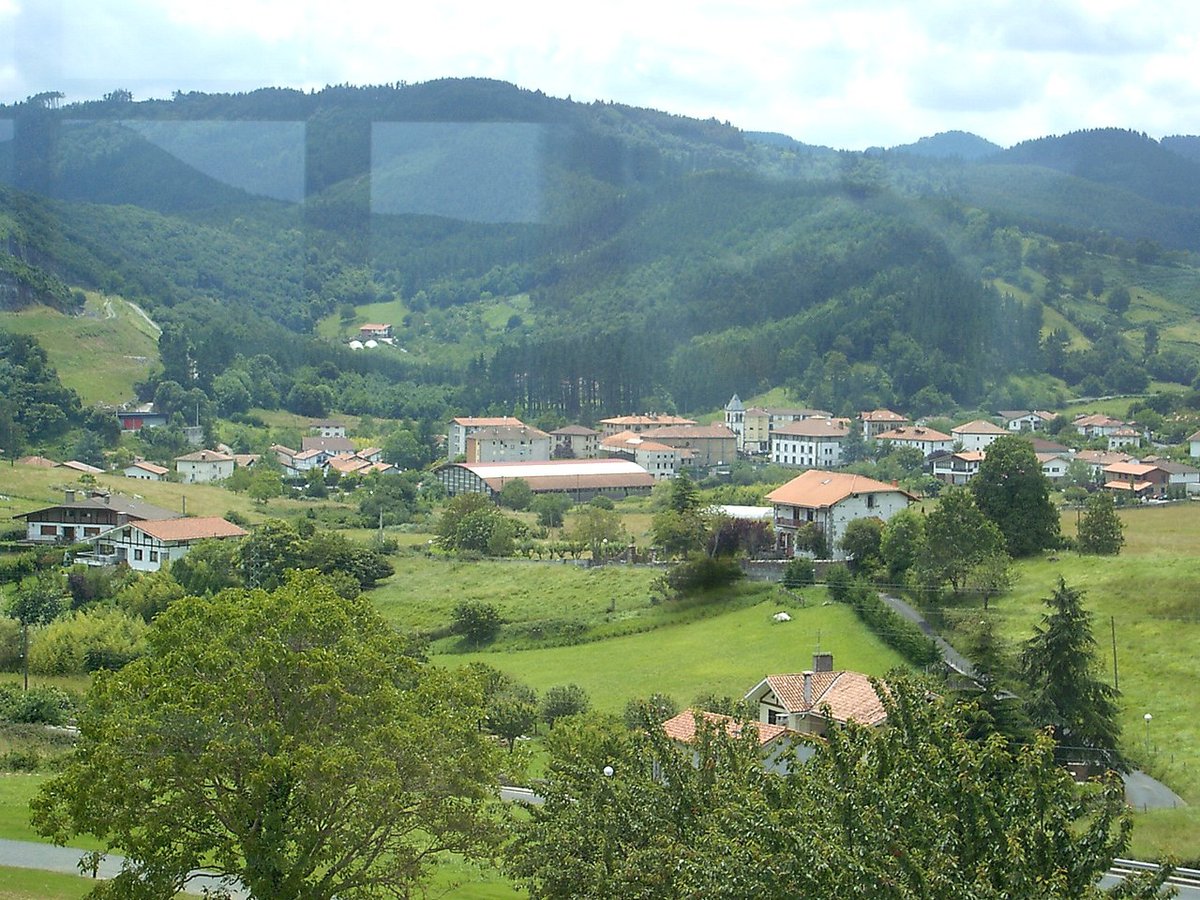
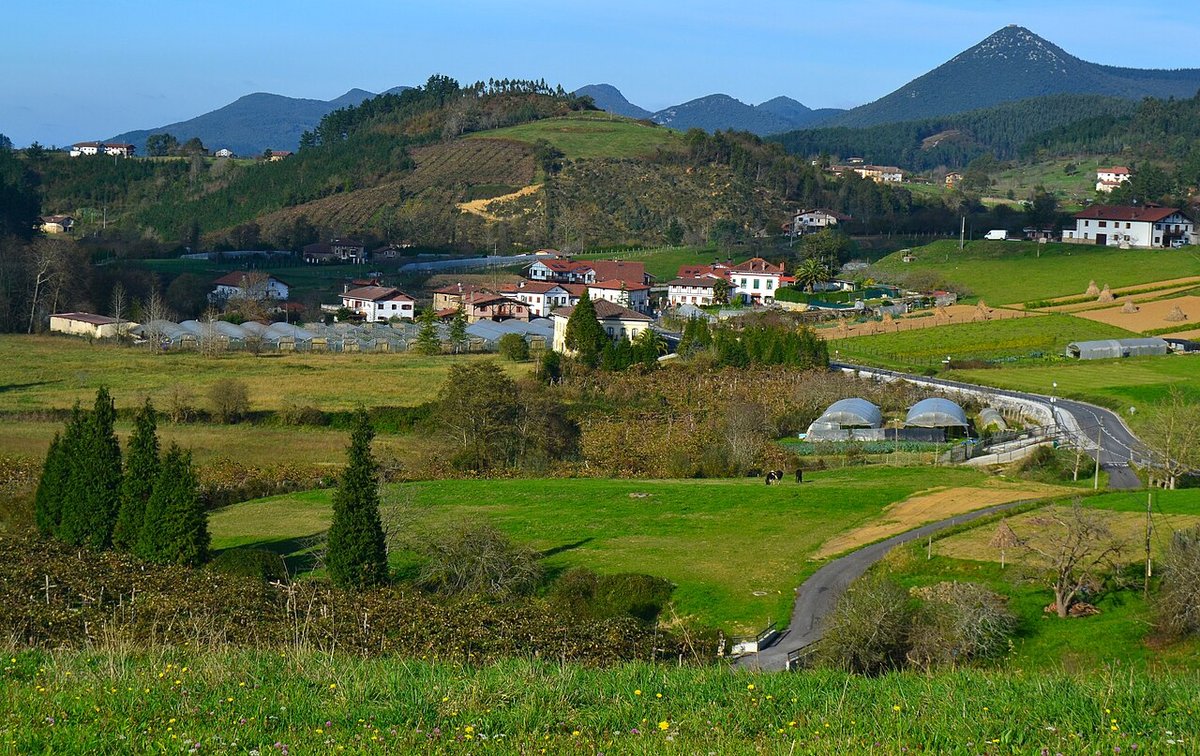
Early in the morning, when mist still hangs low over the fields, Forua sounds like footsteps on damp gravel and the distant call of a cockerel from a nearby caserío, a traditional Basque farmhouse. Light filters slowly through the trees and settles on stone walls. There are no long streets or a central square where everything gathers. Houses appear at a distance from one another, separated by kitchen gardens, open pasture and small paths that rise and dip without much apparent order.
Forua belongs to Busturialdea, within the Urdaibai area in the Basque Country. The landscape is shaped by the Oka estuary and a web of rural tracks that link scattered neighbourhoods. It is not a compact village. It feels more like a patchwork of farmhouses, plots of land and footpaths that meet and part across gentle terrain.
Walking through fields and farmhouses
Getting around Forua means settling into a slower rural rhythm. Paths run alongside hedges, stone walls coated in moss and small vegetable plots where tomatoes, beans or peppers tend to grow in summer. The smell shifts quickly as you move. Freshly cut grass gives way to damp earth after rain, then to wood smoke drifting from a chimney in winter.
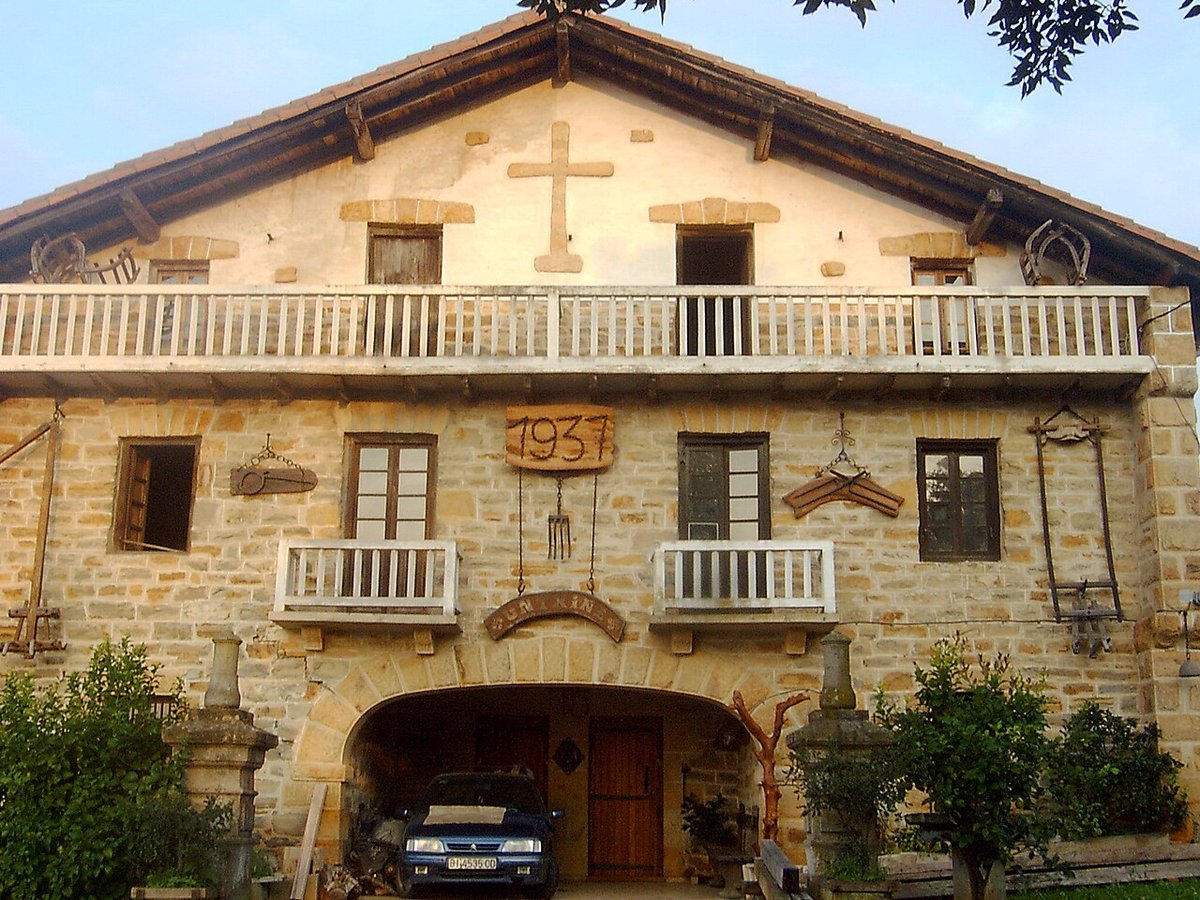
The caseríos stand out for their sloping roofs and thick walls. Many date back centuries, though they have adapted over time. Some still keep wooden balconies or large doors that reflect their agricultural past. They do not line up neatly or form clear streets. Each one sits where the land allowed it.
Comfortable footwear makes a difference here. Some sections are paved, yet many paths are dirt or gravel, and after several days of rain they can turn slippery.
San Martín and a modest centre
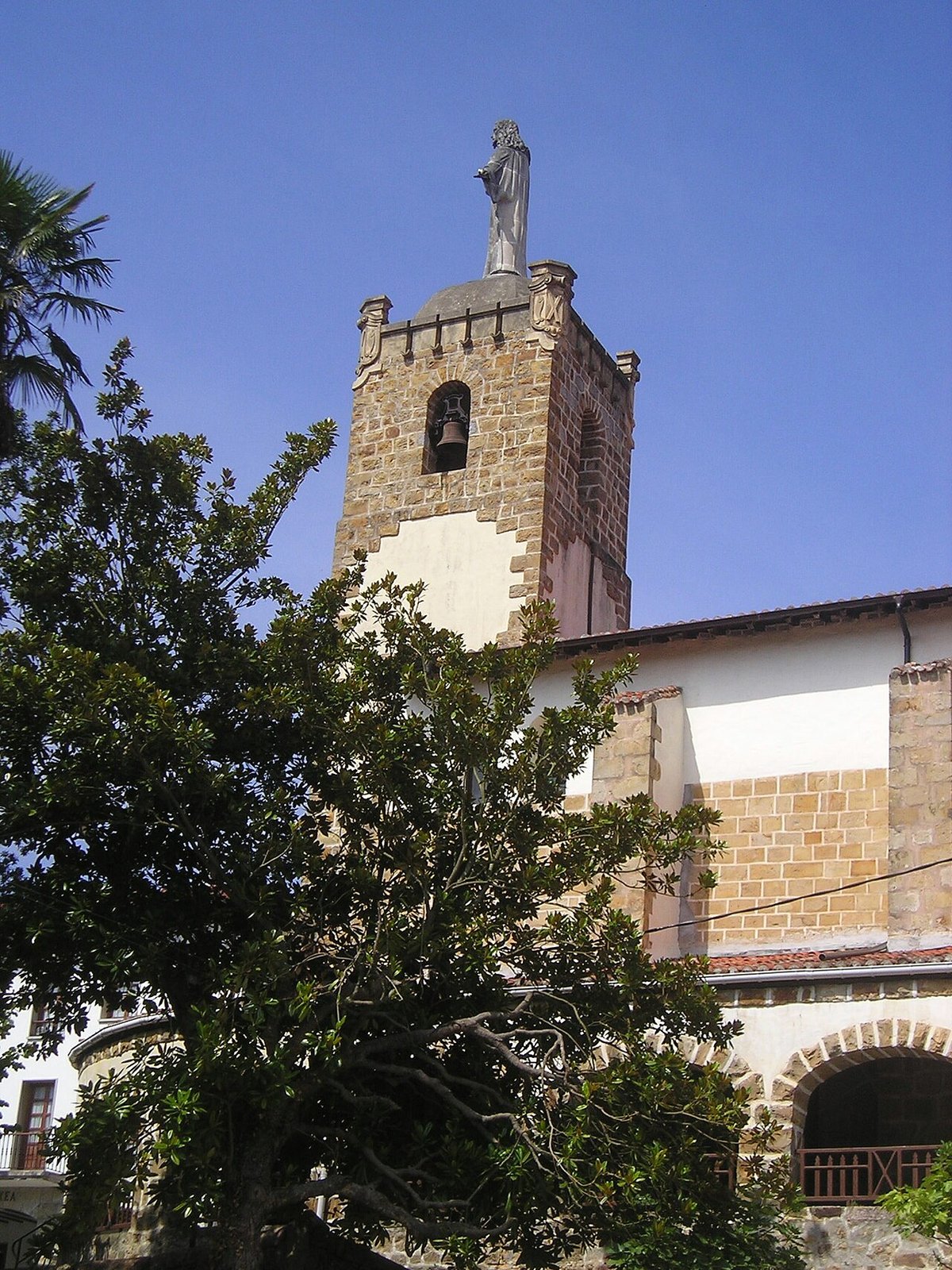
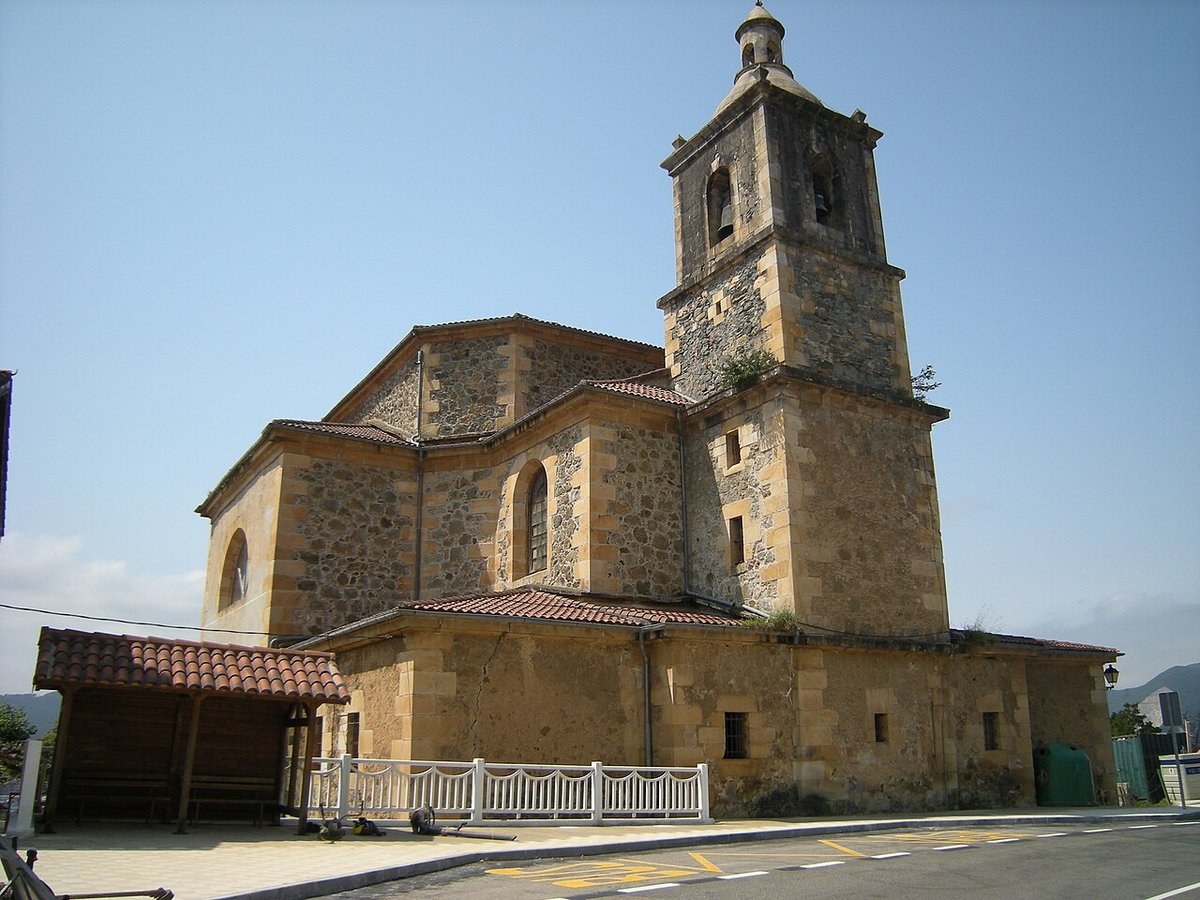
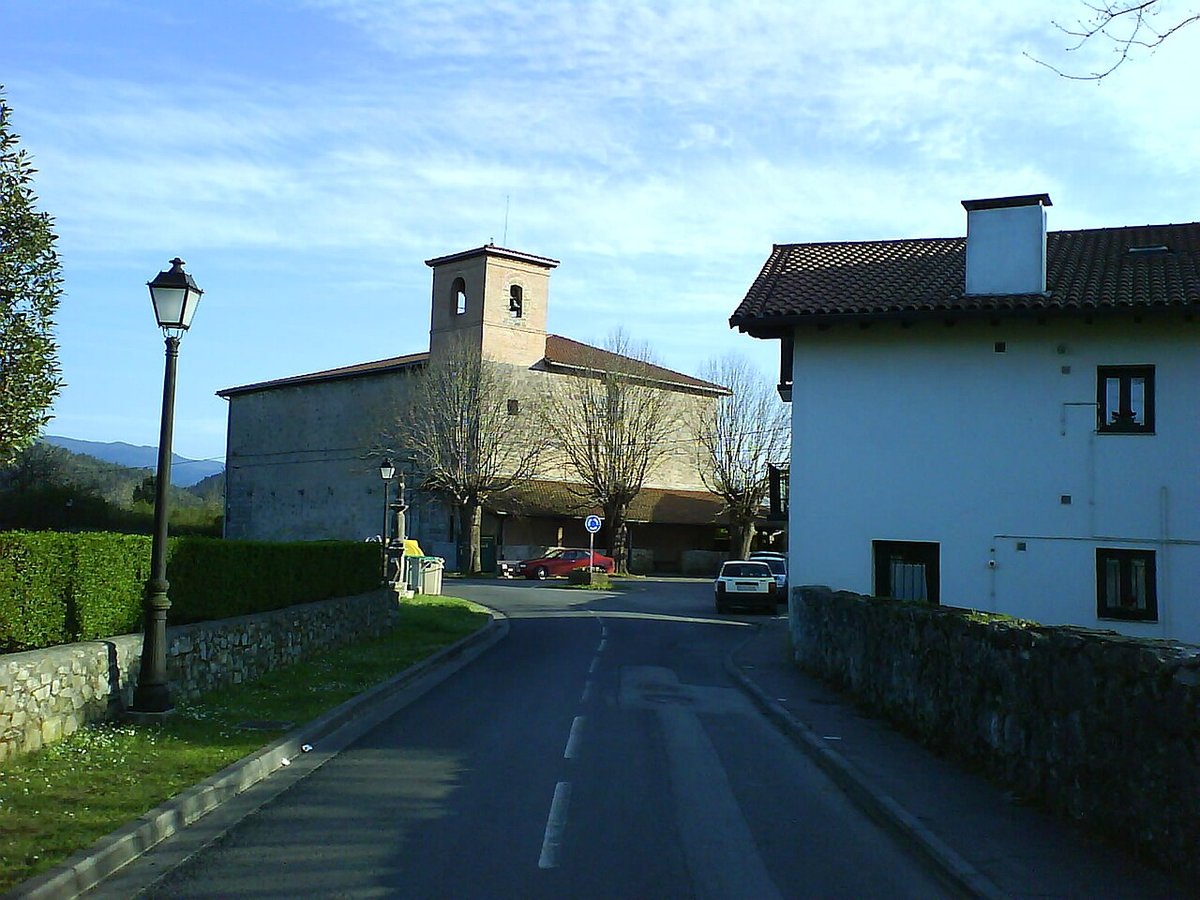
The church of San Martín acts as a useful reference point. It does not dominate the landscape, though it helps with orientation in a place where everything is quite spread out. Its grey stone changes noticeably with the light. In the morning it can look cool, almost bluish. By late afternoon it takes on a warmer tone that contrasts with the deep green of the surrounding meadows.
Around this area there is something closer to a small centre. A few houses sit closer together, and local roads connect this spot with the rest of the neighbourhoods that make up Forua.
Close to the Oka estuary
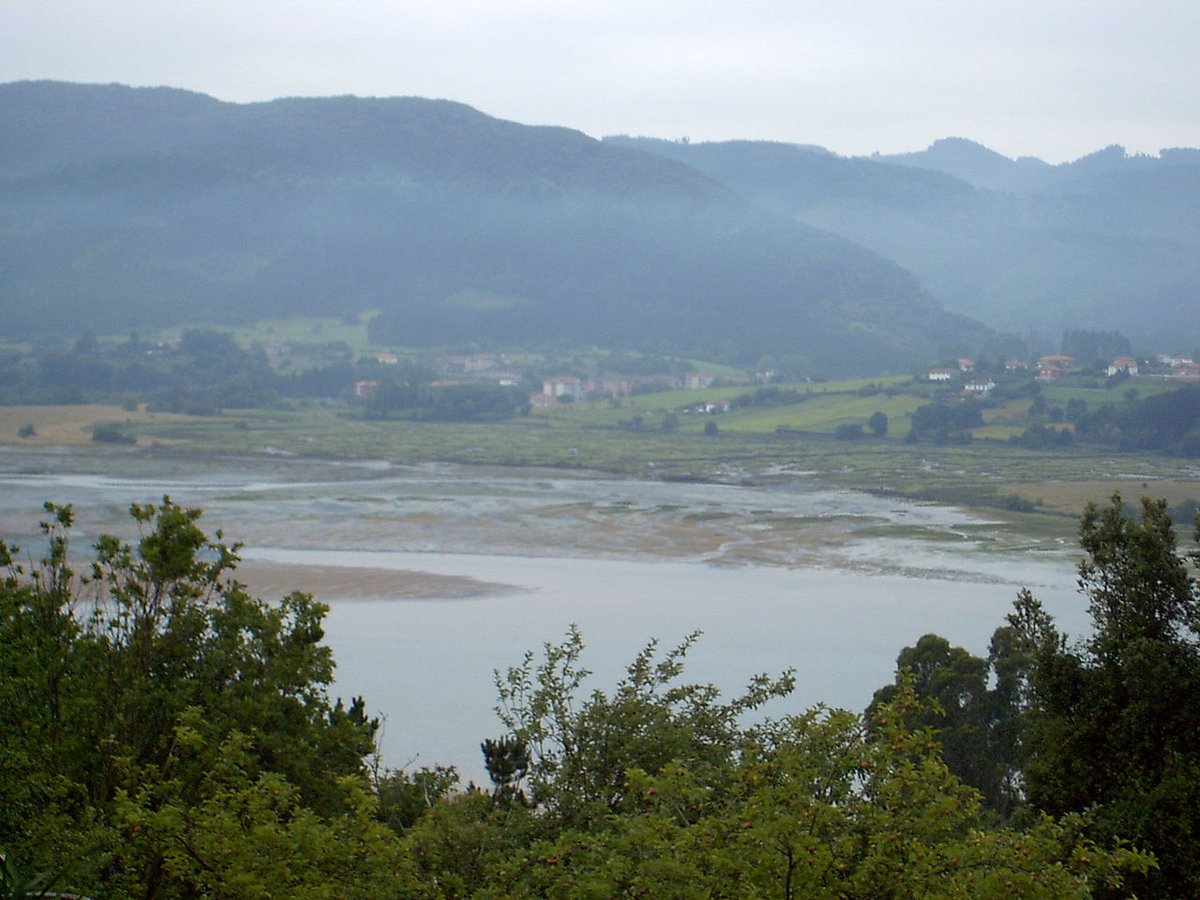
Forua has no beach, yet the Oka estuary lies only a short drive away. The scenery shifts there. Marshland appears, along with dark mud exposed at low tide and many birds moving through shallow water.
From this point, paths and roads lead towards more open stretches of the Urdaibai coast. Some of the best-known sandy areas in the region are relatively nearby. In summer, access roads can become slow with traffic.
Routes across Busturialdea
Paths from Forua also lead towards nearby hills and neighbouring towns such as Gernika-Lumo. These are straightforward routes if taken at an easy pace, crossing wooded sections, rural tracks and natural viewpoints where the estuary can be glimpsed winding between hills.
Seasonal changes are easy to notice along these routes. Spring brings intense green tones, and ferns begin to fill the edges of the paths. Autumn feels quieter and more enclosed. The ground is often covered with chestnut and oak leaves, while the air turns damp and still.
Early hours tend to offer the calmest experience for walking. Later in the day, some rural tracks see passing cars and the sense of quiet softens.
Where everyday landscape takes centre stage
Forua does not revolve around major monuments or big cultural sights. Its appeal lies in something more ordinary: the way houses, fields and paths blend into the soft relief of Urdaibai.
A short walk is enough to understand it. A bend in the path, a cow grazing on a sloped field, the sound of leaves moving in the wind. These are small, repeated scenes. Together, they explain more about daily life in this part of Bizkaia than any landmark could.