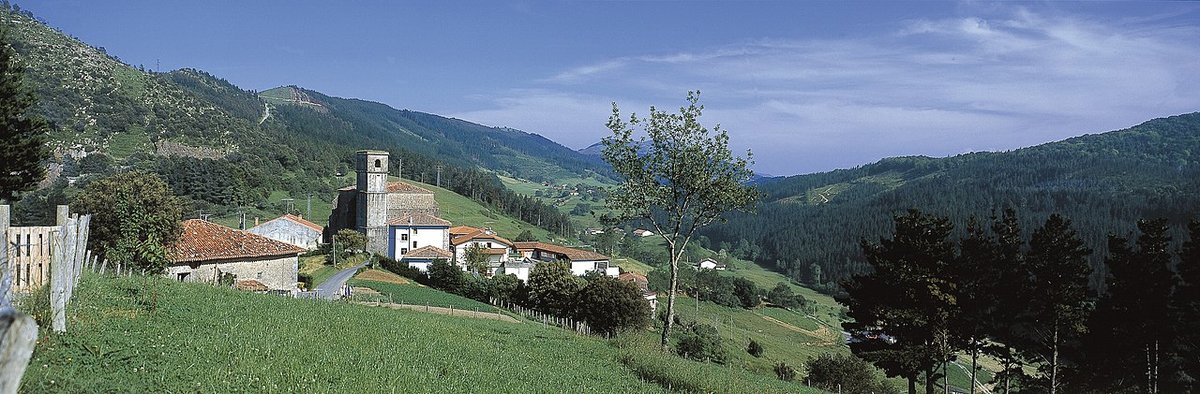
Arteaga (Vizcaya)
No machine-readable author provided. Jrbbopp assumed (based on copyright claims). · Public domain
País Vasco · Atlantic Strength

Gautegiz Arteaga (Gautéguiz de Arteaga)

The first thing you notice is the roofline: steep slate turrets and a fairy-tale balcony poking above poplar trees, as if someone had dropped a Loi...

866 inhabitants · INE 2025
45m Altitude

Why Visit

Historic quarter Walks

Best Time to Visit

summer

Things to See & Do
in Gautegiz Arteaga (Gautéguiz de Arteaga)

Heritage

  • Historic quarter
  • parish church
  • main square

Activities

  • Walks
  • Markets
  • Local food
  • Short trails

Full Article
about Gautegiz Arteaga (Gautéguiz de Arteaga)

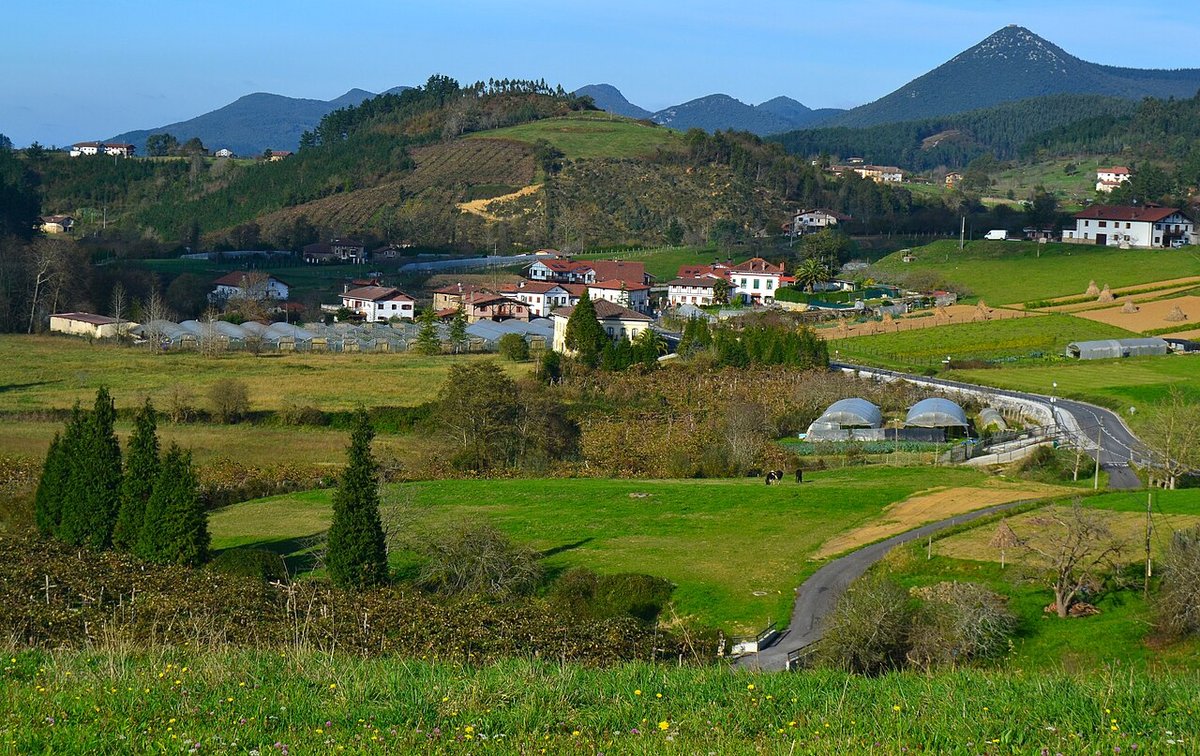
Valleys and hamlets a step from Bilbao, with plenty of local life.

Ocultar artículo Leer artículo completo

The first thing you notice is the roofline: steep slate turrets and a fairy-tale balcony poking above poplar trees, as if someone had dropped a Loire château into a Basque cow pasture. That instant of architectural confusion is Gautegiz Arteaga in miniature—small, slightly improbable, and surrounded by birds rather than people.

Castle and cattle

Arteaga castle is neo-Gothic, 1856, commissioned for Eugénia de Montijo, last Empress of France, who summered here when the surrounding estuary still felt like the edge of the world. These days it operates as a five-star hotel; visitors without a suite key must be content with the view from the lane. Arrive before ten and you’ll have the façade to yourself, back-lit by the low sun that turns the stonework honey-gold while marsh harriers wheel over the adjacent meadows. Walk a hundred paces past the gatehouse and the building disappears behind vegetation, proving how shallow the “castle experience” is. Stay longer only if you’ve booked lunch in the panelled dining room, where a plate of arroz con bogavante will set you back €38 but buys you a ringside seat to the same panorama that once entertained emperors.

Behind the car park a narrow path ducks into the parkland: 20 minutes of flat loop beneath Himalayan cedars and pollarded oaks. Locals use it as a dog-walking circuit; tourists treat it as a leg-stretch before the next coastal hop. Either way, duckboards keep your shoes dry when the adjoining stream floods, a reminder that the Urdaibai estuary is essentially a maritime lung that breathes in and out twice a day.

Estuary arithmetic

From the castle gate to the waterside hides at the Urdaibai Bird Centre is 2.3 km—too far to stroll with binoculars swinging, two minutes by car. Park at the free boardwalk lot, slather on repellent (the breeze keeps midges away at noon, not at dusk), and climb the low observation platform. On spring tides the mudflats vanish completely; oystercatchers and whimbrel relocate to the stone wall outside the car park, giving point-blank views. Bring a scope if you own one, although the wardens happily share theirs and will tell you, in rapid-fire Spanish, how many spoonbills flew in yesterday.

The centre itself is tiny—two exhibition rooms and a café that closes at four—so treat it as a shelter rather than a destination. Serious birders stay until last light, when hundreds of egrets commute overhead like white confetti. Everyone else folds the visit into a wider circuit: castle, boardwalk, then either the beaches at Laida (10 min south) or the painted forest of Oma (15 min north-west). Gautegiz Arteaga works best as the hinge, not the whole day.

Roads that wriggle

A hire car is non-negotiable. The village sits on the BI-2235, a lane barely wider than a Surrey B-road, with grass growing down the middle and cattle grids every kilometre. There is no railway; buses from Bilbao reach Gernika twice an hour, but the onward connection to Gautegiz is a school service that leaves at 07:35 and 14:10, aimed at teenagers not tourists. Taxis from Bilbao airport cost €90 if you forget to pre-book, €65 if you ring Autobildu the day before. Once here, mileage is laughably low—20 km will cover castle, coast, caves and supper—but every bend climbs or drops 50 m, so allow more time than the sat-nav claims.

Cyclists adore the emptiness until they meet the gradients. A popular 30 km loop strings together Gautegiz, Gernika and the coastal village of Mundaka, but even fit riders walk the final 12 % ramp above the castle. Bike hire is possible in Gernika; reserve in advance because stock is limited and shop staff take a two-hour lunch siesta that catches many Brits out.

What passes for a centre

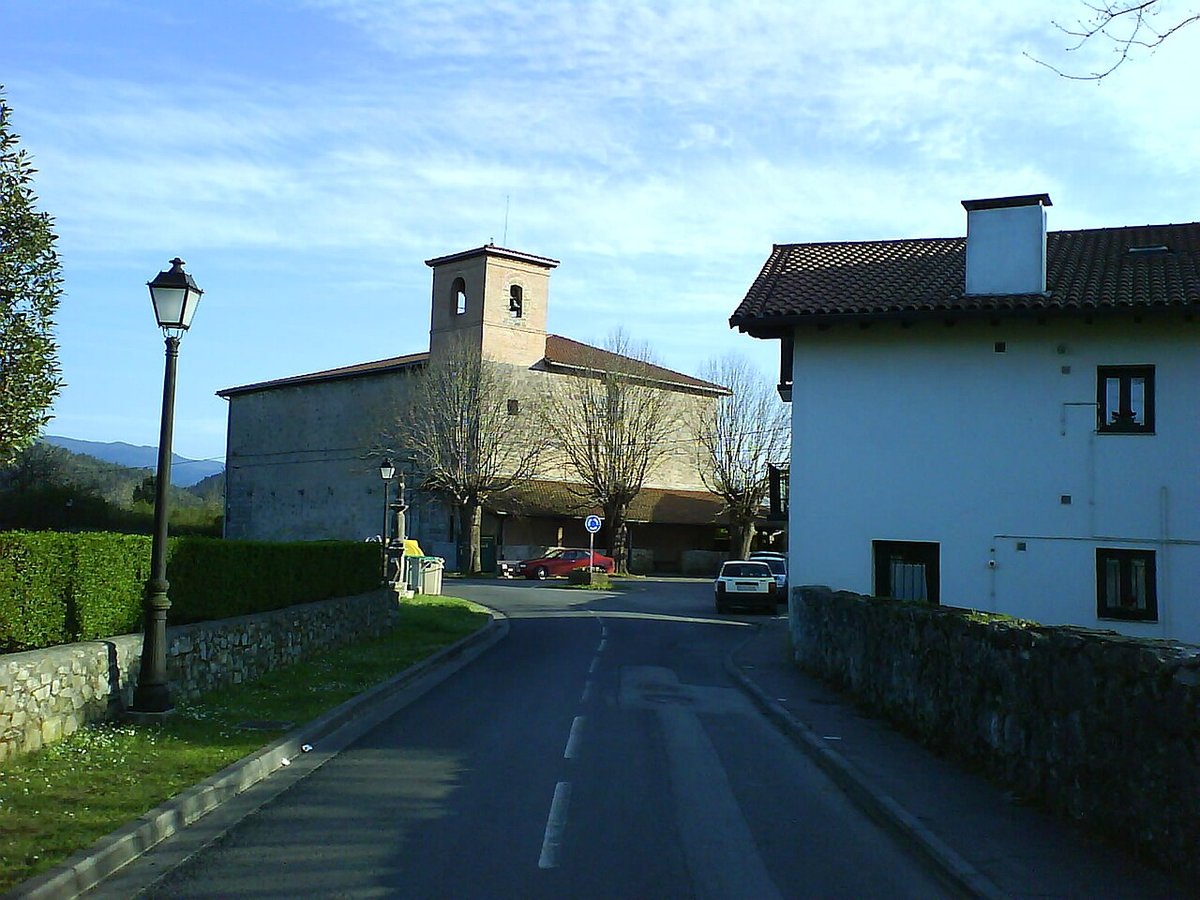
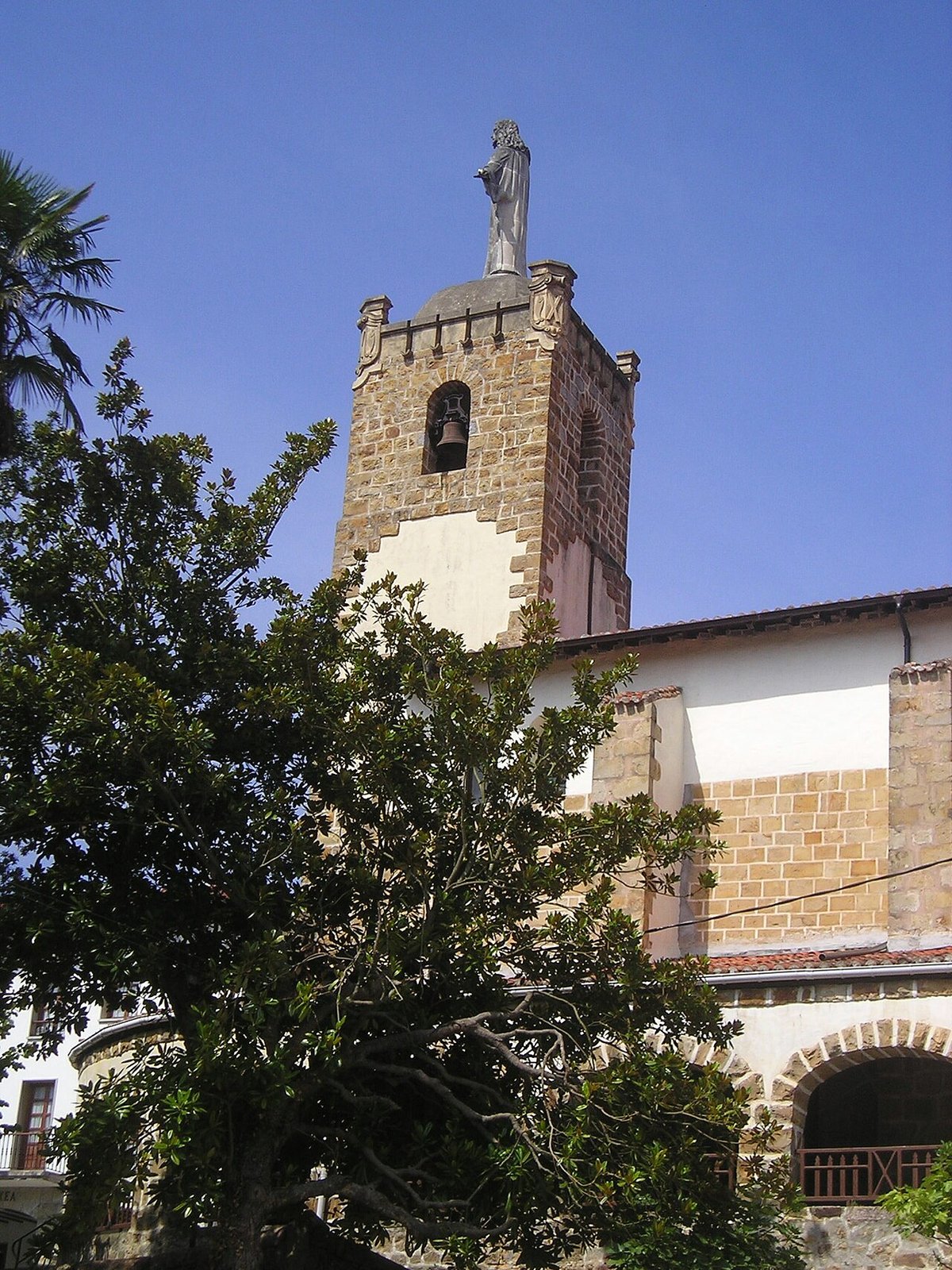
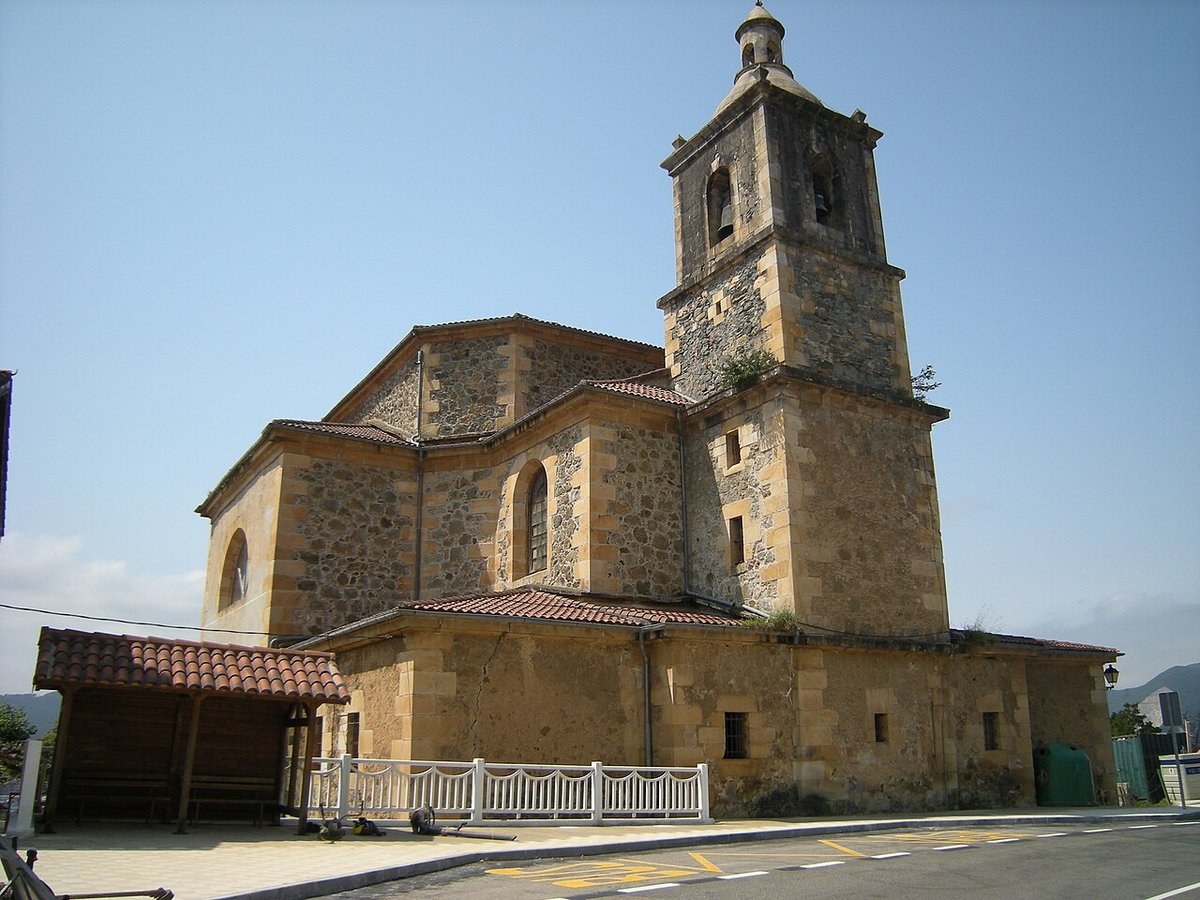
Dispersed is the polite word. The parish church of San Juan Bautista clusters with a frontón (pelota wall), a children’s playground and Bar Arrieta, the only watering hole within walking distance of the castle. The bar opens at eight for cortados and churros, fills with farmers at ten, screens La Liga at the weekend and shuts by eleven unless the landlord feels sociable. Order a gilda—olive, guindilla pepper and a fat anchovy on a stick—washed down with txakoli poured from shoulder height to knock the CO₂ about. The wine is sharp, slightly sparkling, and tastes like seaside lemonade; at €2.30 a glass it’s cheaper than craft ale back home.

For anything more elaborate you drive. Gernika, five minutes north, has supermarkets, cash machines and the Monday market that sells everything from rope-soled espadrilles to still-twitching squid. Sunday lunch options book up fast—Basque families treat 14:00 as sacred—so ring ahead even for the humblest asador. Kitchens close around 16:00 and don’t reopen; arrive late and you’ll be making do with crisps at the castle bar.

Seasons, straight up

Spring brings neon-green grass and migrating waders, but also the Atlantic’s gift of horizontal rain. Pack a lightweight waterproof; umbrellas become kites here. Summer is warm (24 °C average) yet rarely stifling thanks to the estuary breeze—ideal for lounging on Laida’s 3 km sweep of sand, though you’ll share it with weekenders from Bilbao. Autumn is the sweet spot: calm seas, vineyards turning amber, and the castle’s stone glowing rose-gold in low sun. Winter is misty, melancholic and mercifully quiet. The castle hotel drops its tariff by 40 % between November and March, a bargain if you fancy four-poster beds and room service but don’t mind dusk at 17:30.

Snow is almost unheard of; instead you get weeks of drizzle that turns footpaths into chocolate mousse. The park beside the castle remains passable thanks to boardwalks, but rural tracks become axle-deep ruts. Locals swap wellies for trainers around April; copy them unless you enjoy losing a boot to mud suction.

Parting shot

Gautegiz Arteaga will never fill a fortnight, or even a weekend, and that is precisely its value. Use it as a place to decompress after the Guggenheim: one night in a turreted bedroom, a dawn walk among cowpats, then a slow drive through hills that smell of gorse and salt. Tick off the castle, the birds and the glass of txakoli, then move on—preferably before the school bus blocks the single-track lane and reminds you how small 866 residents really are.

Key Facts

Region
País Vasco
District
Busturialdea-Urdaibai
INE Code
48041
Coast
No
Mountain
No
Season
summer

Livability & Services

Key data for living or remote work

2024
ConnectivityFiber + 5G
HealthcareHealth center
EducationHigh school & elementary
Housing~5€/m² rent · Affordable
CoastBeach nearby
Sources: INE, CNMC, Ministry of Health, AEMET

Planning Your Visit?

Discover more villages in the Busturialdea-Urdaibai.

View full region →

More villages in Busturialdea-Urdaibai

Traveler Reviews