Full Article
about Morga
Valleys and hamlets a step from Bilbao, with plenty of local life.
Hide article Read full article
Morning Mist and Stone Walls
At dawn, the low cloud sits in the valleys between Morga’s hills, leaving the farmsteads isolated in a sea of grey. You don’t arrive at a village centre; you arrive between places. The first thing you notice is the quiet, broken only by a tractor starting somewhere behind a hedge. The stone of the scattered caseríos looks cold and blue in that light.
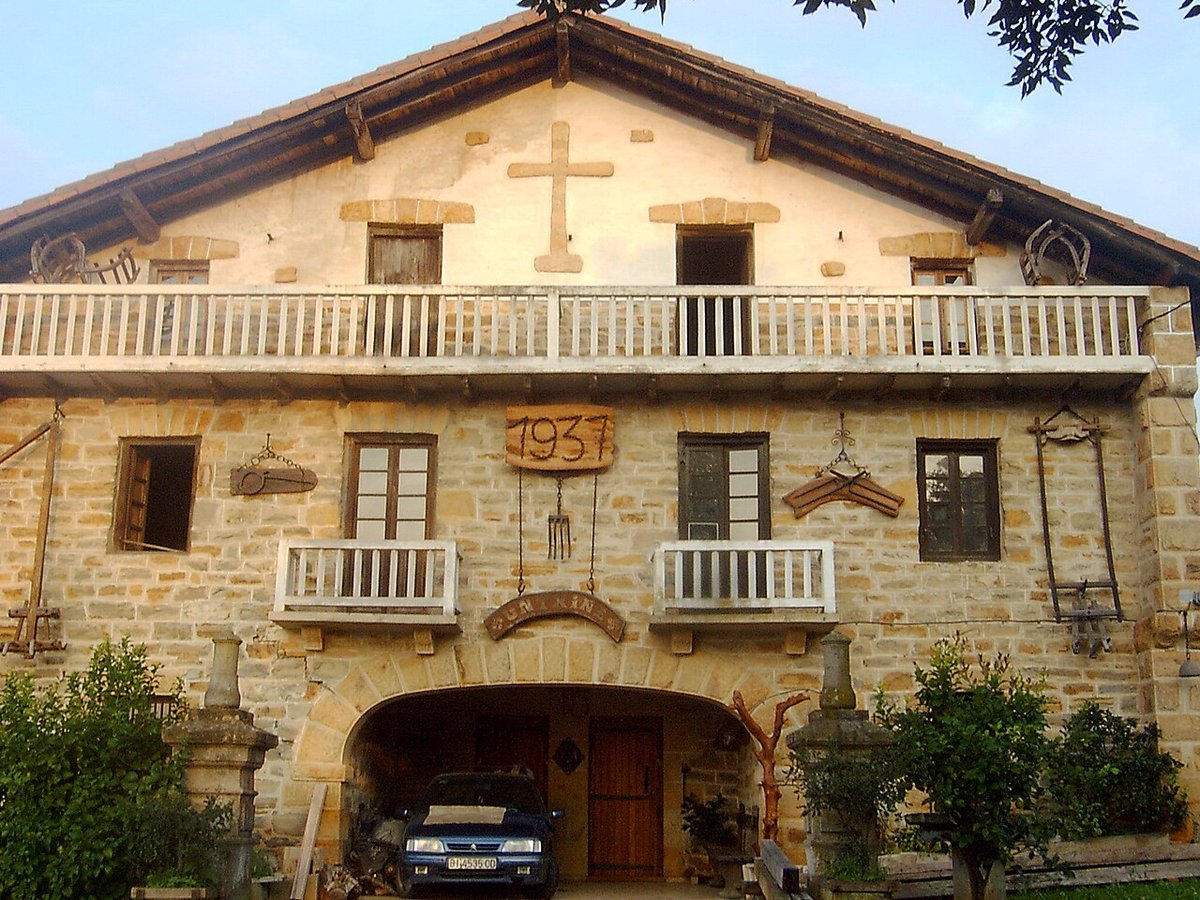
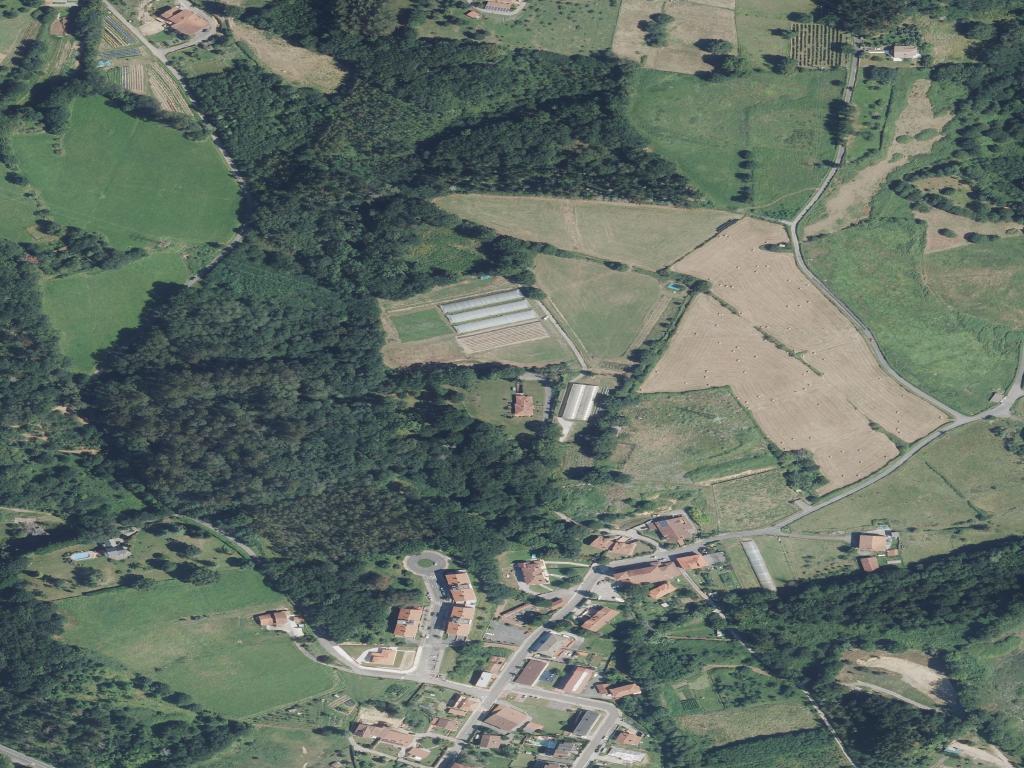
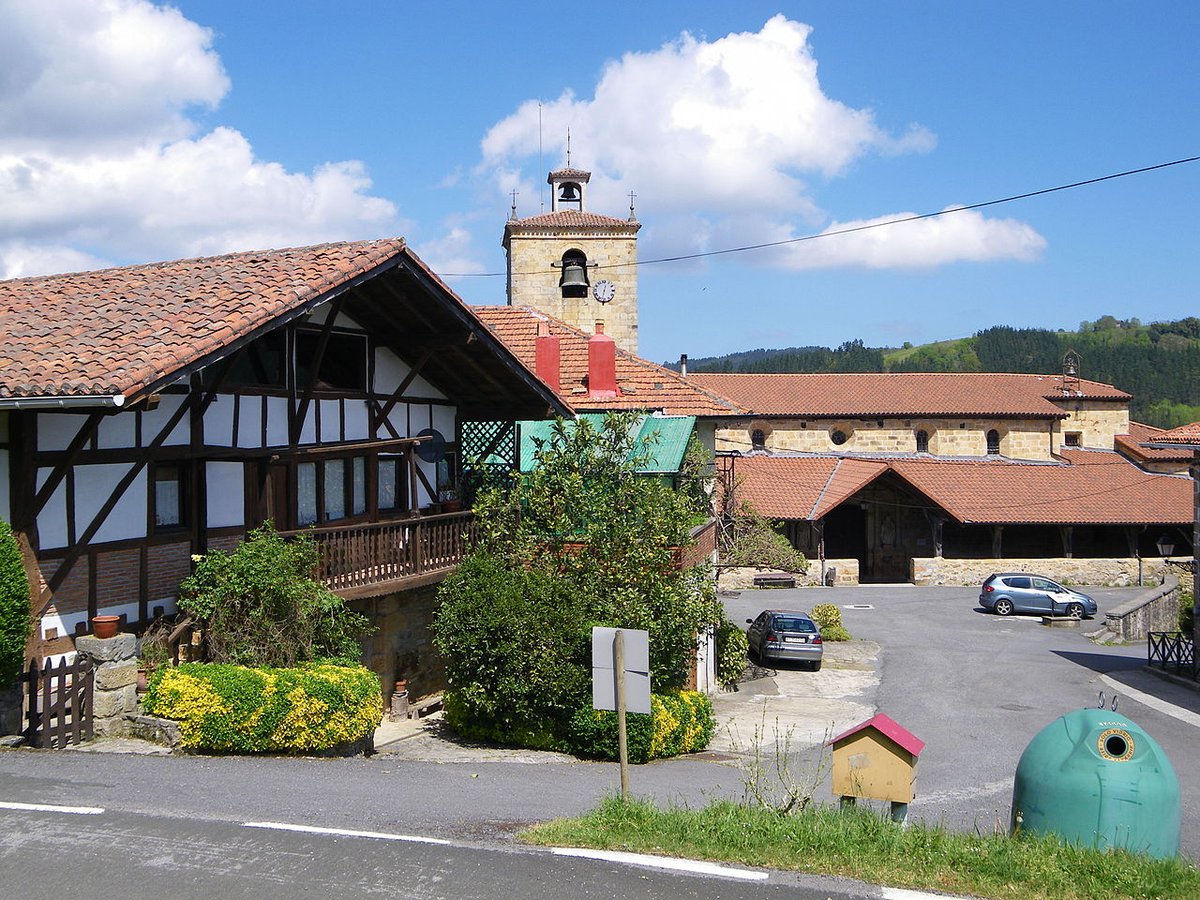
Morga is part of Busturialdea-Urdaibai in Bizkaia. Its population is spread across several neighbourhoods, a layout common in this part of the Basque Country. The houses are built for the climate—solid farmhouses with deep eaves, wooden balconies stained dark by rain, and roofs designed to shed heavy weather.
There is no plaza mayor here. The social geography is written in lanes and field boundaries.
The Church on the Hill
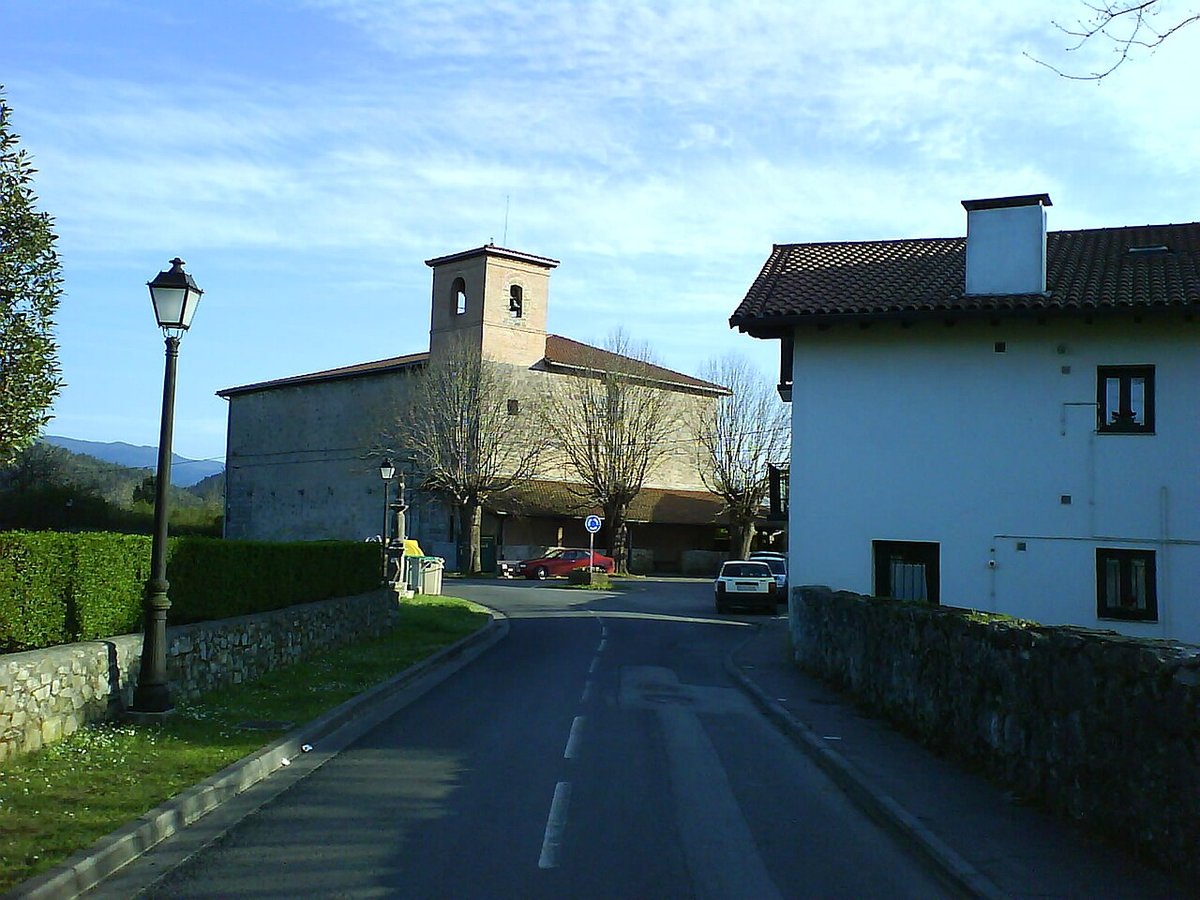
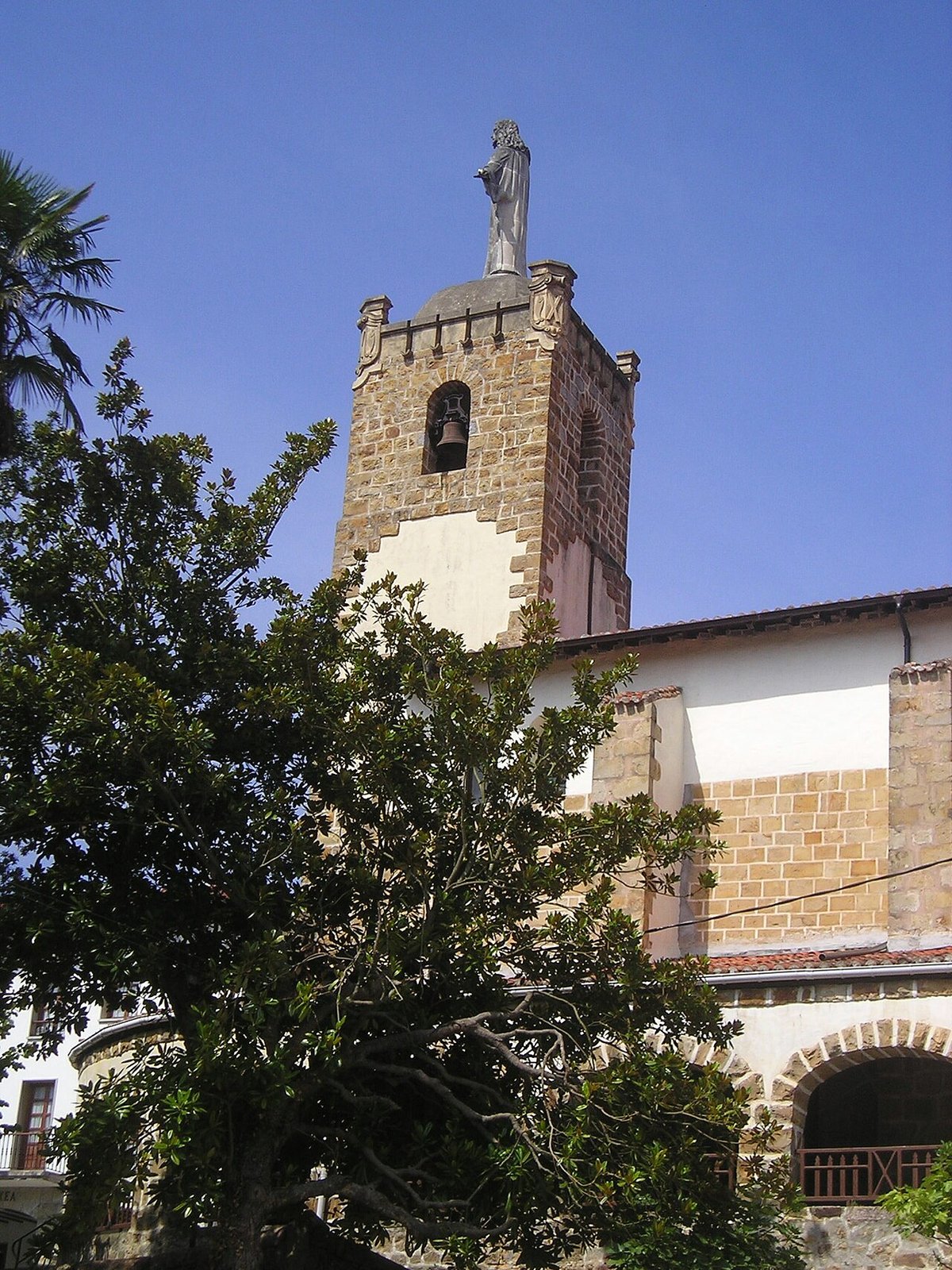
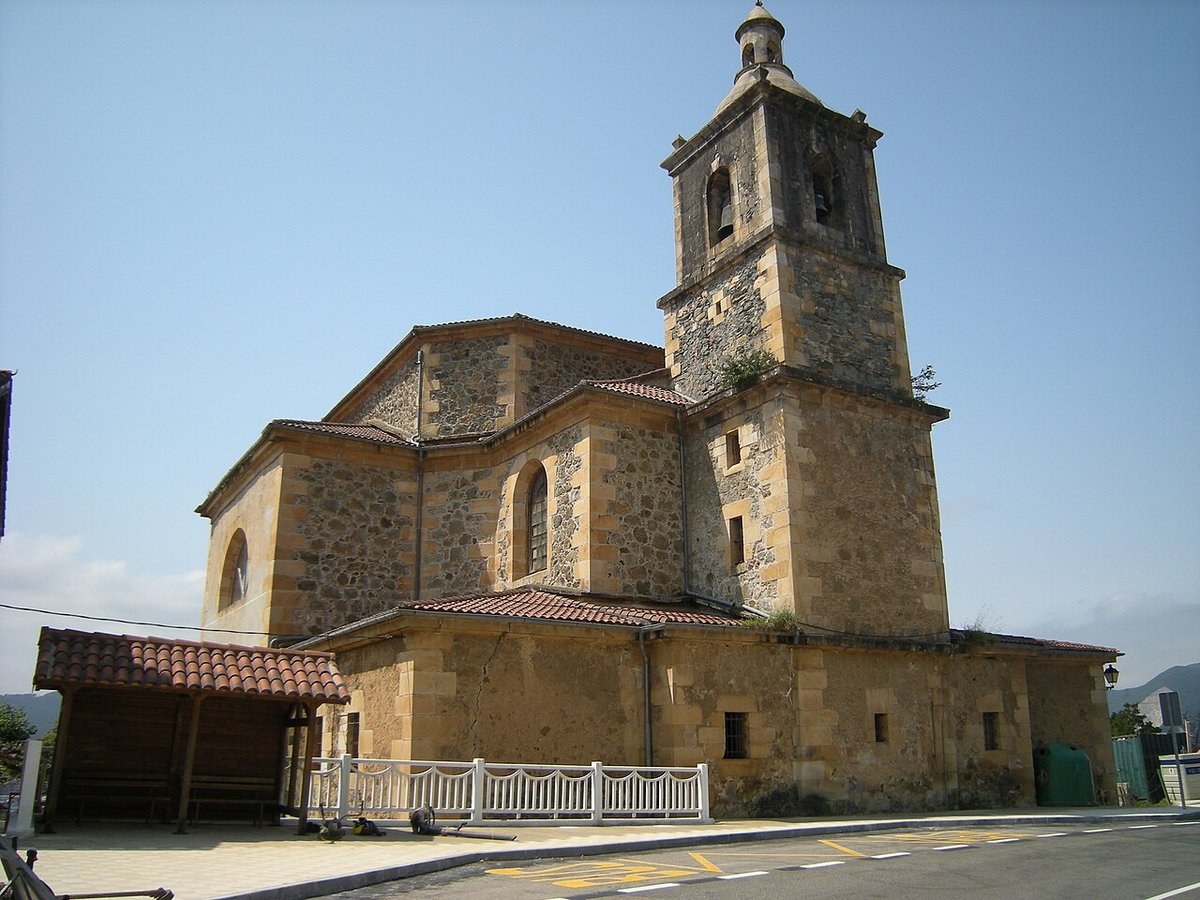
One cluster of buildings includes the church of San Juan Bautista. Its sandstone walls have been patched and added to over centuries, most of its current form dating from the 1500s. The bell tower is unassuming, but on a still morning its sound travels far down the valley.
It mixes with other sounds: the scrape of a gate, crows in the beeches, the lowing of cattle from a hidden meadow. Around the church, the land opens up. You’ll see small vegetable plots, plastic tunnels glowing when the sun finally burns through, and pastures enclosed by moss-covered dry stone walls.
The Walk is Never Flat
To move through Morga is to understand its topography in your legs. The paths connecting the neighbourhoods are made of packed earth and gravel, and they constantly slope. A gentle ascent leads to a slight descent, then another rise. After rain, which is frequent, the clay-rich mud clings to your boots.
Wear footwear that grips. Some paths are public; others fade into farm tracks. If you reach a closed gate or a barnyard, you simply turn back. It’s part of navigating a living landscape.
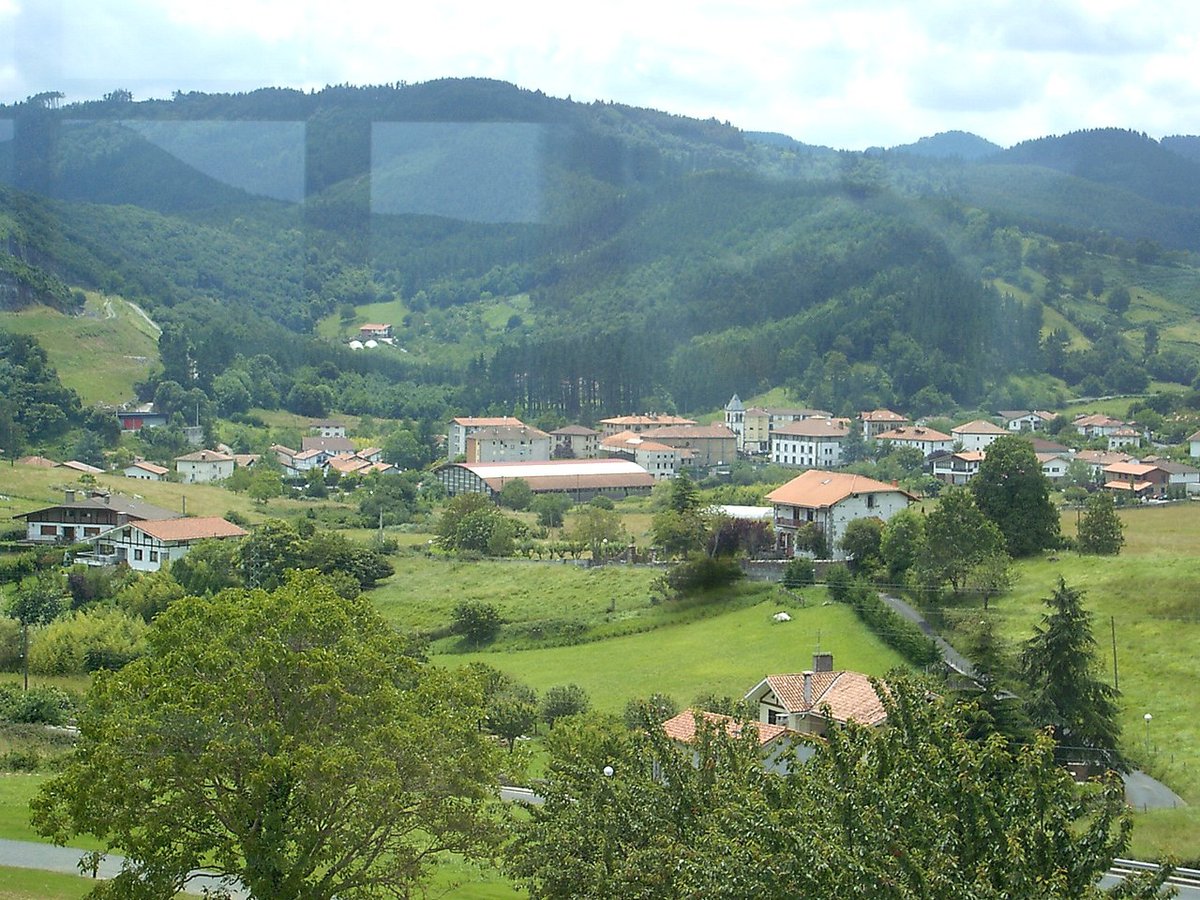
From certain elevated spots—a break in an oak grove, the crest of a field—you get views of the interior. They are accidental vistas: rolling hills forested in deep green, with the white specks of distant farmhouses. The landscape reveals itself in pieces, never as a panorama.
Roads and Practicalities
You will need a car. Distances are deceptive on the map, and the local roads twist tightly between high banks of ferns and brambles. They are narrow, often single-lane with passing places.
Be mindful where you park. Leave space at field entrances and farm gates; these are working access points, not scenic pull-offs. Daily life here happens in private spaces—in farmyards, workshops, and kitchens. You might overhear conversations in Euskera between neighbours mending a fence or unloading feed.
The rhythm is agricultural, not touristic.
Getting There and When to Go
The drive from Bilbao takes you past Gernika and inland. The road gradually empties, the hills close in, and the asphalt becomes damp even on dry days.
Come between late spring and early autumn if you plan to walk extensively. The ground is firmer then. In winter, the damp is pervasive and the paths can be slick. Carry a waterproof layer regardless of the season; weather shifts quickly here.
Morga makes sense through movement, not through monuments. Its character is in the smell of turned earth after a shower, in the sight of laundry hanging stoutly against a breeze, in the understanding that this is a working terrain. Nothing is arranged for your benefit. It simply continues, and allows you to move through it for a while.