Full Article
about Mundaka (Mundaca)
Cantabrian Sea, cliffs and seafaring flavor in the Basque heart.
Hide article Read full article
Mundaka, con la marea
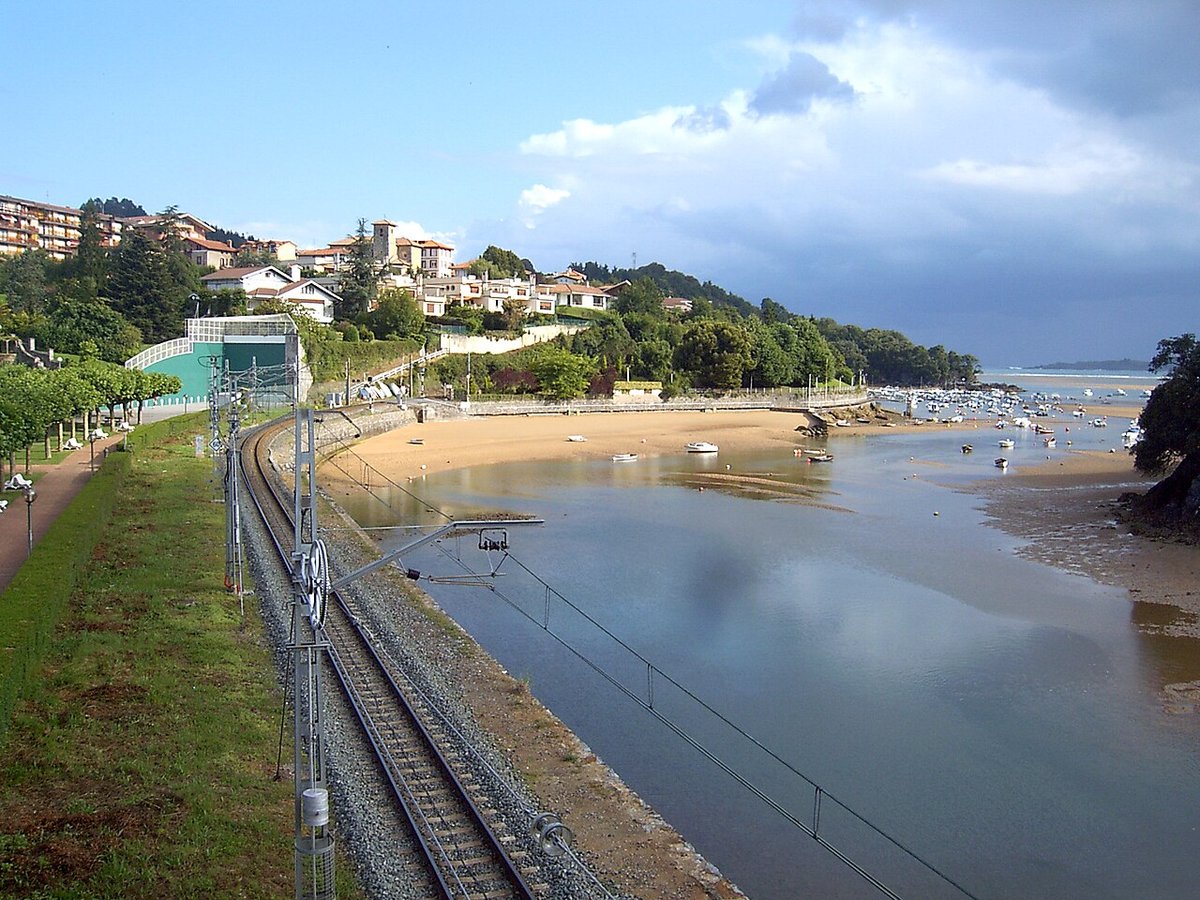
Mundaka es ese amigo que siempre llega tarde porque se ha parado a mirar el mar. No es desorganizado, solo tiene otro ritmo. Aquí, el reloj lo lleva la ría. Cuando sube la marea, el pueblo parece más pequeño, apretado contra el agua. Cuando baja, aparece un mundo de bancos de arena y barcos tumbados sobre el lodo. Todo cambia dos veces al día.
Es un pueblo pesquero dentro de la reserva de Urdaibai. Es pequeño de verdad. Un puñado de calles en cuesta que caen hacia el puerto. Lo caminas en veinte minutos, pero la gracia está en verlo en dos estados distintos. Si puedes, visita con la marea alta y luego espera a que baje. Es como ver dos pueblos en uno.
Su fama mundial viene de una ola para surfistas expertos. Pero no hace falta ni una tabla para entender el lugar. Basta con sentarse un rato en el muelle.
El mirador de Santa Catalina
Subir a la ermita de Santa Catalina es el paseo obvio, pero funciona. La cuesta tiene pendiente, te hará respirar un poco más.
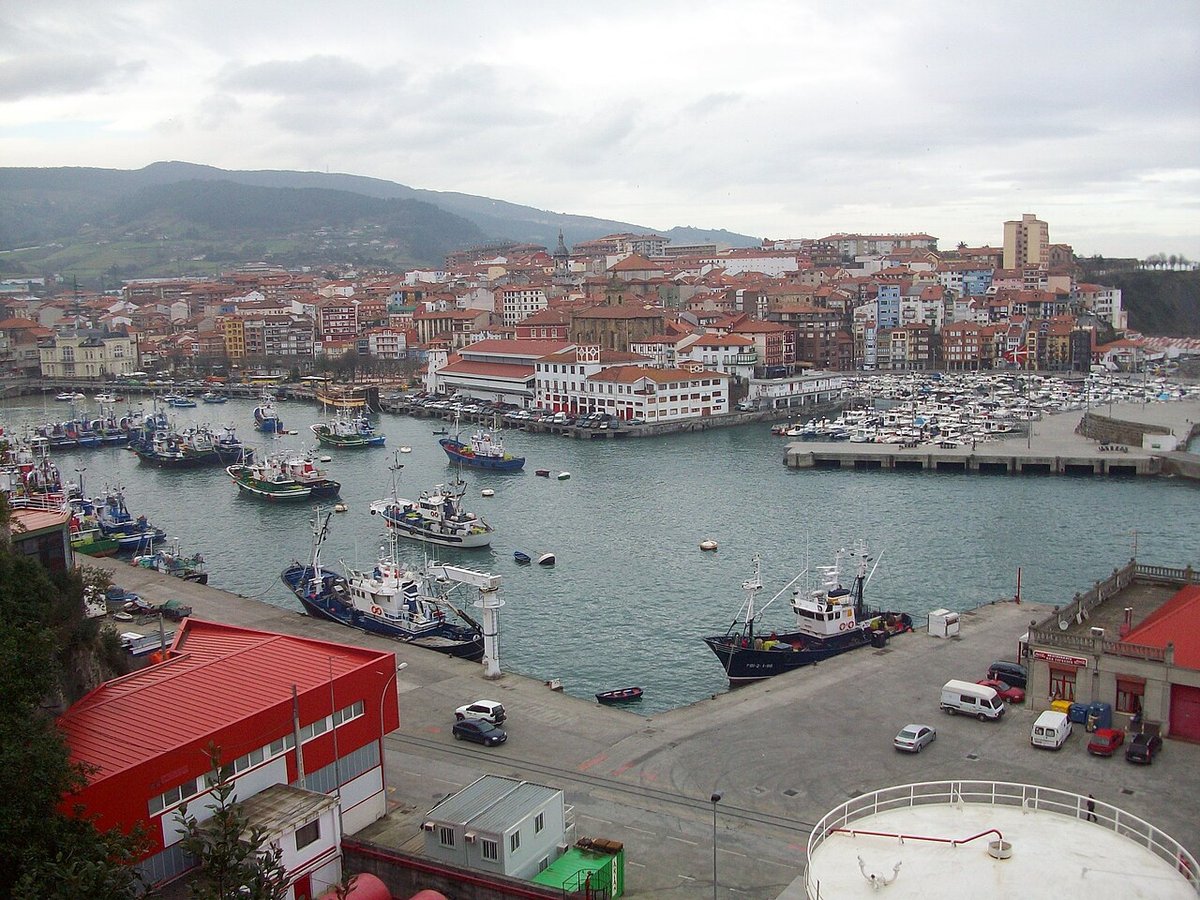
Desde arriba se entiende la geografía local. Ves el pueblo apelotonado, la boca de la ría y cómo el agua lo envuelve todo con marea llena. Con marea vacía, el panorama es otro: la ría se convierte en un laberinto de canales y arena. Esa dualidad es lo que define Mundaka.
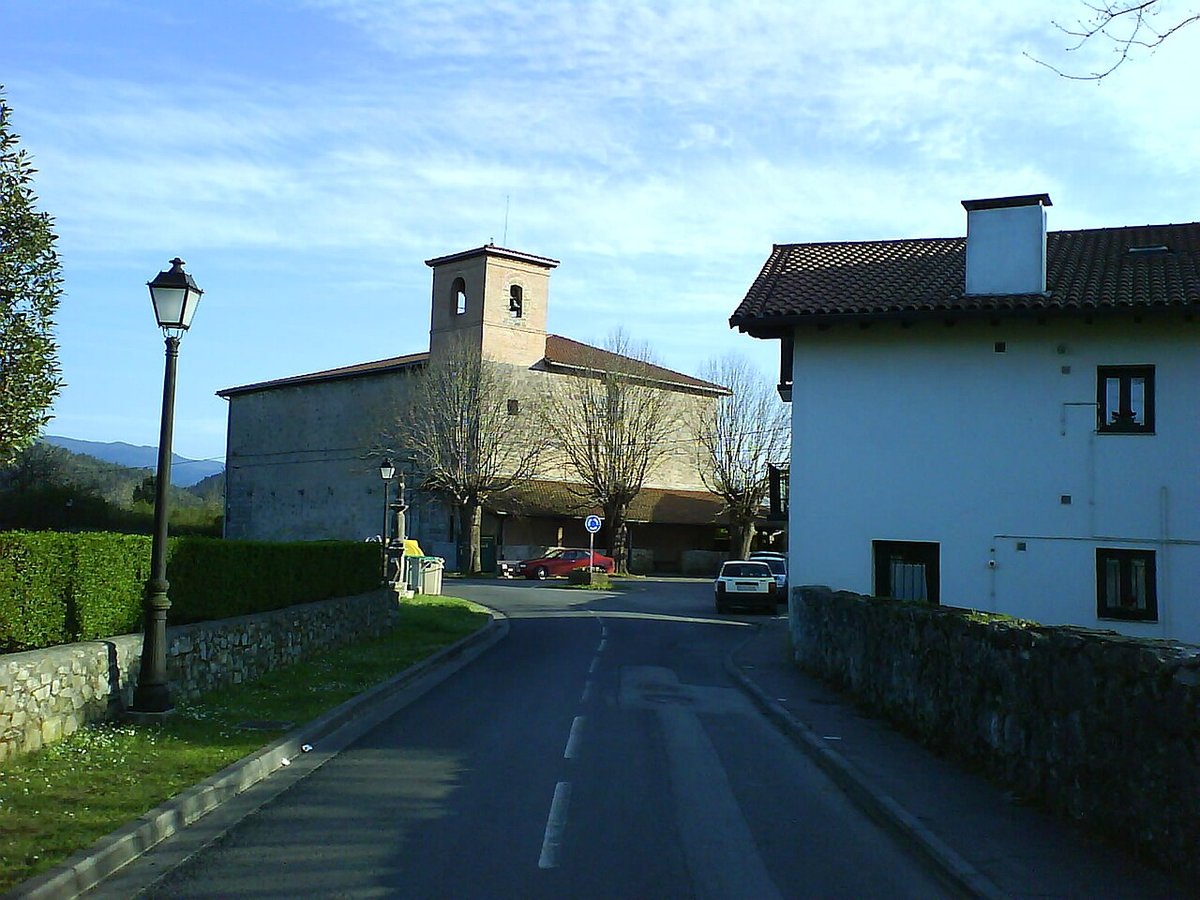
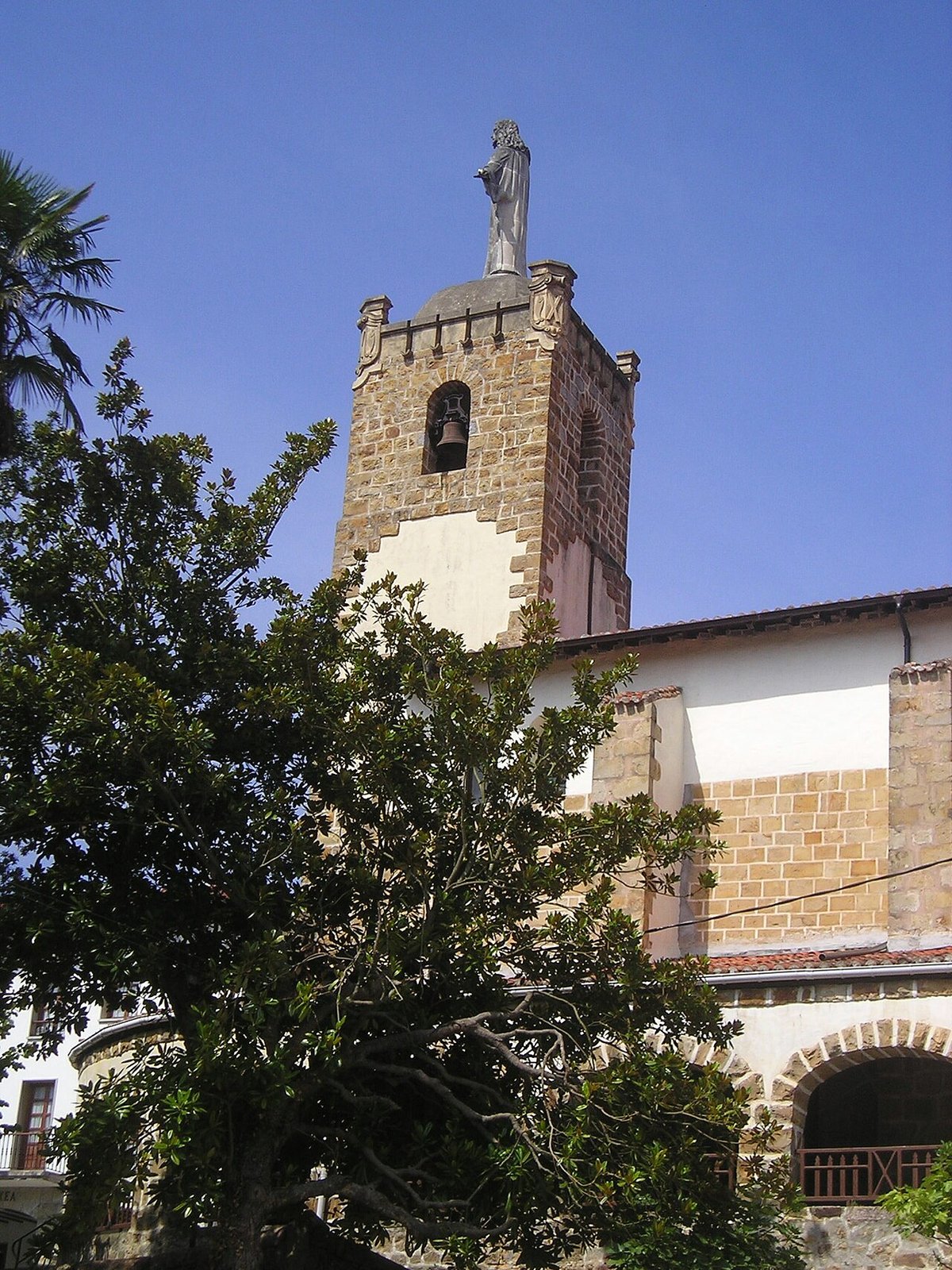
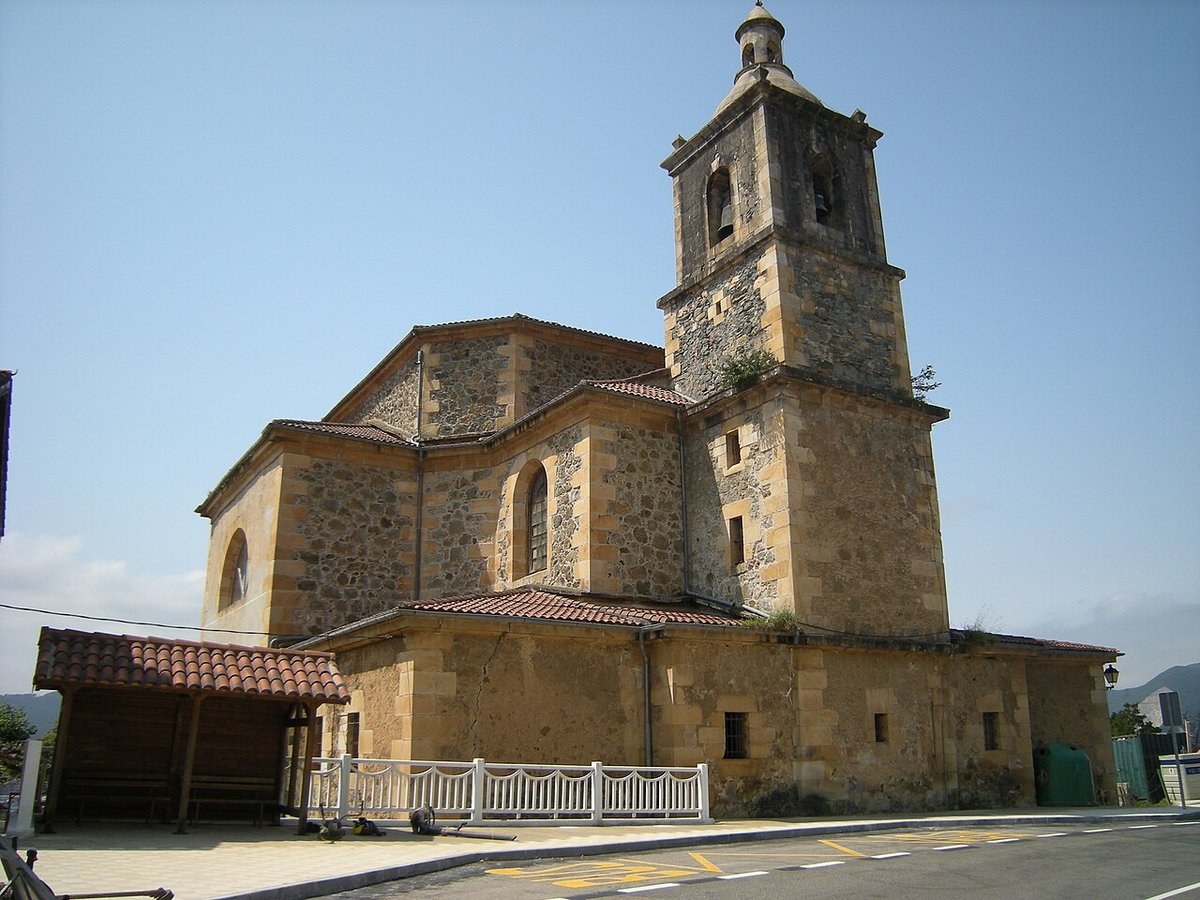
La iglesia de Santa María, cerca del puerto, tiene una torre que sirve de referencia cuando paseas por las callejuelas. Su fachada mezcla estilos tras varias reformas del siglo pasado.
Un puerto que nunca está quieto
El puerto es el mejor resumen del pueblo. Barcos de pesca, veleros y alguna trainera vasca comparten espacio. Todo está muy junto, así que el ambiente es directo.
Siempre hay movimiento. El viento o la propia marea hacen balancear las embarcaciones amarradas. Es un vaivén constante y hipnótico.
Frente a él se forma esa ola larga y tubular que buscan los surfistas. Algunos días es apenas un bulto en el agua. Otros días dibuja una línea limpia y poderosa. Desde tierra se ven a los surfistas esperando turno, como si hicieran cola para subir a un tobogán.
Los paseos por la ría de Urdaibai
Mundaka está dentro de un estuario protegido. Eso significa marismas, aves y silencio a cinco minutos del casco urbano.
Hay senderos llanos hacia Laida que bordean la ría. No son rutas épicas. Son paseos para ir despacio, parando a ver garzas o cómo la luz le da a los montes al fondo. El paisaje se abre poco a poco, sin sobresaltos.
Si tienes poco tiempo, solo camina por la carretera hacia Laida durante diez minutos. Las vistas cambian enseguida y ves claramente el efecto de las mareas: por donde caminabas sobre arena firme por la mañana, por la tarde puede haber medio metro de agua.
Surfear o mirar
La ola es cosa seria. No es un sitio para aprender. La corriente es fuerte y el fondo rocoso no perdona errores.
Pero no hace falta mojarse para ser parte del ambiente. Mucha gente se queda en el paseo marítimo solo para ver sesiones al atardecer. Es como ir a ver un partido en una plaza: informal, sin pretensiones.
Si vienes con prisa
En dos horas ves Mundaka entero: paseo por el muelle, subida a Santa Catalina y vuelta por las calles altas.
Mi recomendación es simple: no vengas con una lista de cosas que tachar.Ven como quien da un paseo después de comer.Siéntate en algún banco del puerto.Observa cómo se mueven los barcos.Fíjate en cuánta agua hay junto al dique.Esa es la postal real del pueblo.Un lugar que vive pendiente de la pleamar y la bajamar.Y tiene todo el sentido del mundo