Urdaibai 4
País Vasco · Atlantic Strength

Murueta

The tide was halfway out when the fish-van arrived. A queue of five formed instantly: two women in gardening clogs, a teenager still in wetsuit boo...

311 inhabitants · INE 2025
32m Altitude

Why Visit

Historic quarter Walks

Best Time to Visit

summer

Things to See & Do
in Murueta

Heritage

  • Historic quarter
  • parish church
  • main square

Activities

  • Walks
  • Markets
  • Local food
  • Short trails

Full Article
about Murueta

Valleys and hamlets a stone’s throw from Bilbao, buzzing with local life.

Ocultar artículo Leer artículo completo

The tide was halfway out when the fish-van arrived. A queue of five formed instantly: two women in gardening clogs, a teenager still in wetsuit boots, an elderly man carrying a parrot in a cage, and a British couple clutching a carrier bag already leaking txakoli. By the time the vendor had scooped calamari rings into paper cones, the estuary had slipped another centimetre past the stone ramp that once launched whaling ships. No one photographed the moment; they were too busy arguing over who had change for a tenner.

Estuary arithmetic

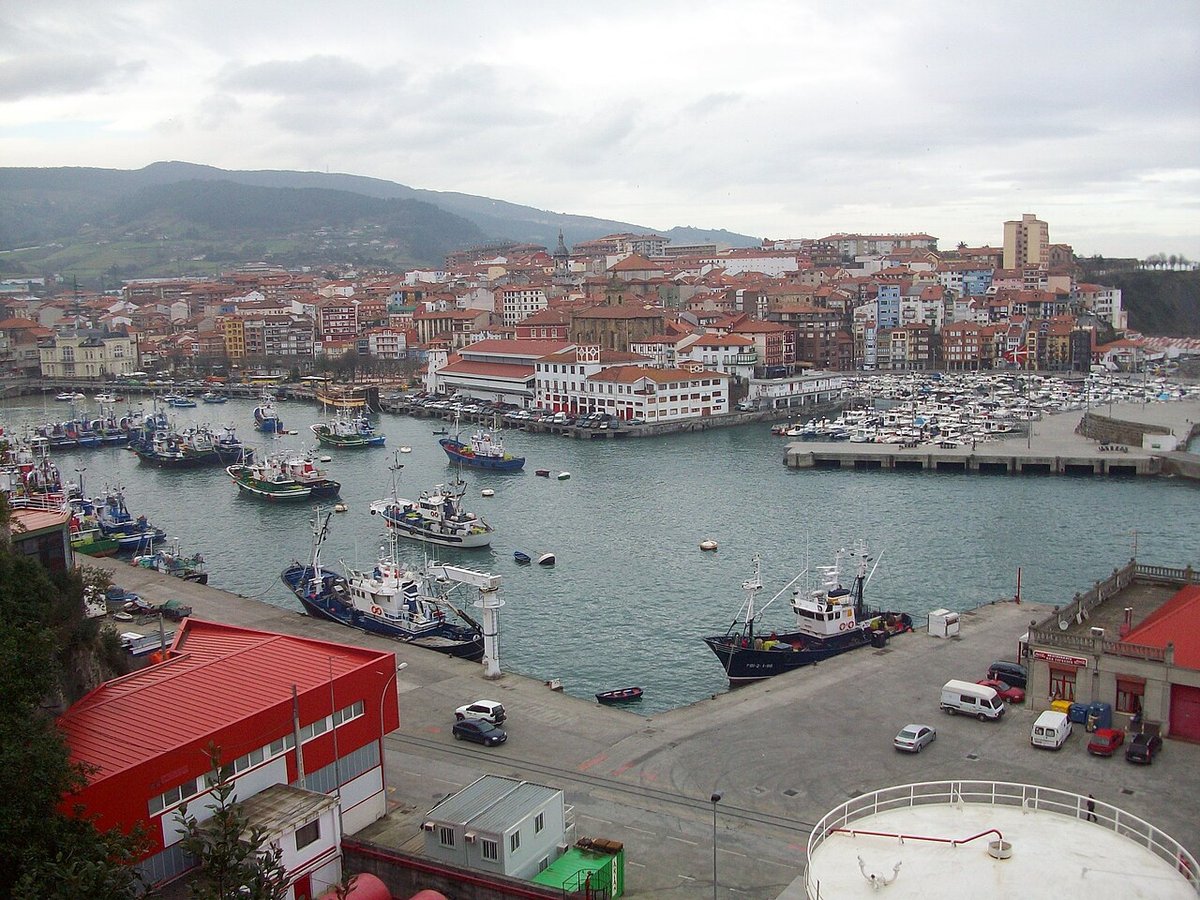
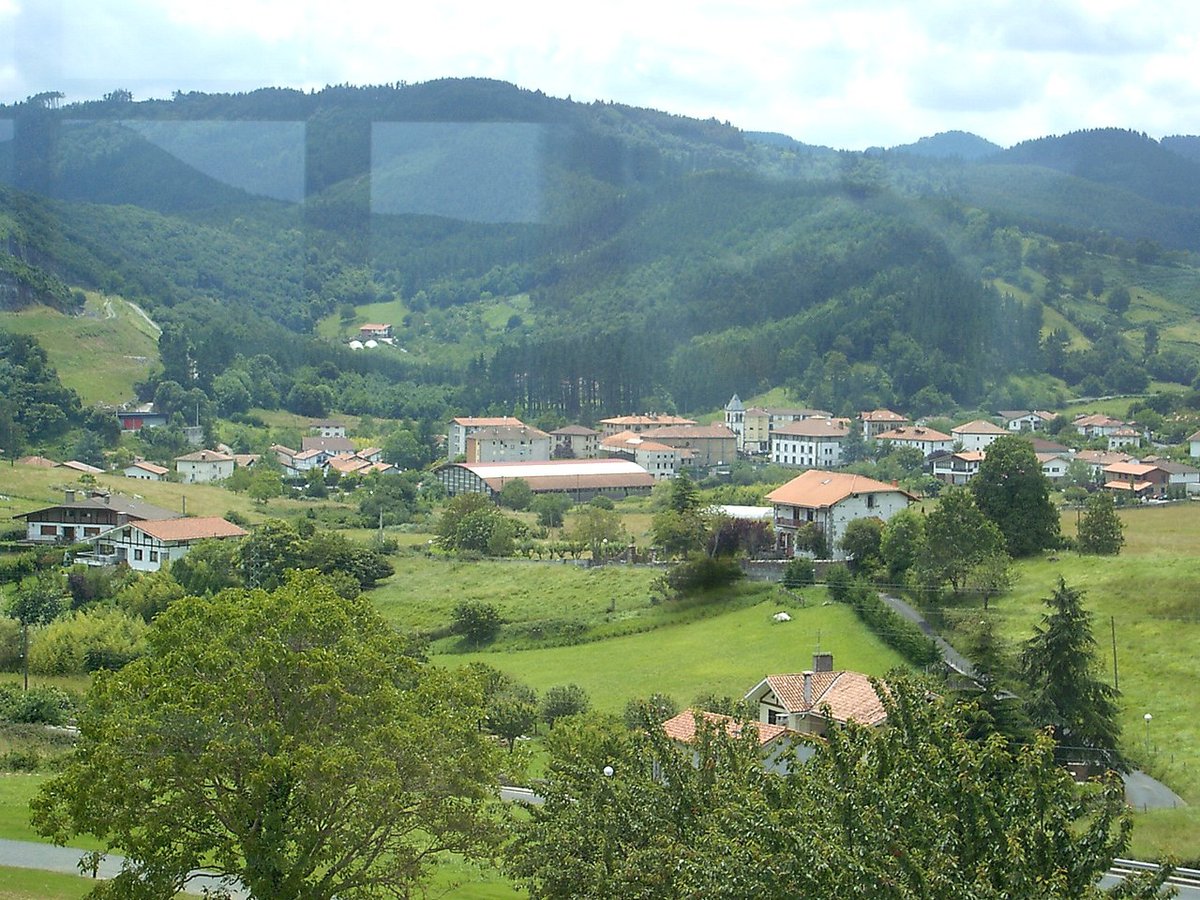
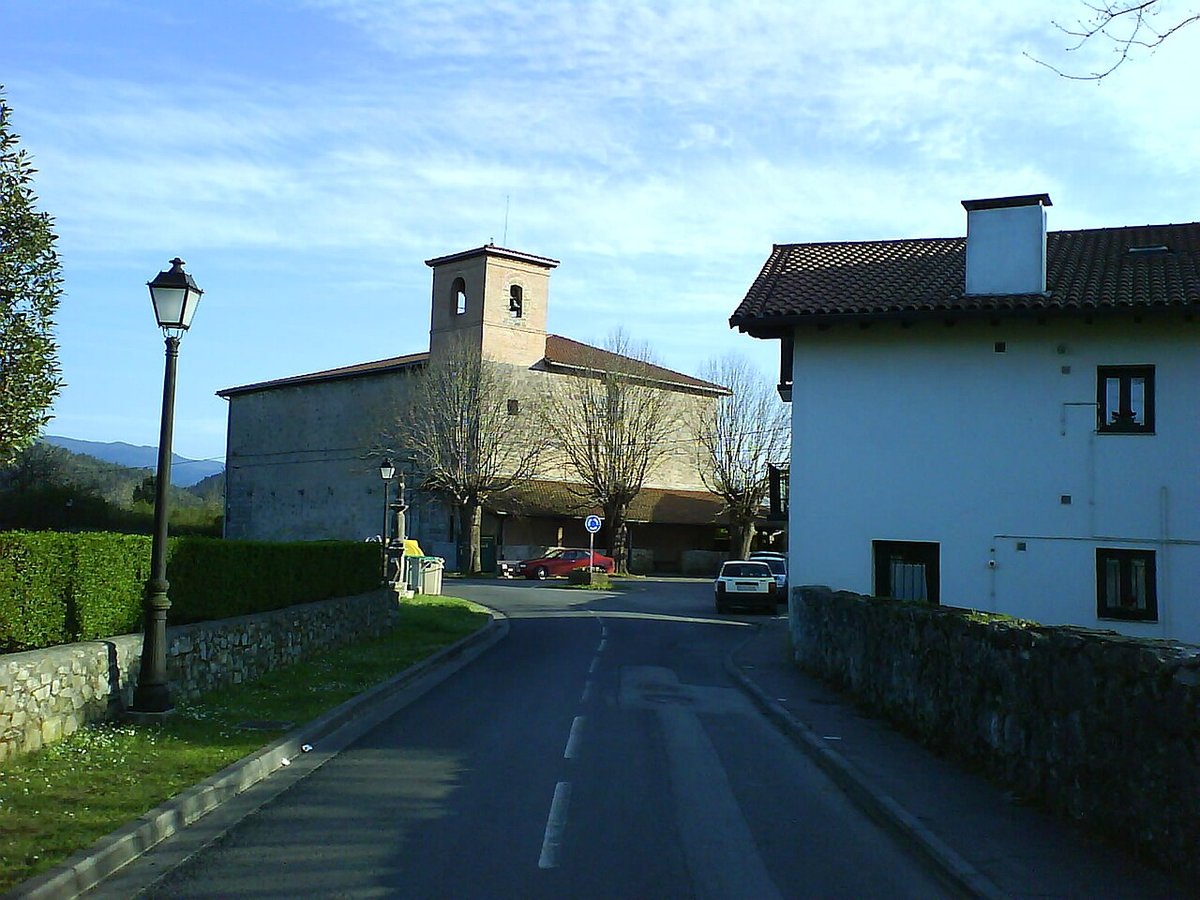
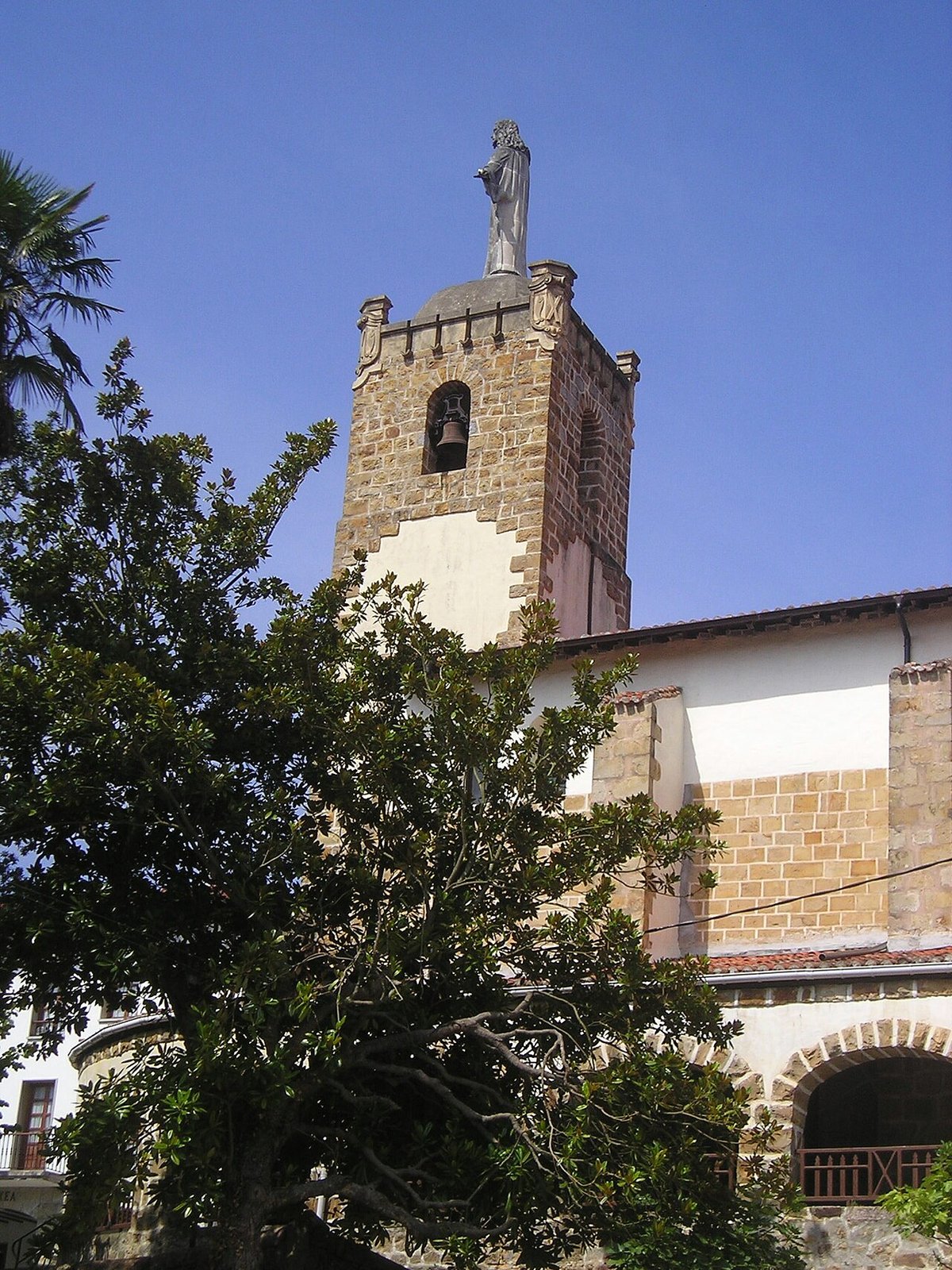
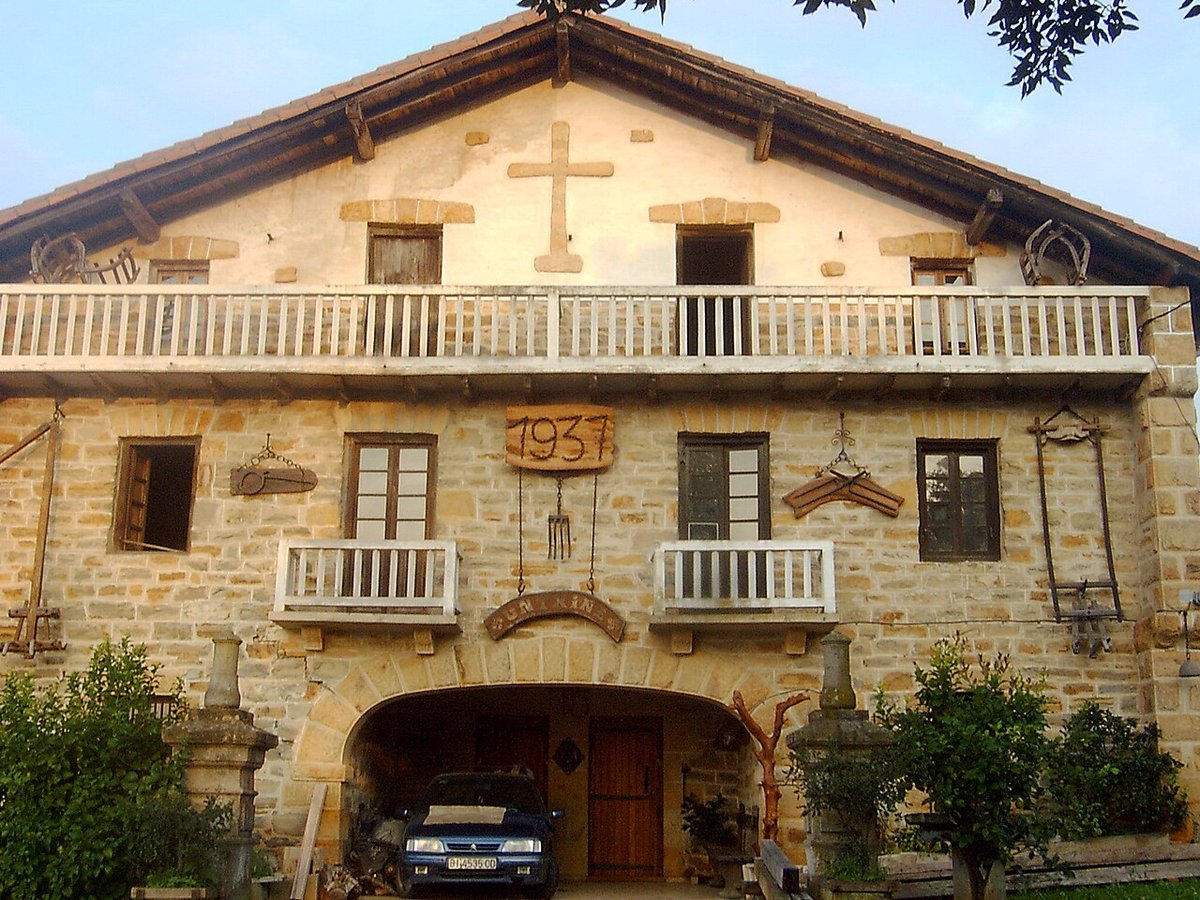
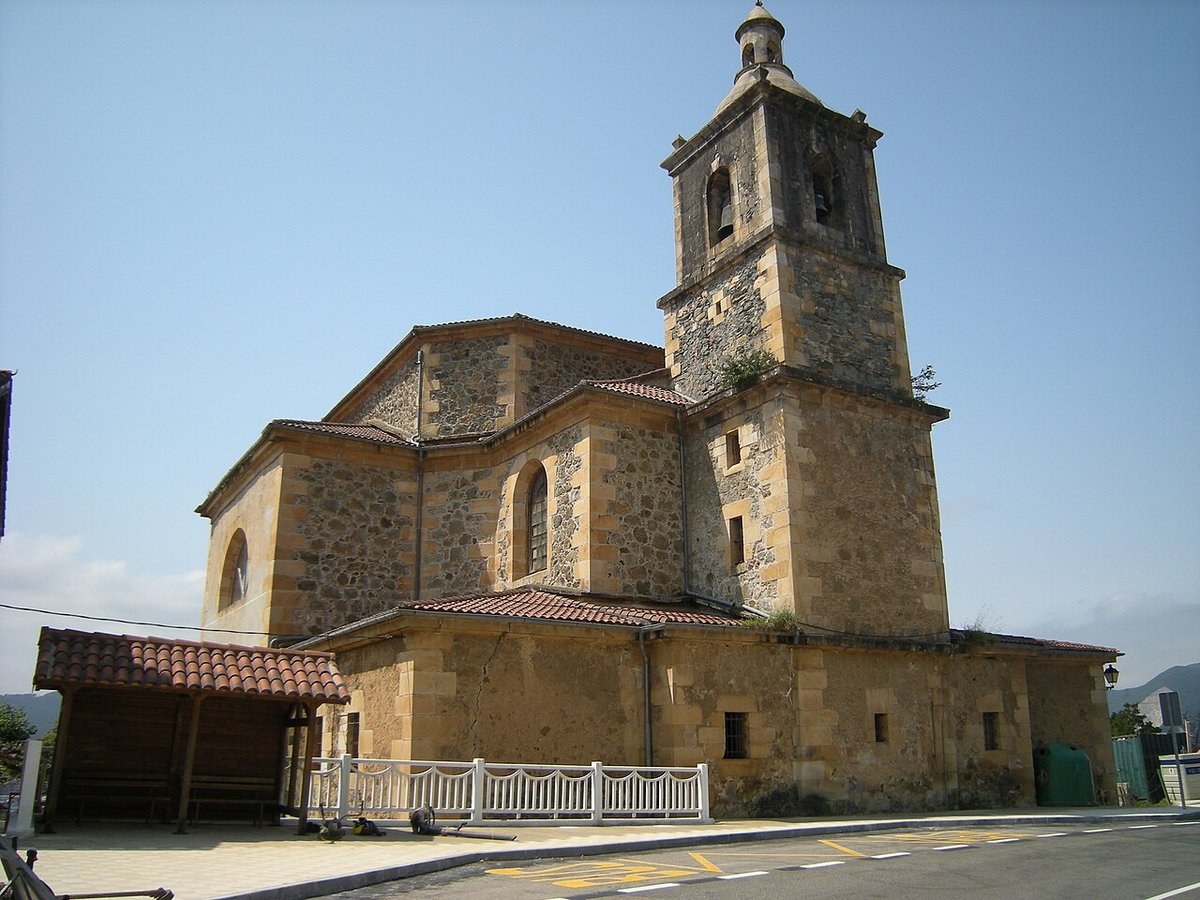
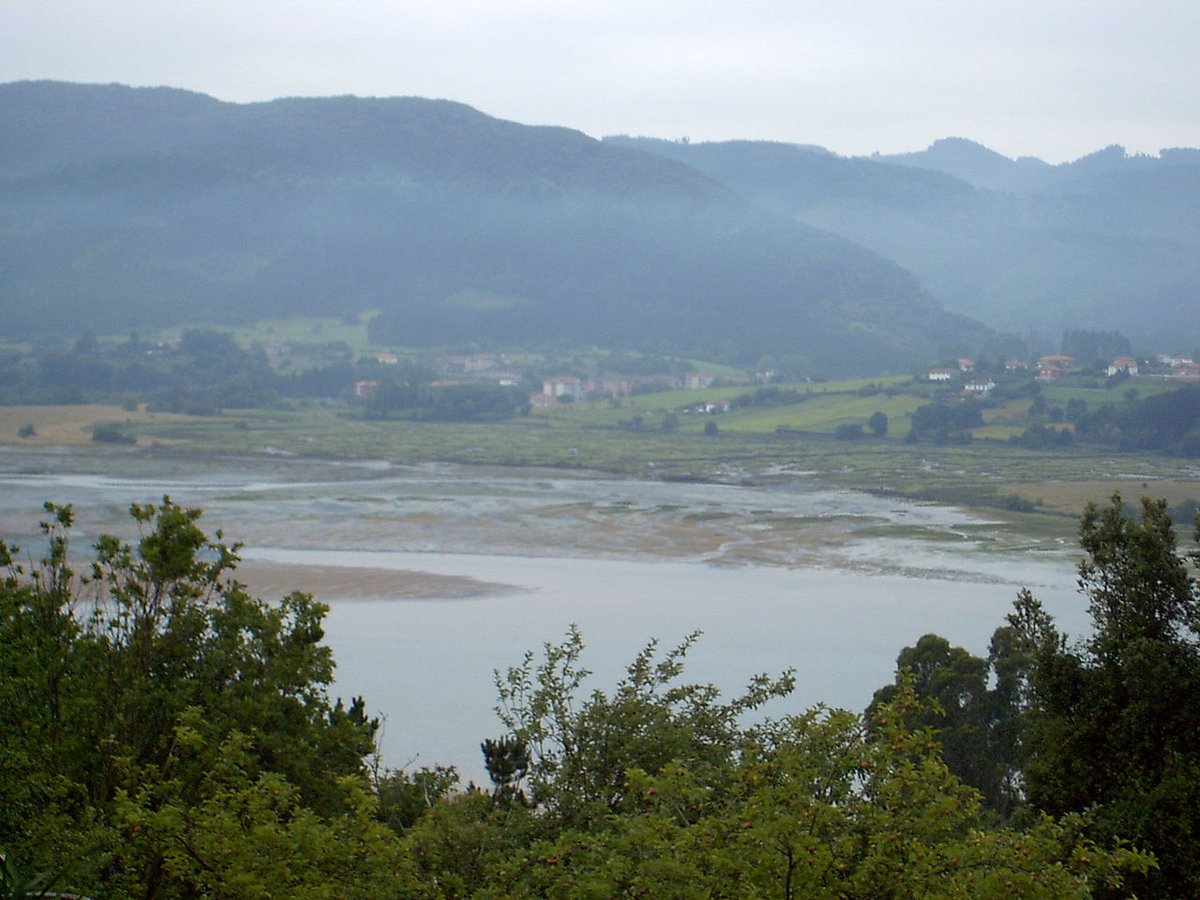
Murueta sits 45 minutes west of Bilbao airport, yet the mathematics of arrival feels different. Leave the A-8 at the Busturia exit, curve along the BI-631 for six kilometres, and the road drops so sharply that second gear feels reckless. At sea level the air is thicker, tinged with salt and cut grass. The village proper is a scatter of white farmsteads around the fourteenth-century church of San Bartolomé; everything else—vegetable plots, hedgerows, disassembled fishing boats—belongs to the ría of Mundaka, an inlet so wide that the opposite shore looks like a separate country.

Because Urdaibai was declared a UNESCO biosphere reserve in 1984, planners froze the margins. What you see now is essentially what whalers saw in the sixteenth century: marshes threaded with creeks, herons lifting above bulrushes, and the occasional concrete slipway that the council disguised as limestone. The village population hovers just above two hundred; add the dogs and you might reach three. Yet on Sundays the square fills with cousins from Bilbao who come for the menu del día and stay for the gossip, so parking by the church fills before 13:00. After that you’ll wedge the hire car against a hay shed and hope the farmer doesn’t need the tractor back before dusk.

Walking without a postcard

There is no checklist. The appeal is subtraction rather than addition: no souvenir shop, no multilingual boards, no café with a terrace facing the sunset. Instead you pick a lane and walk until the tarmac gives way to packed earth. One route heads south past apple orchards towards the abandoned kaolin works, its brick chimney now a peregrine perch. Another follows the railway verge west for one kilometre to the old stone wharves where oaks were once shaped into ship ribs. Trains to Bermeo rattle past twice an hour; stand well back—fines for crossing the tracks start at €200 and the guard collects on the spot.

The shipyard is still active, though it repairs trawlers rather than builds galleons. Visitors hoping for a guided tour are politely redirected to email “a few weeks ahead”; the reply, if it comes, usually suggests watching from the slipway instead. That vantage is enough. At high tide the boats rise level with the road, paint peeling in colourful flakes, nets stretched out for mending like giant knitting. Bring binoculars and you can follow the avian queue that forms behind each haul-out: yellow-legged gulls, grey herons, the occasional osprey that has learnt the yard operates on fish off-cuts.

Monday, no bread

Practicalities first. The bakery shuts on Monday; so does Bar Koxkera, the only place serving food. If you arrive on the wrong day, drive seven minutes to Busturia where the Día supermarket does crusty baguettes and the cash machine actually works. Mobile signal fades two hundred metres beyond the church—download offline maps before leaving the main road. There is no petrol station in the valley; the nearest pumps are back on the A-8 at Gernika-Lumo, so fill up before you descend.

When the bar is open, order sensibly. The menú del día costs €14 and runs to grilled chicken, chips, and a bottle of water poured into tumblers straight from the freezer. Vegetarians get a tortilla slice that arrives lukewarm but tastes better once doused with the house txakoli, light enough to convert even the wine-averse. Pudding is usually rice pudding sprinkled with cinnamon; eat it—there isn’t an alternative unless you count the packet crisps hanging behind the counter.

Marshes and middle distances

The Urdaibai Bird Center lies ten minutes east by car, but you can cycle the back lanes in half an hour if your thighs tolerate gradients that reach 12%. The reserve charges €8 for non-members and lends binoculars for a refundable deposit. Between October and March the mudflats host 20,000 migratory birds; even in high summer you’ll spot spoonbills and the resident marsh harriers. Closer to Murueta, simply stand on the tiny concrete bridge over the Galindo creek at dusk. Swallows dive under the arch, cows graze the opposite bank, and the water turns the colour of burnt toffee without a filter in sight.

Walking times deceive. What looks like “just round the headland” on the map involves a 200-metre climb through bracken and brambles, followed by a descent slippery with sea spray. Allow double the estimate printed in the glossy brochure you picked up at the airport. Stout shoes matter; so does a jacket—Atlantic weather arrives fast over the headland and the village offers no shelter beyond the church porch.

Winter light, summer crush

Visit in late April and you’ll have the lanes to yourself, plus apple-blossom drifting across the windscreen. October delivers quieter beaches nearby and the annual txakoli harvest; farmers press grapes in open barns and hand out thimble-sized samples to anyone who looks interested. July and August are different. Spanish families book the self-catering caseríos months ahead, British surfers stay in Mundaka ten minutes away, and day-trippers circle the church square looking for somewhere, anywhere, to park. The village doesn’t break, but it sags under the weight of polite expectation. If you must come in midsummer, arrive before 10:00, walk until the heat thickens, then escape to the Laida beach bar for a swim and an overpriced gin-tonic.

Last orders

By 21:30 the square is in shadow, the church bells strike quarter-hourly, and Bar Koxkera stacks its chairs. Drive back up the incline towards the main road and the estuary suddenly flattens into a silver mirror. From the lay-by at the top you can see the whole arrangement: village lights, tidal flats, the thin line of breaking surf beyond the headland. It takes less than a minute to photograph, longer to absorb. Somewhere below, the fish-van owner is washing down his counter with a hose, getting ready for tomorrow’s queue. You could return next year; the view will still be there, and the calamari will still cost the same—provided you remember to bring change, and provided you don’t mind that nobody will ever call this place “undiscovered”.

Key Facts

Region
País Vasco
District
Busturialdea-Urdaibai
INE Code
48908
Coast
No
Mountain
No
Season
summer

Livability & Services

Key data for living or remote work

2024
Connectivity5G available
HealthcareHospital 4 km away
EducationHigh school & elementary
Housing~5€/m² rent · Affordable
CoastBeach nearby
Sources: INE, CNMC, Ministry of Health, AEMET

Official Data

Institutional records and open data (when available).

  • Molino de marea Ozollo Errota
    bic Monumento ~1.4 km

Planning Your Visit?

Discover more villages in the Busturialdea-Urdaibai.

View full region →

More villages in Busturialdea-Urdaibai

Traveler Reviews