Full Article
about Nabarniz (Navárniz)
Valleys and hamlets a stone’s throw from Bilbao, buzzing with local life.
Hide article Read full article
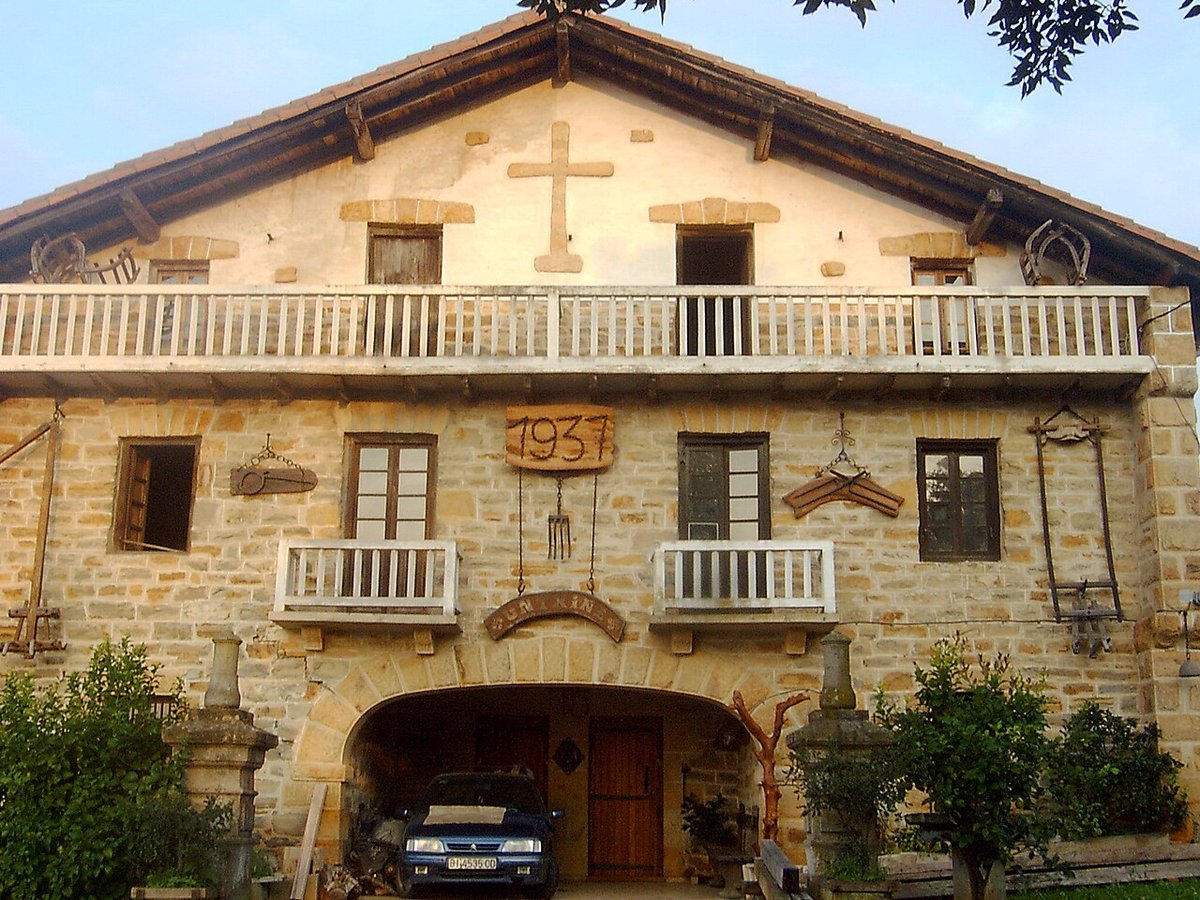
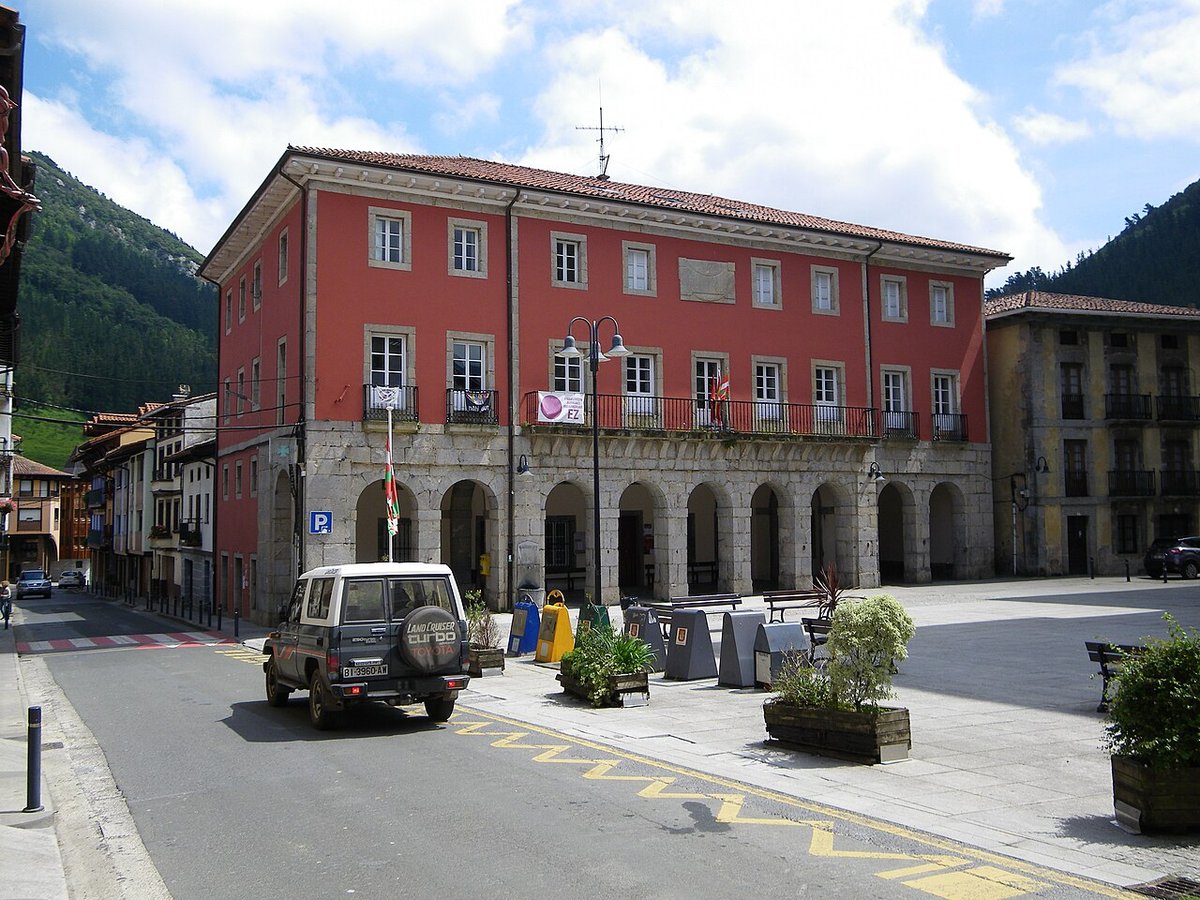
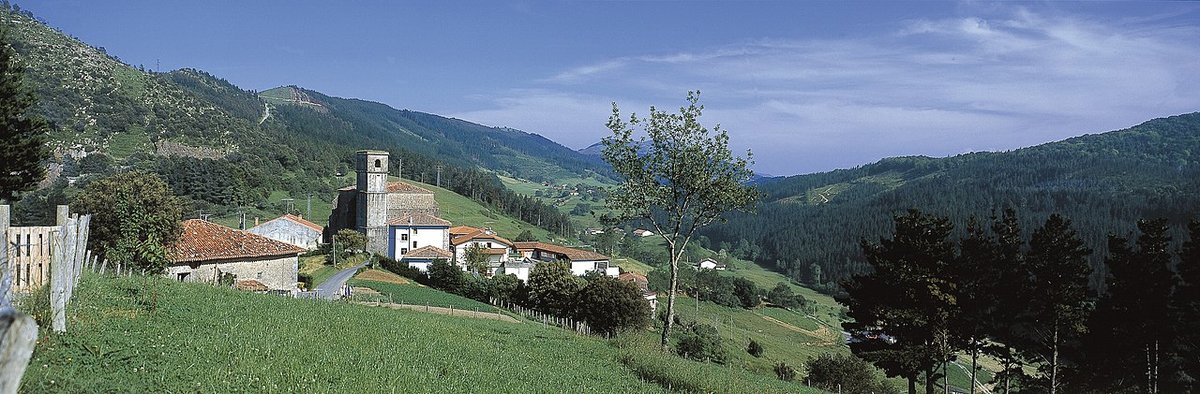
The morning mist in Busturialdea doesn’t lift so much as it thins, revealing the dark roofs of Nabarniz’s caseríos one by one. There is no town square, no main street. You arrive between things: a field of grass heavy with dew, a stone wall furred with moss the colour of old limes, the distant, diesel murmur of a tractor already at work.
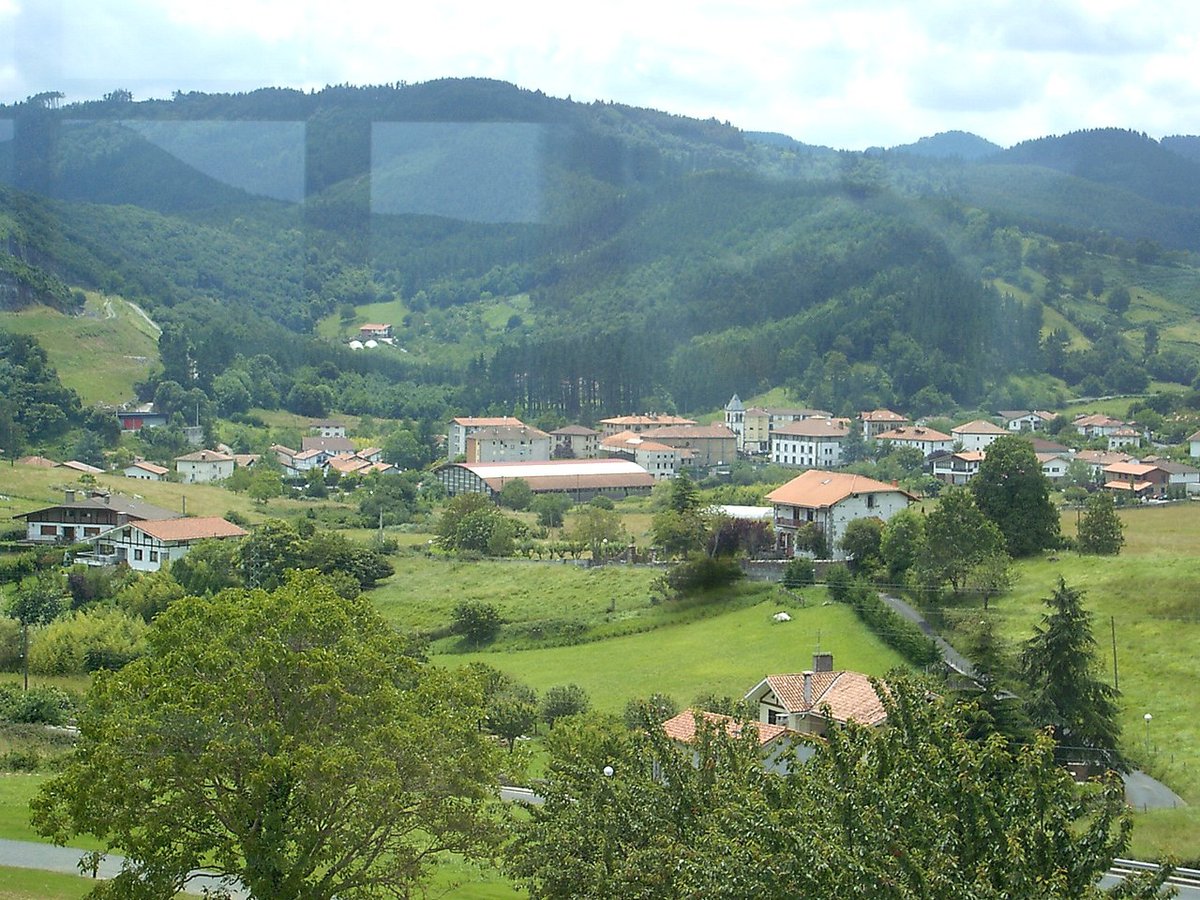
This is a municipality built around farmland, not a plaza. The traditional Basque farmhouses are scattered across folds of pasture and damp oak woodland, connected by narrow lanes that seem to follow the logic of livestock rather than people. The air smells of wet earth and cut grass.
San Esteban and the scattered centre
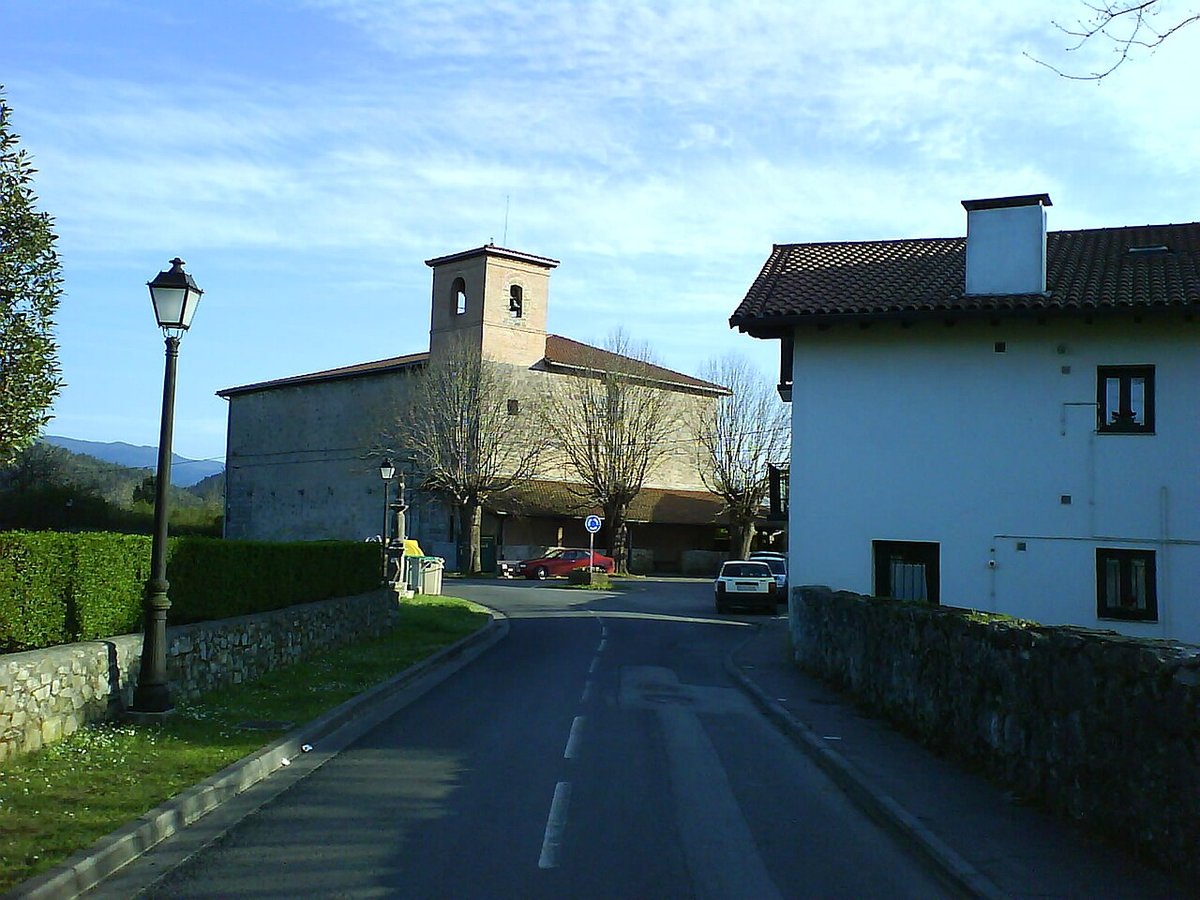
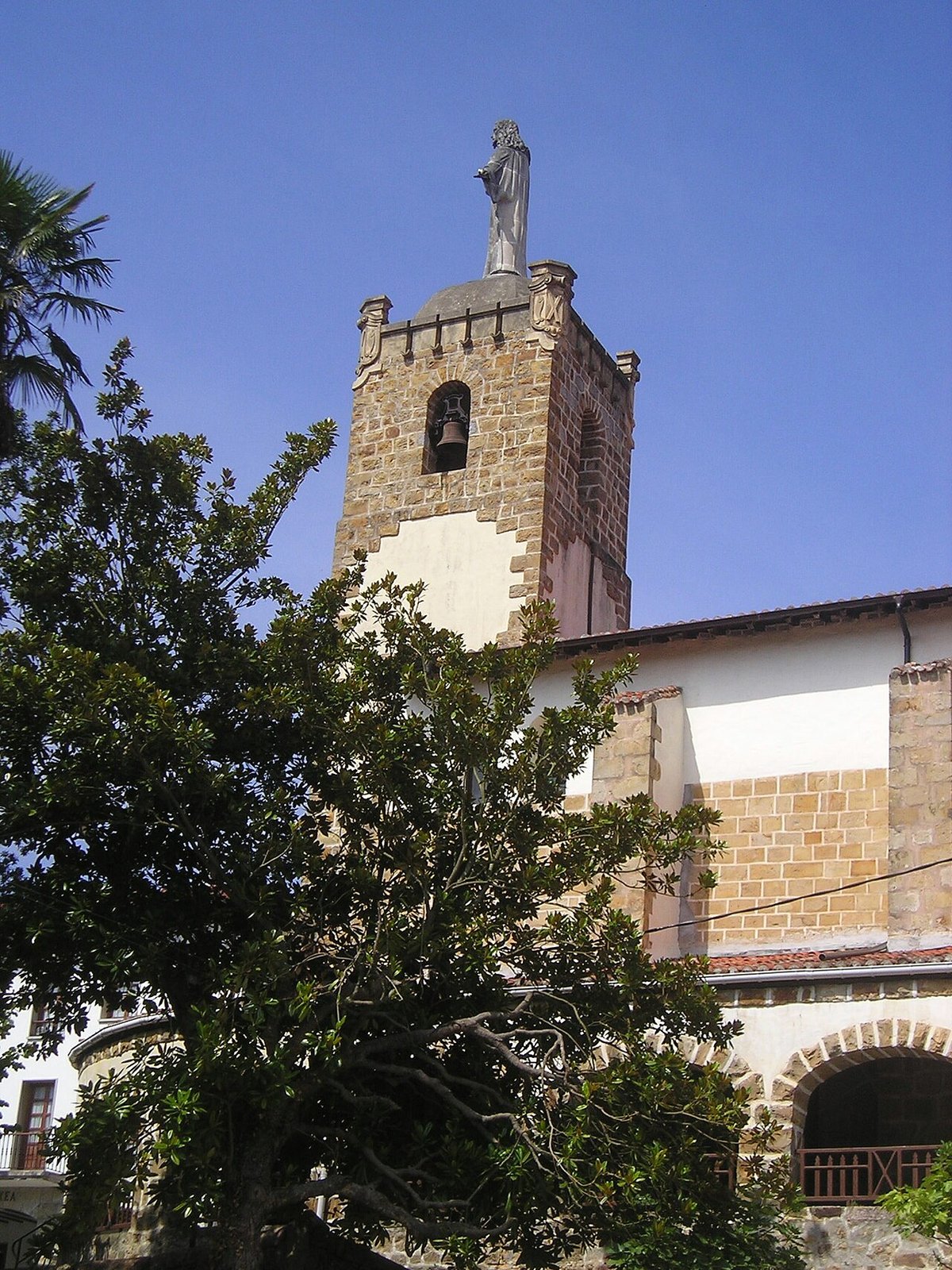
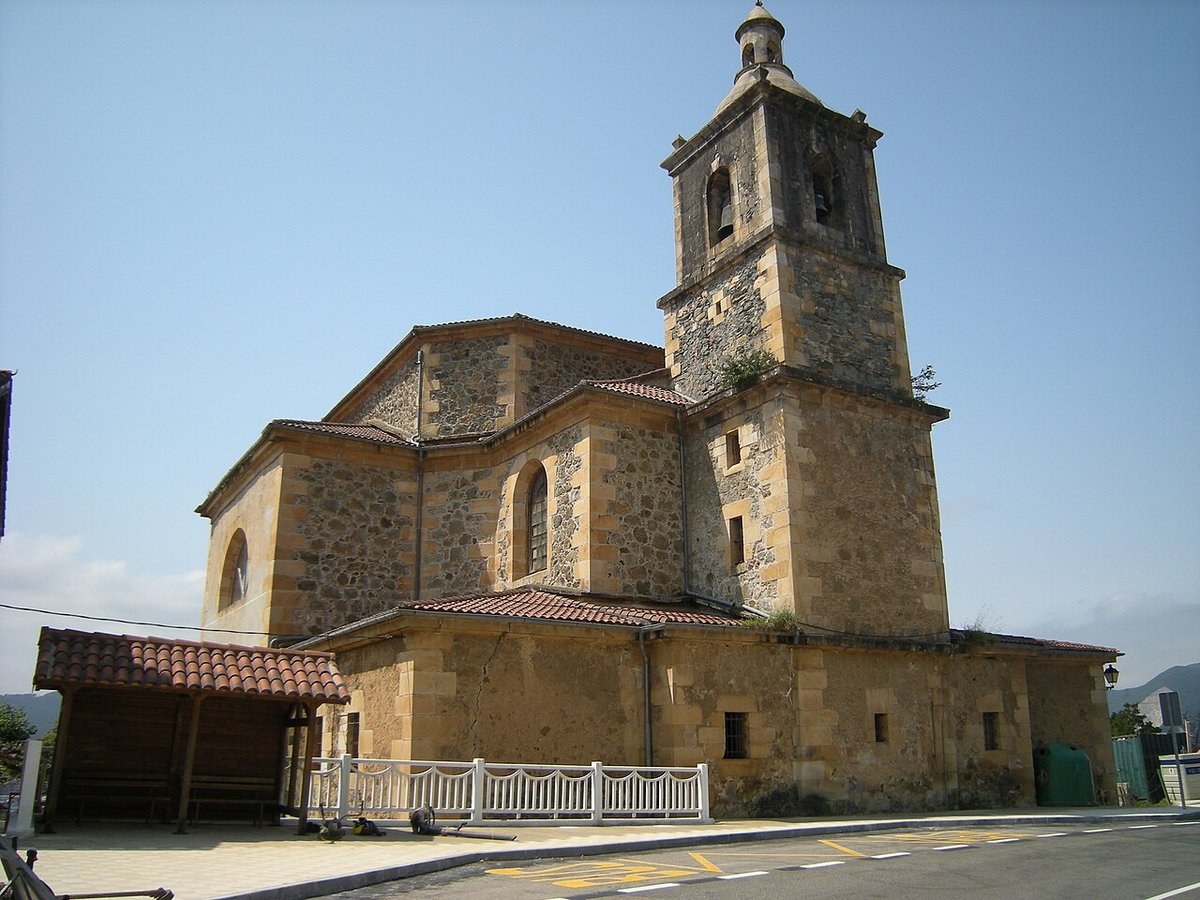
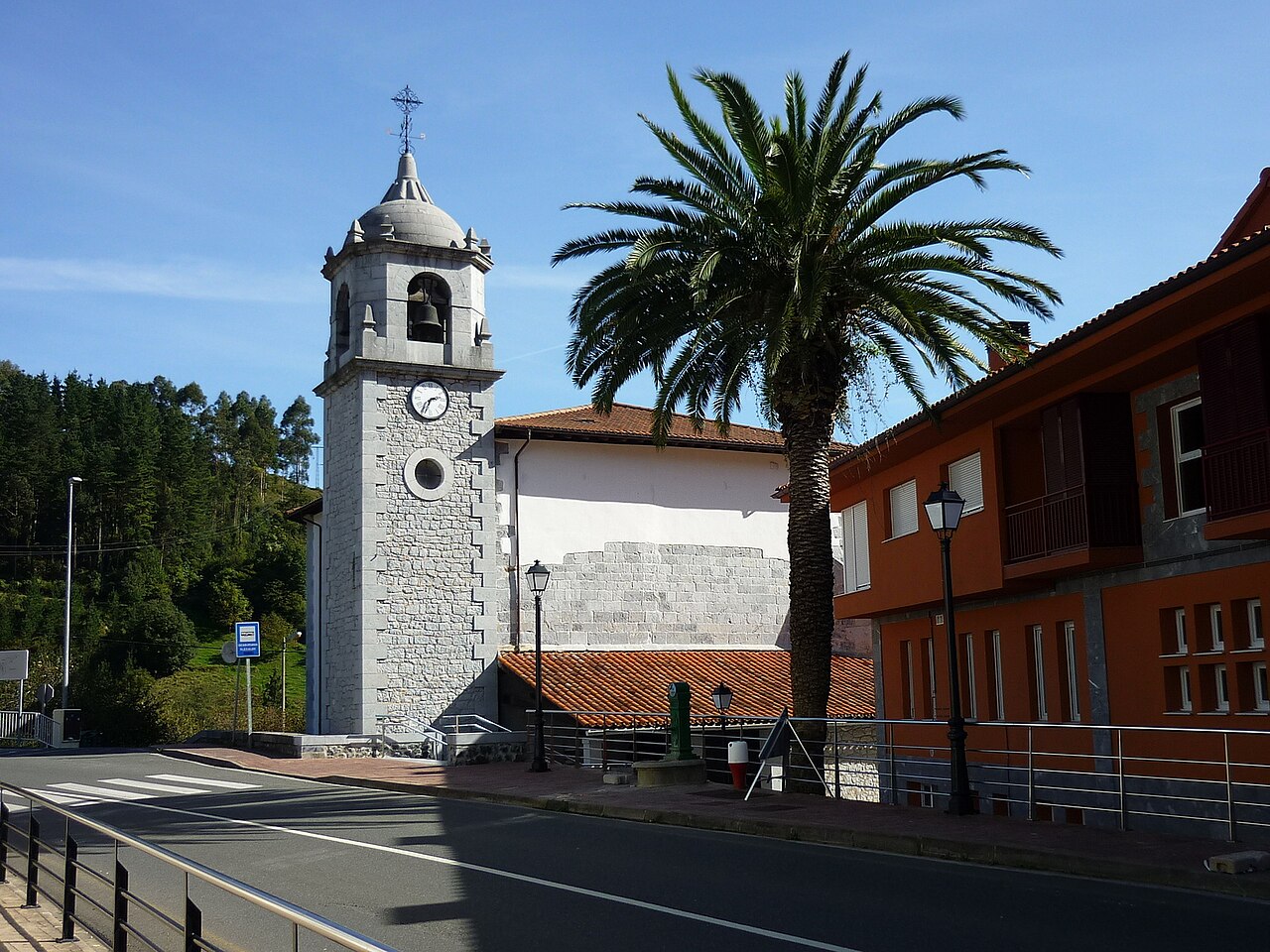
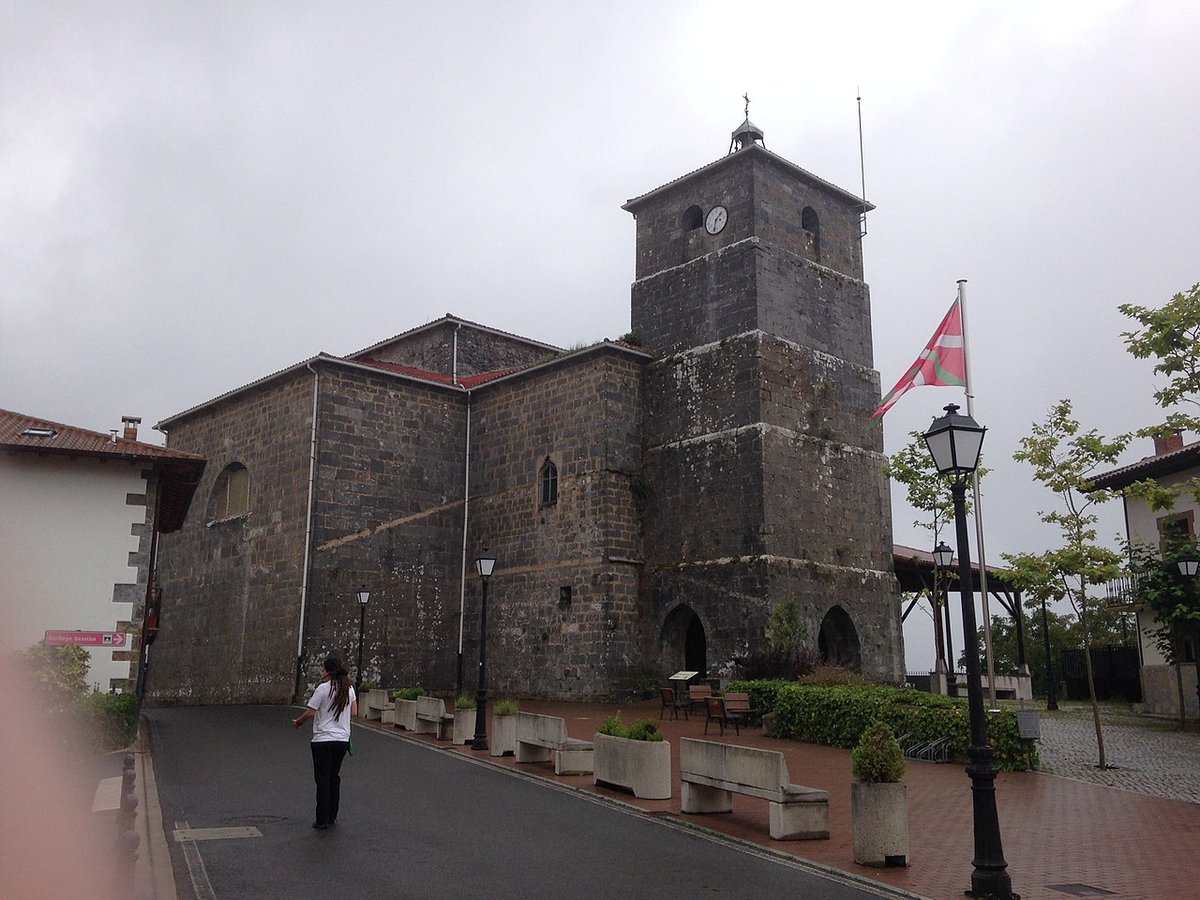
The church of San Esteban, in the closest cluster of buildings, feels more like a landmark than a destination. Its stone is plain, the door sometimes left ajar on weekday afternoons. Inside, the light is cool and dim, falling from high windows onto empty pews. The silence here is thick, broken only by the sound of your own footsteps on the stone floor.
Around it, a network of small paths weaves between kitchen gardens and woodpiles. This isn’t a historic centre you stroll through; it’s a working arrangement you walk around. You get the sense that every plot here has a purpose—the leeks growing in neat rows, the firewood stacked under a tin roof to dry.
Walking into Urdaibai
The real texture of Nabarniz is found on the rural tracks that lead out from behind the houses into the hills of Urdaibai. These are farm roads, not hiking trails. The ground underfoot is often churned by cattle hooves or tractor tyres. After rain, which is frequent, the red clay mud clings to your boots in thick, heavy cakes.
You walk past meadows where sheep graze, their bells clanking dully. The landscape is one of soft, green slopes and pockets of beech woodland, not dramatic vistas. The reward for climbing is a view of how everything fits together: one caserío in a hollow, another on a rise, all connected by those same stone walls.
A note on pace and practicality
Life here moves to the rhythm of chores. You might see someone mending a fence or herding cows from one field to another. There are no shops to speak of, no cafes where you can pop in. If you’re walking these lanes, bring your own water and food.
Wear boots, not shoes. The mud demands it. And be mindful where you park; pull completely off the lane onto grass or gravel so that feed trucks and machinery can pass without hesitation. Come on a weekday if you can; the few vehicles you’ll hear will belong to people who live here.
By late afternoon, the light turns long and low, catching the smoke from a chimney and turning it blue. The scattered houses feel even more separate from one another in the quiet. Sound carries clearly across the empty fields—a door closing, a dog barking two farms away.
Nabarniz doesn’t offer you an itinerary. It offers you a pace. You either settle into its slow, agricultural cadence, or you find yourself wondering what you came to see.