Full Article
about Añana
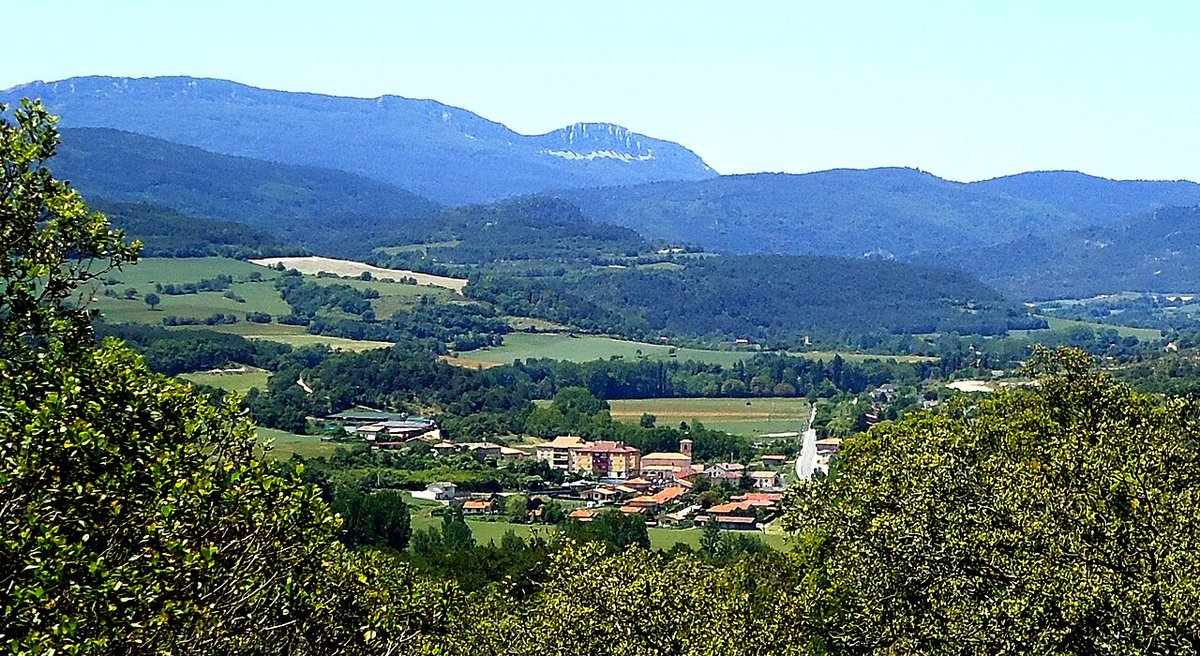
Deep green, farmhouses and nearby mountains with trails and viewpoints.
Ocultar artículo Leer artículo completo
The water tastes of brine before you've even seen the valley. That's the first thing visitors notice about Añana—how the air itself carries the weight of ancient seas, pressed into these Basque mountains two hundred million years ago and now seeping back through every crack in the limestone.
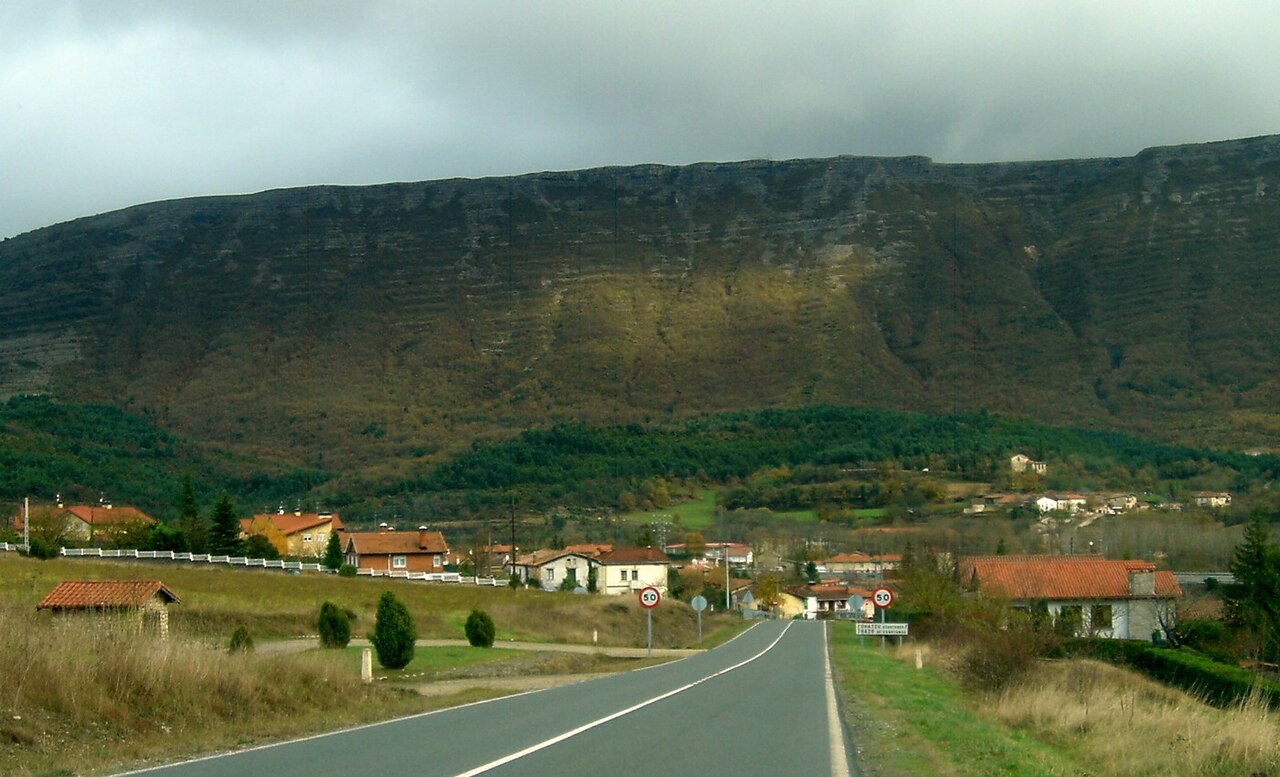
At 600 metres above sea level, the village sits where the River Muera has carved a notch through the Sierra de Toloño. The altitude makes winters sharp; snow can cut road access for days, while summer mornings start cool enough to need a jacket until the sun clears the ridge. It's this elevation, combined with the peculiar geology beneath, that created one of Europe's most unusual agricultural landscapes: terraces not for vines or olives, but for salt.
The White Architecture
From the mirador above the valley, the Valle Salado resembles a vast wooden puzzle, three kilometres of walkways and platforms climbing the hillside in precise geometric steps. Each terrace, or 'era', measures exactly 16 metres by four—dimensions established by medieval charter and still respected today. The timber, mostly chestnut and oak, turns silver-grey within months of installation, giving the whole structure the appearance of having weathered here since time immemorial.
The system works with deceptive simplicity. Salt-saturated spring water emerges at 250 grams per litre—ten times the salinity of seawater—and flows through a network of channels controlled by wooden sluice gates. Workers open and close these 'compuertas' to flood successive terraces, where evaporation does the rest. During peak summer, salt crystals begin forming within 48 hours, creating a crust that creaks underfoot like thin ice.
What's remarkable is the continuity. Archaeological evidence shows salt production here since at least the sixth century, with written records from 824 CE detailing the same water-sharing agreements still displayed in the interpretation centre. The Roman road that once carried salt to Bilbao's port parallels the modern track; walk twenty minutes uphill and you'll find paving stones with cart-wheel ruts cut so deep they've become miniature pools after rain.
Village Life at Altitude
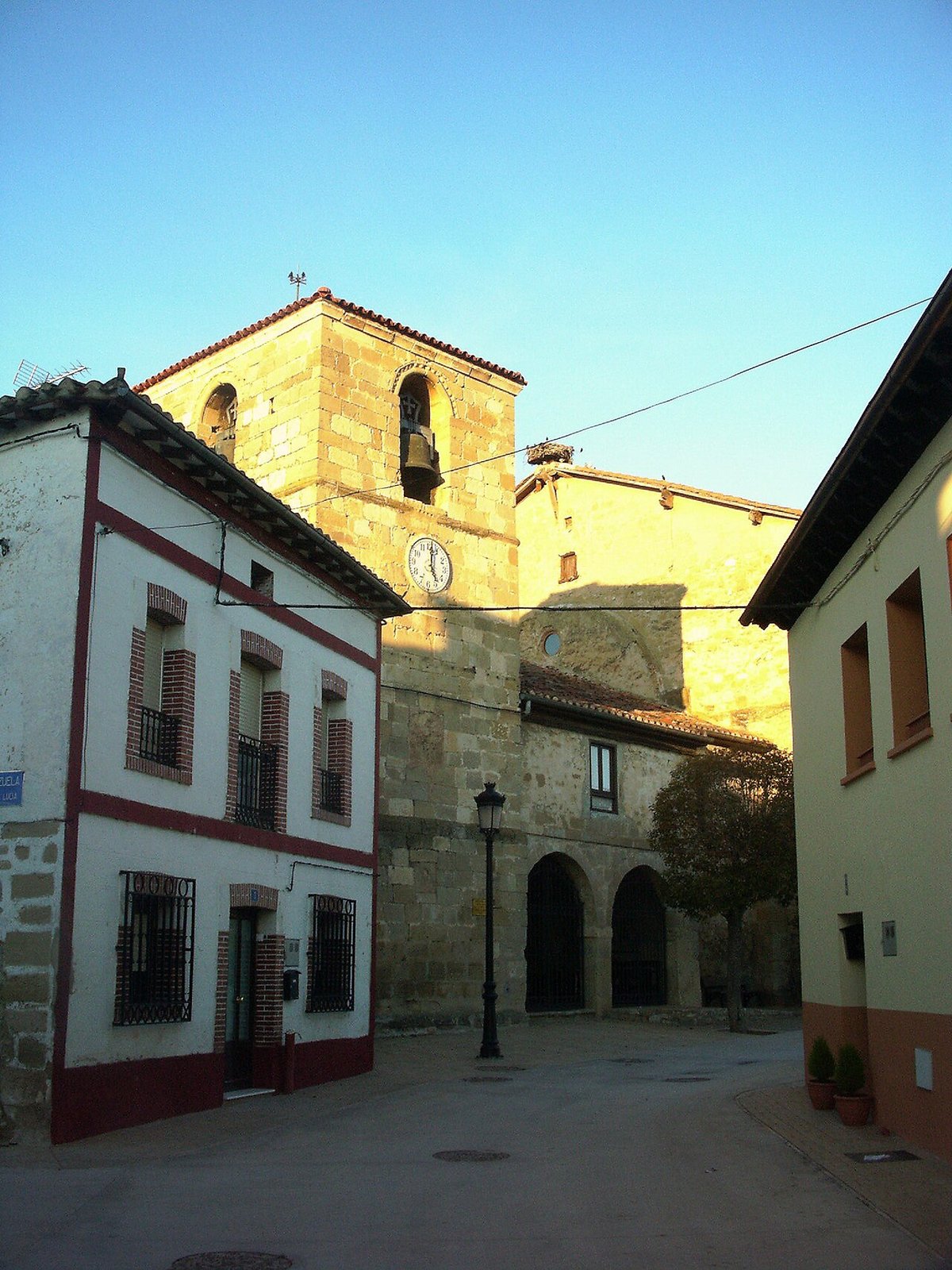
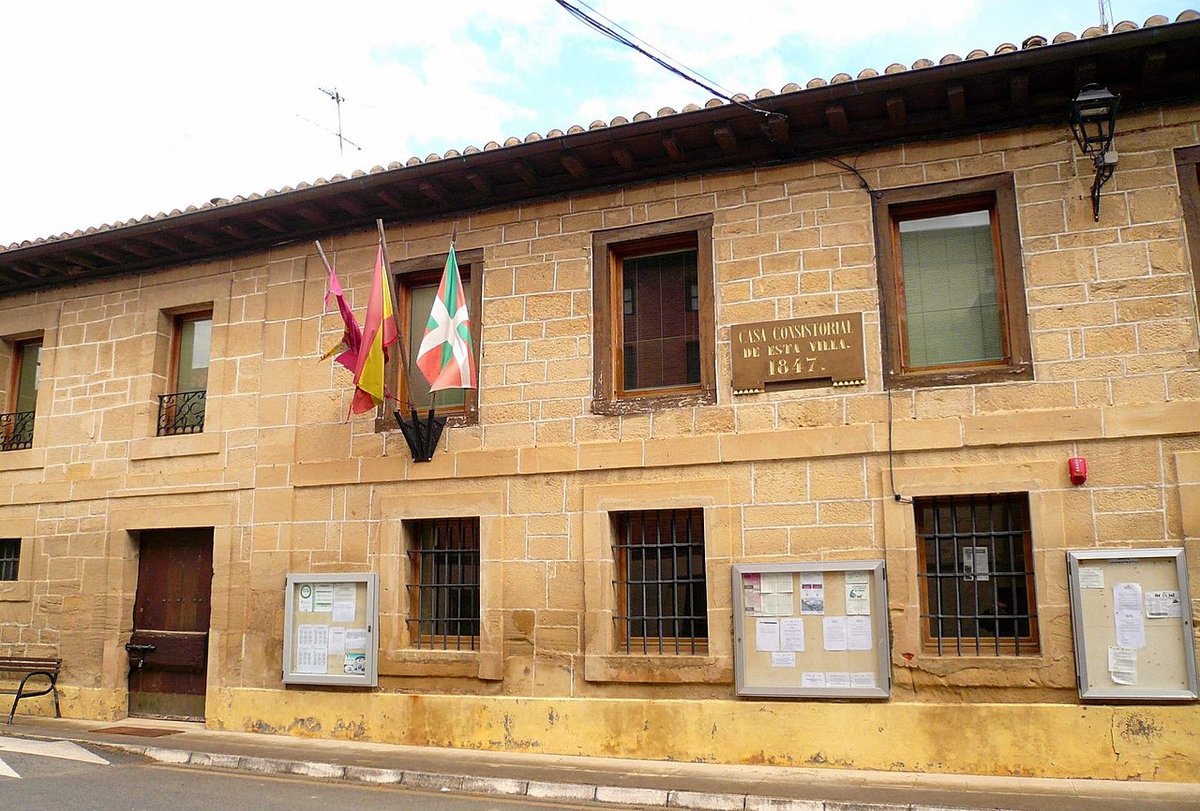
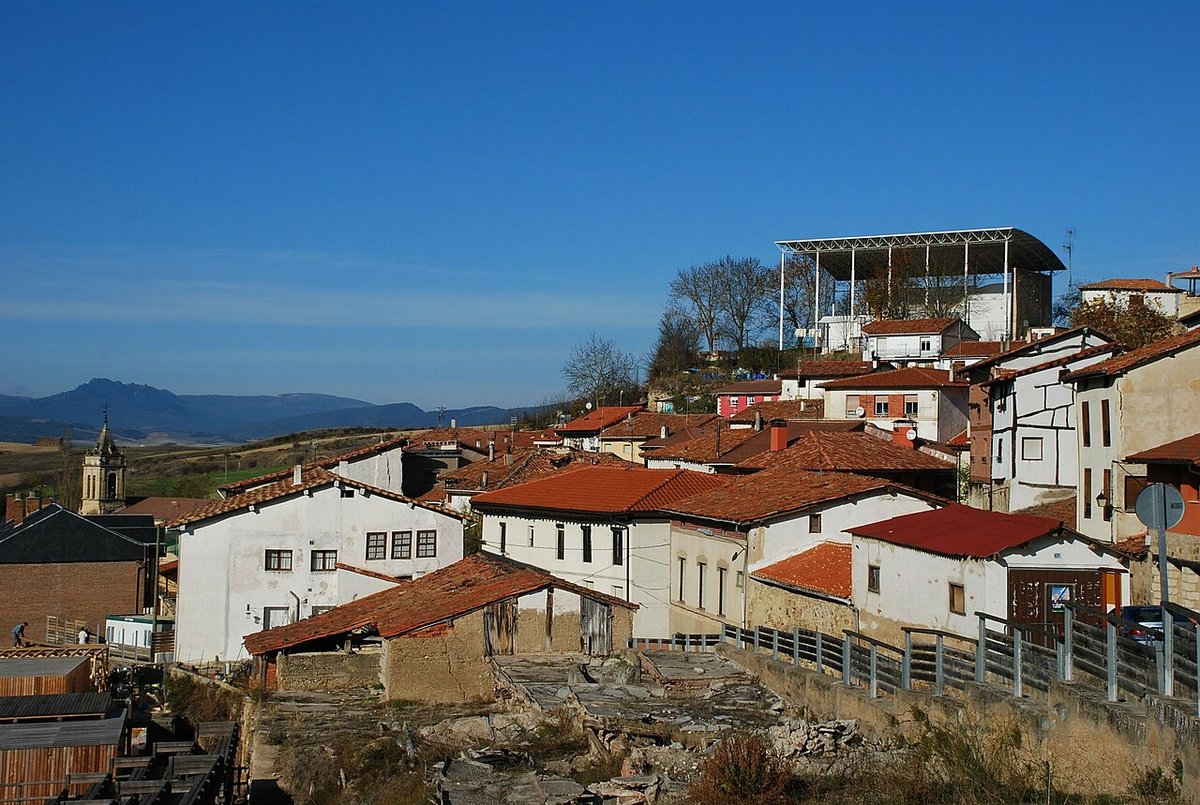
Añana village itself—population 141, though that drops to under 100 in winter—clusters on a spur above the salt valley. The houses, built from local limestone quarried when the terraces needed repair, have an austere beauty that speaks of practicality rather than ornament. Windows are small, shutters thick, and every roof carries its own miniature salt weather vane—a tradition claiming that the direction of salt spray predicts the coming season's yield.
The single bar opens at seven for workers heading to the terraces, serves coffee and tortilla until the bread runs out, then closes abruptly at two. There's no supermarket, no cash machine, and mobile reception vanishes entirely in the valley's lowest sections. What the village does offer is silence: the kind that makes visitors conscious of their own footsteps, punctuated only by water trickling through wooden channels and the occasional cry of a griffon vulture riding thermals above the cliffs.
Santa María church, completed in 1567, stands at the village's highest point. Its bell tower served historically as both timekeeper for salt workers—each terrace flood lasts precisely three hours—and as a beacon for mule trains navigating the mountain passes. Inside, the single nave contains a 15th-century Flemish altarpiece whose panels still retain traces of salt damage; during particularly humid summers, crystals form on the wood, creating a slow-motion deterioration that conservators battle with dehumidifiers humming day and night.
Walking the Salt Ways
Three marked trails radiate from the village, each revealing different aspects of how geography shapes culture. The shortest, a 45-minute loop, follows the irrigation channels to a viewpoint where the entire valley spreads below like a topographical model. The Ruta de los Canteros, two hours and 300 metres of ascent, leads to abandoned quarries where stone for terrace repair was extracted; here, fossilised ripple marks from the ancient sea bed remain clearly visible in quarry walls.
Most ambitious is the five-hour circuit to Espejo, the next village along the ridge. The path climbs through holm oak forest before emerging onto open hillside where wild thyme and lavender fill the air with scent sharp enough to compete with the ever-present salt. At 1,100 metres, snow patches can linger until May, and the descent requires care when wet—limestone becomes treacherously slick, particularly where salt spray has created a microclimate of perpetual dampness.
Practicalities matter here. Sturdy footwear isn't advice, it's essential; the combination of salt and wood creates a surface somewhere between ice and sandpaper. Bring water—more than you think necessary. The altitude and reflective terraces create a dehydrating effect that catches visitors unawares, particularly during spring when evaporating brine makes the air taste almost drinkable.
Seasons of Salt
Production runs from March to October, but timing affects what you'll see. March brings workers repairing winter storm damage, replacing beams and clearing channels while snow still caps the surrounding peaks. May sees the first major crystallisation, when terraces gleam white under morning sun like fields of frost. August produces the finest salt—'flor de sal' that forms only during hot, windless days and sells for €18 per 100g in San Sebastián's markets.
October harvest transforms the valley into a hive of activity. Workers wearing traditional straw sandals—'esparteñas' that grip wet wood without damaging it—rake salt into conical piles using tools unchanged since medieval times. The air fills with fine crystals that catch sunlight, creating a constant glitter that's beautiful but brutal; respiratory masks are standard issue, and visitors with asthma should consider timing their visit outside harvest periods.
Winter closure brings its own rewards. Without production activity, wildlife returns—booted eagles hunt along the terraces, while salt-tolerant plants create unexpected splashes of green against white expanses. Access remains possible when weather permits, but check road conditions first. The BI-4531 from Vitoria-Gasteiz climbs 400 metres in 12 kilometres, with three hairpin bends that become impassable during heavy snow.
Beyond the Valley
Añana works best as part of a longer exploration rather than a destination in itself. The salt museum in nearby Salinas de Añana—confusingly, a separate village three kilometres away—provides context through interactive displays and offers guided tours in English during high season. Combine both sites with lunch in Lantarón, 20 minutes drive, where Casa Toni serves salt-cod tortillas that make ingenious use of local produce.
Accommodation within the village is limited to two rural houses, both requiring advance booking and neither accepting single-night stays during harvest season. More practical is basing yourself in Vitoria-Gasteiz, 35 minutes away, where the atmospheric old town offers pintxo bars and the excellent Basque Museum. From there, Añana makes an easy half-day trip, though staying for sunset—when low light turns the terraces copper-gold and shadows pool in the valley depths—rewards those who linger.
The salt workers have a saying: "Añana gives you what you bring." Arrive expecting entertainment and you'll leave disappointed. Come prepared to look closely, to taste and touch and listen, and you'll discover how human ingenuity can transform geological accident into cultural landscape. Just remember to wash your boots afterwards. Salt has a way of working into leather, and months later you'll still find white crystals appearing like small memories of mountains where the sea refuses to forget.