Full Article
about Erriberabeitia (Ribera Baja)
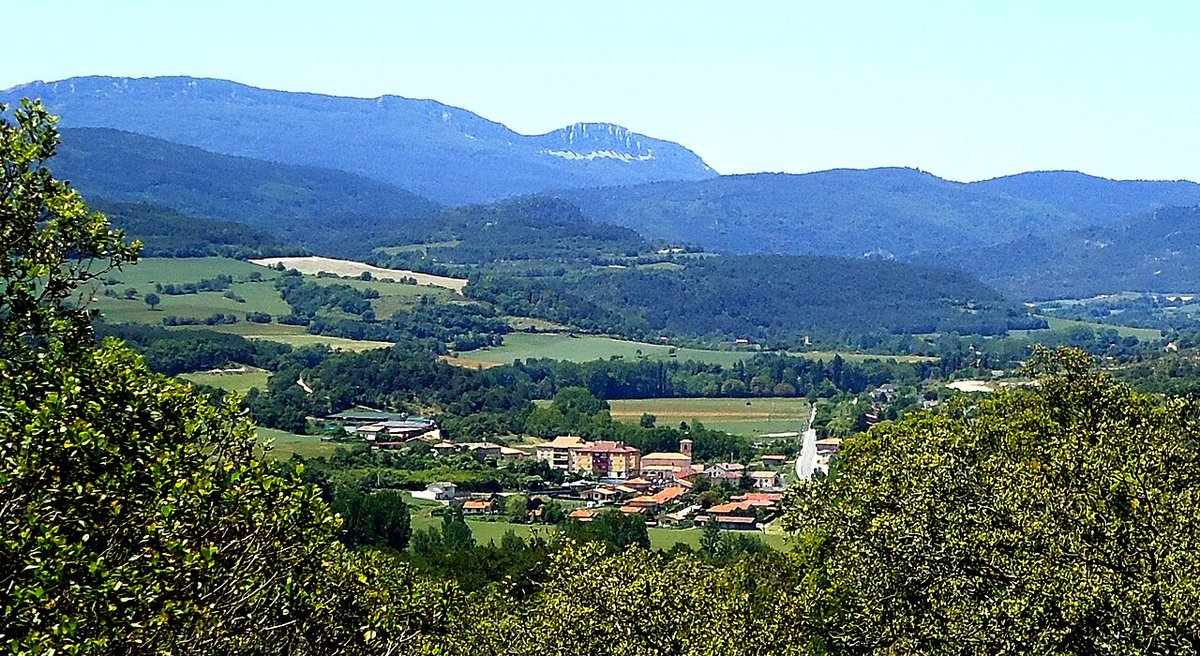
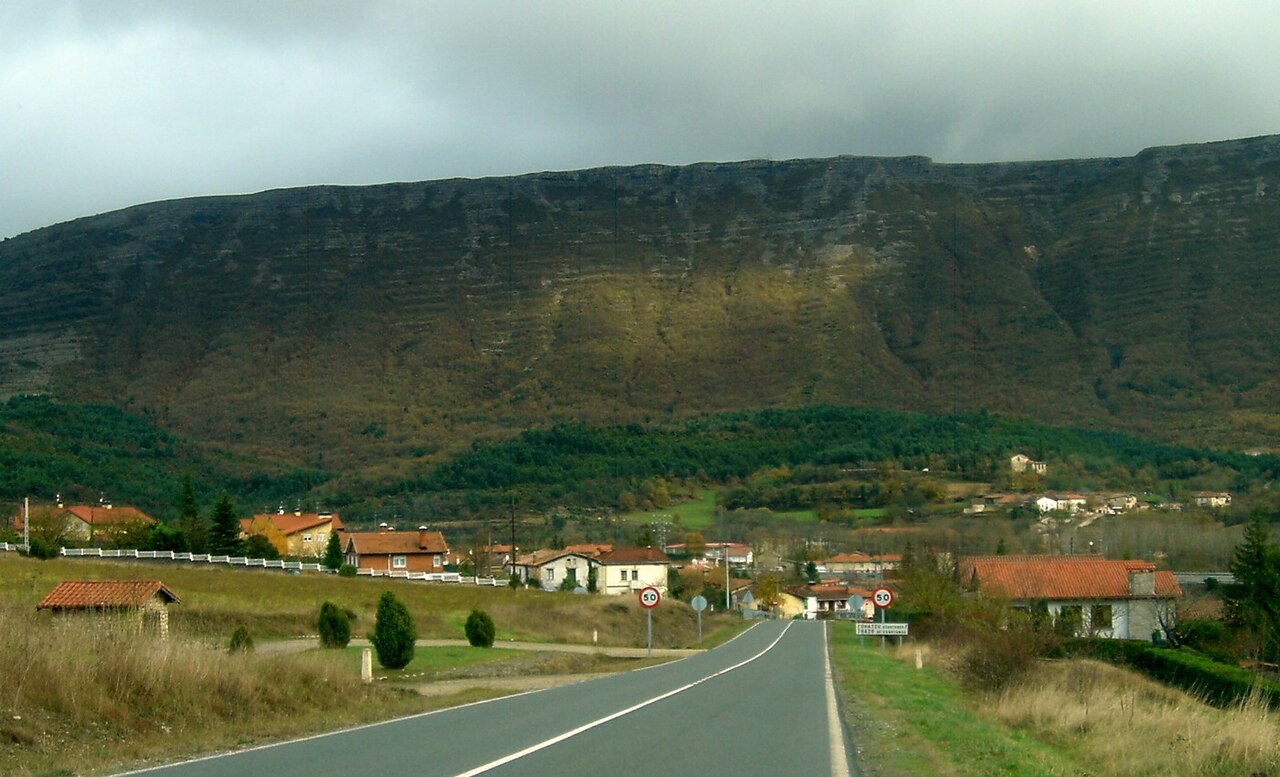
Deep green, farmhouses and nearby mountains with trails and viewpoints.
Hide article Read full article
First light in Erriberabeitia
Early in the morning, when dew still clings to the edges of the paths, Erriberabeitia sounds like tyres on gravel and the clank of a metal door opening in an agricultural shed. In Rivabellosa, light comes in low from the east and reflects off pale façades. The air carries the smell of damp soil and stored grain. At that hour there is barely any traffic on the nearby road, and the village moves at an unhurried pace, shutters lifting, cars setting off towards Vitoria.
Erriberabeitia sits in the Cuadrilla de Añana, a small administrative area in Álava, in the Basque Country. It is not a single, compact settlement but a municipality spread across several villages. There is no obvious centre. Rivabellosa gathers most of the everyday activity, yet smaller villages continue to appear around it, where the agricultural landscape still defines daily life.
Rivabellosa and the surrounding villages
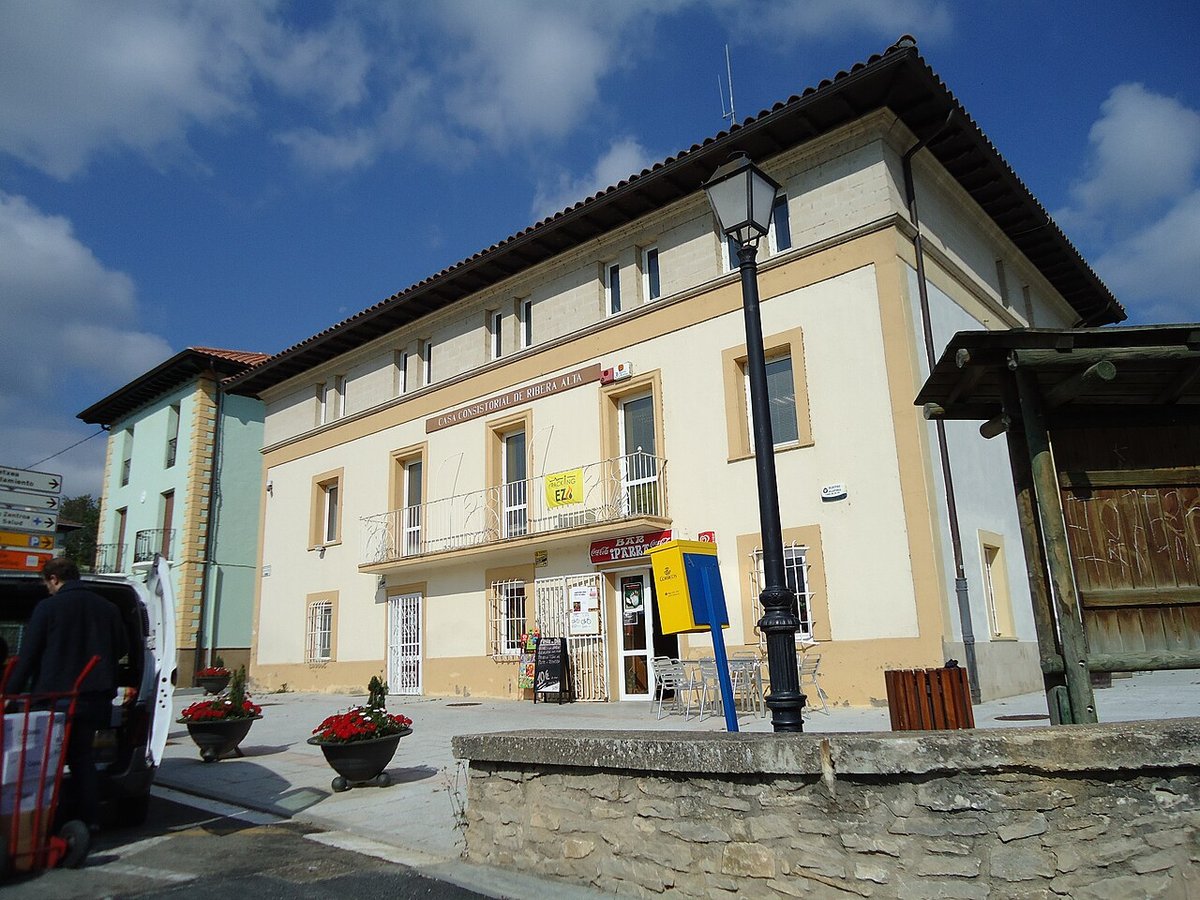
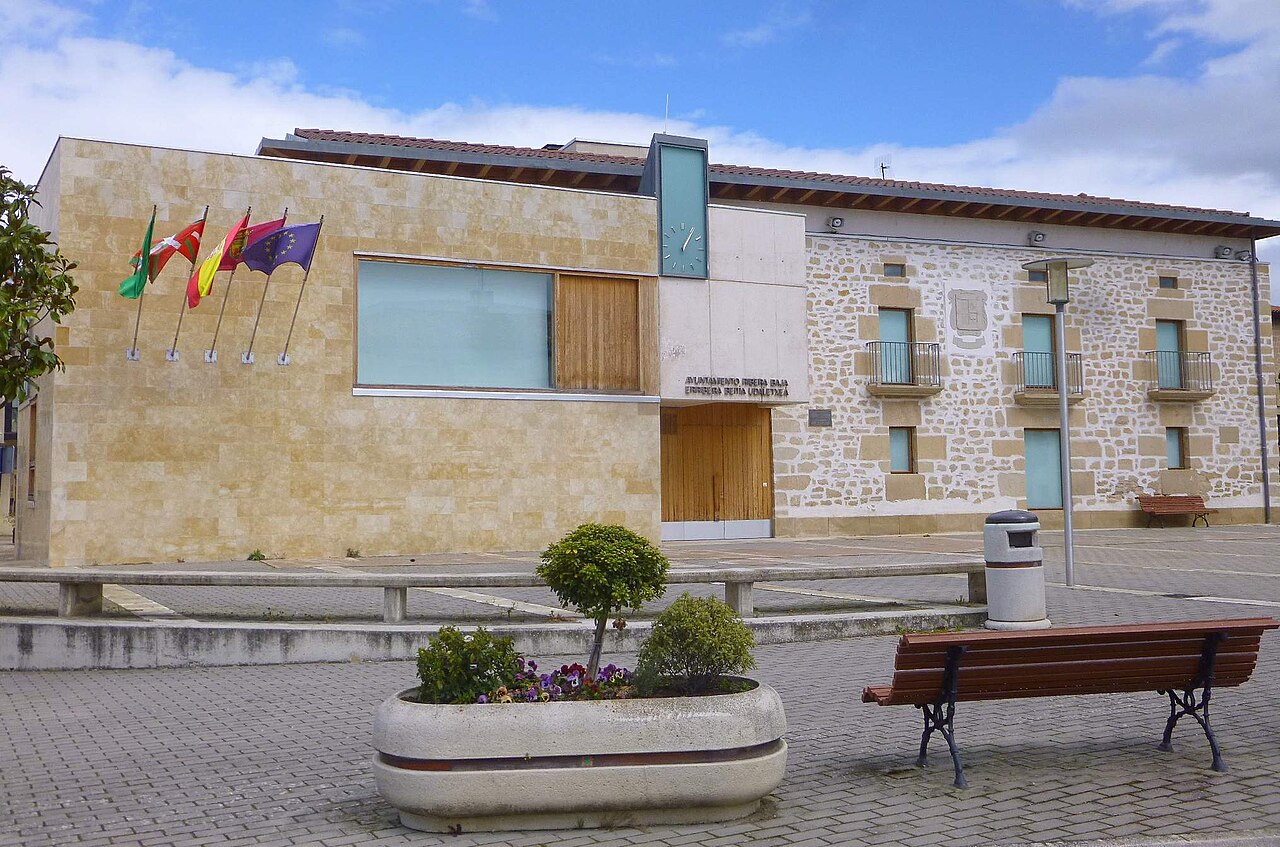
In Rivabellosa, streets are wide and fairly straight. Many houses were built in recent decades, mixed with older buildings in pale stone. On clear days, the line of low hills around the Llanada can be seen without effort. Wind tends to sweep through here, especially in winter, moving steadily across open ground.
A short drive away, other small settlements come into view, including Manzanos, Quintanilla de la Ribera and Pobes. The atmosphere shifts as you arrive. Streets narrow, and stone walls return as the dominant feature. In Manzanos, large gateways still stand, hinting at the village’s agricultural past.
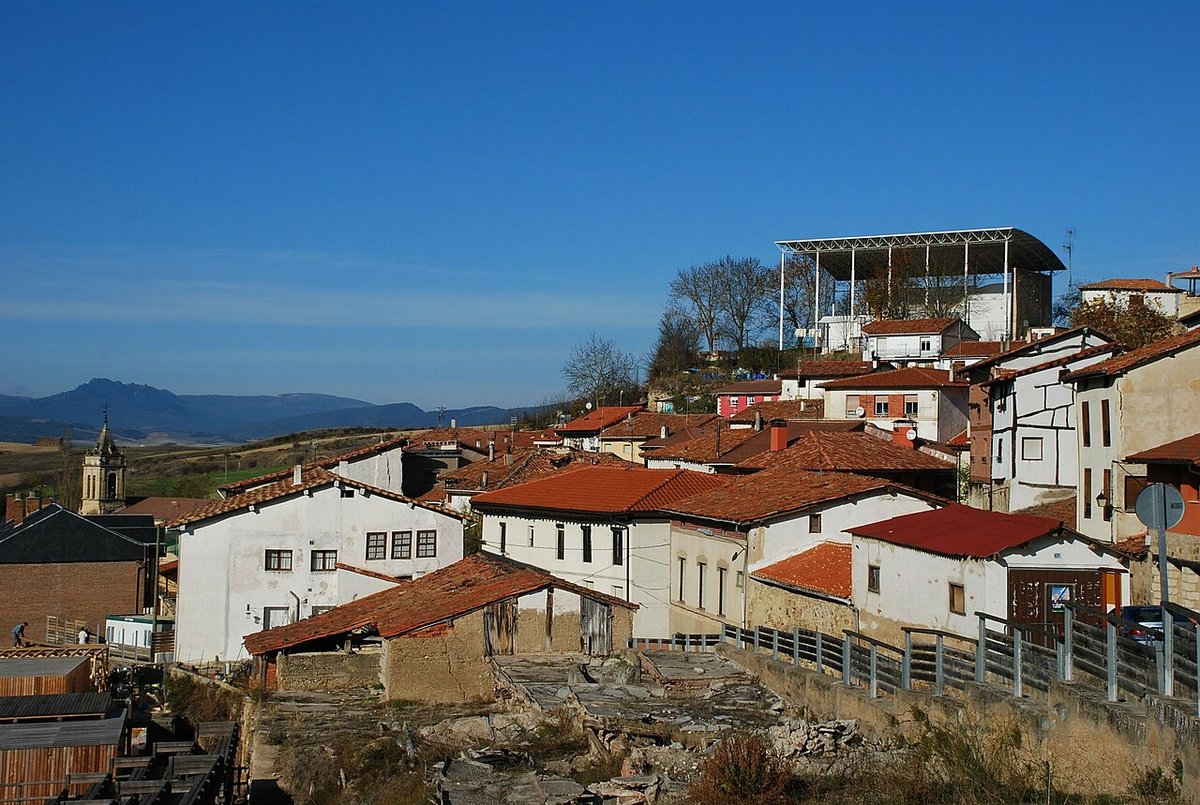
Pobes feels more enclosed. Houses cluster around the church and a handful of small squares that fall into shade by mid-afternoon. In summer, swallows circle above the rooftops, and the steady sound of tractors returning from the fields carries through the village.
Between cereal fields and the Ebro
To understand Erriberabeitia, it helps to leave the built-up areas behind. The landscape opens into wide cereal fields, straight agricultural tracks and irrigation channels crossing the land. In spring, the green is intense, and the wind moves through the young grain like a slow current.
Towards the south, the land gradually slopes down towards the valley of the Ebro river, one of the major rivers in northern Spain. Colours begin to change here. There are more poplar groves and riverside areas where the air feels heavier, with the scent of moisture and leaves.
Some of the tracks allow access on foot or by bike, making it possible to move through this quieter side of the municipality. In summer, it is worth keeping in mind that shade is limited and the sun can be strong. After heavy rain, certain stretches become muddy, which is common in winter and early spring.
Churches and quiet architecture
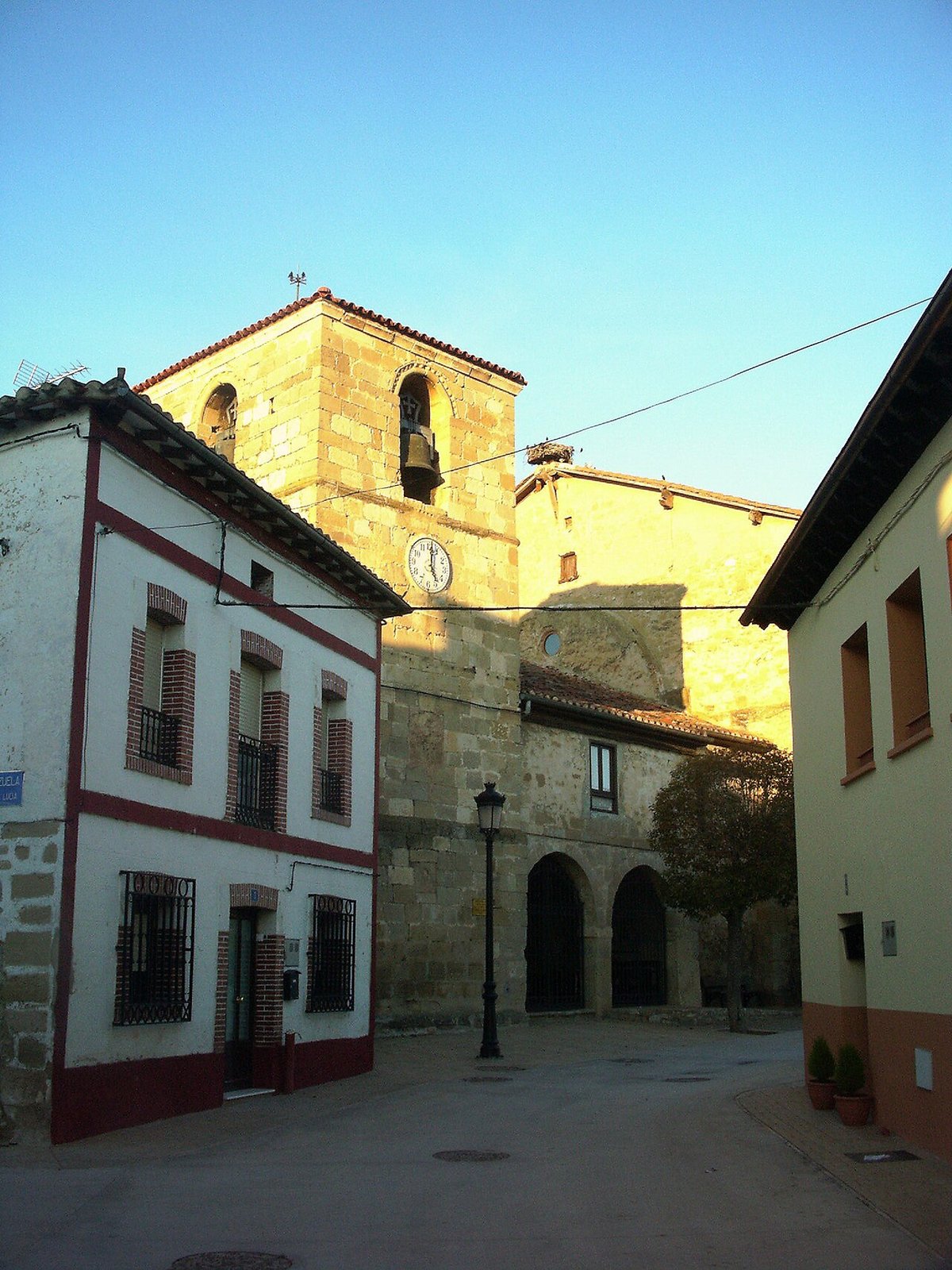
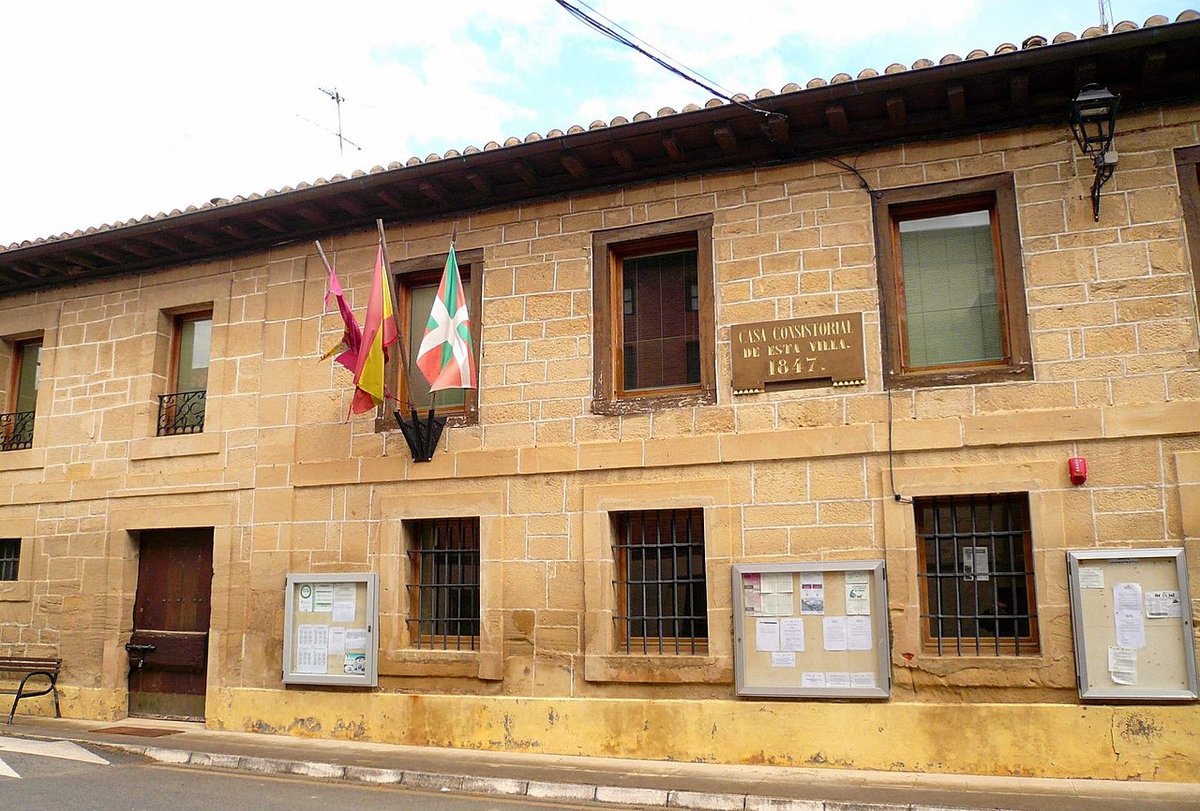
The churches across Erriberabeitia follow a restrained style. Thick walls, compact towers and little decoration define them. In several villages, houses display stone coats of arms above their doors, traces of families who once held local importance.
These buildings are not always open. Access is often limited to specific moments of the year or to local celebrations. Even so, walking around them reveals small details: worn buttresses, bells marking the hours with a dry, measured sound, and very dark wooden doors that have aged over time.
When to come and how to move around
A car makes it easier to travel between the villages. Distances are not great, but secondary roads wind around fields and agricultural areas, so routes are rarely direct.
Spring and autumn are usually the most comfortable seasons to explore the area. In summer, the heat peaks around midday and the landscape turns more yellow. If visiting then, early mornings or late afternoons offer softer light and a return of movement in the fields as the wind picks up again.
Erriberabeitia does not revolve around tourism. It continues to function primarily as a place of passage between the Llanada Alavesa and the Ebro valley. That is part of its character. The best way to experience it is slowly: stop the car along a track, listen to the wind passing through the cereal, and watch how the colours of the land shift as the day goes on.