Full Article
about Gaubea (Valdegovía)
Deep green, farmhouses and nearby mountains with trails and viewpoints.
Hide article Read full article
Gaubea: un valle, muchos pueblos
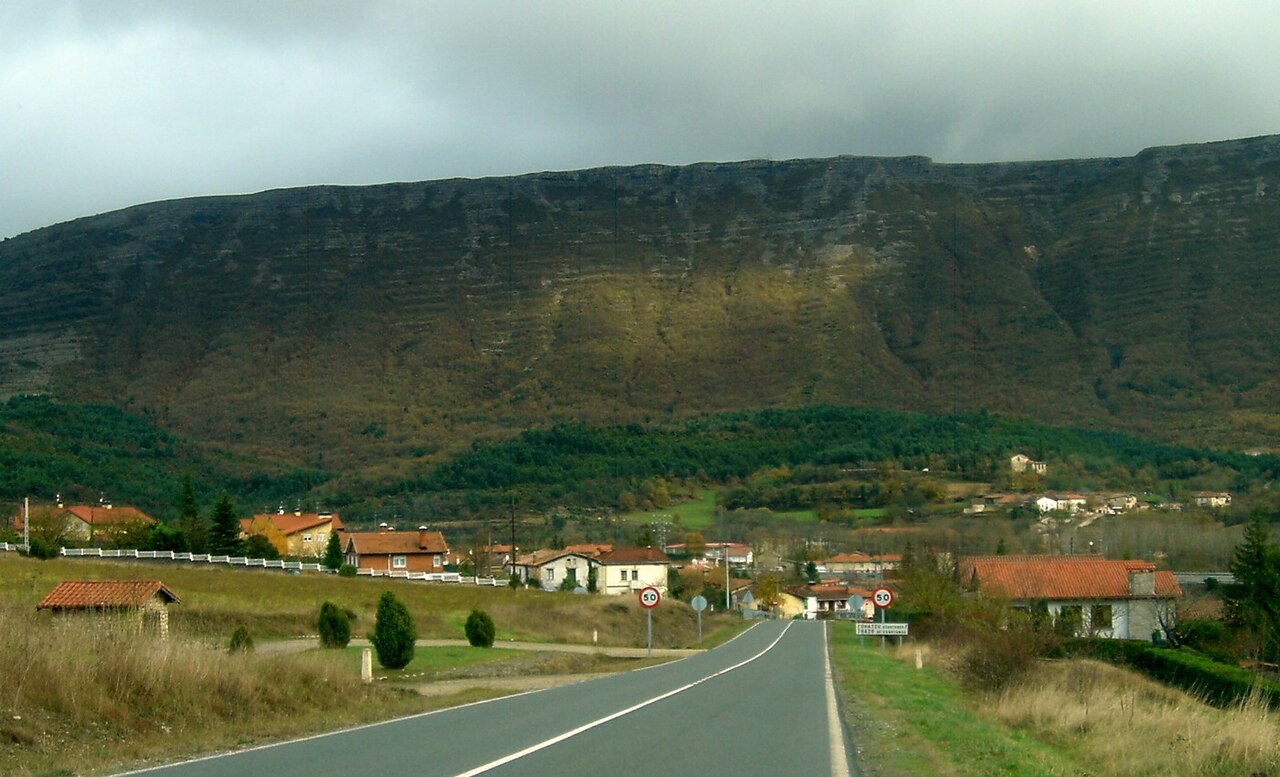
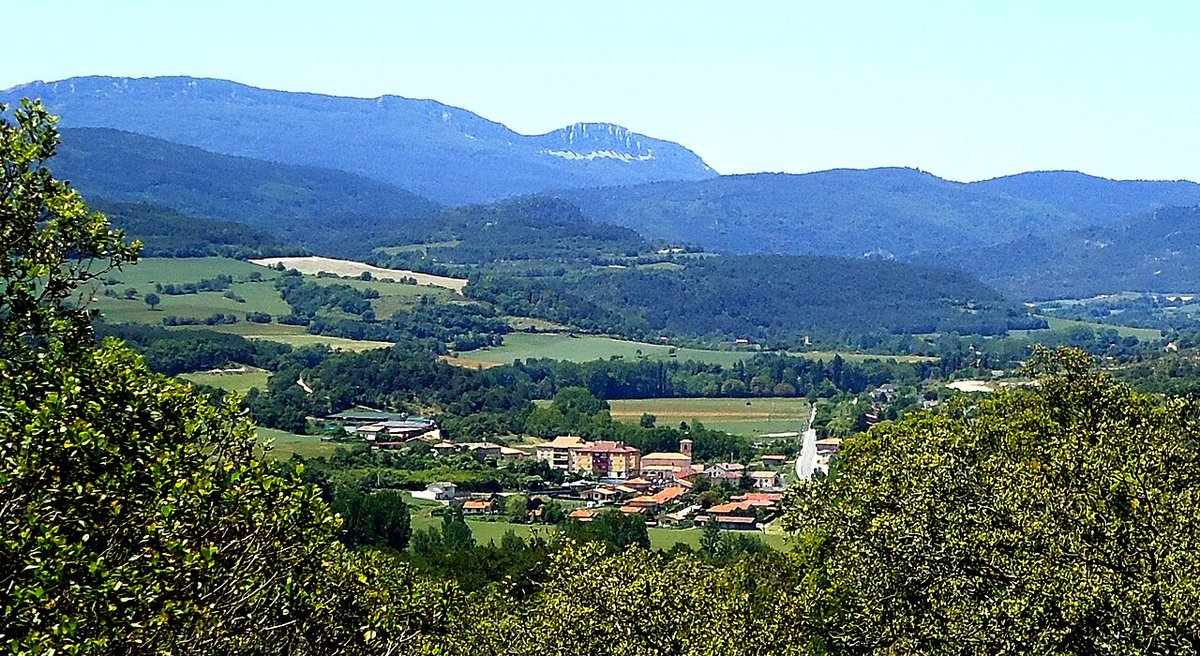
Llegas a Gaubea con la idea de aparcar eloche y empezar a caminar por un pueblo. Y entonces te das cuenta de que el "pueblo" no está. En su lugar, hay una señal que apunta a Villanueva, otra a Valpuesta, otra a Bachicabo. Es como abrir una caja de galletas y encontrar que, en realidad, está llena de pequeños paquetes individuales. Cada uno es un concejo, un núcleo con vida propia, desperdigado por el valle.
Aquí no hay un centro neurálgico. La experiencia es ir saltando de uno a otro por carreterillas locales, aparcar donde se pueda (que suele ser en cualquier sitio), dar una vuelta y volver al coche. Si vienes buscando la postal única, te vas a frustrar. Gaubea es el conjunto.
Calles que son solo pasos
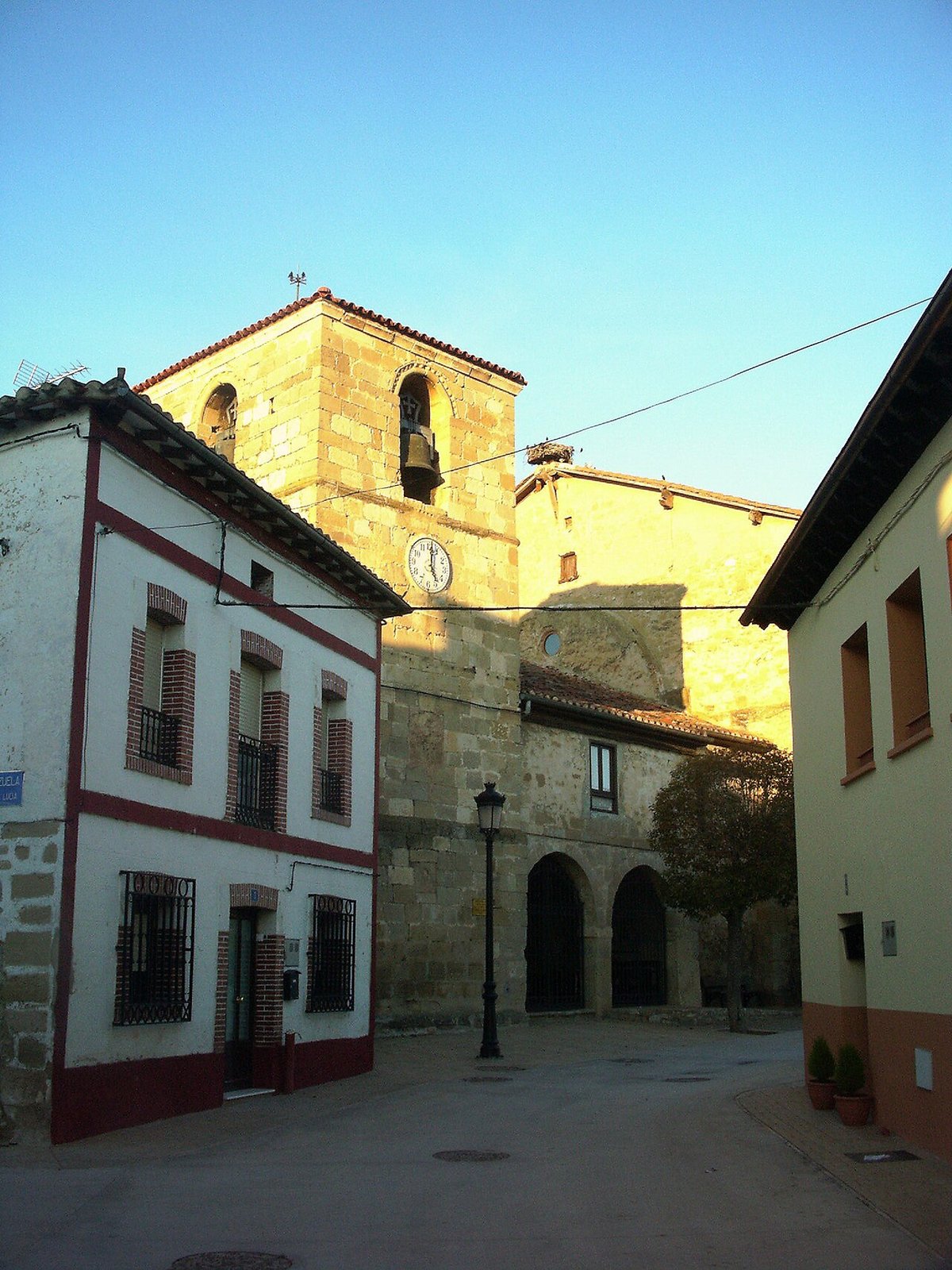
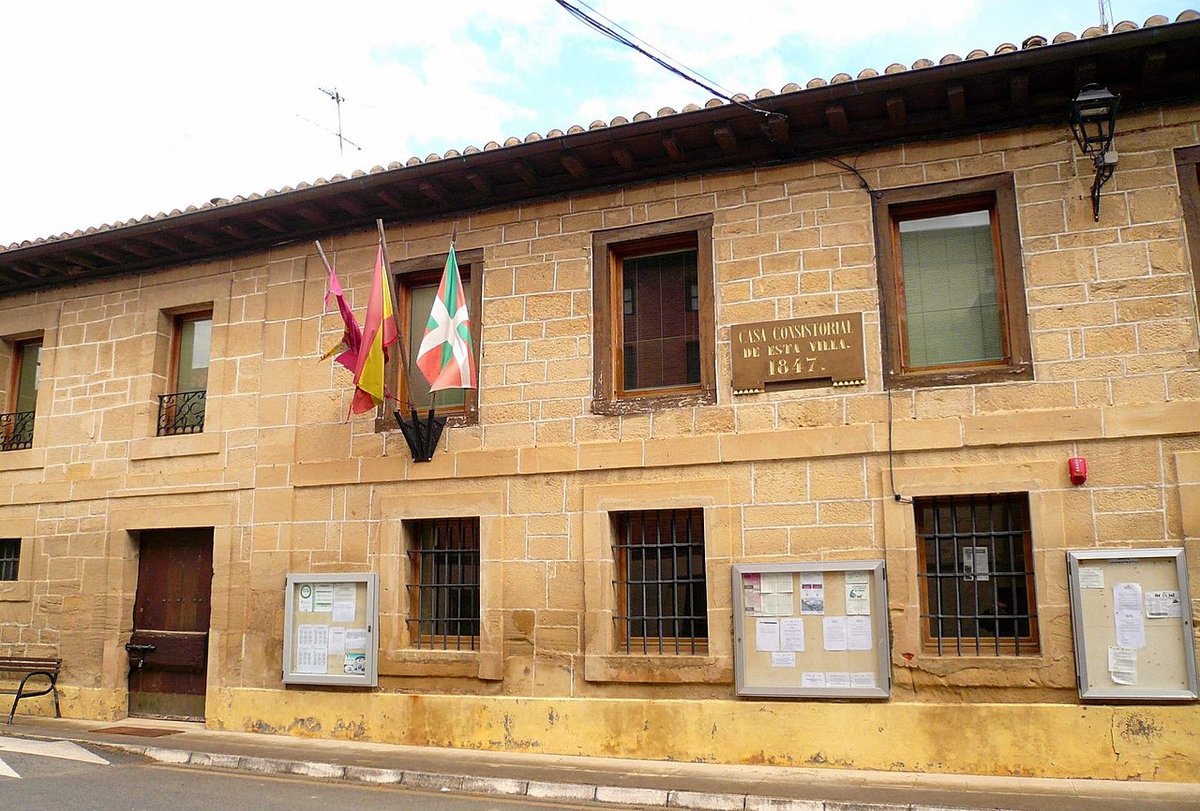
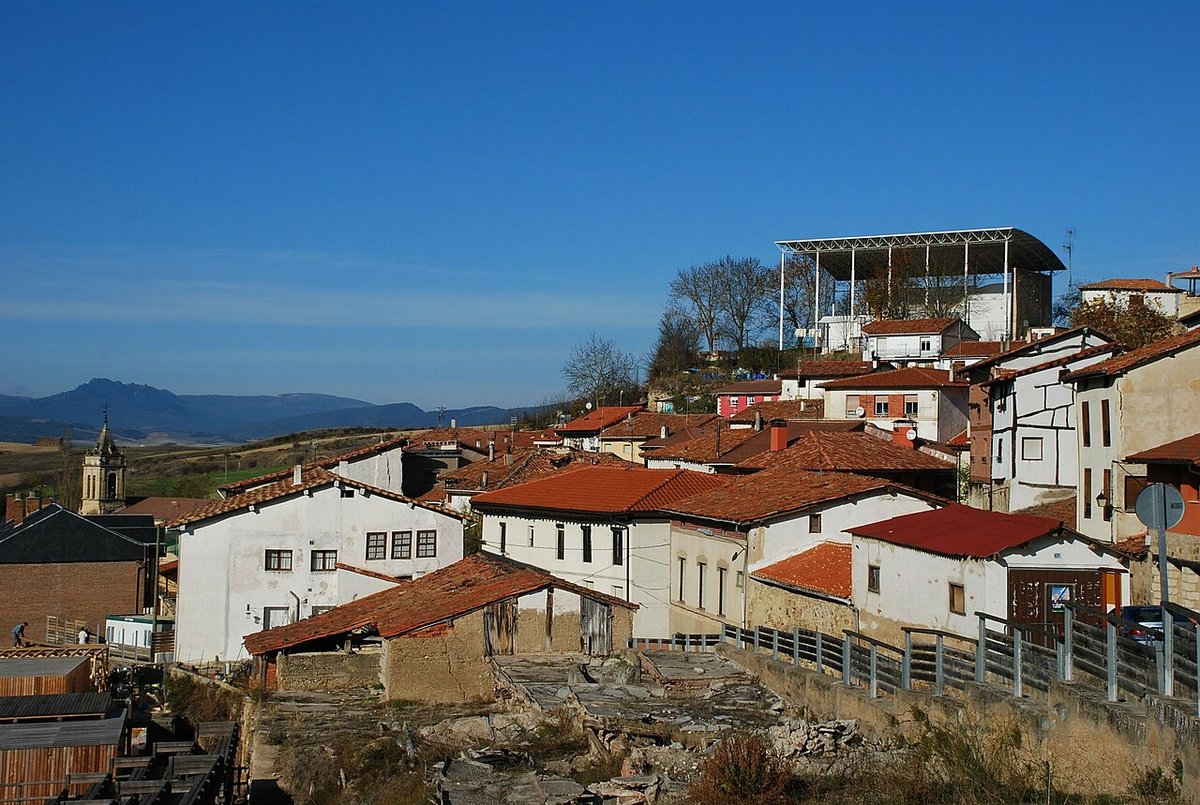
En sitios como Villanueva o Valpuesta, las calles son tan cortas y tranquilas que las atraviesas en dos minutos. Las casas de piedra tienen portones grandes y, si te fijas en los dinteles, verás alguna fecha del siglo XVIII o un escudo borroso. No es un museo al aire libre; es que simplemente, así se construía aquí.
Lo interesante está en lo que no intenta ser interesante: un banco de piedra pegado a la pared de la iglesia, una fuente con un caño que aún mana, las persianas de madera verdosas por la humedad. Las iglesias están en casi todos los concejos; son sobrias, con el cementerio al lado y algún árbol. Si te sientas un rato, el sonido más probable es el viento moviendo las hierbas o un perro ladrando a lo lejos.
Las mejores vistas no tienen cartel
En Gaubea, los miradores no suelen estar señalizados. Aparecen. Subes un pequeño sendero detrás de Bachicabo o tomas una curva en la carretera hacia Tobillas y, de repente, tienes todo el valle a tus pies.
No hay barandillas ni paneles informativos. A menudo estás en el borde de una pista agrícola o en una loma pelada. Hacia el norte, el terreno se empina hacia montaña. Hacia el sur, se abre en prados salpicados de manchas de encinar. Es ese tipo de paisaje que se ve bien sin esfuerzo.
El frontón como latido
Casi todos los concejos comparten ADN: iglesia, plaza minúscula y frontón cerca. El frontón es esa pared larga para jugar a pelota vasca. Aquí no es una atracción turística; es el termómetro del pueblo.
Puede que lo encuentres vacío, con solo el eco del golpeo de una pelota imaginaria. O puede que haya unos chavales jugando o unos vecinos sentados en el poyete charlando. Su mera presencia da pistas: esto es un sitio donde la vida sigue pasando entre partidas y charlas.
Caminar entre prados (y algún barro)
Para moverte entre concejos cercanos, lo más sensato es andar. Hay senderos rurales que los conectan, subiendo suavemente por lomas cubiertas de encinas o atravesando prados.
No esperes rutas épicas de montaña. Son paseos campestres donde lo más probable es toparte con unas vacas pastando o con un vecino yendo al pueblo de al lado con una bolsa. Lleva calzado con buen agarre; después de llover, algunos tramos de tierra se convierten en un barrizal digno de respeto.
Si vas con prisa
Mi consejo es simple: no intentes verlo todo en una tarde. Acabarías más tiempo dentro del coche que fuera.
Elige un concejo —Villanueva funciona bien— y tómatelo con calma: pasea sus dos calles principales, llega hasta la iglesia y luego busca el sendero que sale hacia los prados traseros. En poco más de una hora habrás captado la vibra del lugar sin sentirte agobiado por la lista de "pueblos por visitar".
Lo que nadie te dice (pero deberías saber)
Gaubea no está preparado para el turismo al uso. Algunos caminos parecen no llevar a ninguna parte y las distancias en el mapa pueden ser engañosas porque hay mucho sube y baja.
Esa falta de pulido es justo lo que le da carácter.El valle sigue funcionando con el ritmo agrícola, lento y práctico.Si vienes sin prisa por tachar hitos,y con algo de paciencia para perderte un poco,a cambio obtienes algo raro hoy en día:paisaje auténticamente tranquilo y pueblos que viven su vida,ajenos a si alguien los está fotografiando o no