Full Article
about Kuartango (Cuartango)
Deep green, scattered farmhouses, nearby mountains with trails and viewpoints.
Ocultar artículo Leer artículo completo
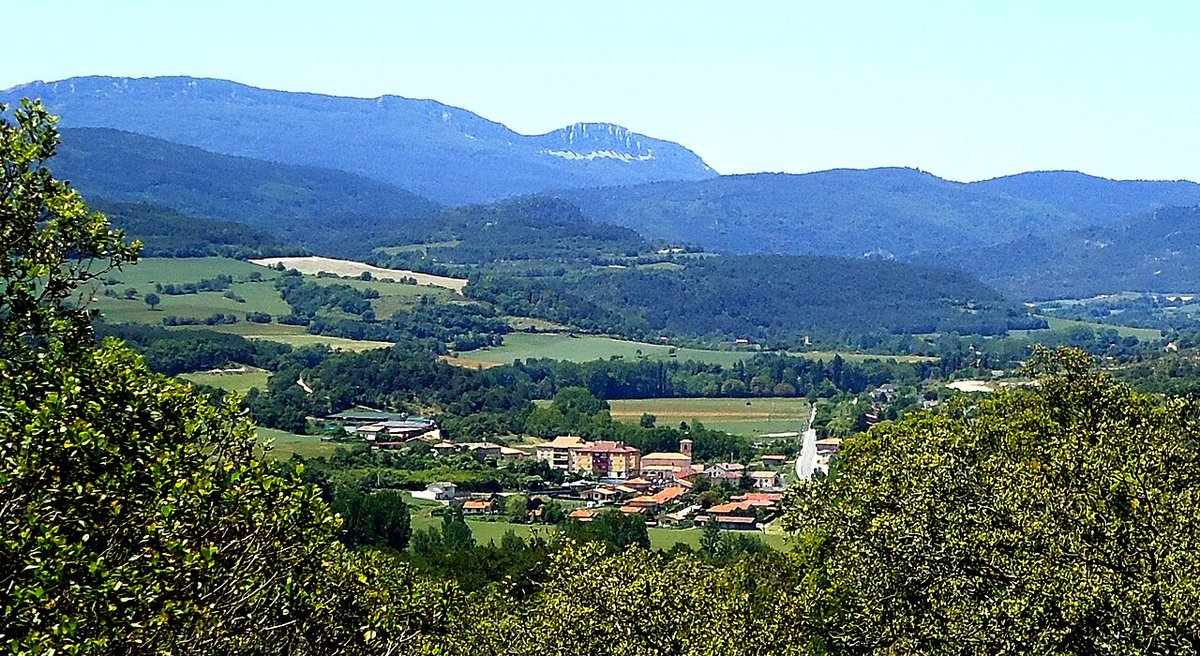
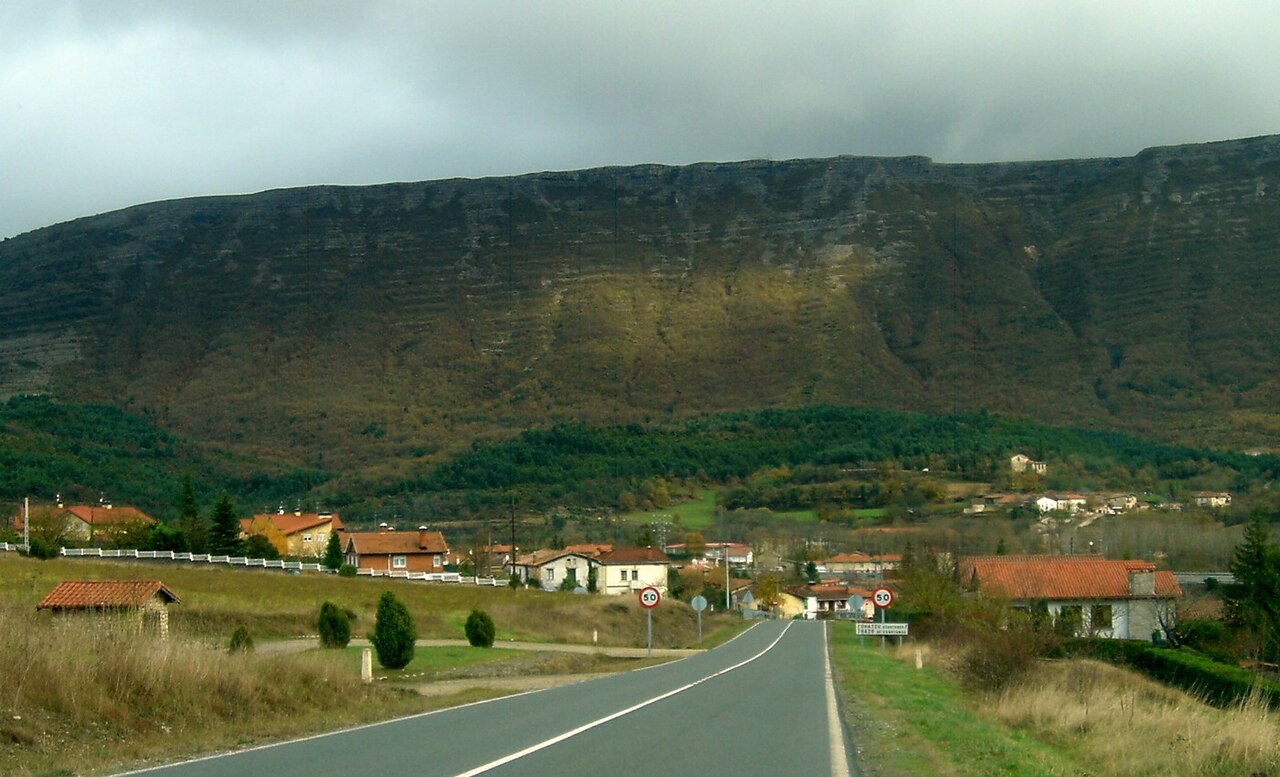
Kuartango doesn’t announce itself. The road from Vitoria-Gasteiz narrows after the last industrial estate, climbs a ridge, then drops into a crease of green so sudden that even local drivers lift their foot from the accelerator. One moment you’re in commuterland Álava, the next the only traffic is a tractor hauling hay bales and a red kite circling overhead. No signpost proclaims “Welcome to Kuartango” because Kuartango is not a single place—it is a 135-square-kilometre valley stitched together by stone farmsteads, cattle tracks and beech woods that smell of wet earth after rain.
A Valley That Prefers Footfall to Footnotes
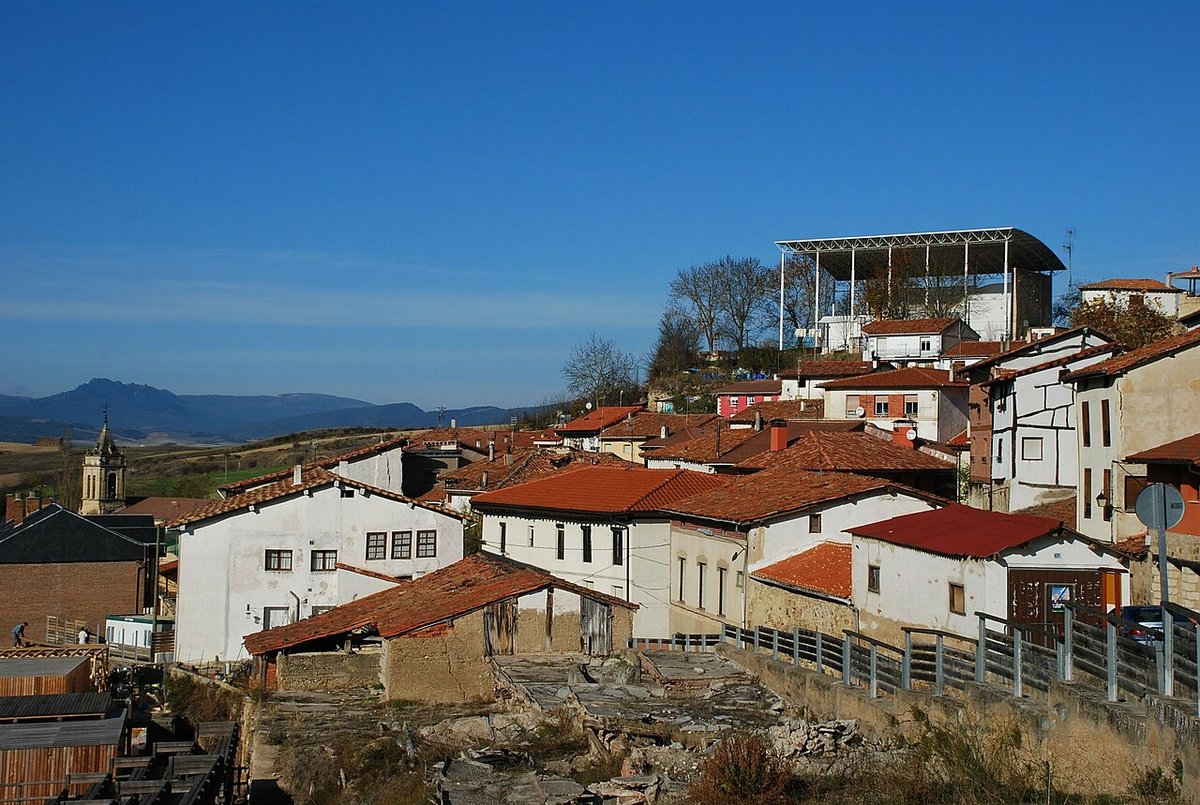
Guidebooks struggle here. There is no single monument to tick off, no plaza mayor lined with souvenir stalls. Instead, hamlets such as Apellániz, Andagoia and Zumeltzu scatter along lanes so narrow that two cars must negotiate like ballroom dancers. The appeal is cumulative: a limestone doorway carved in 1642, a bread oven still warm at dawn, the way cowbells echo across a slope of yellow broom. Walkers who expect way-marked perfection sometimes turn back; those who accept a water-splashed map and the odd wrong fork are rewarded with meadows where wild orchids appear in May and stone walls warm enough for lizards until October.
The most useful strategy is to think in loops. Park beside the small fronton court in Apellániz, follow the concrete track south-west past apple orchards and within 25 minutes the ermita of San Bartolomé appears on its knoll. The climb is short but steep enough to make you unbutton your jacket; the view opens north across a patchwork of allotments, each no larger than a Wimbledon court, edged by poplars turning bronze by late September. Retrace your steps or continue east along a stony path that drops to the Barazar ravine, where a wooden footbridge crosses water clear enough to see every pebble. Total distance: 4.5 km; total elevation gain: 160 m—modest numbers that still feel like an achievement when the only soundtrack is your own breathing.
Stone, Wood and the Smell of Apple Must
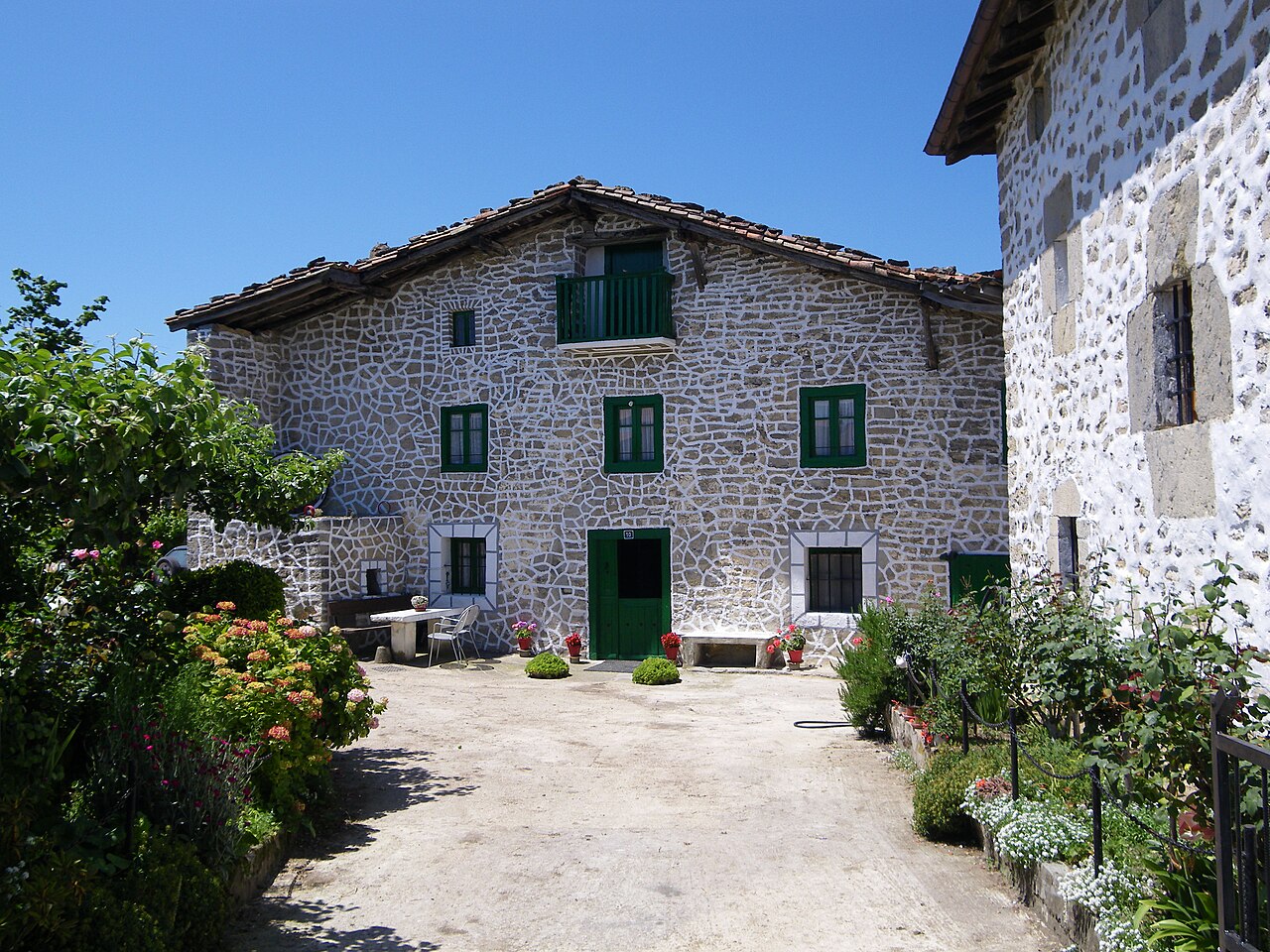
Traditional caseríos dominate the valley floor. They are built for practicality: ground floor for animals, first floor for people, attic for hay, the whole lot roofed with curved terra-cotta tiles whose weight keeps the structure steady when the Cierzo wind whips down from the Cantabrian watershed. Many houses retain their original escutcheons—look for the one in Zumeltzu decorated with a shear and spindle, a reminder that iron-age smiths once worked local ore. Knock politely and an elderly señora may show you the internal balcony where apples dry for txakoli cider. She will not sell you anything; this is simply how life works when the nearest supermarket is 25 minutes away.
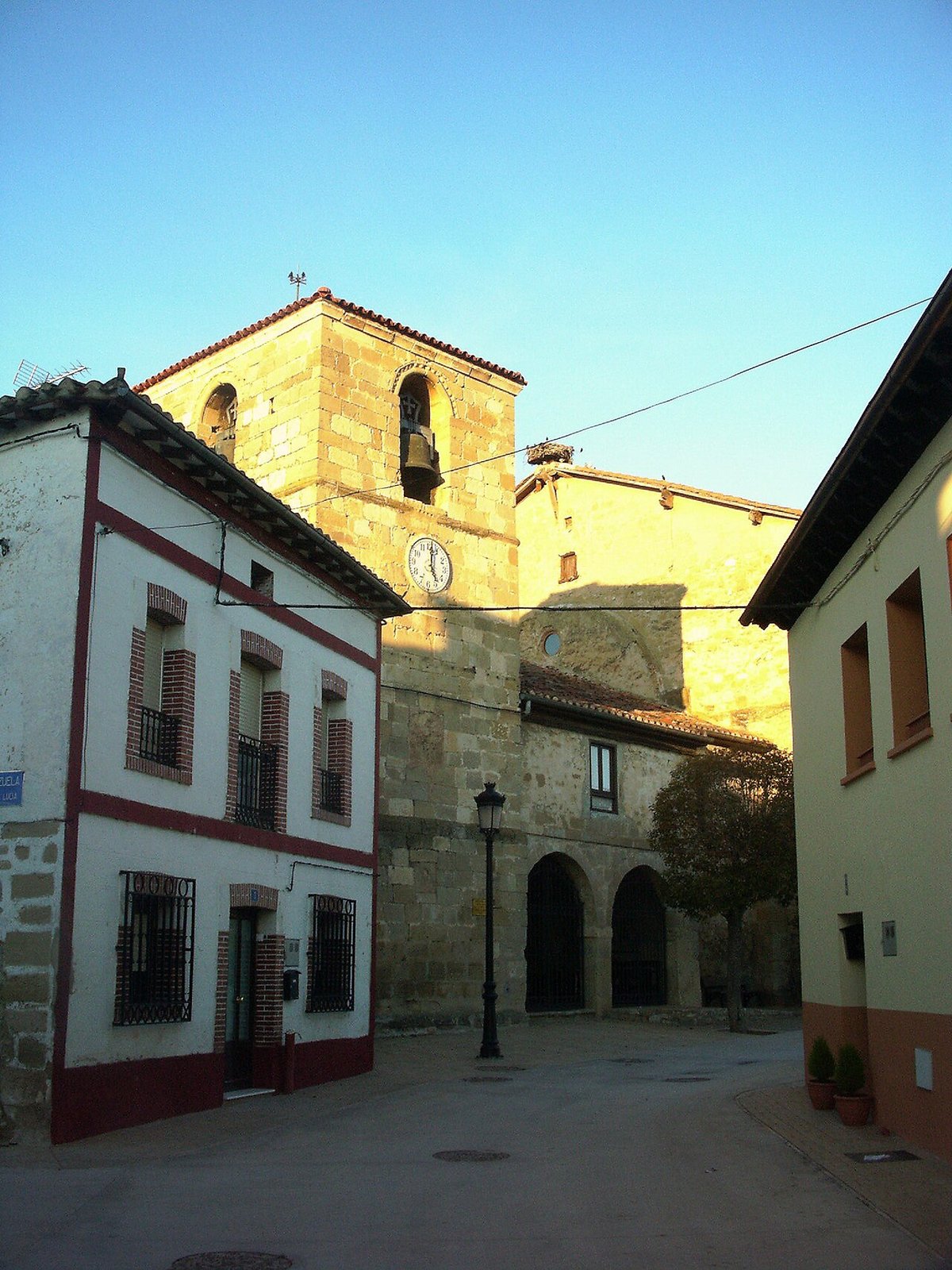
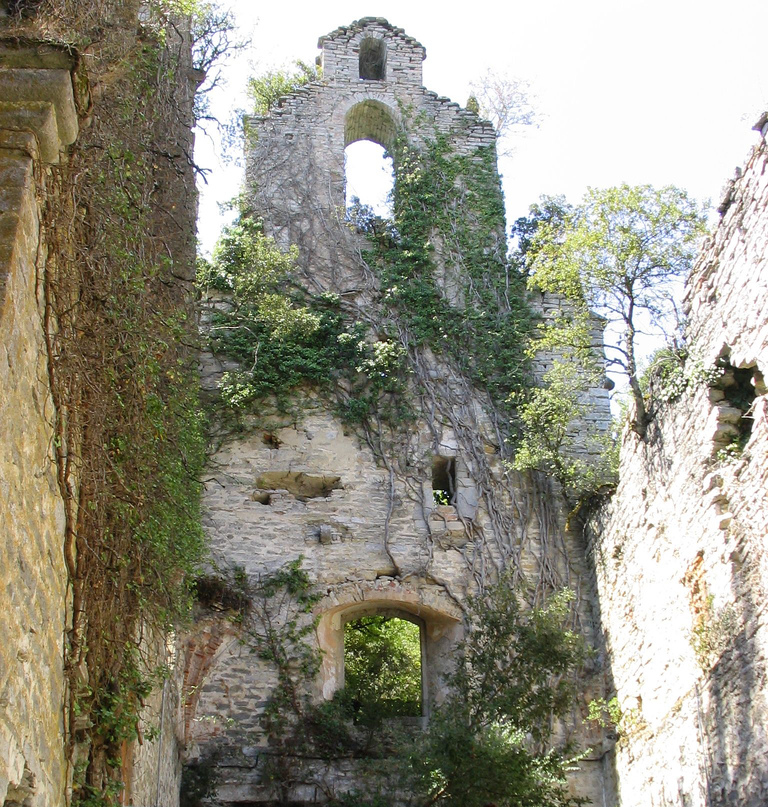
If you need a focal point, the parish church of San Miguel in Apellániz supplies it without fuss. The apse is 12th-century Romanesque, low and heavy as if the builders expected trouble; the tower arrived three centuries later, pierced by slender windows that throw stripes of light onto whitewashed walls. The door is usually open, the interior cool enough to make you glad of a jumper even in July. Donations go toward a new roof—drop a euro in the box and you’ll hear it clink against almost nothing else.
Weather That Changes Its Mind Before Lunch
Altitude here ranges from 480 m to 1,050 m, and the valley runs north-west to south-east, funnelling Atlantic fronts straight from the Bay of Biscay. What that means in practice is four seasons before teatime. A spring morning can begin in bright sunshine, switch to horizontal drizzle by coffee, then finish under a sky so blue it hurts your eyes. Pack the full layering system: T-shirt, fleece, lightweight waterproof. In winter the lane to San Bartolomé sometimes ices over; locals fit chains and keep going, but hire-car drivers should consider leaving the vehicle at the bottom and walking the last kilometre. Summer, by contrast, is rarely stifling—temperatures hover in the mid-twenties—and the hay meadows smell of fennel and dried oregano. August afternoons grow quiet; even the dogs nap.
Where to Eat, Sleep and Refuel
There is no hotel in the valley. What you get are four rural houses, each sleeping four to eight, booked through the provincial tourist board. Expect stone floors, wood-burning stoves and Wi-Fi that drops every time a cloud passes. Prices start around €90 per night for the whole house mid-week; weekends fill up with families from Bilbao who bring their own jamón and leave behind excellent olive oil—check the cupboard before shopping. The only public bar is Casa Gaztelu in Tertanga, open Thursday to Sunday, lunch only. A three-course menú del día costs €14 and might include patatas a la rioja, pork ribs stewed with chorizo, and a wedge of Idiazabal cheese so sharp it makes your tongue tingle. Ring ahead on cloudy days; if no one calls in, the owners shut early and head for the hills—literally.
For picnic supplies, Vitoria’s Saturday market is worth the 35-minute drive back. Fill a rucksack with piquillo peppers, crusty talo cornflatbread and a bottle of local txakoli whose label you won’t recognise anywhere else. There are no cash machines in Kuartango; the nearest is in Nanclares de la Oca, so bring notes unless you fancy explaining contactless payment to a 78-year-old shepherd.
The Quiet Trade-Off
This is not a place for tick-list tourism. Mobile coverage fades in the deepest stretches of the valley, the single bus from Vitoria runs twice daily and stops wherever you wave, and if you turn up on a Monday every church door will be locked. Accept those limits and the reward is an Alava that guidebooks rarely mention—one where redstarts flick between ash branches, where farmers still hay by hand and where night skies remain dark enough to see the Andromeda Galaxy with the naked eye. Leave the sat-nav plotting in the glovebox, follow the sound of running water and you’ll understand why locals greet strangers not with “hello” but with “a buen paso”—may you walk at a good pace.