Full Article
about Lantaron
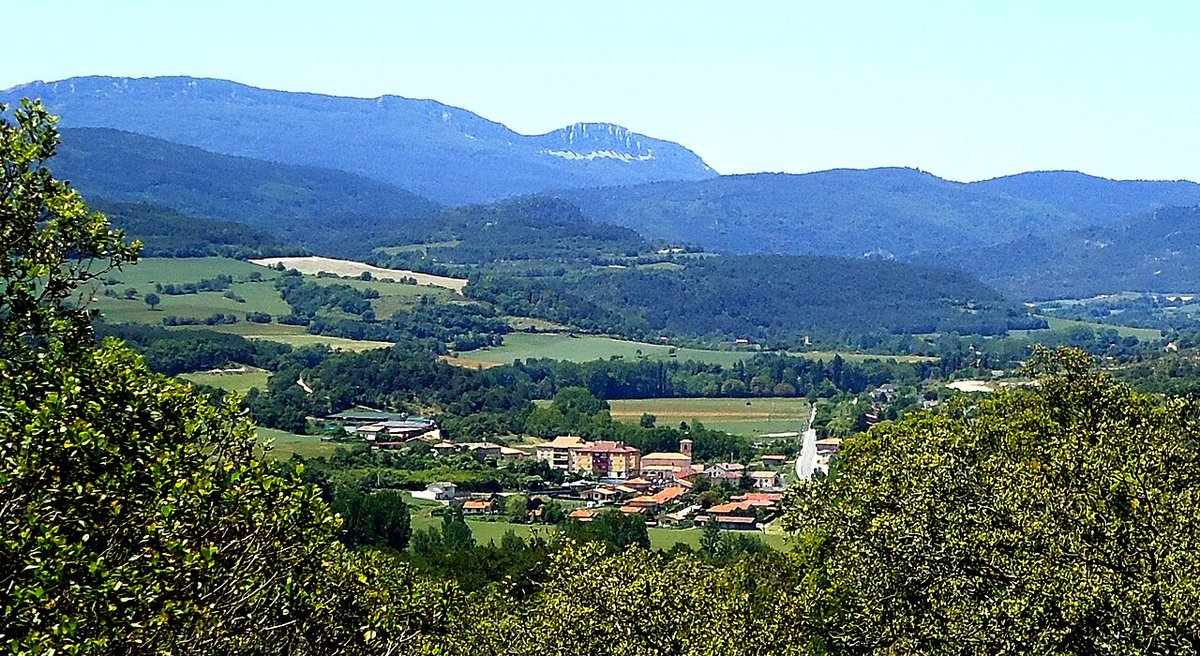
Deep green, farmhouses and nearby mountains with trails and viewpoints.
Hide article Read full article
Lantarón es como esos pueblos que pasas de camino a otro sitio y piensas: "¿y esto qué es?"
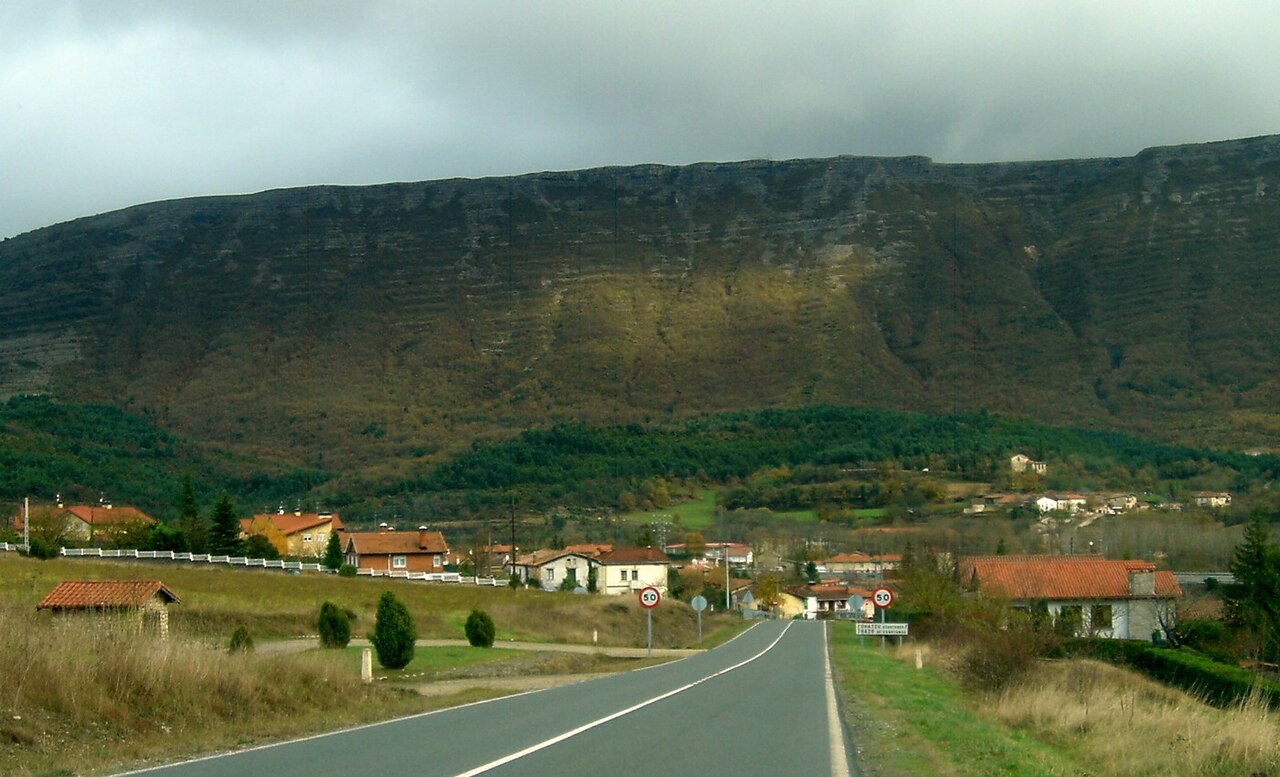
No tiene un cartel de bienvenida grandilocuente ni una plaza mayor que aglutine todo. Lantarón, en el extremo oeste de Álava, es más bien un conjunto de pedanías desperdigadas por el valle. Llegar aquí no es llegar a un sitio concreto; es empezar a moverte entre pequeños núcleos que parecen gotas de aceite sobre un paisaje agrícola. La carretera desde Burgos te avisa: se acaban las montañas y empiezan los campos abiertos, las parcelas amplias y las casas de piedra que aparecen cada pocos minutos.
Visitar Lantarón es aceptar esa lógica. No vienes a ver el monumento imprescindible, porque no lo hay. Vienes, si acaso, a cambiar el ritmo.
Cómo moverse por un municipio sin centro
Aquí el coche no es una opción, es casi parte de la experiencia. El municipio lo forman Bergüenda, Fontecha, Gurendes, Salcedo o Sobrón, entre otros. Son nombres que suenan más a apellidos de pueblo que a destinos turísticos, y eso ya te da una pista.
La gracia está en los trayectos cortos entre uno y otro. Aparcas en Bergüenda, das una vuelta por sus dos calles principales, vuelves al coche y en cinco minutos estás en Fontecha. El paisaje cambia sin hacer ruido: ahora hay más huerta, ahora la cuesta es un poco más pronunciada, ahora se ve el río Ebro al fondo. Es un lugar hecho de transiciones suaves.
Bergüenda para entrar en calor
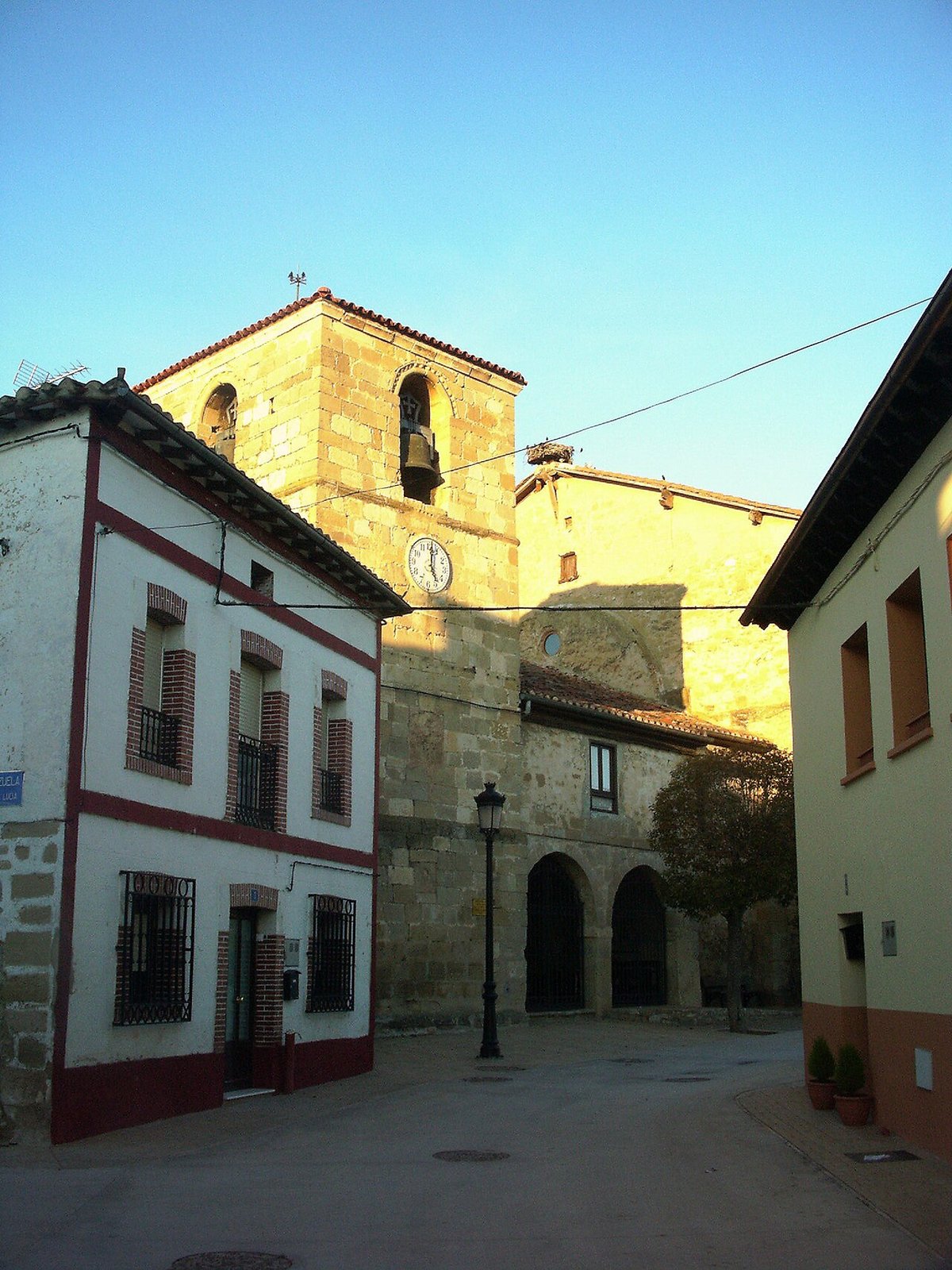
Si tuviera que elegir un punto de partida, sería Bergüenda. Tiene la iglesia de Santa María Magdalena, con origen medieval pero reformada tantas veces que parece un collage de épocas. Lo interesante, sin embargo, no está solo en la iglesia.
Da una vuelta por los caminos que salen del pueblo. Verás cómo las casas no terminan donde empieza el campo; hay gallineros pegados a las cocheras, huertos que son la extensión natural del jardín y tractores aparcados donde en otro pueblo habría bancos. No hay separación. La vida rural aquí no es decoración; es el mobiliario urbano.
No hace falta una ruta épica. Con media hora paseando sin prisa lo captas: los portones de madera desgastada, el sonido de una radio desde una cuadra abierta, el olor a hierba recién cortada mezclado con tierra seca.
El resto: Fontecha, Gurendes y la tranquilidad por bandera
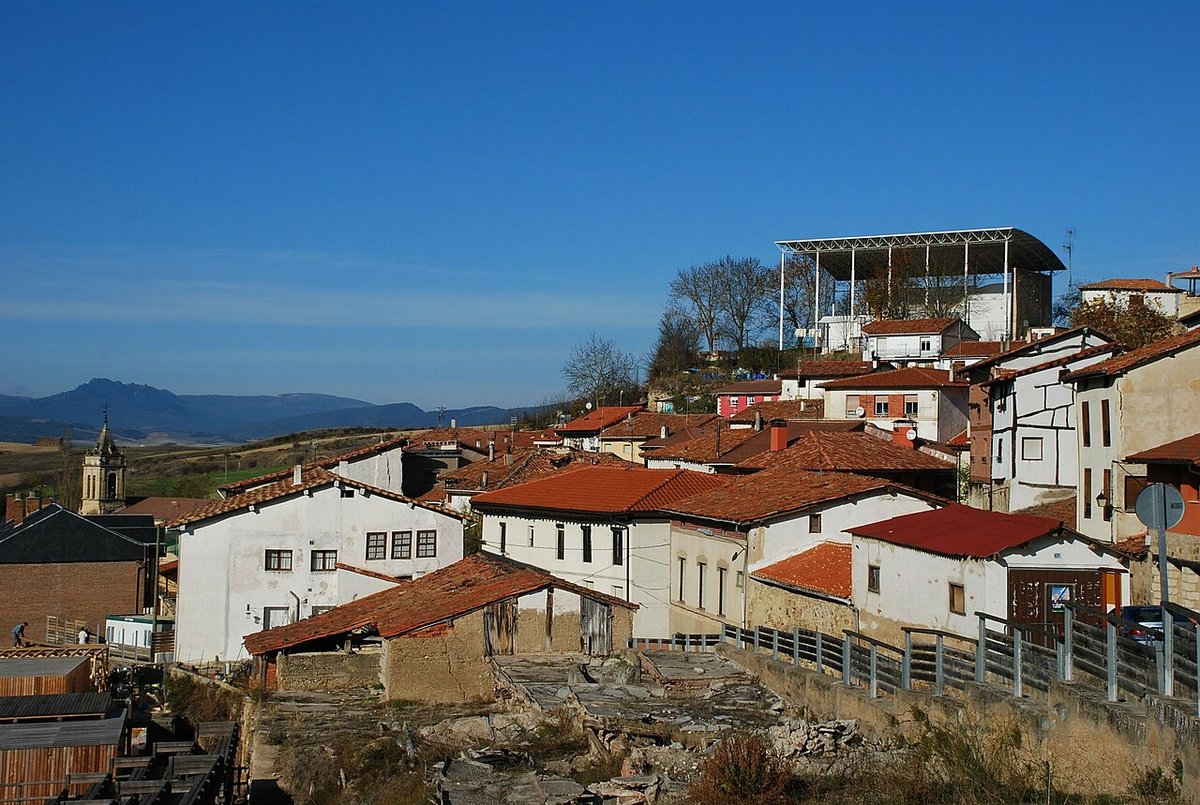
Fontecha parece más recogido sobre sí mismo. Sus callejuelas se aprietan alrededor de la iglesia como buscando compañía. Gurendes es aún más pequeño; un martes al mediodía puedes crurarlo sin cruzarte con nadie. No es fantasmal, es solo que la gente está trabajando en lo suyo.
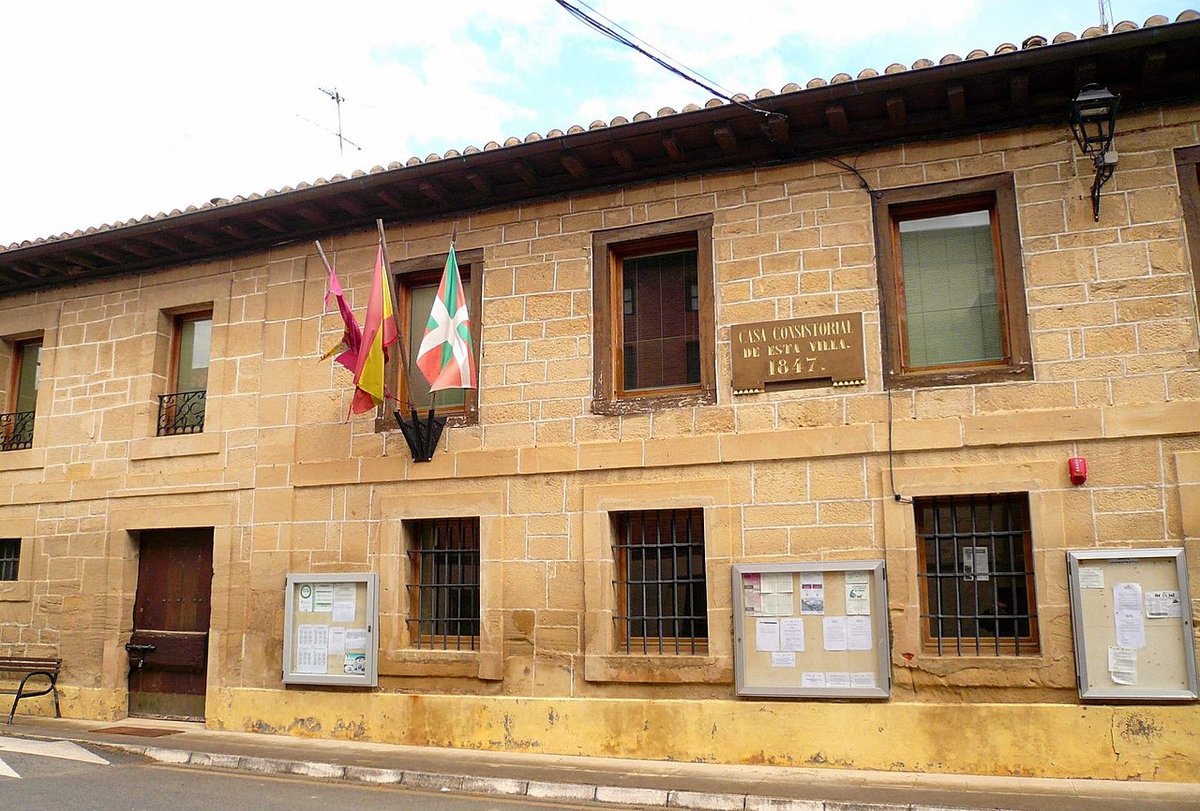
Todos siguen el mismo patrón: unas pocas calles, casas sólidas de mampostería y sillería, y el campo literalmente tocando a la puerta. La escala humana es constante.
Caminar aquí no significa seguir marcas de GR. Es salir por cualquier sendero de tierra que veas al final del pueblo y dejarte llevar. Una cuesta ligera te regala una vista amplia del valle; un camino entre cereales te lleva hasta una borda en uso. No hay espectáculo garantizado, pero tampoco peaje turístico.
Un paisaje que trabaja
Lo que define este valle es la agricultura. Y eso se nota en los colores según la época: verde intenso en primavera, oro quemado a finales del verano cuando el cereal está maduro.
Por los caminos rurales es normal oír el motor diésel de un tractor a lo lejos o ver ganado pastando en alguna parcela. Nada está montado para el visitante; estás viendo (y escuchando) el funcionamiento normal del lugar. Esa cotidianidad sincera termina siendo lo más memorable.
Para qué sirve Lantarón (y para qué no)
Lantarón no va a ganar ningún concurso al pueblo más bonito de Álava. Y me da la sensación de que les importa bastante poco.
Funciona mejor como parada respiratoria dentro de una ruta más amplia por la zona. Si vas hacia Valdegovía o pasas por Miranda de Ebro, desviarte unos kilómetros hasta aquí te permite estirar las piernas con calma y ver otra versión del territorio.
Con dos horas tienes suficiente: visitas un par de pueblos, das un paseo corto por los alrededores y sigues camino. En una comarca con lugares más famosos (y masificados), Lantarón ofrece lo contrario: silencio geográfico, el placer menor de llegar a un sitio que no estaba esperándote. A veces eso basta