Full Article
about Zanbrana (Zambrana)
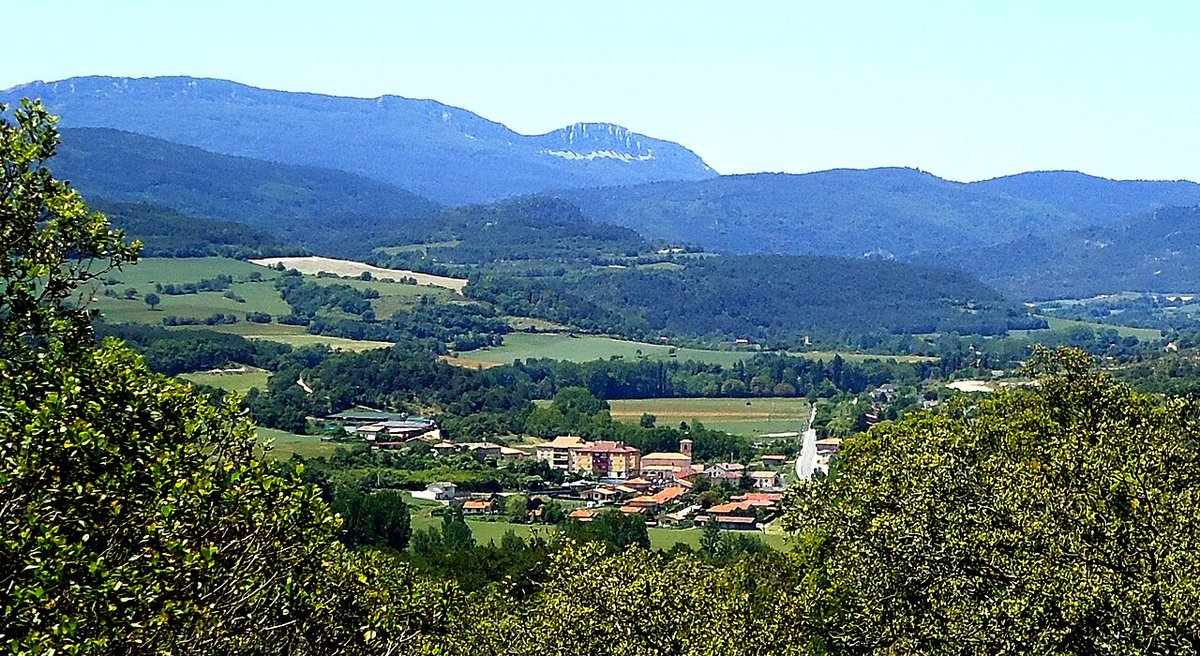
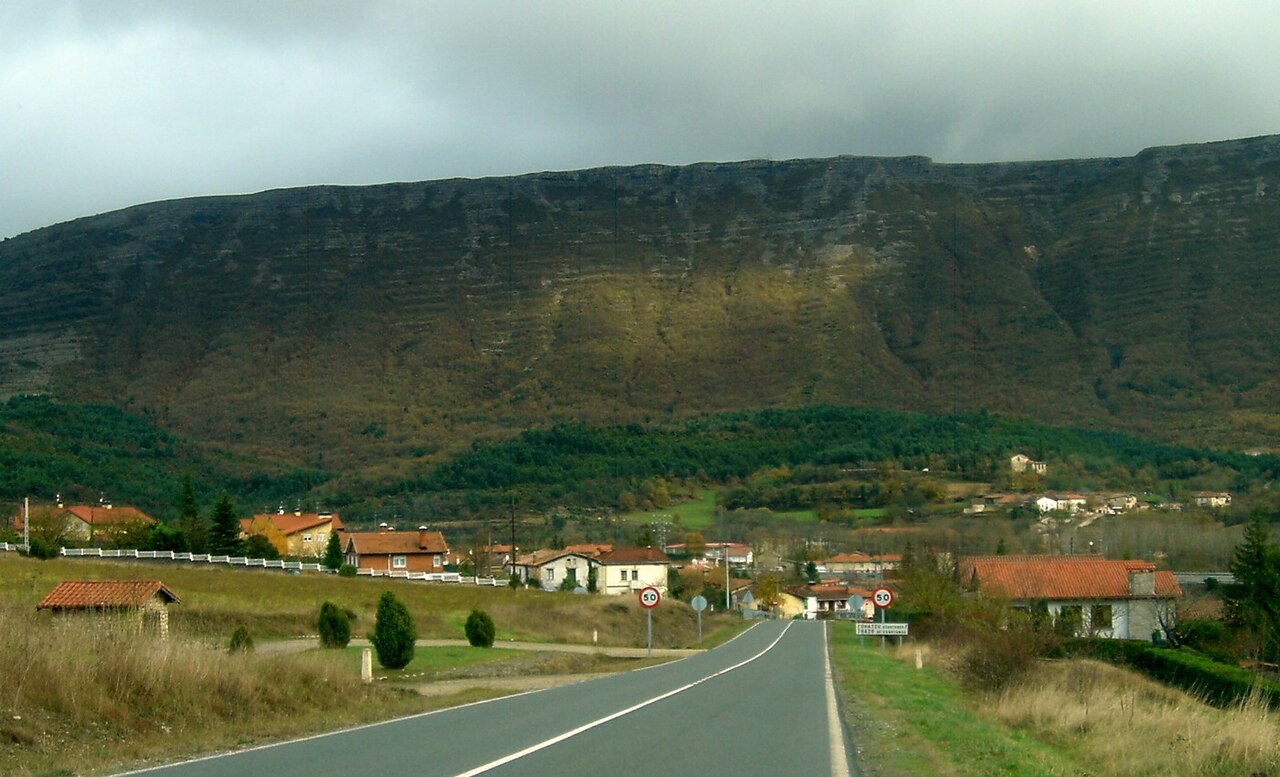
Deep green, farmhouses and nearby mountains with trails and viewpoints.
Hide article Read full article
Zanbrana, or the art of doing nothing much
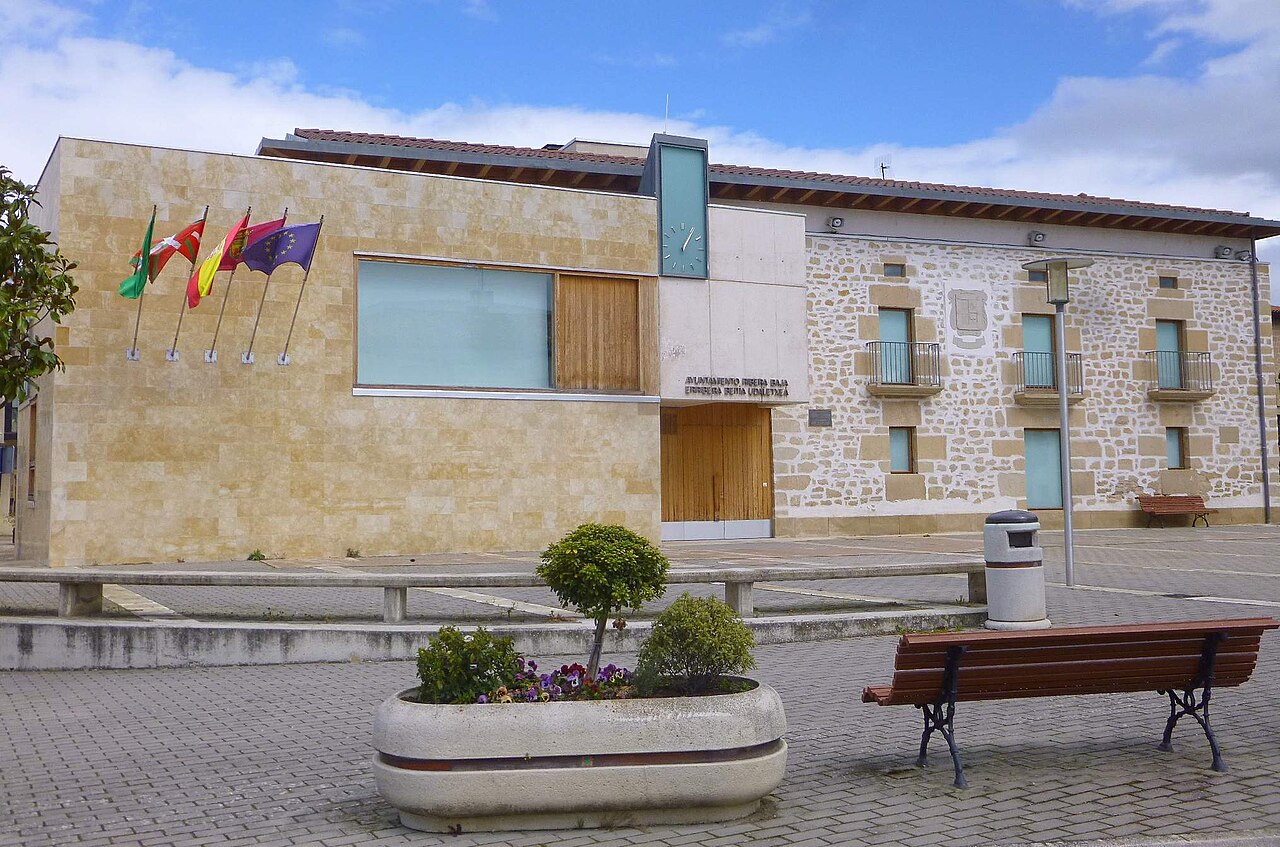
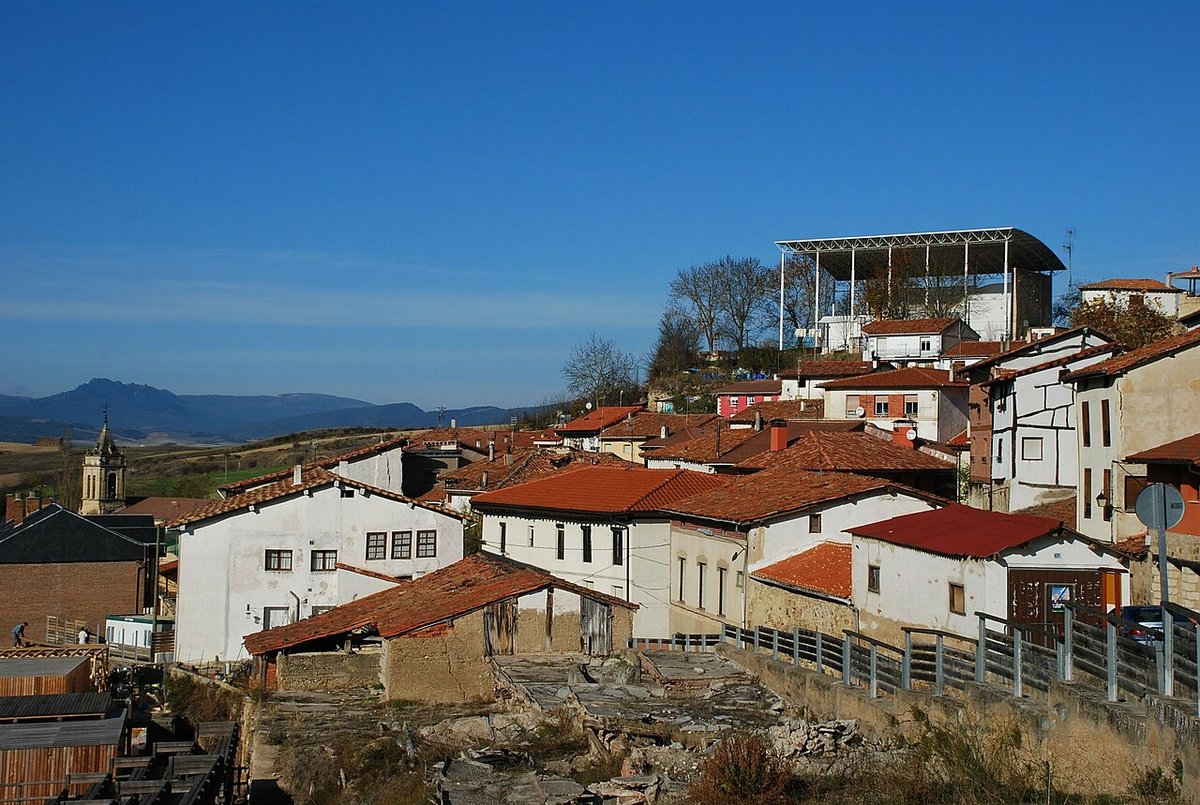
You know that feeling when you drive into a village and the only thing moving is a cat crossing the street? That’s Zanbrana on a Tuesday afternoon. It’s not sleepy, exactly. It’s just… living. You park, get out, and immediately your brain switches from ‘what’s next on the list’ to ‘oh, right, we’re just here’. This little spot in Álava’s Cuadrilla de Añana, with its four hundred and something souls, is the antidote to overplanned travel.
Start with a walk that goes nowhere special
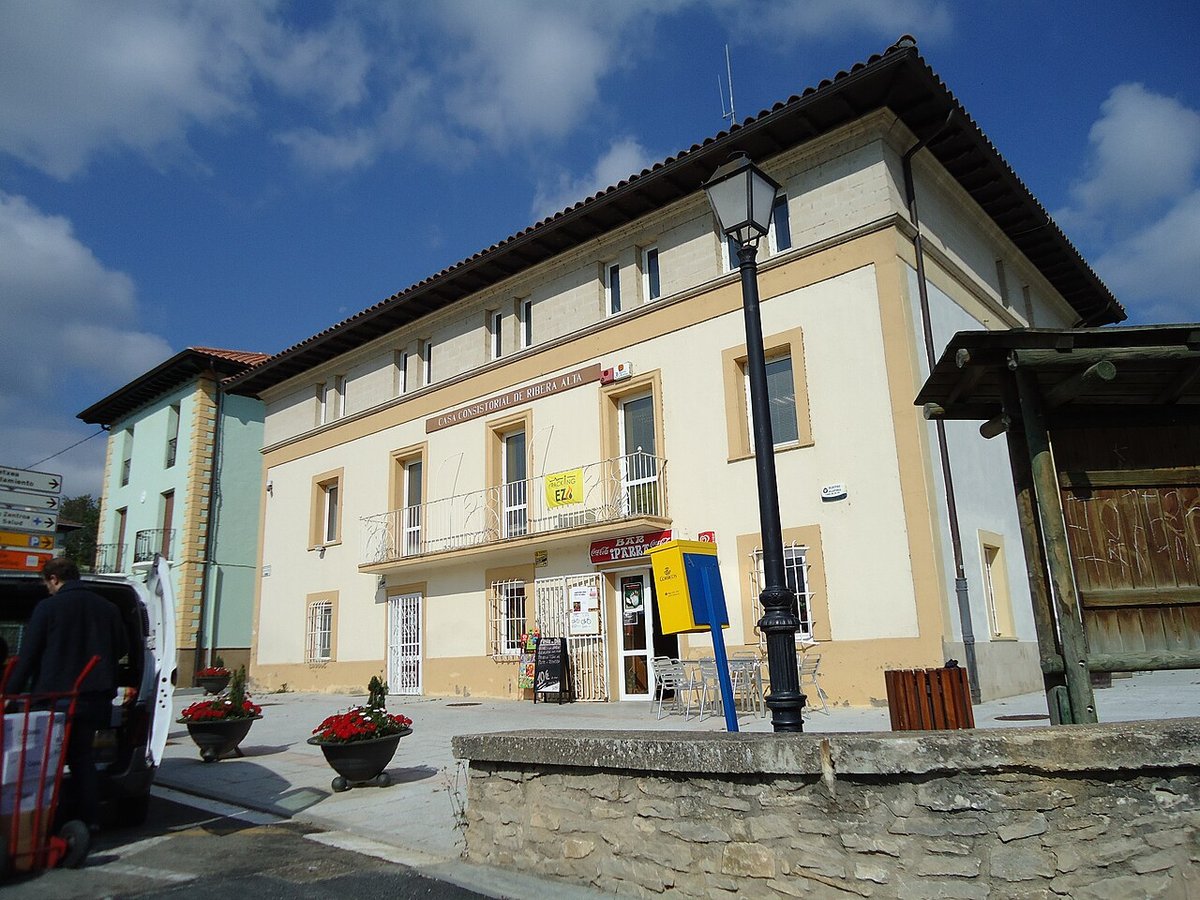
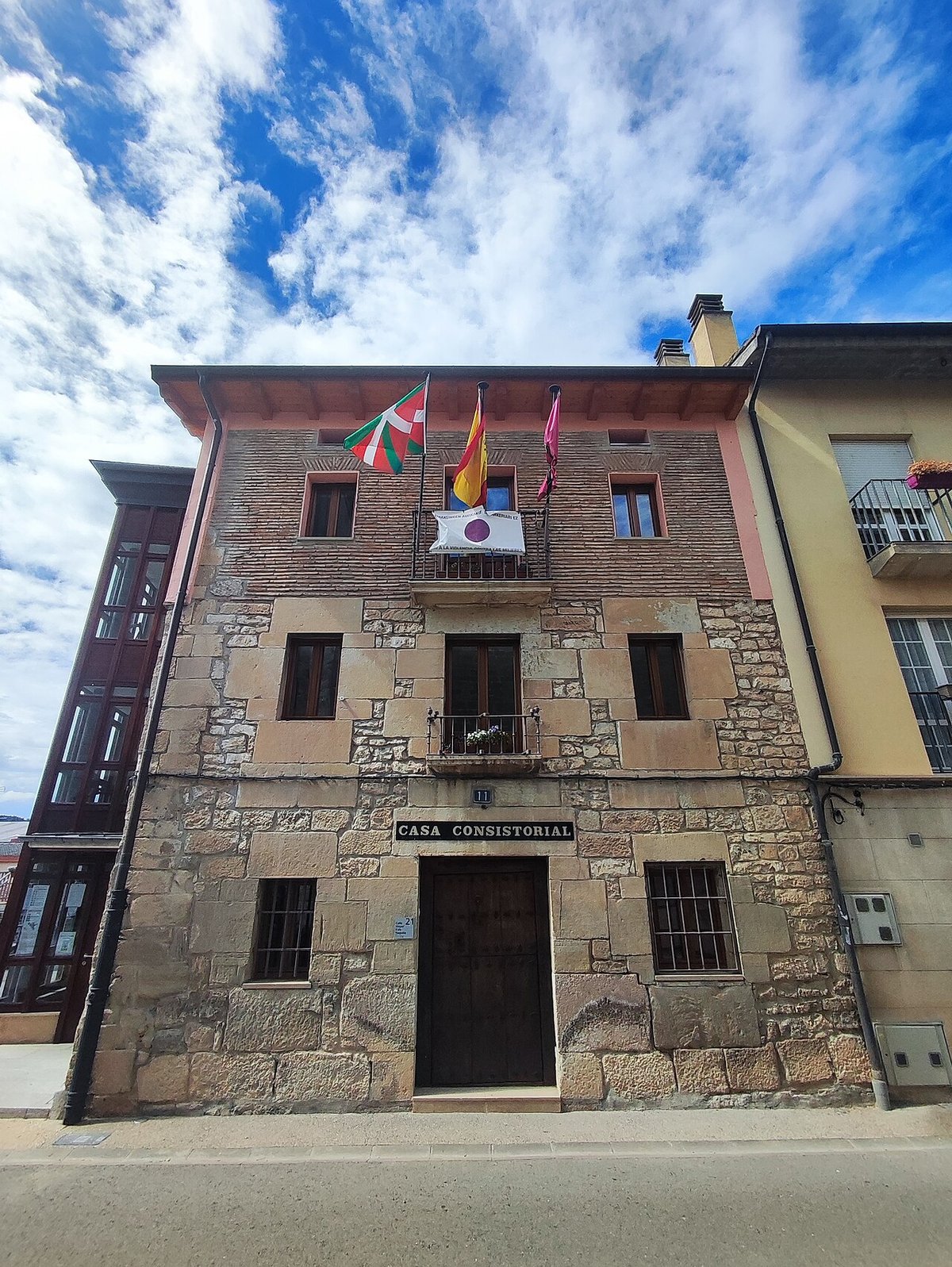
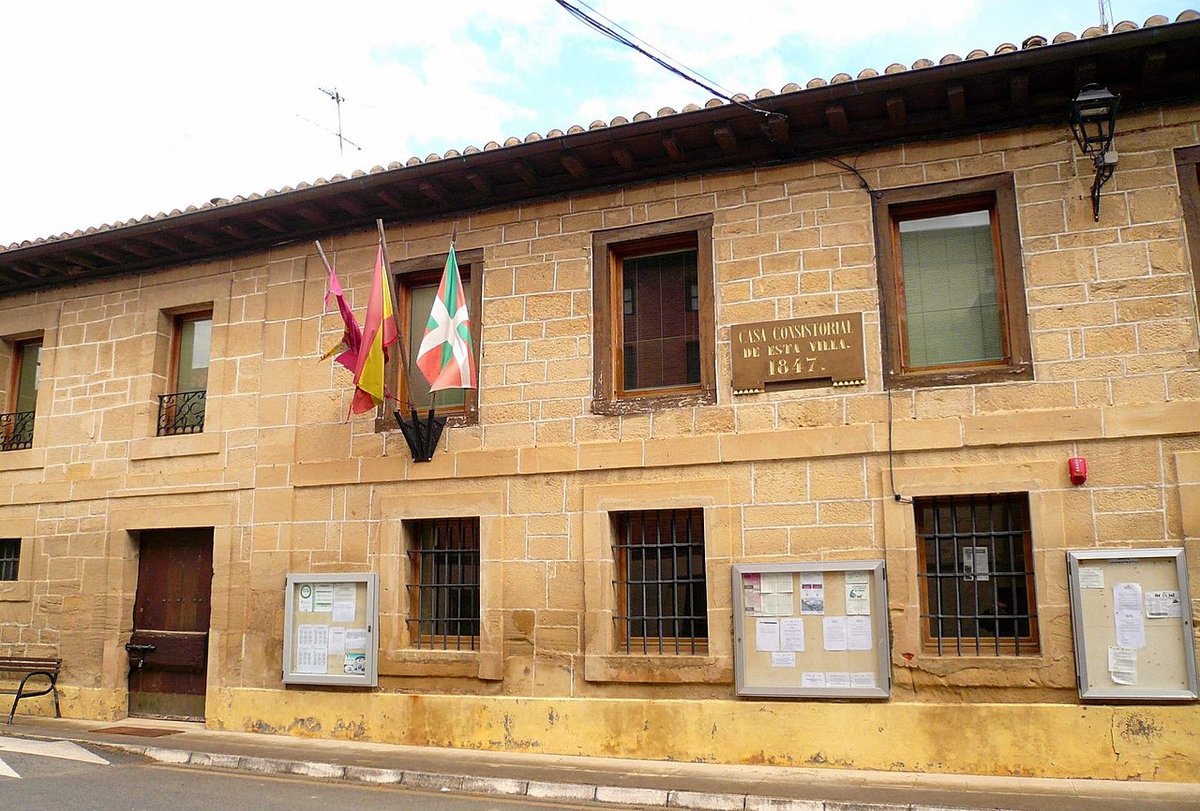
My advice? Don’t look for a route. Just amble up the main street. You’ll pass houses with geraniums, hear a TV through an open window, maybe nod at someone coming out of the grocery shop. The goal isn't to reach a monument; it's to reset your pace to theirs.
You’ll inevitably end up at the frontón, the pelota court. In villages this size, it's the social hub. You might catch a couple of kids whacking a ball, or a group of older folks leaning against the wall, solving the world's problems. It's as Basque as rain in November.
The quiet anchor: San Juan Bautista church
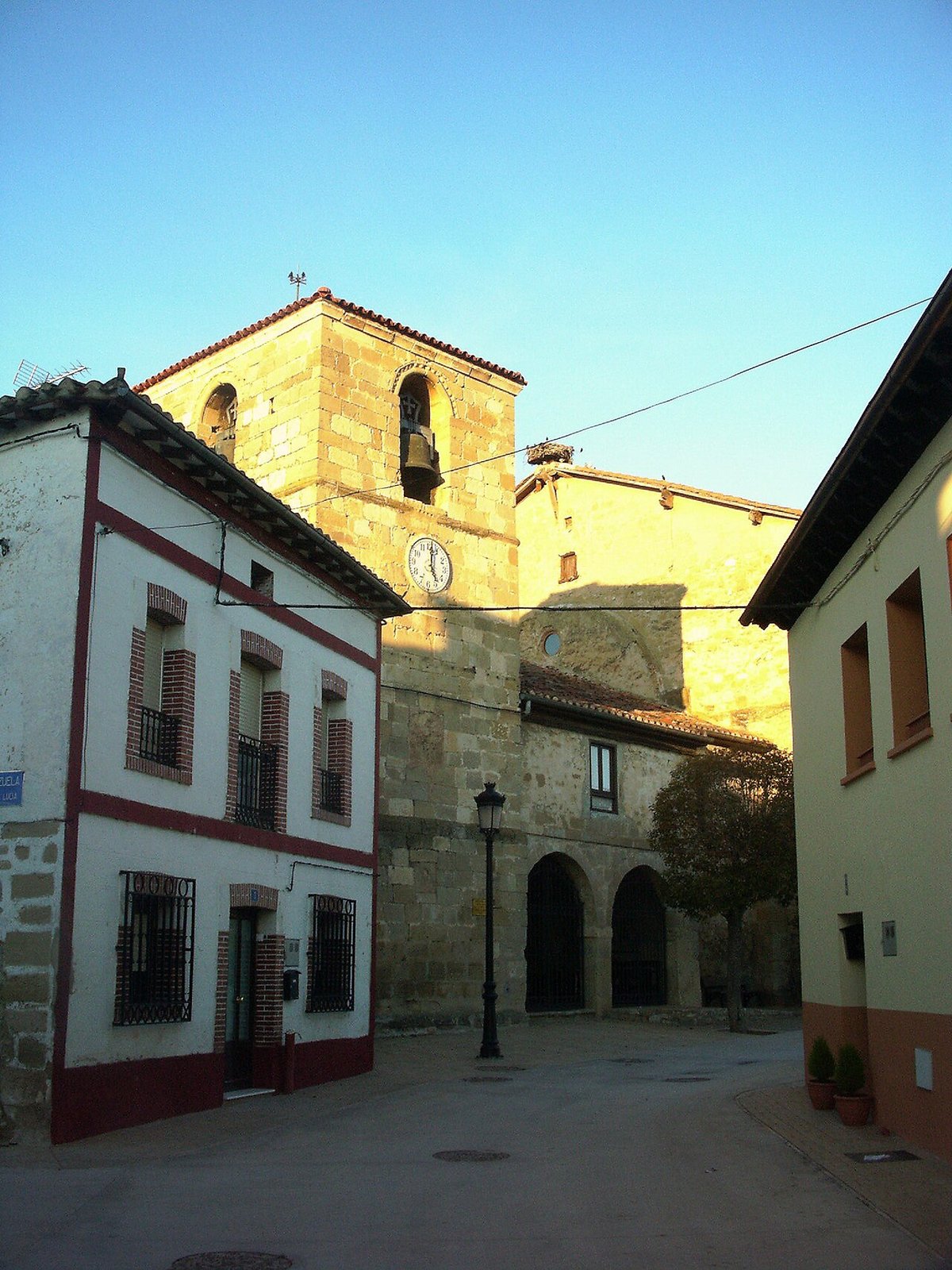
On one edge of town sits the church of San Juan Bautista. It's built from that sturdy, no-nonsense stone you see all over here. The door is often unlocked.
Go in. It won't blow your mind with frescoes. What you get is a working parish church—polished pews, faint smell of wax, maybe some fresh flowers by the altar. It feels cared for, which tells you more about the place than any guidebook plaque.
Where the village blurs into garden plots
Walk five minutes in any direction and the pavement gives way to something better: vegetable gardens. They're hemmed in by those dry-stone walls that look haphazard but have been standing for ages.
This is where Zanbrana breathes. In spring, it's all neat rows of green; in late summer, tomatoes sagging on their vines. You'll hear chickens and smell turned earth. It's not pretty-pretty; it's practical and alive.
Tracks for getting properly lost (in a good way)
The paved road becomes a dirt track, then a path worn into the grass by boots and tractor tires. These aren't official hiking routes with signposts. They're just how people get to their fields or go for an evening stroll.
Follow one. They roll out into this open landscape of fields and low hills. Keep walking and you'll hit views where you can see for miles, or find yourself down by the Bayas river, which is more of a cheerful stream here. You don't need boots—just shoes you don't mind getting dusty.
Making an hour feel like enough
Let's be clear: Zanbrana isn't an all-day affair unless you bring a book and a serious commitment to sitting on a bench.
It works perfectly as a pause. Drive here mid-morning. Walk through the village, pick a track out into those fields for forty minutes, circle back. If you're on a bike, these farm lanes are your playground—just watch for the occasional slope that looks friendly but has real legs.
The rhythm is what you take away: slow, seasonal, utterly unconcerned with whether you're impressed or not. You leave feeling like you didn't so much visit as briefly tune into a different frequency