Murga (Ayala-Aiara)
País Vasco · Atlantic Strength

Aiara (Ayala)

The road signs say Respaldiza, but your sat-nav insists you're already *in* Aiara. Both are right, sort of. This Basque municipality isn't a villag...

2,921 inhabitants · INE 2025
325m Altitude

Why Visit

Main square Walks

Best Time to Visit

spring

Things to See & Do
in Aiara (Ayala)

Heritage

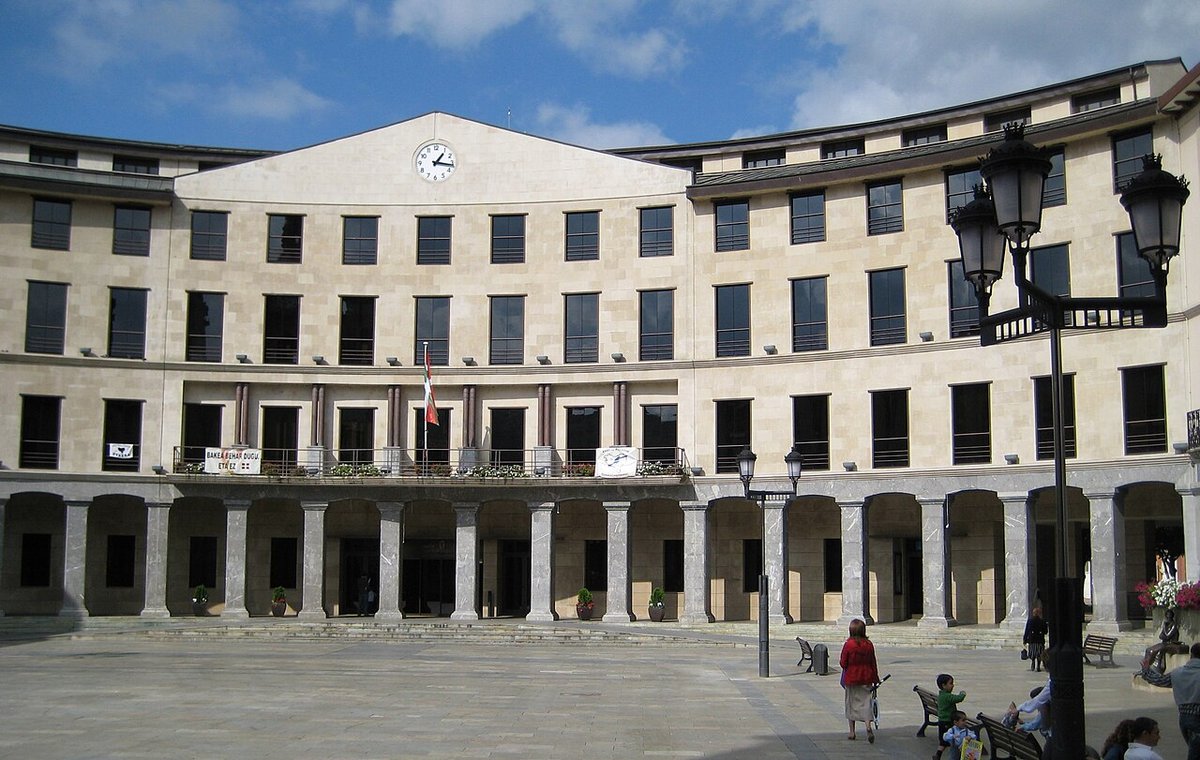
  • Main square
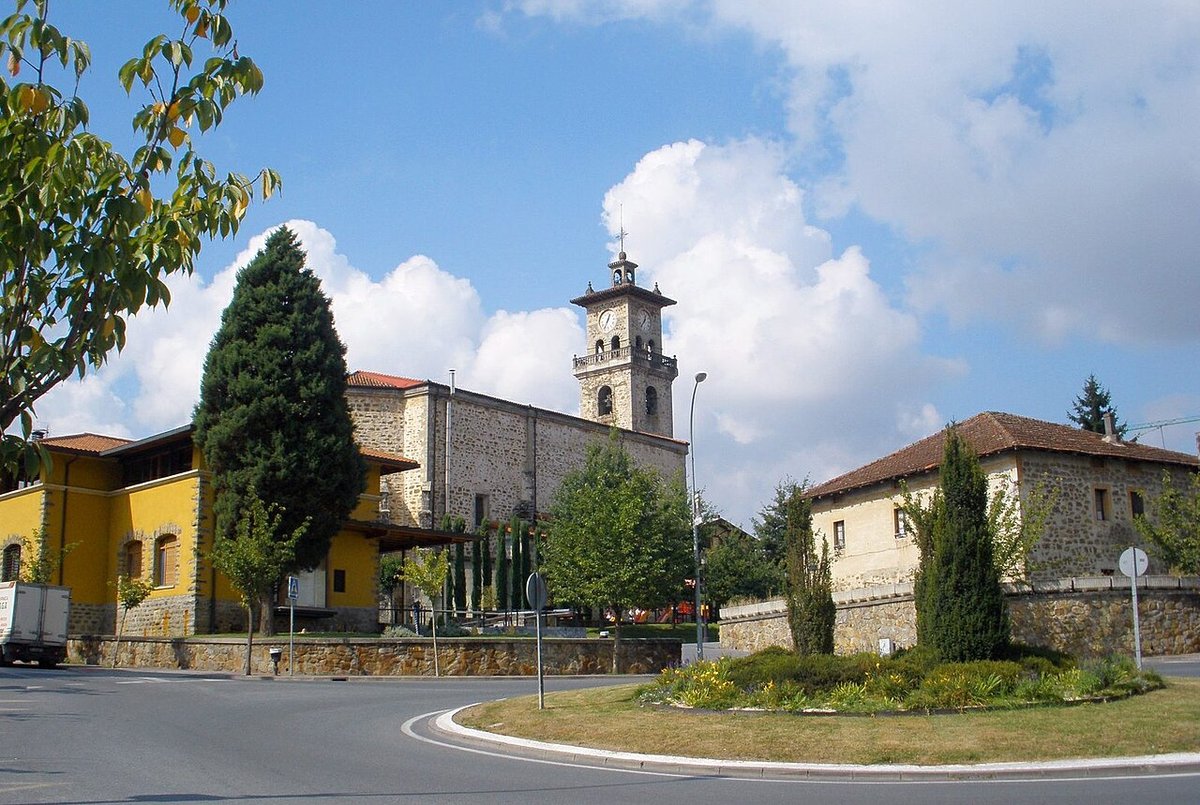
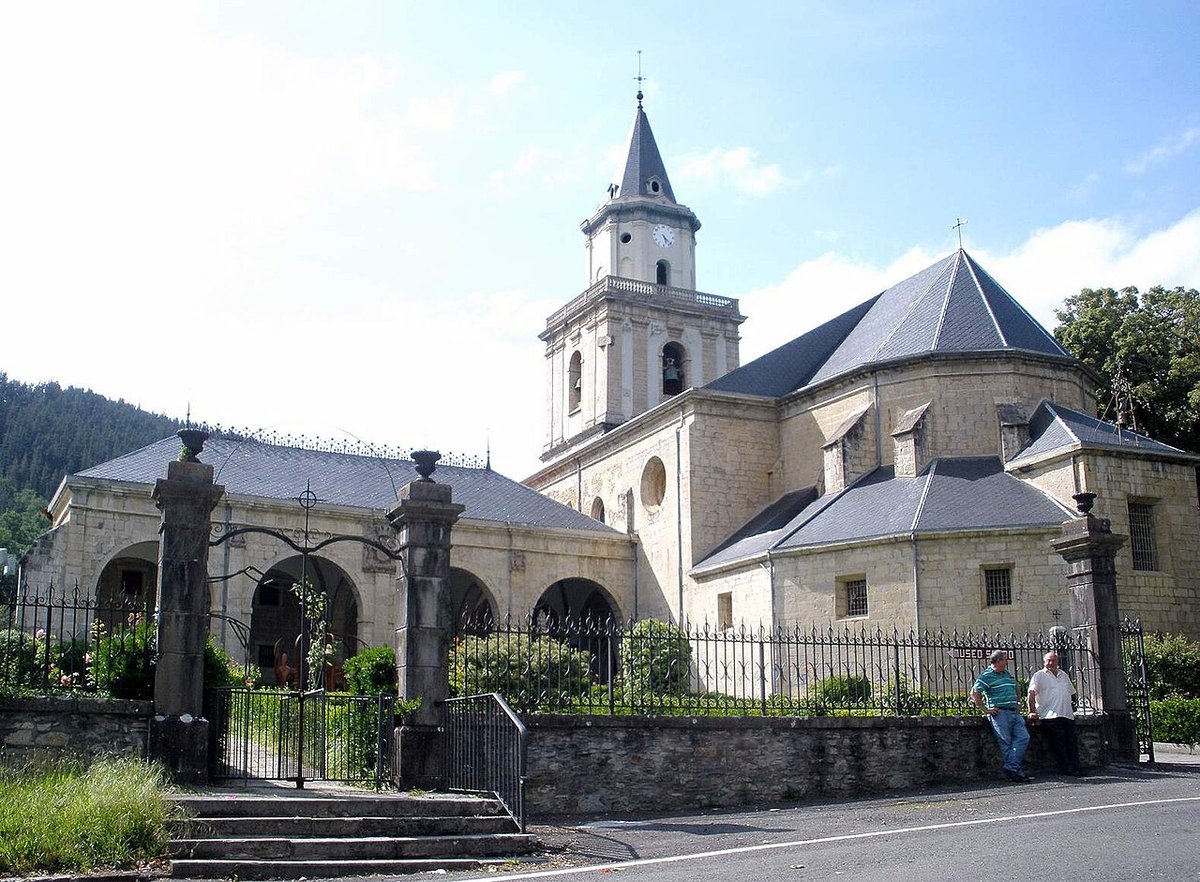
  • Parish church
  • Viewpoint

Activities

  • Walks
  • Markets
  • Local food
  • Short trails

Full Article
about Aiara (Ayala)

Stone, history and Atlantic landscape in the Basque interior.

Ocultar artículo Leer artículo completo

The road signs say Respaldiza, but your sat-nav insists you're already in Aiara. Both are right, sort of. This Basque municipality isn't a village in the British sense—no duck pond, no war memorial, no single high street for the bus to turn around in. Instead, it's a scatter of stone farmsteads strung along 200 square kilometres of valley and ridge at 500 metres above sea level. Accept that and the day begins to make sense.

Why the Valley Clock Runs Slow

From Bilbao airport the drive takes fifty minutes on the A-8, then another fifteen weaving south on the A-625. The last stretch climbs so gently you barely notice the temperature drop three degrees. Oak and beech replace the coastal eucalyptus; stone walls appear, thick enough to seat a sheep. By the time you reach the first stone crucero—an 18th-century wayside cross—you've entered a landscape designed for oxen, not hatchbacks.

Distances deceive. On the map the hamlets look touching: Respaldiza, Menagaray, San Vicentejo. In reality each sits at the bottom of its own side valley, linked by lanes barely wide enough for a tractor and a Fiesta. Allow twenty minutes to drive what the atlas swears is four. The upside is that every bend reveals a different micro-climate: mist pooled in one hollow, gorse blazing with sun in the next.

What You're Actually Looking At

Park on the rough ground beside Respaldiza's fronton (the Basque pelota court doubles as village noticeboard). Walk five minutes up the lane signed 'Caseríos' and the valley floor drops away. Meadows are cut in strips, the hay already rolled into plastic cocoons that glint like modern sculpture. Buzzards wheel overhead; a combine harvester the colour of ox blood idles by the verge. No ticket office, no interpretation board—just the smell of diesel mingling with wet grass.

The churches won't demand attention; they earn it. Santa María in San Vicentejo stands locked most weekdays, but the key hangs on a nail inside the bar opposite (order a cortado to make the transaction polite). Inside, the nave is dim, the air thick with incense and mouse. The altar retablo, carved from walnut hauled down these same slopes, still carries traces of gilt. Light a candle—€1 in the honesty box—and the stone warms to honey.

Keep driving, or better, cycle the lane south-east toward Artziniega. The gradient is kind, the tarmac silky. After three kilometres a lay-by opens onto a hair-pin: park, walk twenty metres through beech, and the Nervión valley appears 300 metres below, a silver thread sewing the mountains together. You've gained another 150 metres without noticing; the temperature has fallen another two. In July that's welcome. In January it means ice.

Eating on Basque Time

Lunch is non-negotiable timing. The only public restaurant in the municipality is the asador attached to the Rincón de Aiara hotel in Menagaray. Menu del día runs 13:30-15:00; arrive at 15:15 and you'll be offered crisps and condolences. The €15 three-course set might start with a bowl of alubias de Álava—white beans cooked with chorizo made from pigs that grazed the slopes you drove past—followed by txuleton, a rib-eye that hangs in the kitchen for forty days. Vegetarians get an enormous pisto (think Spanish ratatouille) and the same chips everyone else enjoys. House wine comes from Rioja Alavesa, twenty-five minutes south; the bottle arrives with the foil already cut, as if you've been here before.

Outside those hours your options shrink to the bar in Respaldiza, where the bocadillo list is short and honest: chorizo, tortilla, anchovy. A can of Basque cider costs €2.80 and arrives so cold it fogs the glass. The television mutters in euskera; no one checks the football score because they're outside playing it on the fronton.

When the Weather Writes the Itinerary

Spring and autumn reward the planner who packs both T-shirt and fleece. April mornings can begin at 6 °C, climb to 22 °C by lunch, then dive again at dusk. Early May brings luminous green after overnight rain; the hay is still short enough to see hares sprinting. October reverses the palette: beech turns copper, mornings smell of woodsmoke, and the valley fills with low cloud that burns off by eleven. Photographers should aim for the first or last hour; midday flattens everything into khaki.

Summer is rarely stifling—altitude sees to that—but August weekends draw families from Vitoria and Bilbao. The lane to the mirador becomes a procession of SUVs. Come mid-week and you'll share the view only with grazing horses. Winter is honest: if Atlantic storms sweep in, the higher lanes ice over and the council closes them without fuss. A dry February day, however, delivers razor-sharp visibility; the Sierra Salvada gleams white thirty kilometres north and the only sound is your boots on frozen puddles.

The Practical Bits That Matter

A hire car is almost obligatory. The single ALSA bus from Amurrio reaches Respaldiza at 07:35 on school days and returns at 14:00; miss it and you're walking thirteen kilometres along a road with no pavement. Fill the tank in Amurrio—Aiara has no petrol station. Mobile coverage is patchy between hamlets; download offline maps before you leave the airport.

Boots aren't strictly necessary for valley rambles, but soles with grip are. A morning shower turns limestone into soap and farm tracks into chocolate mousse. Take a light waterproof even in July; Atlantic clouds can materialise in minutes. If you plan proper mountain walking—south to the Salvada ridge, north to the Iturrieta pass—carry water; fountains exist but farmers switch them off during drought.

Accommodation totals four options. Rincón de Aiara has seven rooms from €85 including breakfast (expect home-made sponge cake). Ten minutes away, Casa Rural Urigoiti offers a small pool and garden views from €95. Most visitors base themselves in Amurrio where the three-star Hotel Amurrio has doubles for €70 and a supermarket next door. Airbnb lists two village houses in Respaldiza; both are spotless, but check whether heating is by oil (expensive) or wood (cosy).

Leaving Without a Checklist

Aiara won't suit the tick-box traveller. There is no single Instagram frame, no gift shop selling tea towels. What it offers instead is a working valley where the 21st century arrives by tractor rather than fibre-optic. Drive slowly, pause often, and the place begins to speak: in the slam of a pelota ball, in the smell of new-mown hay, in the way the light shifts when cloud shadows race the fields. Turn the car around at the next crucero and the valley looks different again—proof that maps lie, and landscapes, if you let them, tell the truth.

Key Facts

Region
País Vasco
District
Cuadrilla de Ayala
INE Code
01010
Coast
No
Mountain
No
Season
spring

Livability & Services

Key data for living or remote work

2024
ConnectivityFiber + 5G
Housing~5€/m² rent · Affordable
Sources: INE, CNMC, Ministry of Health, AEMET

Official Data

Institutional records and open data (when available).

  • Palacio de los Ayala
    bic Monumento ~1.4 km
  • Torre de Negorta
    bic Monumento ~3.7 km
  • TORRE DE COZUELA
    bic Castillos ~6.1 km

Planning Your Visit?

Discover more villages in the Cuadrilla de Ayala.

View full region →

More villages in Cuadrilla de Ayala

Traveler Reviews