Full Article
about Amurrio
Stone, history and Atlantic landscape in the Basque interior.
Ocultar artículo Leer artículo completo
The 10:15 coach from Bilbao pulls in beside a tool-hire depot, not a stone cloister. Passengers step down into morning light that smells faintly of welding and fresh bread. This is Amurrio, a town of 10,000 that refuses to dress up as anything else. The high street has three banks, two iron-mongers and a shop that still mends vacuum cleaners. Tourism is tolerated, not choreographed.
Yet the place is useful. Wedged between the A-68 and the N-622, it gives drivers an honest bed at half the price of Bilbao and a back-door route into the Ayala valley. Walk five minutes from the bus stop and you’re among cow pastures; drive thirty and you’re staring into a 270-metre gorge where the Nervión river leaps off a cliff. That waterfall – Salto del Nervión – is the reason most foreigners stop at all, but they often mis-time it. Come August and the cascade can be reduced to a silver thread; visit in March after Atlantic storms and the valley fills with a distant thunder you can feel through the soles of your boots.
A town that clocks in
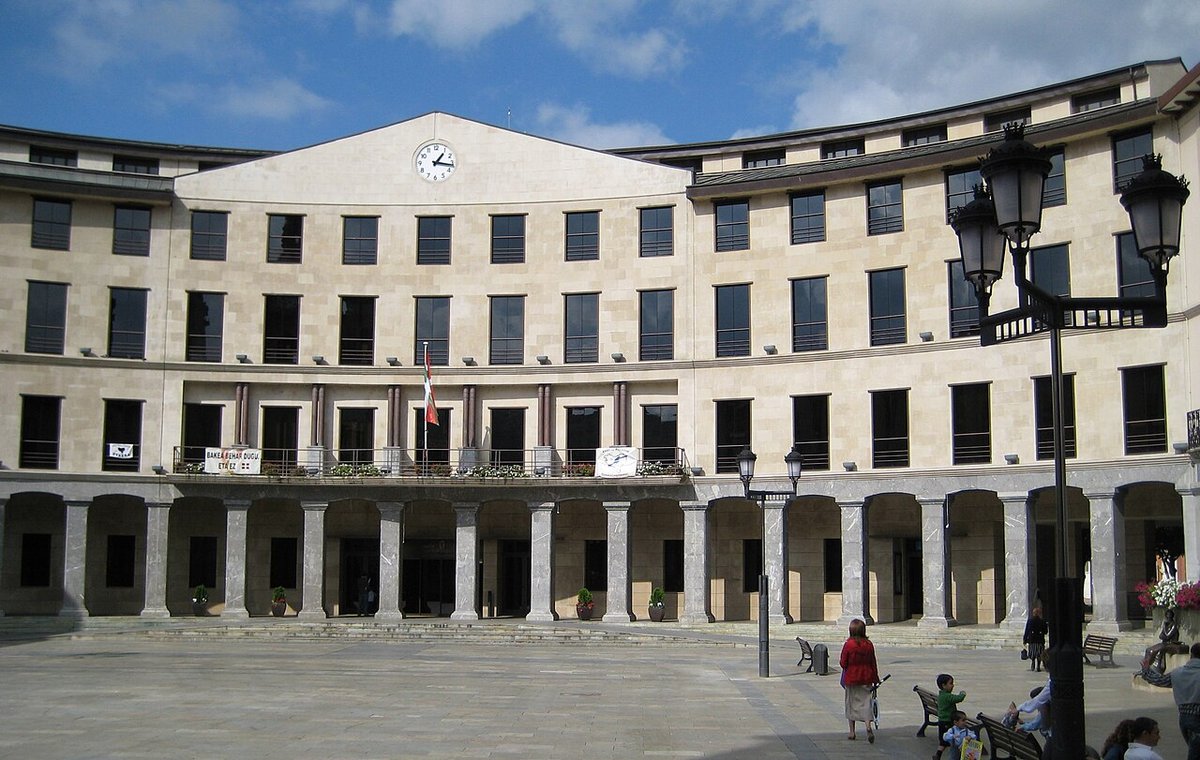
Amurrio grew on steel and livestock feed, not souvenir shops, and the shift siren still marks midday. The compact centre, called simply “el casco”, is a grid of nineteenth-century townhouses with carved balconies and the occasional family crest – evidence of profits made when Basque iron foundries fed European railways. Nothing is pedestrianised, so delivery vans nudge past walkers at twenty miles an hour. Parking is free on the western ring-road; from there it’s a flat four-minute stroll to the main square, Plaza de San Antón, where elderly men in berets occupy the same bench every morning and regard strangers with benign curiosity.
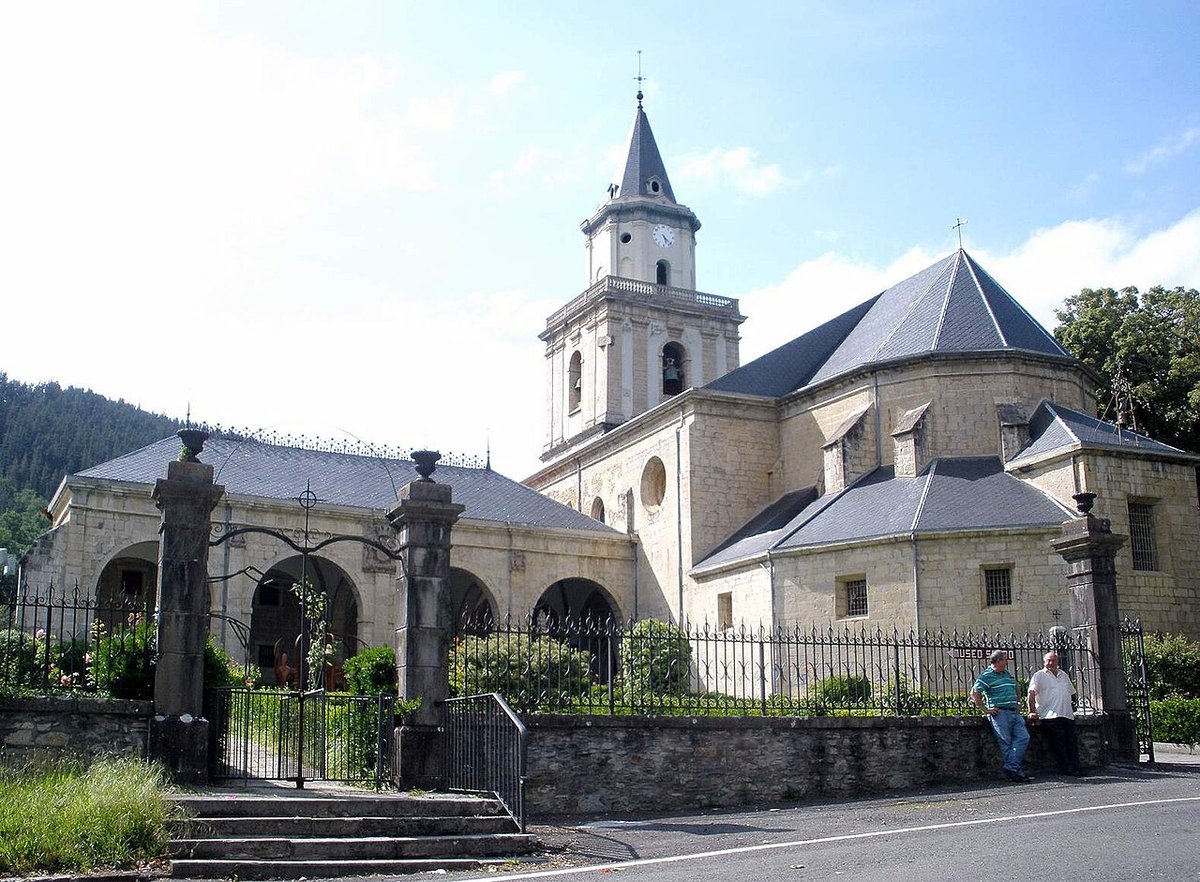
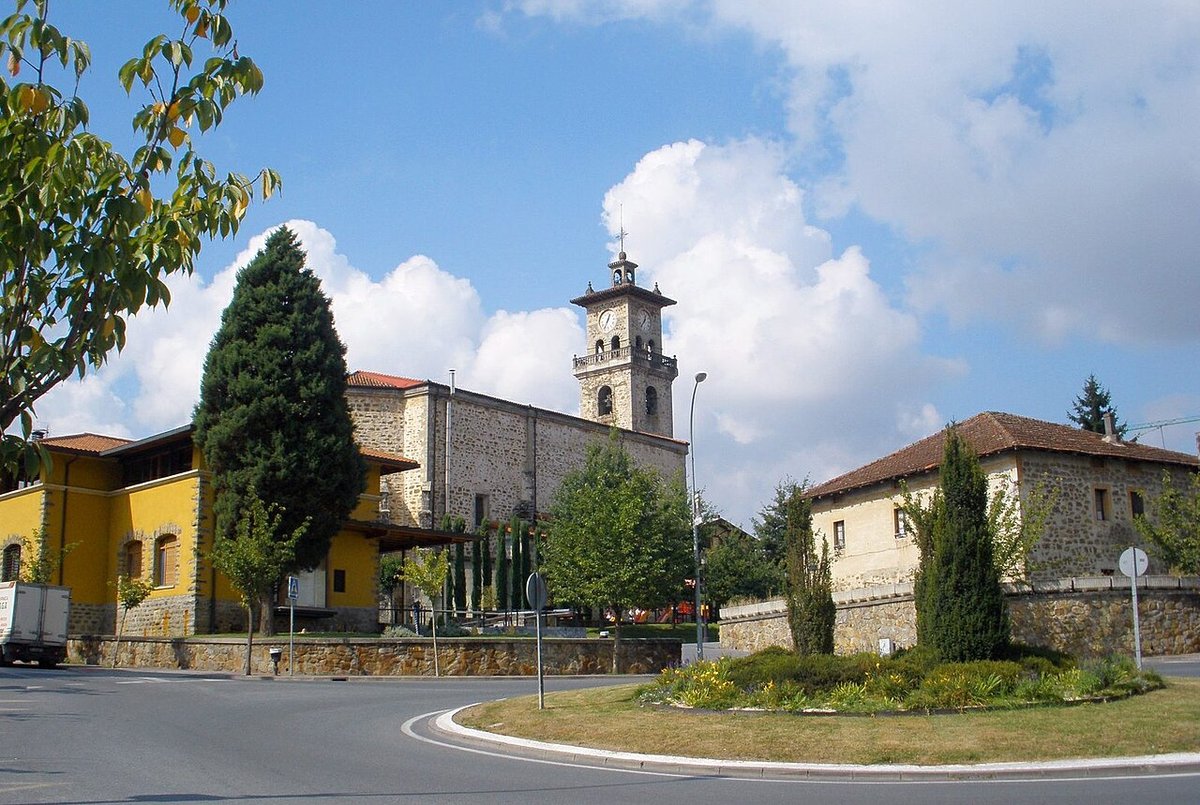
The church of Santa María dominates the skyline – a sandstone block rebuilt in the 1950s after civil-war damage. Step inside and the air is cool, faintly incense-sweet; the altarpiece is plain, almost Lutheran, a deliberate break from the gilt excess found closer to the coast. Mass is still in Basque on Sundays; visitors are welcome but the priest races through the liturgy at commuter speed, so sightseeing needs to be discreet.
Beyond the church the shopping streets shrink to alleys where houses back straight onto pasture. Turn any corner and you’ll find a txoko – a gastronomic society – its windowless door giving nothing away. Members (overwhelmingly male) cook elaborate dinners for one another; tourists can’t simply walk in, but if you befriend a local you might be invited to try txipis (baby squid) stewed in their own ink, or a chuletón – a T-bone that covers the grill. The town’s best commercial version is served at Asador Arriaga on Calle Fermín Gurbindo: one kilo for two, salted only at the end, carved at the table and priced around €48. Ask for it “poco hecho” if you dislike the customary blue-rare.
When green turns grey
The surrounding hills rarely top 800 m, but the Atlantic weather lands fast. One moment the valley glows an almost lurid green, the next it disappears inside a rolling cloud that smells of wet fern. Footpaths radiate from the edge of town; the most reliable is the riverside walk to Llodio, flat and paved for the first 3 km, then narrowing into a muddy track where herons stand mid-stream. After rain the clay sticks like brick mortar; wear something sturdier than city trainers. Locals judge distance in minutes, not kilometres – double their estimate if the grass is knee-high.
Mountain bikers use the old mining lanes that zig-zag above the railway. The gradients look gentle on the map but they bite after the third consecutive climb; hire bikes at the Eroski shopping-centre kiosk (€18 a day) and ask for the GPS tracks – paper maps don’t mark private estates where dogs roam loose. Winter rides end early: the sun drops behind the ridge at four o’clock and the temperature follows fast, dropping six degrees in twenty minutes.
Water, or the lack of it
Salto del Nervión lies 18 km south-east by a narrow road that switchbacks through beech woods. The viewpoint sits on the Burgos provincial border; on windy days you can stand with one foot in Castilla y León, the other in the Basque Country. Approach from the Delika car park for a 40-minute downhill hike; the return climb is steep enough to make casual smokers reconsider tobacco. Check the flow online before you set off – the dam upstream is released only when reservoir levels permit. British number-plates in the car park are a giveaway that the fall is pumping; if the only vehicle is a Basque farmer’s pickup, temper expectations.
Should the cliff be dry, fallback is the Delika canyon loop: a shaded 5 km circuit through holm oak and abandoned lime kilns, safe for children and dogs. The path ends at an iron footbridge where vultures circle at eye level; bring binoculars and a sandwich because the nearest bar is back in the village and it closes at 15:00 sharp.
Eating around the clock
Basque cuisine is famous, yet Amurrio keeps prices tethered to local wages. Breakfast is a cortado and a buttered bollo (sweet bun) at Cafetería Aurrera – total €2.30 if you stand at the bar. Lunch menus hover around €12 Monday to Friday and include wine; most kitchens shut by 15:30, so late arrivals eat pintxos standing. Evening tapas start at 20:00, later than Brits expect; Bar Aurrera lines the counter with montaditos of tortilla, anchovy and guindilla pepper – manageable introductions for timid palates. Vegetarians survive on grilled peppers and the ubiquitous tortilla; vegans should head to the Eroski supermarket which stocks Alpro and a respectable “sin gluten” section.
Sweet-toothed visitors track down pastel vasco – almond pastry filled with custard or cherry – at Pastelería Ilusión on Calle San Antón. The owner speaks fluent English learnt during a season in Slough; she’ll wrap slices for the coach if you ask before 13:00, after which the shop shuts for siesta.
What shuts, and when
Spanish timetables still rule. Banks open 08:30-14:00; the tiny tourist office beside the theatre operates Tuesday to Friday, mornings only. Sunday is a ghost town – even the bakery shutters at noon. Plan ahead: if you arrive on a weekend without a hotel booking, the reception at Hotel Amurrio is staffed 24 hours, but the attached restaurant won’t serve dinner after 22:00. Rooms are clean, wi-fi reliable, doubles from €55 including a perfectly adequate buffet breakfast (packet orange juice, strong coffee, cheese that tastes of something).
Fiestas flip the routine. Mid-August brings the patronales: brass bands, fun-fair rides wedged into the main road, and firework rockets let off at 07:00 because tradition trumps lie-ins. Accommodation sells out months ahead; visit earlier in the summer and you’ll share the square with pensioners playing mus (a Basque card game) and teenagers practising bertsolaritza – improvised sung verse that sounds like rap delivered by a farmer.
Worth the detour?
Amurrio will never compete with San Sebastián’s Michelin constellation or Bilbao’s titanium museum, and that is precisely its appeal. It delivers a functioning Basque town where real life leaks into the street: delivery vans, schoolchildren chatting in Euskara, butchers who know which farm their beef came from. Use it as a cheap crash-pad between flights, a launch-point for the waterfall, or simply a place to sit with a €1.20 coffee and watch a culture that hasn’t been curated for export. Stay longer than a day and you’ll start recognising the same faces on the same benches; leave after one night and you’ll still have change from a fifty.