Full Article
about Artziniega (Arceniega)
Stone, history and Atlantic landscape in the Basque interior.
Hide article Read full article
Early Light on the Old Streets
At first light, when the air still comes down cool from the slopes of Ayala, the stones of Artziniega’s old quarter take on a muted, almost metallic sheen. Calle Mayor is nearly silent. A shutter lifts somewhere, a heavy door opens, footsteps echo on damp cobbles. At that hour the village unfolds slowly, without traffic or voices to interrupt it.
The historic centre covers only a handful of streets that curl around the main square. Many houses combine dark stone on the ground floor with timber framing above. Look closely at the façades and worn coats of arms begin to appear, some so eroded that their figures are hard to make out. For centuries, Artziniega served as a small point of passage between the Cantabrian coast and the inland areas. That role still shows in the oldest houses, built by families whose lives were tied to trade and the movement of goods.
The Square and the Church of the Asunción
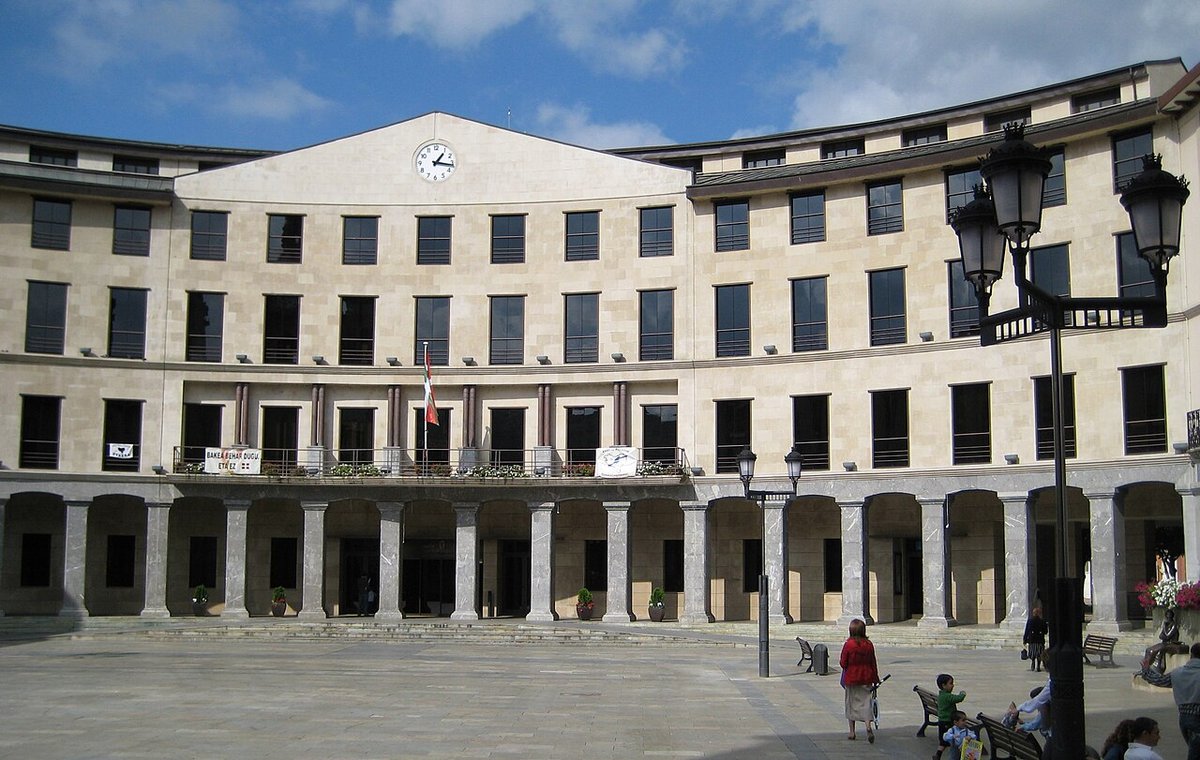
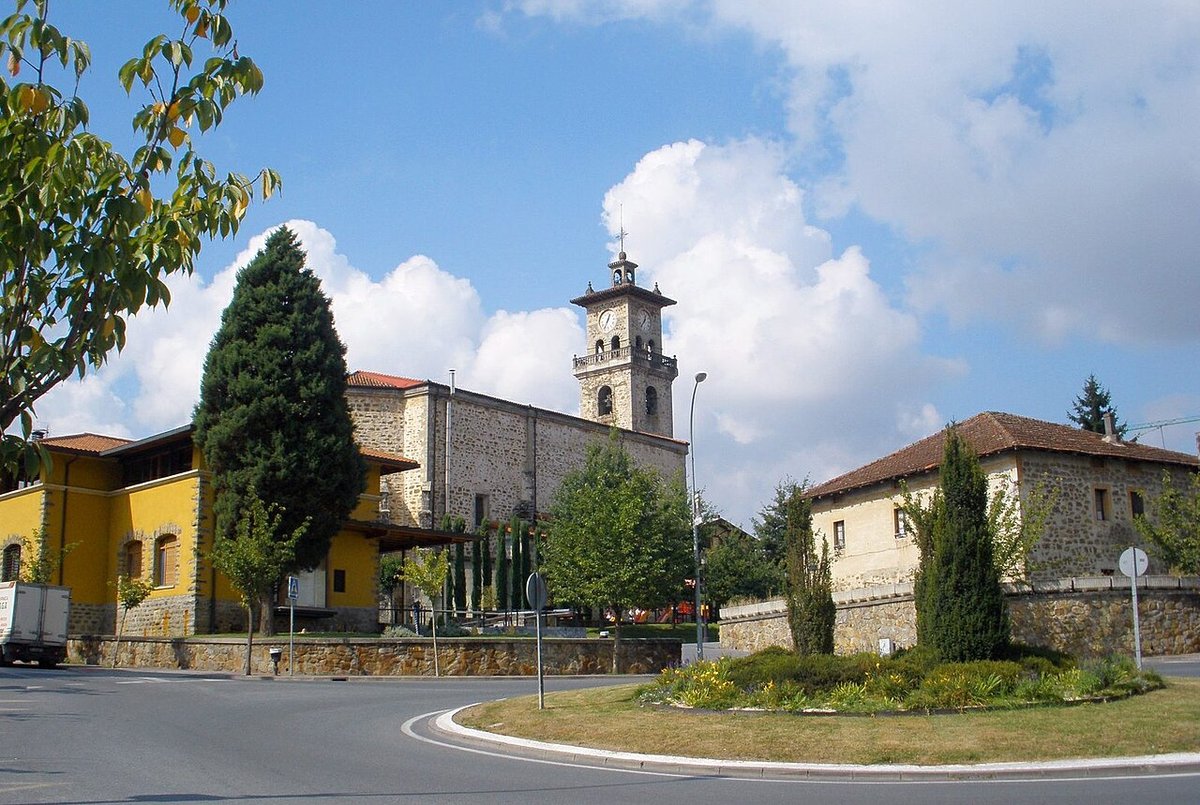
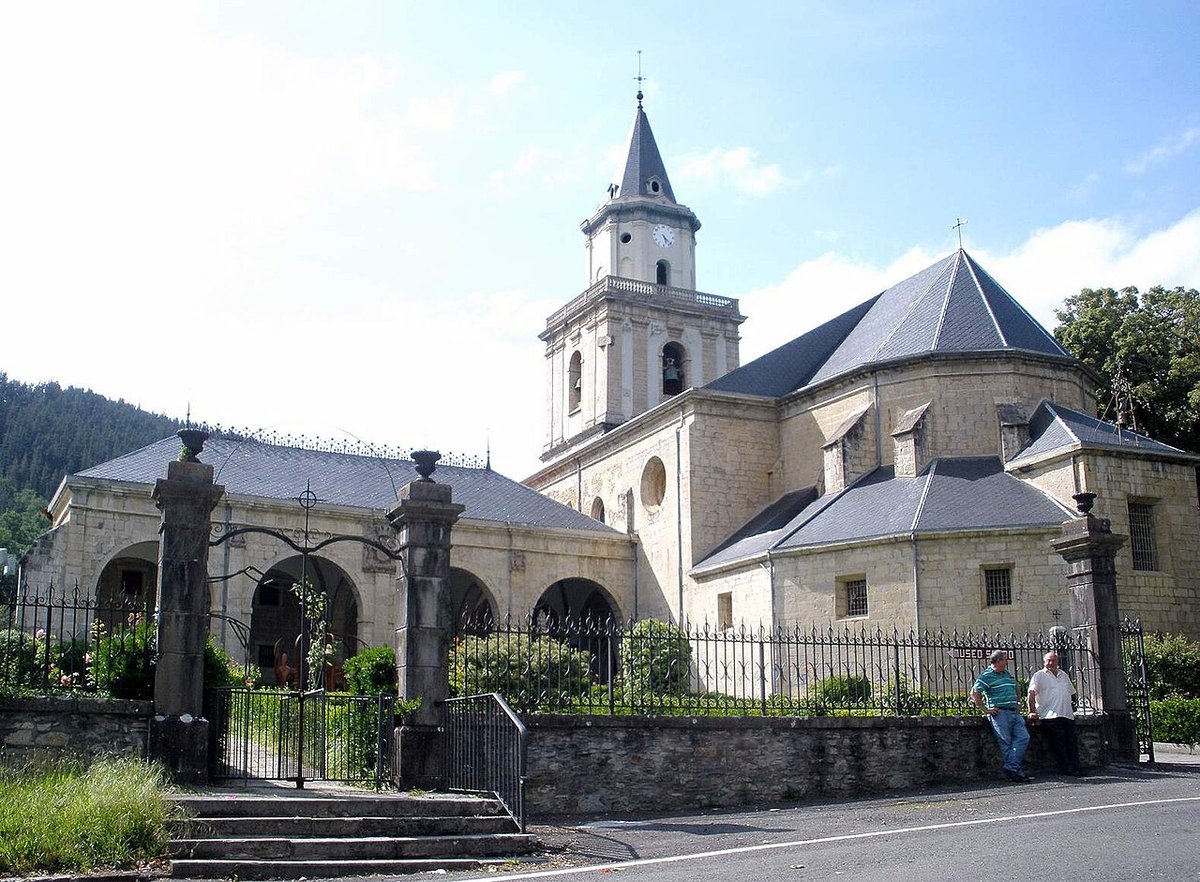
The main square is modest and rather restrained. The Church of the Asunción stands there, a stone building constructed between the late Middle Ages and the early Modern period. Its entrance is simple, with a rounded arch, while inside there are Baroque altarpieces that contrast with the exterior’s austerity.
The door opens on some weekdays, though not consistently. Anyone hoping to step inside should try in the morning or approach when there is visible activity in the square.
Most of the streets in the old quarter begin here. A calm walk through the area takes less than an hour. Along the way, there are carved doorways, iron balconies and heavy wooden doors that still retain their old fittings.
Heraldry and Traces of the Medieval Town
Several façades display clearly visible heraldic shields. Some sit above doorways, others appear on corners or beneath the eaves. These details are small, but they reveal much about local history: lineages that controlled land, merchants who settled here when the town was busier.
Artziniega was founded as a town in the late 13th century. Its walls disappeared long ago, yet fragments remain, built into later structures. They do not always stand out at first glance. In some cases they appear as unusually thick walls or stretches of stone that break the alignment of the houses.
Short Walks Beyond the Centre
Step outside the old quarter and the landscape changes quickly. There are vegetable plots, meadows enclosed by hedges, and narrow paths leading into the valley. No elaborate planning is needed. It is enough to follow one of the tracks that head towards the nearby wooded areas.
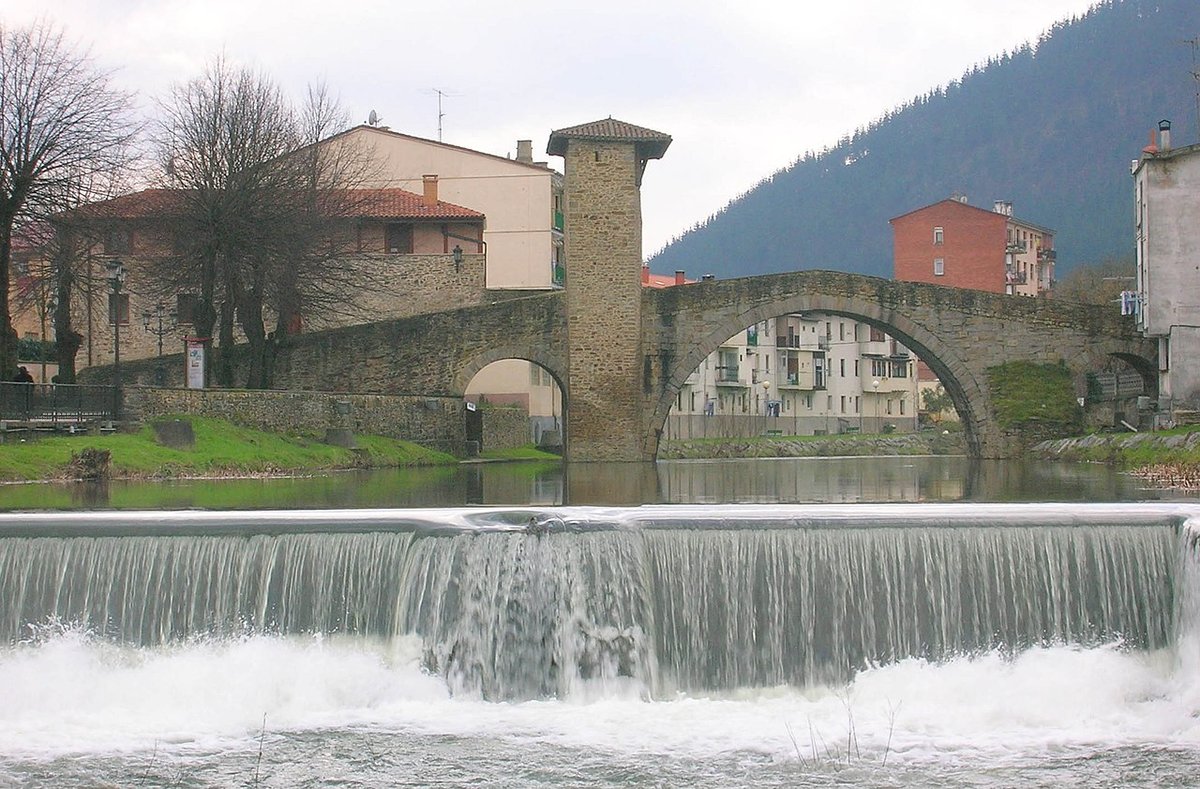
Several small streams run along these paths and eventually feed into the Nervión basin. The water moves over rounded stones and through alder trees. On damp days, the smell of wet earth fills the air. These are short walks, the kind taken without watching the clock too closely.
The ground can become slippery after several days of rain, which is common in this area. Footwear with a good grip makes a noticeable difference.
Inside the Ethnographic Museum
A traditional house in the historic centre holds the Ethnographic Museum of Artziniega. From the outside it barely stands out: thick walls, small windows, and a wooden interior that creaks underfoot.
Inside, there are tools from trades that shaped life in the valley for generations. Carpentry implements sit alongside metalwork pieces, domestic objects and old photographs. In those images, groups of workers appear in the fields or stand in front of houses that are still standing today.
Opening depends on specific schedules or cultural activities, so it is worth checking in advance whether it will be accessible on a given day.
When to Spend Time Here
Spring and autumn tend to be the most pleasant seasons for walking around Artziniega. Light filters softly between the houses, and the nearby plots of land are either bright green or covered in ochre tones.
Summer brings more activity, especially when festivals or fairs take place and draw people from surrounding areas. The atmosphere shifts noticeably, with more noise and more cars searching for parking.
Winter can make the cobbled streets tricky when rain or ice sets in. Even so, there are days when low fog settles in the valley and the old quarter appears half blurred by moisture and silence. Walking then has its own appeal, provided each step is taken carefully.