Full Article
about Laudio (Llodio)
Stone, history and Atlantic landscape in the Basque interior.
Hide article Read full article
First Impressions That Don’t Tell the Whole Story
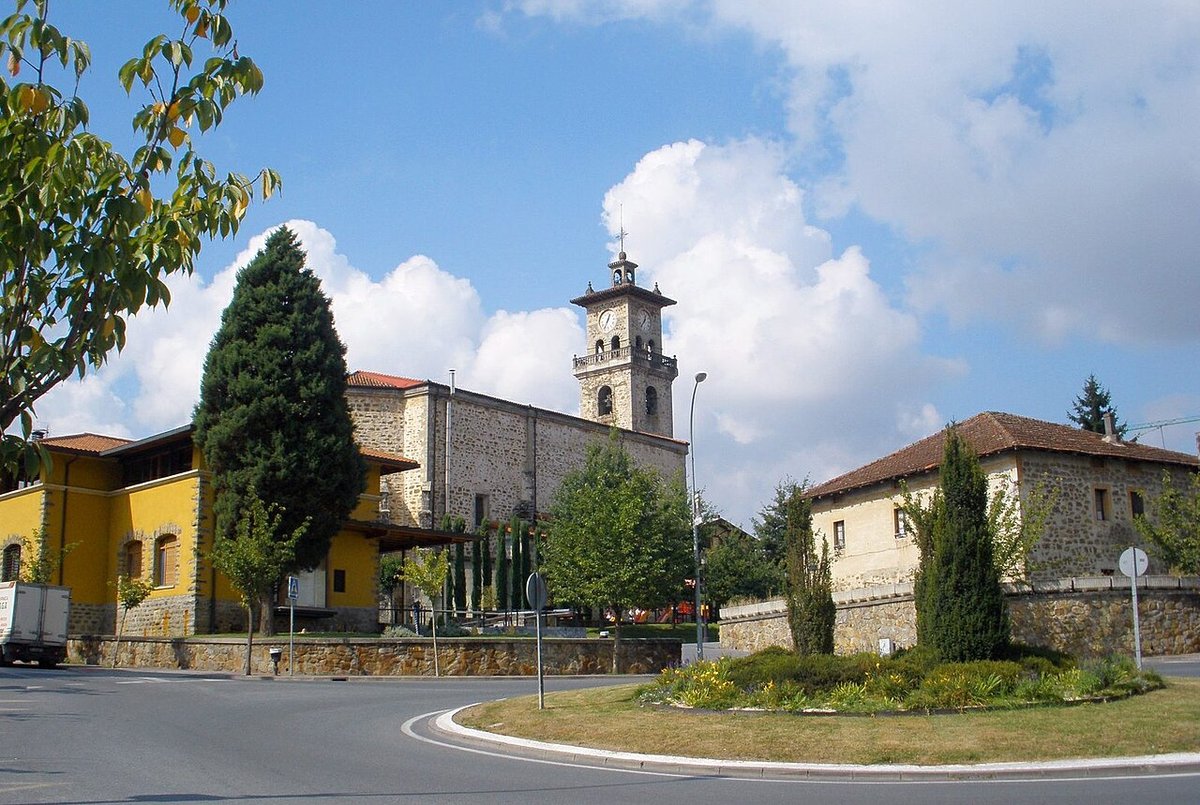
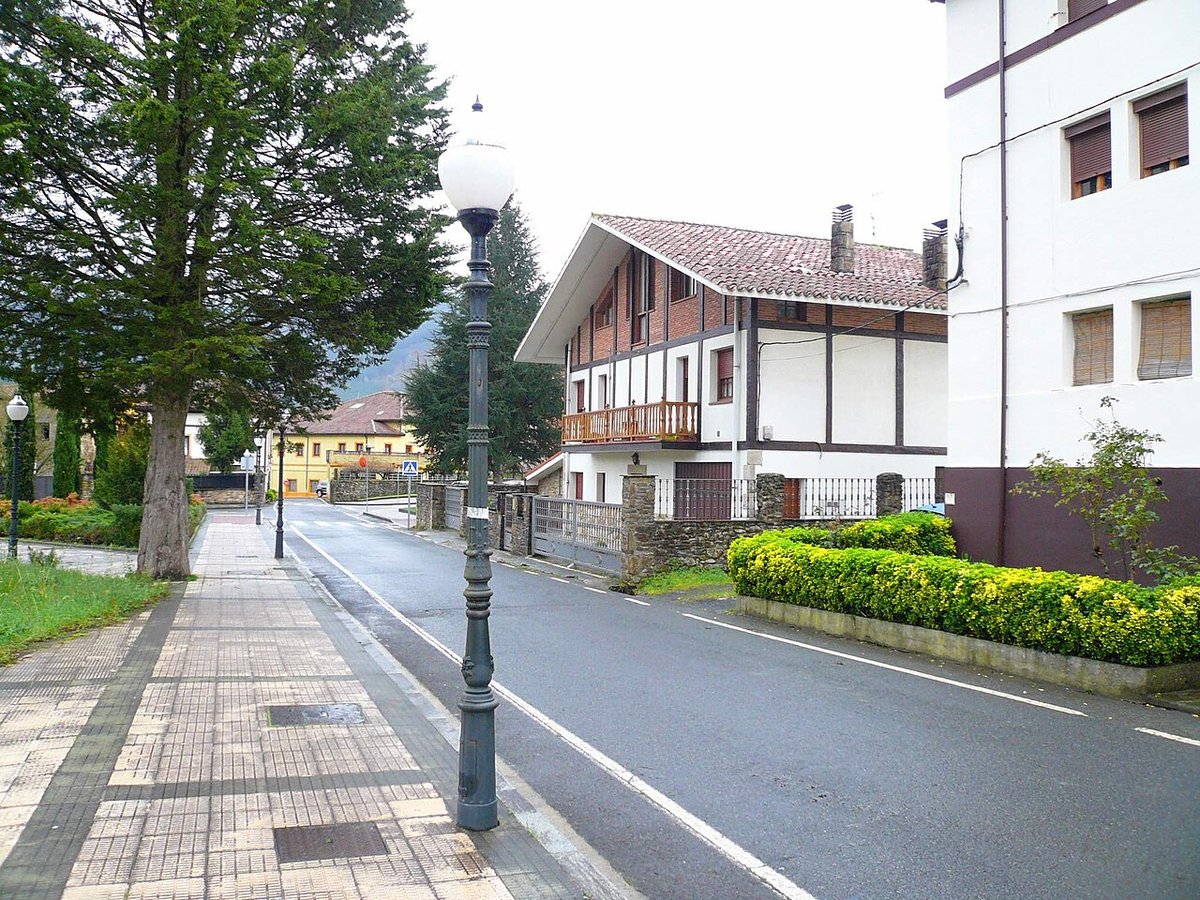
Laudio is not the kind of place that wins you over at first glance. Arriving by train can feel slightly underwhelming, as if you might have got off a stop too early. It has the look of a town shaped by industry and roads rather than by any plan to impress visitors.
But give it a bit of time and something shifts. Laudio has a quiet way of revealing itself, a bit like someone who says little at first but turns out to know far more than expected once you start paying attention.
This is not a destination built around postcard views or obvious landmarks. The appeal comes gradually, in small details and everyday scenes, until you realise there is more going on than you first thought.
A Town That Never Tried to Impress
Laudio, also written as Llodio in Spanish, is the second most populated municipality in Álava, with just over 18,000 residents. It sits in the Ayala Valley, not far from Bilbao. For years it has been seen as a commuter town, with many people living here and working in the nearby city.
That label still lingers, but it does not tell the full story. Spend time in the centre or along the river and it becomes clear that Laudio has its own rhythm. There is a sense that people recognise each other, even if only from passing in the street or crossing paths during daily routines.
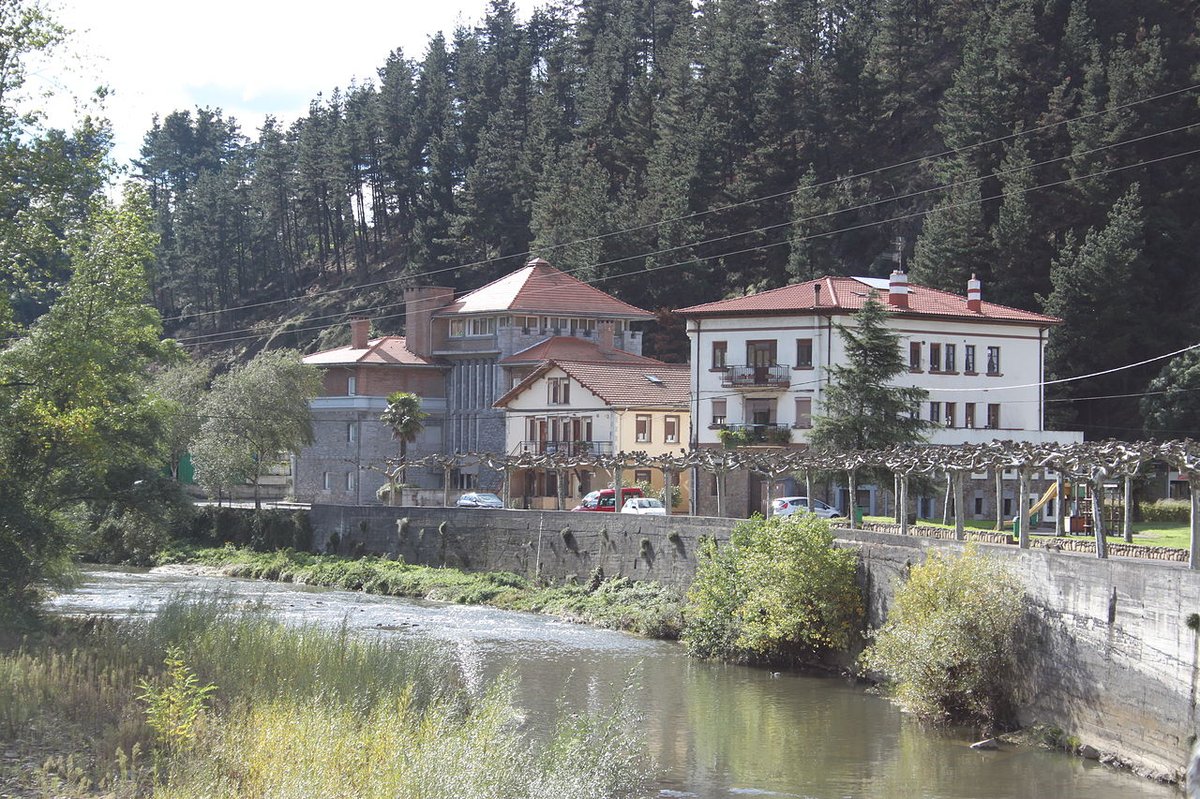
The Nervión river runs through the town on its way to Bilbao. Here it feels calmer, less hurried. A long riverside path follows it through several parts of the municipality. It is well used for walking, running or cycling, and while it does not fit any idealised image, it reflects the town’s reality. The river has shared space with industry for decades, and that history is visible.
Even so, the atmosphere along the path is easy-going. On Sundays in particular, families stroll, dogs are walked, and groups gather on benches to chat. It is less about scenery and more about everyday life unfolding in the open.
A Name With More Than One Story
The name Laudio often sparks debate. Both Laudio and Llodio are correct, the former in Basque and the latter in Spanish, and both have been used for a long time.
There is no single agreed explanation for its origin. Some theories link it to an older Latin name, while medieval documents already mention variations of the place name, suggesting the settlement had some importance many centuries ago.
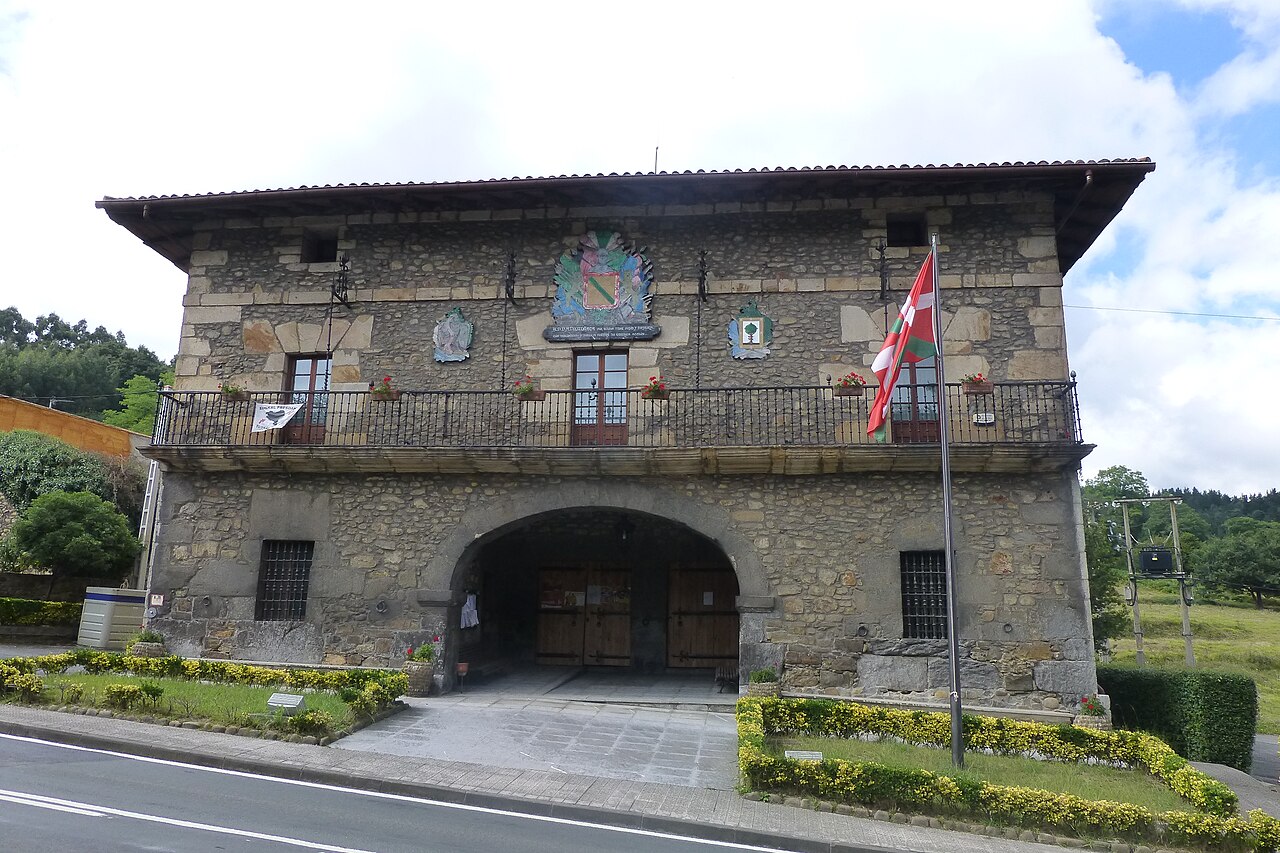
Traces of that past remain scattered across the municipality. One example is the Casa-Torre de Ugarte, a defensive tower house that has survived from the medieval period. Structures like this were common in the Basque Country, where powerful families once marked their presence with solid stone buildings and elevated positions.
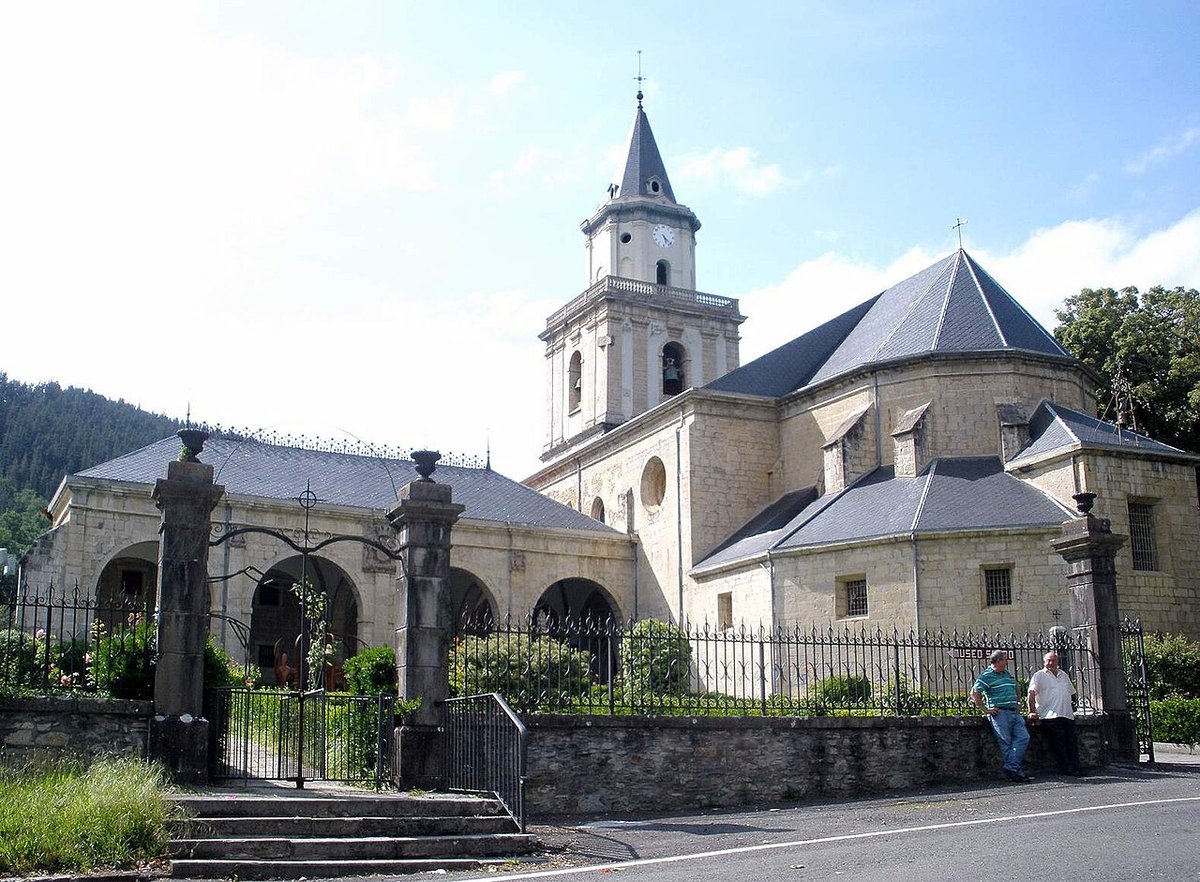
Another place connected to that earlier history is the Santuario de Santa María del Yermo. It stands in a higher part of the municipality, and reaching it often involves a walk. Many people head up, especially at weekends, drawn as much by the peaceful surroundings as by the destination itself.
San Blas Fair and Local Food Traditions
There is one moment in the year when Laudio becomes noticeably livelier: the Feria de San Blas. Usually held at the beginning of February, it transforms the centre into a busy mix of stalls, smoke from grills and people browsing or meeting up.
One of the most recognisable elements of the day is the pig’s trotter competition. It is a strong dish, both in flavour and appearance, but it reflects a broader food tradition in the Basque Country. Dishes linked to slaughtering practices and offal are still valued and prepared with care.
Beyond the fair, local cooking remains closely tied to these roots. Products such as chorizo, morcilla and cured pork are common, alongside items that come from rural farmhouses in the surrounding area. Cheese and honey also feature regularly, connecting the town to its agricultural setting.
Txakolí is another familiar presence on the table. This white wine, known for its noticeable acidity, can be surprising at first taste. After a few sips, it tends to feel entirely natural, especially alongside the kind of food served in the area.
Plaza Erkoreka and Everyday Life
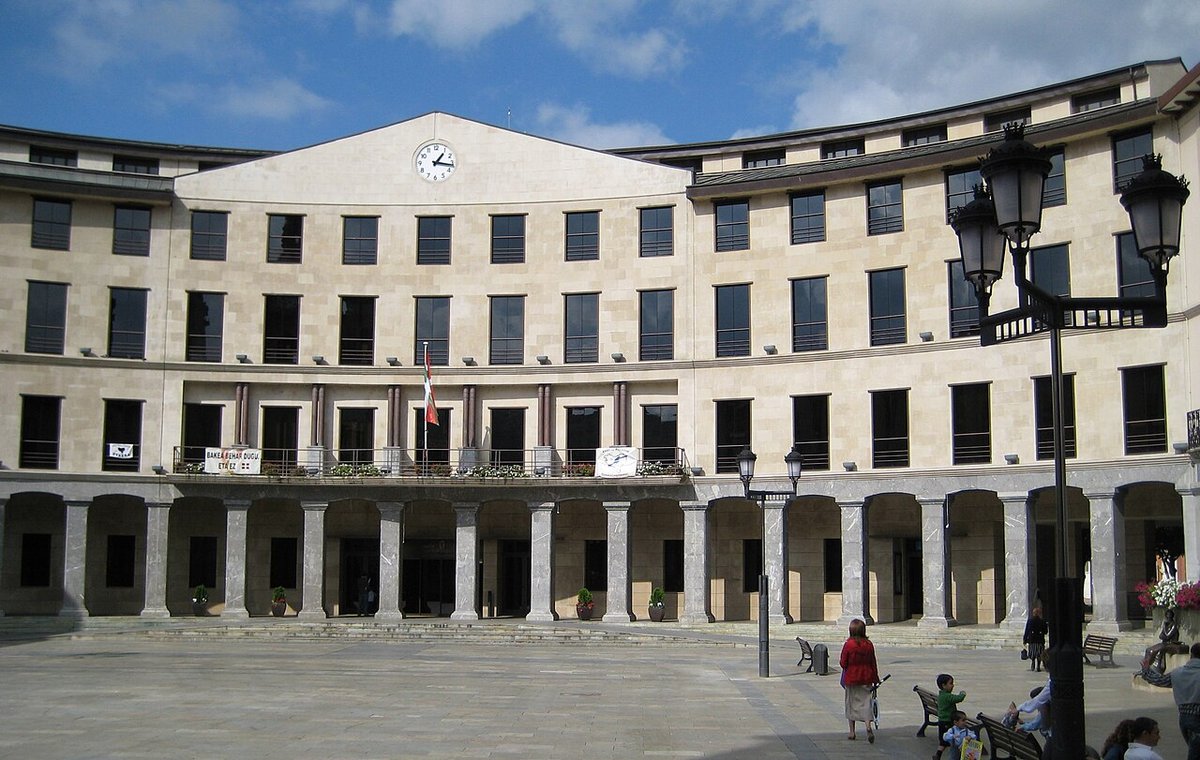
Plaza Erkoreka acts as the town’s main meeting point. It is not grand or designed to impress, but it plays a central role in daily life.
There are benches, a kiosk, and a steady flow of people throughout the day. Some come to meet friends, others simply pass through on their way home. Older residents gather to talk, often discussing local matters with the intensity of a live commentary.
The town hall stands nearby, along with several places that open onto the square. When the weather improves, the outdoor seating fills quickly. It becomes one of those spots where sitting for a short while turns into watching a constant stream of local life pass by.
When to Spend Time in Laudio
August tends to be quiet. Many residents leave for a few days, and the pace slows noticeably, which is typical for inland towns.
Spring and autumn offer a different feel. The valley becomes especially green, and the riverside walk is more appealing. For those staying in Bilbao or Vitoria, Laudio is close enough for a short visit, an easy change of scene without needing much planning.
The experience here is not centred on major monuments or carefully arranged streets. It is about observing how a town functions day to day. The square filling up in the afternoon, the weekly market, the familiarity between people who have known each other for years.
That kind of experience does not always stand out at first. Yet, after a while, it can feel more rewarding than places designed purely to be admired from a distance.