Full Article
about Arraia-Maeztu (Arraya-Maestu)
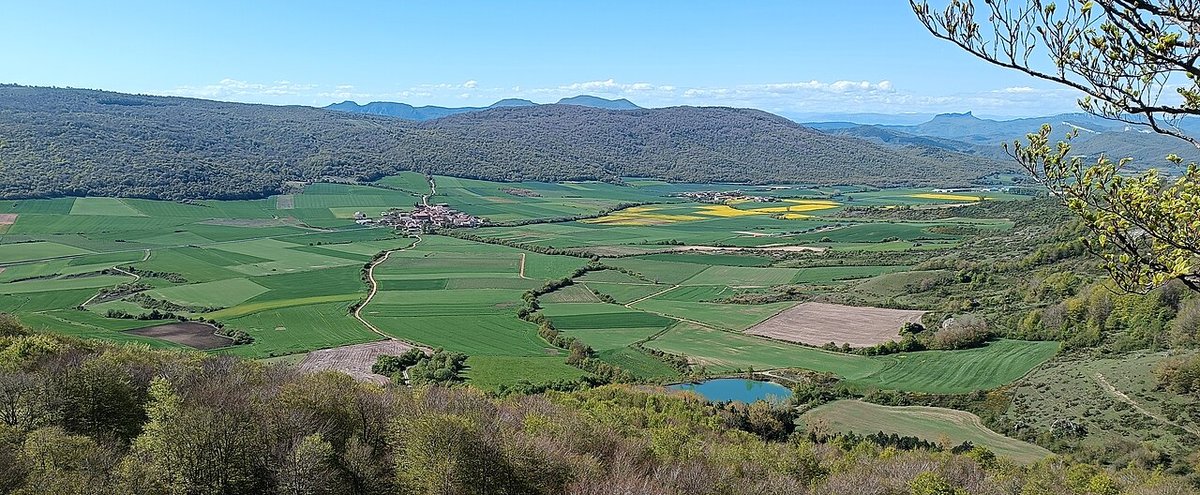
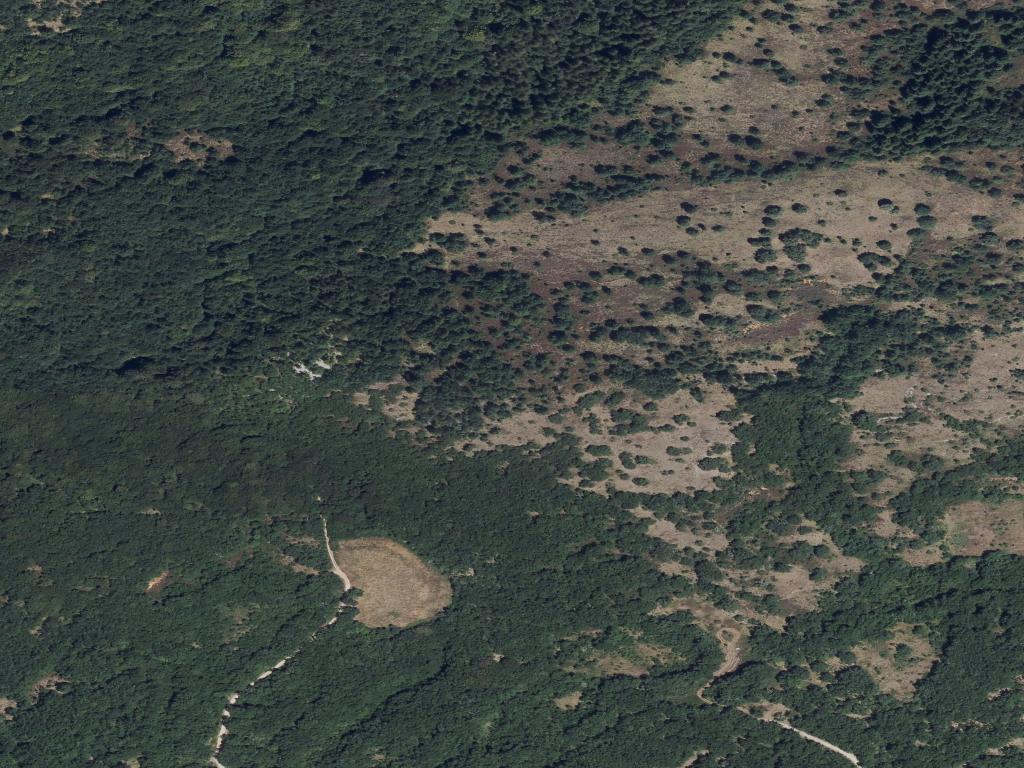
Deep green, farmhouses and nearby mountains with trails and viewpoints.
Hide article Read full article
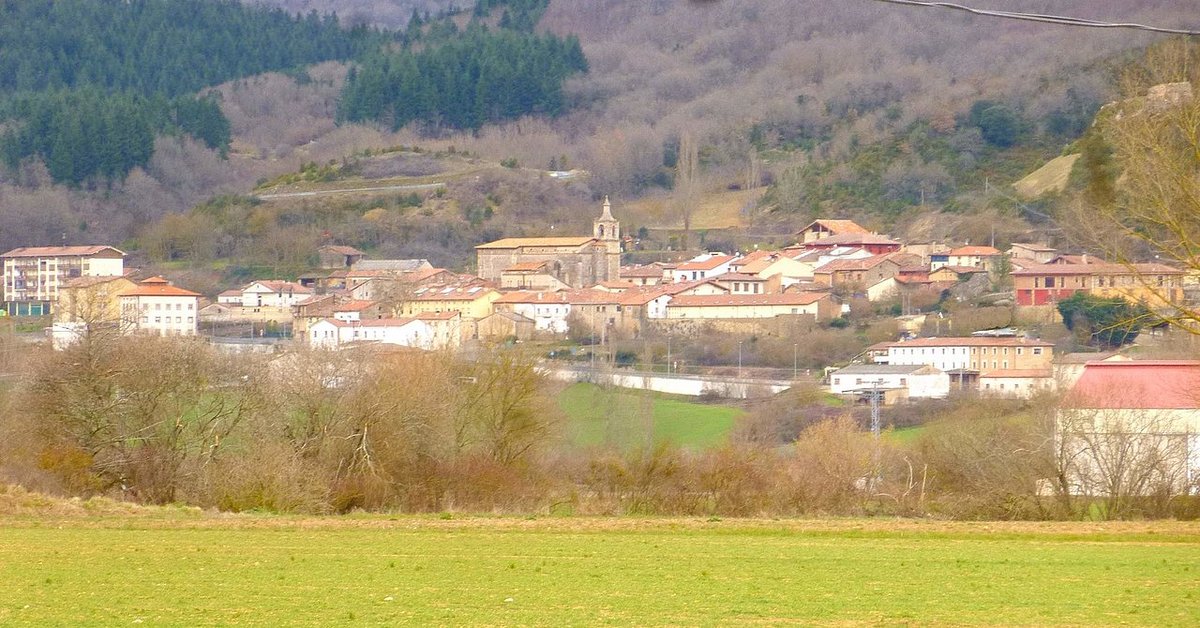
The first sound is often gravel underfoot, then a cowbell from a meadow still holding the night’s cool air. In Arraia-Maeztu, the villages don’t flow into one another; they sit apart, connected by farm tracks where the smell shifts from damp grass to woodsmoke as the season turns. The stone here changes with the light—a pale, almost chalky grey in Apellániz, something warmer and duskier in Antoñana. Your day is measured not in sights, but in the walk from one quiet cluster of houses to the next.
The separate lives of the villages
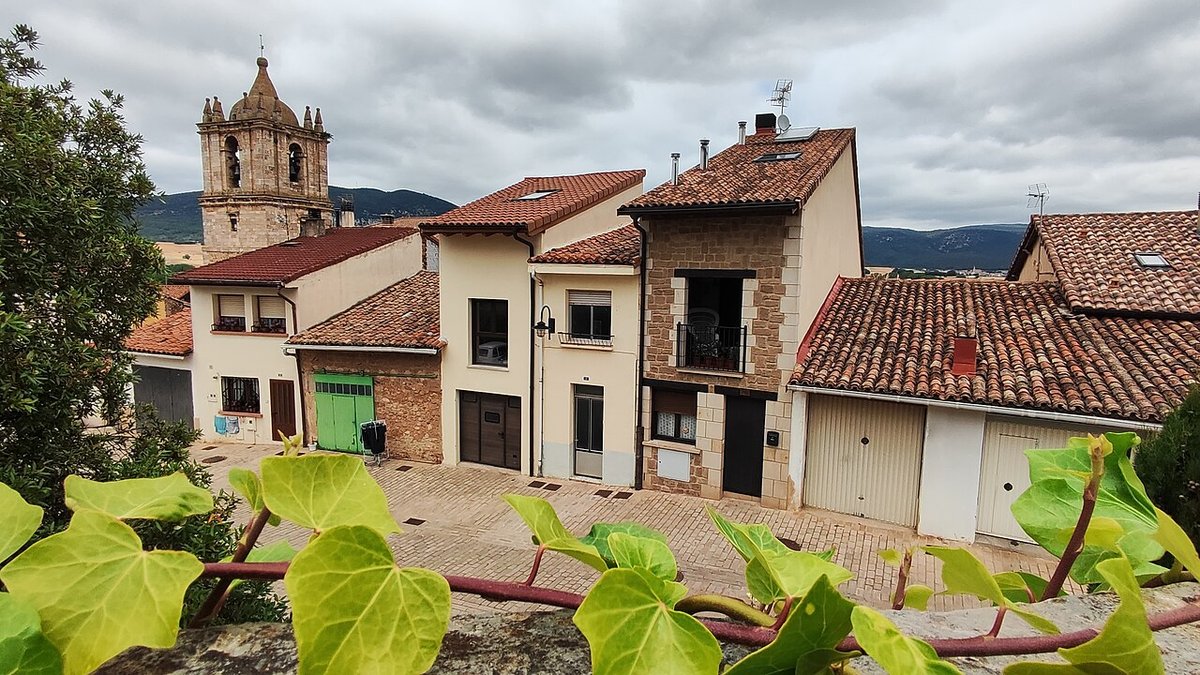
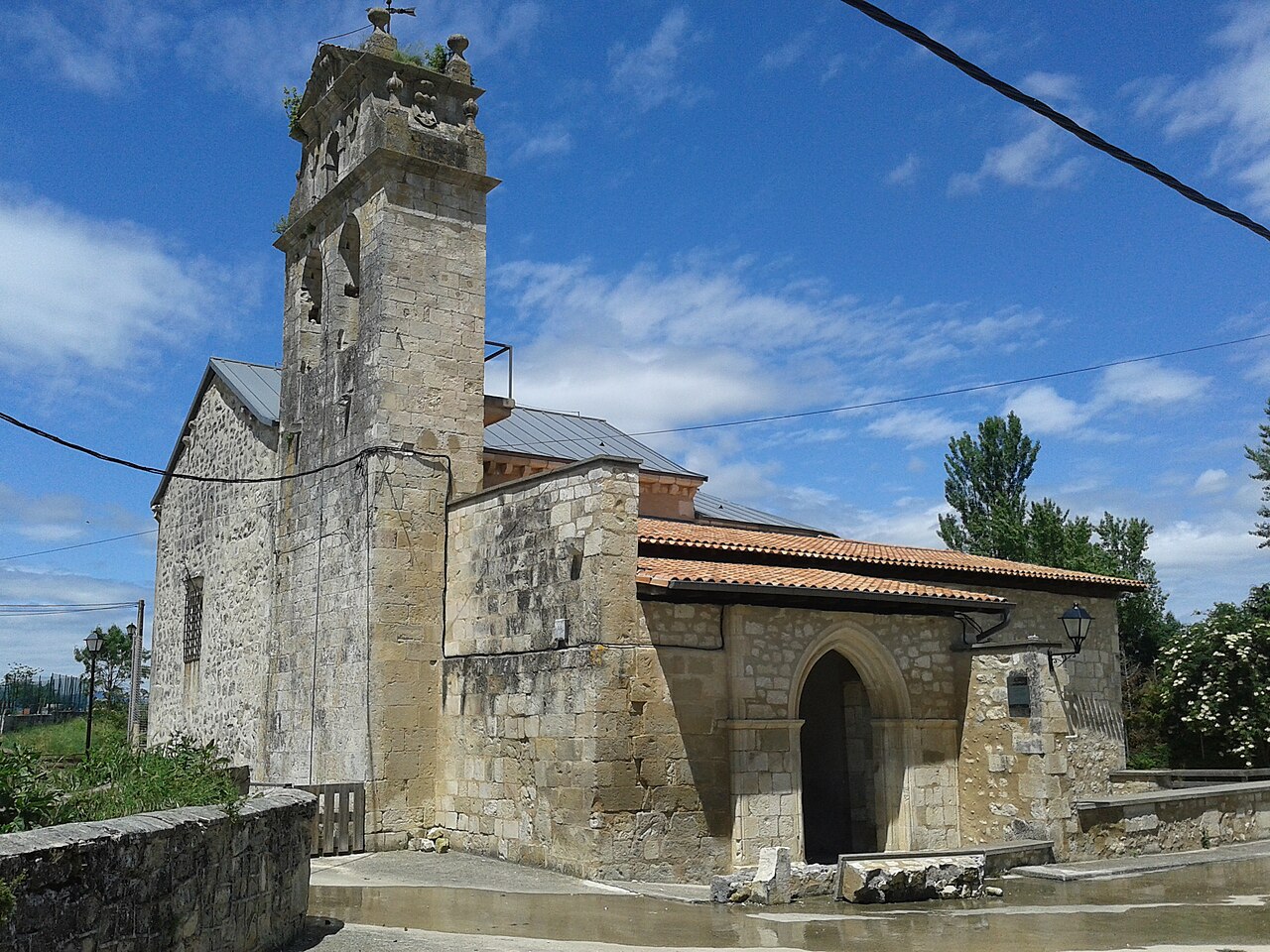
In Apellániz, the church of San Millán anchors everything. Its stone can look silver under a blanket of cloud, and the houses around it have wide entrances and carved shields worn smooth by weather. You notice the acoustics: a door closing firmly in an alley, your own footsteps echoing off the heavy walls.
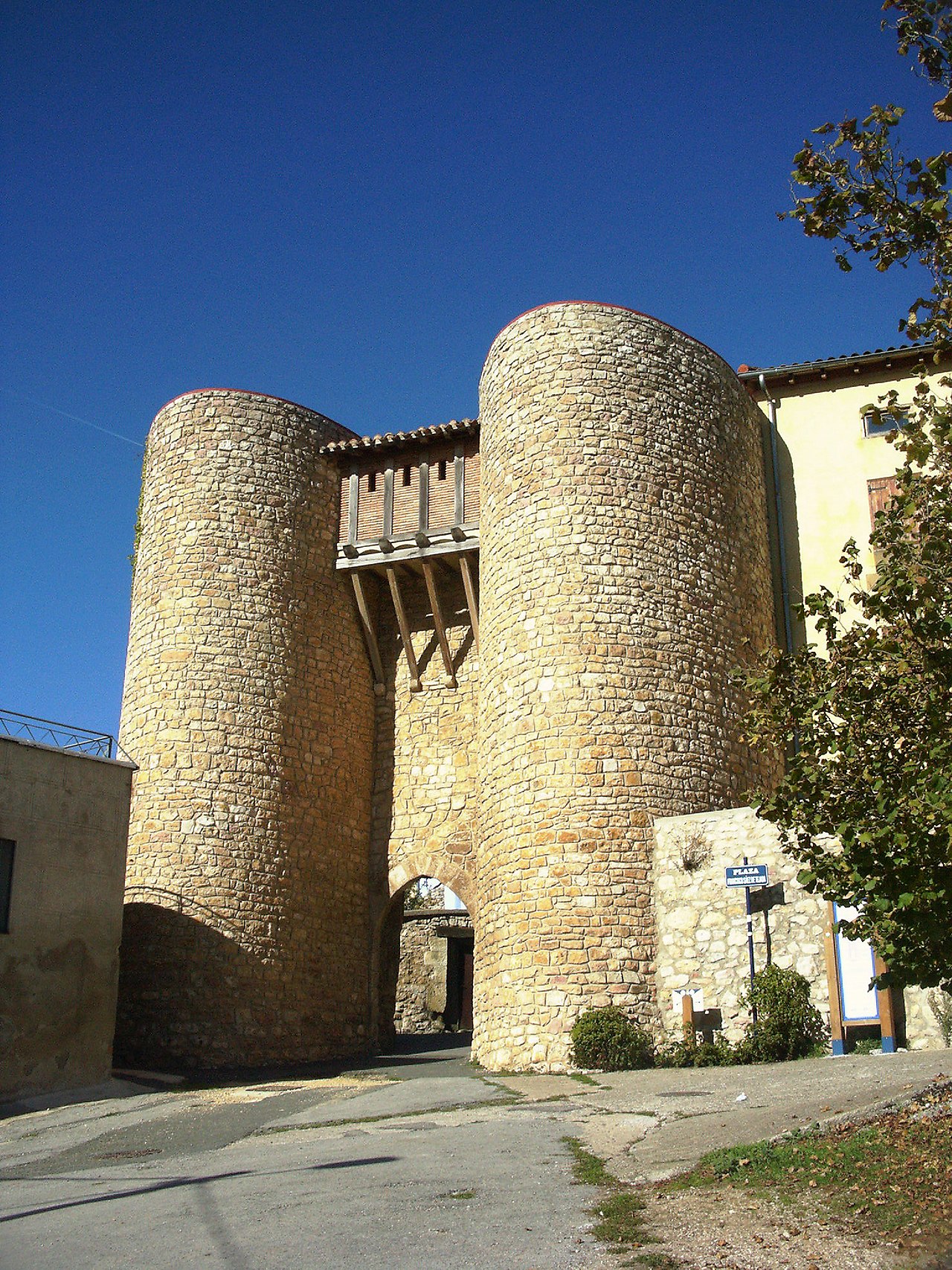
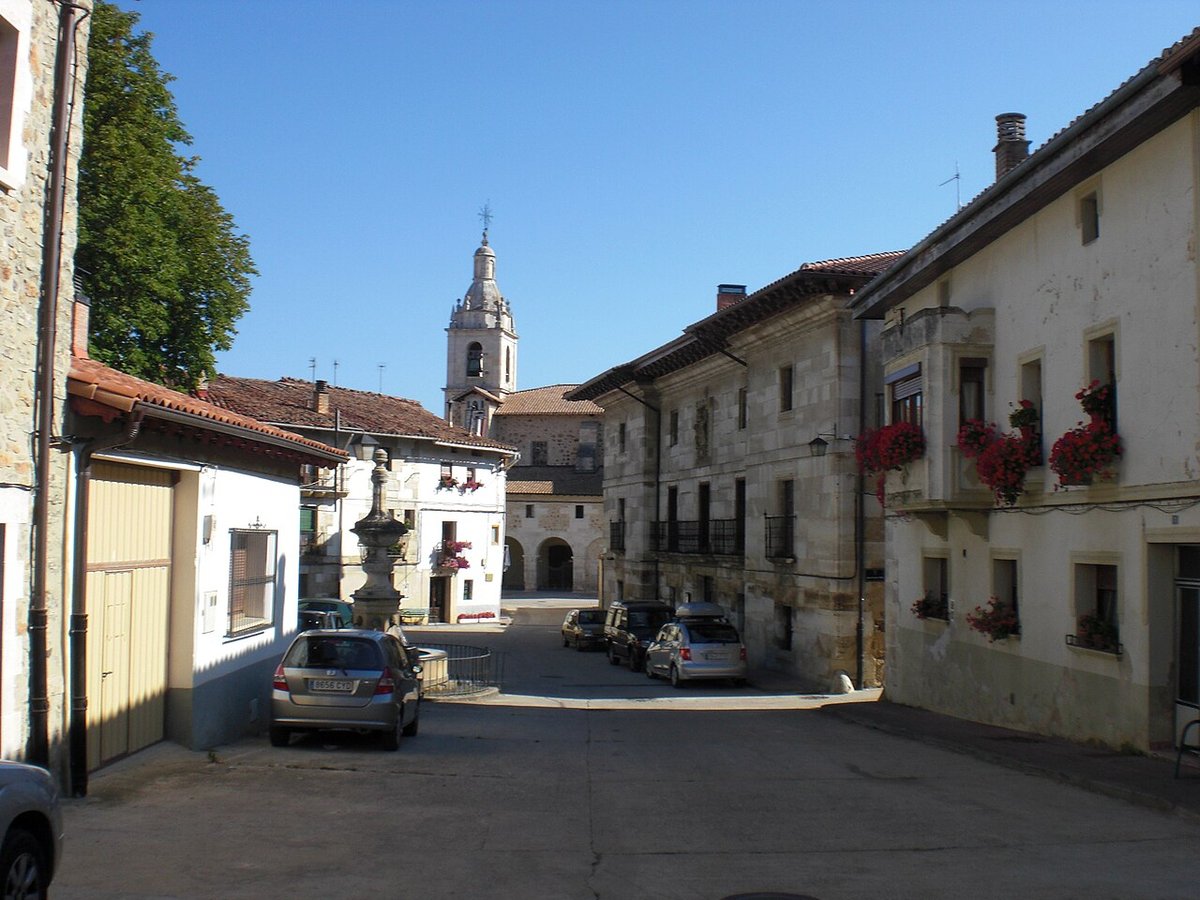
To walk into Antoñana is to step through a stone gateway and feel the space contract. Outside, the valley opens up; inside, the medieval street plan holds, with lanes narrowing between close-set houses. Just beyond, the old railway line, now a greenway, cuts a straight, shaded line through the trees—a route for cyclists and walkers that feels distinctly separate from the village’s older rhythm.
Then comes Víllodas, where everything spreads out again. Gardens run right up to stone walls, and the hermitage of San Martín de Tours sits so simply among meadows it almost goes unnoticed. The sounds here are domestic: chickens scratching, a dog barking behind a gate.
Paths that demand attention
To move through this valley is to leave the car often. The routes into the Izki Natural Park are well-marked, but they are not mere strolls. After rain, the clay-based tracks become a slick, clinging mud that will coat your boots and can stop a bike dead. Good tread isn’t a suggestion; it’s necessary from October through April.
Don’t trust the map’s distances. What looks like a short hop between villages often involves a deceptive climb, a curve around a field, or a search for where the footpath continues past an old barn. The time passes quickly when you’re looking for the way.
What you find when nothing is happening
The character is in the fixtures: a granite bench worn smooth by generations sitting in the last sun, a fountain where the iron-rich water tastes of cold stone, roof tiles glowing rust-red between walnut branches. Many of the churches and hermitages are locked outside of mass or festivals; if you want to see an interior, ask at the town hall in Apellániz on a weekday morning.
A note on light and timing
Come in late spring or autumn. April fills the woods with a green so sharp it seems to glow, and by late October, the oaks and beeches turn the slopes gold and copper. The light slants low, and walking is cool and quiet.
Summer brings deep silence at midday, but also a sun that pounds the open fields. Walk early or late. Winter has its own beauty—morning mists that pool in the valley for hours—but it requires planning; some paths become impassable streams of mud for days after a storm.
Arraia-Maeztu reveals itself slowly, in the walk from one place to another. It’s in the texture of the stone, the state of the path, and the long view back across a valley that holds its villages lightly.