Full Article
about Bernedo
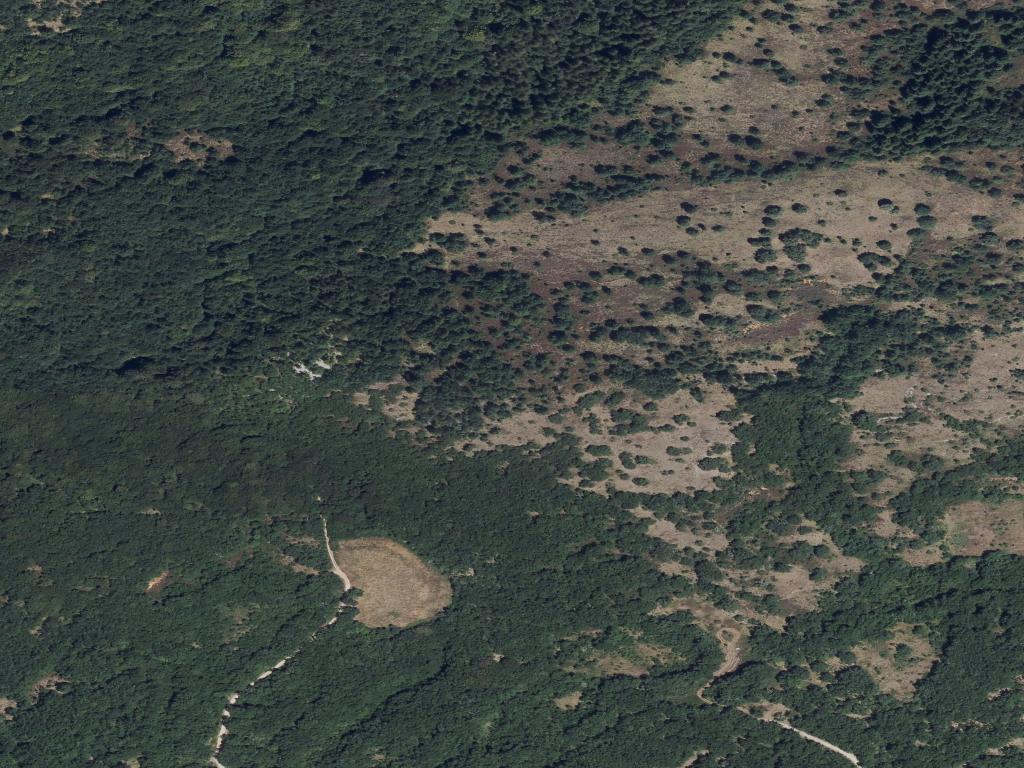
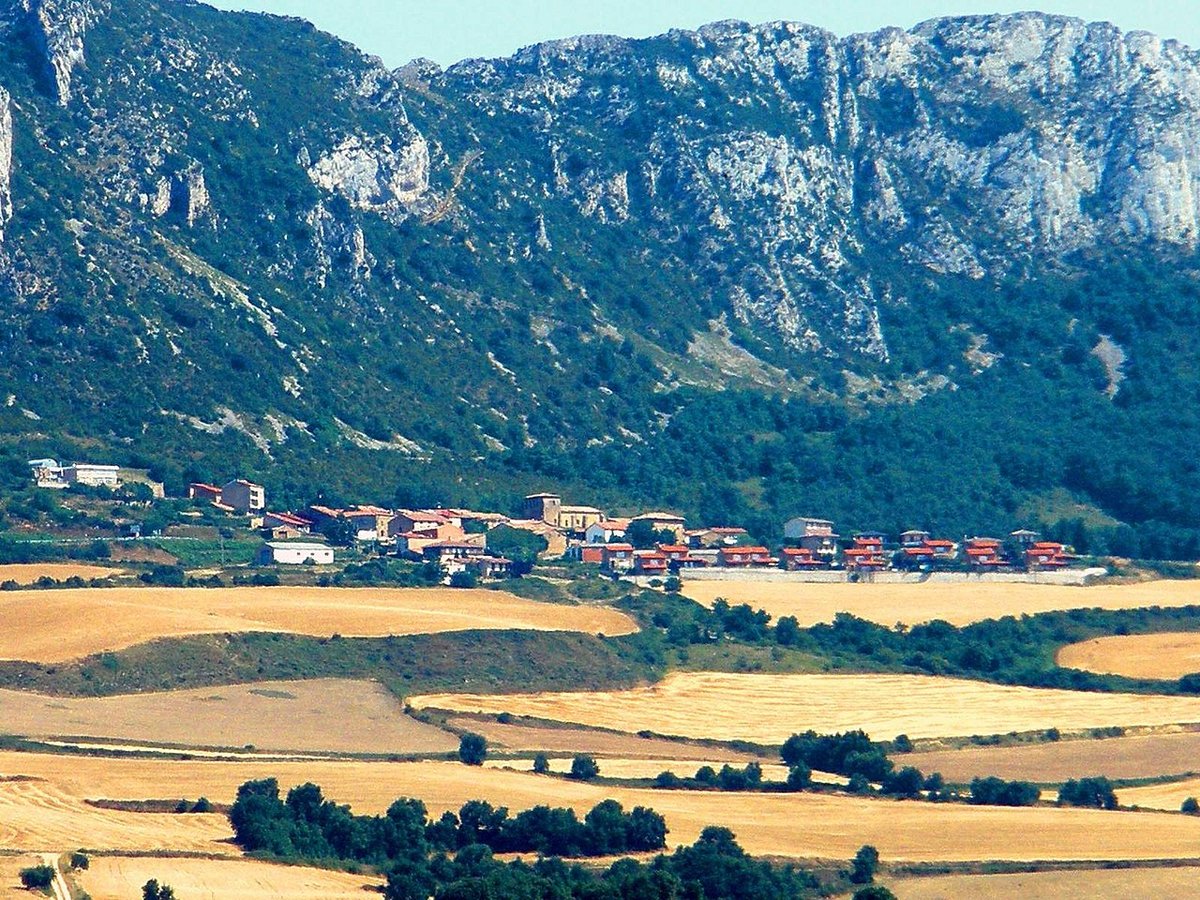
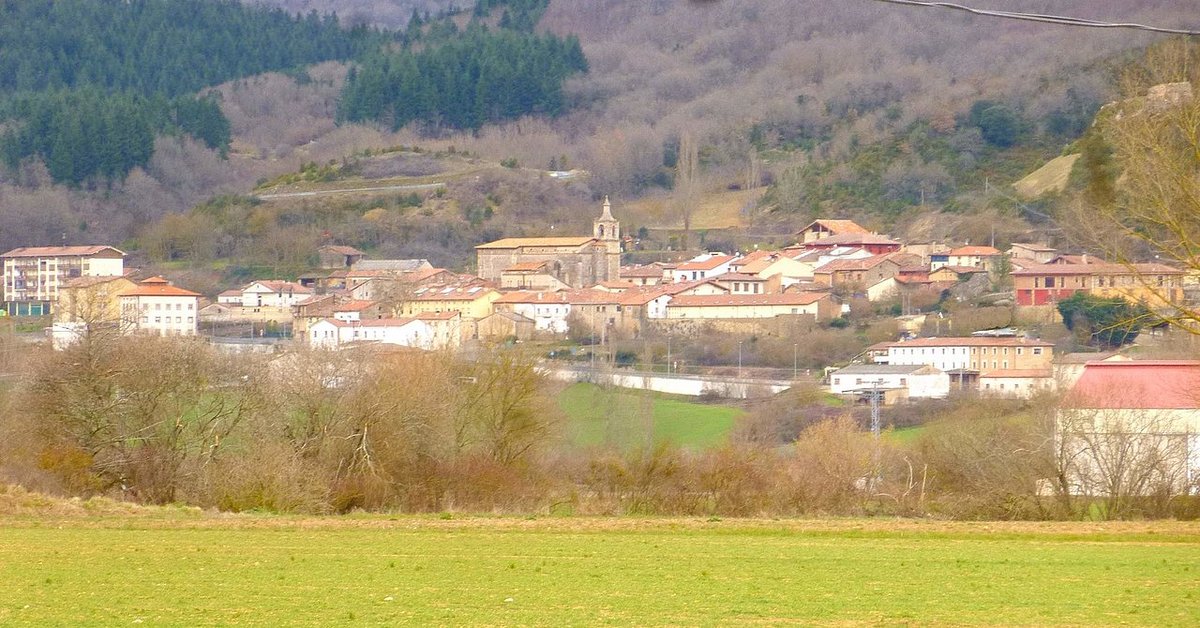
Deep green, farmhouses and nearby mountains with trails and viewpoints.
Hide article Read full article
Bernedo: un municipio de pueblos dispersos
La primera impresión al llegar a Bernedo es de dispersión. El municipio ocupa el límite sur de Álava, en la Cuadrilla de Campezo-Montaña Alavesa, justo donde la llanada comienza a ondularse antes de la Sierra de Cantabria. No es un pueblo único, sino una constelación de pequeñas aldeas asentadas entre colinas bajas, campos de cereal y manchas de encinar.
La población ronda los quinientos habitantes. Esta escala modesta determina cómo se recorre el territorio. Las distancias parecen cortas en el mapa, pero en la práctica requieren un ritmo más pausado.
Históricamente, esta fue una tierra de frontera. La cercanía con Navarra marcó el desarrollo de sus asentamientos, casi siempre como comunidades agrícolas vinculadas a las rutas naturales entre valles. Ese pasado se lee aún en las iglesias robustas, las casas de piedra compacta y una red de pueblos que mantienen cierta independencia pese a compartir municipio.
La estructura del territorio
Bernedo carece de un núcleo dominante. Lo forman varias localidades: Bernedo, Angostina, Okina, Quintana, Urarte y algunas aldeas menores. Cada una tiene su propia medida.
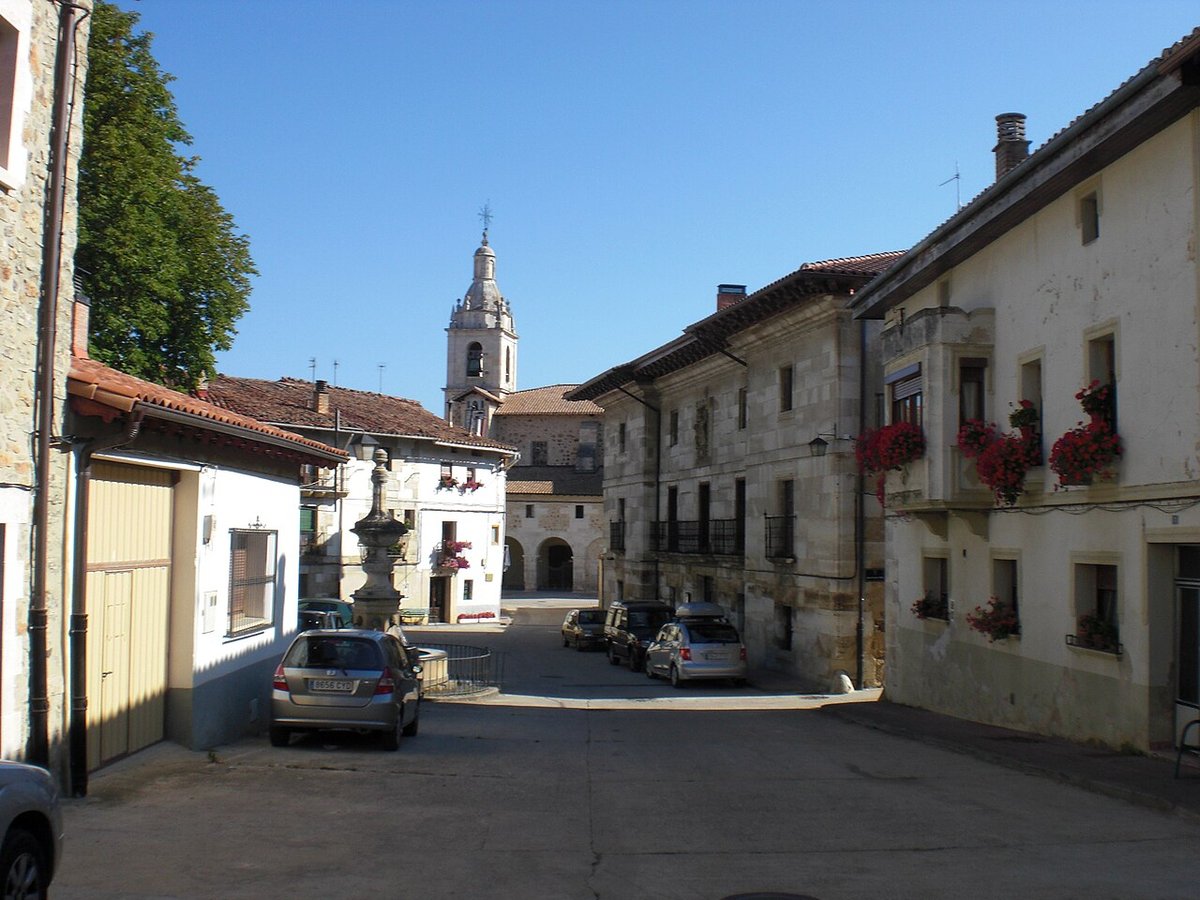
En Angostina, la iglesia de San Juan Bautista se sitúa ligeramente apartada del grupo de casas. Su fábrica actual responde a reformas posteriores, aunque el lugar de cultivo es más antiguo. Es un ejemplo frecuente en la Montaña Alavesa: templos rurales de volúmenes contenidos y una factura sólida, sin ornamentos superfluos.
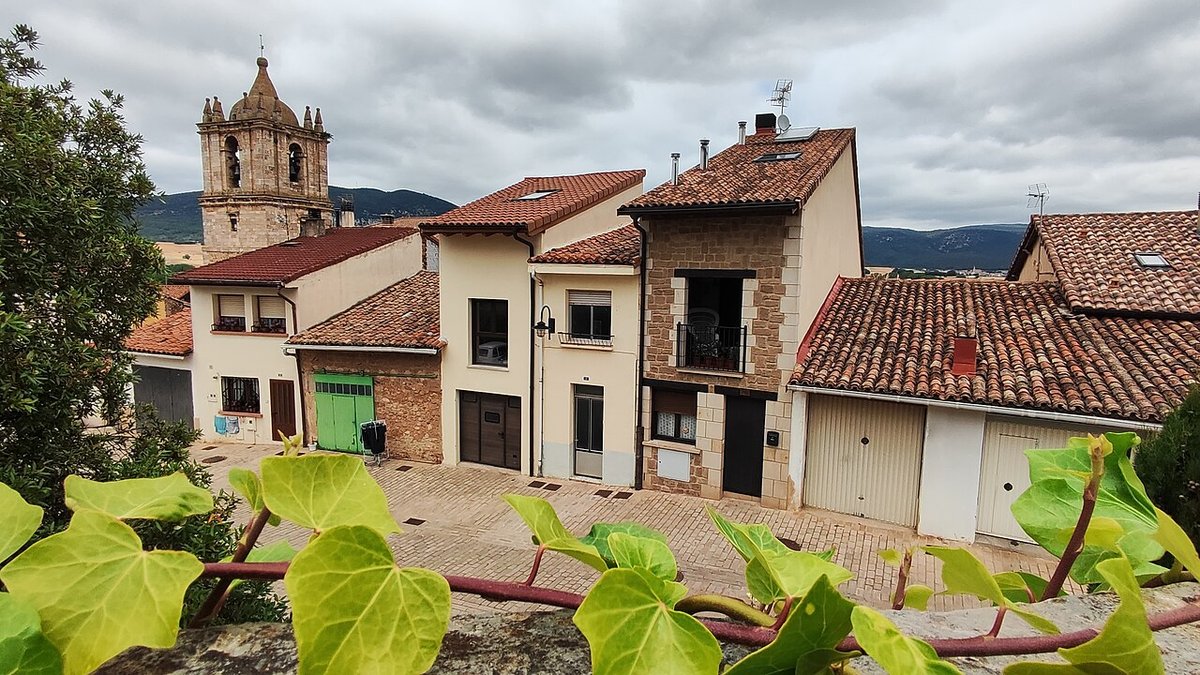
La arquitectura doméstica repite un patrón reconocible. Muros de mampostería, portones anchos pensados para el paso de carros o ganado y, en algunos casos, balcones de madera orientados al sol. No son elementos decorativos. Responden a una vida agraria donde la función primaba sobre la exhibición.
Pasear por cualquiera de estos pueblos descubre la lógica de lo cotidiano. Hay plazuelas modestas, edificios de labor y una trama urbana dictada por la necesidad, no por el planeamiento. Ningún lugar concentra todos los servicios, lo que refuerza la sensación de comunidad dispersa.
Huellas de una frontera medieval
La posición entre la Llanada Alavesa y Navarra explica buena parte de la historia local. Durante la Edad Media, estos valles estuvieron vinculados a redes defensivas y pequeños señoríos rurales. Los vestigios visibles no son siempre evidentes, pero persisten en el paisaje.
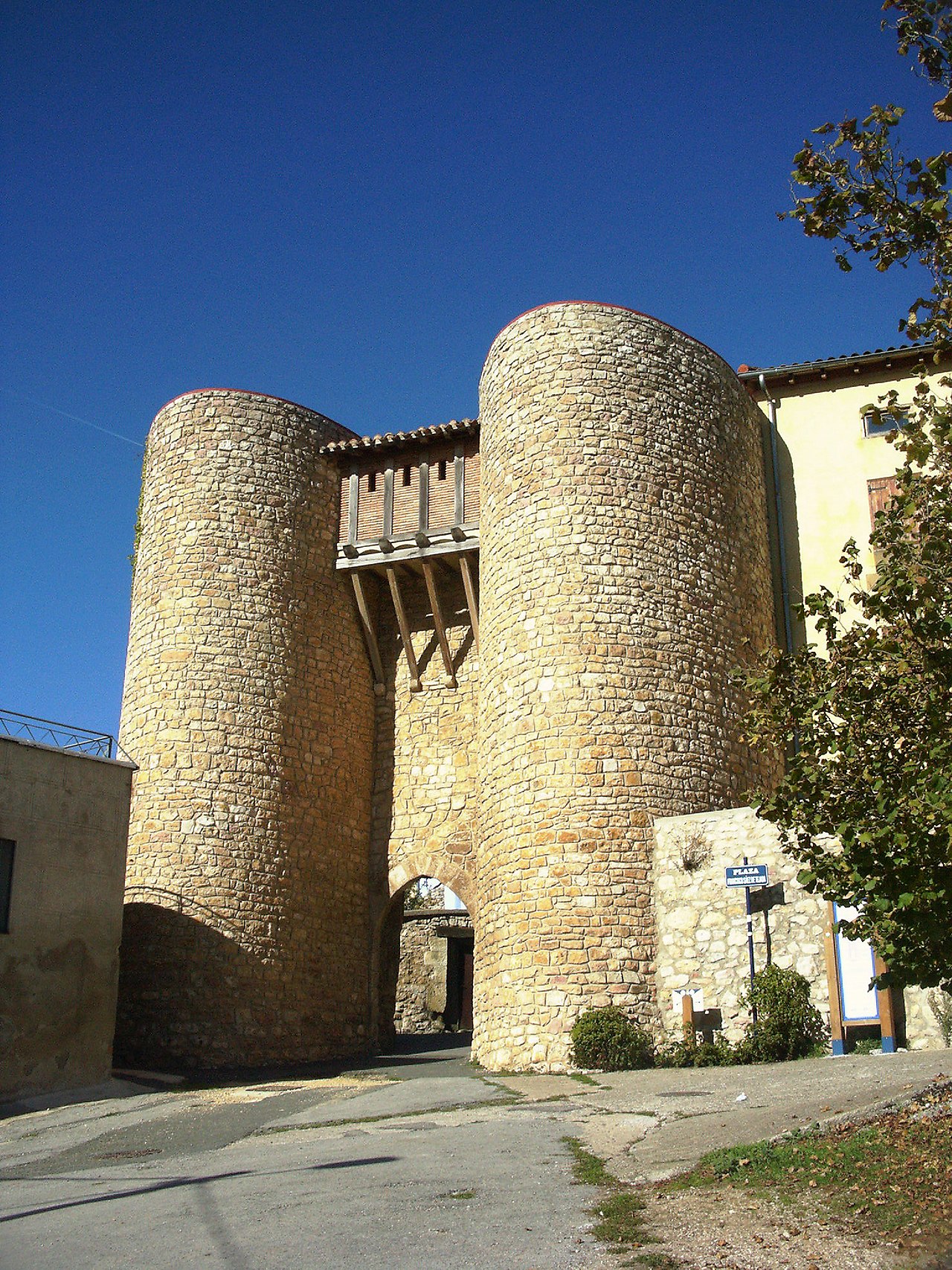
Algunas casas integran estructuras de torre más antiguas. Ciertas iglesias ocupan emplazamientos elevados o se sitúan cerca de lo que fueron rutas principales. Son indicios de un tiempo en el que el control del territorio y los pasos importaba.
Bernedo, como asentamiento principal, creció alrededor de los caminos que conectaban los valles interiores con los puertos de montaña cercanos. Varias carreteras actuales siguen aún esos trazos antiguos, adaptados a la topografía y no impuestos sobre ella.
El resultado es un lugar donde la historia no se concentra en un monumento único. Se encuentra, más bien, en cómo se sitúan los pueblos en el terreno y en cómo los edificios se relacionan con estructuras y caminos anteriores.
Senderos entre campos y monte bajo
Para entender Bernedo conviene moverse entre sus pueblos. Varios caminos rurales conectan las aldeas, atravesando campos de cereal, matorral y zonas boscosas.
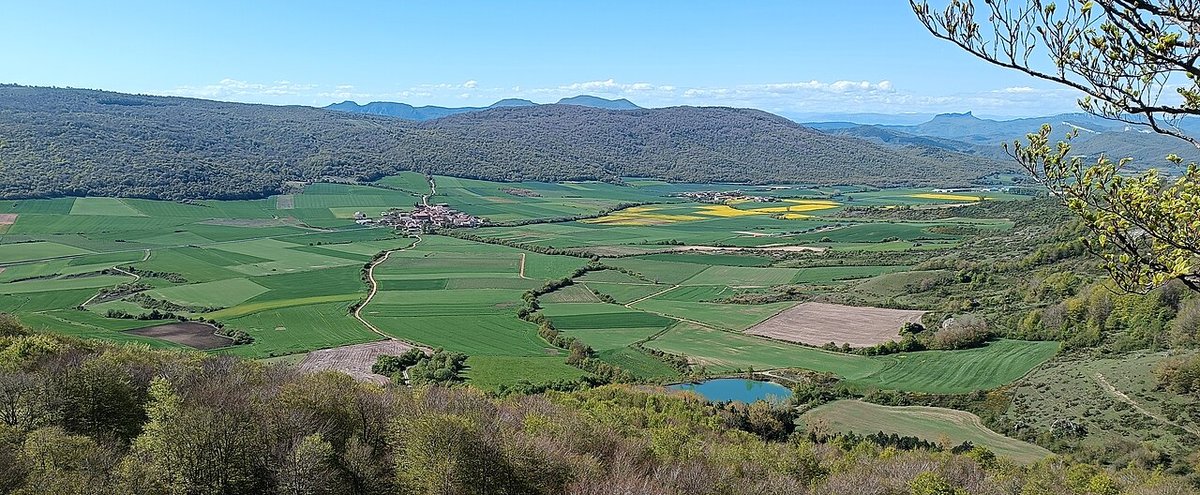
El terreno tiene más variación de lo que sugiere una primera mirada. Los repechos y los tramos pedregosos son frecuentes, sobre todo cerca del pie de la Sierra de Cantabria. Desde alguna elevación, la silueta de la sierra se recorta al norte, una presencia constante que enmarca el paisaje.
Las primeras horas de la mañana traen otro ritmo a estos caminos. Es posible ver corzos en los linderos donde el campo cultivado roza el matorral, y rapaces sobrevolando la zona. Al mismo tiempo, sigue siendo un espacio agrario activo. Encontrarse con maquinaria o ganado forma parte del entorno, no es una interrupción.
El paisaje funciona como un mosaico, no como una escena continua. Campos, manchas de encina y pueblos dispersos crean un patrón que cambia según se avanza, sin que ningún mirador lo capture por completo.
Una visita breve, sin prisa
El tiempo en Bernedo suele ser sencillo y de ámbito local. Una visita corta funciona mejor si se centra en uno de los pueblos principales, como el propio Bernedo o Angostina. Un paseo lento por sus calles muestra pronto las plazuelas, las fuentes y las construcciones agrarias que explican cómo se ha organizado la vida diaria.
Los caminos que salen por los bordes del pueblo ganan algo de altura en pocos minutos. Desde allí se entiende mejor cómo se articula la zona: parcelas cultivadas entre encinares y pequeños asentamientos esparcidos por el territorio.
Incluso una estancia breve da una idea de la estructura del municipio. No se trata tanto de ver puntos concretos como de observar cómo se relaciona cada elemento con el siguiente.
Apuntes prácticos para moverse
Las distancias entre pueblos parecen cortas en coche, pero a pie siempre llevan más tiempo del previsto. Conviene elegir bien el recorrido si se dispone solo de una mañana o una tarde.
Algunos accesos por carretera se estrechan al entrar a los pueblos. Es mejor dejar el coche en zonas más amplias, sin cerrar entradas a campos o pistas agrarias.
El cambio estacional afecta tanto al paisaje como a la experiencia del paseo. Primavera y principios de otoño suelen traer temperaturas más suaves y los campos cambian de color. En verano, el sol es intenso en los caminos expuestos. Tras lluvias recientes, los tramos sin pavimentar pueden estar resbaladizos.
Desde Vitoria-Gasteiz se llega por carreteras comarcales en algo menos de una hora. Una vez allí, lo más sensato es adoptar un ritmo lento y aceptar la naturaleza del lugar. Bernedo es una zona agraria, con servicios limitados y núcleos de población muy pequeños. Eso, más que cualquier otra cosa, define su carácter.