Full Article
about Harana (Valle de Arana)
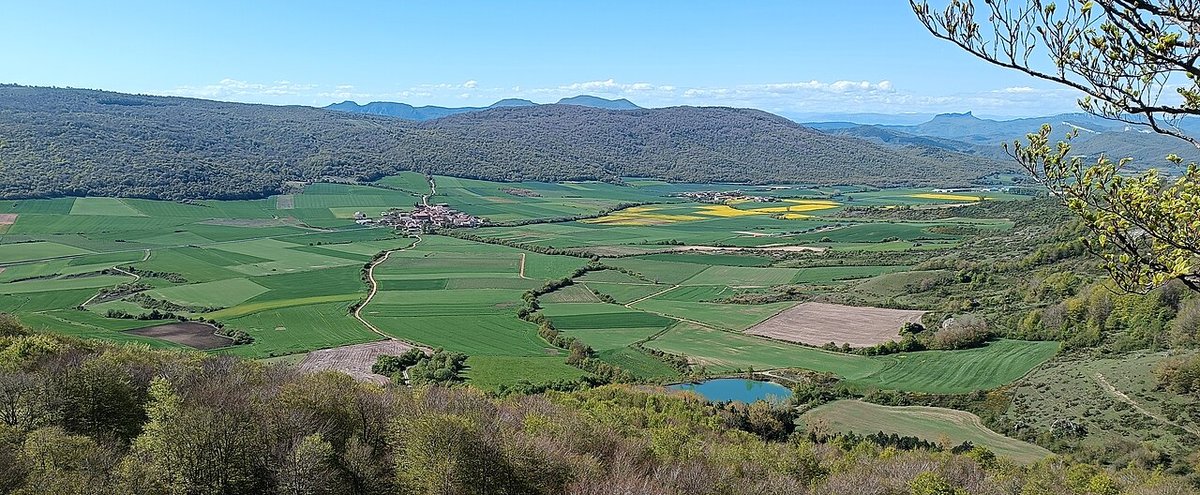
Deep green, farmhouses and nearby mountains with trails and viewpoints.
Hide article Read full article
A Quiet Corner of the Montaña Alavesa
By mid-afternoon, when low clouds settle over the Montaña Alavesa, silence in Harana becomes strikingly clear. Wind brushes along stone façades and slips through narrow streets, nudging the occasional dry leaf so it rolls lazily beside the walls. With no passing cars and hardly anyone outside, it becomes easy to grasp what tourism in Harana really means: something unhurried, more about walking than ticking places off a map.
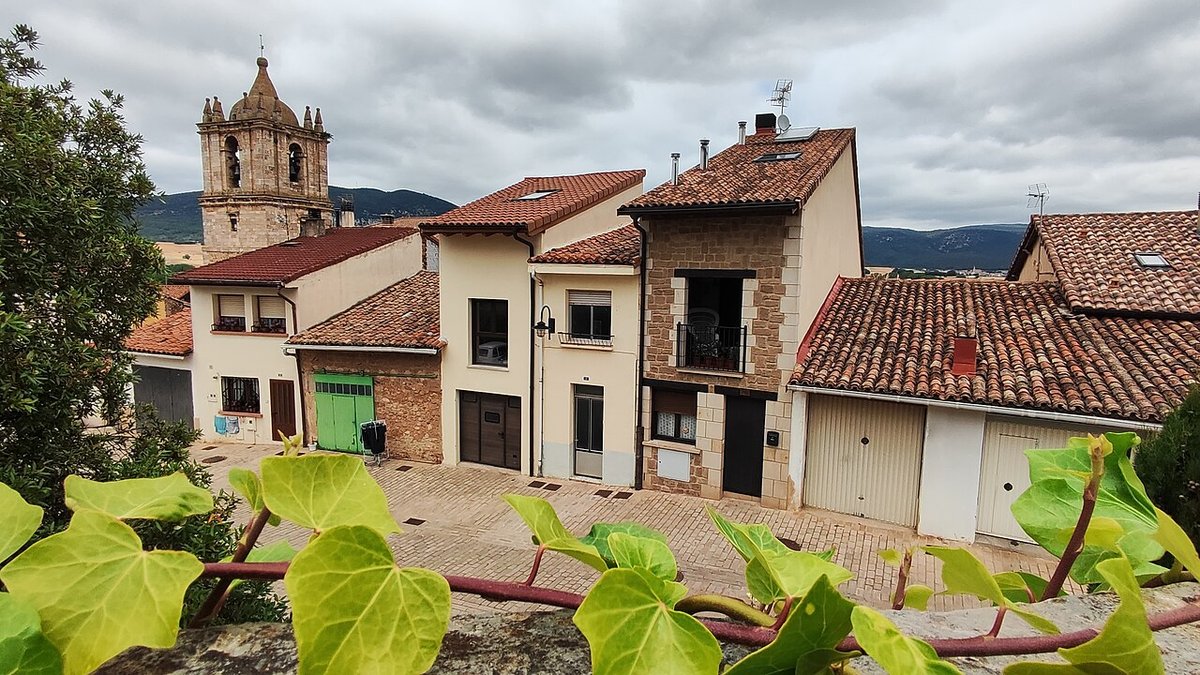
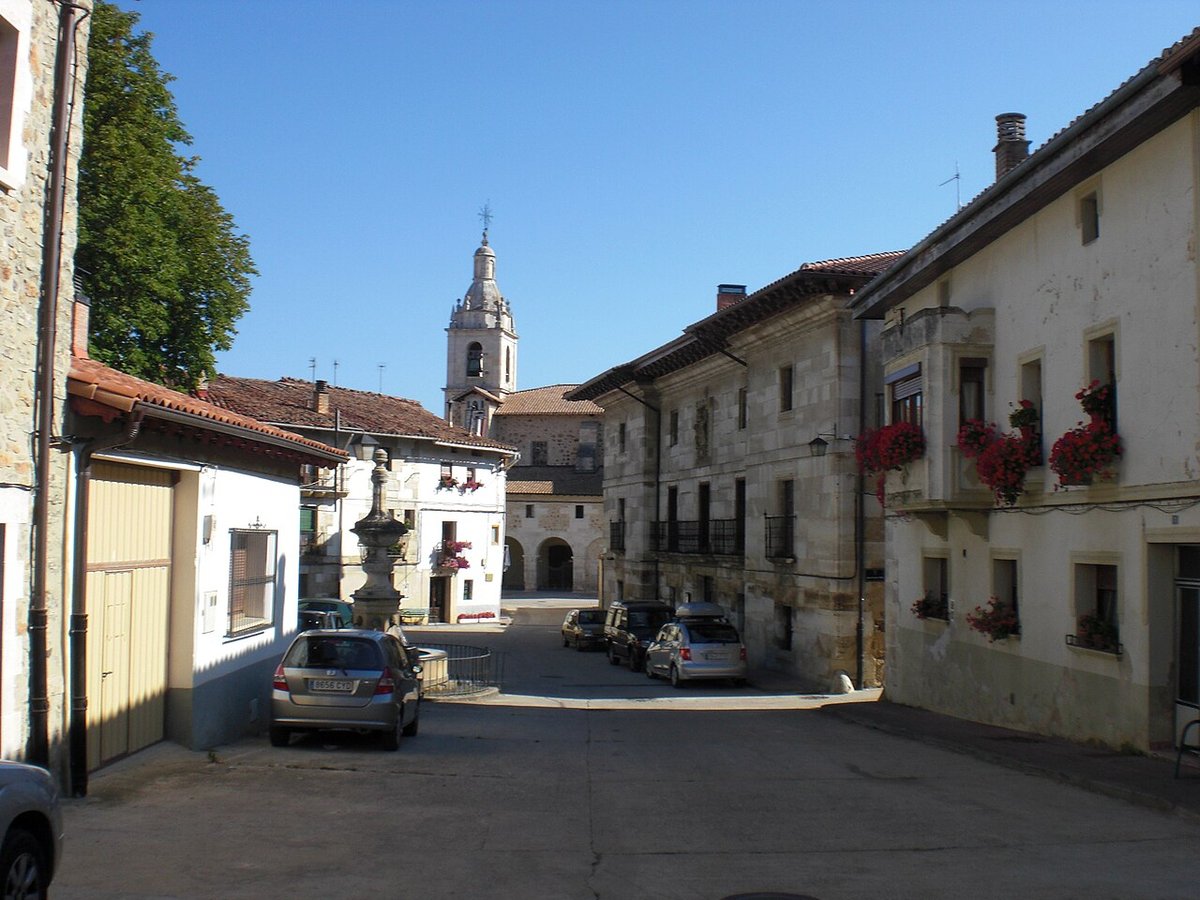
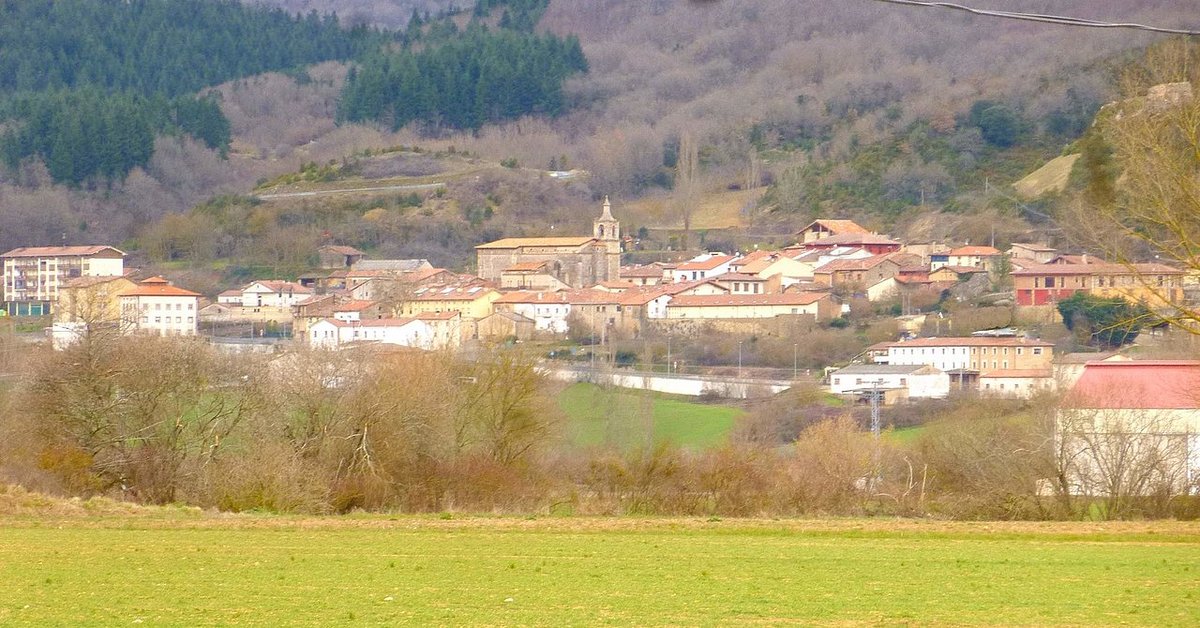
The municipality lies in the Valle de Arana, within the Cuadrilla de Campezo‑Montaña Alavesa. This is a landscape where villages sit apart from each other, separated by meadows and small patches of woodland. Just over two hundred people live here, spread across several small settlements in the valley. Change has come slowly. Many houses still follow the same pattern, solid stone walls, sloping roofs of reddish tiles and wooden gates that have weathered decades of damp winters.
Short Streets and Everyday Life
Walking through the main part of the village is straightforward, as everything sits close together. The streets are short and slightly uneven, with stretches where the ground still shows the smooth wear of years of foot traffic. Between houses, small vegetable plots appear, fenced with wire or edged by low stone walls.
On one side of the village stands a covered frontón, a traditional Basque court used for pelota, a fast-paced ball game played against a wall. At certain times of day, the sharp crack of the ball echoes across the village, a familiar sound in towns throughout Euskadi. At other moments it stands empty, the echo lingering a little longer than expected.
There is no grand square or eye-catching landmark here. Harana works on a different scale. Everything feels small, practical and closely tied to the daily routines of the people who live here.
The Church and the Shape of the Land
The church rises slightly above some of the surrounding houses, just enough for its bell tower to stand out against the skyline. In the late afternoon, when sunlight comes in from the west and reflects off nearby walls, the stone of its façade often appears lighter.
It is sometimes closed, which is common in villages of this size. When it happens to be open, the interior carries the scent of aged wood and candle wax. Inside, things are simple: straight benches, thick walls and that cool, steady atmosphere typical of stone churches, even in summer.
From the area around the church, the shape of the valley becomes clear. Gentle hills roll outwards, open meadows stretch across the landscape and, further off, darker lines mark the mountains that enclose the area.
Paths Leading Outwards
Leaving the last houses behind, rural paths begin almost immediately. Some follow old routes between plots of land, while others lead into areas of low woodland. After several days of rain, which is fairly common here, the ground can turn soft and muddy, so footwear with good grip makes a difference.
These are simple paths, used more by local residents than by hikers. Even so, a short walk along them reveals how the valley opens up. Wide meadows, stone walls marking boundaries and the occasional isolated borda, a traditional rural building, come into view.
Early in the morning, birds are often heard more than people. By late afternoon, as the light fades, the colour of the fields shifts quickly from bright green to a darker, more muted tone.
A Valley Still Rooted in the Land
Around Harana, livestock farming and small family-run operations are still part of everyday life. Tractors move between fields, and in good weather, cut grass is left to dry in piles at the edges of the meadows.
The smell of damp grass mixed with turned earth is especially noticeable in spring and after rain. It is as much a part of the place as the houses and the paths.
For that reason, the valley is not set up for large numbers of visitors. People who arrive tend to be passing through or looking for a stretch of quiet, without much in the way of infrastructure around them.
When to Visit the Valle de Arana
Spring and autumn are usually the most rewarding times to explore the valley. In spring, the meadows are intensely green and water runs along the roadside ditches. In autumn, ochre tones take over and the air feels clearer after the first rains.
In summer, it is best to walk early in the day or towards evening, when the sun lowers and the valley becomes quieter again. Winter often brings fog, which can settle across the valley floor for hours, leaving only the higher ground visible above it.
A Brief Stop, Without a Plan
Harana does not take long to explore. A walk through its streets, a visit to the church and a short stretch along one of the paths leading out of the village are enough to get a sense of the place.
There are no major sights to seek out. What tends to stay in memory is simpler: the sound of the pelota striking the frontón wall, the wind moving between the houses and the feeling of being in a valley where time passes just a little more slowly.