Full Article
about Kanpezu (Campezo)
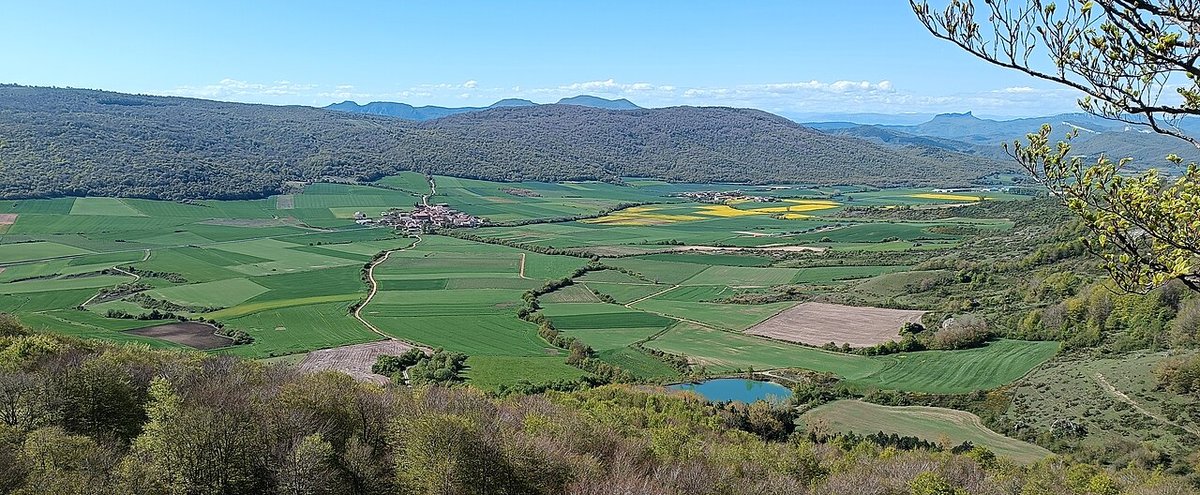
Deep green, scattered farmhouses, nearby mountains with trails and viewpoints.
Hide article Read full article
At the head of the Ega valley
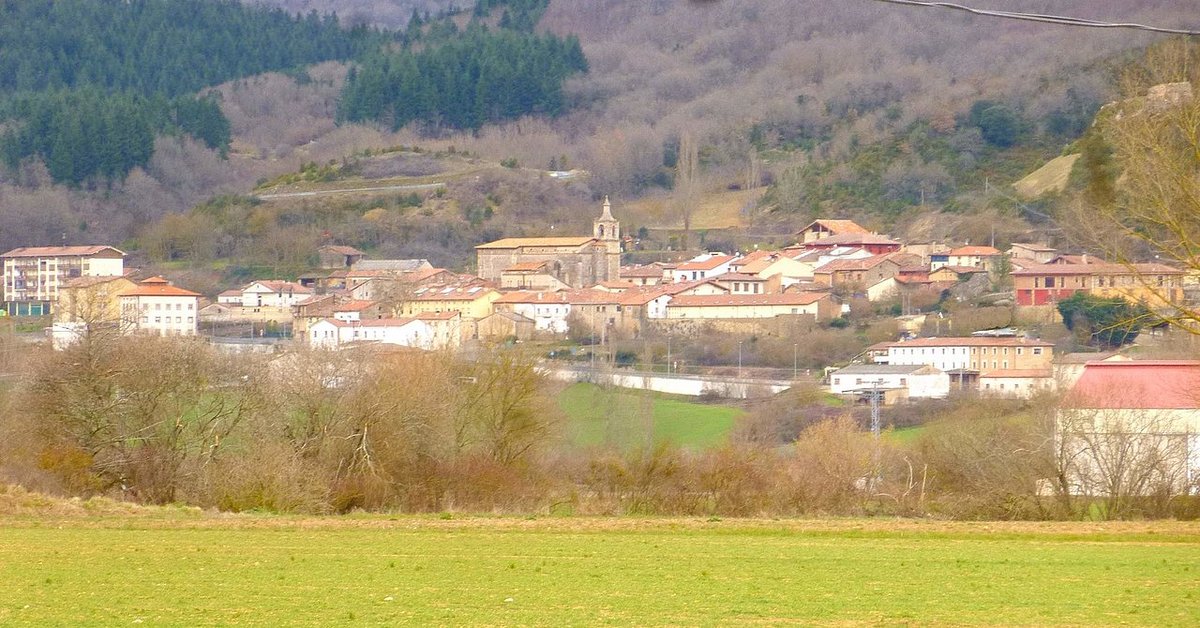
Kanpezu, also written Campezo, sits at the eastern edge of Álava, right at the head of the Ega river valley. This is one of the entry points to the Montaña Alavesa, a region that marks the shift between the flatter Llanada and the rising terrain that leads towards Navarra.
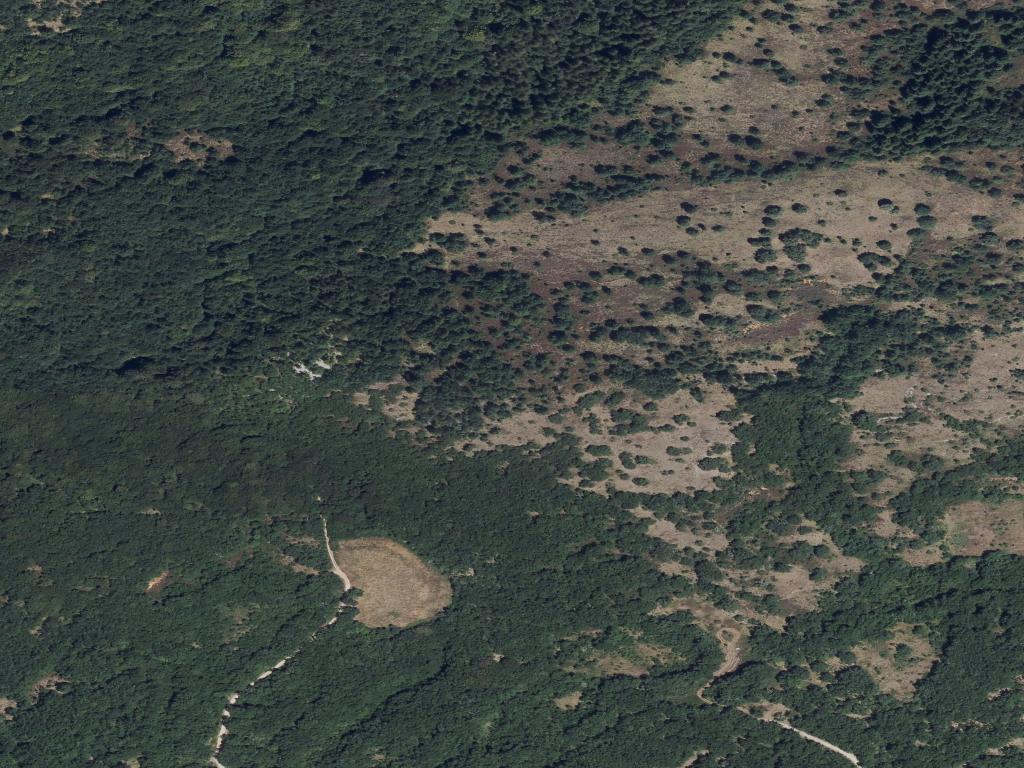
The village developed in this transitional setting, where movement between regions naturally converged. The valley here is narrow, with cultivated land spread across the floor while slopes of oak and holm oak climb up on either side. That contrast between farmland and woodland still defines the landscape.
A borderland with a past
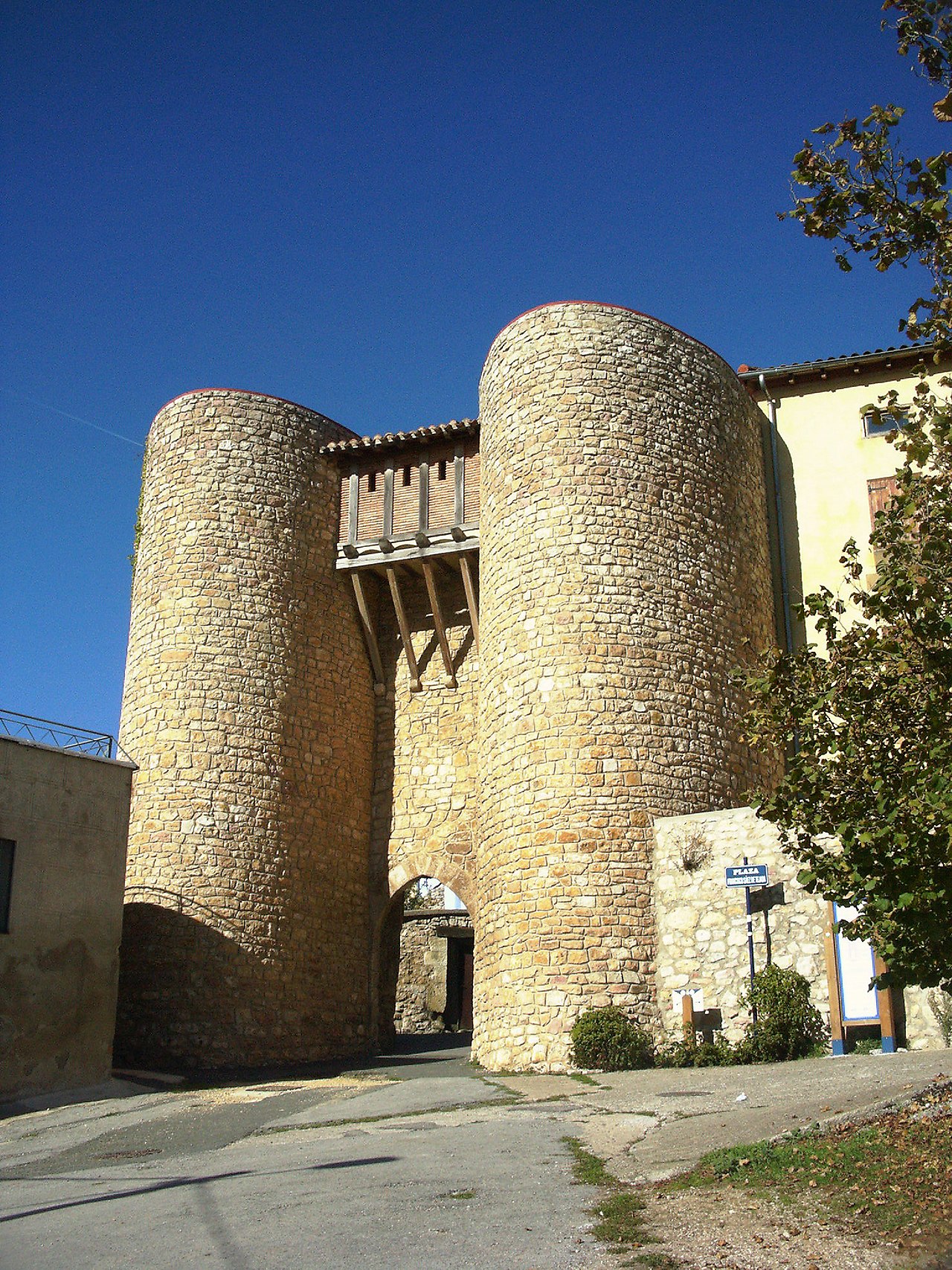
For centuries, this area functioned as a contact zone between Álava and the Kingdom of Navarra. Medieval records refer to Campezo as a strategic place within the valley, positioned along a natural corridor that linked the two territories. Its location explains why settlements across the Montaña Alavesa often retain traces of defensive layouts or references to former walls.
Kanpezu still hints at that earlier role. The old centre remains compact, its layout suggesting a need for enclosure and control rather than expansion. Streets cluster tightly together, forming a nucleus that reflects its origins as a place shaped by movement and proximity to a frontier.
Over time, that defensive importance faded. The valley shifted towards agriculture and livestock, activities better suited to its terrain. Meadows on the valley floor and the surrounding hills now explain much of what can be seen today. The rhythm of the place is tied more to land use than to its former strategic position.
A compact village centre
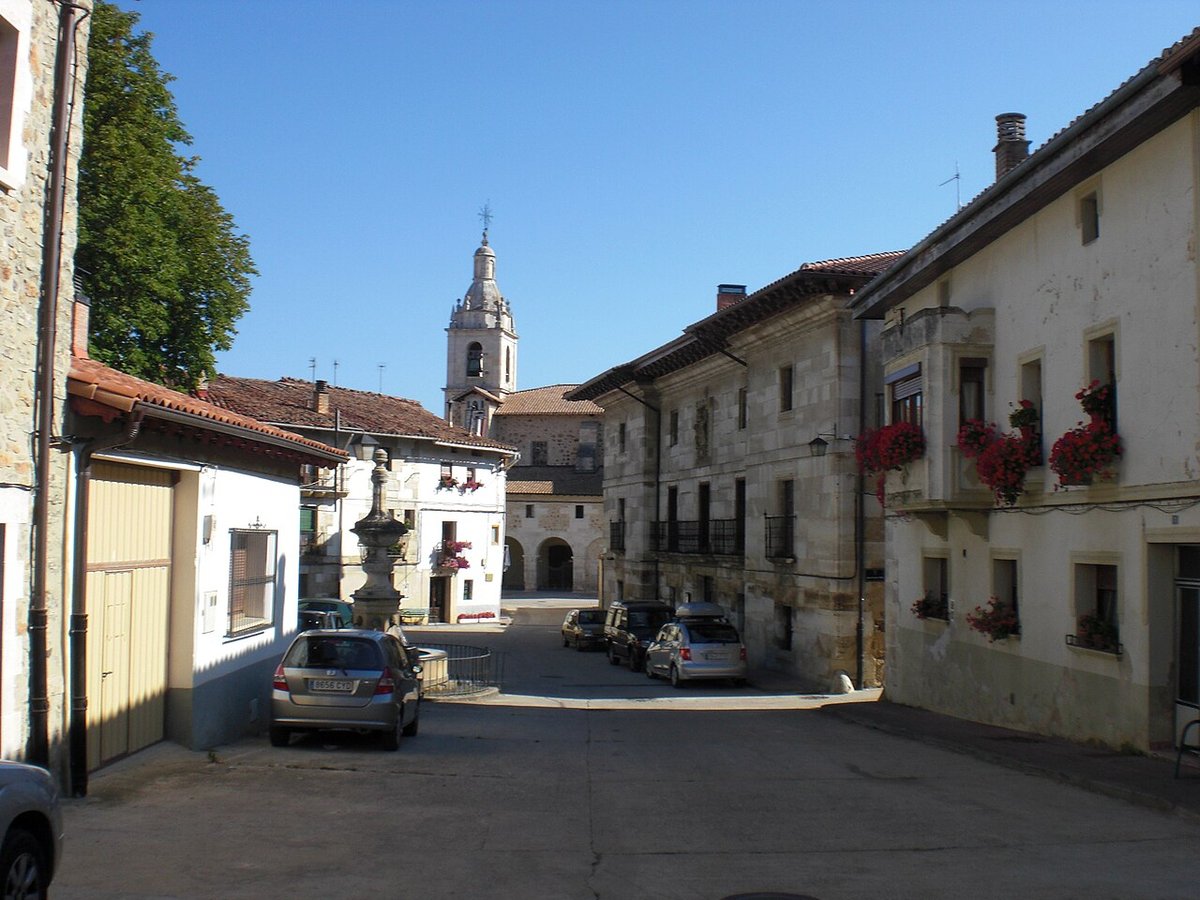
The centre of Kanpezu is small and easy to walk through. Streets gather around a simple square where several public buildings are located. There is no attempt at grandeur, and that simplicity is part of its character.
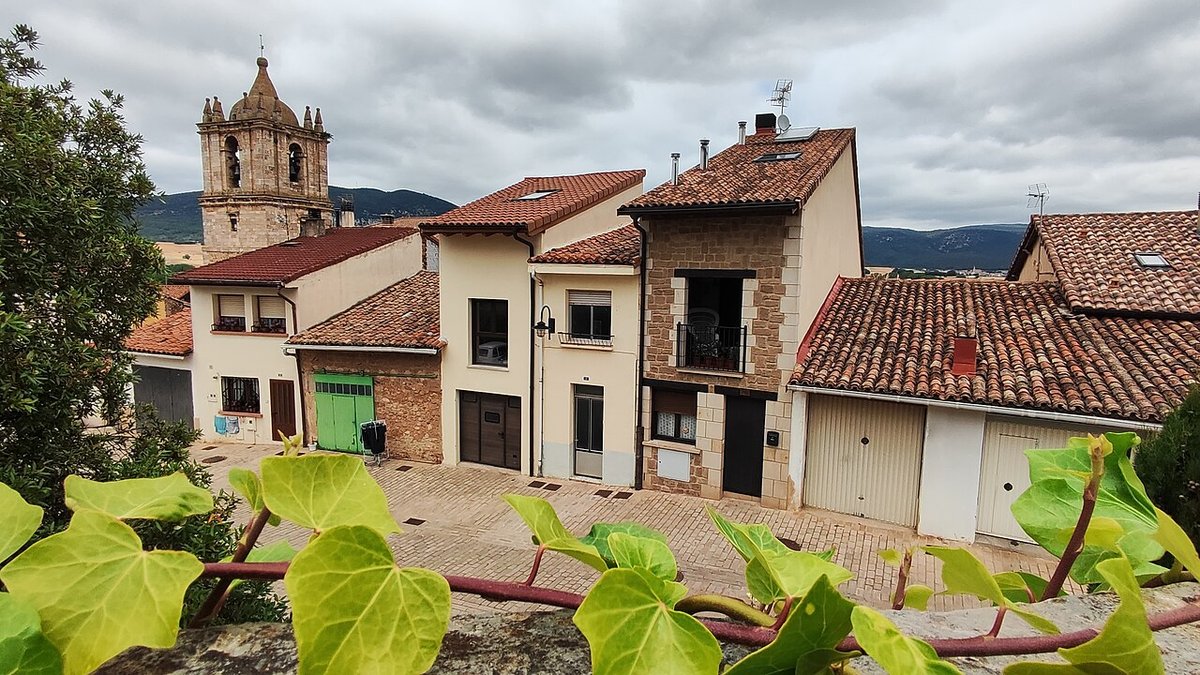
Most houses are built of stone. Some have been updated, while others retain older features such as arched doorways, iron balconies and wooden eaves. These details appear without any sense of display, integrated into everyday buildings rather than set apart as monuments.
This is not a historic centre defined by large landmarks. Its interest lies more in how the village relates to its surroundings. From several side streets, views open out towards the meadows and the slopes that frame the valley. That immediate connection to the countryside remains clear and uninterrupted, with little separation between built space and agricultural land.
The church as a landmark
The parish church stands in a dominant position within the village. Much of the current structure dates from the 16th century, although later alterations affected the roof and parts of the interior.
Its construction is sober, using well-cut stone. Like many rural churches in Álava, the exterior communicates more than the interior, which tends to remain closed and less visible. Walking around the building reveals its role as a visual reference point. The tower can be seen from different parts of the valley and would have served as a guide for orientation over long periods.
The church is not isolated from the village but integrated into it, reinforcing its presence without overwhelming the scale of the surrounding streets.
Paths and the surrounding landscape
Just beyond the built area, the setting changes quickly. Agricultural tracks appear, along with enclosed meadows and a few scattered farmhouses. This pattern, where most people live in a concentrated village while agricultural activity spreads outward, is typical of the Montaña Alavesa.
These paths make it easy to read the structure of the valley. Fields occupy the lower ground, while wooded slopes rise above them. Small streams run down towards the Ega, shaping the land in subtle ways. There is no need to travel far to understand this arrangement, as the transitions are immediate and visible within a short distance.
The landscape does not rely on dramatic features. Instead, it reveals itself through these gradual changes in elevation, land use and vegetation.
Visiting in practice
Kanpezu can be explored in less than an hour if focusing only on the village centre. The wider setting is what gives it meaning, so time spent on nearby paths and viewpoints helps to complete the picture.
Reaching other villages in the Cuadrilla de Campezo‑Montaña Alavesa is easiest by car. Distances between them are short, but public transport options are limited. Many walking routes begin from local roads or agricultural tracks, and the terrain tends to be gently uneven. Suitable footwear is useful when moving beyond the paved streets.
The experience of Kanpezu comes from this combination: a compact settlement, a visible connection to its surroundings, and a landscape that can be understood simply by stepping a little way outside the village.