Full Article
about Lagran
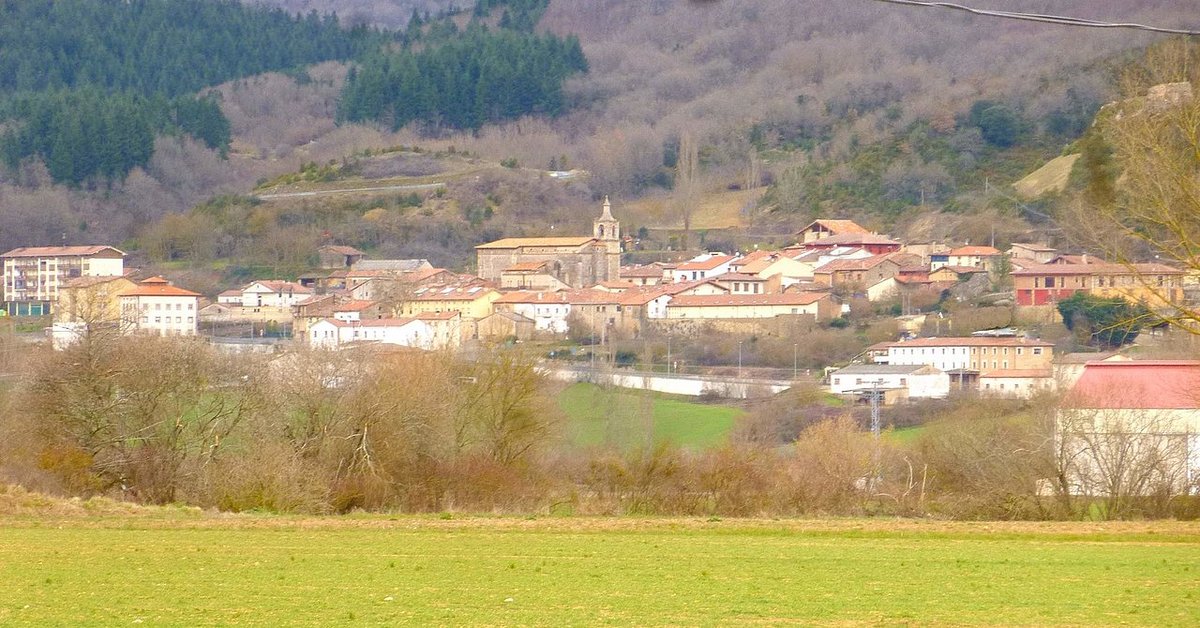
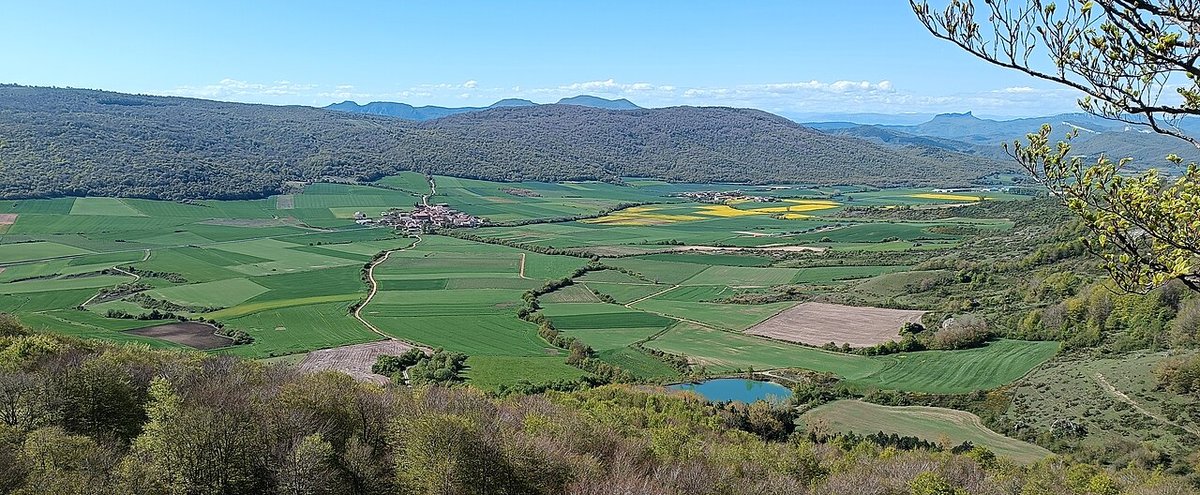
Deep green, scattered farmhouses, nearby mountains with trails and lookouts.
Ocultar artículo Leer artículo completo
The church bell strikes eleven and the only other sound is a tractor starting up three streets away. At 750 metres above sea level, Lagrán’s air carries both the resin of encina oaks and the faint diesel note of someone mowing a hay terrace before noon heat builds. This is the Montaña Alavesa, the southeastern elbow of Álava province, where Basque farmsteads thin out and the ground begins to tilt toward La Rioja. The village isn’t hidden—Google Maps finds it without protest—yet it behaves like a place that assumes you have already decided to come.
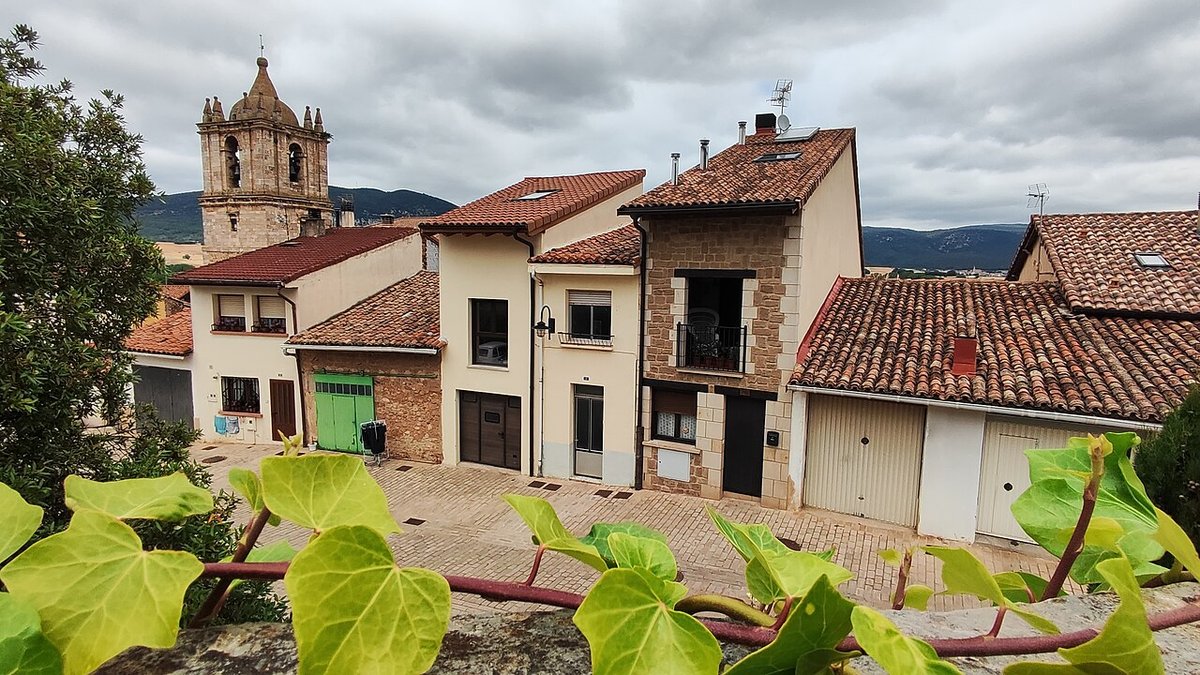
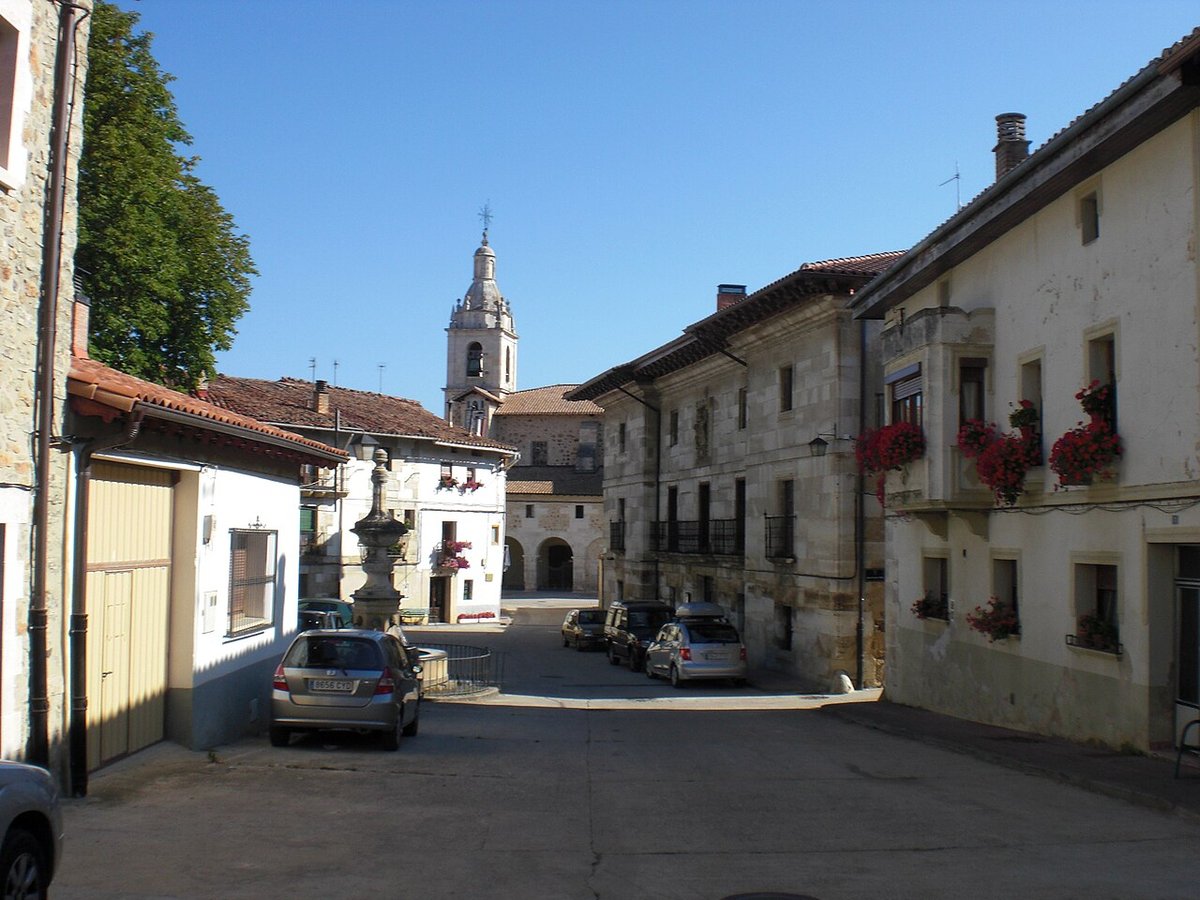
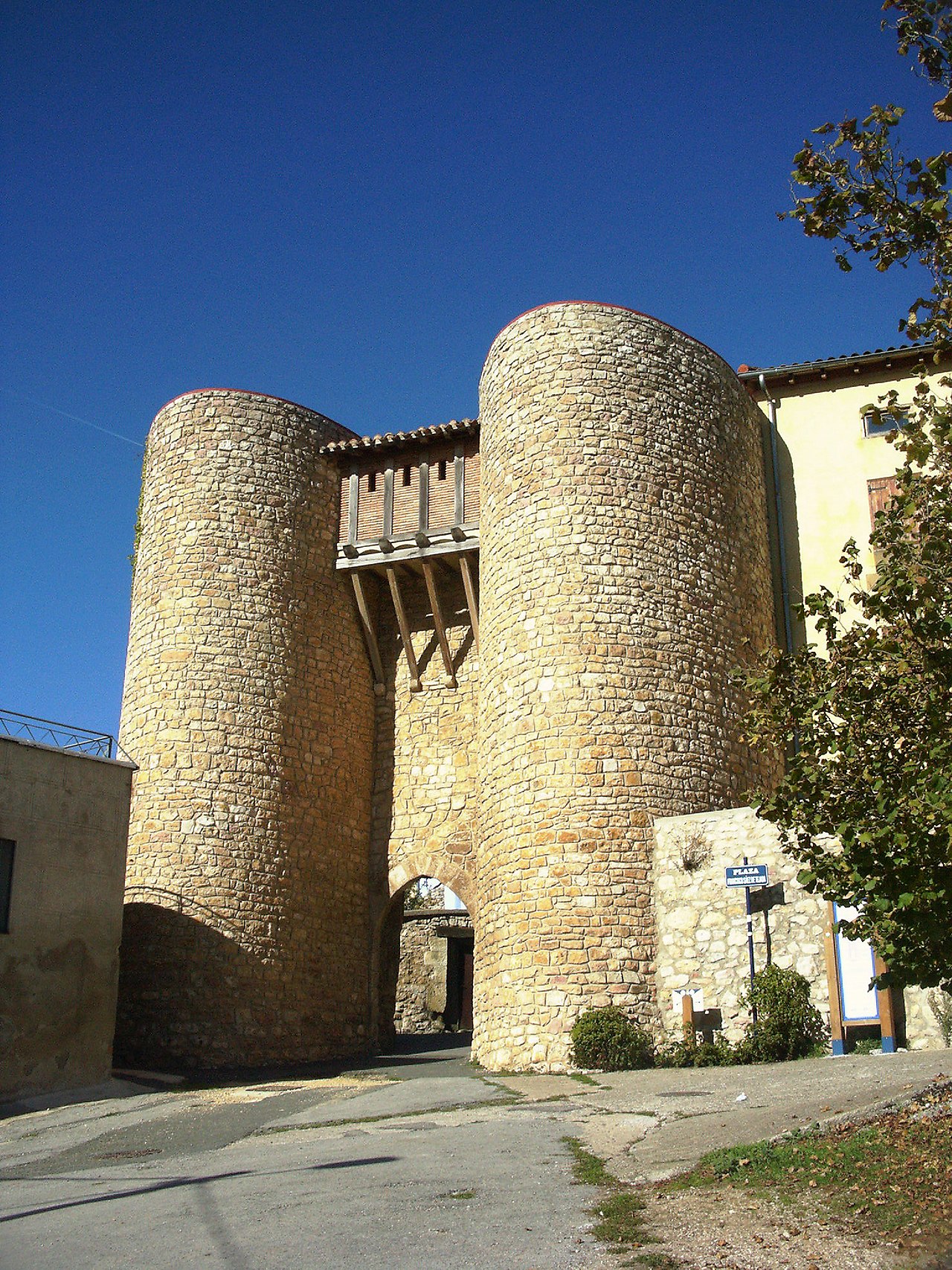
Stone houses, most painted white above the ground-floor dado of grey granite, squeeze along a ridge no wider than a cricket pitch. There are no souvenir shops, no medieval gates to photograph, no bar with a nautical theme. What you get instead is an immediate choice: turn left up Calle San Juan and within four minutes the tarmac stops; or carry straight on and meet a sign that reads “Pista de Jaundén – 3,2 km”. The transition from settlement to landscape is that abrupt. One moment you’re beside someone’s woodpile stacked under the eaves, the next you’re looking down over a chessboard of allotments and across to the Sierra de Toloño shimmering forty kilometres away.
Walking the Mosaic
The surrounding fields are small enough to measure in minutes, not hectares. Each plot carries a different crop or lies fallow with a shimmer of weeds: lentils, feed barley, perhaps a corner of potatoes. Dry-stone walls no higher than a shin separate them from the monte bajo, the low gorse and oak scrub that takes over where tractors fear to tilt. From the village edge a lattice of farm tracks and signed footpaths fans out like spokes. None requires a permit; all demand calf awareness. The gradients look gentle until you realise the path has risen 200 metres while you were admiring a redstart.
A favourite first outing is the circular to Jaundén and back (6 km, 2 h). You climb through three switchbacks of holm oak, meet a shepherd’s hut with a tin chimney, then contour round to a bluff that reveals the Ebro valley as a pale stripe on the horizon. Spring migrants—subalpine warblers, the occasional short-toed eagle—use the updraft here, so bring binoculars if you can spare the weight. Return by the same ridge at dusk and you may see wild boar slipping into the maize below; they know exactly when the irrigation timers switch on.
What the Village Doesn’t Do
Lagran will not entertain you after 22:00. The single grocery shuts at eight, the bakery van visits three mornings a week and honks, and the lone bar, Casa Paco, closes early unless the owner’s son is back from Vitoria-Gasteiz with university friends. If you arrive expecting a pintxo crawl you will drive home hungry. Mobile coverage is patchy inside stone houses; WhatsApp voice notes arrive in clumps when you step into the plaza. Rain can be theatrical—sudden, horizontal, finished within twenty minutes—so a jacket in the rucksack is non-negotiable even when the sky over the church tower looks postcard friendly.
That honesty is part of the appeal. Families who have farmed these inclines since the 1700s treat visitors as temporary weather, neither nuisance nor salvation. Ask directions and you’ll get them, but no one will insist on guiding you to the next turning. Independence is assumed; self-reliance is respected.
Two Wheels, One Gear Too Few
Road cyclists rate the minor road south toward Labastida: 14 km of constant 5–6 % gradient, vineyards replacing cereal halfway down, the tarmac warm enough to smell the pine tar in July. Mountain-bikers prefer the loop that climbs from the cemetery to the ruins of Baroja chapel, drops into the Barranco de Loza, and re-enters the village past an abandoned threshing floor where swallows nest in the rafters (22 km, 550 m ascent). Either way, carry spare tubes: thorny burnet hedges shred sidewings faster than a Glaswegian pothole. Bike hire is not available in the village; Vitoria (45 min by car) has two shops that will rent for 25 € a day if you book ahead.
Seasons That Bite Back
April brings almond blossom at 700 m, two weeks later than in the Rioja below. Night frosts are possible until the festival of San Isidro in mid-May, so camping on the ridge is for those who own a four-season bag. June is already hot enough to wilt the rocket in the vegetable plots; walking starts at dawn so that you’re back for tortilla before the sun turns the stone houses into storage heaters. Autumn is the photographer’s ally: stubble fires send a blue haze across the valley, and the last sunflowers face east like a confused audience. Winter, though, is when Lagrán remembers it is closer to the Cantabrian watershed than to the Mediterranean. Snow arrives overnight, closes the AV-4042 for half a day, and melts into a red clay that sticks to boots like molasses. If you book a cottage between December and February, make sure it has central heating rather than the ornamental fireplace shown in the website gallery.
Eating (and Not Eating) Locally
There is no restaurant. Casa Paco will fry eggs and chips, or dish out a plate of chorizo if you ask before the kitchen shuts at 15:30. The grocery stocks UHT milk, tinned squid in its own ink, and a surprisingly good selection of Rioja reservas priced two euros below supermarket levels. Self-catering is the sensible path: bring lamb from the butcher in Lanciego (15 min drive) and roast it with local rosemary; buy honey labelled “Lagran” from a cool pantry in the next street—leave the two euros in the honesty box. On Friday a white van parks by the church and sells freshly vacuum-packed cheese made from latxa sheep in next-door Bernedo; it keeps for a week unrefrigerated, so long as you don’t open it to sniff every evening.
Getting Here, Getting Out
Public transport is a wish rather than a service. The weekday bus from Vitoria to Casalarreina stops at the junction of the A-124, 6 km below the village, at 07:15 and 19:10. Miss it and you are walking uphill on a road with no verge. A hire car is almost mandatory; the last 10 km from the AP-68 motorway wind through beech woods that look enchanting in fog and terrifying when the local cooperatives’ articulated grain lorries appear round a bend. Fill the tank in Pobes—there is no petrol station closer than Haro, 28 km south. If you plan to combine Lagrán with the Basque coast, allow two hours to San Sebastián via the N-1 and A-1; the mountain route through Salinas de Léniz is prettier but adds forty minutes and a fair risk of sheep on the road.
Staying Over
Accommodation totals three options. Two are restored caseríos (farmhouses) split into apartments with beams blackened by a century of oak smoke; expect thick walls, tiny windows, and Wi-Fi that arrives via a repeater balanced on a wardrobe. Mid-week prices hover round 70 € per night for a two-bedroom unit, heating included. The third option is the municipal albergue on the track toward Elvillar: spotless, heated, 15 € for a bunk, but you share with whatever school group is studying ecosystem transitions this week. Booking is through the provincial tourist office website; ignore the 1990s photographs—new mattresses arrived in 2022.
The Honest Verdict
Lagran will not change your life. It offers no epiphany, no bragging-rights summit, no Instagram hotspot likely to crash servers. What it does give, with gratifying consistency, is the chance to walk straight out of a front door and into landscape that smells of thyme and distant manure, where the loudest noise is your own breathing on an uphill path. Come with a full tank, a rucksack of provisions, and the expectation that you will entertain yourself. If that sounds like effort, stay in Bilbao. If it sounds like freedom, set the alarm for dawn and be ready when the first swallow screeches over the church roof at six.