Full Article
about Urizaharra (Peñacerrada)
Deep green, farmhouses and nearby mountains with trails and viewpoints.
Hide article Read full article
Urizaharra, un pueblo con forma de muralla
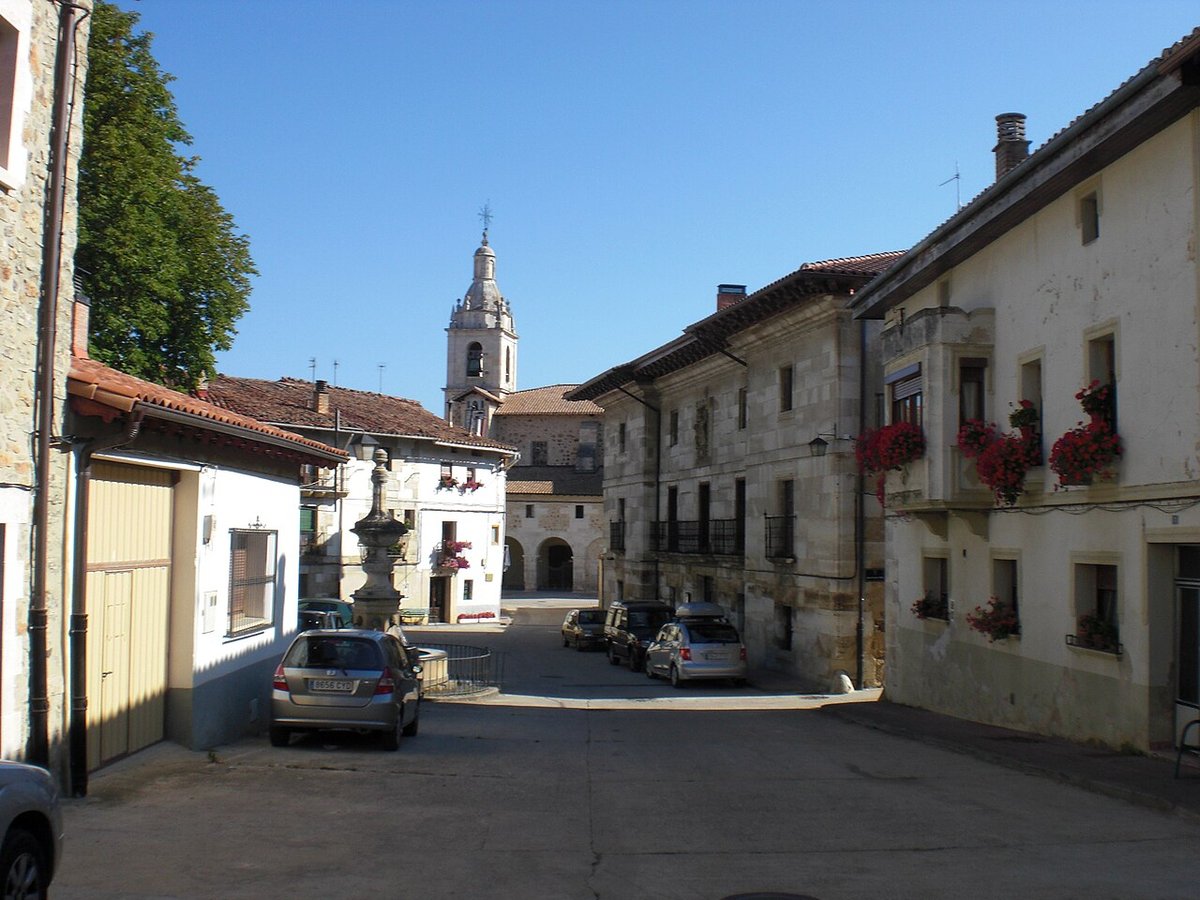
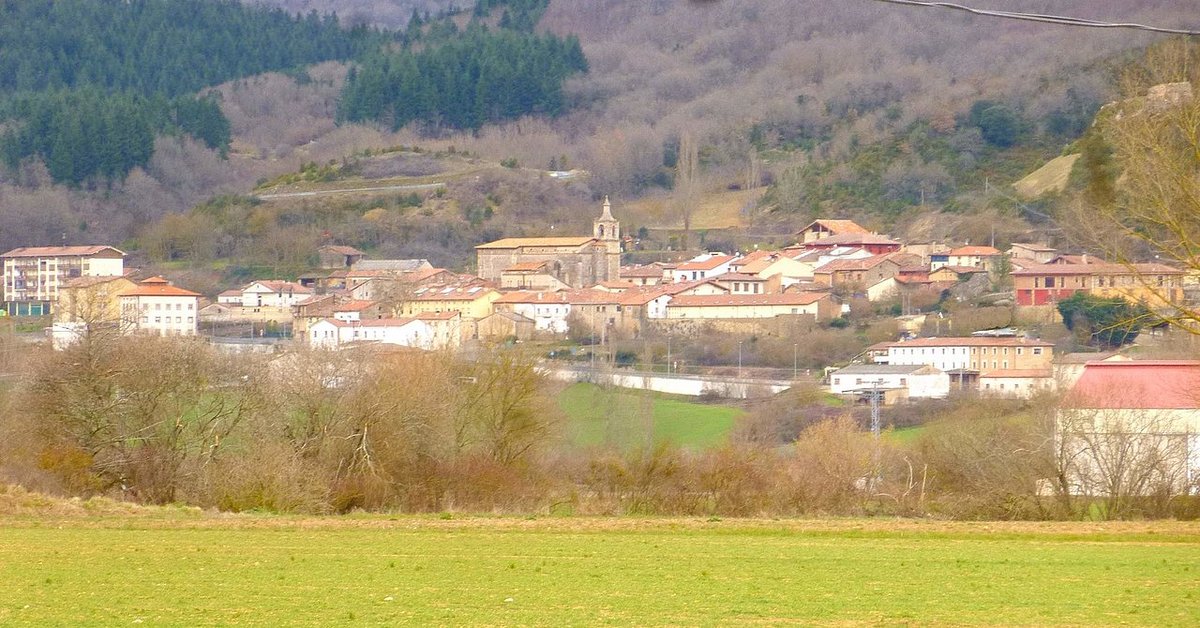
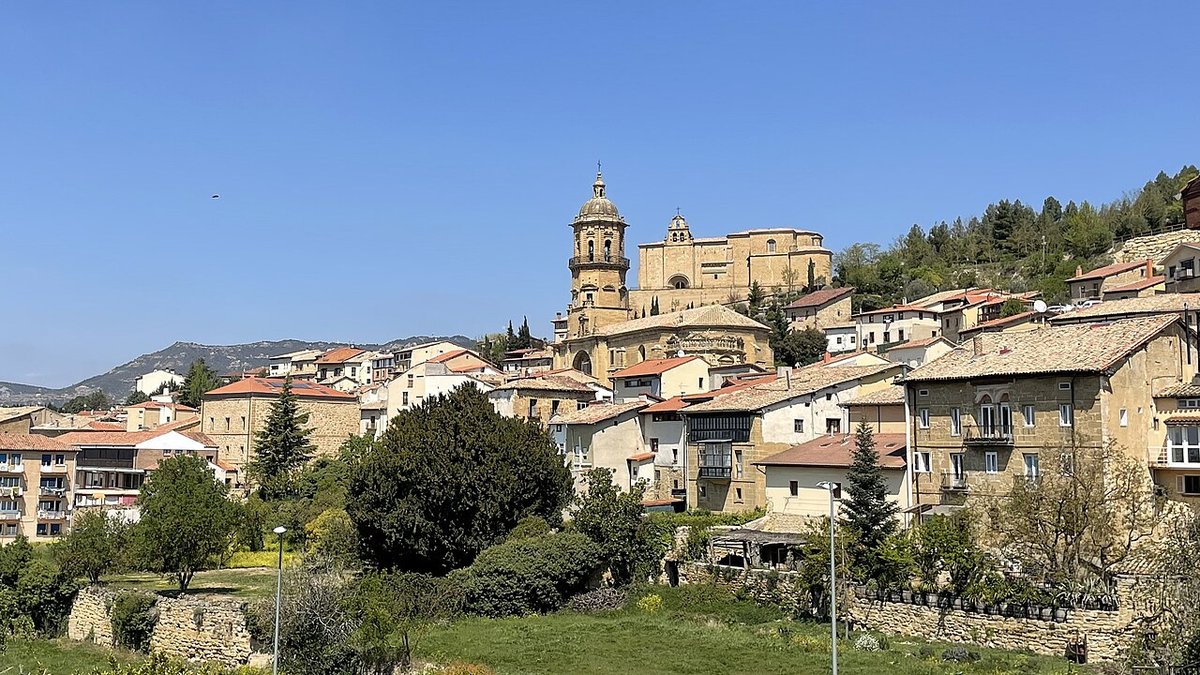
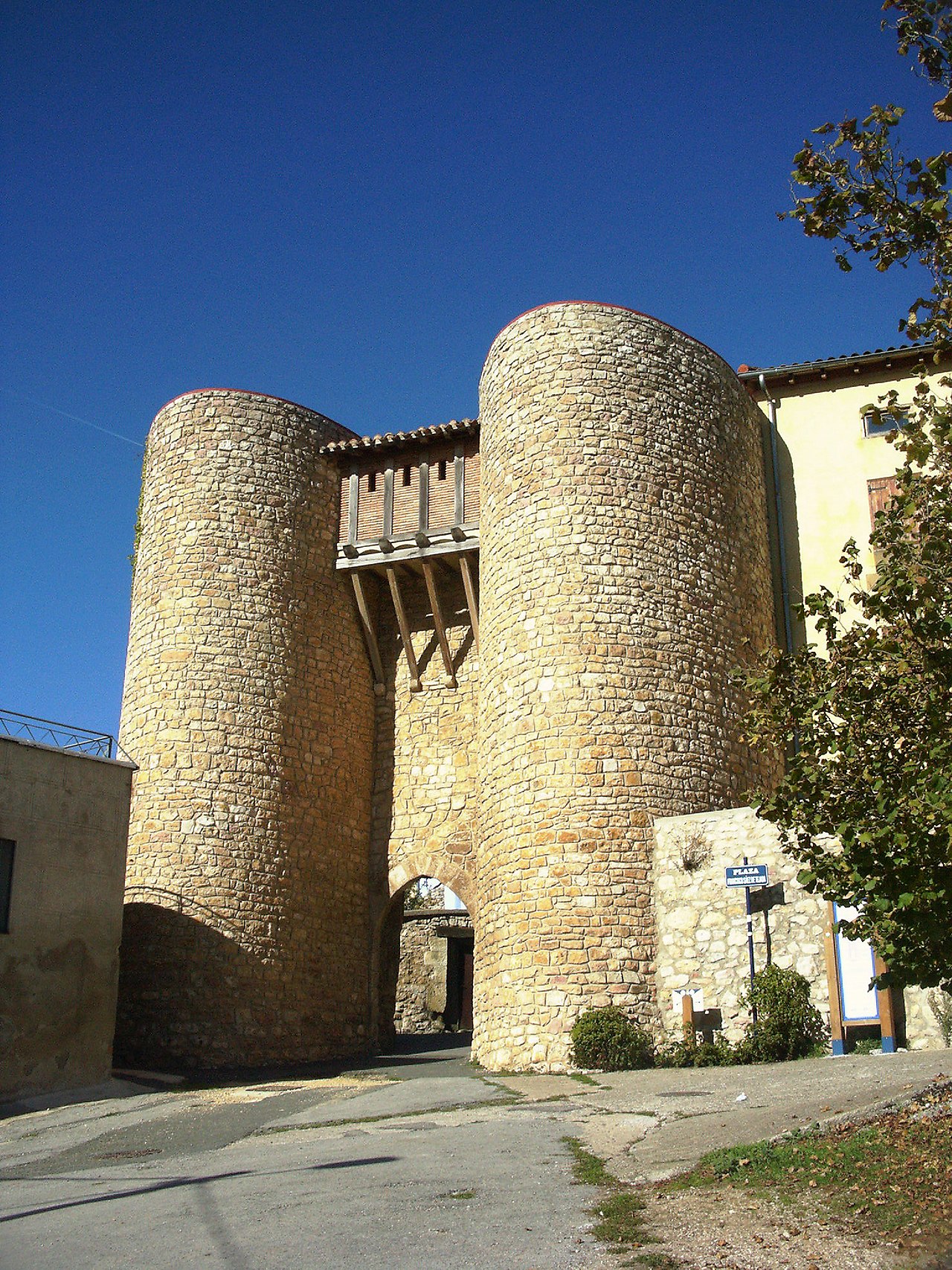
A unos treinta kilómetros al sur de Vitoria-Gasteiz, en la Montaña Alavesa, Urizaharra conserva el trazado de un asentamiento medieval fortificado. Su nombre oficial es Peñacerrada, pero aquí se usa más el vasco. El pueblo se organiza dentro del perímetro que marcaba su antigua muralla, de la que quedan restos integrados en las casas. Las calles, estrechas y con pendiente, suben entre hileras de viviendas de piedra.
Varias portadas lucen escudos heráldicos tallados en piedra. No son monumentos aislados, sino elementos de fachadas que siguen en uso. La historia aquí no se exhibe, se habita. Esta fue una zona fronteriza durante siglos, lo que justifica su carácter defensivo. Aunque el castillo desapareció, su emplazamiento aún se reconoce en la parte alta.
La iglesia de San Andrés
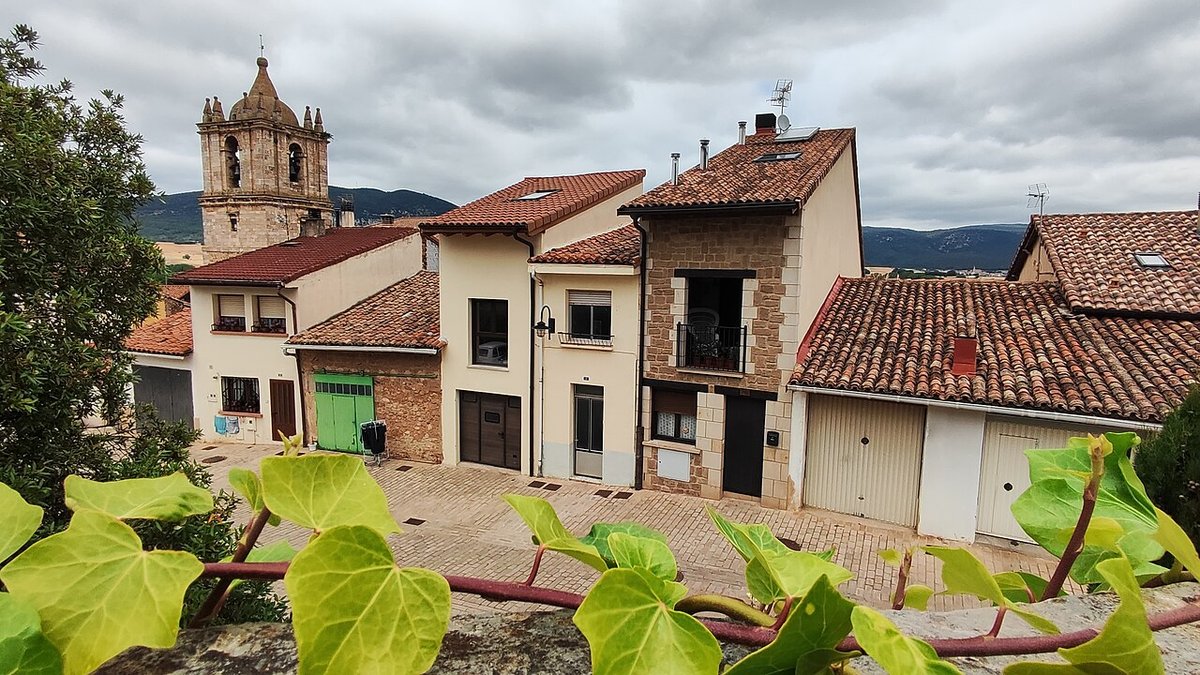
La iglesia de San Andrés ocupa el centro del pueblo. Es un edificio del siglo XVI con reformas posteriores, de una escala proporcionada al lugar. No busca imponer, sino servir.
Dentro, el retablo mayor es una pieza barroca tardía, con añadidos de épocas distintas. Su estilo es contenido, como corresponde al tamaño modesto del templo. La torre del campanario, construida en ladrillo, se ve desde varios puntos del casco. Su material contrasta con la piedra predominante y sirve de referencia al caminar.
Un plano que aún es medieval
El entramado de calles mantiene la lógica de crecimiento orgánico. Las vías se cruzan en ángulos cerrados y desembocan en plazuelas irregulares. No hay simetría ni planificación renacentista; solo la adaptación práctica al terreno.
En las fachadas se leen distintas fases constructivas. Aparejos rústicos conviven con sillares bien cortados en los arcos de algunas puertas. Muchas casas miran al sur, una orientación buscada para captar luz y resguardarse del viento del norte. Es una decisión climática que terminó definiendo la imagen del pueblo.
Los campos y la sierra
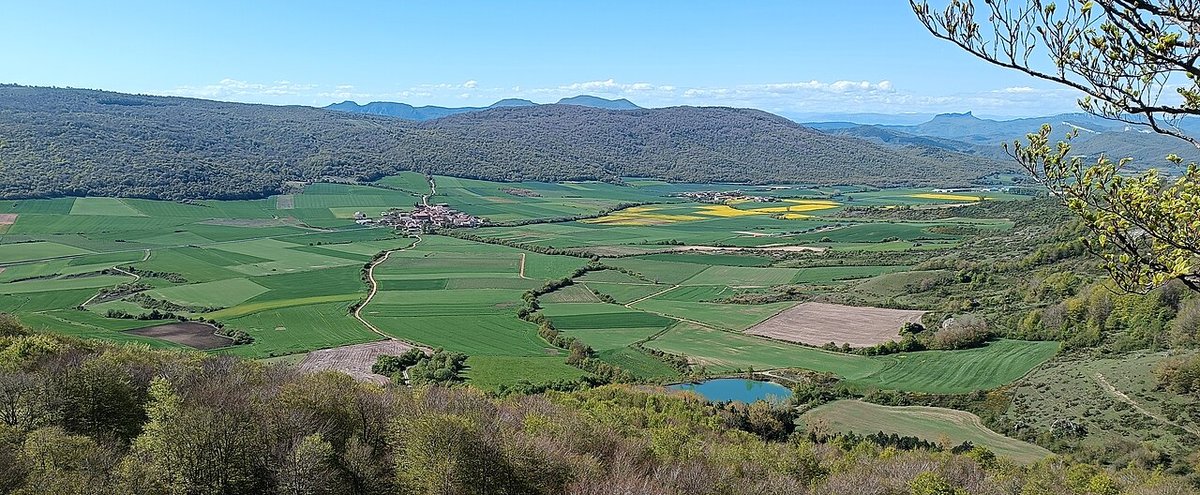
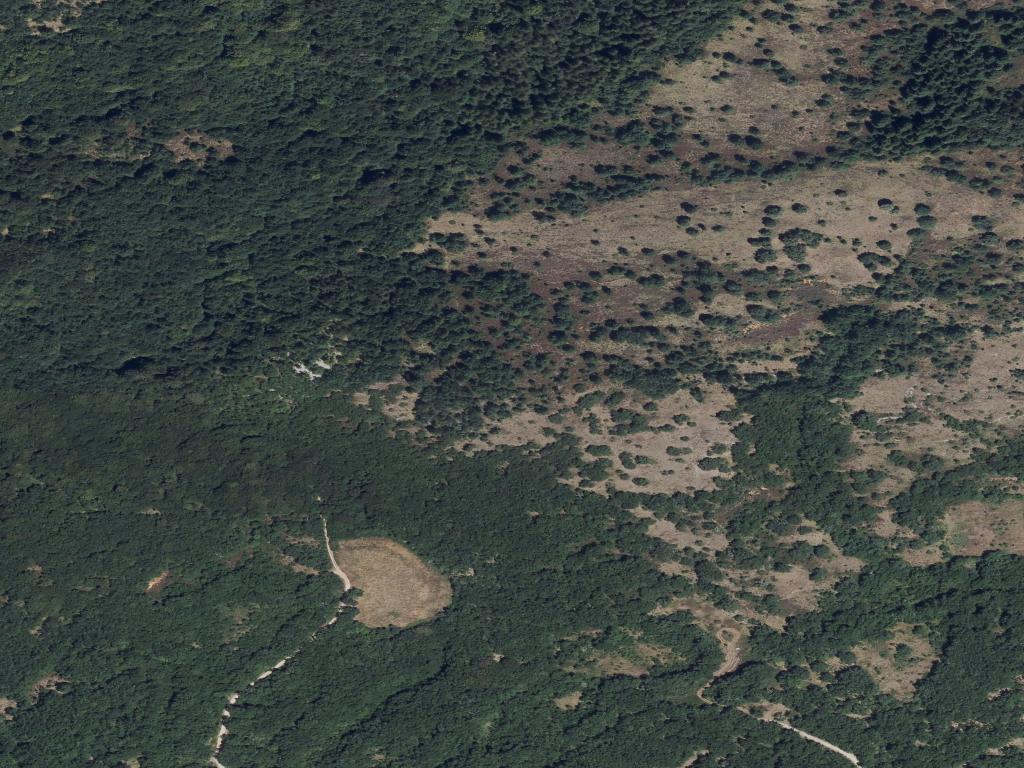
La transición entre el casco y el campo es inmediata. Apenas se salen las últimas casas, comienzan las parcelas delimitadas por muros bajos de piedra seca. Hay robles, algunos castaños y zonas de pasto. Esta organización del terreno habla de un uso agroganadero que durante siglos marcó el ritmo local.
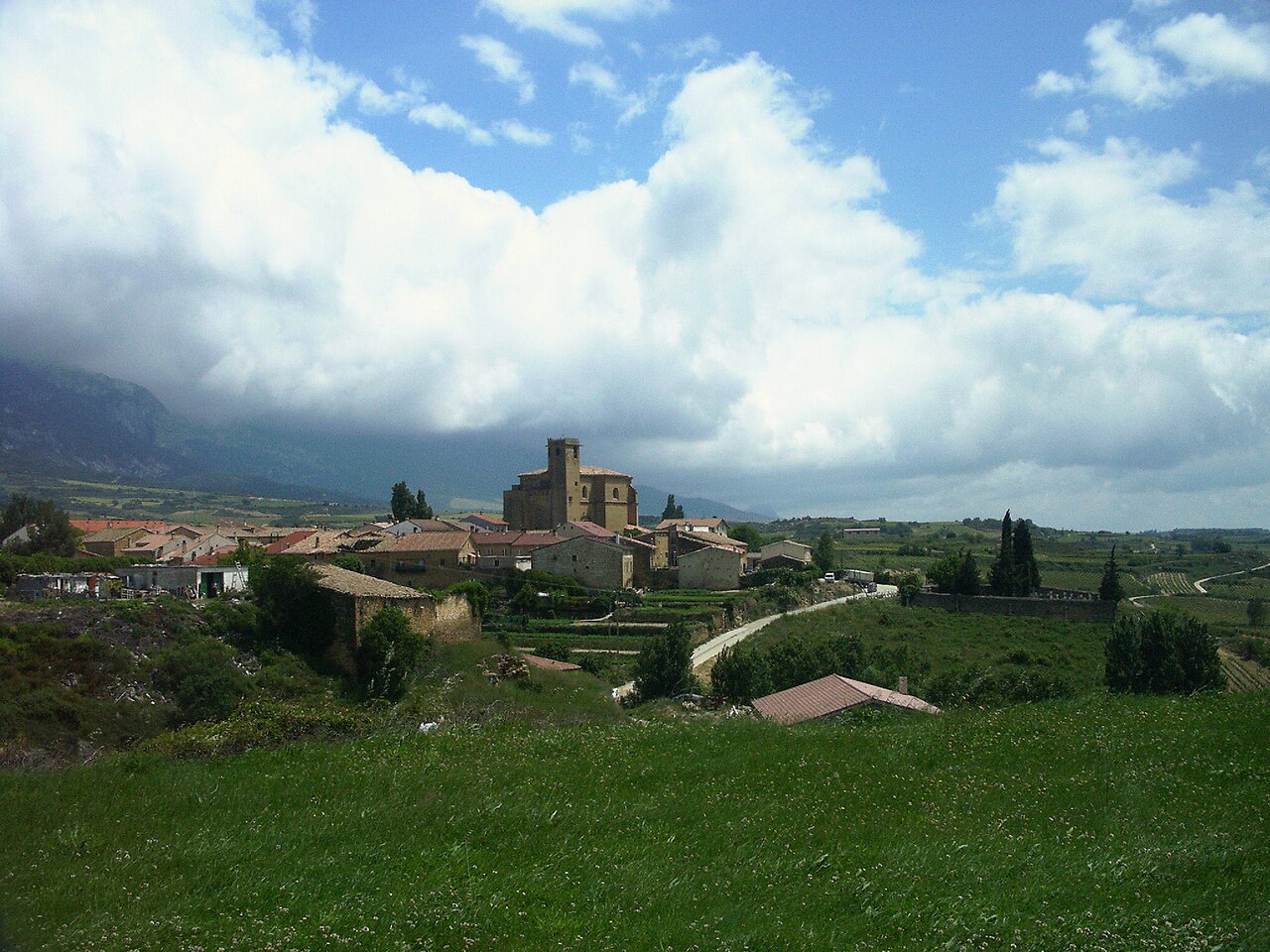
Varios senderos salen del pueblo hacia esos campos. Siguen en parte rutas antiguas, ya para llevar el ganado o conectar con las fincas. El suelo puede estar resbaladizo después de lluvias, algo habitual en esta comarca. Al sur, la silueta de la Sierra de Toloño cierra el horizonte y ayuda a orientarse.
El frontón y el ritmo cotidiano
Cerca del centro hay un frontón construido a mediados del siglo XX. Como en muchos pueblos vascos, funciona tanto para jugar a pelota como de plaza social informal. Cuando el tiempo acompaña, es habitual ver partidas espontáneas o vecinos conversando junto a la pared.
La vida en Urizaharra transcurre con calma la mayor parte del año. Los cambios estacionales se notan: los colores del paisaje en primavera y otoño invitan a salir, y en invierno son frecuentes las nieblas persistentes que envuelven el pueblo.
Cómo visitarlo
Conviene dejar el coche en los aparcamientos habilitados en la entrada o a las afueras del núcleo antiguo. El interior se recorre bien a pie en una hora, pero el interés está en los detalles: un escudo sobre una puerta, un lienzo de muralla reaprovechado, el cambio de textura en una fachada.
Desde algún punto algo elevado dentro del pueblo se obtiene una buena perspectiva de la relación entre el casco y la Sierra de Toloño. Las carreteras comarcales que pasan cerca conectan con otras localidades de la Montaña Alavesa, donde el paisaje alterna valles abiertos y zonas más encajonadas cerca de la sierra. Esa variedad de relieve explica la distribución histórica de los pueblos en esta zona.
Urizaharra es un lugar donde la historia no está en un museo, sino en la disposición de sus calles y en la piedra de sus muros. Una simple caminata permite entender la lógica de un asentamiento fortificado que supo adaptarse a un territorio fronterizo.