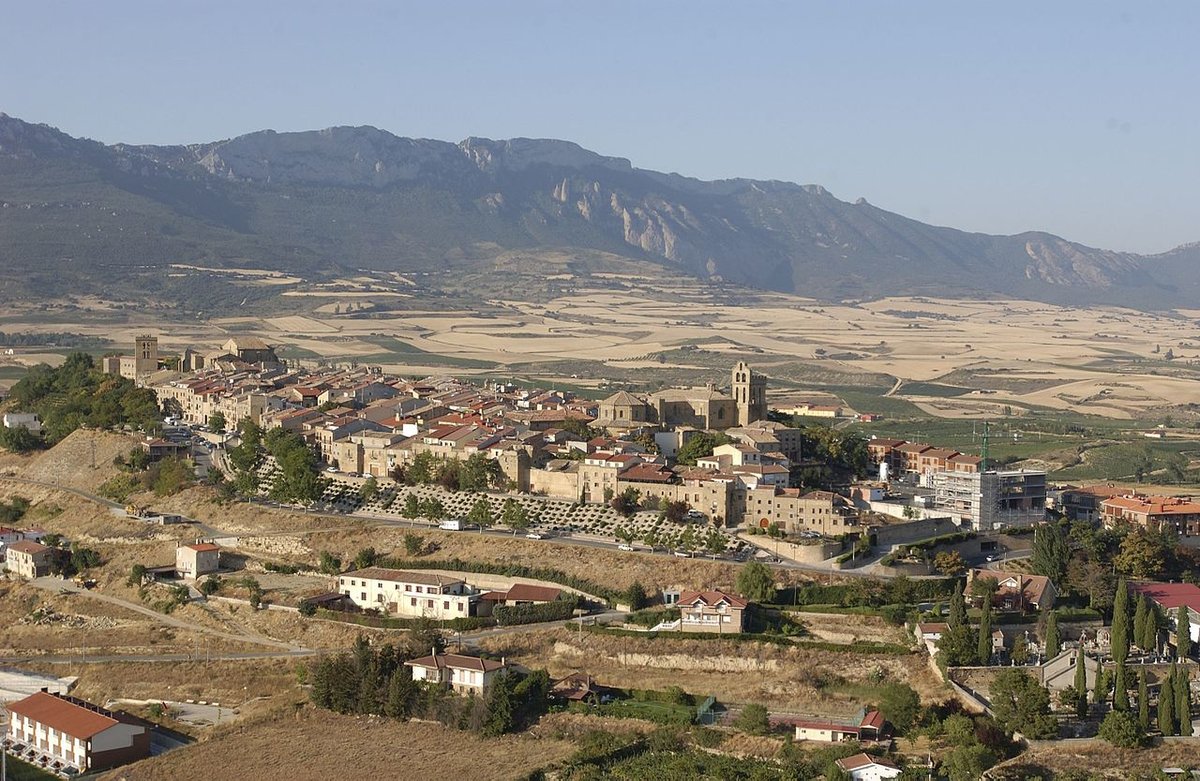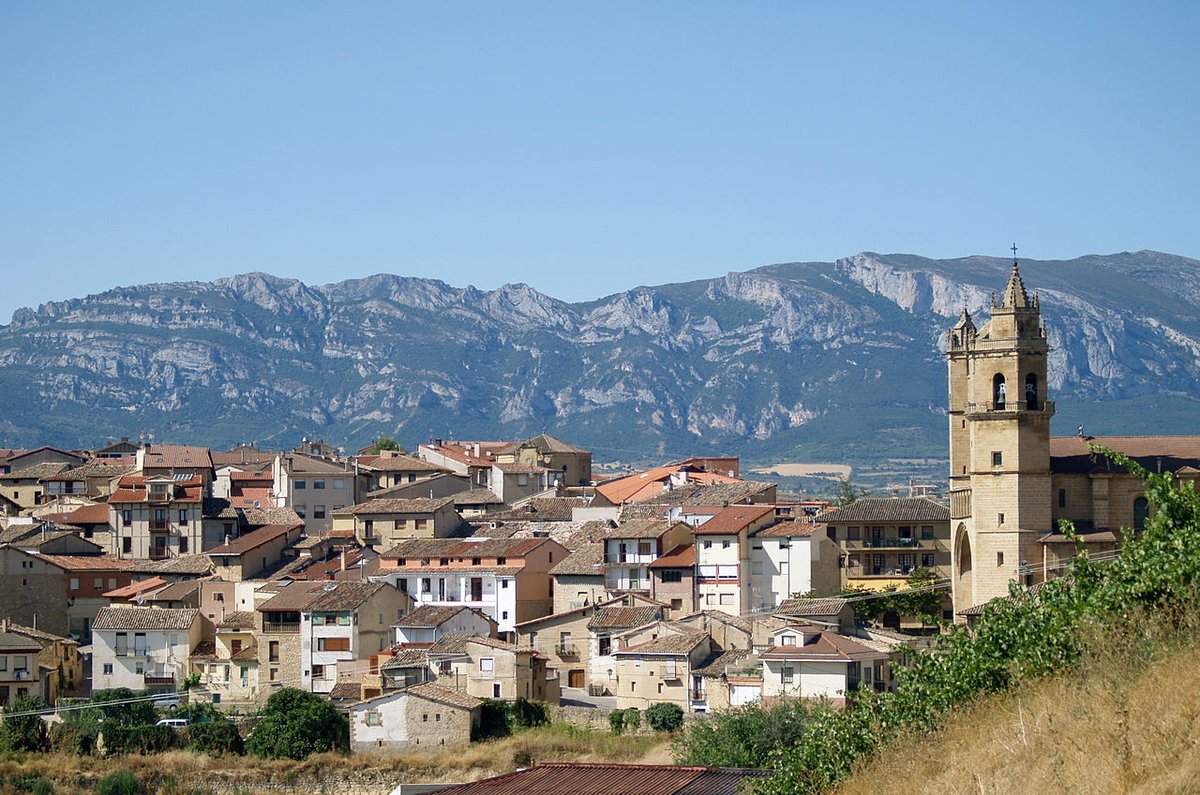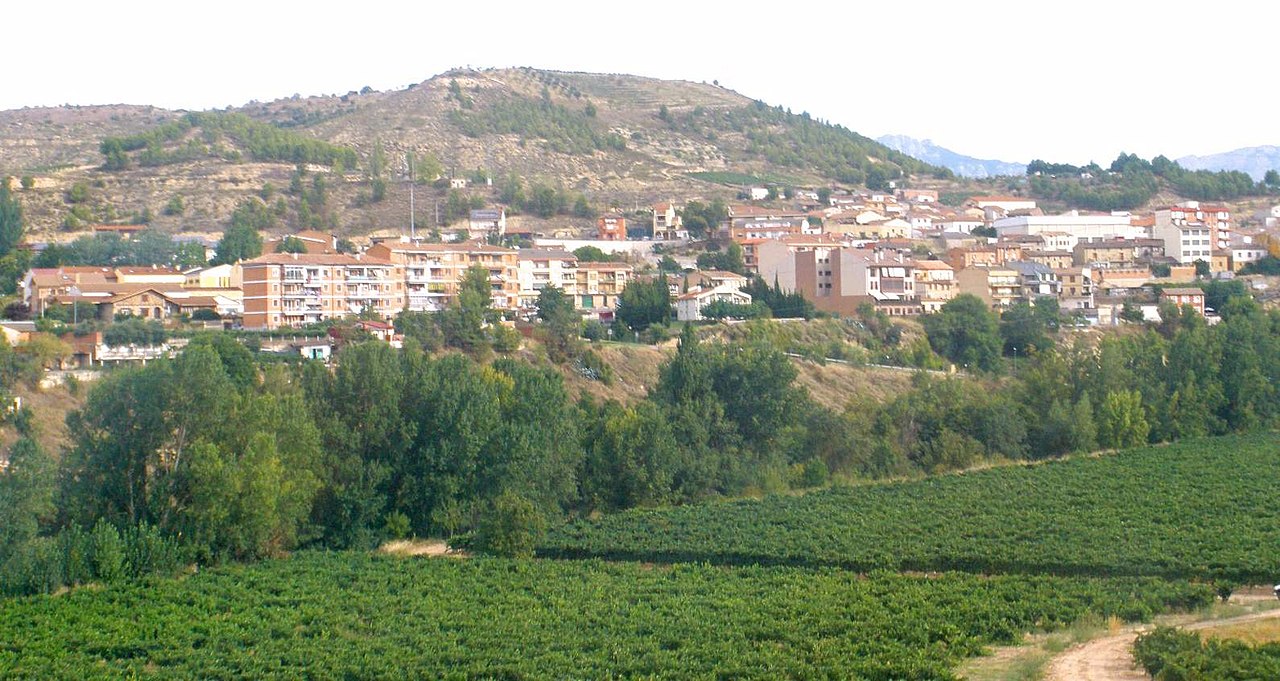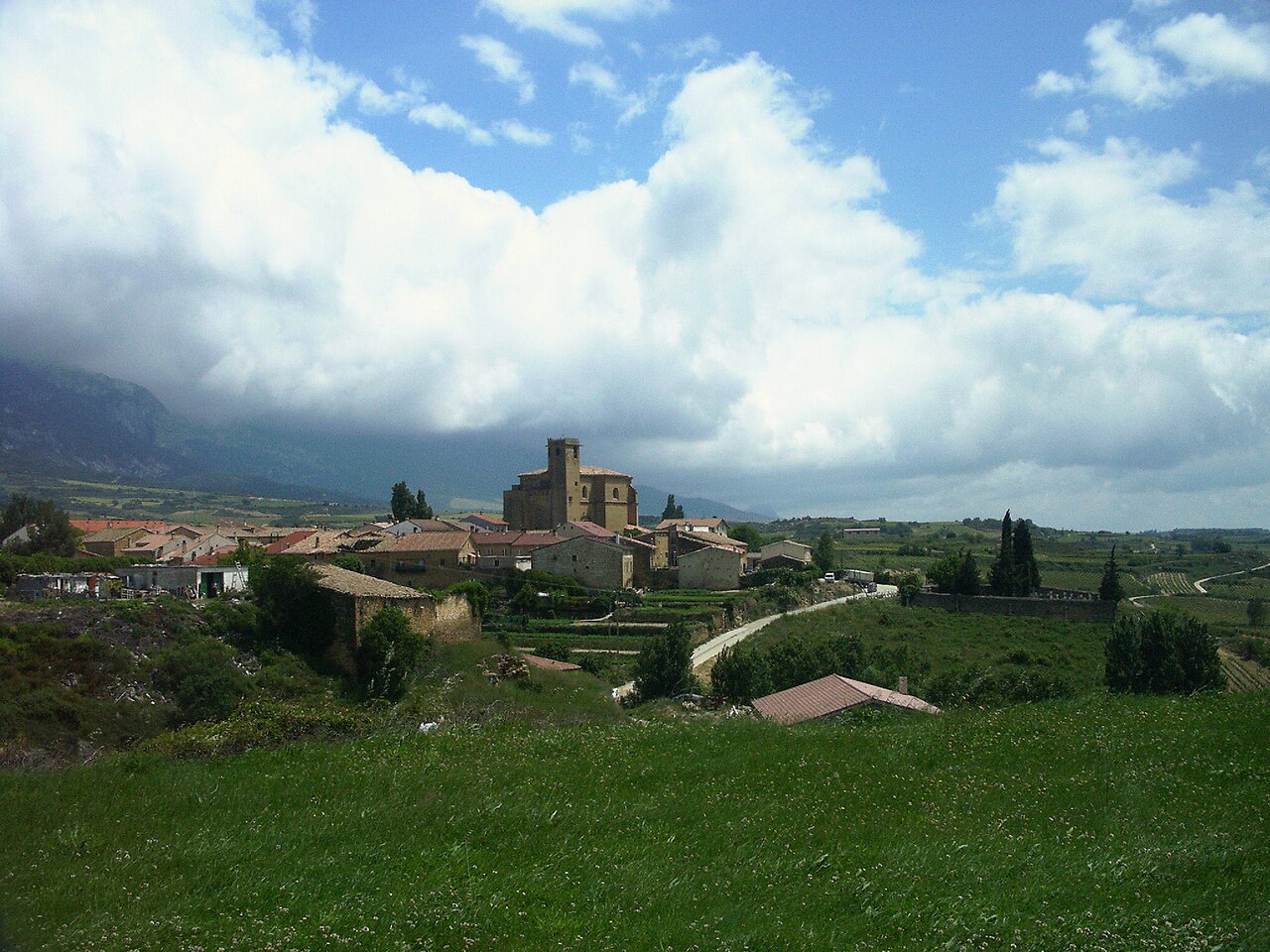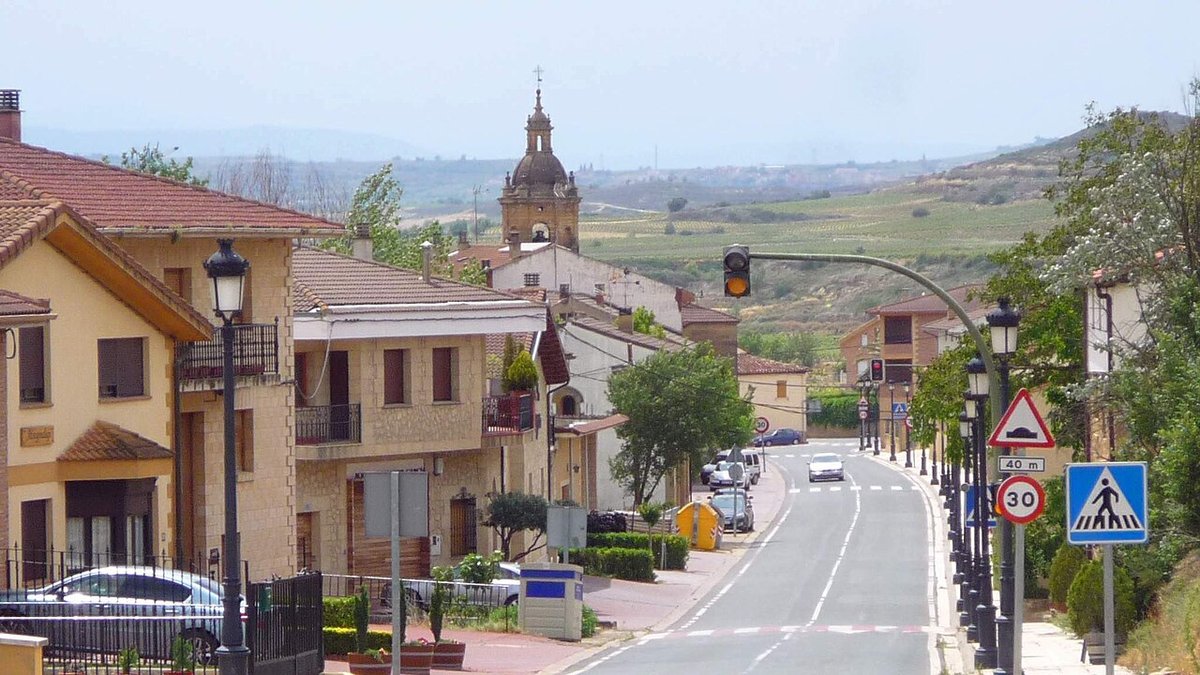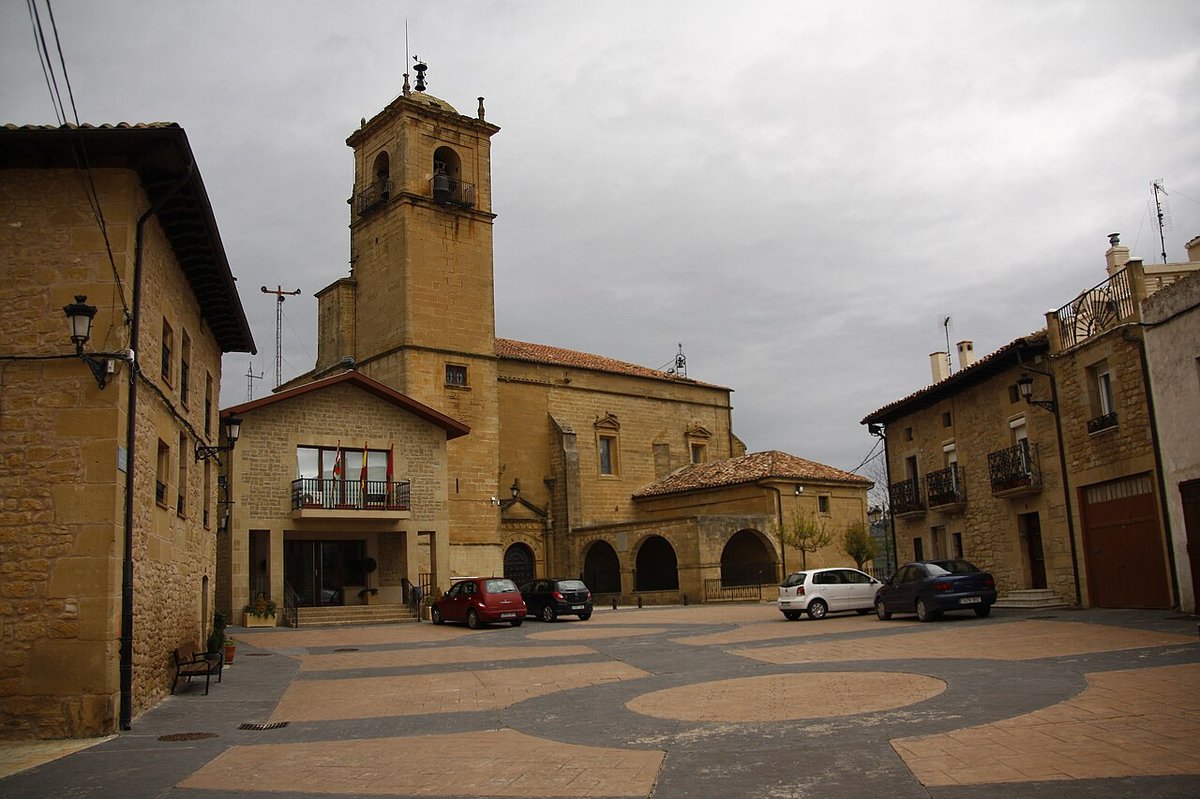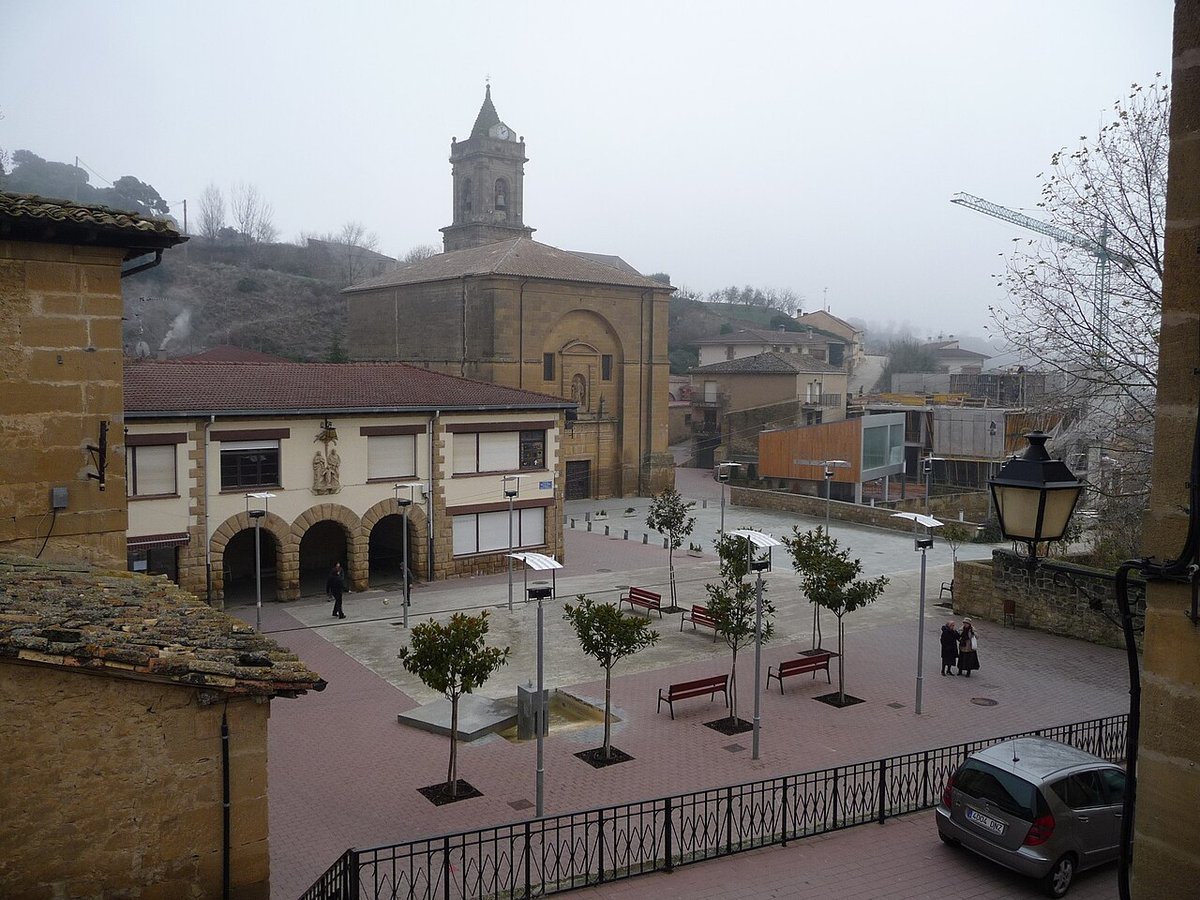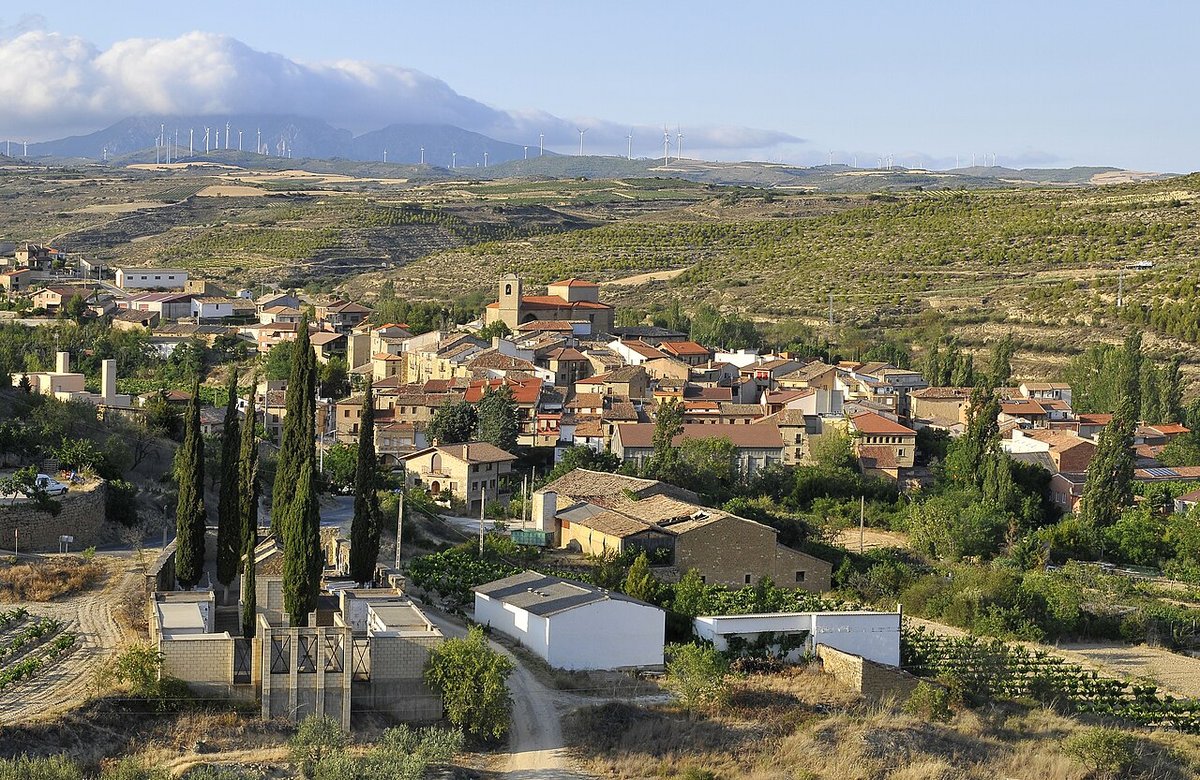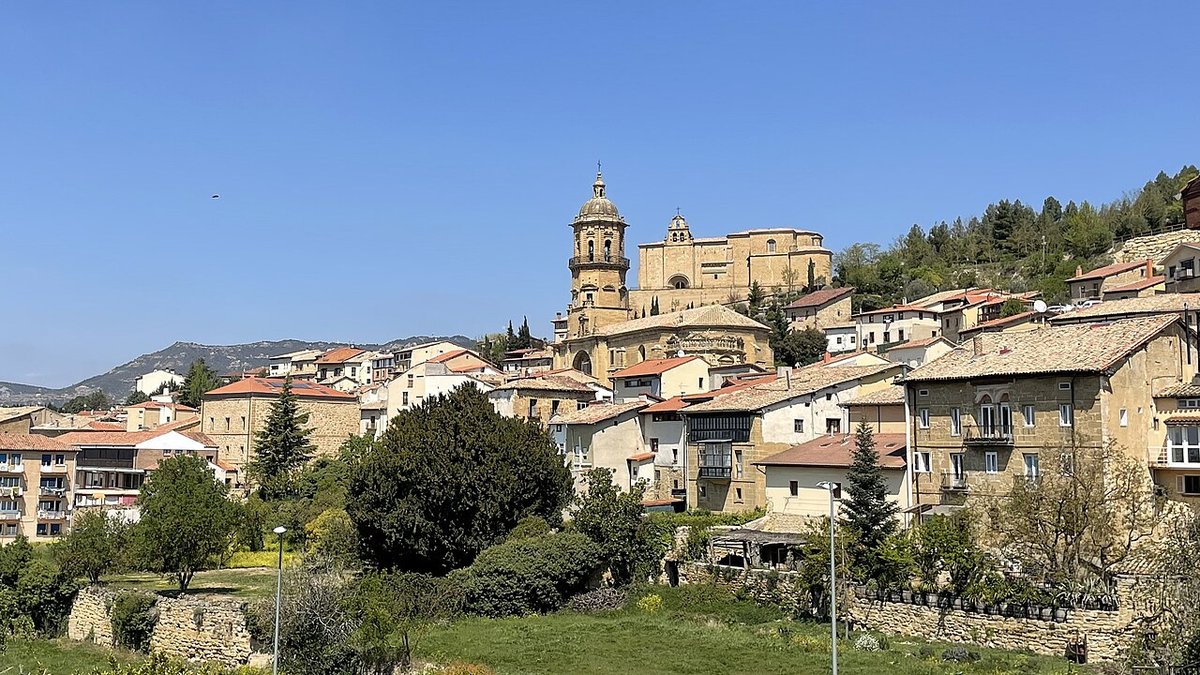
Labastida, en Álava (España)
País Vasco · Atlantic Strength

Bastida (Labastida)

The stone archway at the top of Calle Mayor still has a medieval groove worn by cart axles. Step through it and the cobbles stop almost immediately...

1,558 inhabitants · INE 2025
550m Altitude

Why Visit

Mountain Wineries Wine tourism

Best Time to Visit

autumn

Things to See & Do
in Bastida (Labastida)

Heritage

  • Wineries
  • historic quarter
  • parish church

Activities

  • Wine tourism
  • Wineries
  • Tastings
  • Walks through vineyards

Full Article
about Bastida (Labastida)

Vineyards, wineries and stone villages among gentle hills.

Ocultar artículo Leer artículo completo

The stone archway at the top of Calle Mayor still has a medieval groove worn by cart axles. Step through it and the cobbles stop almost immediately; within two minutes the houses thin out and the rows of Tempranillo begin. That is the first thing that feels different about Bastida – the boundary between village and vineyard is a line you can draw with your toe.

A town that runs on grapes, not gift shops

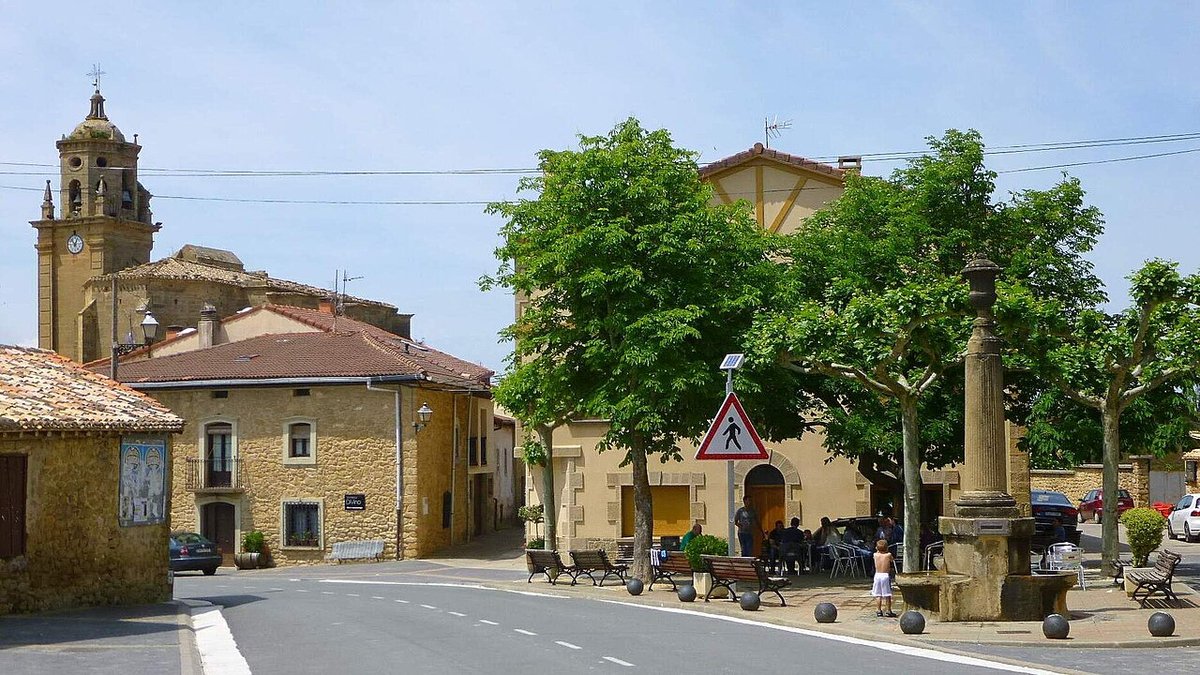
Five thousand people live here, enough to keep a pharmacy, a baker and two bars alive, yet the centre is compact. You can walk from the 13th-century portico of Santa María de los Reyes to the open countryside in the time it takes to finish a coffee. Nobody has converted the old cellars into souvenir emporia; instead you will smell diesel and disinfectant because the buildings are still used for tractors at dawn and grape sorting at harvest.

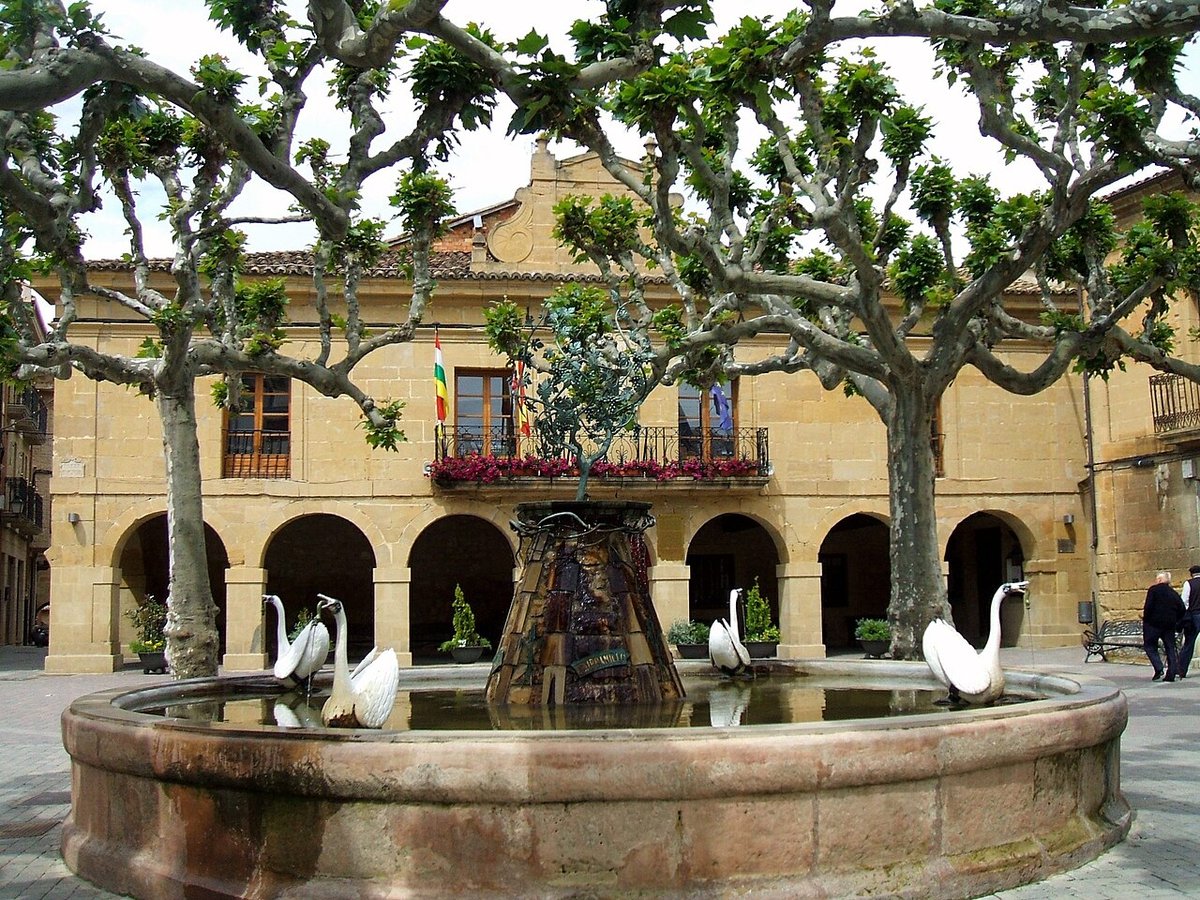
Weekday mornings start with the clatter of shutters and the brief whine of the milk machine in the Plaza de España. By 08:30 the men in berets have vanished into the vines and the village falls quiet until the lunch bell rings from the church tower. Tourism exists, but it is calendar-driven: coach parties arrive on Saturdays in October, taste three wines, buy two bottles and leave before the siesta. Stay overnight and you will have the streets to yourself by 19:00, when the low amber lights come on and the only sound is a distant dog and the hum of the cold-storage plant on the edge of town.

What you actually look at

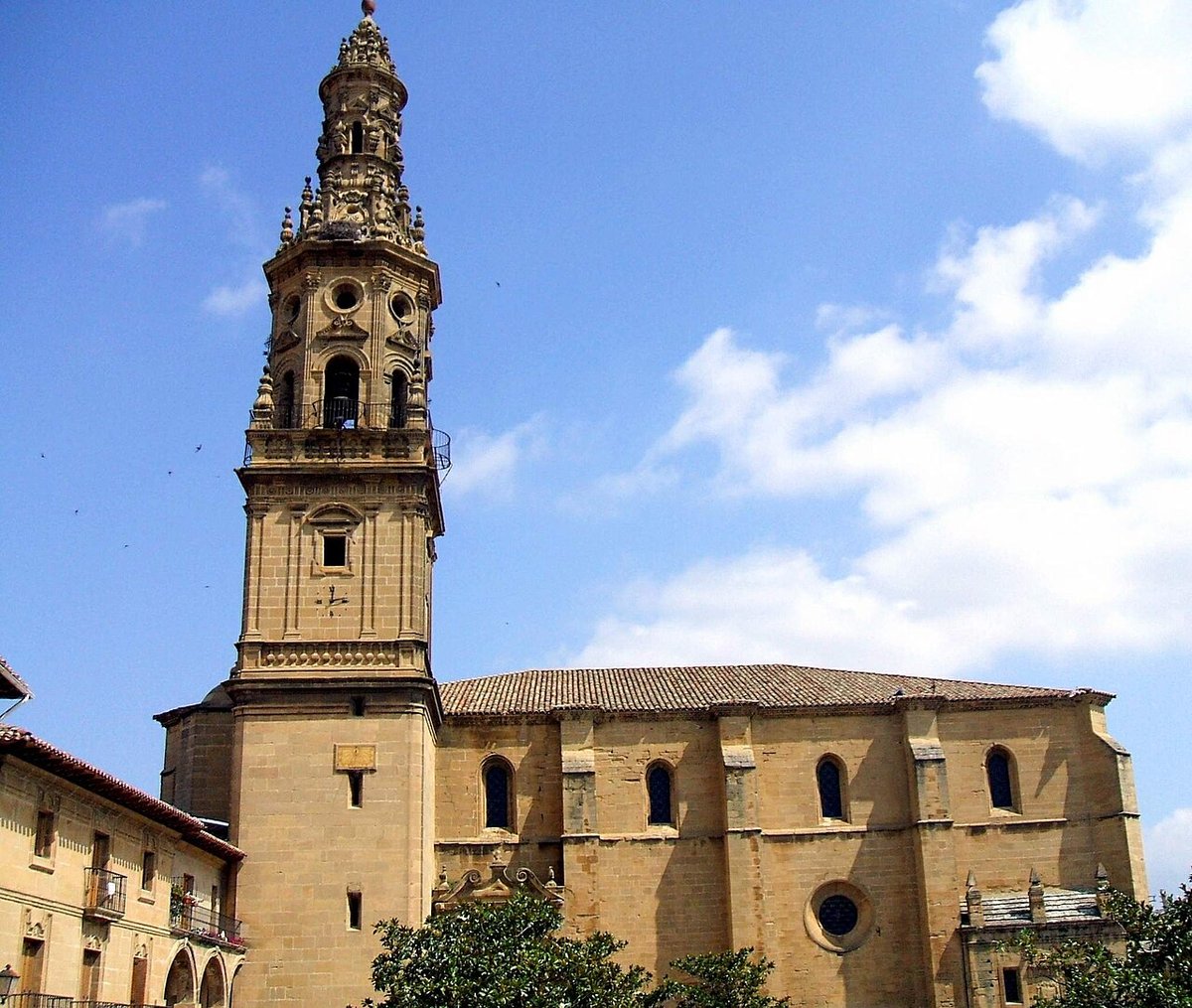
There is no ticket office, no audio guide, no Unesco plaque. The appeal is cumulative: sandstone doorways carved with grape shears, a coat of arms belonging to a long-extinct military order, the way the alley of Rúa de los Cántaros narrows so sharply that neighbours can shake hands across the gap. The parish church keeps its tower open on Friday evenings; climb the 112 steps and the whole Rioja Alavesa spreads south like a patchwork quilt, the Ebro glittering away on the horizon.

Below the tower the frontón is the best free show in town. Pelota matches are Wednesday and Sunday; turn up ten minutes early and you can lean on the same stone rail the villagers used in 1850. The game is fast, the betting is low-key and the commentary comes from grandmarters who have seen every player since 1978. Applause is polite; the real atmosphere is the smell of new leather balls and the occasional oath in Basque when a shot clips the metal rim.

Walking without a brochure

Bastida sits at 520 m on the first ripple of the Sierra de Cantabria. The hills behind shelter the vines from Atlantic storms, so the climate is drier than you expect this far north. In April the wind can still knife through a fleece; in July the stone walls radiate heat until midnight. The tourist office – a single desk open three mornings a week – will lend you a photocopied map that marks three loops: 3 km, 7 km, 12 km. None is spectacular; all are useful if you want to understand why every patch of earth is accounted for. Almond, olive and the odd sheep pasture squeeze between the wires of trellised vines. A ruined stone hut every kilometre reminds you that people once slept out here to guard the crop from blackbirds.

The 7 km circuit climbs gently to the ridge of Alto de la Cruz, where a concrete cross faces back towards the village. From here you can trace the original medieval wall by the colour change in the roof tiles inside the perimeter. The descent follows an earth track used by the cooperative’s lorries; step aside when one passes – drivers wave but they do not slow down.

Eating and drinking without the hard sell

There are exactly four places to sit down. Casa Juan does the local T-bone, but will grill a 400 g portion if you ask the day before; otherwise you are looking at a kilo of beef designed for two. Asador Alameda serves roast peppers stuffed with salt cod on Fridays and will open a bottle of white Rioja without raising an eyebrow – useful if red gives you headaches. The two bars offer three pintxos between them: chorizo cooked in cider, Idiazál cheese with quince, and anchovy with olive – all €2.50 and handed over with no menu. House wine comes in a plain glass, no mention of vintage; it is the same liquid the barman’s family bottle for themselves each autumn.

If you want a proper winery tour you need to e-mail ahead. Bodegas y Viñedos Casa Juan replies within 24 hours; Heras Cordón prefers WhatsApp. English is limited, but tastings run on numbers, not adjectives: temperature, barrel age, months on lees. Expect to pay €12-15 for three wines and a walk among the stainless-steel tanks. Book a taxi back if you have moved on to the 14% reserva – the road to Haro is patrolled at weekends.

Getting here, and why Sunday is tricky

The nearest railway station is in Haro, 12 km south across the provincial border. A taxi costs €22-25 and drivers prefer cash. There is one Alsa bus a day from Bilbao that drops you on the N-124, a 15-minute uphill hike from the centre; if the driver forgets to stop you will end up in Miranda de Ebro. A hire car is simpler: take the AP-68 to Haro, then the N-124 towards Vitoria; the turn-off is signposted “Labastida” – ignore the sat-nav if it offers an alternative called Bastida in Murcia, 600 km away.

Sunday shuts the place down. The baker locks at 13:00, the pharmacy never opens and both bars close their kitchens after lunch. Arrive late and you will be eating crisps for supper; stock up on Saturday evening or be prepared to drive to Haro where a single supermarket operates on reduced hours.

When to come, and when to stay away

Late April and early May give long evenings, wild irises among the vines and daytime temperatures that do not climb past 22 °C. September turns the landscape bronze and the air smells of crushed grapes, but coaches clog the narrow roads from the 15th onwards. Winter can be striking: still mornings when the fog pools in the Ebro valley and only the church tower protrudes like a ship’s mast. It is also damp and deathly quiet – cafés close at 18:00 and you will need that phone torch to dodge the puddles on the way home.

August is the surprise trap: the plateau bakes, the stone walls reflect heat and there is no beach to escape to. Walk after 10:00 and you will crave shade that does not exist among the vines. Several British visitors have cut stays short after discovering that the municipal pool is for residents only and the nearest river beach is 45 minutes away.

Worth it?

Bastida will not keep you busy from dawn to dusk. Treat it as a place to slow the pace between the bigger Rioja towns: a night here after the Saturday crush in Haro, a morning walk before the Laguardia wine museum. The reward is the soundtrack of a working village – the rattle of pallets, the hiss of a pressure hose, the soft pop of a cork pulled by someone who actually made the wine. If that sounds too quiet, book Laguardia instead. If it sounds about right, bring decent shoes and a healthy respect for anyone who can prune 600 vines before lunch.

Key Facts

Region
País Vasco
District
Cuadrilla de Laguardia-Rioja Alavesa
INE Code
01028
Coast
No
Mountain
Yes
Season
autumn

Livability & Services

Key data for living or remote work

2024
ConnectivityFiber + 5G
Housing~5€/m² rent · Affordable
Sources: INE, CNMC, Ministry of Health, AEMET

Official Data

Institutional records and open data (when available).

  • Iglesia de Santo Tomás
    bic Monumento ~1.5 km
  • Iglesia de Nuestra Señora de la Asunción (Labastida)
    bic Monumento ~0.1 km
  • Casa consistorial de Labastida
    bic Monumento ~0 km

Planning Your Visit?

Discover more villages in the Cuadrilla de Laguardia-Rioja Alavesa.

View full region →

More villages in Cuadrilla de Laguardia-Rioja Alavesa

Traveler Reviews