Full Article
about Ekora (Yécora)
Vineyards, wineries and stone villages among gentle hills.
Hide article Read full article
A village that explains itself
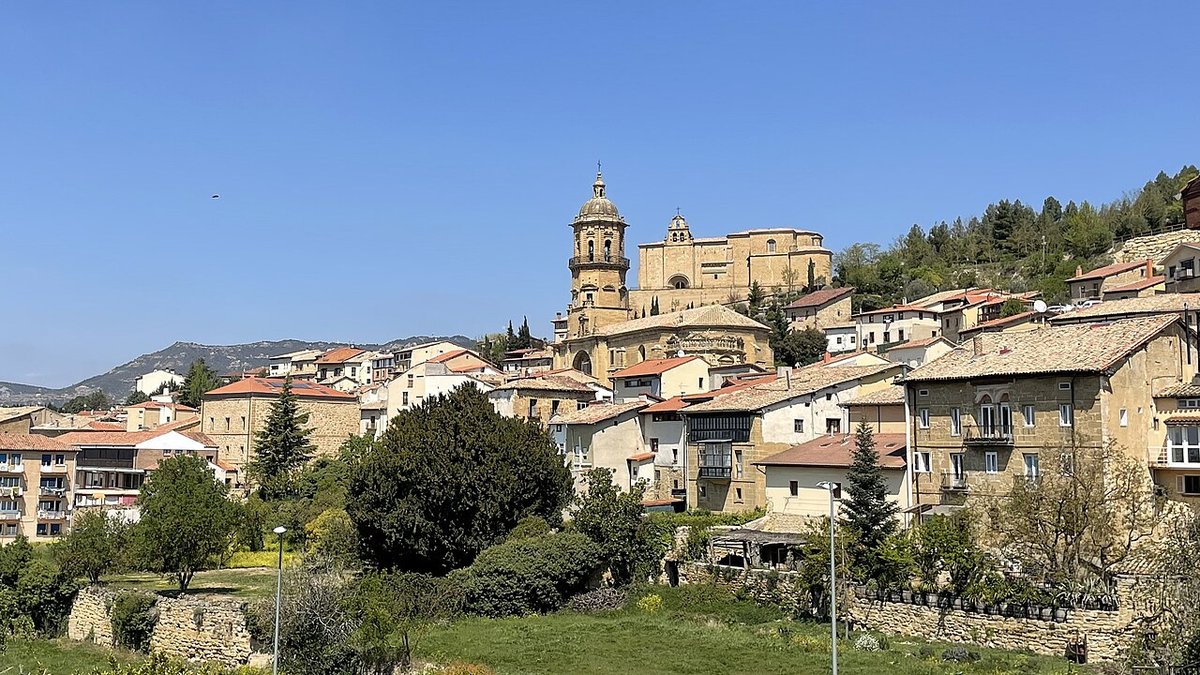
Some places make you reach for a map. Ekora works the other way round. You park, take a couple of steps, and the place just clicks. It’s not that there’s nothing to see, but everything is close, compact and makes sense without a guide. It feels like stepping into a friend’s kitchen—within moments you know where the mugs are.
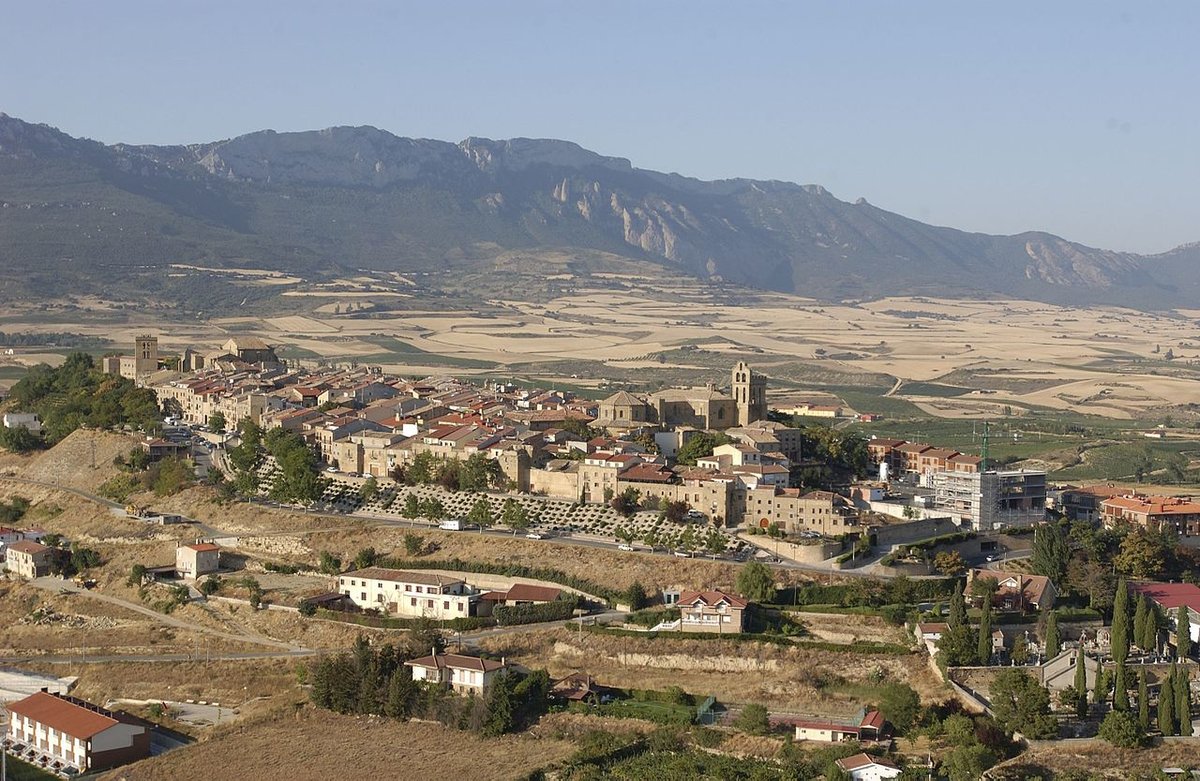
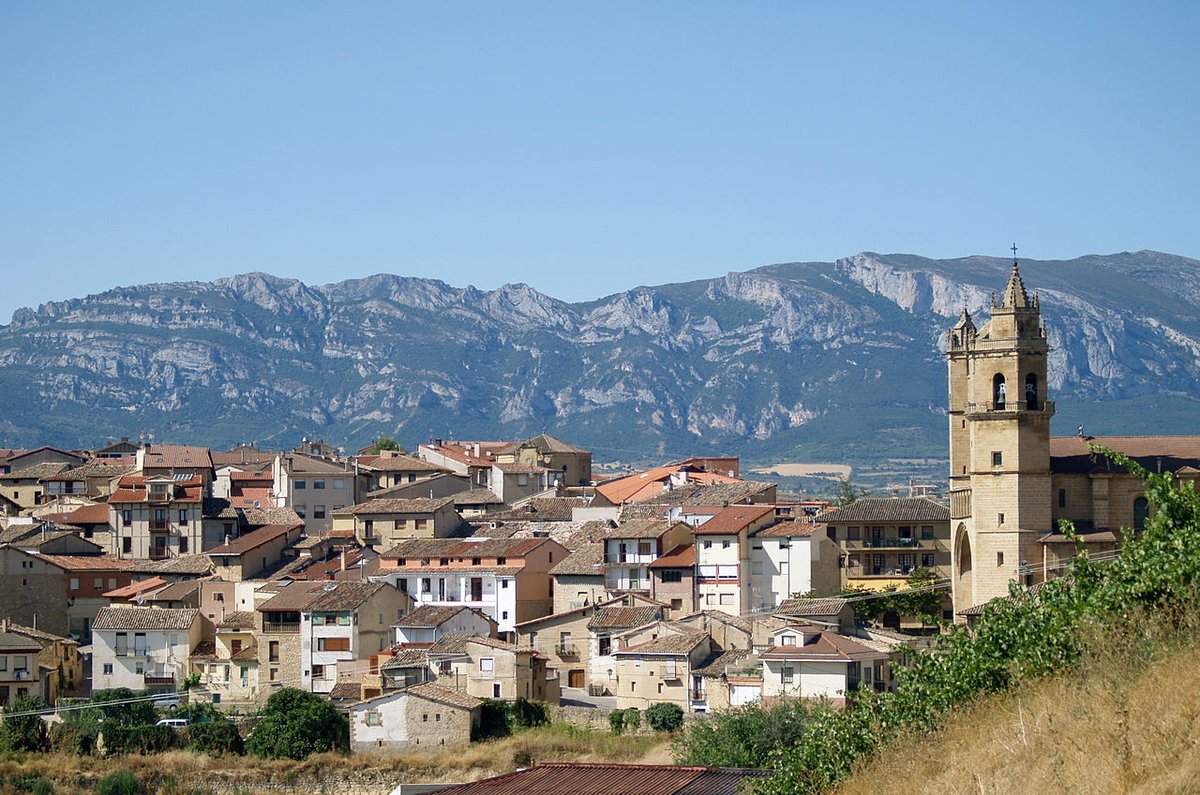
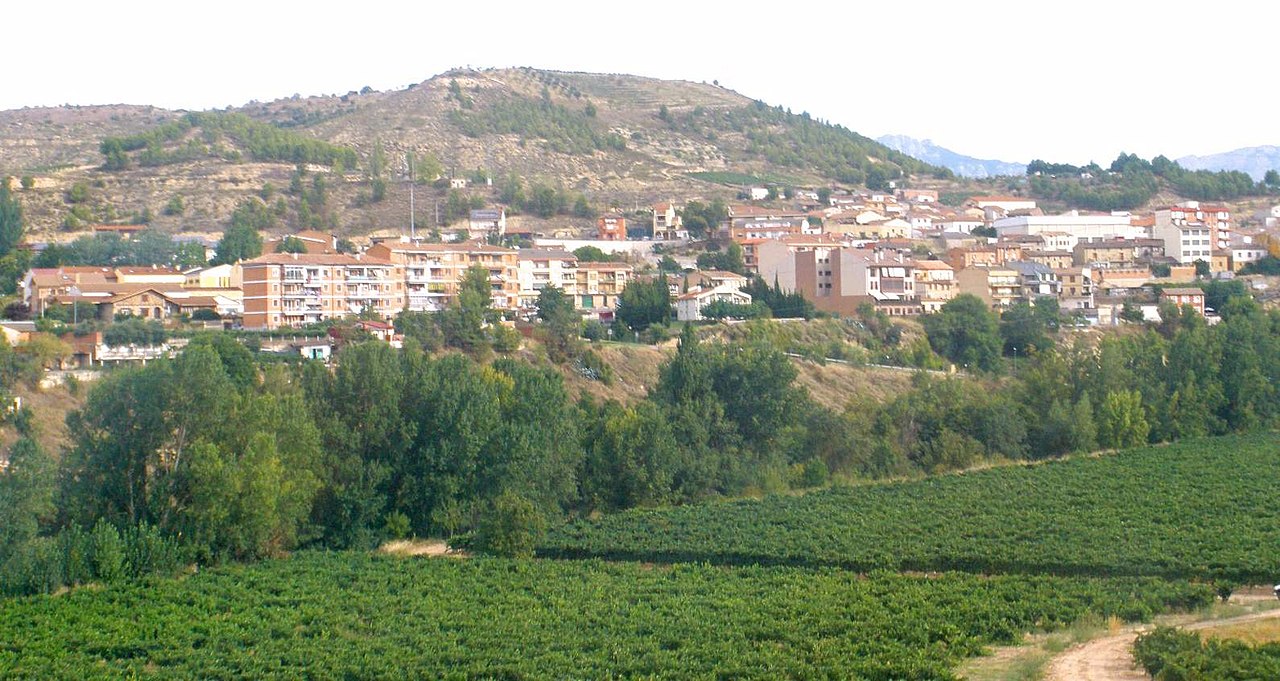
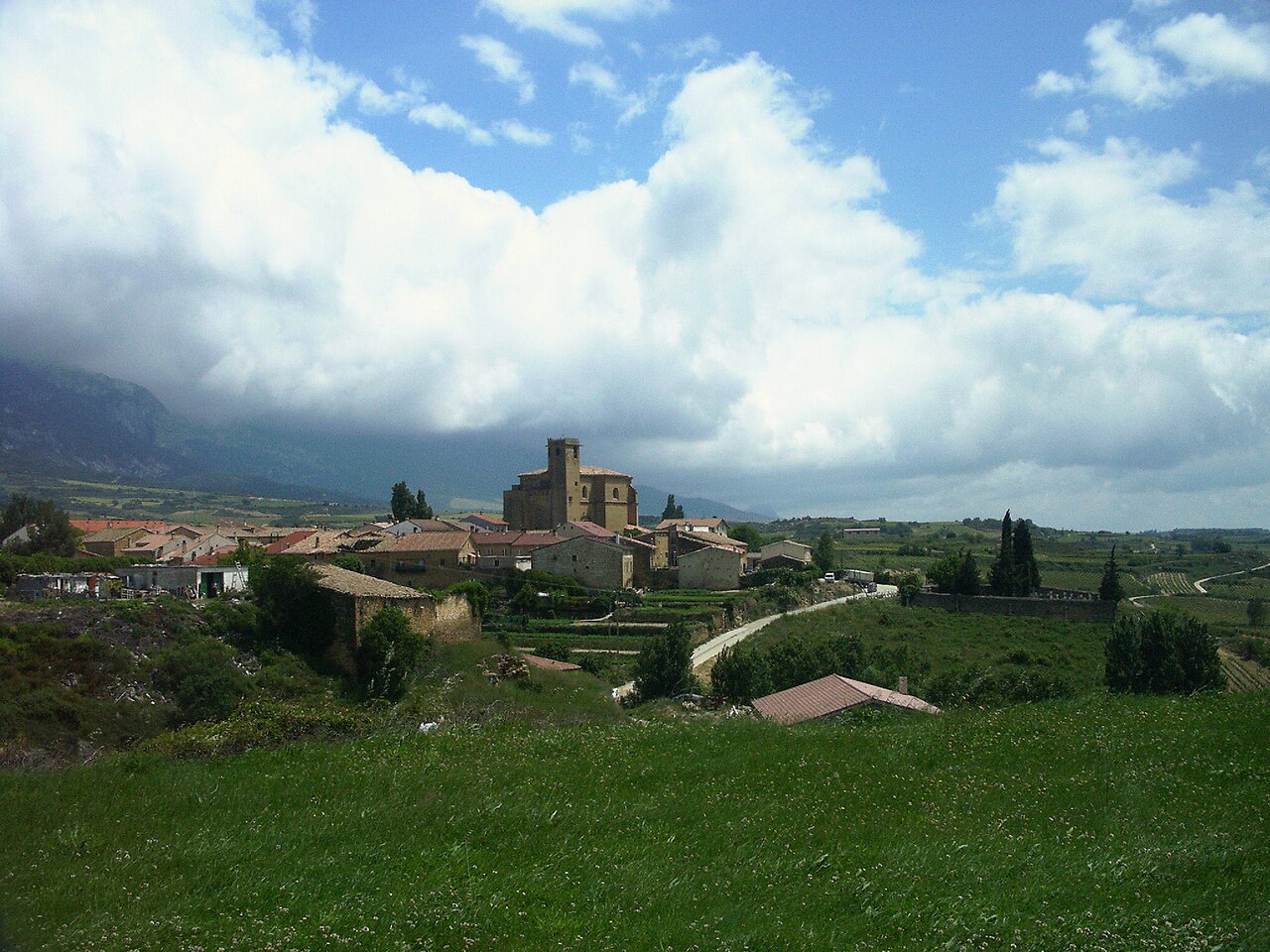
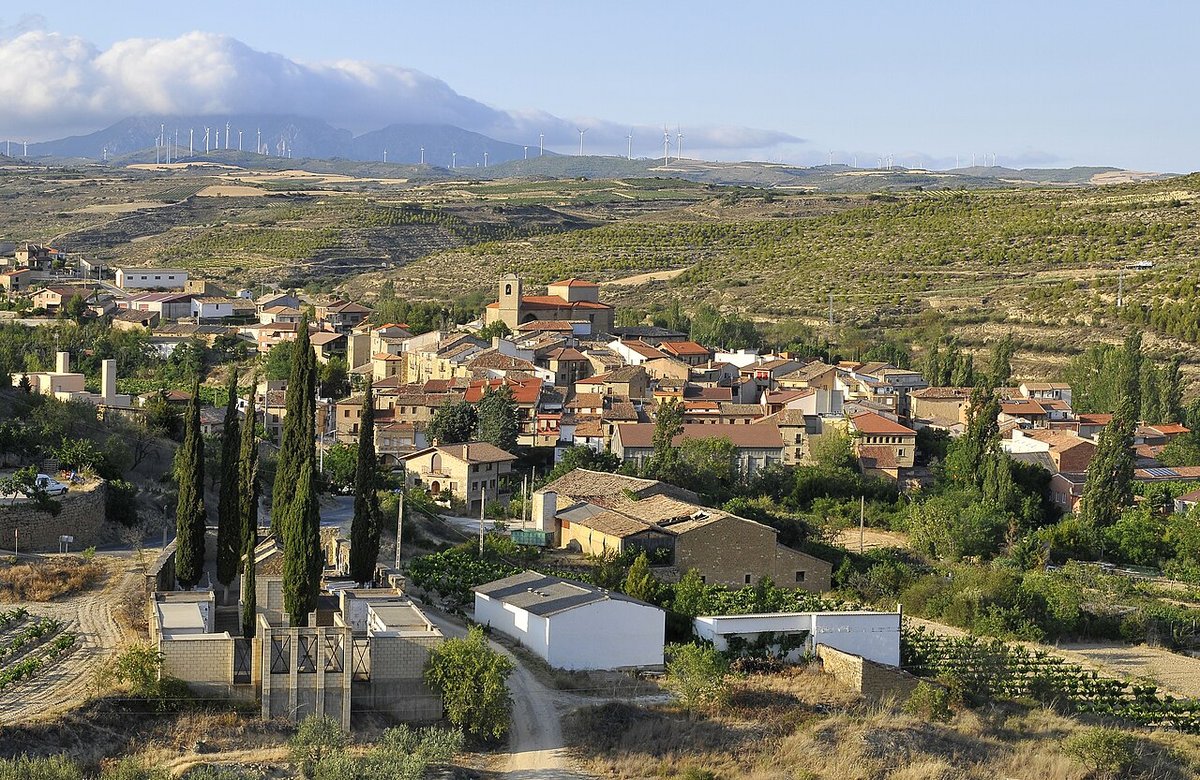
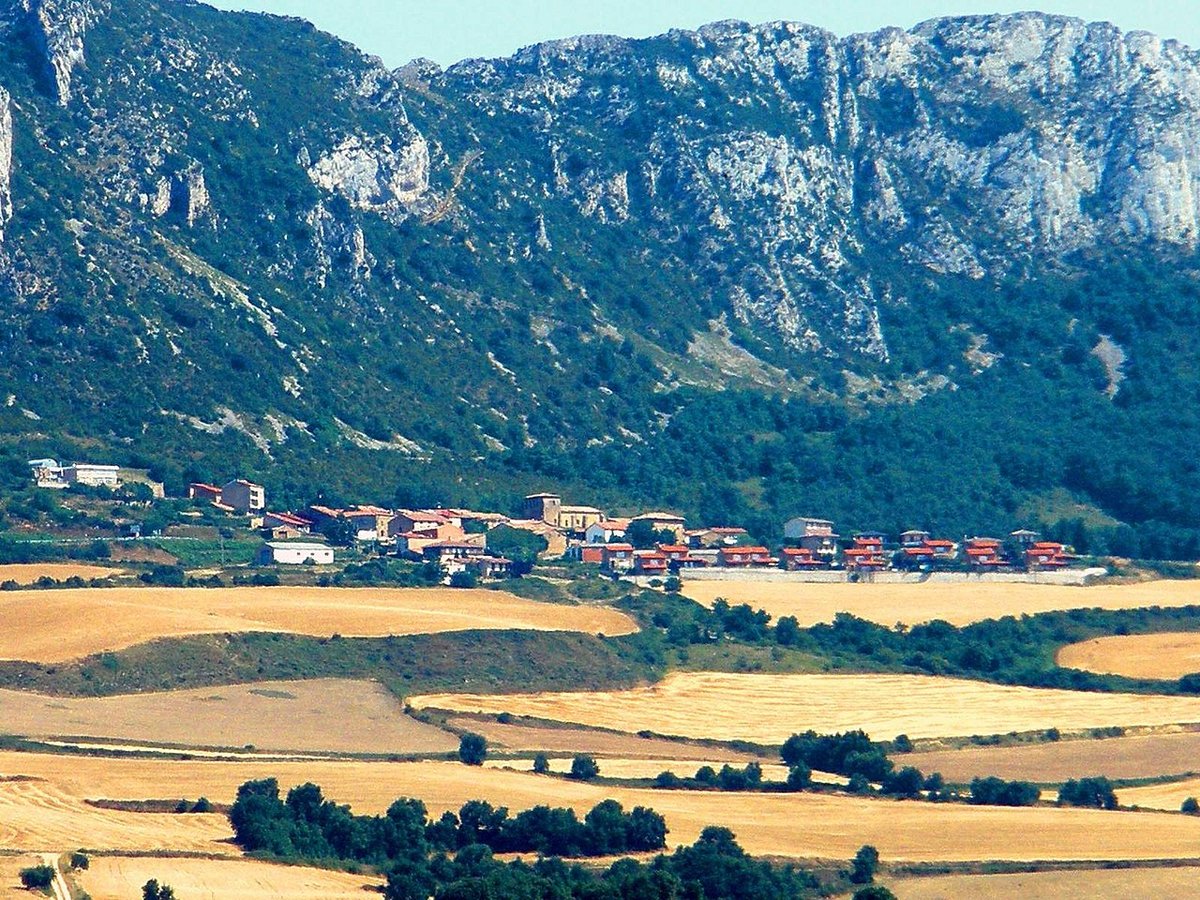
Ekora sits in Rioja Alavesa, the Basque bit of La Rioja wine country. The village doesn’t try to impress you. Stone houses, quiet weekdays and vines right up to the last street define the setting. That’s pretty much it.
This isn’t a destination built around spectacle. Its appeal is how straightforward it is. The layout, the pace, the views—they all work together without needing an explanation. You don’t plan much here. You just arrive and walk.
A square that doesn't try to be a plaza mayor
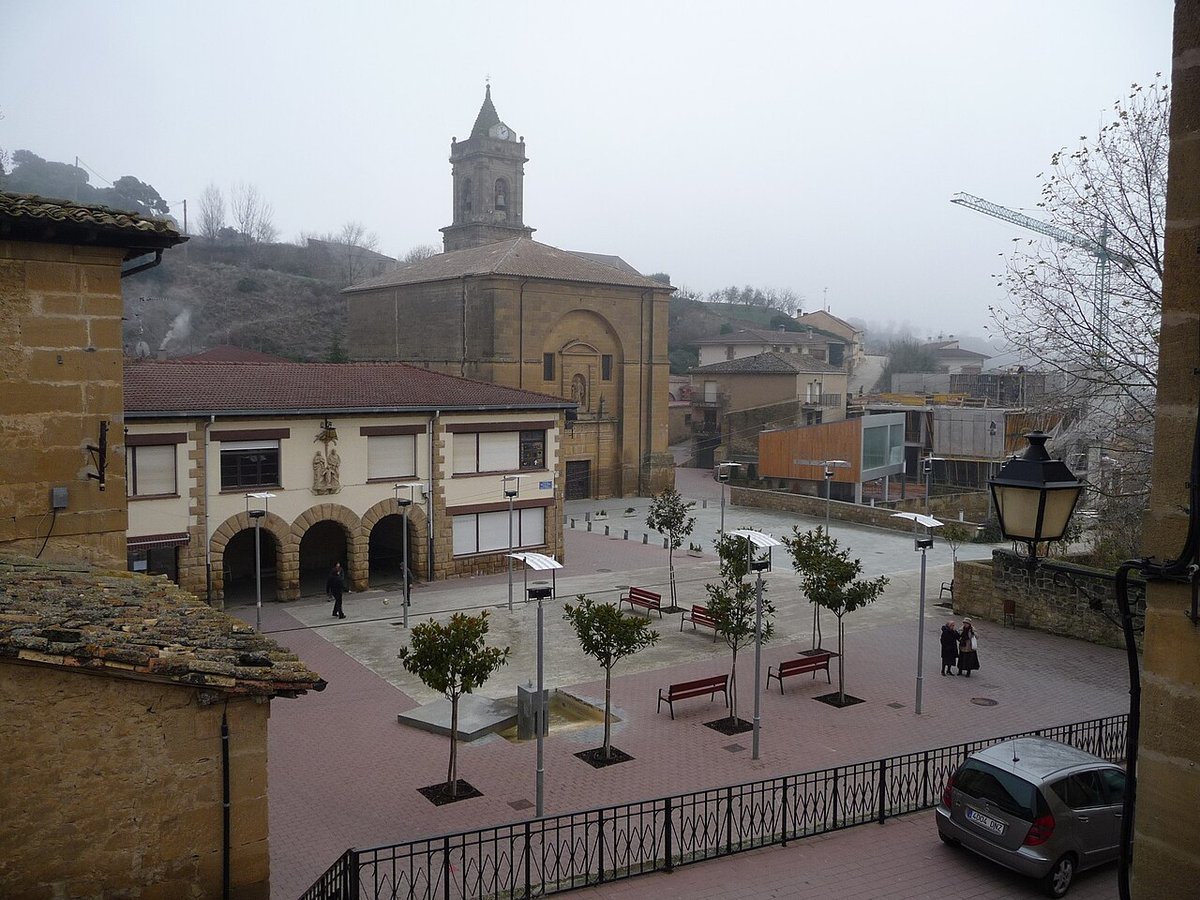
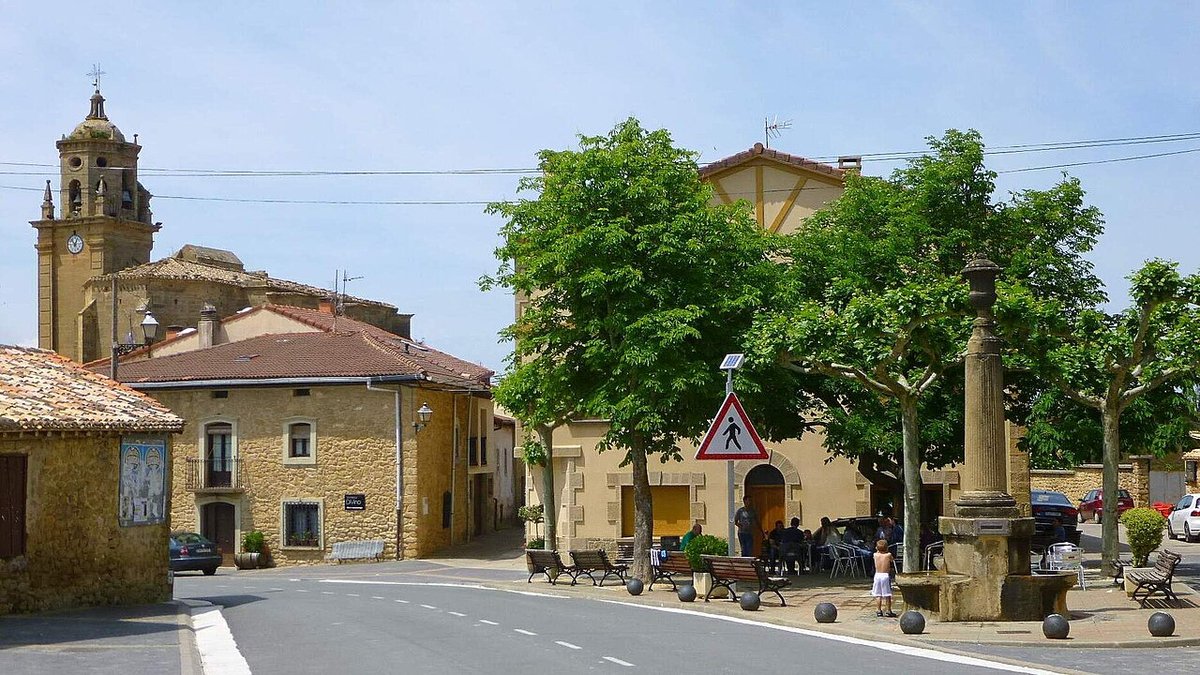
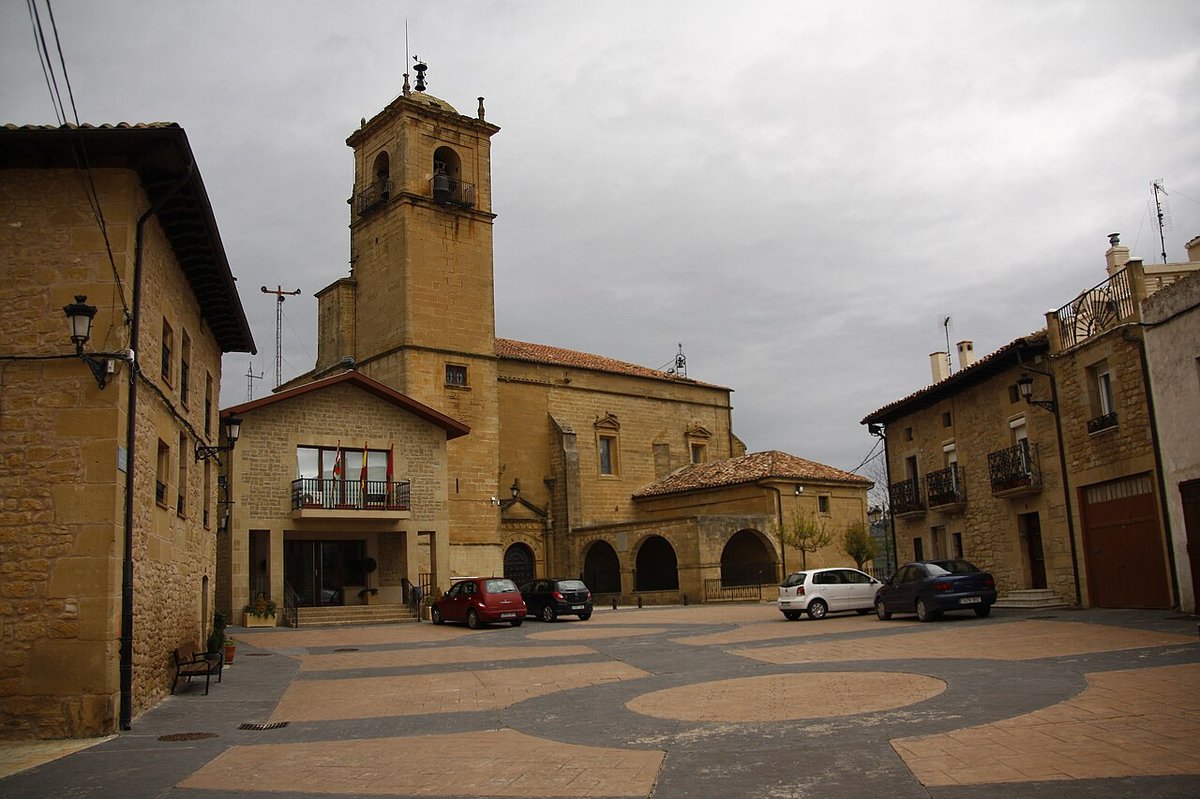
The centre of Ekora is a small, simple square. Buildings face inward as if everyone knows each other—and they probably do. There are no shopfronts designed for your Instagram feed or fancy signs. What you get is ordinary village life on a Tuesday.
Mornings bring a little movement: someone heading out with a dog, another crossing the square with that ‘forgot the bread’ urgency, a chat that happens because paths crossed. Nothing feels staged. By afternoon, it slows right down. In summer, when the sun drops, shadows from the arcades stretch across the stones and everything seems to pause for a bit.
If you’re after a lively terrace scene with crowds, this isn’t it. Ekora offers something simpler: you come to walk, look around, and notice how the place moves at its own rhythm.
The church you see from everywhere
Like in most villages here, the church sets the skyline. You can spot its solid stone block from almost any corner in Ekora. It doesn’t wow you with fancy details; its thing is weight and permanence.
Sometimes the doors are open and you can pop your head in. Often they’re closed—pretty standard for villages this size. It doesn’t really matter though. What gives Ekora its character happens outside, in the streets that wrap around it.
Walking those nearby lanes gives you a better sense of things than going inside ever would. It’s less about visiting a monument and more about seeing how it anchors the whole place.
Dirt tracks where the village ends
Leave the last house behind and the landscape opens up almost immediately.You’ll find agricultural tracks between vineyards and ploughed fields.They're simple dirt paths,easy to follow and not demanding.You can just set off.
A heads-up: after rain,the clay soil here turns sticky and clings to your boots.On a dry day though,it's just a straightforward walk.
Gain just a little height and more of Rioja Alavesa reveals itself.Rows of vines run in ordered lines,and depending on which way you face,a mountain range sits on the horizon.You don't need to hike for hours for these views,making it doable even if you're just passing through.
It reinforces what Ekora is about.This village is tied to the land around it,and stepping onto these paths makes that connection obvious.
So, how long do you need here?
Let's be real:Ekora is quick.A loop around the square,past the church,and down a couple of streets covers most of it.
Most people treat it as a short stop on a wider drive through Rioja Alavesa.An hour is plenty;stretch it to two if you take one of those vineyard walks.It works better as a pause between other places than as a day-trip destination.
There are no big museums or must-see monuments.The plan is simple:walk the streets,look at the houses,and get a feel for daily life in a small village surrounded by vines.That simplicity is kind of the point.
A few things to know before heading out
You'll need a car to get here.Public transport exists,but timetables aren't exactly flexible if you want to visit more than one spot in a day.
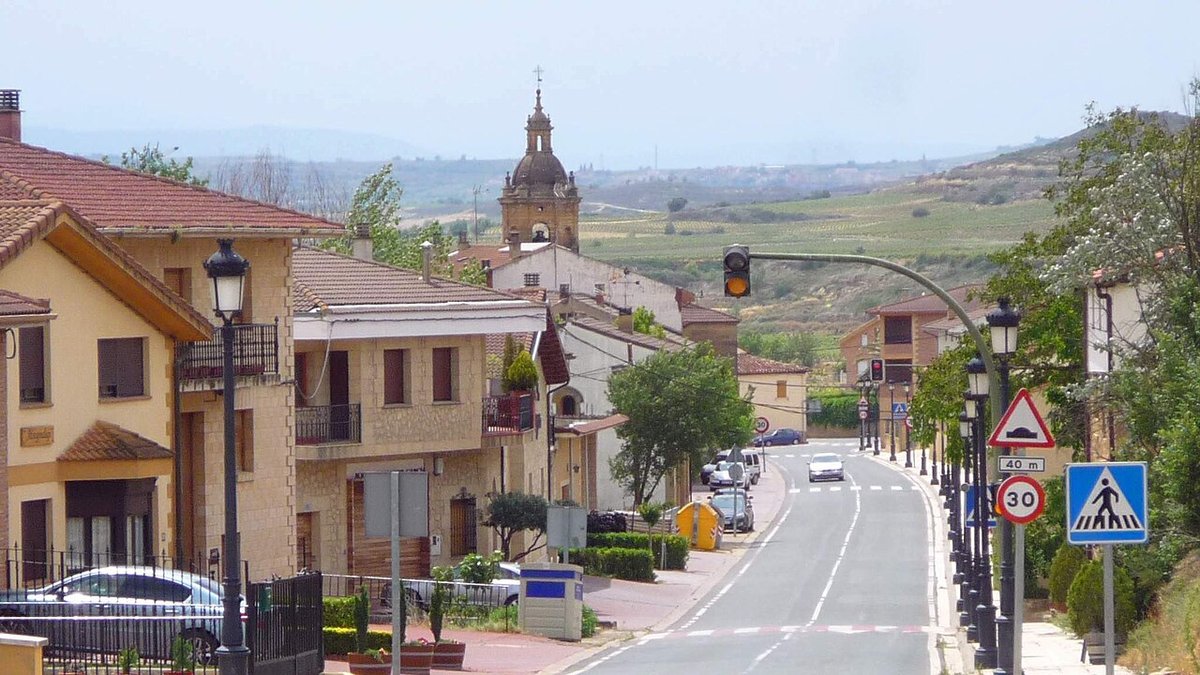
Streets in Ekora are narrow.When they start feeling tight,park in one of the wider areas near the entrance and continue on foot.
Spring and autumn are good.The fields change colour and temperatures are milder.Summer light is fierce,but midday heat in those open vineyards can be brutal—plan accordingly.
Ekora isn't built to be a long stop.It feels more like bumping into neighbour at their doorway:a short,calm exchange.Approached with that expectation,the whole visit just makes sense