Full Article
about Eltziego (Elciego)
Vineyards, wineries, and stone villages among gentle hills.
Hide article Read full article
Early light in the village
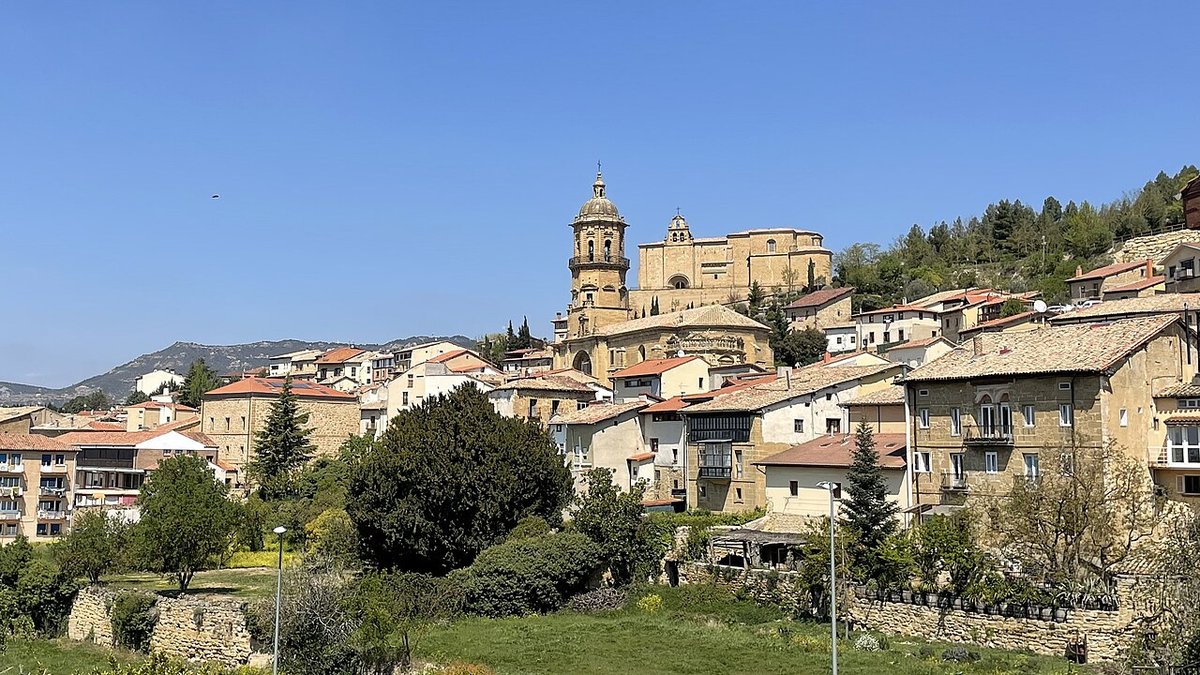
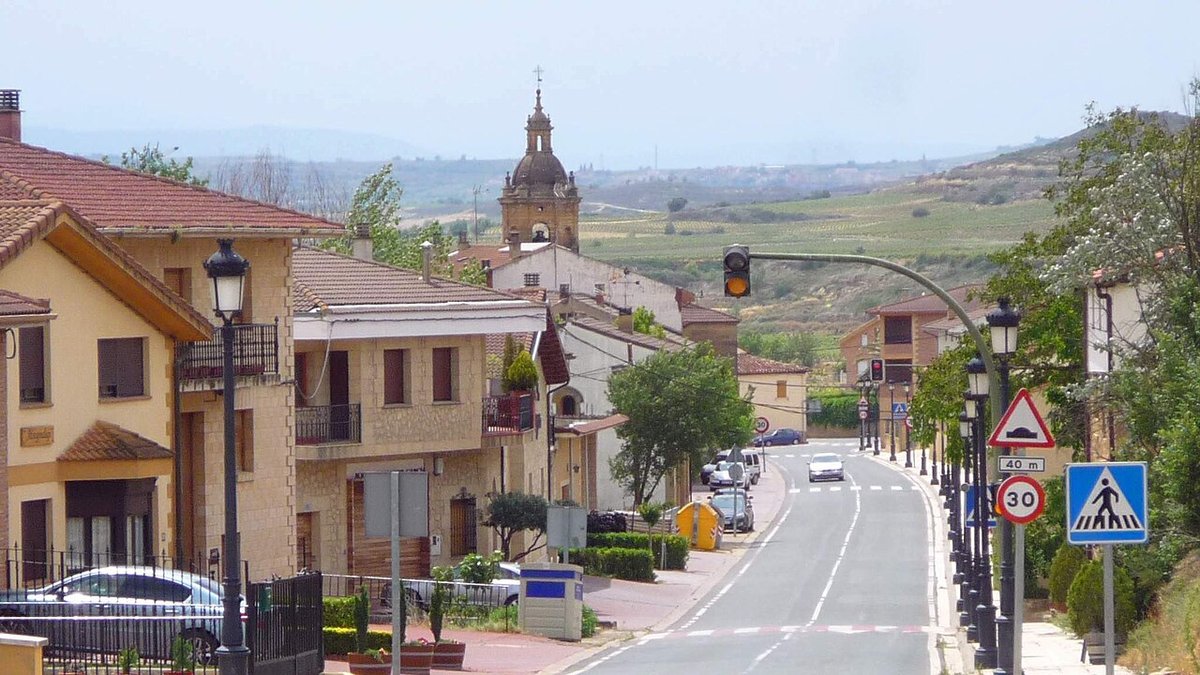
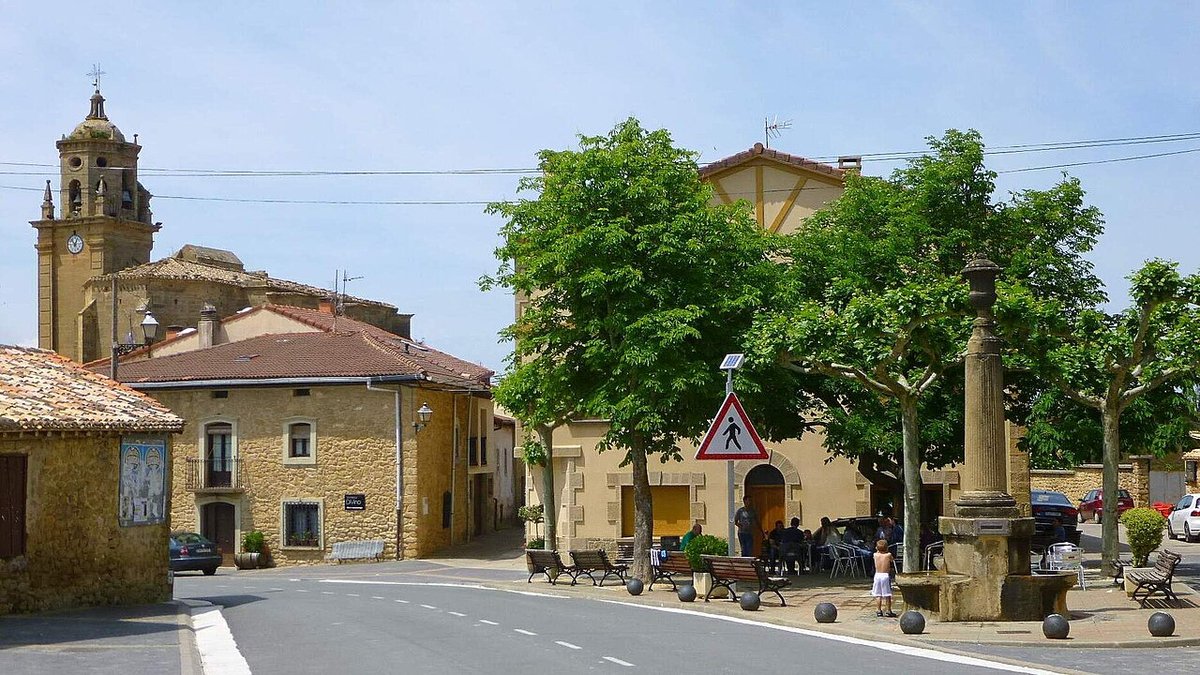
Early in the day, before the sun fully rises above the vineyards, the centre of Eltziego stays almost silent. A shutter lifts slowly here and there, and the sound of footsteps carries further than expected between stone façades. The streets are straight and narrow, with low porticoes that cast cool shadows even on bright days. Many houses show carved coats of arms, dark iron grilles and limewashed walls marked by time, with faint cracks and shifts in colour.
This first walk gives a clear sense of the place. The rhythm is unhurried and closely tied to agriculture, shaped by what happens beyond the built-up area rather than within it.
Calle Mayor and the small square
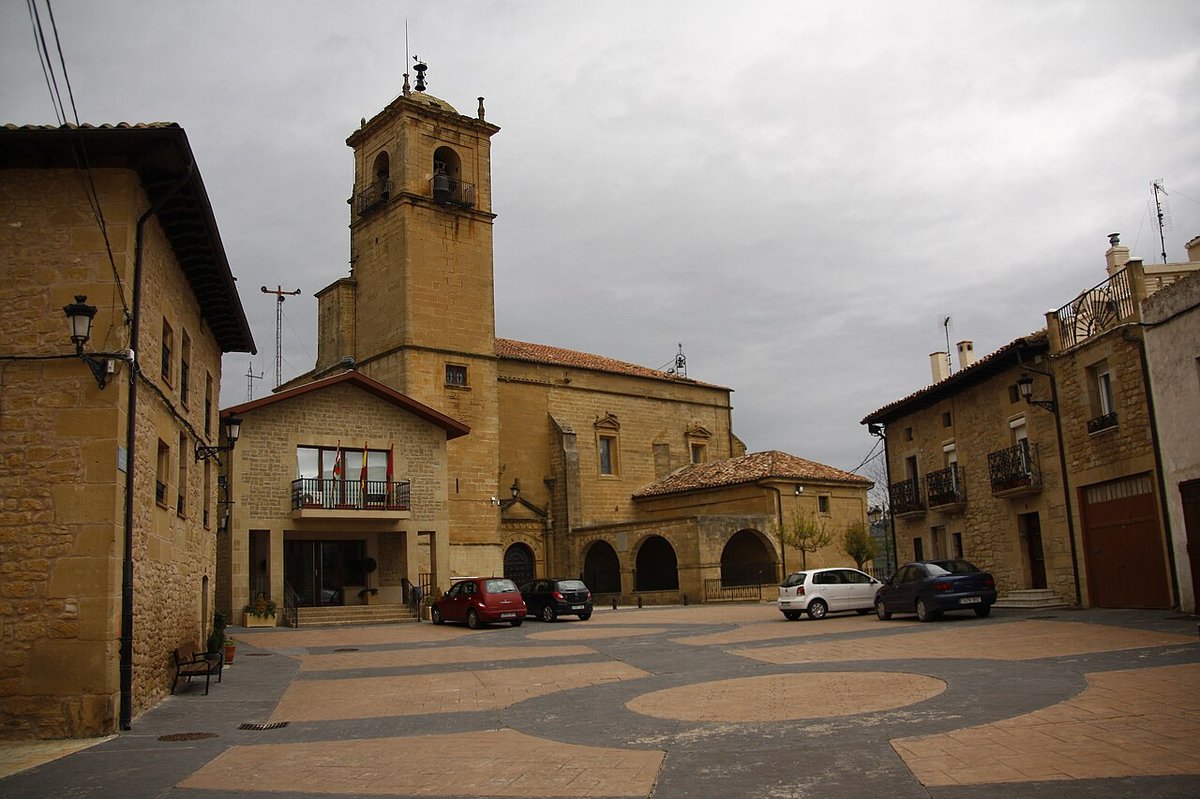
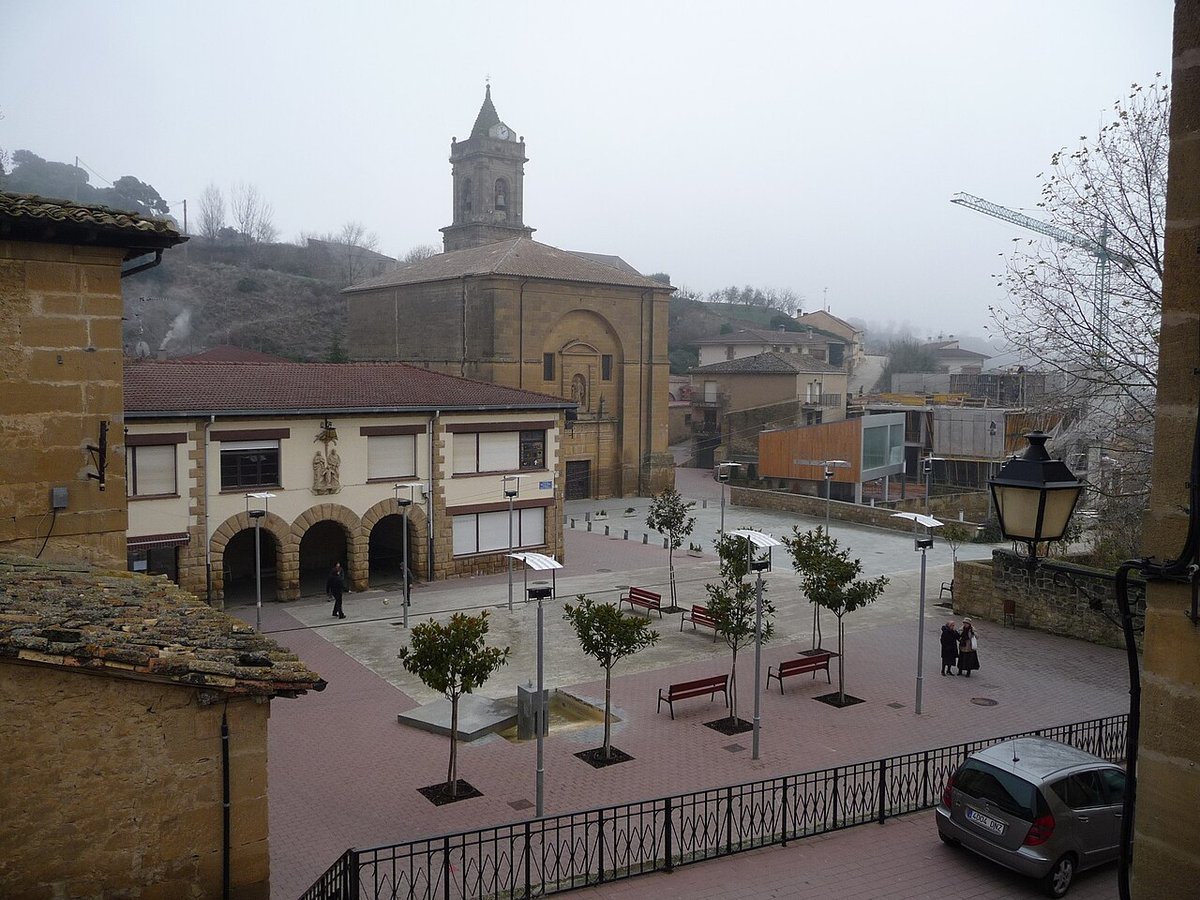
Calle Mayor leads towards a compact central square, a contained space where neighbours often sit on benches as the morning progresses. The most common sounds are not traffic, which is minimal, but short conversations and the thud of an old door closing.
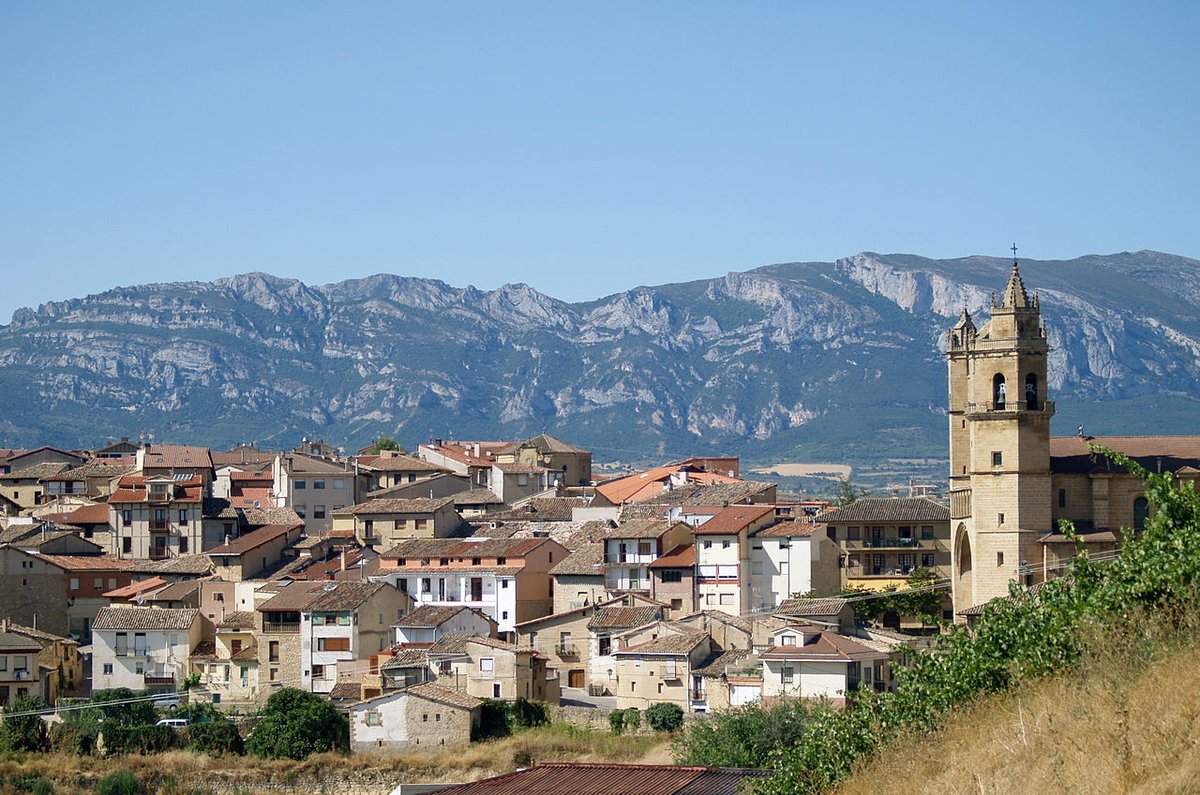
Nearby stands the church of San Andrés, built in sandstone. Its square tower rises above the reddish roofs and can be seen from different points in the village. The façade is restrained, opening onto a small space where a breeze sometimes passes through even on hot days. From this corner, the surrounding vineyards are already visible, stretching out on nearly every side.
Walking out into the vineyards
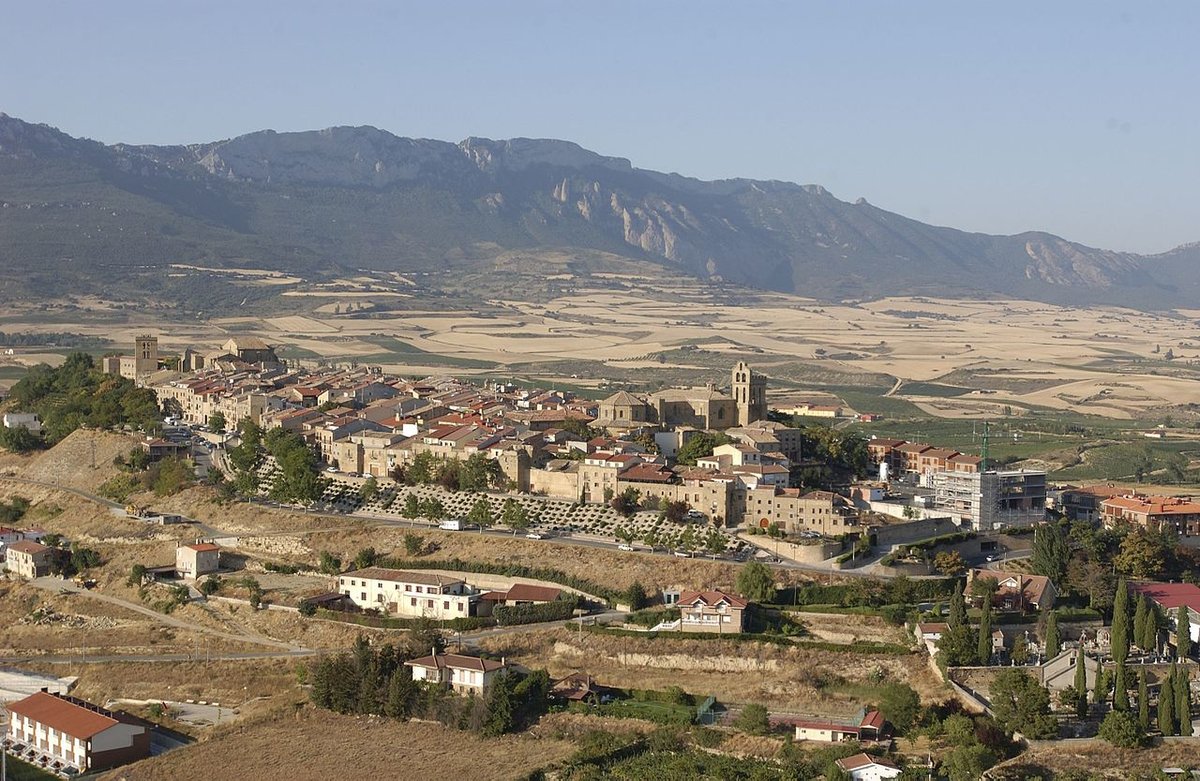
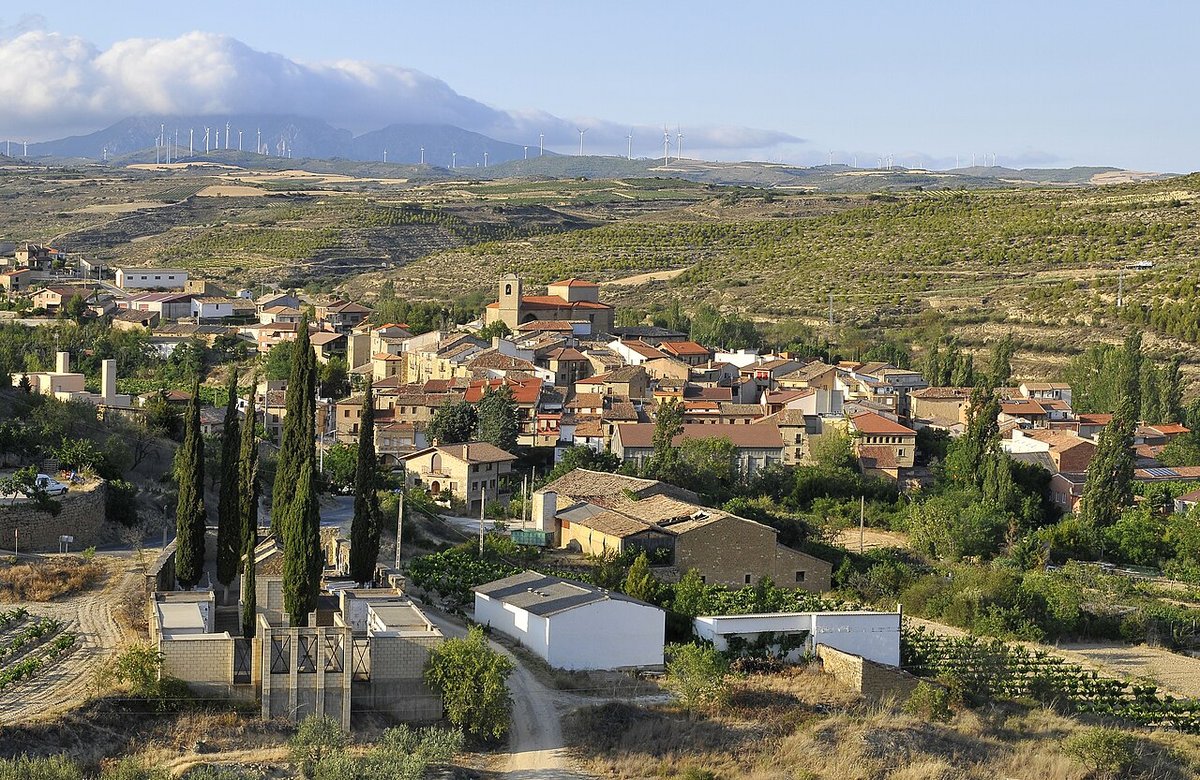
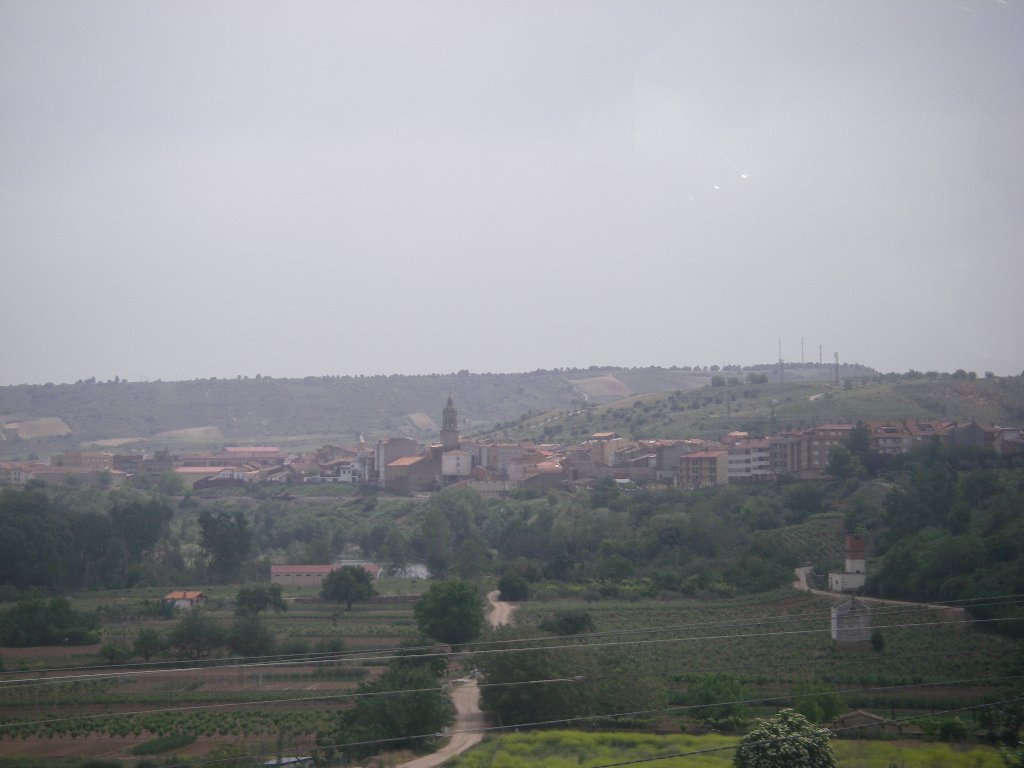
Leaving the village along any of the agricultural tracks brings a quick change in scenery. Within minutes, paved streets give way to pale dirt paths that wind between plots of vines. Some are edged by low stone walls, others by simple rows of posts.
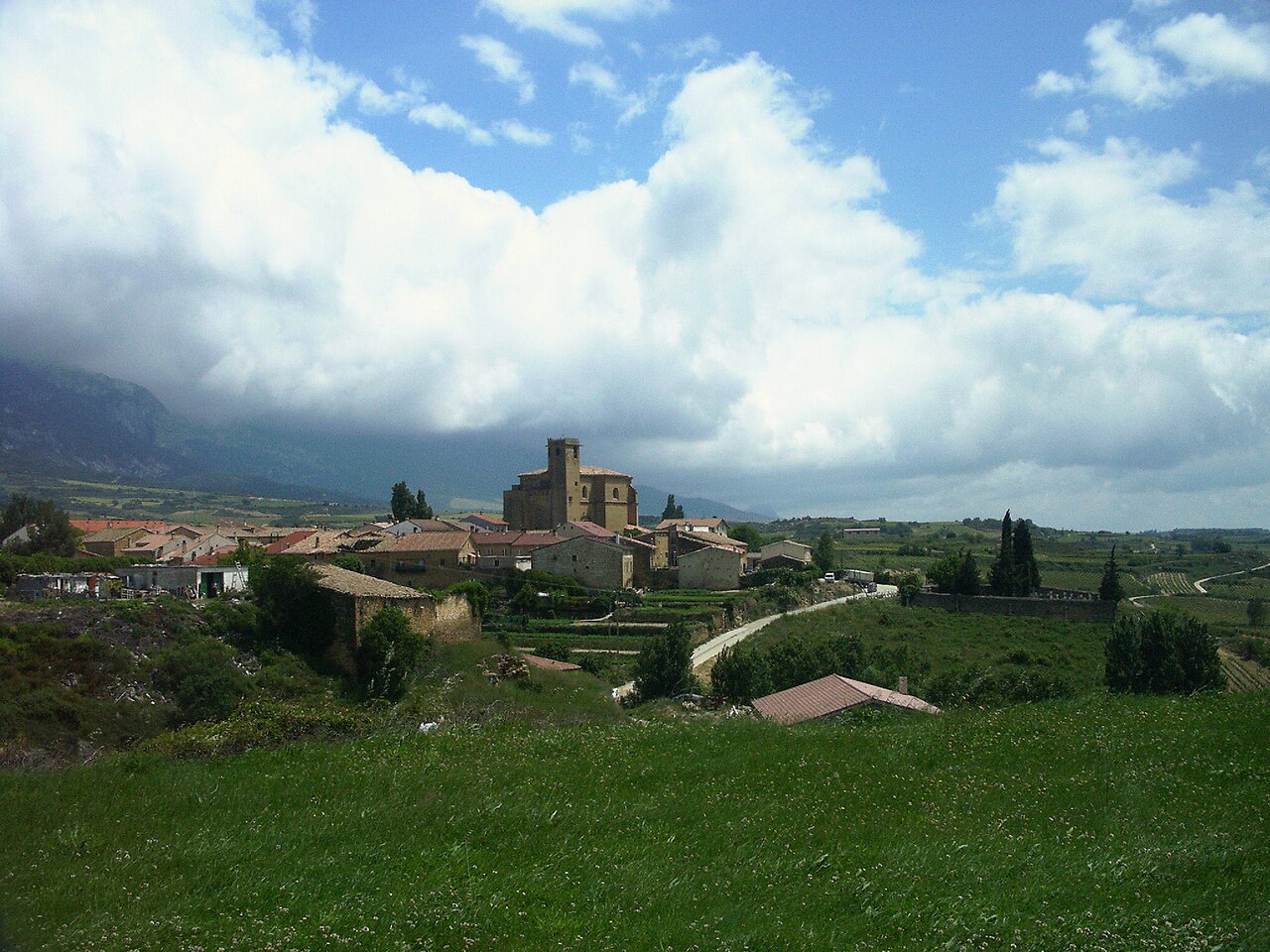
The gently rolling terrain reveals how viticulture is organised in Rioja Alavesa: small parcels, straight tracks and scattered huts used for storing tools. In autumn, the air often carries a faint sweetness, a mix of damp earth and ripe grapes. As the afternoon light drops from the west, many leaves take on a reddish tone.
There is little need to plan these walks in detail. Following a track for twenty or thirty minutes is enough to be surrounded by open vineyard land. In summer, the sun can be intense and shade is scarce, so carrying water and a hat is advisable if heading out later in the day.
Wine as part of everyday life
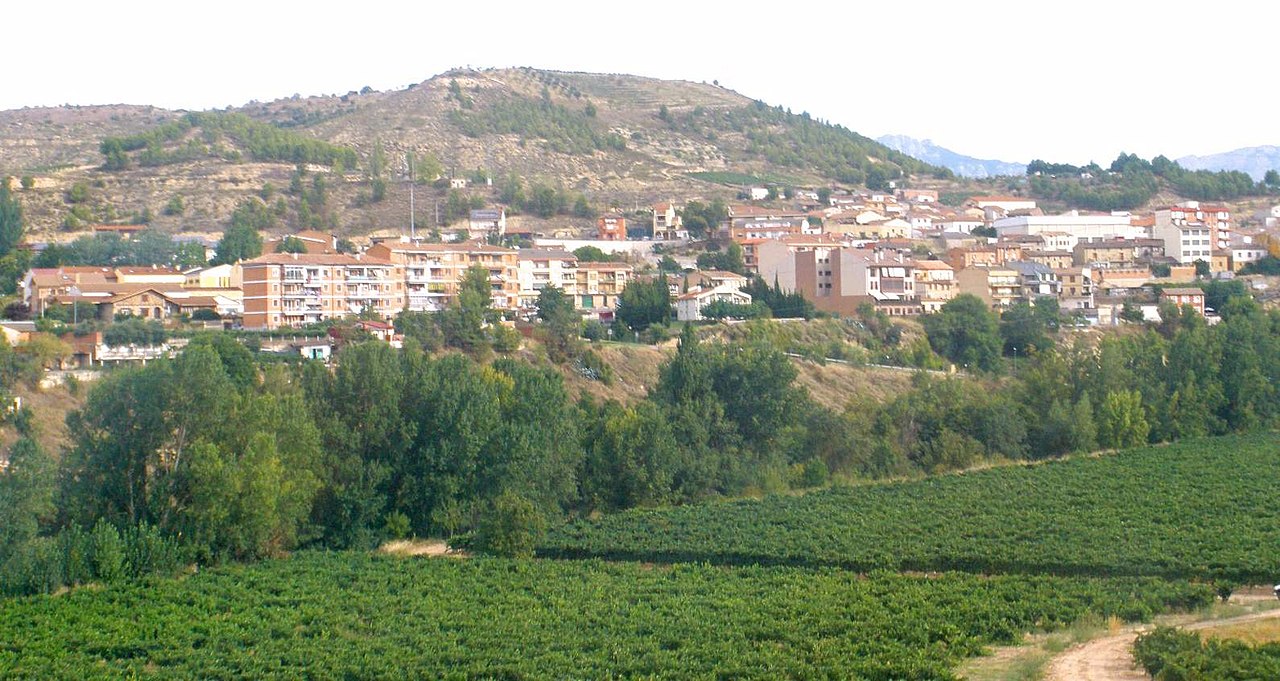
Eltziego has long been linked to wine. Both within the village and in the surrounding area there are wineries of different sizes, some of which open for visits or tastings at certain times. It is usually wise to check in advance or book ahead, as not all operate with broad or regular opening hours.
Wine here is less about display and more about daily work. During the grape harvest, generally at the beginning of autumn although it varies each year, activity increases noticeably. Tractors move in and out of the village, trailers arrive loaded with grapes, and short conversations on street corners often turn to how the harvest is progressing.
The frontón and daily routines
In many towns across this part of the Basque Country, the frontón acts as a kind of secondary square. This open court, used for pelota, a traditional ball game, plays a similar role in Eltziego. Throughout the day, the sharp sound of the ball striking the wall echoes across the space. When a game is underway, a few people gather, leaning on the railing to watch.
Outside those moments, the area is mostly empty. Footsteps echo, and the occasional brief exchange of words drifts through.
When to visit and getting around
The village itself can be covered quickly, which makes it practical to park once and explore on foot. Distances are short and many streets are quiet.
Late summer and autumn tend to be good periods to see the vineyards at their most active and colourful. In spring, the landscape shifts again as the first green shoots spread across the slopes. In the height of summer, it is best to avoid the middle of the day if planning to walk among the vines, as the heat settles close to the ground and the paths become very dry.
Most people arrive by car from other towns in Rioja Alavesa or from Logroño. Public transport is available, though services are not especially frequent.
Eltziego is not about long urban itineraries. It is best understood at a slow pace, stepping out towards the vineyards and returning as the light begins to fade. At that point, the stone façades take on a warmer tone that appears only in the late afternoon, and the village seems to pause for a while.