Bilar
Asier Sarasua Garmendia, Assar · CC BY-SA 3.0
País Vasco · Atlantic Strength

Elvillar

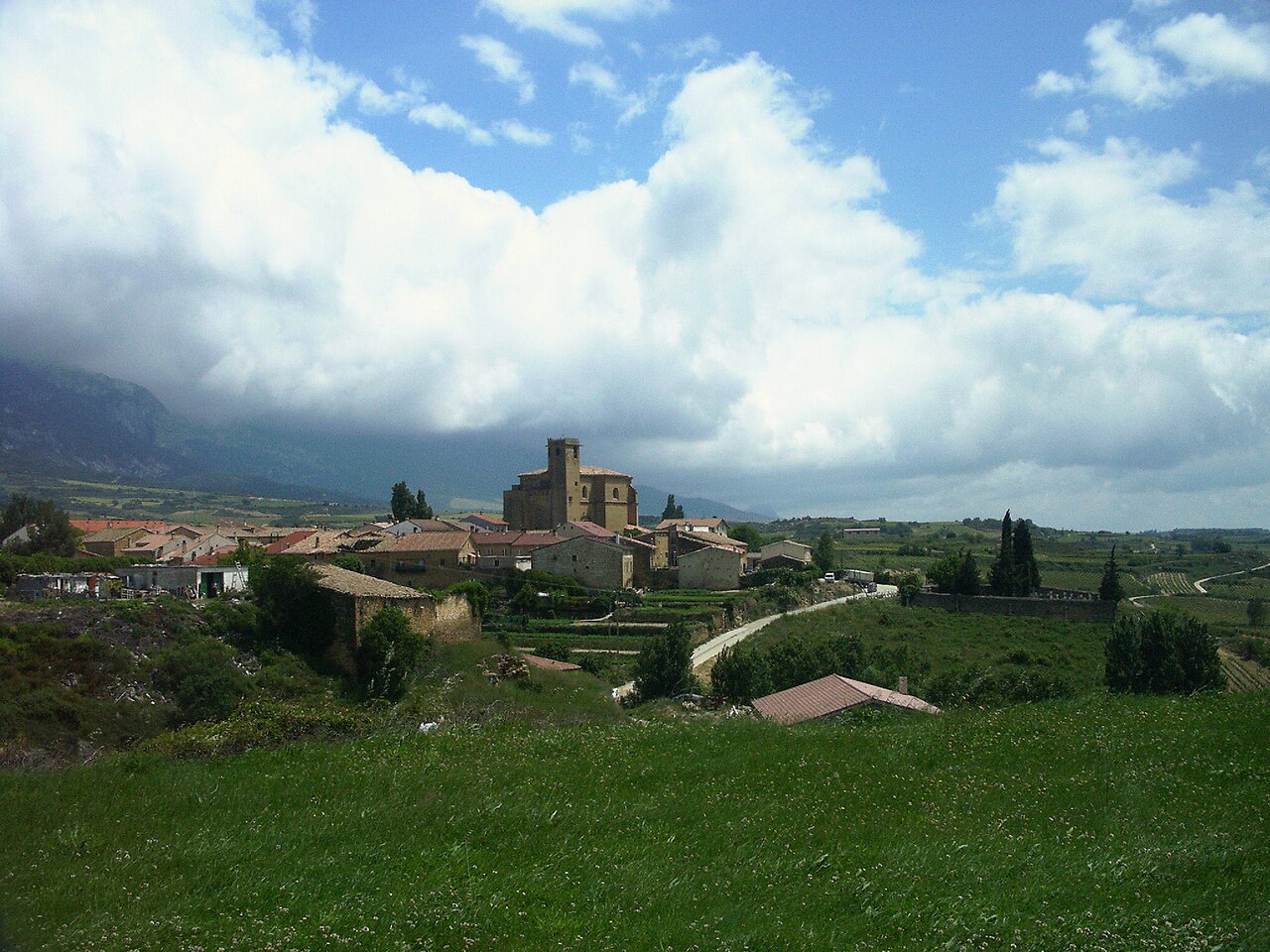
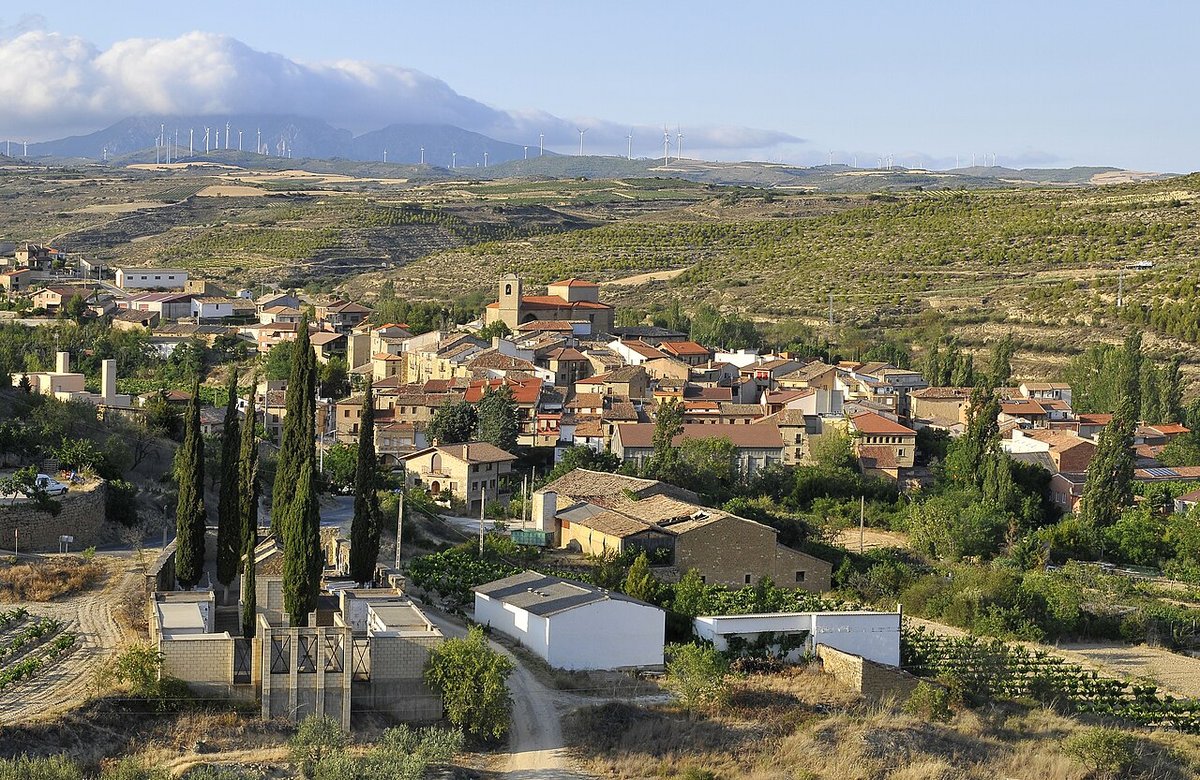
At 580 metres, Elvillar sits high enough that the Ebro valley often disappears beneath a cotton-wool blanket of mist while the village itself basks...

315 inhabitants · INE 2025
583m Altitude

Why Visit

Mountain Wineries Wine tourism

Best Time to Visit

autumn

Things to See & Do
in Elvillar

Heritage

  • Wineries
  • historic center
  • parish church

Activities

  • Wine tourism
  • Wineries
  • Tastings
  • Walks through vineyards

Full Article
about Elvillar

Vineyards, wineries and stone villages among gentle hills.

Ocultar artículo Leer artículo completo

Five hundred metres above the morning fog

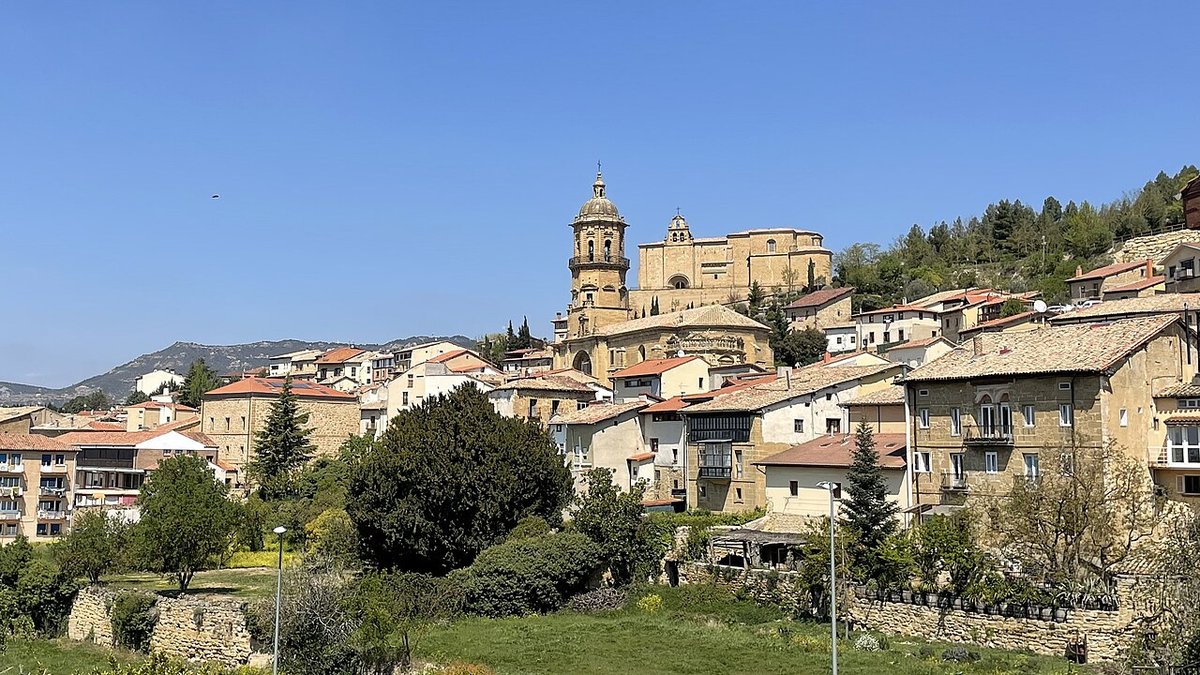
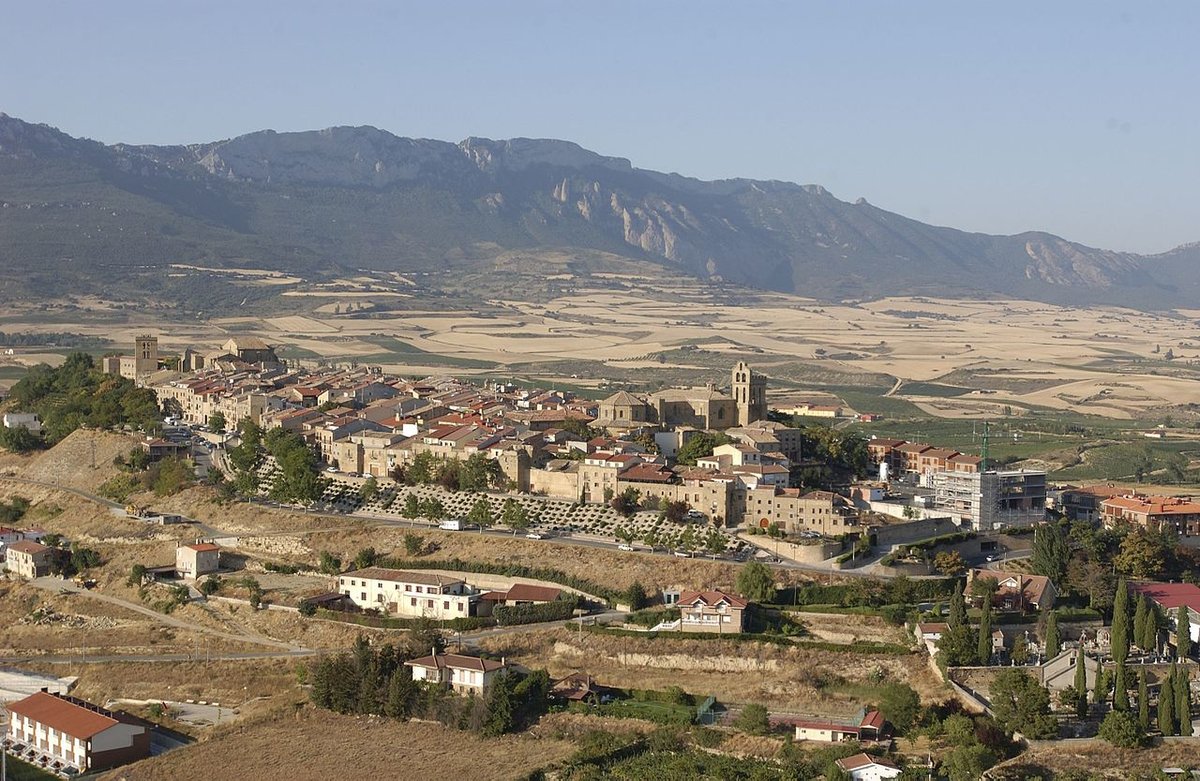
At 580 metres, Elvillar sits high enough that the Ebro valley often disappears beneath a cotton-wool blanket of mist while the village itself basks in clear sunshine. This is the first thing that surprises visitors arriving early: the road from Laguardia climbs through vineyards before suddenly breaking onto a plateau where stone houses catch Atlantic light and the air smells of thyme and wet chalk.

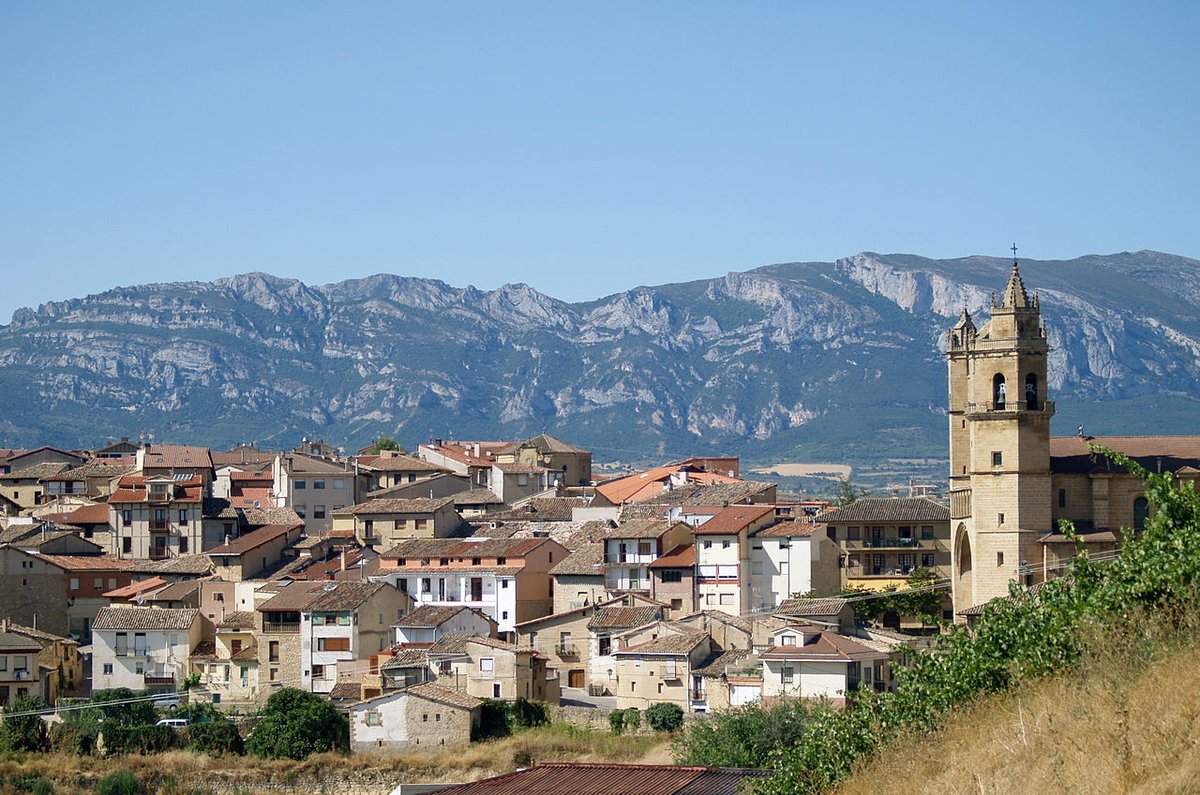
The altitude matters. Daytime warmth drops away quickly after sunset, so even in July you'll want a jacket for the walk back from the village bar. In winter the same elevation brings proper frost; tractors sometimes fail to start and the handful of rural hotels light their wood-burners by late afternoon. The payoff is clean air and views that stretch north to the Sierra de Cantabria – a horizon line useful for orienting yourself when you set out across the surrounding vineyards.

A village that refuses to perform

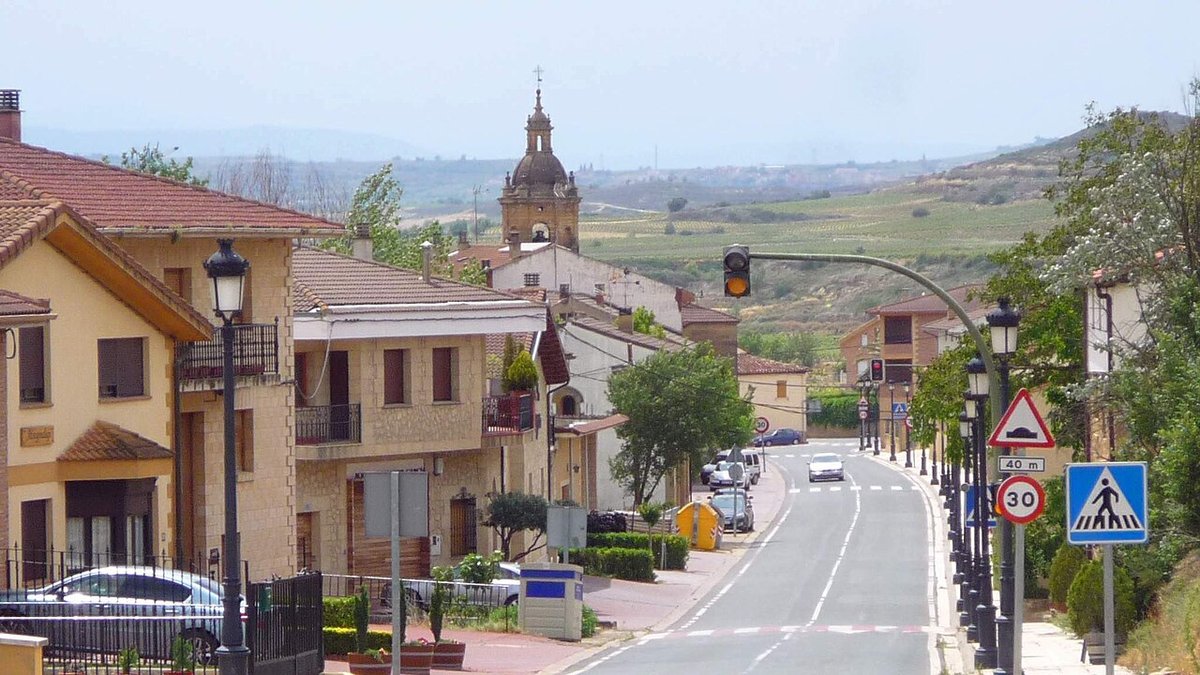
Elvillar has no souvenir stalls, no costumed interpreters, no glossy map handed out at a non-existent tourist office. What it does have is a working rhythm that continues regardless of who turns up. Deliveries of grape crates block the narrow high street in September; farmers stand in overalls discussing powdery mildew while leaning against 16th-century stone. If you expect to be entertained, you'll be disappointed. If you're content to observe, the place opens up.

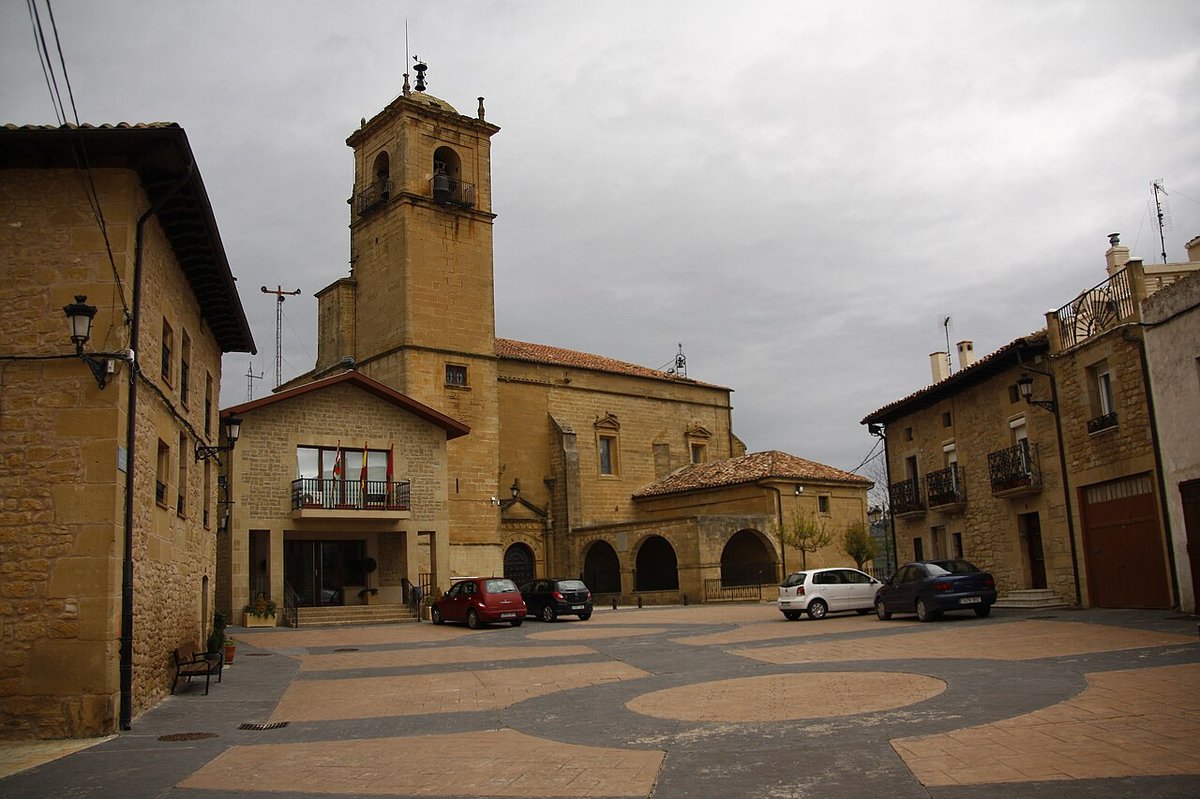
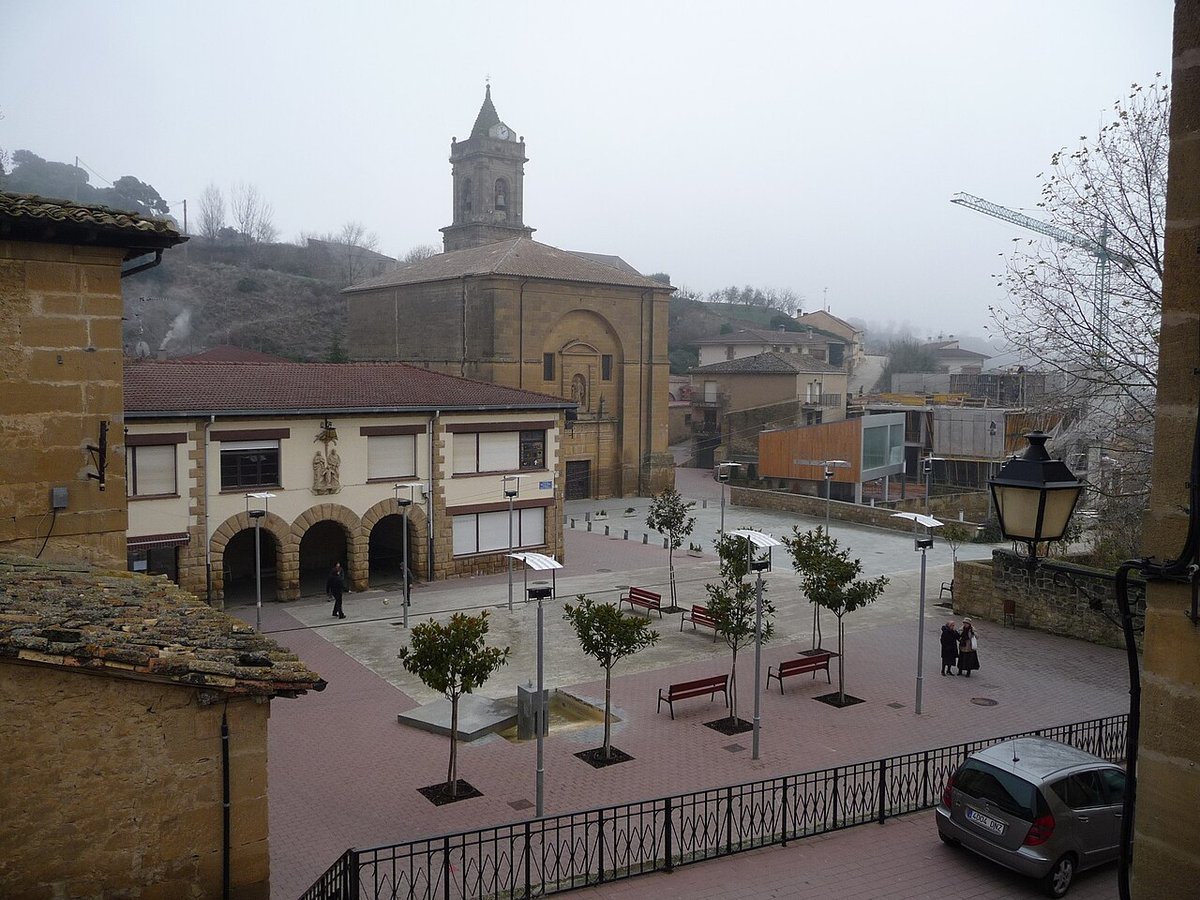
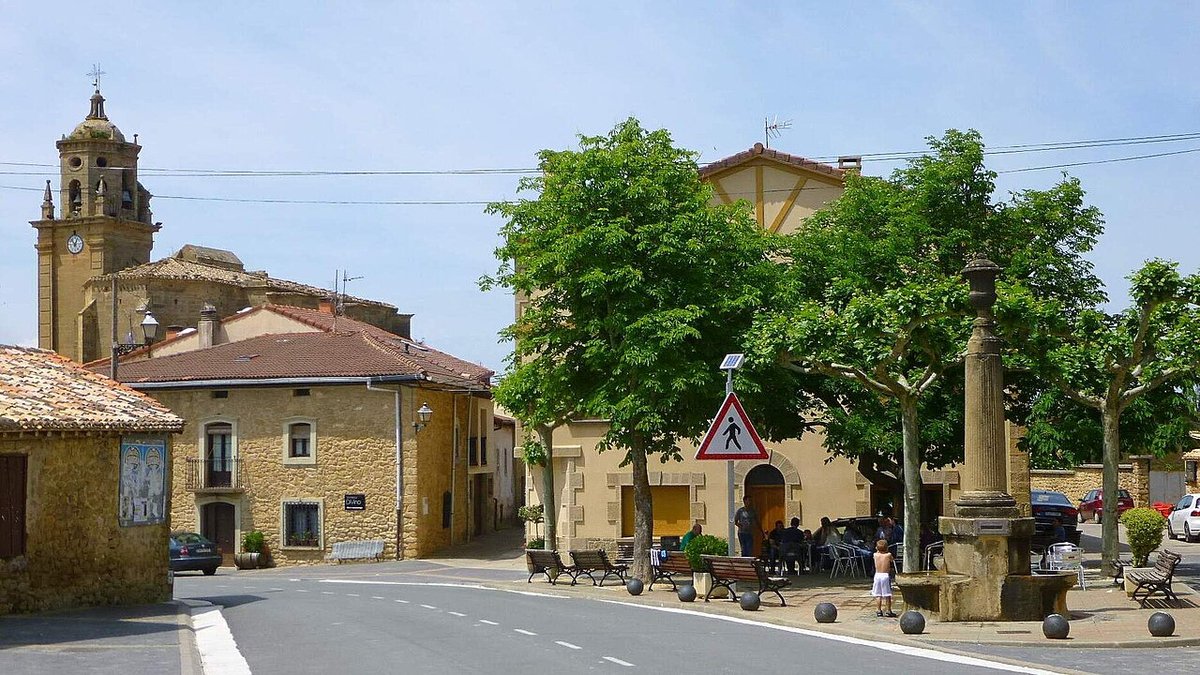
Start at the small square where the frontón (pelota wall) dominates one side. When a game is on – usually Sunday late morning – the slap of ball on stone echoes through the whole village. Otherwise the space is simply a sunny spot where neighbours park and cats stretch across warm flagstones. The 18th-century church, closed more often than not, anchors the eastern edge; its sandstone turns honey-coloured just before dusk, the best time for photographs without crowds. There won't be any anyway, but the light is still better.

Walking straight into prehistory

Three minutes beyond the last house a gravel track forks left towards the dolmen of La Chabola de la Hechicera – the Witch's Hut. Signage is discreet, so follow the yellow-dash waymarks painted on stones. The path climbs gently through low scrub, enough to raise the pulse of anyone who over-indulged on rioja the night before, then levels onto a ridge where the burial chamber sits aligned with the rising sun. Built around 3,000 BC, it is older than Stonehenge and sees a fraction of the visitors. You might share it only with a pair of red kites wheeling overhead.

From the dolmen a loop continues south for 4 km, dipping between vineyard walls built from pale limestone. After rain these walls gleam almost white, a contrast with the black tempranillo canes that line every row. The circuit brings you back to Elvillar's western edge within ninety minutes, provided you stop merely twice for photographs and once to tighten boot laces.

Wine without the coach park

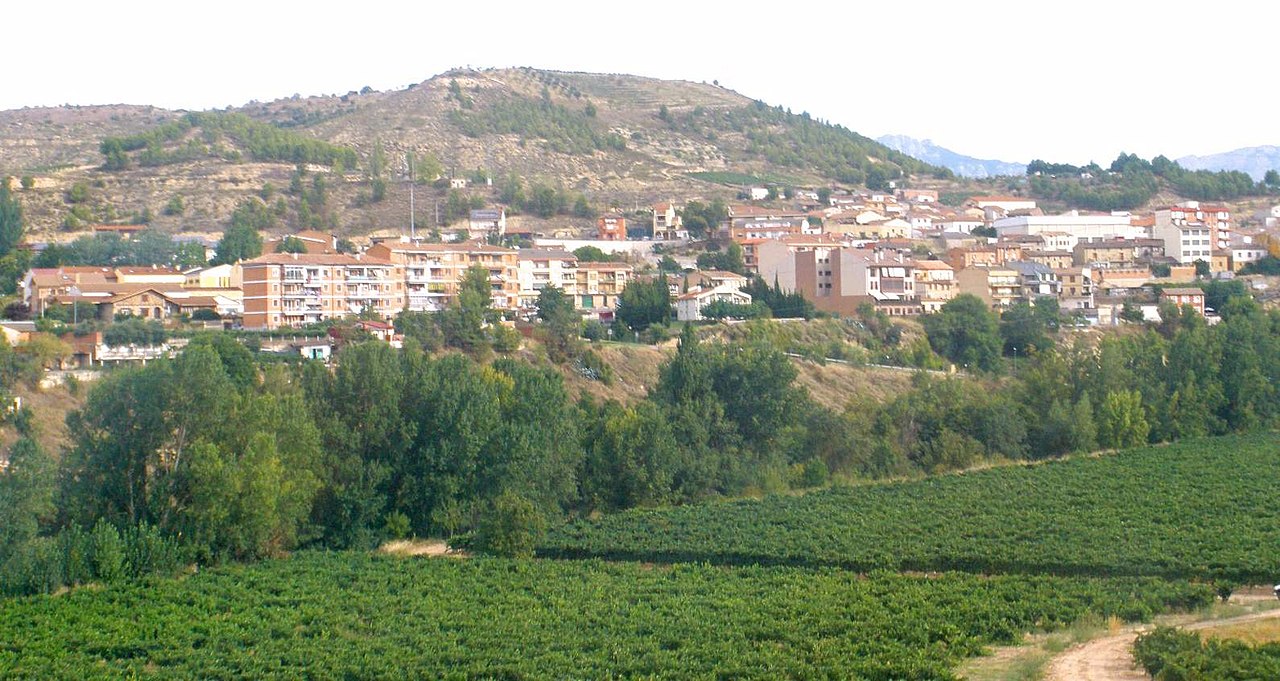
Elvillar belongs to the Rioja Alavesa sub-zone, the part of the denomination that sits on alkaline clay-limestone soils and consistently produces the region's most structured reds. Around twenty family bodegas operate within the municipal boundary; most have annual production smaller than a single supermarket own-label bottling. Their scarcity is precisely what makes them interesting.

Bodega Arrizabalaga opens by appointment and keeps a small table in the stone lagar where visitors taste a white made entirely from viura skins fermented in tinaja. The resulting orange wine carries the faint grip of tea tannin and pairs surprisingly well with a nibble of local Idiazabal cheese. Expect to pay €15 for the visit including three wines; bring cash because the card machine relies on a mobile signal that drifts in and out. English is spoken if daughter Amaia is around, otherwise brush up on wine Spanish: "crianza", "tempranillo", "roble".

Larger concerns such as Luis Cañas in nearby Villabuena welcome walk-ins, yet booking Elvillar's micro-producers gives you the stories – the 2017 frost that destroyed half the crop, the experiment with Georgian qvevri buried behind the winery, the grandfather who still climbs a wooden ladder to top up each barrel. You taste while standing on the same floor where grapes arrive at harvest, an immediacy lost in corporate cellars.

What to eat when the tractors fall silent

Kitchens here close early and open late by British standards. The single restaurant, Asador Alai, fires its vine-pruning grill at 20:30; arrive beforehand and you'll be offered a seat but no food until the coals whiten. House rules suit rural Spain, not Covent Garden.

Order chuletillas – coin-sized lamb chops still pink inside with a smoky edge from the vine cuttings. They come by the half-dozen (£14) or dozen (£24); a plate of patatas a la riojana arrives first, the potatoes soft with sweet pimentón and the occasional chunk of mild chorizo. Vegetarians are limited to roasted piquillo peppers stuffed with salt-cod brandade, or a tomato-pepper salad doused in peppery Arbequina olive oil grown ten kilometres away. Pudding is often cuajada, a tangy sheep's-milk junket served with local honey. The wine list stays under €30 a bottle even for well-aged reservas; mark-ups would make a London sommelier weep.

If the restaurant is booked out by a harvest supper, Laguardia – seven kilometres away – offers Michelin-starred alternatives, but the drive back along unlit mountain roads feels longer after a full bottle. Better to reserve in advance or content yourself with tortilla and a glass of crianza at the village bar, where the television mutters football results and locals debate rainfall figures.

Practicalities the brochures skip

Public transport is essentially theoretical. Buses connect Logroño with Vitoria twice daily, stopping at the Elvillar turn-off on the main road, but the walk uphill from there is steep and shadeless. Hire a car at Bilbao airport (one hour north) or Logroño station (25 minutes south); both routes involve mountain passes that can collect snow in January or February, so pack chains if travelling between December and March.

There is no cash machine in the village and the mini-market closes for siesta between 14:00 and 17:00. Fill up with euros in Laguardia before you arrive, and buy water if you plan an afternoon hike; summer temperatures regularly touch 35 °C and the agricultural tracks offer no shade. Mobile coverage drifts between 4G and nothing once you leave the houses; download offline maps and save your winery confirmation emails.

Accommodation totals three small rural houses and a six-room hotel converted from an 18th-century mansion. Prices hover around €110 per night including breakfast (strong coffee, freshly squeezed orange juice, slices of wood-fired bread rubbed with tomato). Book ahead during harvest weeks in late September; at other times you can secure a room the same day, though arriving unannounced on a festival weekend means driving on to Vitoria.

Leaving without the souvenir tat

Elvillar will not hand you a polished itinerary. Its appeal lies in subtraction rather than addition: no entrance fees, no audio guides, no queue for the perfect Instagram shot. You park, walk, taste wine that never reaches Britain, and realise the village functions perfectly well without being "discovered". Take the same approach. Arrive curious, tread lightly on the vineyard paths, and accept that closing time here simply means the family has work tomorrow. The memory you leave with – the smell of wet limestone at dawn, a lamb chop scented with vine smoke, the sight of the valley floating beneath cloud – costs nothing and cannot be packaged.

Key Facts

Region
País Vasco
District
Cuadrilla de Laguardia-Rioja Alavesa
INE Code
01023
Coast
No
Mountain
Yes
Season
autumn

Livability & Services

Key data for living or remote work

2024
Connectivity5G available
Housing~5€/m² rent · Affordable
Sources: INE, CNMC, Ministry of Health, AEMET

Official Data

Institutional records and open data (when available).

  • Dolmen de la Chabola de la Hechicera
    bic Monumento ~2 km
  • Iglesia de Nuestra Señora de la Asunción (Elvillar)
    bic Monumento ~0.1 km

Planning Your Visit?

Discover more villages in the Cuadrilla de Laguardia-Rioja Alavesa.

View full region →

More villages in Cuadrilla de Laguardia-Rioja Alavesa

Traveler Reviews