Full Article
about Guardia (Laguardia)
Vineyards, wineries and stone villages among gentle hills.
Hide article Read full article
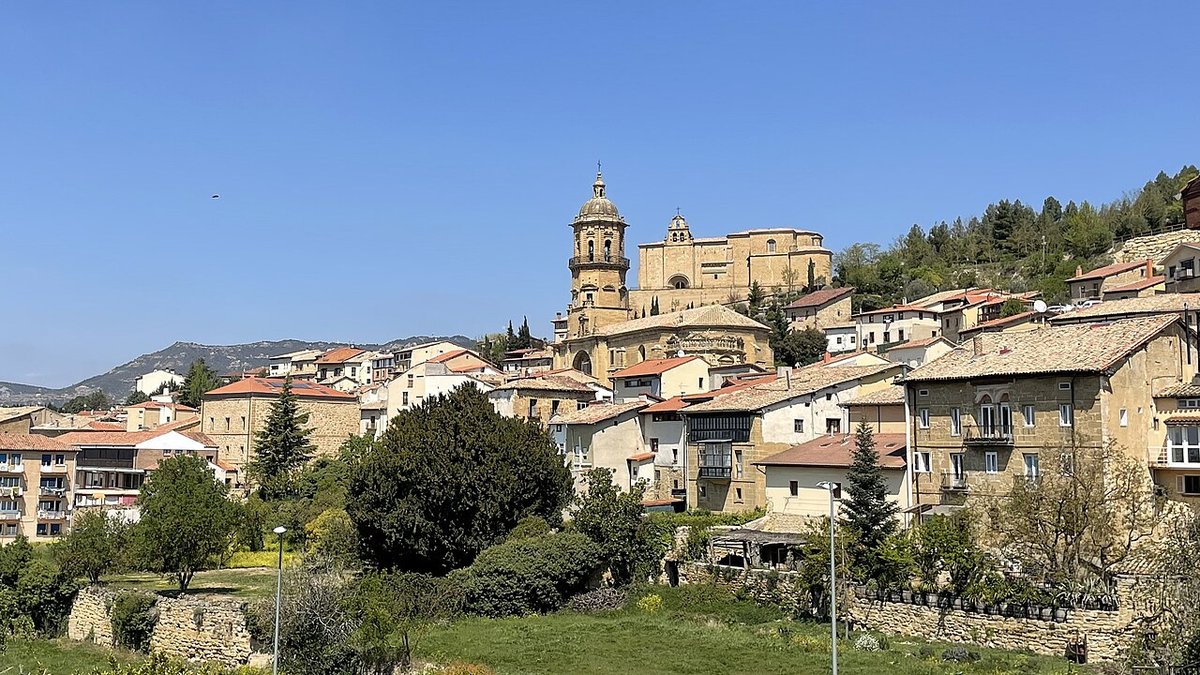
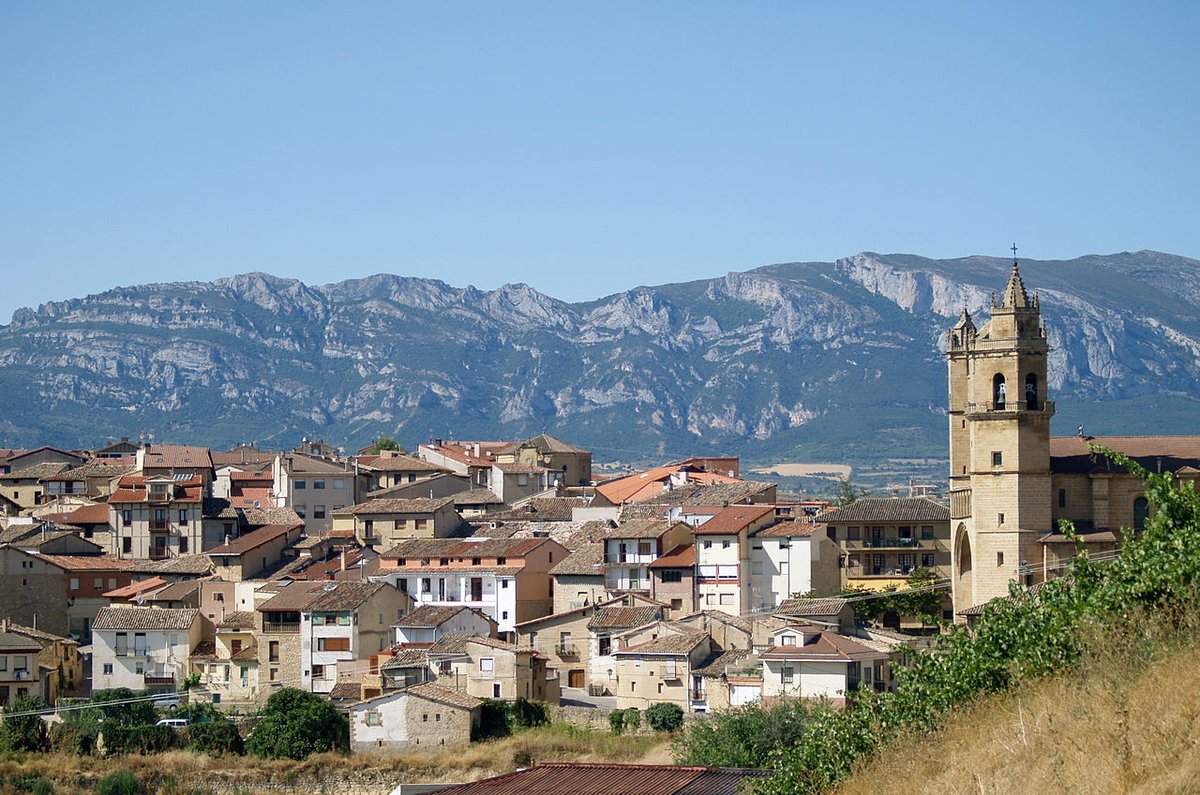
Guardia is the kind of place you walk into and immediately feel like you’re in someone else’s living room. You come through one of the gates in the wall, and there it is: a couple of main streets, some lanes that cross them, and the distinct feeling that everyone here is quietly, constantly, thinking about wine. It doesn’t try to impress you. It just is.
The town makes sense on its own terms. You hear conversations from open doorways, you step aside for a car navigating a street barely wider than it is, and you notice that most shutters are up because people actually live here. It’s functional, not decorative.
Calle Mayor and the town's simple layout
If the old town has a spine, it’s Calle Mayor. You’ll end up here. The stone houses have that solid, no-nonsense look of buildings that have seen a few centuries pass by. You don’t need a map. Walk this street, duck into a side lane, and you’ll pop out somewhere you recognise within minutes.
The real story is under your feet. Beneath many of these houses are calados, cellars dug right into the rock. You might not see them, but sometimes you get a hint: a metal grate in the sidewalk or a cool, earthy scent rising from a doorway.
The square and an unexpected church facade
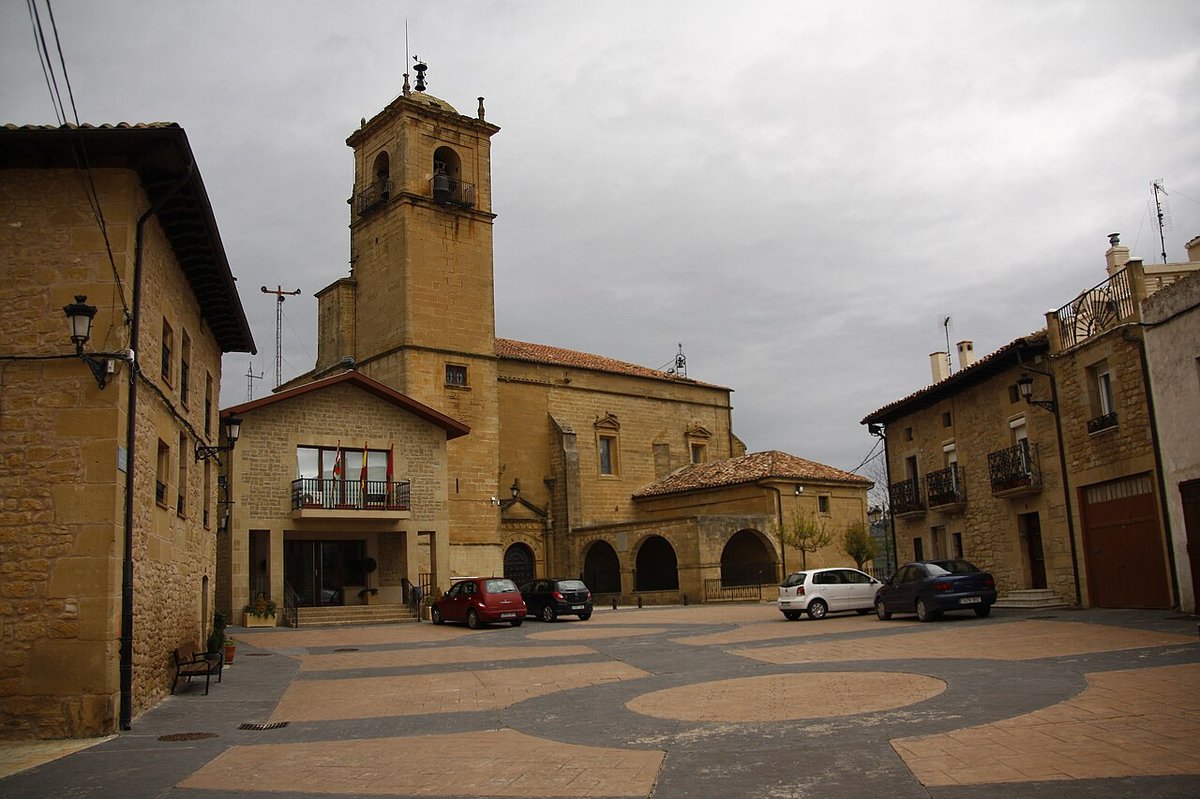
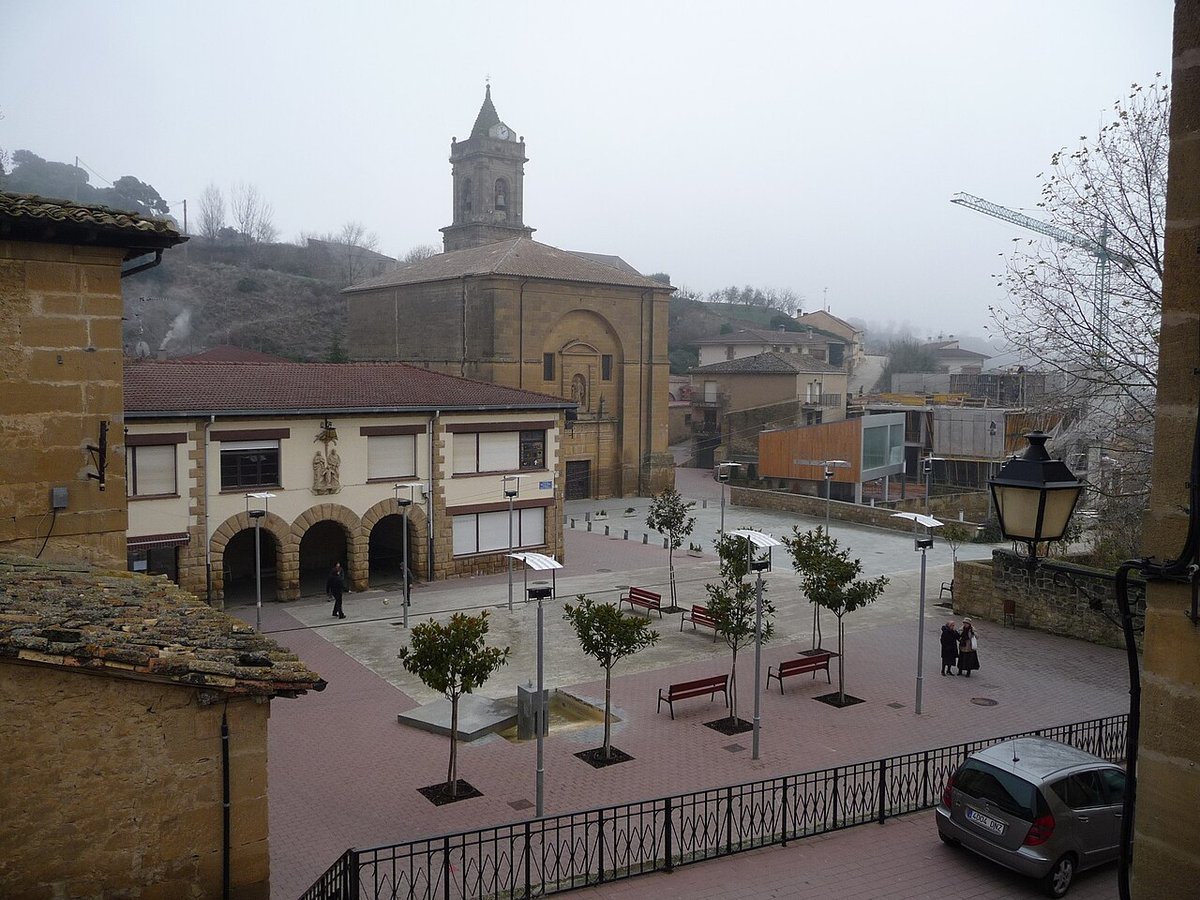
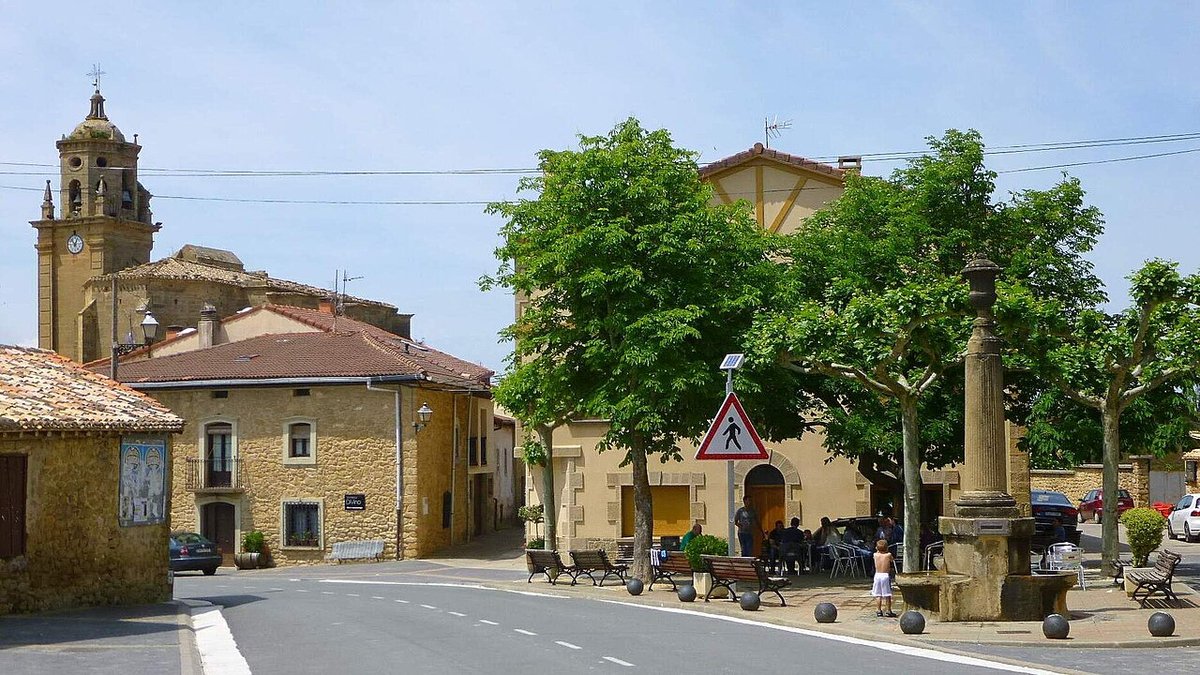
The main square isn't huge or overly dramatic. It's just a open space where life happens to cross paths. Kids might be kicking a ball, someone's heading to the bakery. It feels like the town's casual meeting point.
A few steps away is Santa María de los Reyes. The outside is… fine. But the painted Gothic portal on its west front? That’s the thing you stop for. It’s detailed and colourful in a way that feels surprisingly vibrant for such a sturdy town. If the heavy door is open, go in and take a proper look. If it's closed, asking at the tourist office nearby usually gets you the current schedule.
Stepping outside the walls
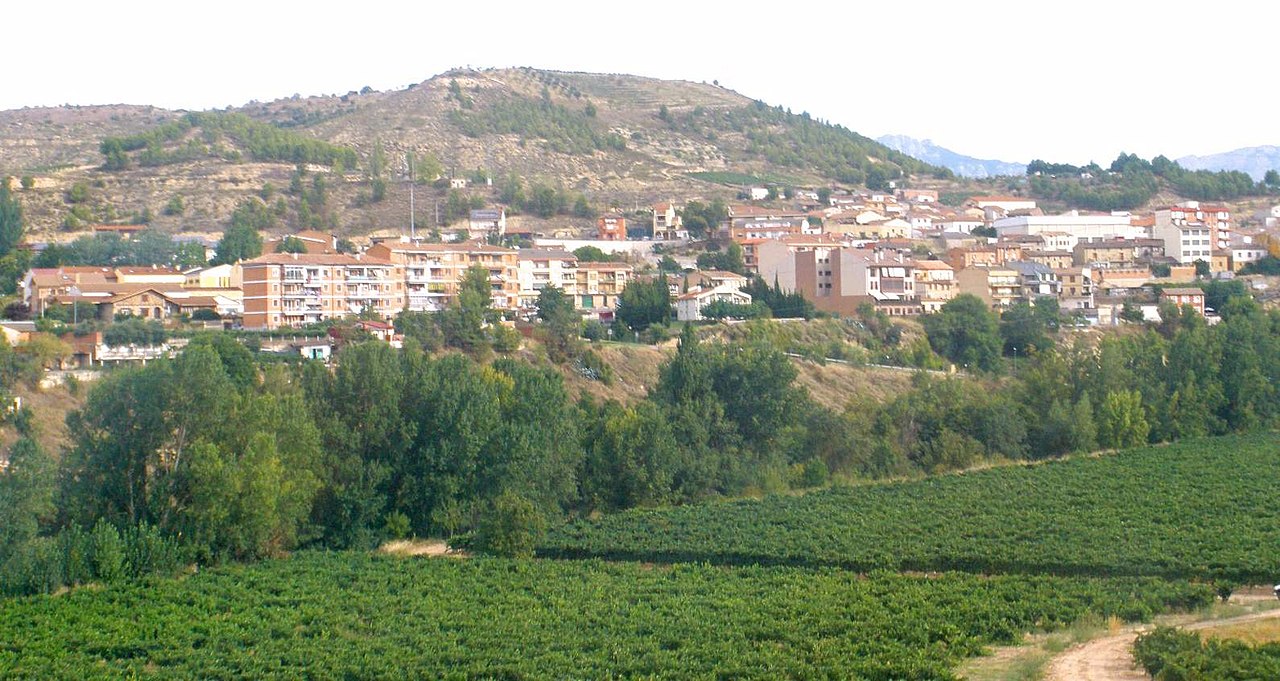
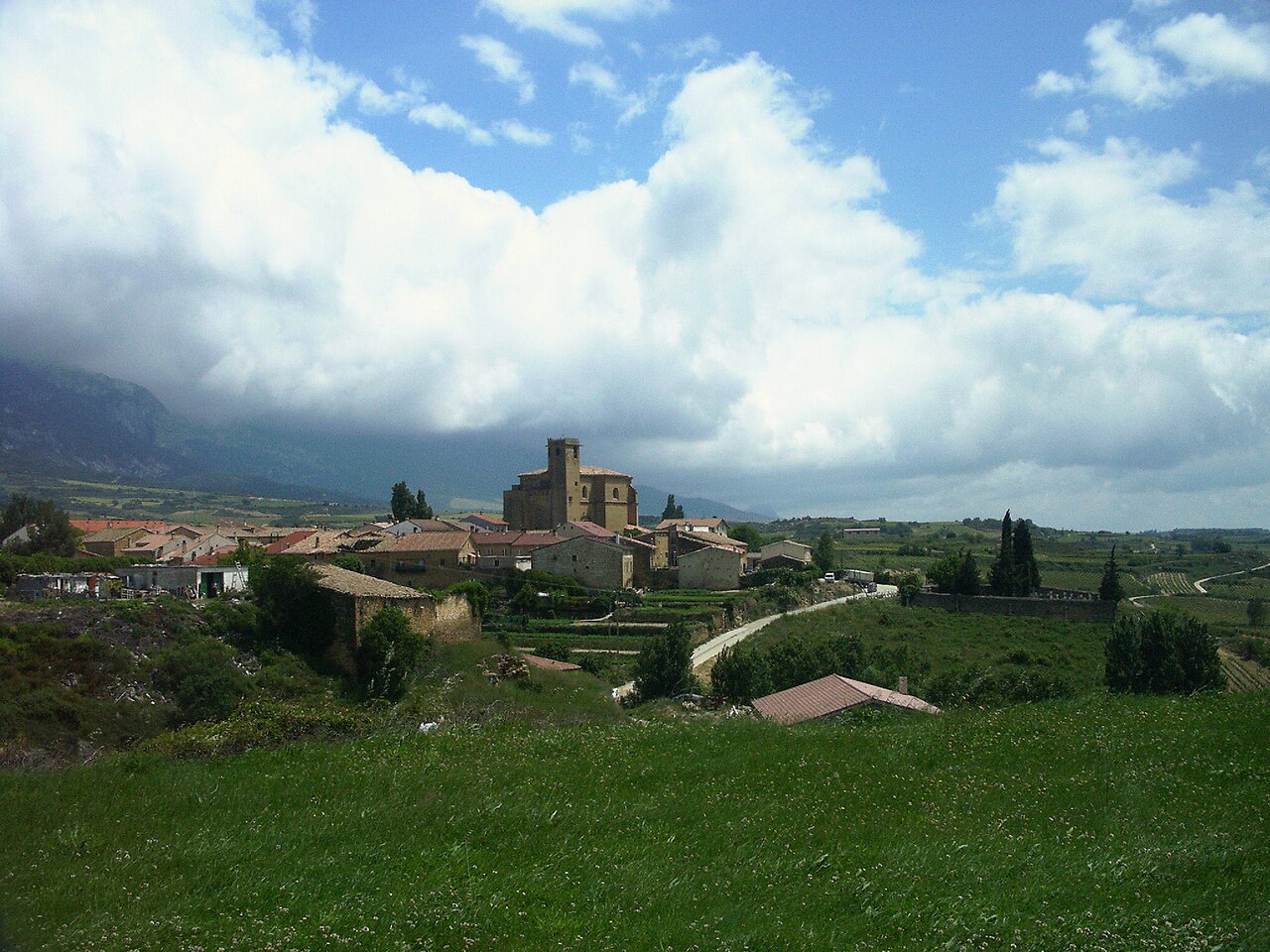
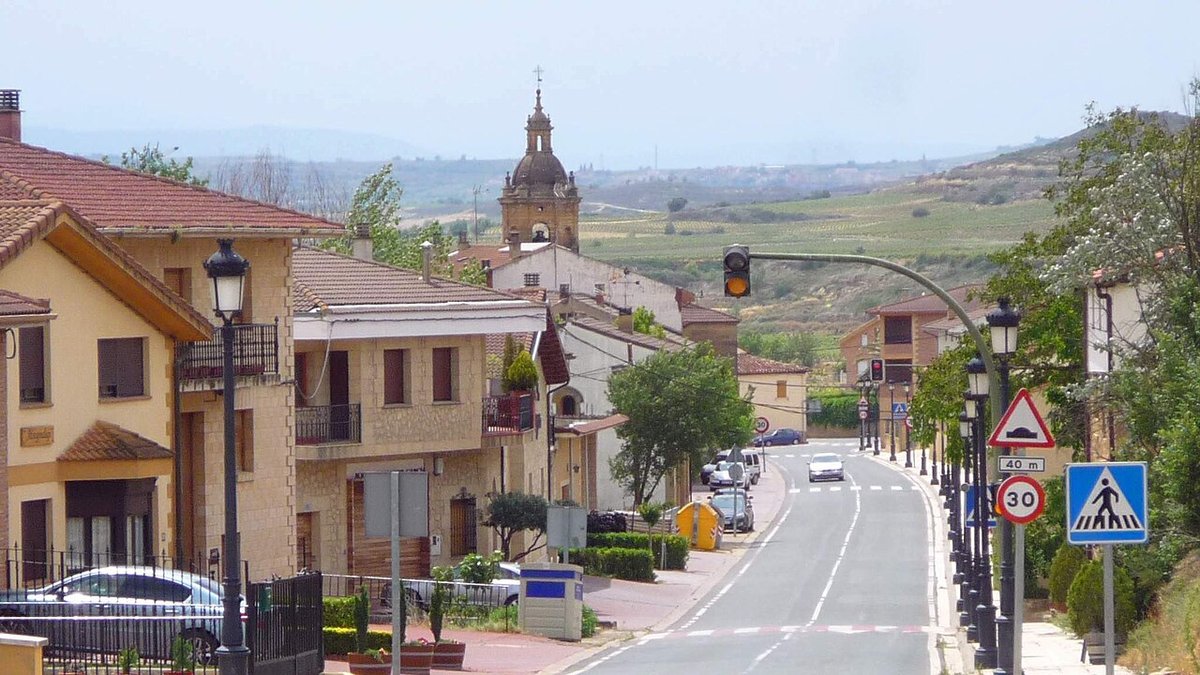
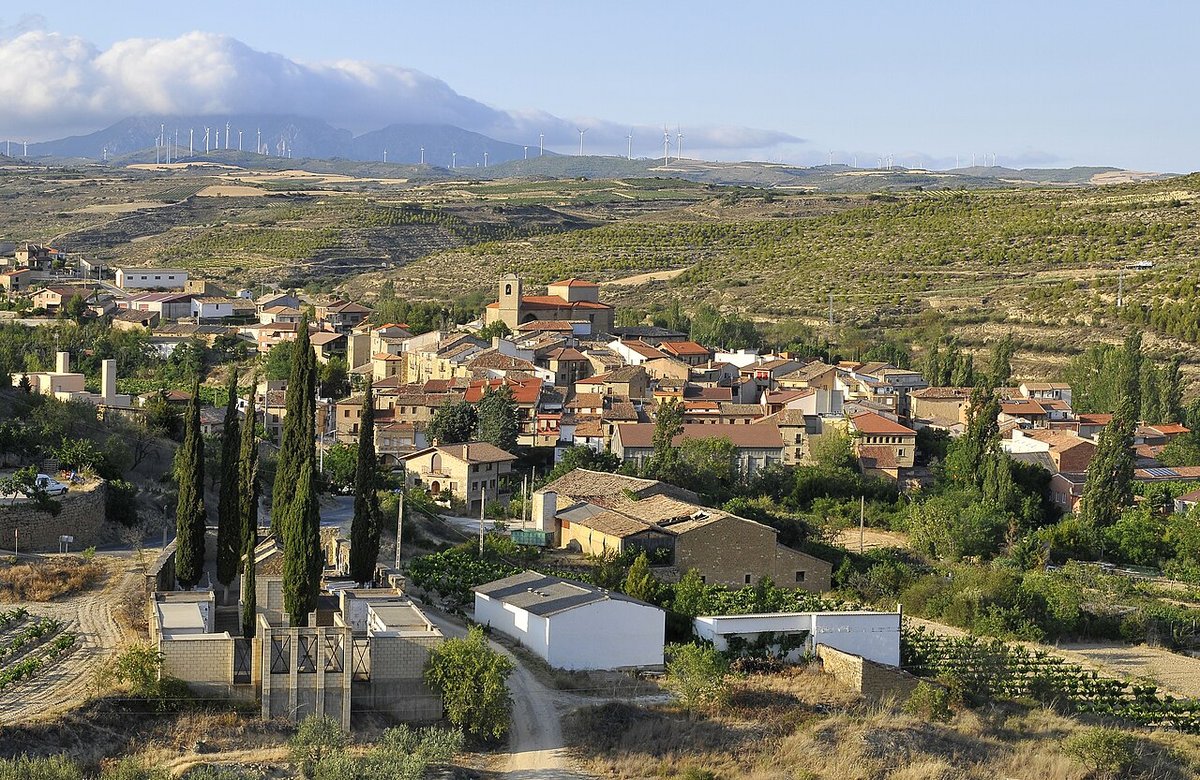
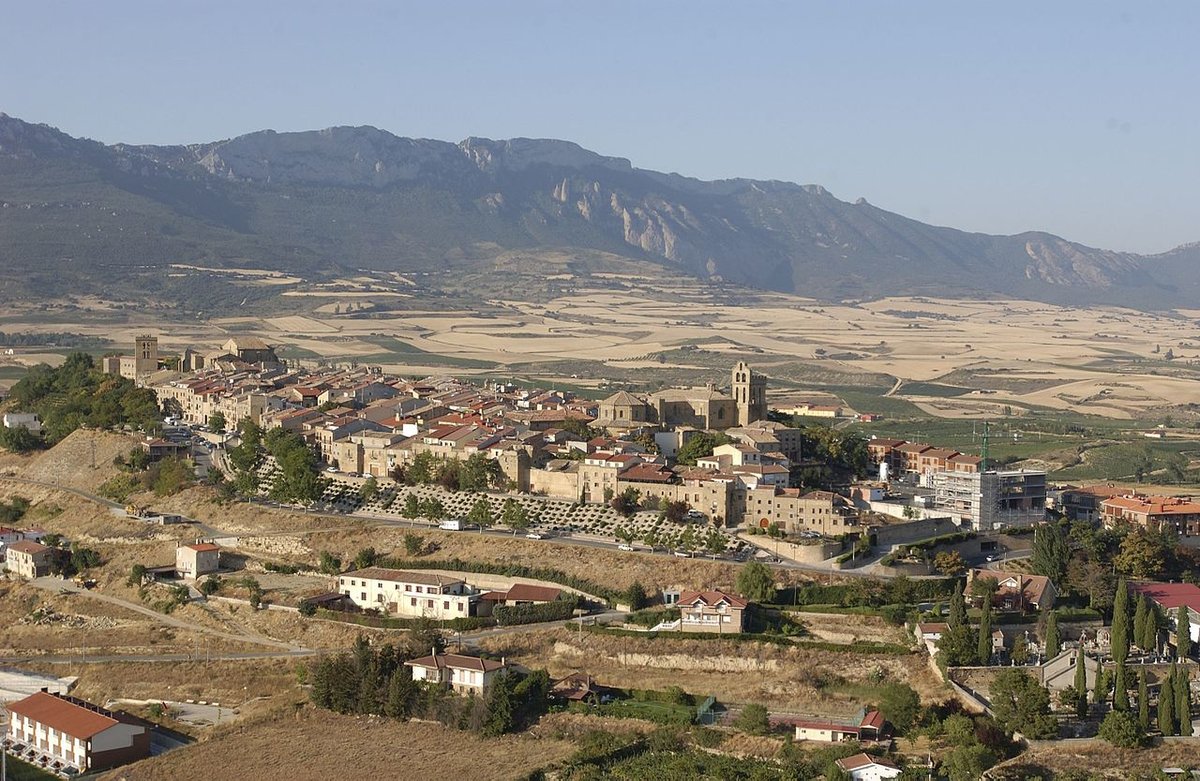
Walk out through any gate and within five minutes you're surrounded by vines. This is Rioja Alavesa, and Guardia sits right in the middle of it. The vineyards roll with the land's gentle slopes. In spring they're almost aggressively green; by autumn they look like a faded rug of reds and golds.
You don't need to be a hiker to get it. Just follow any of the dirt tracks leading out from the walls for fifteen minutes. The scale of it all, how it cradles the town, becomes obvious.
A quick view without any fuss
One of Guardia's best features requires no effort at all: leaning on its walls and looking out. They're not towering fortifications; they're more like a sturdy balcony with a view.
From certain spots, especially near the southern edge, you get this panoramic patchwork of vineyards that stretches to distant ridges. It’s quiet up there. You stand for five minutes, maybe take a photo, but mostly you just look.
How much time you really need
You can do Guardia justice in two or three hours if you're honest about it. That's enough time to wander every street twice, see the church facade, walk a bit of the wall, and stroll into the nearest vines.
A common misstep is trying to cram it between three winery visits in one day. You end up rushing through everything and appreciating none of it. Parking inside the walled town is also optimistic at best. The streets are tight. It's easier to use one of the lots just outside and walk in.
Timing matters. September during harvest has a palpable buzz. Spring is quieter, the light is softer, and you might have whole sections of wall to yourself.
Getting here and getting around
You'll want a car. Public buses connect to Logroño or Vitoria, but services aren't exactly frequent. Having your own wheels gives you freedom in this whole region.
Once you're here, park it and forget it. Everything in Guardia is reached on foot, and distances are short. It’s designed for walking, not for traffic.
So think of Guardia as that friend who lives somewhere uncomplicated. You show up, you take a slow walk together, you share an easy silence while looking over some fields, and then maybe you go for a glass of wine. It doesn't need to be more complicated than that