Full Article
about Kripan (Cripán)
Vineyards, wineries, and stone villages among gentle hills.
Hide article Read full article
A village that doesn’t rush
Some places come with a clear plan. Then there is Kripan. You arrive, park the car, step out, take a look around and think: this won’t take long. And it’s true, Kripan can be seen quickly. But slow down a little and it starts to reveal how this part of Rioja Alavesa actually works.
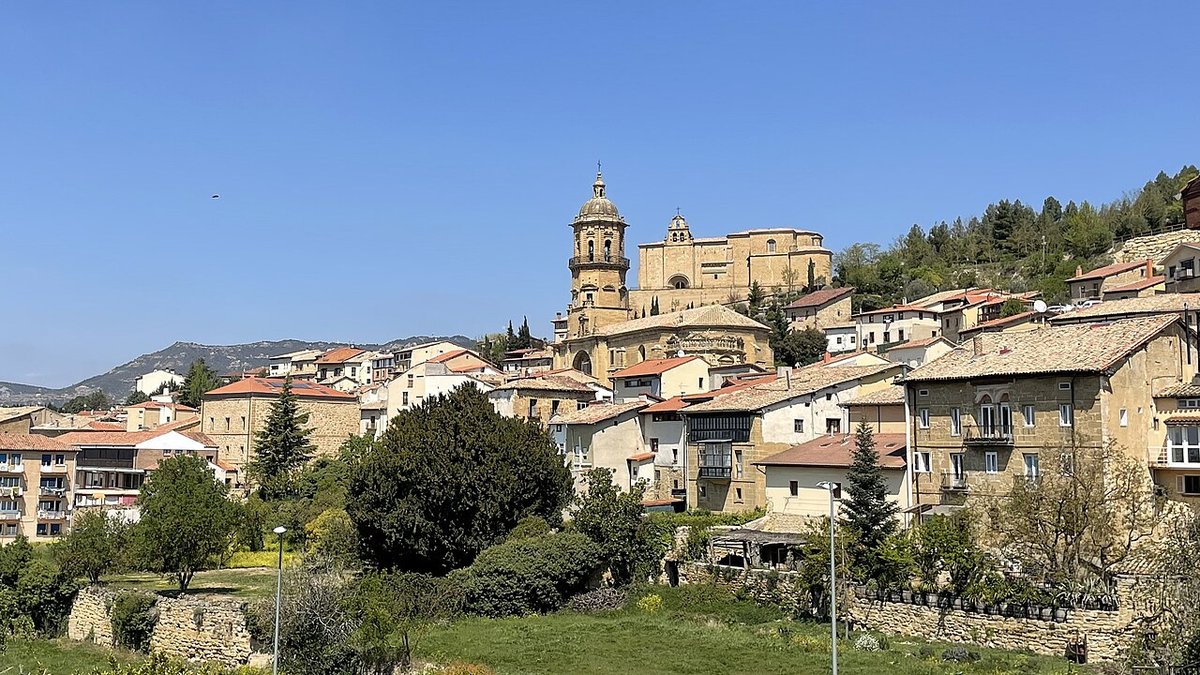
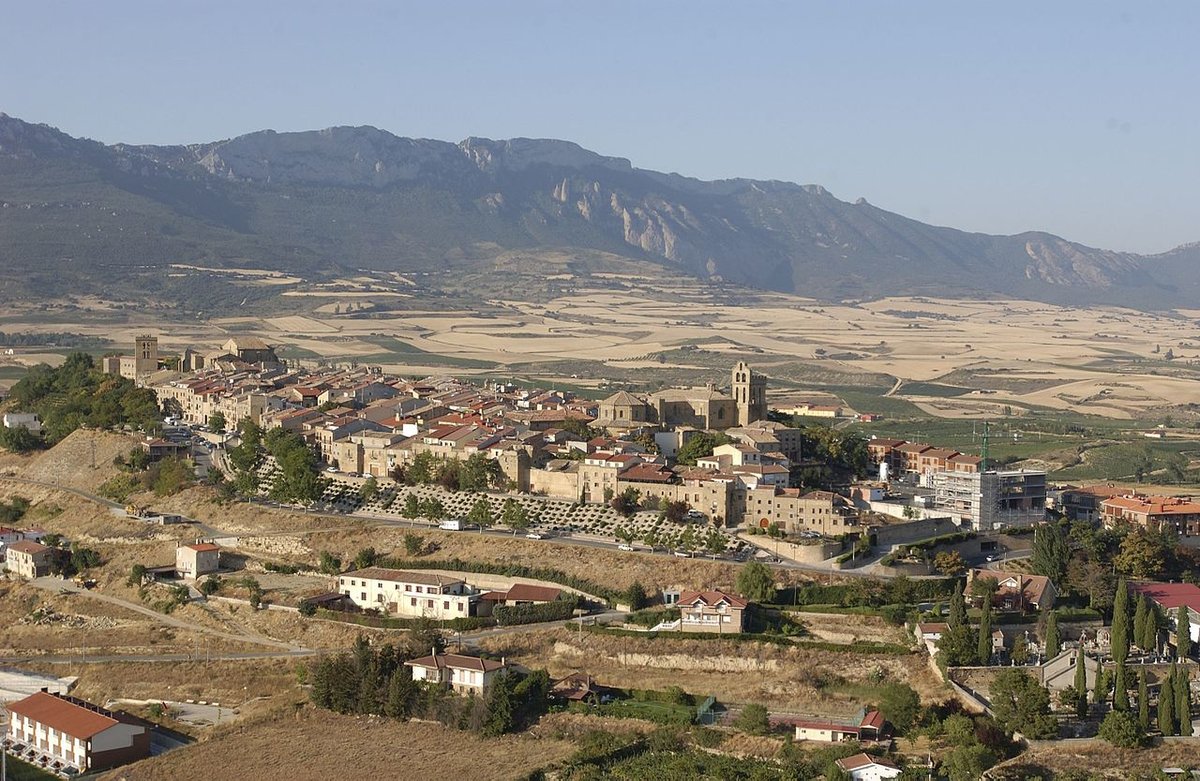
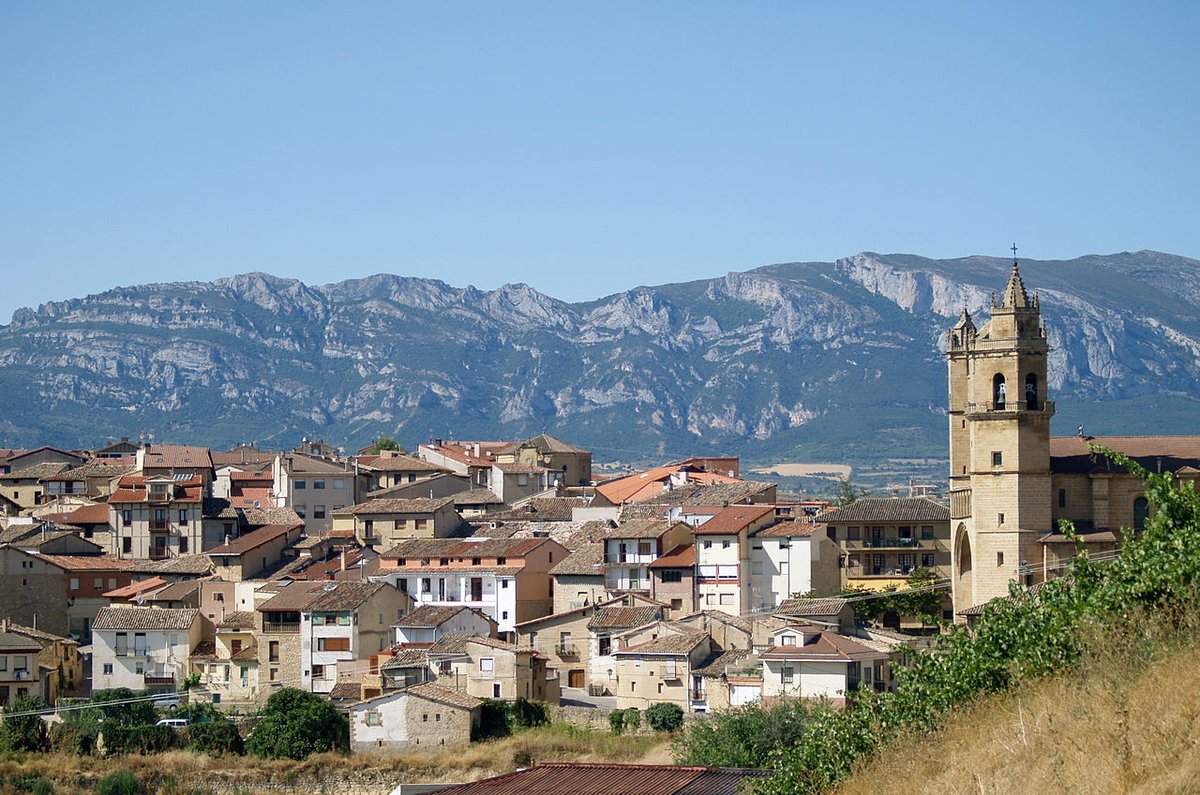
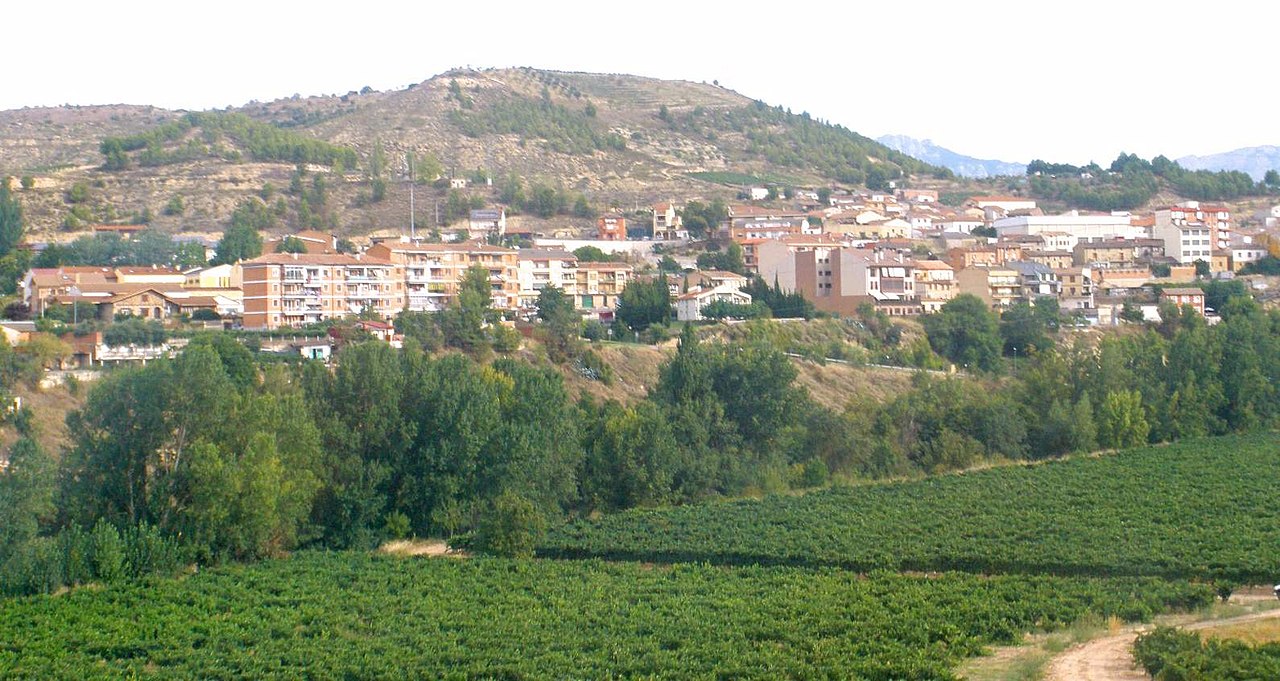
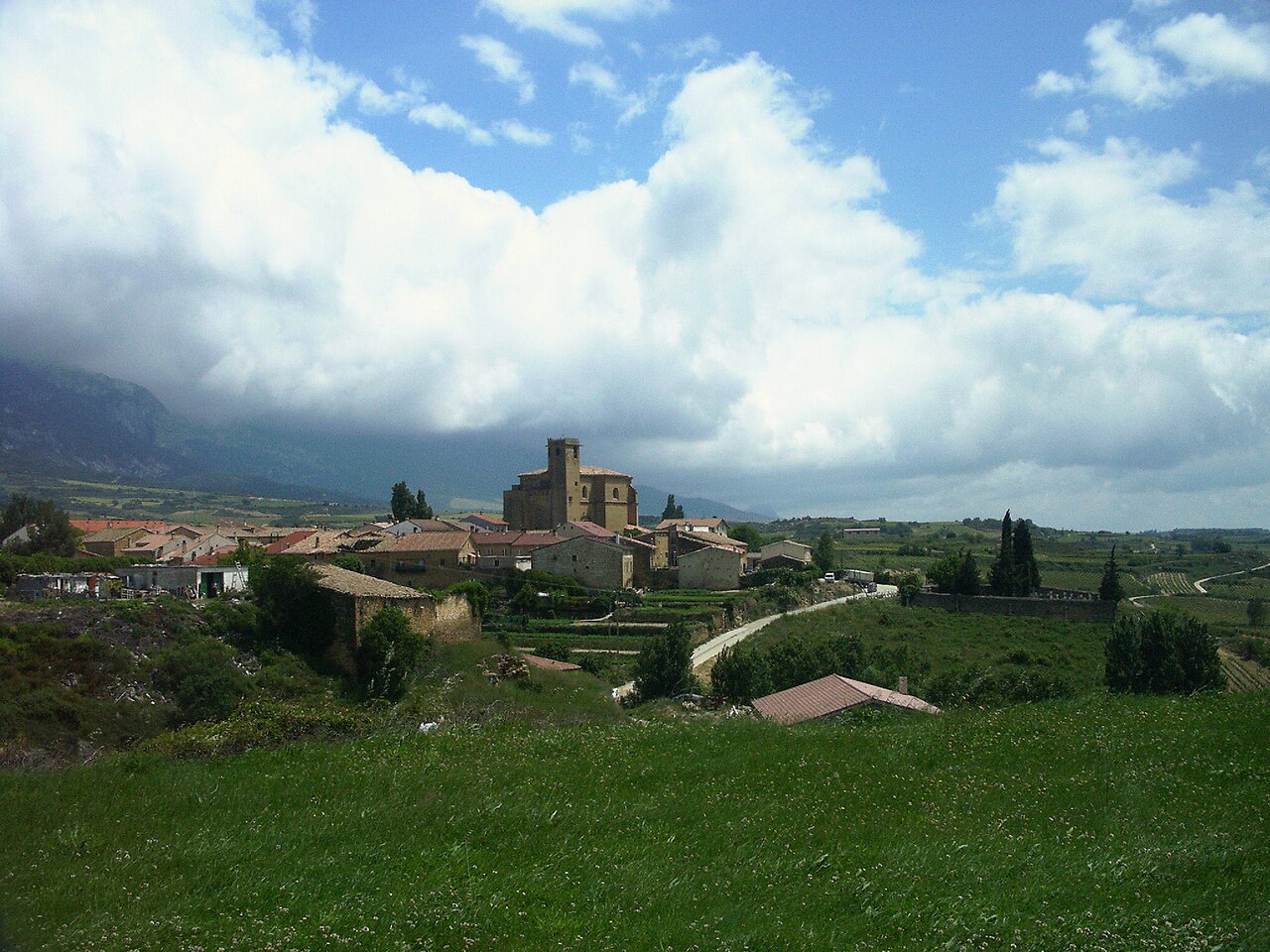
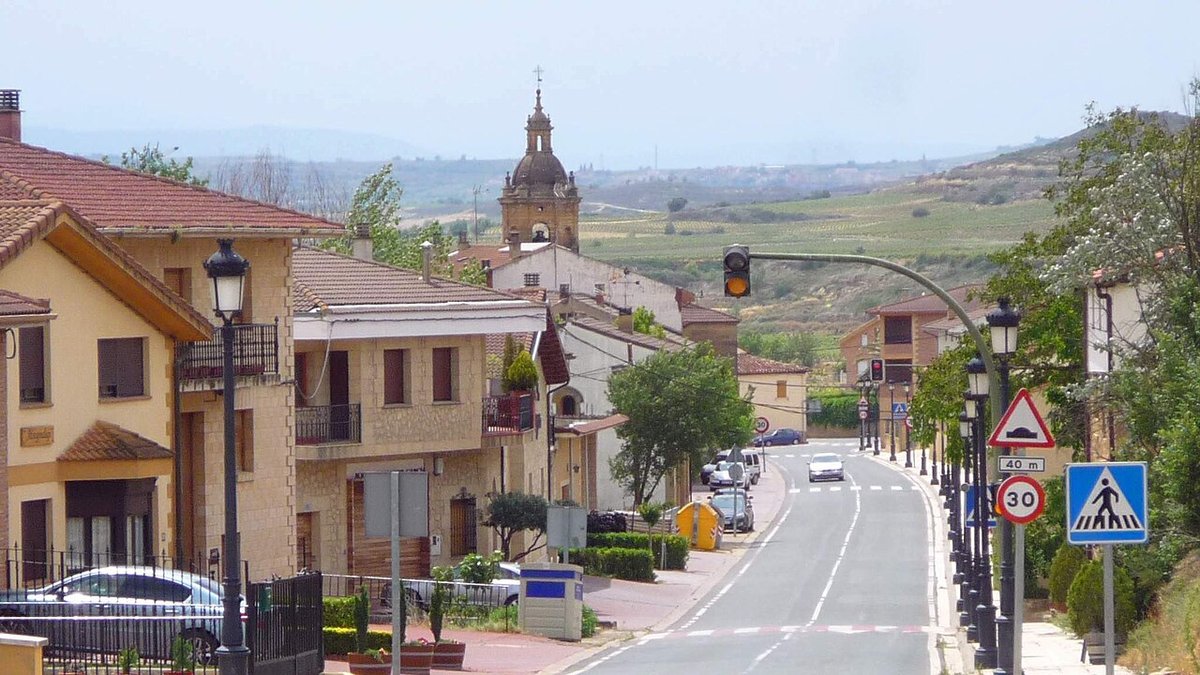
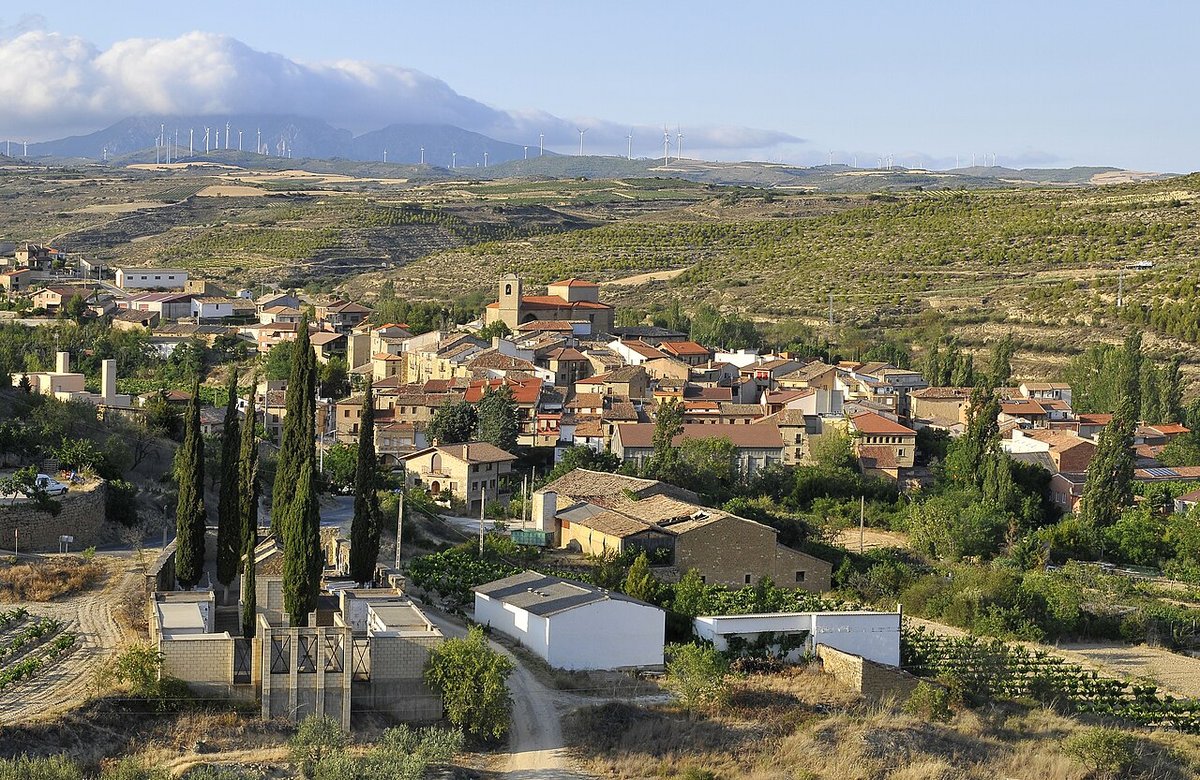
The village sits at around 690 metres above sea level, surrounded on all sides by vineyards. The centre is compact, with narrow streets and fairly plain stone houses. Many of them have large doorways at ground level. They are not decorative. Behind them there is often a courtyard or a cellar. Here, wine is not an abstract cultural idea. It is part of the house.
Some façades feature coats of arms or carved stone details linked to old families. Nothing monumental. Just small elements that begin to add up if you pay attention. Taken together, they suggest a place that has been working in roughly the same way for centuries: land, vines and patience.
A short walk through the centre
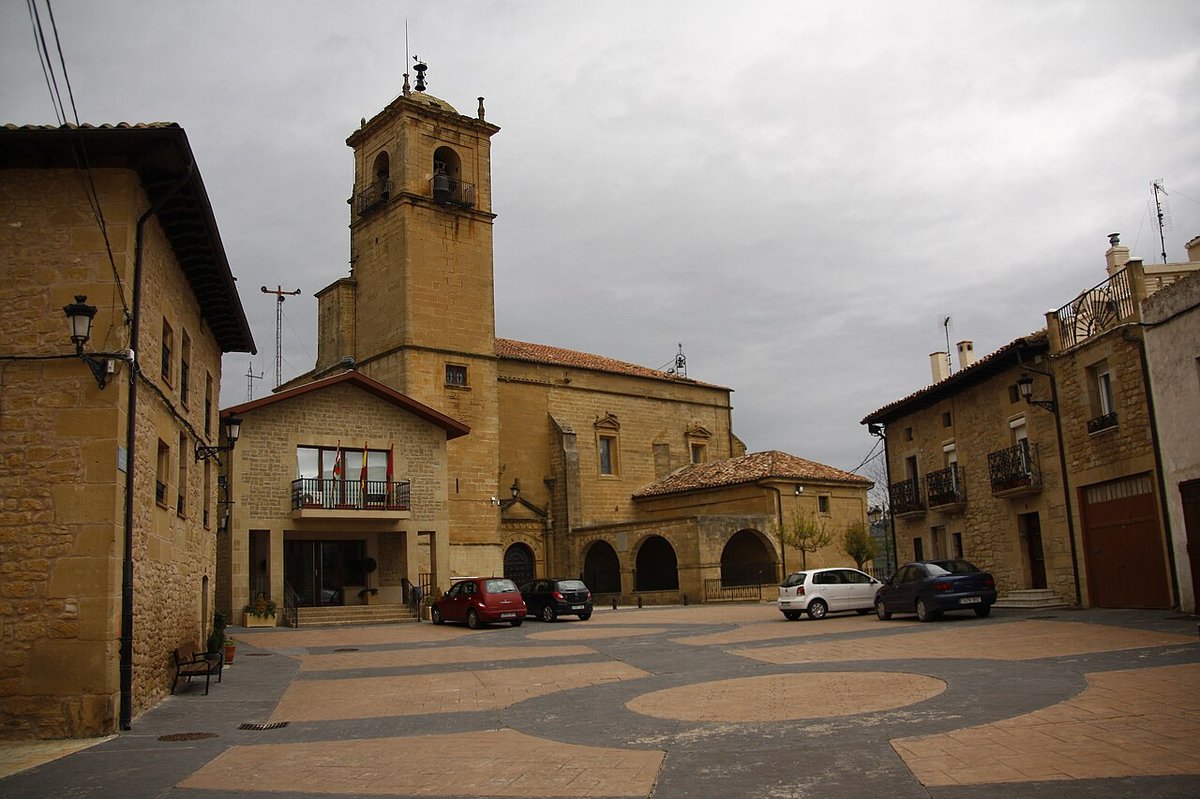
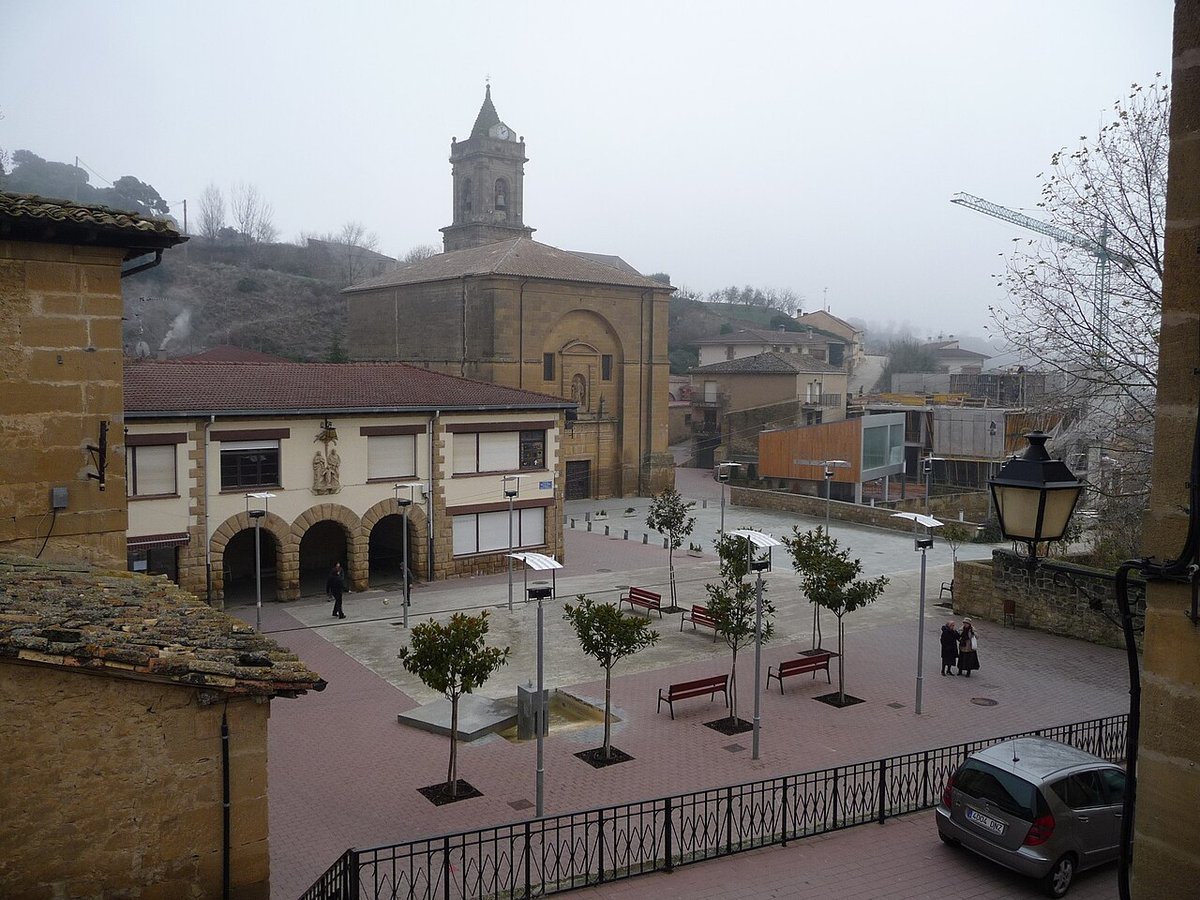
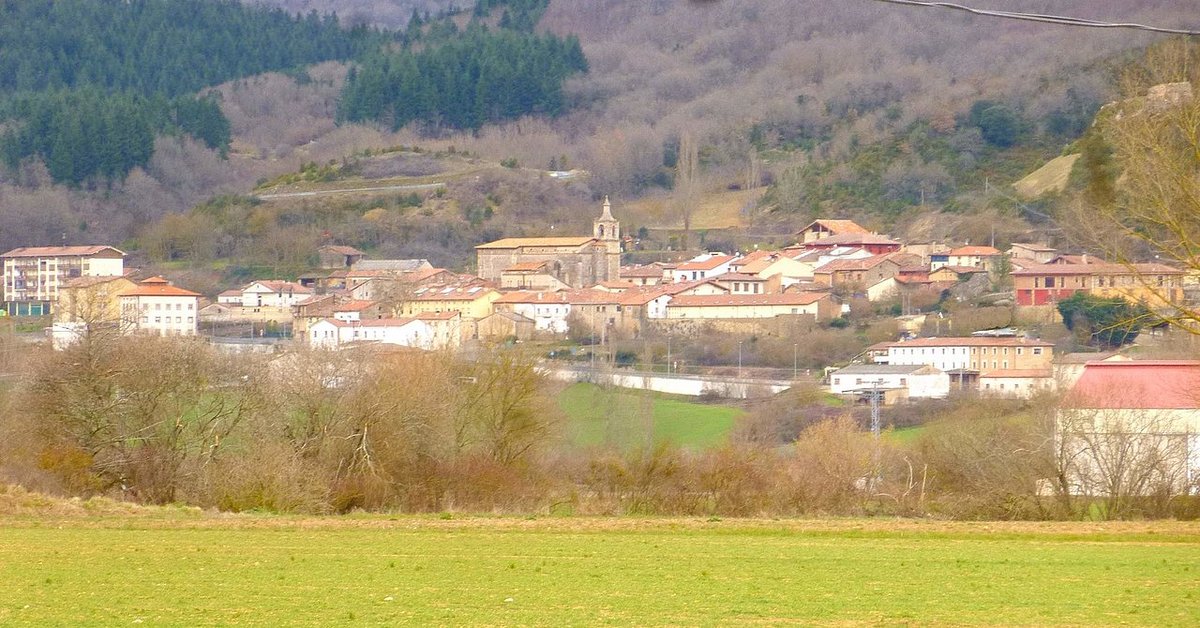
The church of San Andrés stands at the centre of the village. Its origins are medieval, although what you see today is largely the result of later changes, mainly from the early modern period. From the outside, it feels more imposing than you might expect for a village of this size.
If it happens to be open, the interior is simple. There is no sense of excess. Instead, it has that kind of solid atmosphere that comes from doing the same job for centuries without needing to show off.
Beyond the church, the visit is really just a walk through the main streets. Look at the large wooden doors, the balconies, the worn stone on some façades. Kripan does not rely on major monuments. What it has is the feel of a place that still functions first and foremost as somewhere people live.
Stepping out into the vineyards
What makes Kripan interesting begins as soon as you leave the built-up area. Within a couple of minutes, you are already on agricultural tracks.
The vineyards surround the village in neat lines that slope down towards the valley. In the distance, the Sierra de Cantabria defines the horizon. It is a landscape that repeats itself across this region, yet it rarely becomes dull.
Walking along these paths helps put the place into perspective. The village itself is small, but everything around it, the plots of land, the vines, the work behind them, is much larger than it first appears.
Spending a bit of time here makes it easier to understand that scale. What looks quiet and contained from inside the village is actually part of a much wider working landscape.
Before you arrive
Kripan is a quiet place with very little in the way of visitor infrastructure. It is best approached with that in mind.
It is usually easiest to leave the car near the entrance to the village and continue on foot. The streets are narrow, and there is not always much space to manoeuvre.
If you plan to walk along the agricultural tracks, proper footwear is a good idea. The ground is not always even, and after rain it is easy to come across puddles and mud.
There are family-run wineries in the village. Many of them operate with visits arranged in advance or only at certain times of year. If the opportunity comes up to step inside one, it offers a straightforward way to see how small-scale wine production works here.
The everyday rhythm of wine
Kripan does not try to impress. In fact, if you are looking for a place packed with things to do, it may feel a bit too quiet.
What stands out instead is how normal the wine landscape is. During the working season in the vineyards, it is common to see tractors moving in and out of the village or trailers loaded with grapes.
This movement is part of daily life. It is not something staged for visitors. It is simply the local economy doing what it has always done.
That sense of continuity is subtle but clear. Nothing is exaggerated or presented for effect. The vineyards, the houses and the routines all fit together without much need for explanation.
When to go
Spring and autumn are usually the most pleasant times to walk around the area. In spring, the vines begin to sprout and the landscape turns green. In autumn, the typical reds and ochres of the region appear.
Summer can be quite hot at midday, especially if you are walking along exposed tracks without shade. Starting earlier in the day tends to make things easier.
At any time of year, the idea is simple: come without rushing, take a short walk and look around carefully. Kripan does not ask for much more than that.