Full Article
about Lantziego (Lanciego)
Vineyards, wineries, and stone villages among gentle hills.
Hide article Read full article
Lantziego, entre la sierra y el viñedo
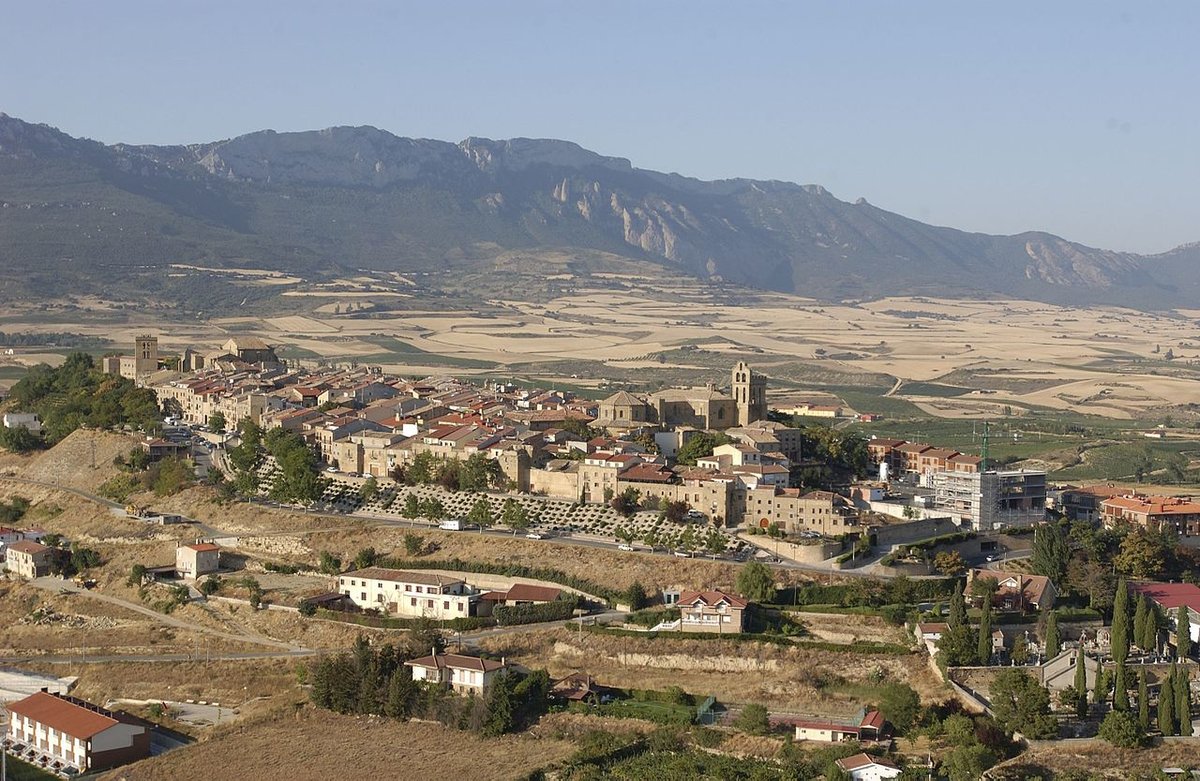
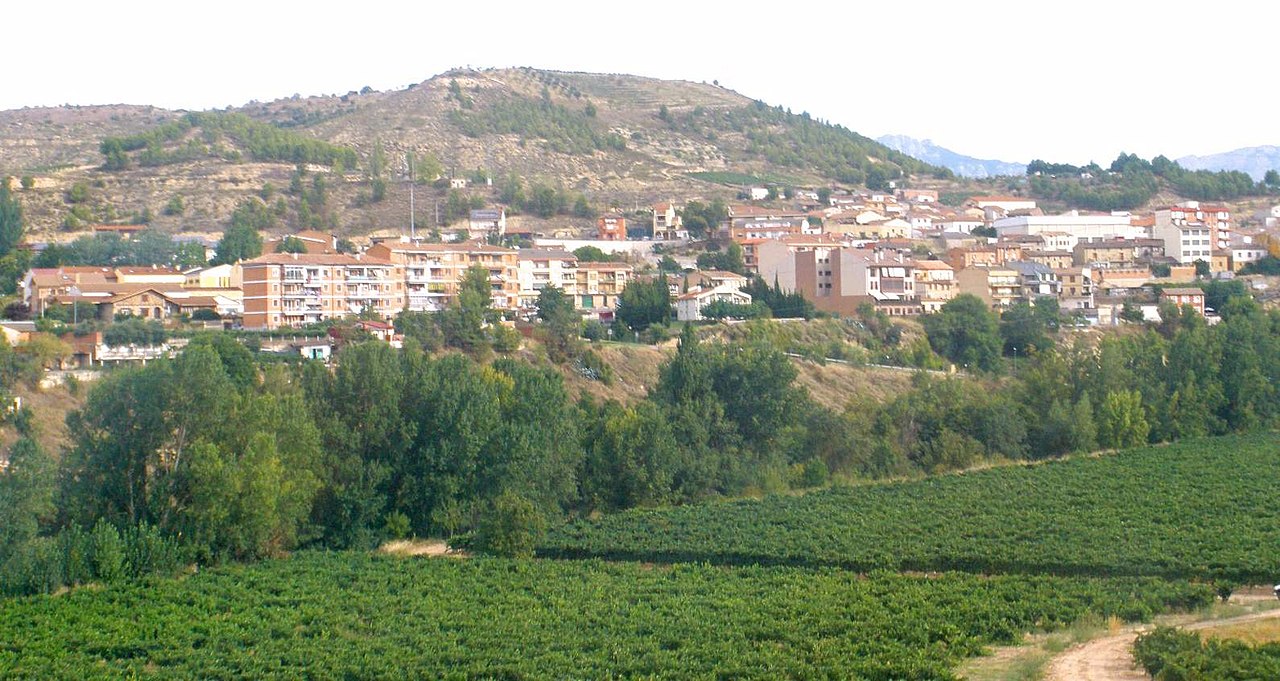
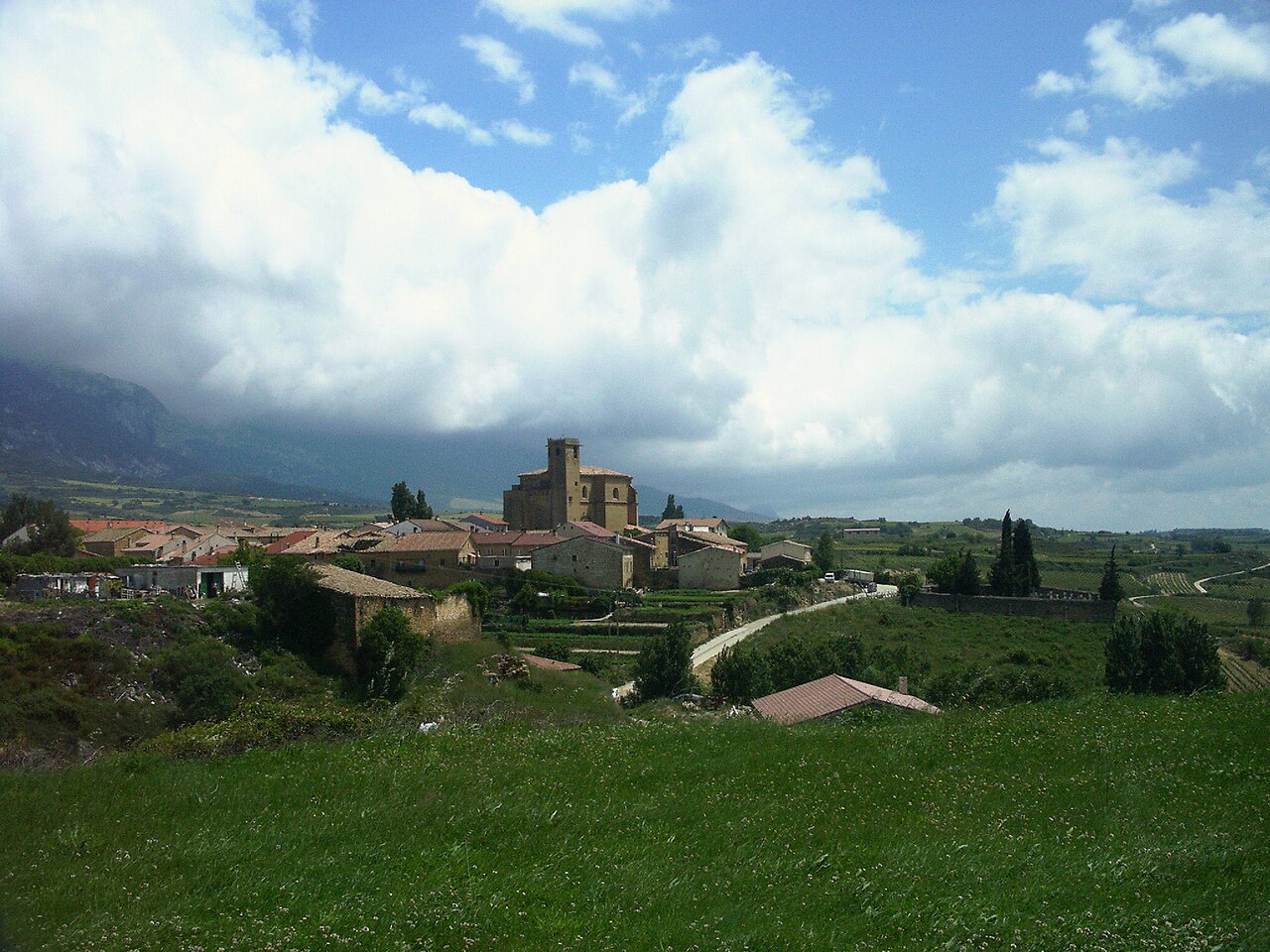
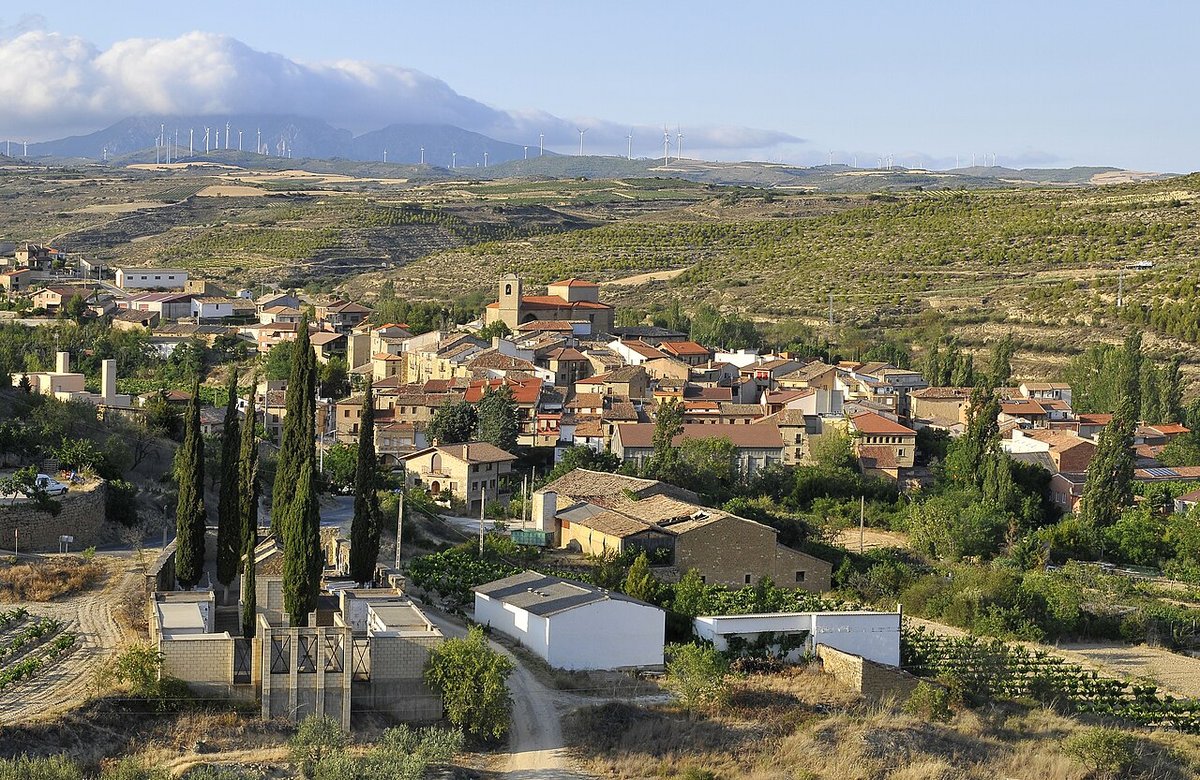
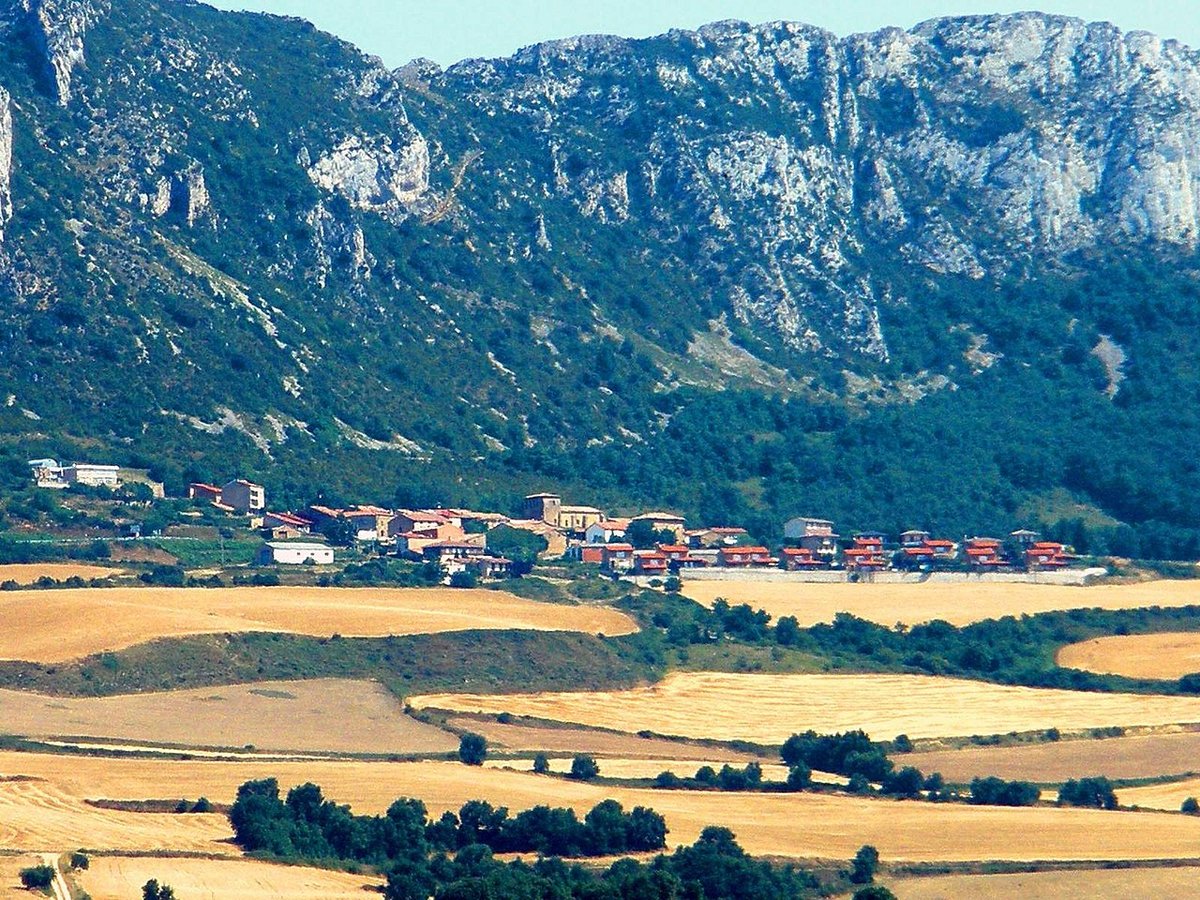
Lantziego se encuentra en la Rioja Alavesa, en la franja que queda justo al sur de la Sierra de Cantabria. La geografía explica su carácter: el pueblo se asienta en un terreno llano, pero la sierra actúa como barrera climática, protegiendo las viñas del frío del norte. La población, unos setecientos habitantes, ha vivido tradicionalmente de lo que da esa tierra. El viñedo no es un paisaje decorativo aquí; es la estructura económica.
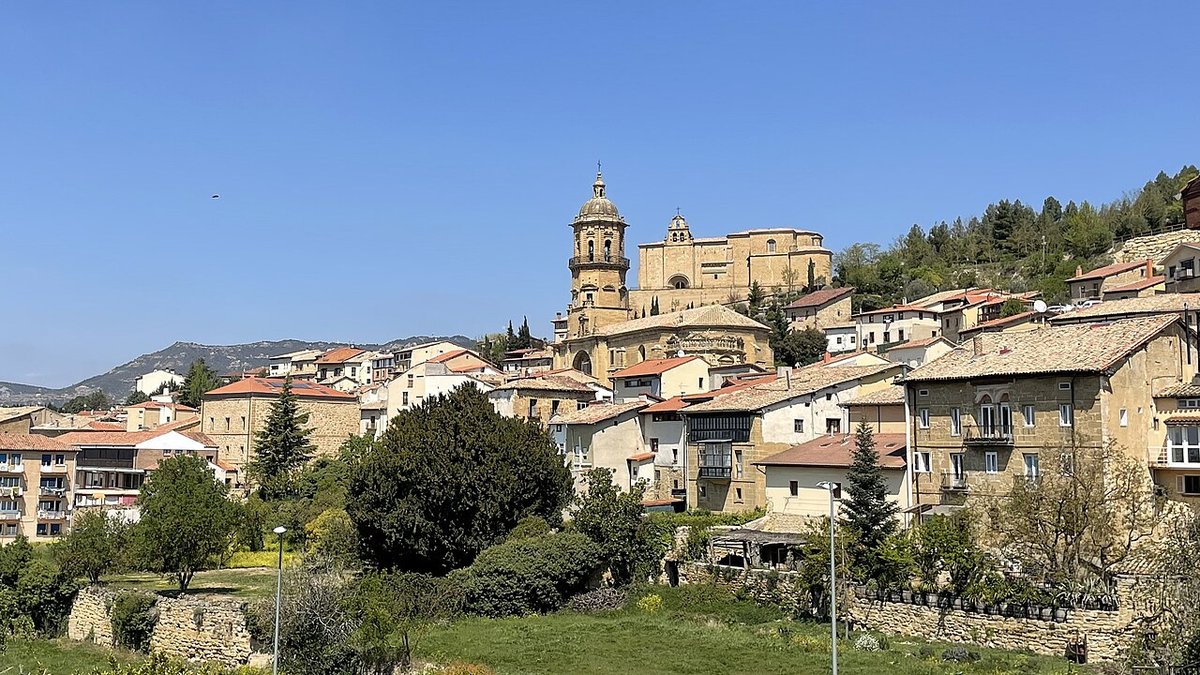
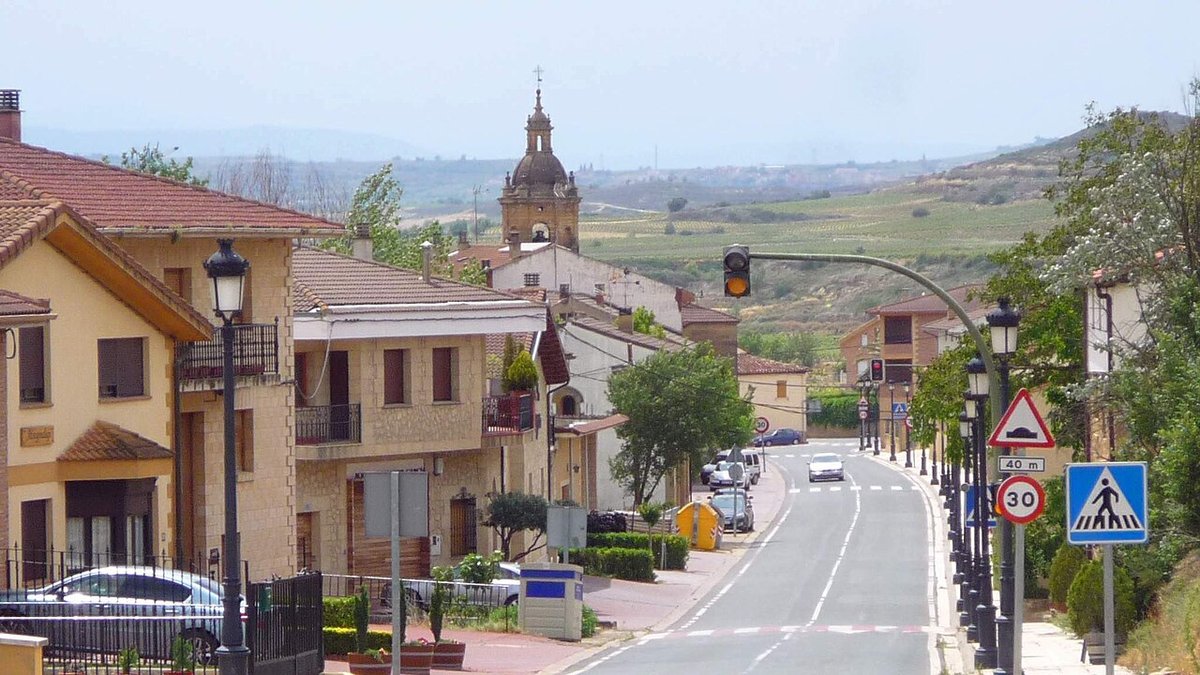
No hay un casco histórico monumental. El trazado es el de un pueblo que creció junto a sus bodegas familiares y sus tierras de labor. Las calles son amplias y las casas, de dos o tres alturas, se construyeron con la piedra de la zona. El conjunto es homogéneo y austero, sin grandes ornamentos. Se lee con facilidad.
La plaza y la iglesia de San Juan Bautista
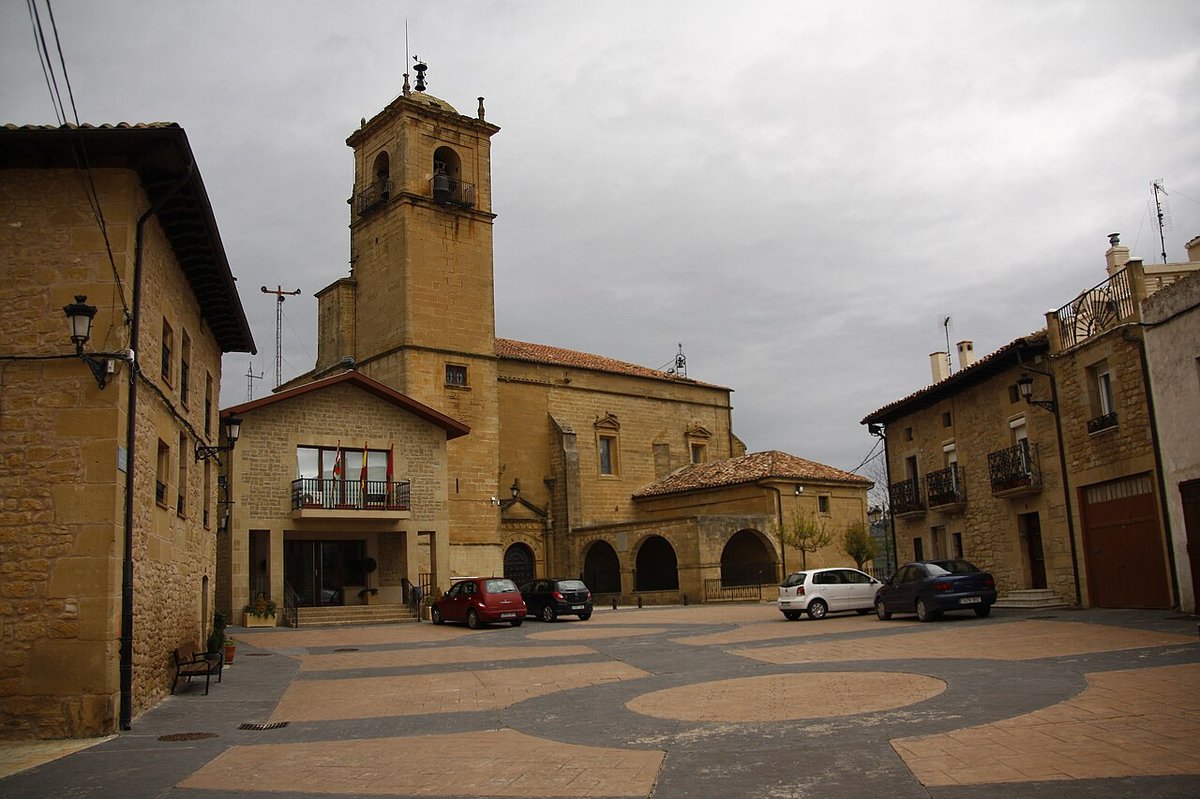
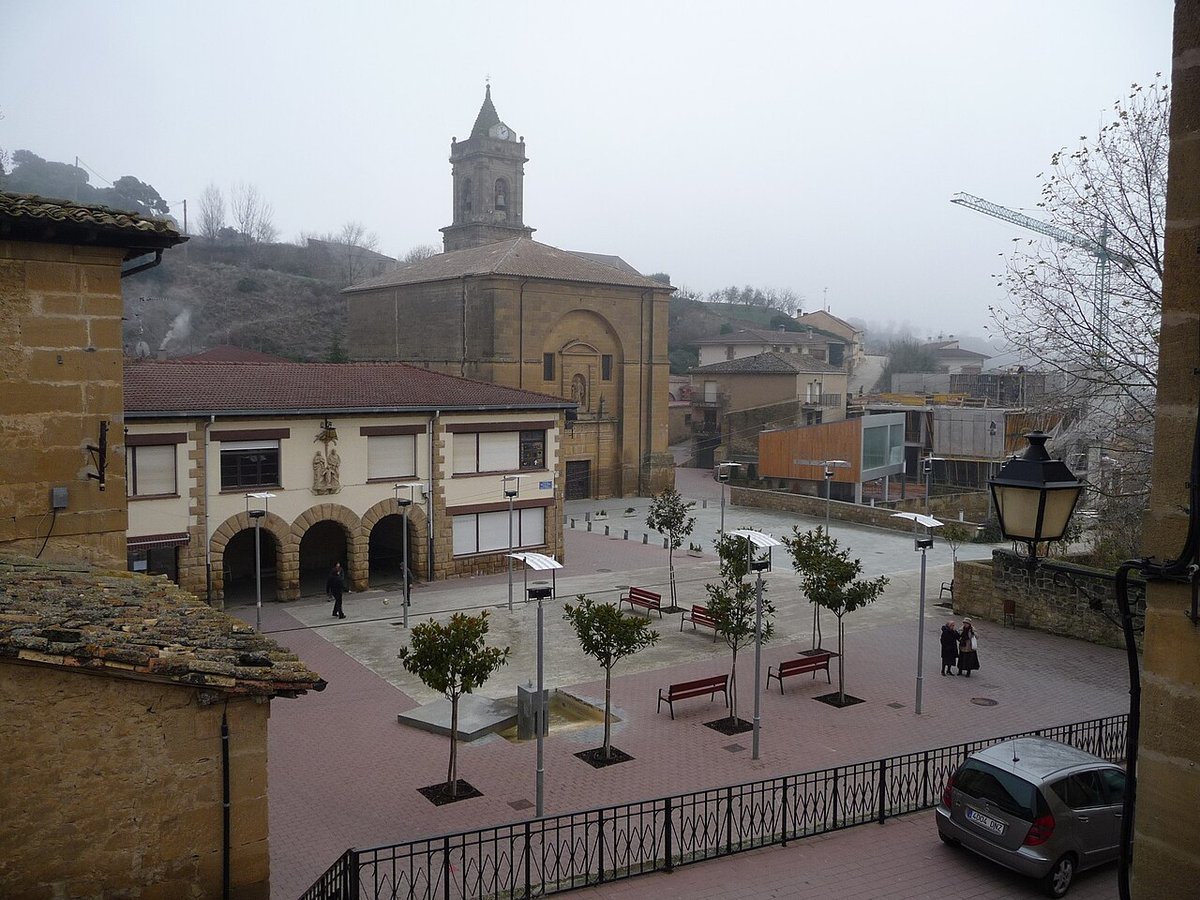
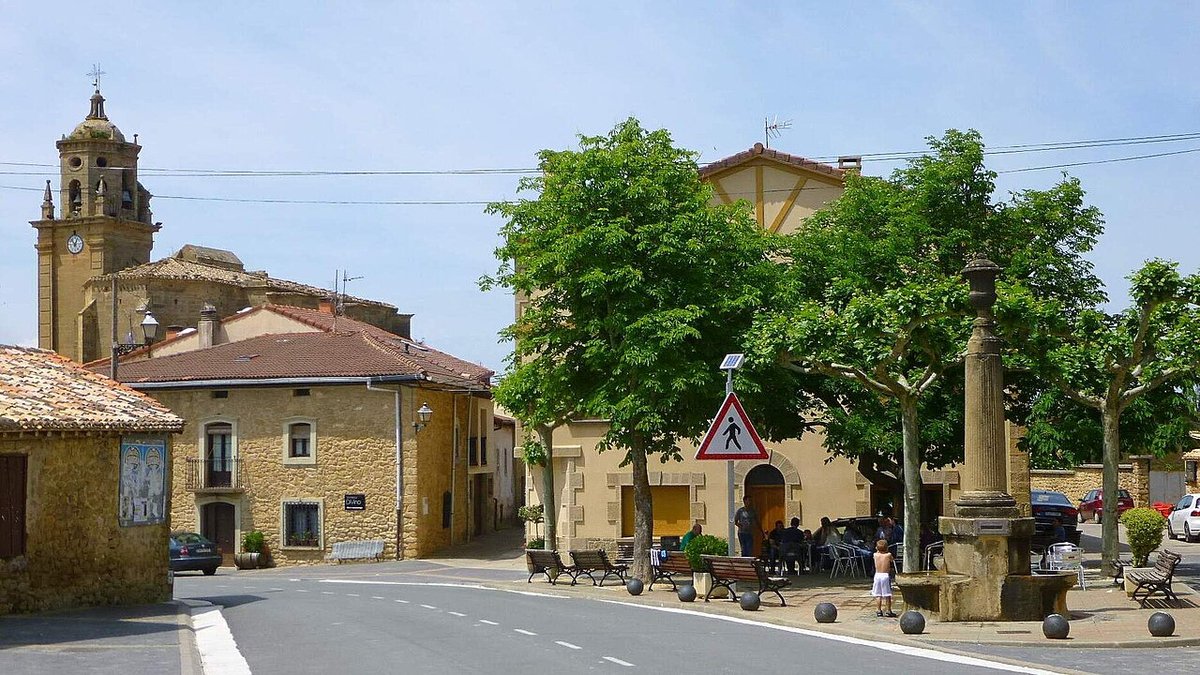
El espacio central es una plaza rectangular, ancha y despejada. Aquí se concentra lo poco que hay de vida pública: algún banco, conversaciones a ciertas horas. En un lateral está la iglesia de San Juan Bautista.
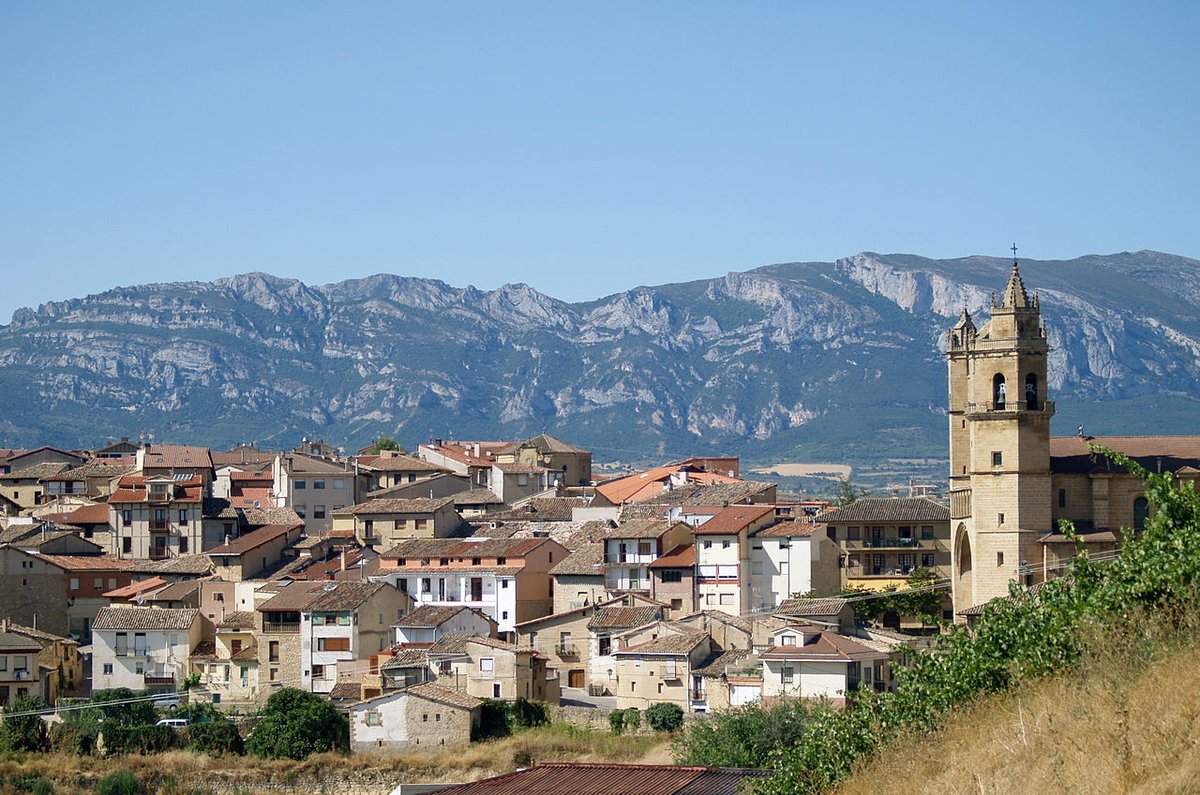
La iglesia se empezó a construir en el siglo XVI, aunque su aspecto actual responde a reformas posteriores. La fachada es de sillar, sobria. La torre domina el perfil del pueblo. El interior guarda un retablo barroco del siglo XVIII, de dimensiones modestas. Lo relevante no es su valor artístico, que es el esperable en una parroquia rural, sino su función histórica como eje de la comunidad agrícola. Los oficios y las fiestas se organizaban desde aquí.
Arquitectura para el trabajo
Las calles que salen de la plaza son rectas y prácticas. En las fachadas más antiguas se ven portadas de doble altura, pensadas para el paso de carros. Algunas tienen escudos labrados en la piedra, correspondientes a familias vinculadas al comercio del vino.
Muchas viviendas incorporan bodegas subterráneas. Los balcones de hierro forjado son frecuentes en los pisos superiores. La decoración es escasa; prima la utilidad. A medida que se aleja uno del centro, aparecen corrales, pequeñas huertas y naves agrícolas más recientes. Es la transición natural hacia el campo de labor.
El paisaje desde los caminos
El término municipal es prácticamente todo viñedo. Unos minutos a pie desde la última casa bastan para ver la disposición del territorio: lomas suaves cubiertas de cepas y, al fondo, la línea nítida de la Sierra de Cantabria.
Hay caminos de tierra entre las parcelas, usados para las labores del campo. No son senderos señalizados para excursionistas, pero se puede caminar por ellos. Ofrecen una perspectiva clara de cómo se ordena y se trabaja esta tierra. En días despejados, desde algunos puntos se distinguen los núcleos de Laguardia o Elciego.
Cómo moverse por la zona
Lantziego se recorre en poco tiempo. Con media hora se ve la plaza y las calles principales; con una hora, a ritmo tranquilo, se puede completar un paseo por su perímetro. Para entender su relación con el viñedo, conviene salir andando por cualquiera de los caminos que parten del pueblo.
El calzado debe ser cómodo y cerrado. Tras la lluvia, la tierra se encharca; en verano, el polvo es frecuente y hay poca sombra fuera del casco urbano.
La vendimia, que suele comenzar a finales de septiembre, es el momento de mayor actividad. Primavera trae un paisaje más verde. El invierno es tranquilo, y una visita puede reducirse al paseo por el pueblo.
Quien busque monumentos o una oferta turística desarrollada encontrará más opciones en localidades vecinas como Laguardia. Lantziego funciona mejor como una pausa: un lugar donde ver, sin intermediaciones, la base agrícola de la que vive esta comarca.