Full Article
about Lapuebla Labarka (Lapuebla de Labarca)
Vineyards, wineries and stone villages among gentle hills.
Hide article Read full article
A village that doesn’t try too hard
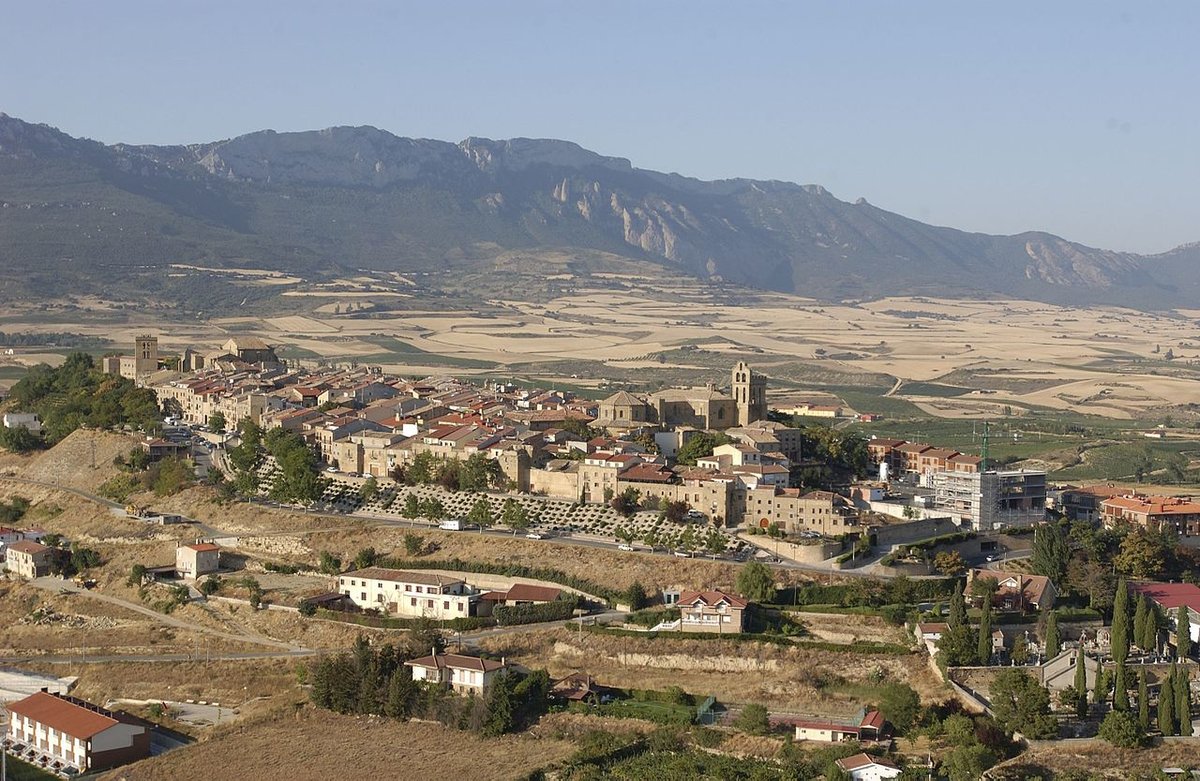
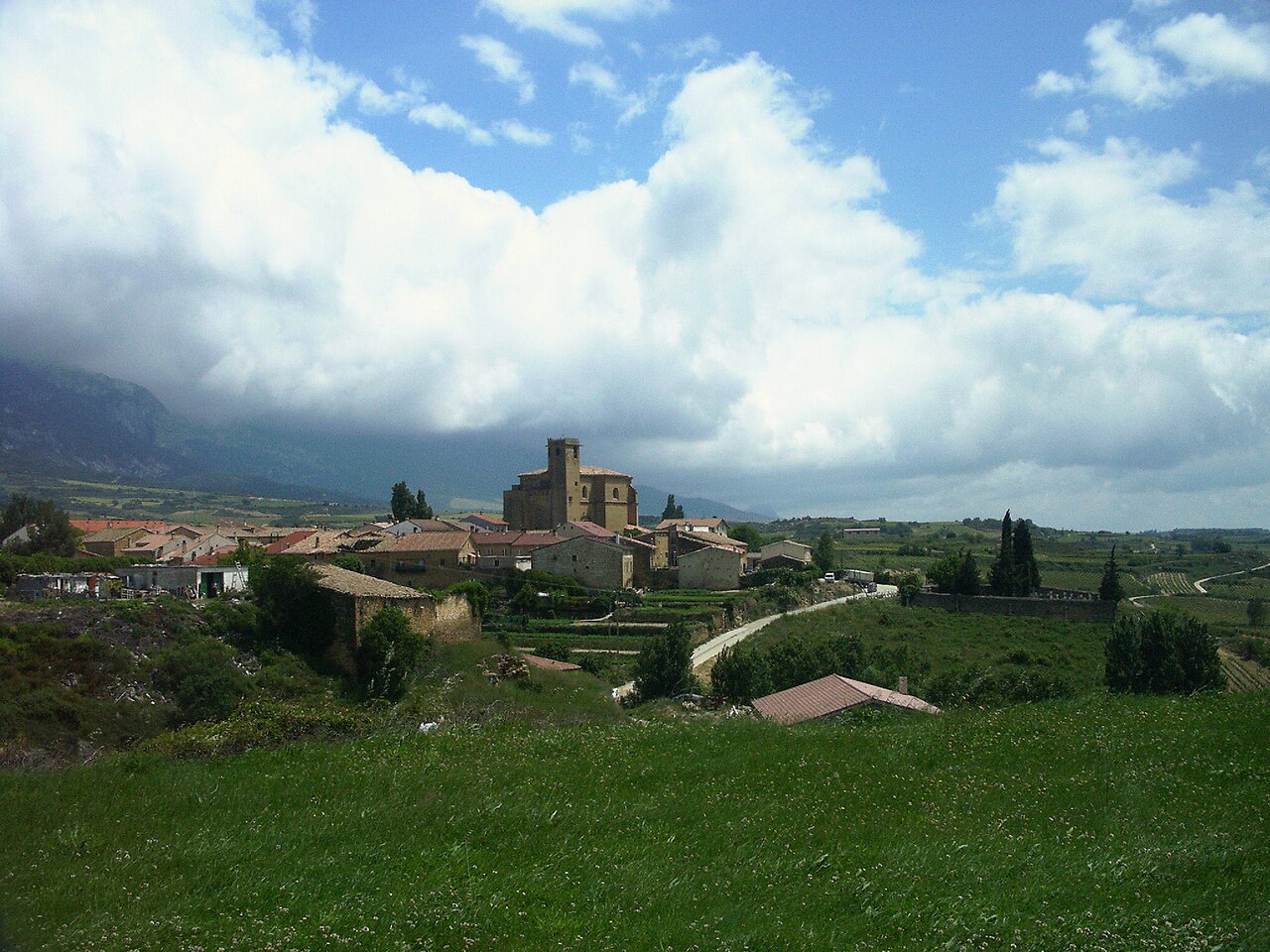
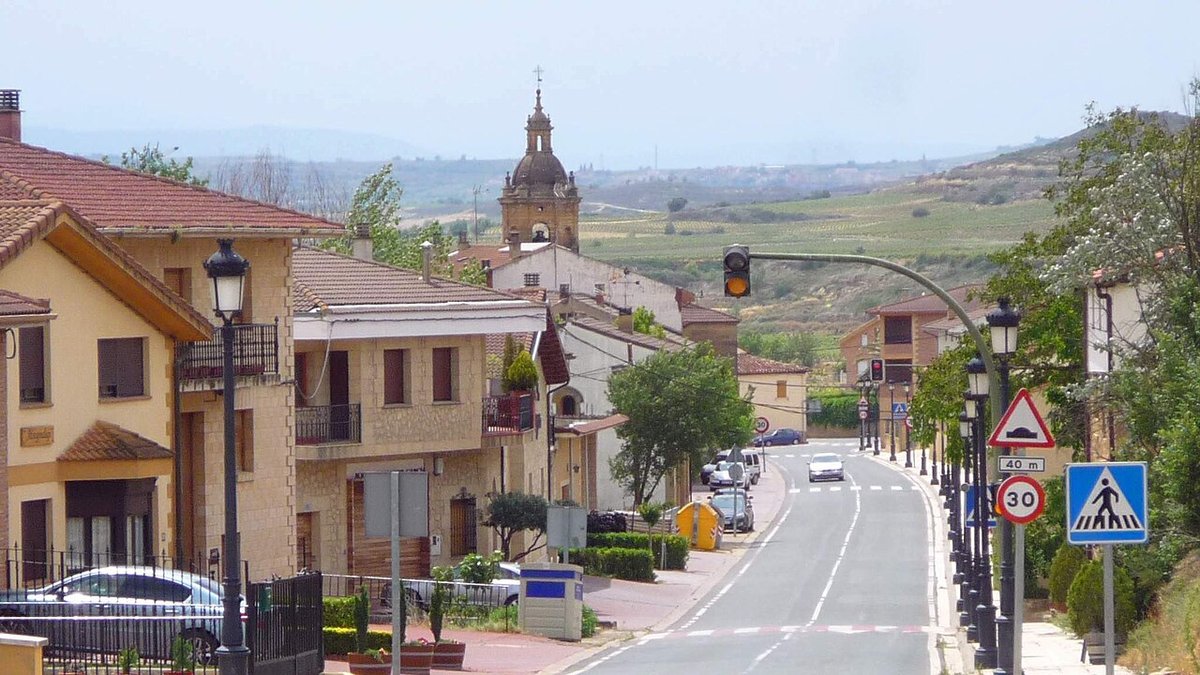
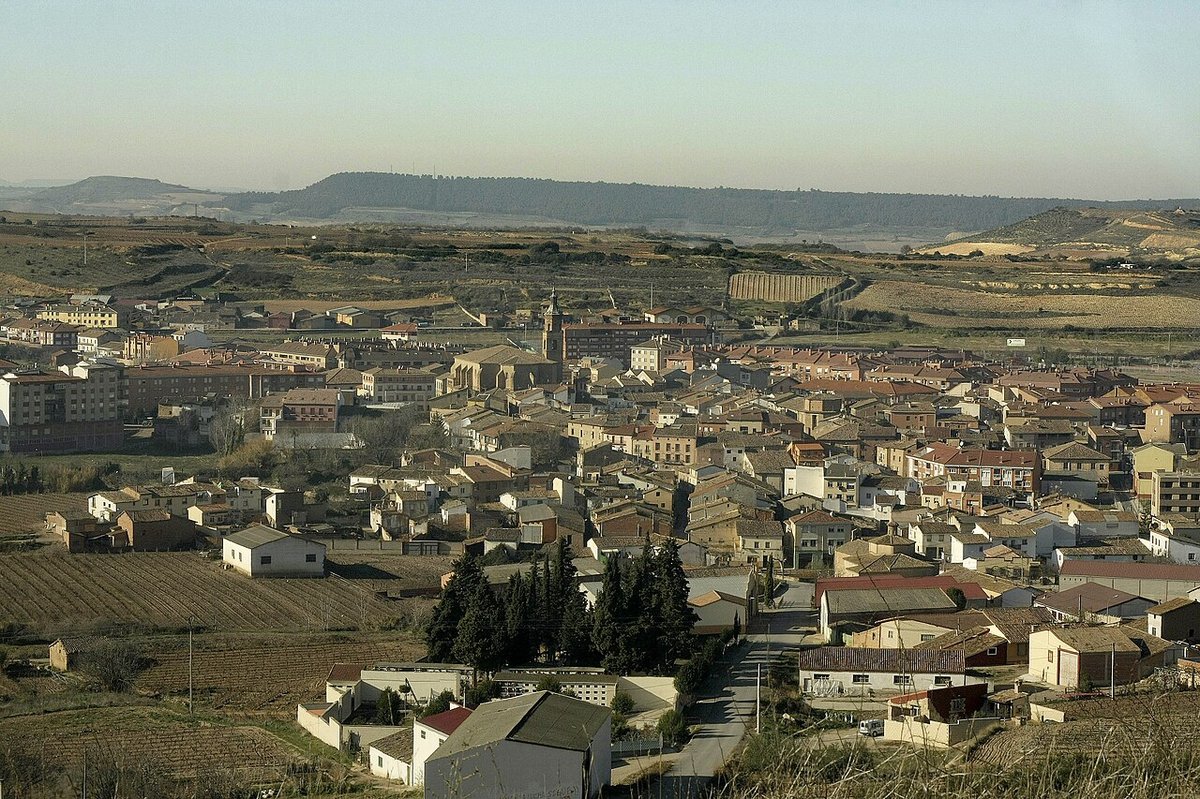
Lapuebla Labarka gives the impression of a place that isn’t particularly interested in putting on a show. It feels more like somewhere you arrive at almost by accident and then realise it suits you just fine. There are no big headline attractions or signs telling you where to look. Instead, there are short streets, tightly packed houses and vineyards surrounding everything. That, quite simply, is enough.
Set in Rioja Alavesa, a wine-producing area in the Basque Country, the village moves at its own pace. Nothing seems staged for visitors. What you see is what’s there, and that straightforwardness shapes the whole experience.
The square and everyday life
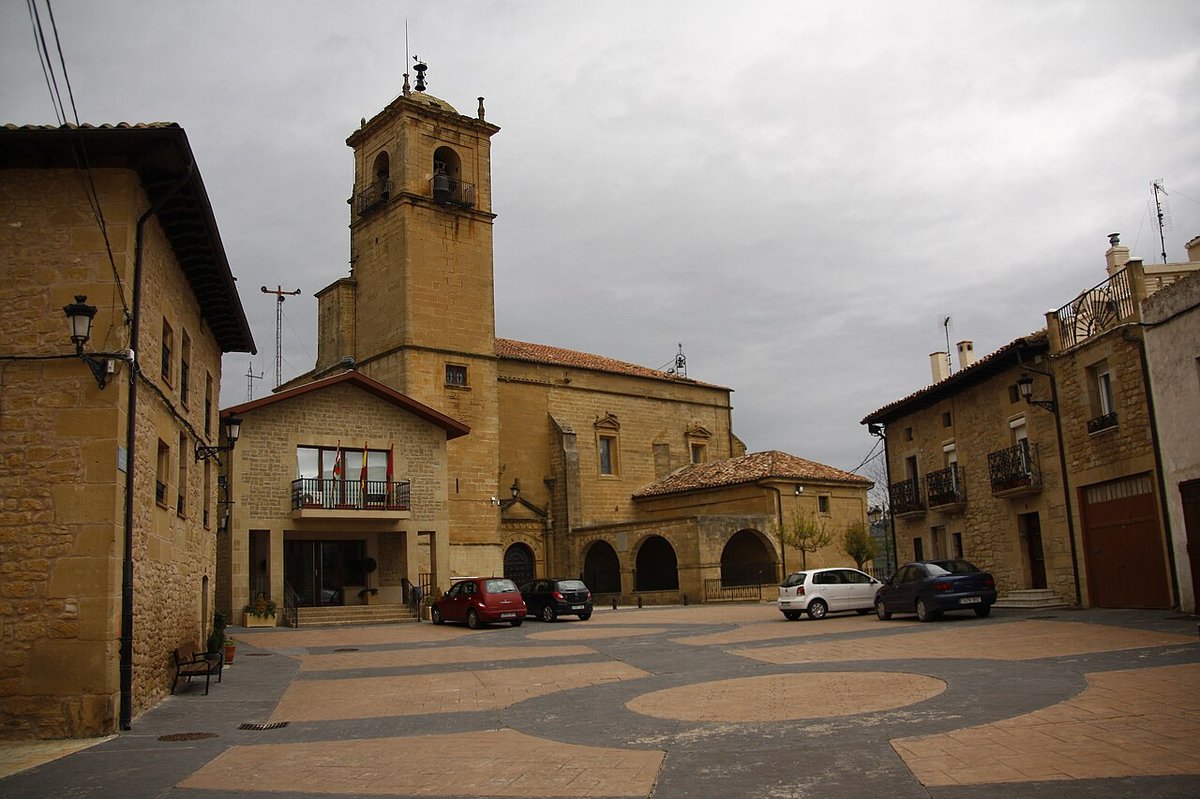
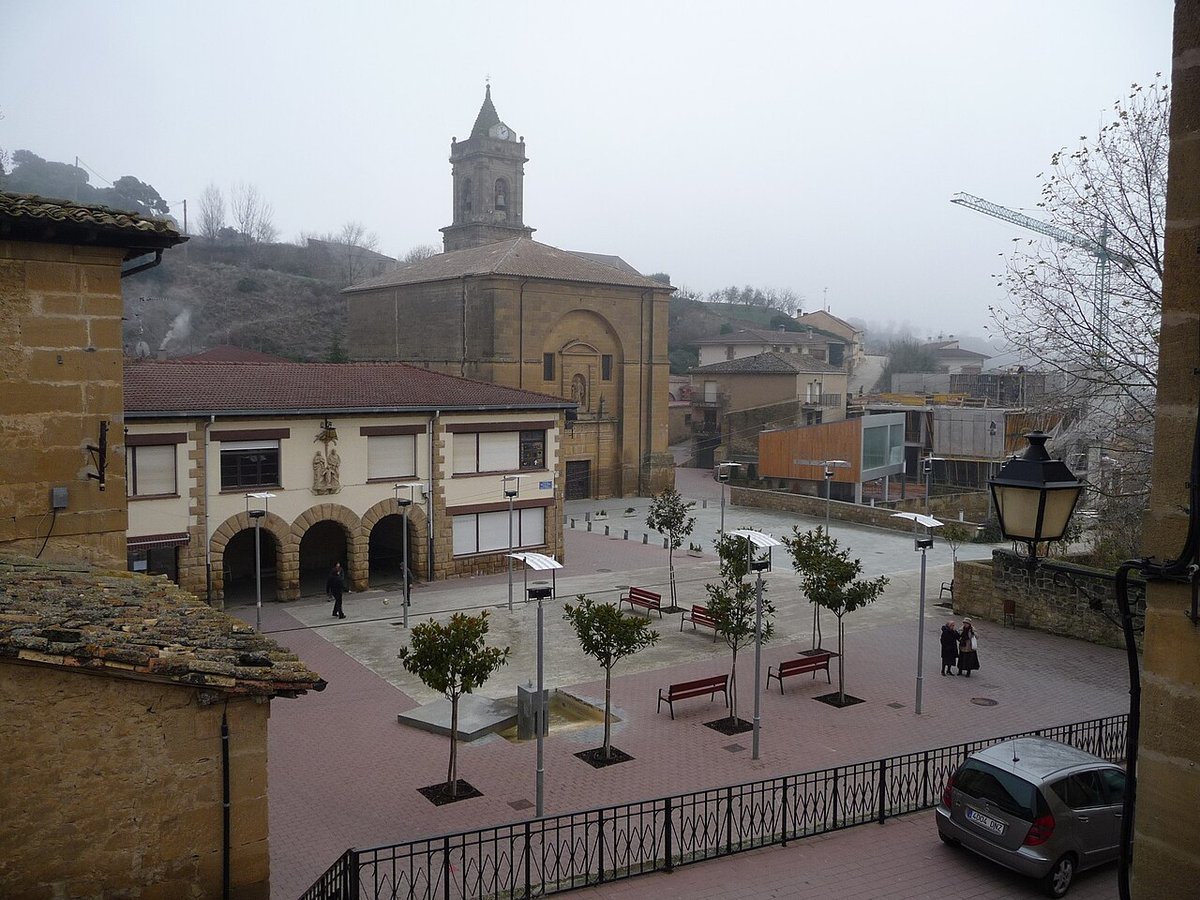
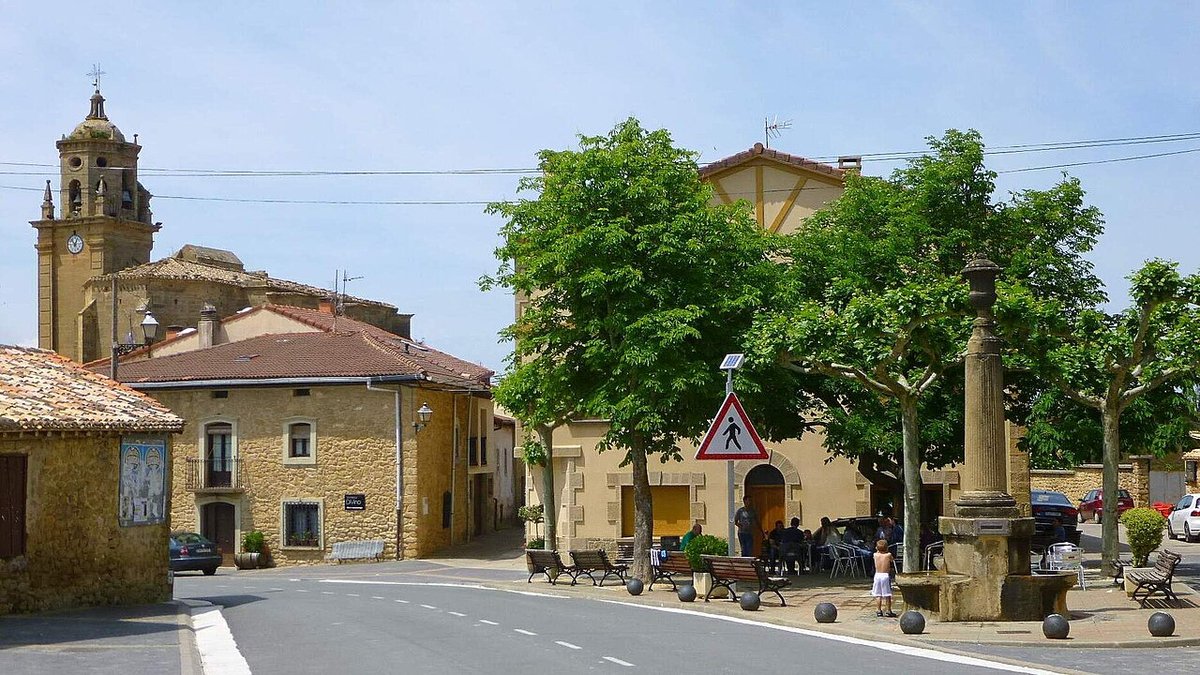
The layout becomes clear almost as soon as you step into the centre. There is little sense of performance here. The main square sits at the heart of the village, but it works more as a place people pass through than somewhere designed to impress. Locals stop for a chat, someone crosses carrying shopping, children turn up with a football.
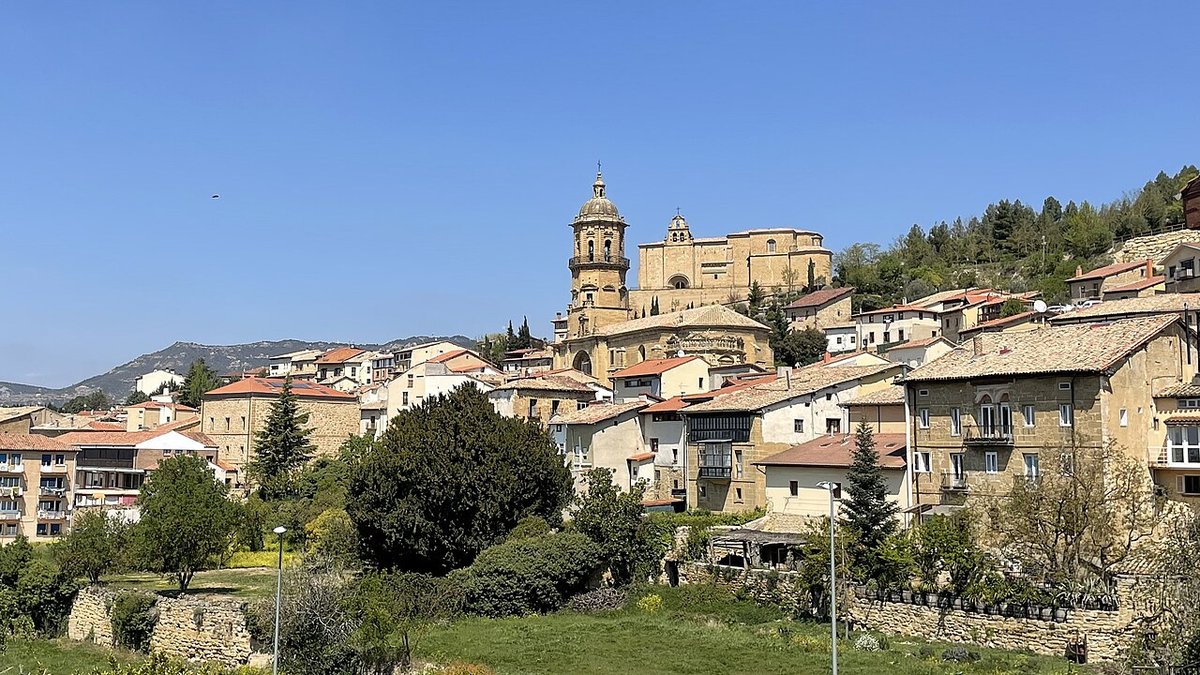
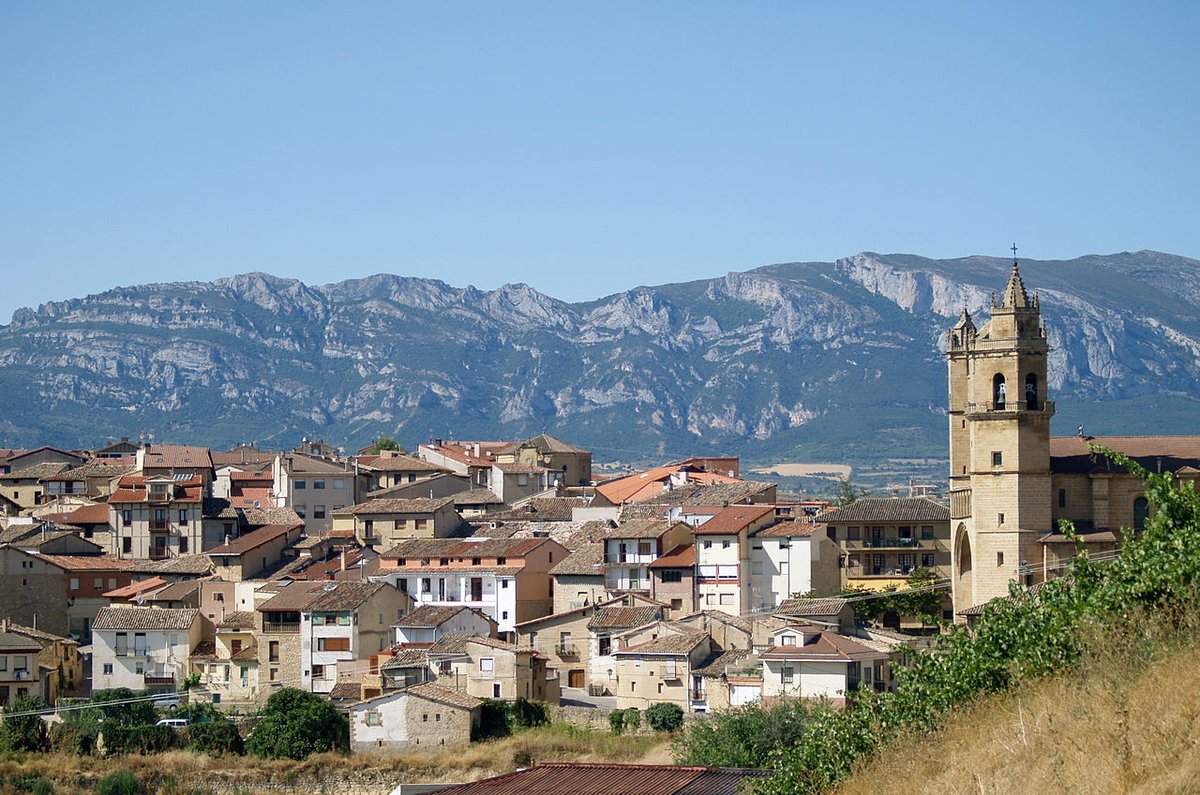
Above the rooftops rises the parish church of San Pedro Apóstol. Built in the 16th century, it has a restrained interior where stone takes precedence over decoration. Its bell tower is visible from several corners and plays a strong role in defining the village skyline.
From the square, short streets branch out, lined with stone houses, some with exposed brick and wooden beams. It is not a monumental historic centre like Laguardia, but it carries the atmosphere of a wine-growing village that has been following the same rhythms for centuries.
Walking out into the vineyards
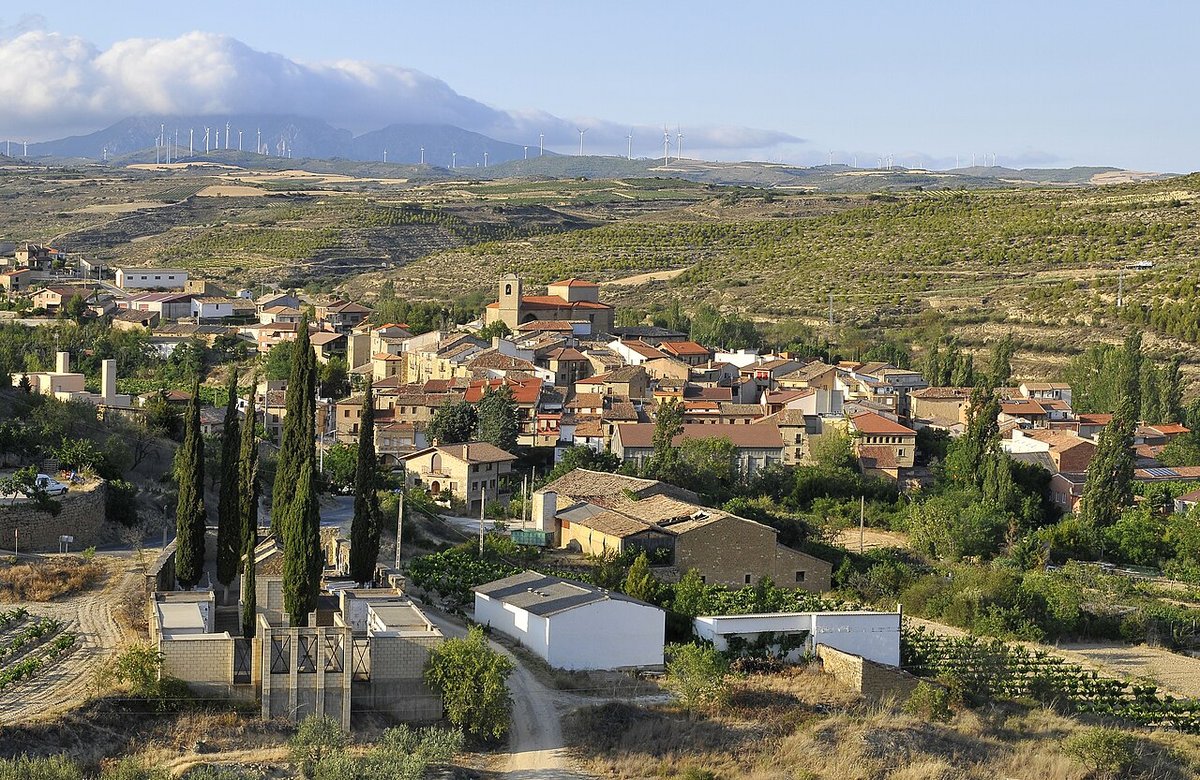
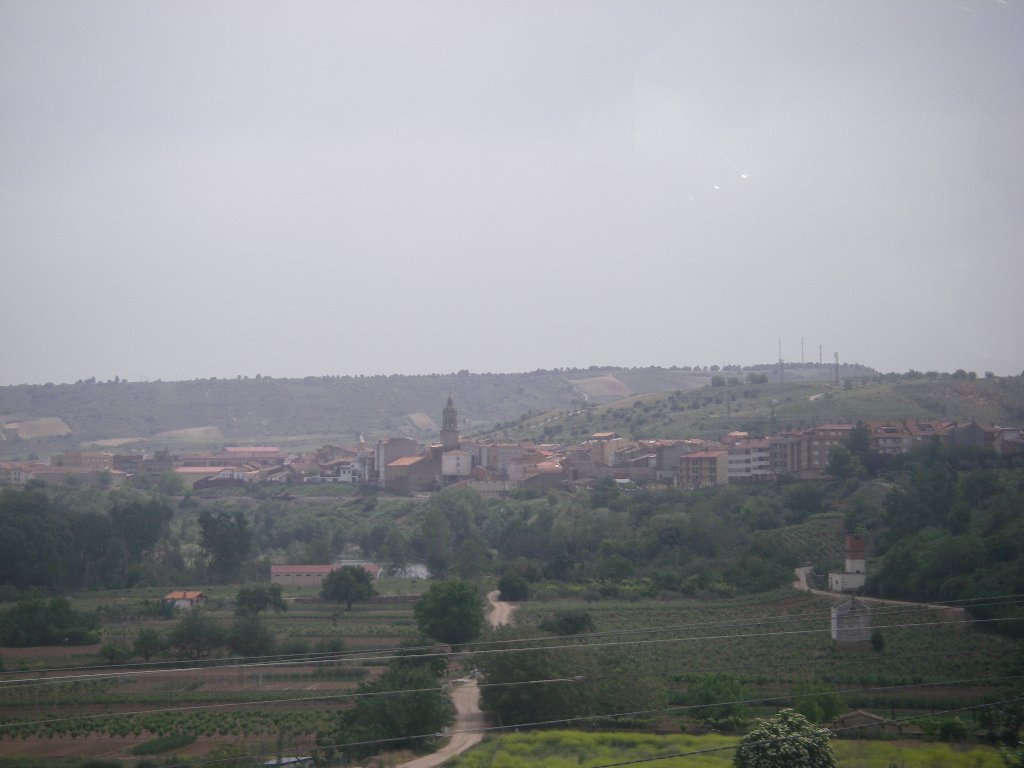
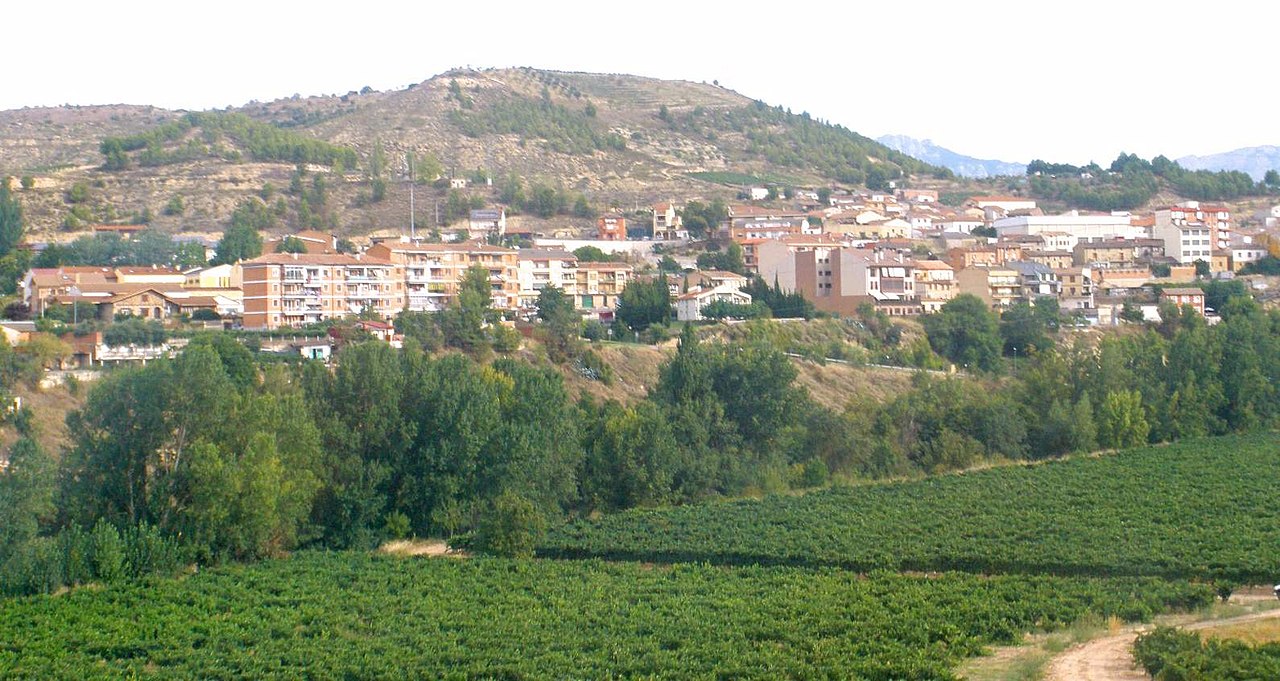
One of the most appealing aspects of Lapuebla Labarka is how easily the countryside begins. There is no need for maps or marked routes. Follow a track leading out from the last row of houses and within minutes the village gives way to vineyards.
The surrounding hills are almost entirely planted. Rows of vines stretch out in neat lines, as if the landscape had been combed into order. In summer everything is green and dense. Towards the end of the season, grape clusters begin to appear and the mood shifts as the harvest approaches.
Wide agricultural paths run through the fields, the kind used by tractors. Some lead to small rural buildings or plots where daily work continues. This is not mountain hiking, nor does it try to be. It is a slower kind of walking, simply moving through vineyards without urgency.
Wine, bodegas and nearby towns
Wine is part of daily life here, as expected in Rioja Alavesa. In the village there are bodegas that often receive visitors, usually by prior arrangement. The visits tend to be straightforward rather than elaborate. You are shown how the wine is made and, at the end, there is usually a chance to taste what is produced on site.
For a broader view of the area, several nearby towns are only a short drive away. Laguardia and Elciego are among them, both with more heritage and a livelier atmosphere. Compared to those places, Lapuebla Labarka feels like the quieter side of the map.
Small scale, and that’s the point
Lapuebla Labarka is easy to get to know. In a short time you can walk its streets and feel oriented. There are no large museums and no historic quarter that demands hours of attention.
What stands out instead is everyday life. Tractors entering the village, conversations about the harvest, the smell of grape must during vintage season. The interest lies less in ticking off sights and more in noticing how things work here.
Anyone arriving in search of a carefully arranged tourist setting may find it limited. Those curious about how a working wine village actually feels may see it differently.
When to come
Autumn tends to be the most active period. During the grape harvest, usually between September and October, there is more movement in the fields and the landscape shifts to reds and golds.
Spring is another good time for walking among the vines. Temperatures are mild and the area is calm. Summer can be intense in terms of heat, so earlier or later in the day is more comfortable for being outdoors.
Winter brings a quieter atmosphere. The village becomes very still, which can appeal to those who enjoy silence, although there is little to do beyond walking.
A short stop that works
Lapuebla Labarka is not a place that demands a full day. It works well as a relaxed stop within a wider route through Rioja Alavesa.
A simple visit might include a walk around the square, a look inside the church if it is open, and some time wandering out into the vineyards. After that, it is easy to continue on to one of the nearby towns.
In a couple of hours you can form a clear sense of the place. Sometimes that is exactly what is needed: a small village, little noise, and vineyards stretching out in every direction.