Leza, en Álava (España)
País Vasco · Atlantic Strength

Leza

The church bell strikes seven and nobody appears. No café umbrellas scraping across the square, no taxis idling, no delivery vans blocking the lane...

205 inhabitants · INE 2025
572m Altitude

Why Visit

Mountain Wineries Wine tourism

Best Time to Visit

autumn

Things to See & Do
in Leza

Heritage

  • Wineries
  • Historic quarter
  • Parish church

Activities

  • Wine tourism
  • Wineries
  • Tastings
  • Walks through vineyards

Full Article
about Leza

Vineyards, wineries and stone villages among gentle hills.

Ocultar artículo Leer artículo completo

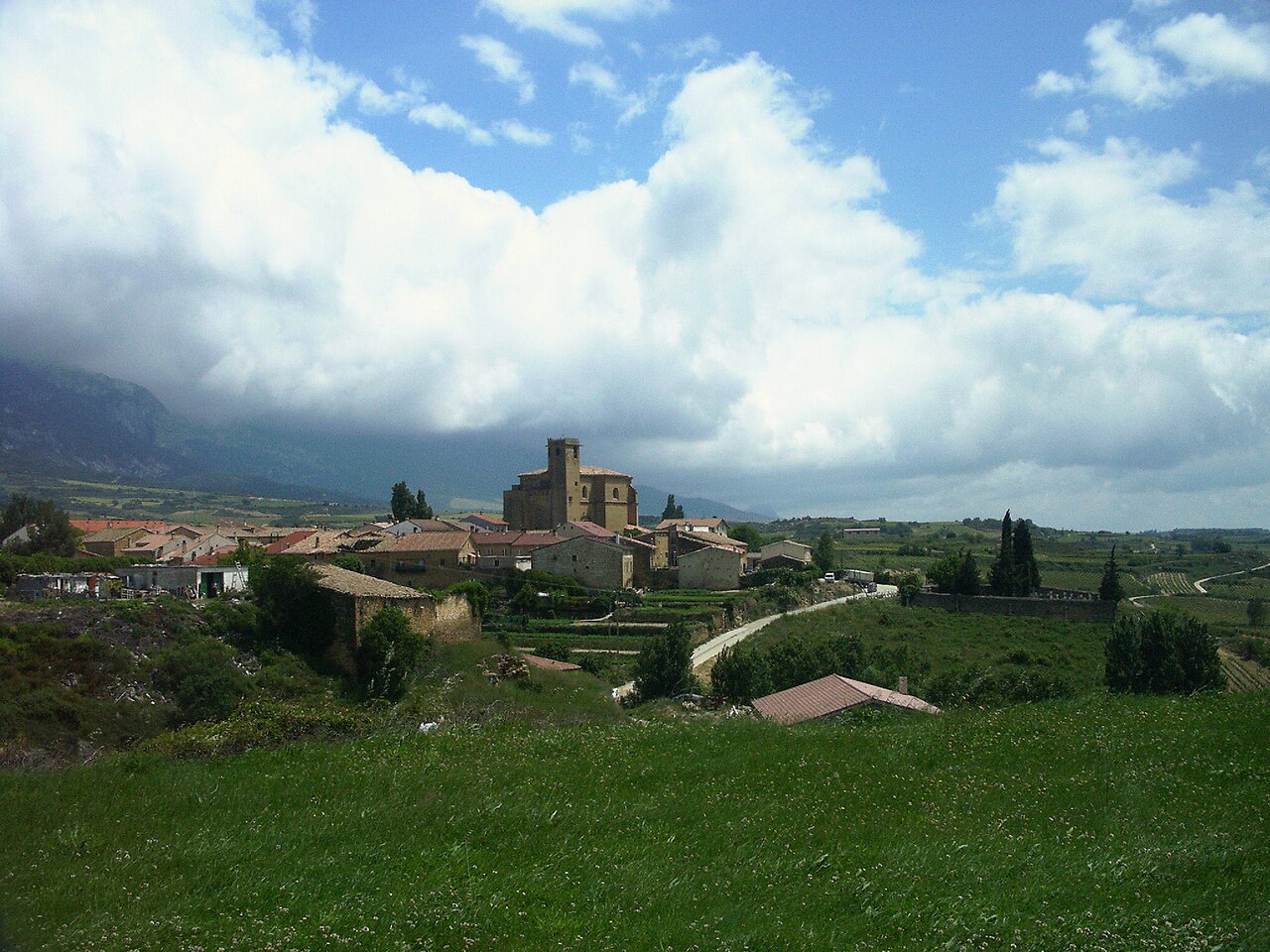
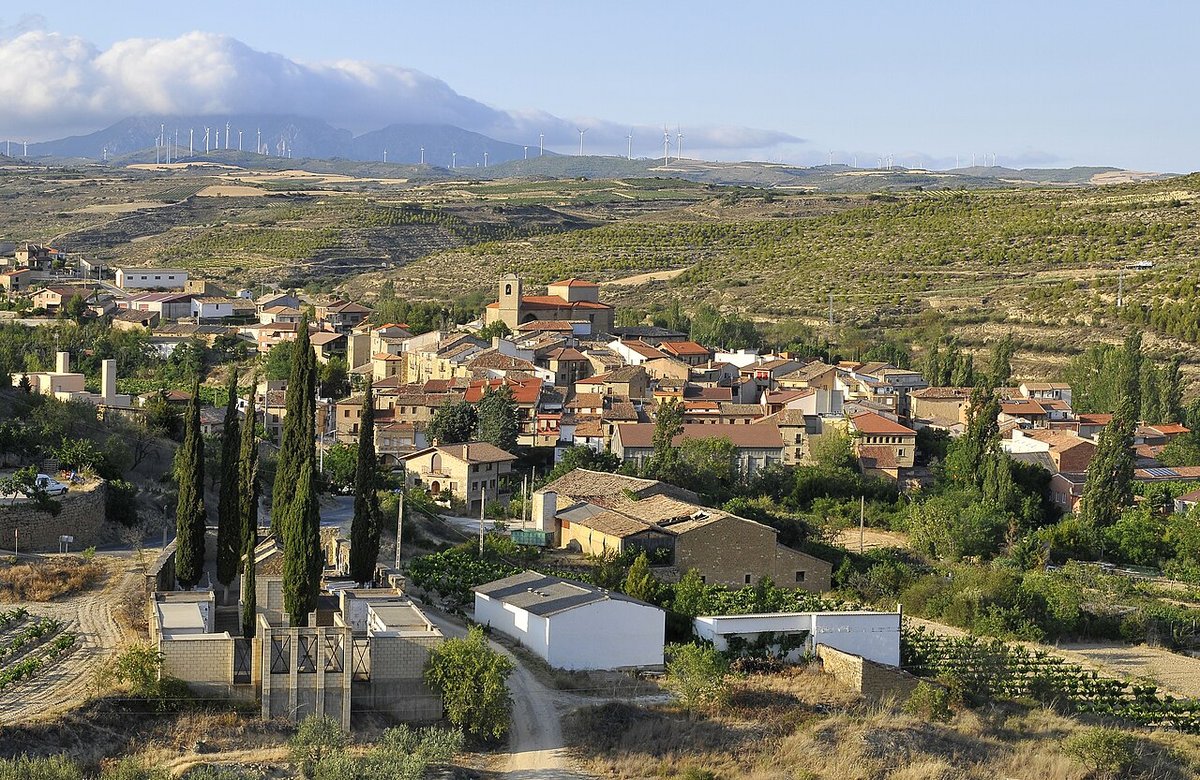
The church bell strikes seven and nobody appears. No café umbrellas scraping across the square, no taxis idling, no delivery vans blocking the lane. Just swallows cutting circles above the stone nave and the faint clink of a farmer chaining his gate after checking the tempranillo shoots. Leza, population 214, wakes up this quietly every morning, 580 metres above sea-level on the southern lip of the Álava tableland.

A village measured in footsteps, not monuments

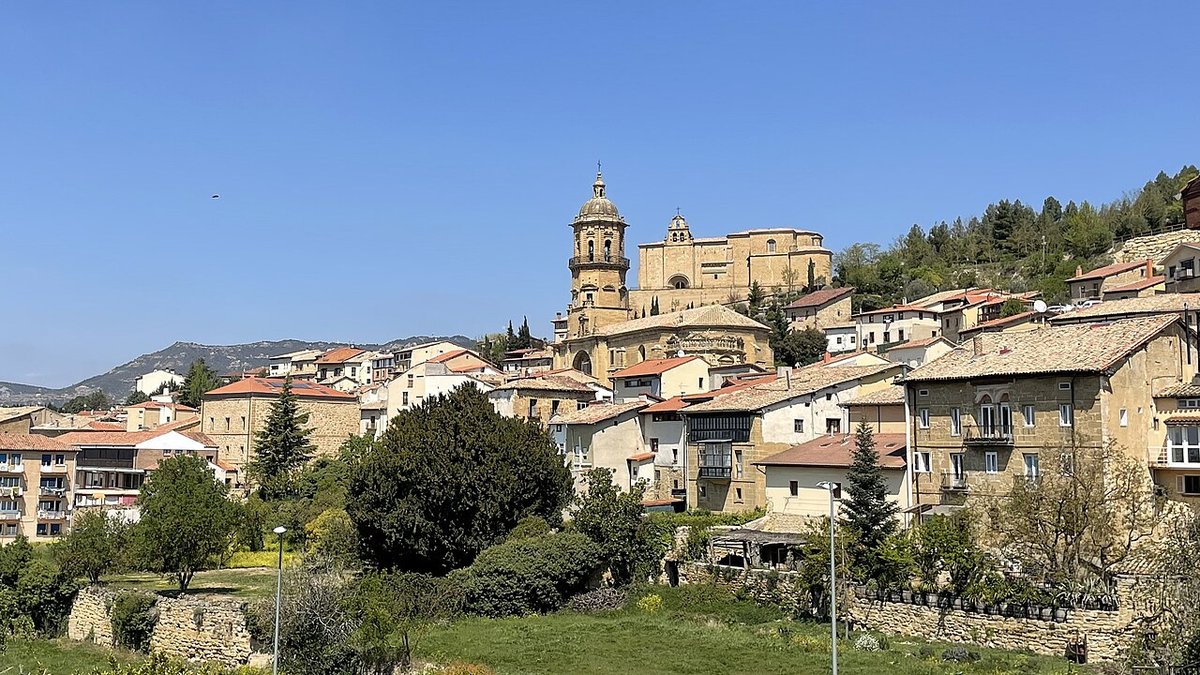
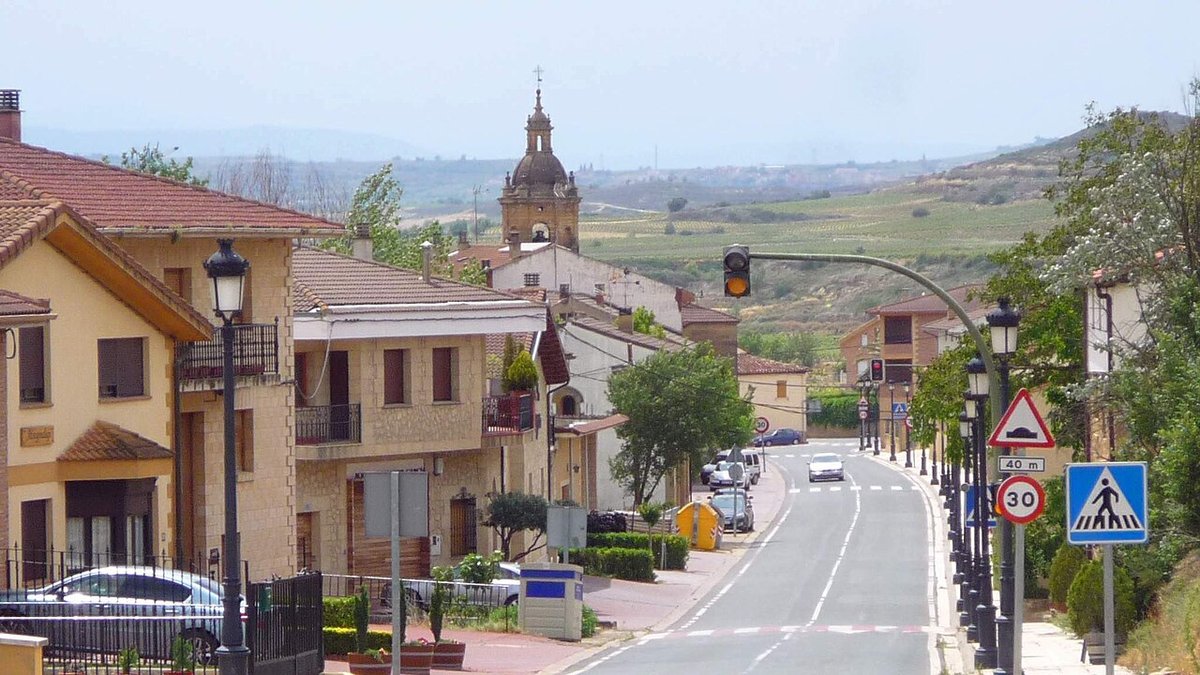
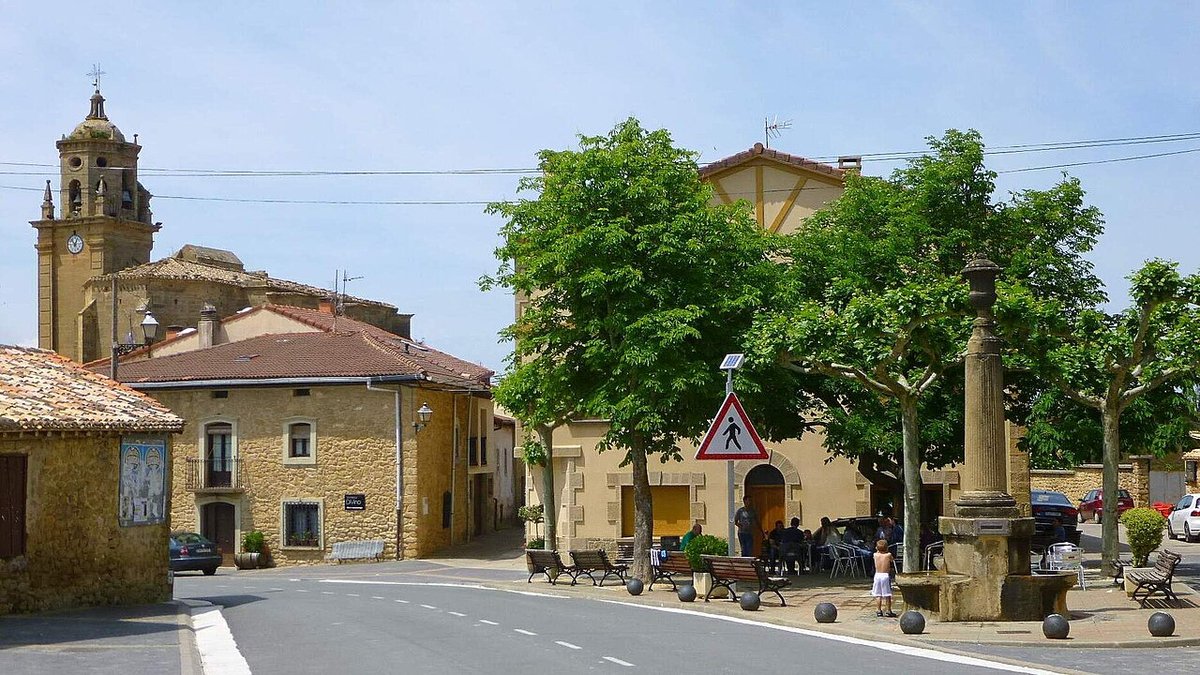
You can walk from one end of Leza to the other in eight minutes, slower if you stop to read the wrought-iron balcony dates—1902, 1887, one illegible 18-something half-erased by rain. The houses are built from the same honey-coloured limestone quarried twenty kilometres away, so the whole place glows butter-gold at dawn and again at dusk, a trick of light that camera phones rarely catch. There is no formal “old quarter”; the entire village is the old quarter, threaded by three parallel lanes too narrow for anything wider than a tractor’s wheelbase. That is your first hint that traffic is agricultural, not touristic.

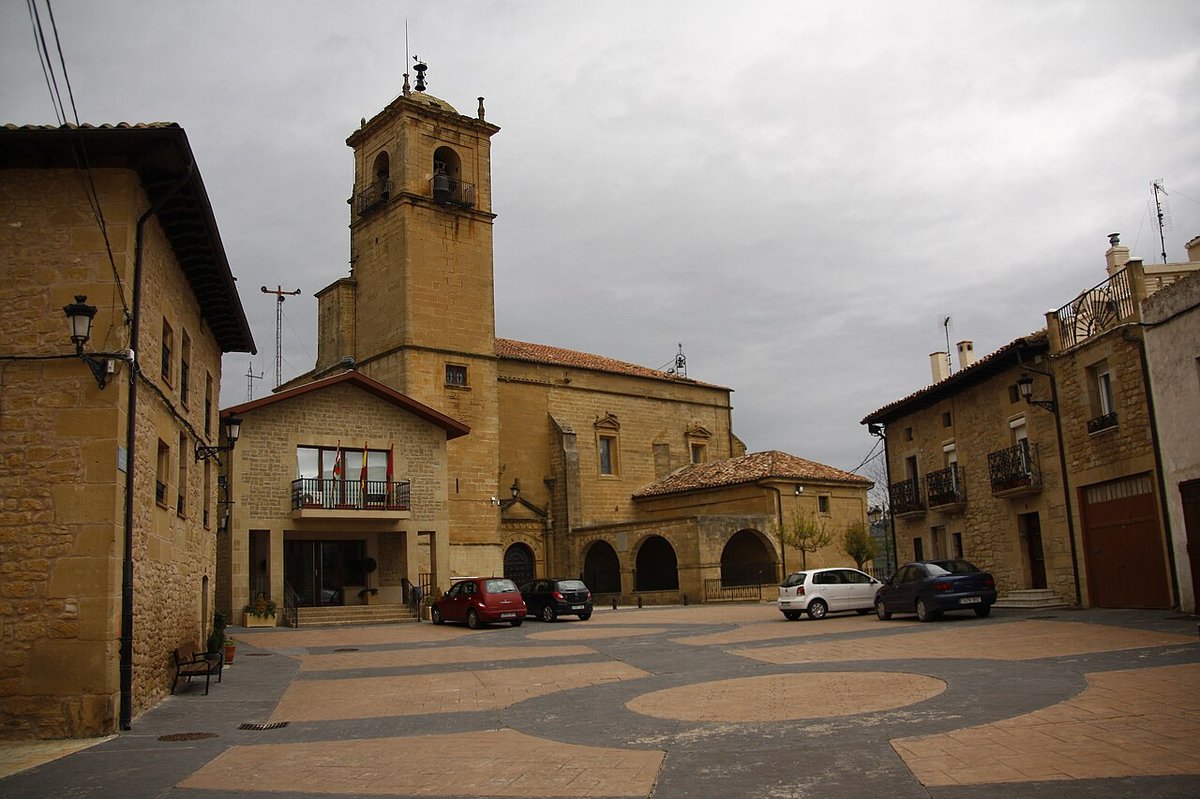
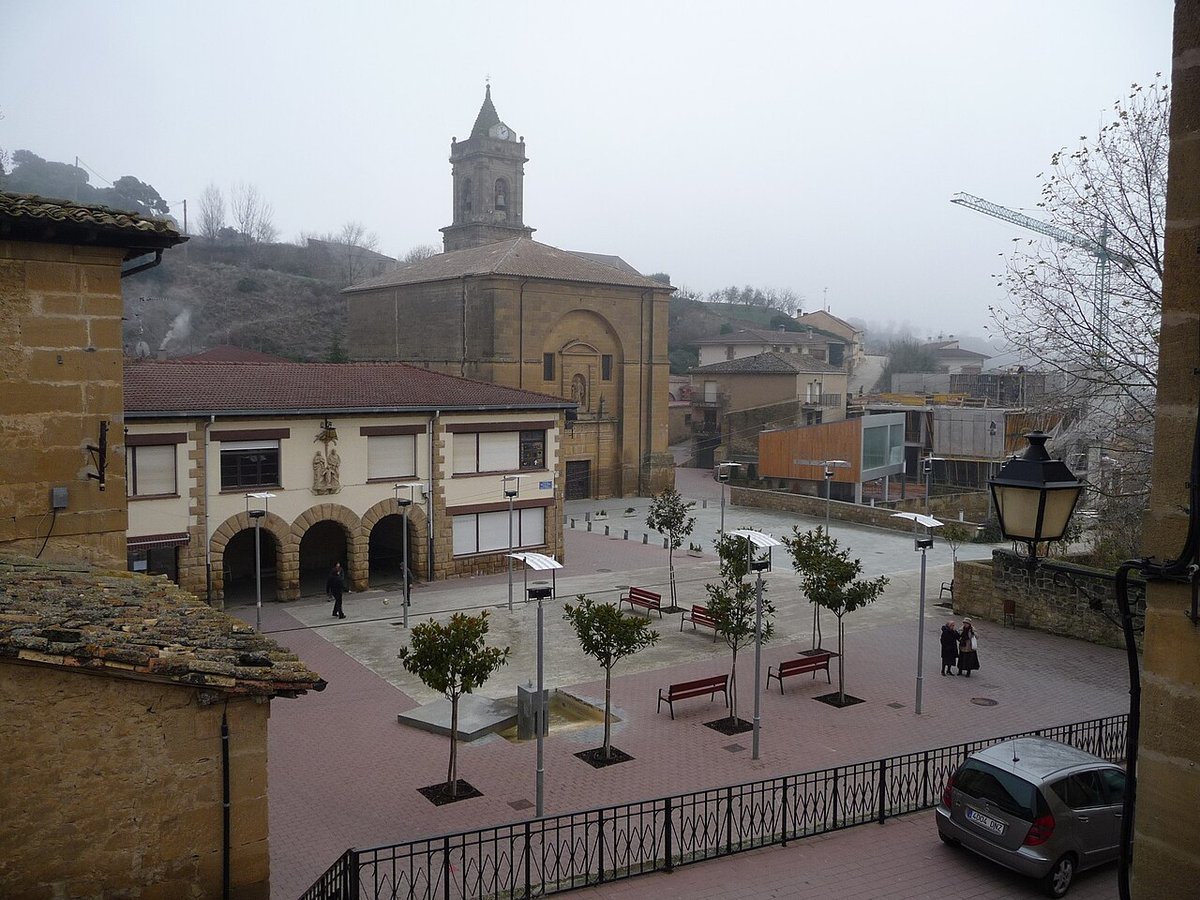
The Iglesia de San Juan Bautista squats at the highest point, its chunky tower more fortress than spire. Circle it and you’ll spot the 1668 datestone reused in a later rebuild, plus swags of vines that have crept up the warm south wall and now produce a handful of bunches each year. The door is usually locked—Father José only opens it for Saturday evening mass—but if you find it ajar, step inside. The nave smells of candle wax and grain dust (parishioners still store wheat in the sacristy loft), and the pews are painted the same ox-blood red you’ll see on every local wine label.

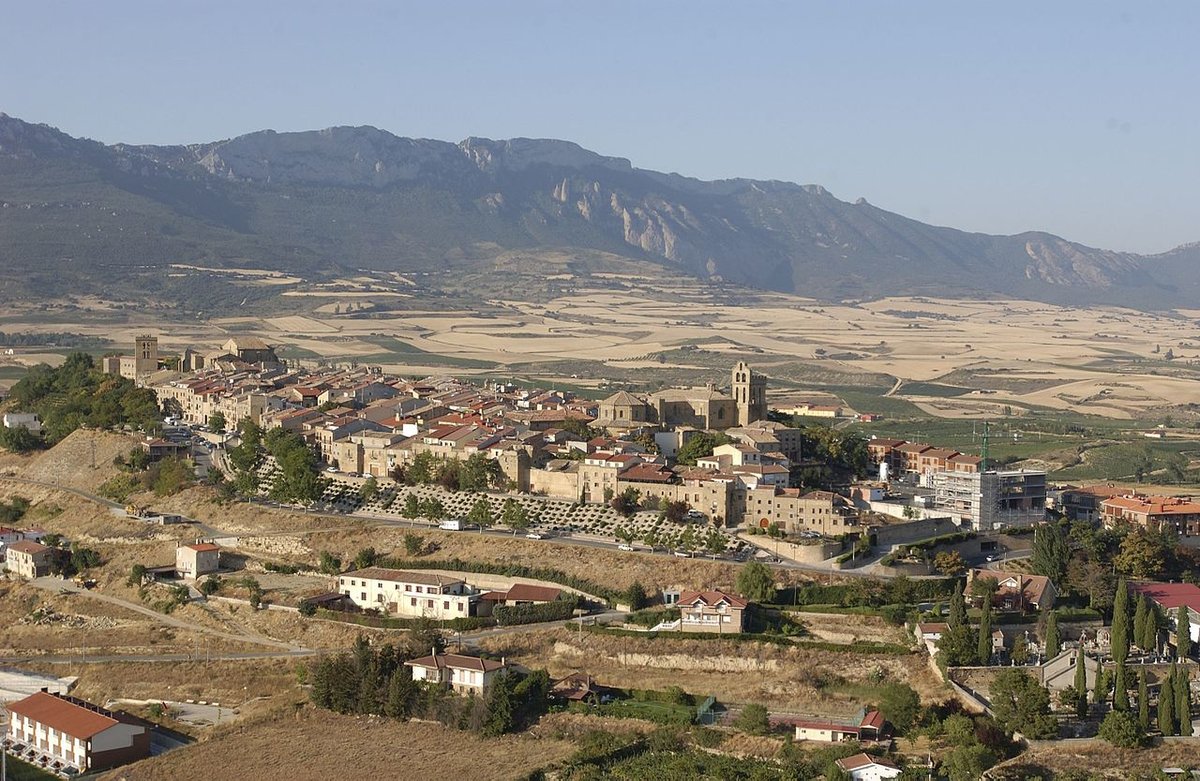
Beyond the church the land drops away into a checkerboard of vineyards and cereal stripes. On a clear day you can pick out the limestone ridge that protects Laguardia ten minutes west, and beyond that the jagged line of the Sierra Cantabria, snow-dusted from December to March. The elevation means nights stay cool even in July; mornings can start at 12 °C before climbing to 30 °C by lunchtime, perfect for grapes, less perfect for pale-skinned visitors who forgot a jumper.

What to do when nothing is on offer

The genius of Leza is that it demands you slow down to its cadence. Leave the car at the entrance where the tarmac turns to cobble: the only through-road is also the main street and residents tolerate visitors but not wing-mirror collisions. Walk the length, nod at the elderly man who waters geraniums in a yoghurt carton, then keep walking out the far side. Within three minutes tarmac gives way to a graded farm track edged with poppies in May and desiccated thistles in August. Turn right and you’re on the Camino de los Barrancos, a 5 km loop that dips into two small gorges before climbing back past an abandoned stone quarry now colonised by bee-eaters. The route is unsigned but obvious; download the track to your phone before you leave home because Vodafone coverage drops to one bar beside the deeper ravine.

Cyclists can stitch together quiet lanes south-east towards Navaridas where the gradient barely rises, or tackle the brute 12 % climb up to Elciego if quad muscles feel under-employed. Either way, carry two bottles—the Rioja Alavesa sun is sneaky, reflecting off pale stone and drying the throat faster than you realise.

Back in the village the only commerce is the panadería, open 08:00–13:00 and famed for its pork-fat chorizo rolls. Buy one while still warm; it costs €1.40 and will ruin every future supermarket pastry. There is no bank, no petrol station, no souvenir shop. The nearest supermarket is an Eroski in Laguardia, handy if your self-catering kitchen is missing washing-up liquid or breakfast marmalade.

Eating and drinking (yes, you’ll need the car)

Leza’s single bar, Casa Juan, doubles as the social club. Plastic chairs outside, football pennants inside, menu scrawled on a chalkboard that changes when the owner buys a new slab of beef. Order the chuletón for two (1.2 kg T-bone, around €48) and it arrives on a white-hot ceramic tile, still spitting fat. Chips are thrown in free, salad costs extra but you’ll eat it anyway for the sharp vinaigrette that cuts the meat. Locals wash it down with crianza poured from an unlabelled bottle; ask for “la casa roja” and you’ll get a glass of soft, cherry-scented Rioja for €2.20—cheaper than London tap water.

Sunday lunch presents a problem: both village bars shut at 16:00 and the owners go home to their mothers. Plan ahead and book a table in Laguardia at Asador Alameda, or buy supplies and fire up the barbecue provided by most rural cottages. Vegetarians face limited choice—expect tortilla, grilled peppers and repetition—so carnivores travel happier.

When to come, and when to stay away

April–mid-June is ideal: the vines are neon-green, the air smells of fennel and temperatures sit in the low 20s. September offers harvest bustle—tractors dragging gondolas of grapes clog the lanes at 08:00 sharp—and cellar doors run free tastings to coax workers off the fields. October still warms to 24 °C but rain arrives; paths turn clay-red and cling to boots like guilt.

Winter is stark, beautiful and underrated. Daytime highs of 8 °C feel colder in the wind that barrels across the plateau, but the light is crystalline and you’ll have the place to yourself. Snow falls two or three times a season, enough to make driving interesting but rarely enough to close the A-2128. Summer nights are star-strewn thanks to almost zero light pollution; wrap up, walk to the churchyard and you’ll see the Milky Way without trying.

Avoid August weekends if silence is your holy grail. Laguardia’s wine festival pulls coach parties and the satellite villages echo with after-dark motorbikes. Likewise, Easter Thursday to Sunday sees every Spanish family criss-crossing lanes between processions; parking spaces vanish and bakery queues stretch out the door.

The practical stuff nobody prints

Fly to Bilbao (Bristol, Birmingham, Luton all year; Manchester May–Oct). Collect a hire car—essential because no bus serves Leza on Sundays and weekday services require a change in Vitoria. Drive south-west on the AP-68 for 55 min, peel off at Laguardia, follow the A-2128 for 7 km; the junction is signposted “Leza–Lantziego” in Castilian and suddenly “Leza–Lantziego” in Euskara, which confuses sat-navs set to British English. Parking is free beside the cemetery; don’t attempt to squeeze into the upper streets.

Mobile signal is patchy: EE drops to 3G, Vodafone sometimes disappears inside stone walls. Most holiday cottages advertise Wi-Fi but it’s satellite with a 20 GB weekly cap—fine for email, useless for streaming Match of the Day. Bring cash; cards are refused under €10 and the nearest ATM is in Laguardia.

Accommodation is thin on the ground. Aldapa Casa Rural offers three bedrooms, underfloor heating and a small pool overlooking the Sierra (from €140 per night, two-night minimum). Book early—there are only five rental properties in the village and photographers reserve months ahead for harvest colour. If full, the four-star Hotel Villa de Laguardia has English-speaking receptionists, secure parking and a spa where you can soak vineyard-weary calves.

Last orders

Leave before you “do” everything, because Leza is not a place to complete. It’s somewhere to clock off: from notifications, from souvenir tat, from the British habit of turning leisure into a checklist. Walk the lanes at dawn when dew silences your footsteps, buy a still-warm loaf, drink wine pressed from grapes you can point to from the bar doorway. Then drive away before the church bell strikes again and you realise the village never really needed you there.

Key Facts

Region
País Vasco
District
Cuadrilla de Laguardia-Rioja Alavesa
INE Code
01034
Coast
No
Mountain
Yes
Season
autumn

Livability & Services

Key data for living or remote work

2024
Connectivity5G available
TransportTrain nearby
HealthcareHospital
EducationHigh school & elementary
Housing~5€/m² rent · Affordable
CoastBeach 18 km away
Sources: INE, CNMC, Ministry of Health, AEMET

Planning Your Visit?

Discover more villages in the Cuadrilla de Laguardia-Rioja Alavesa.

View full region →

More villages in Cuadrilla de Laguardia-Rioja Alavesa

Traveler Reviews