Full Article
about Mañueta (Baños de Ebro)
Vineyards, wineries and stone villages among gentle hills.
Hide article Read full article
A village you arrive at almost by accident
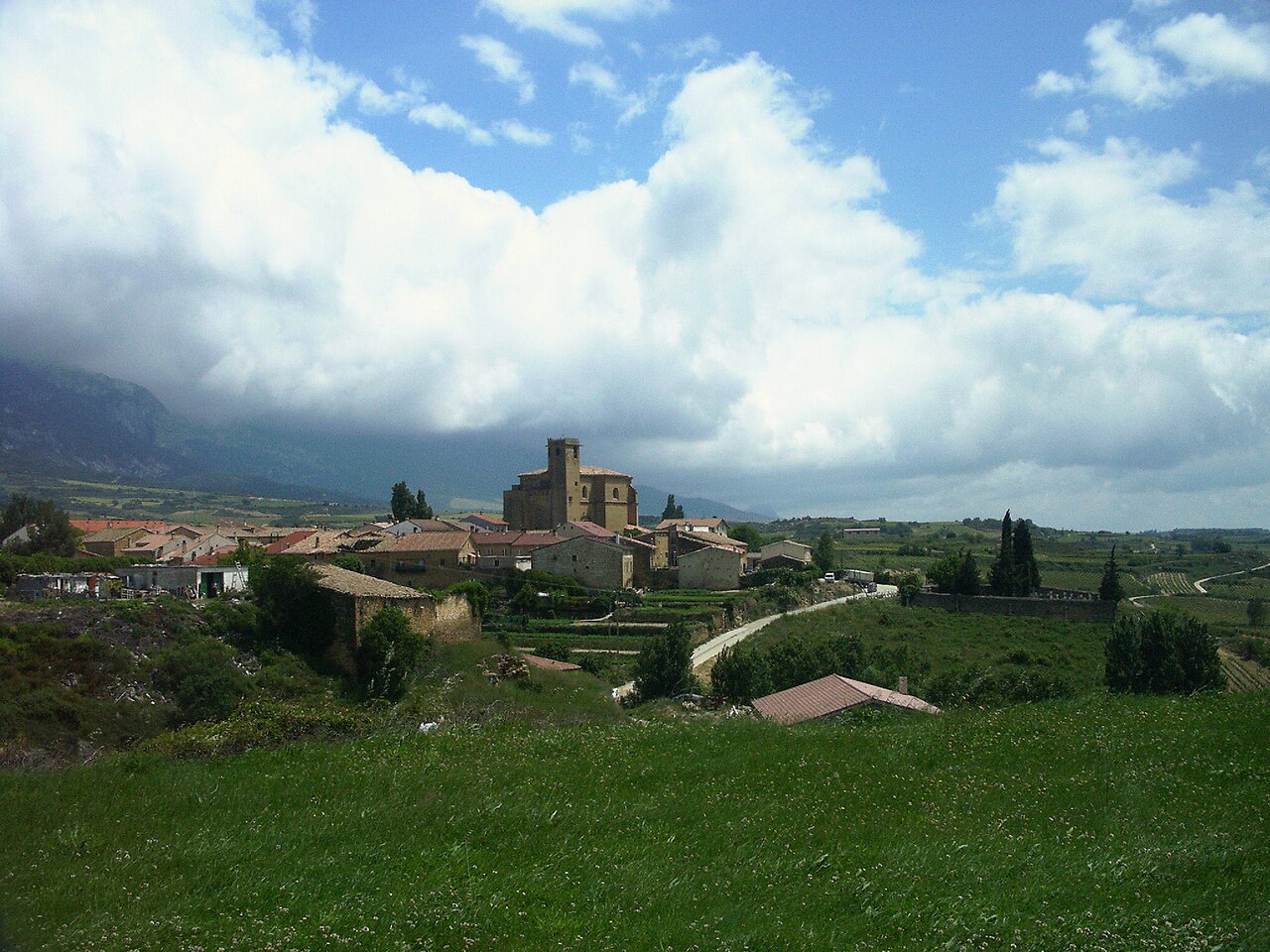
Some places appear on the map the way a small turn-off appears when you are driving in search of a petrol station. You were not planning to take it, but there it is. Mañueta feels a bit like that within Rioja Alavesa. People do not usually come here for a headline attraction or a well-known photo. The vineyards lead you in, and before long you find yourself there without quite realising how.
Once the car is parked and you step out, the atmosphere shifts quickly. It feels less like arriving at a destination and more like stepping into the courtyard of an old house. Everything is compact, close at hand and noticeably calm.
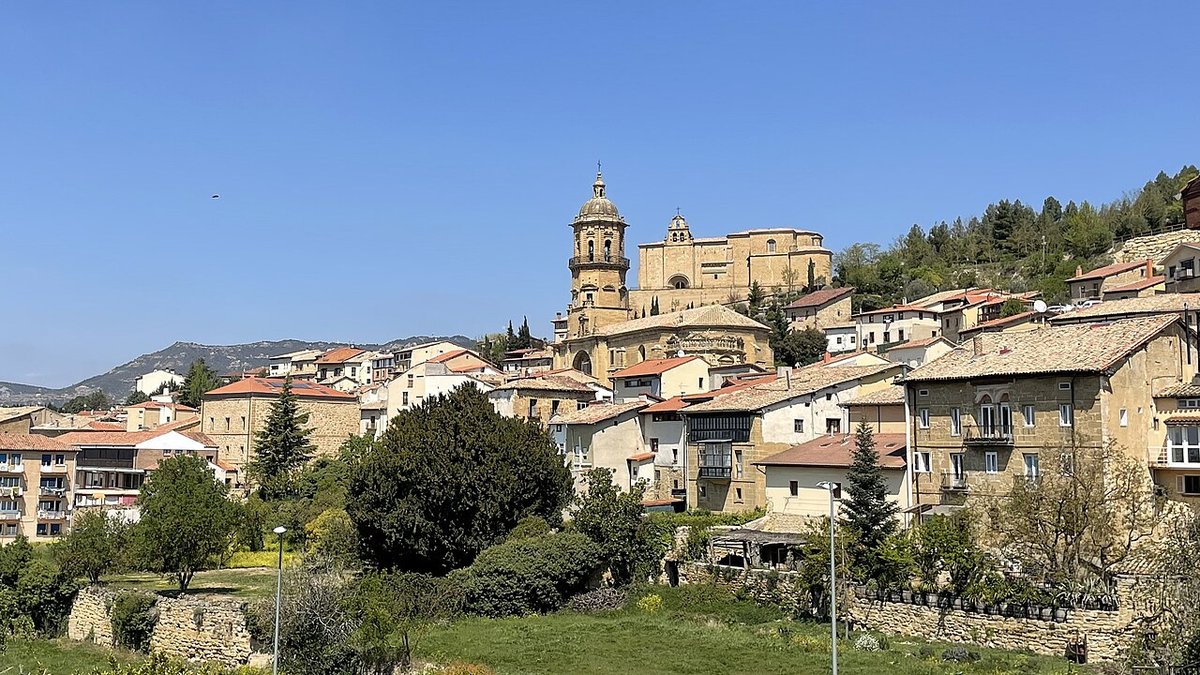
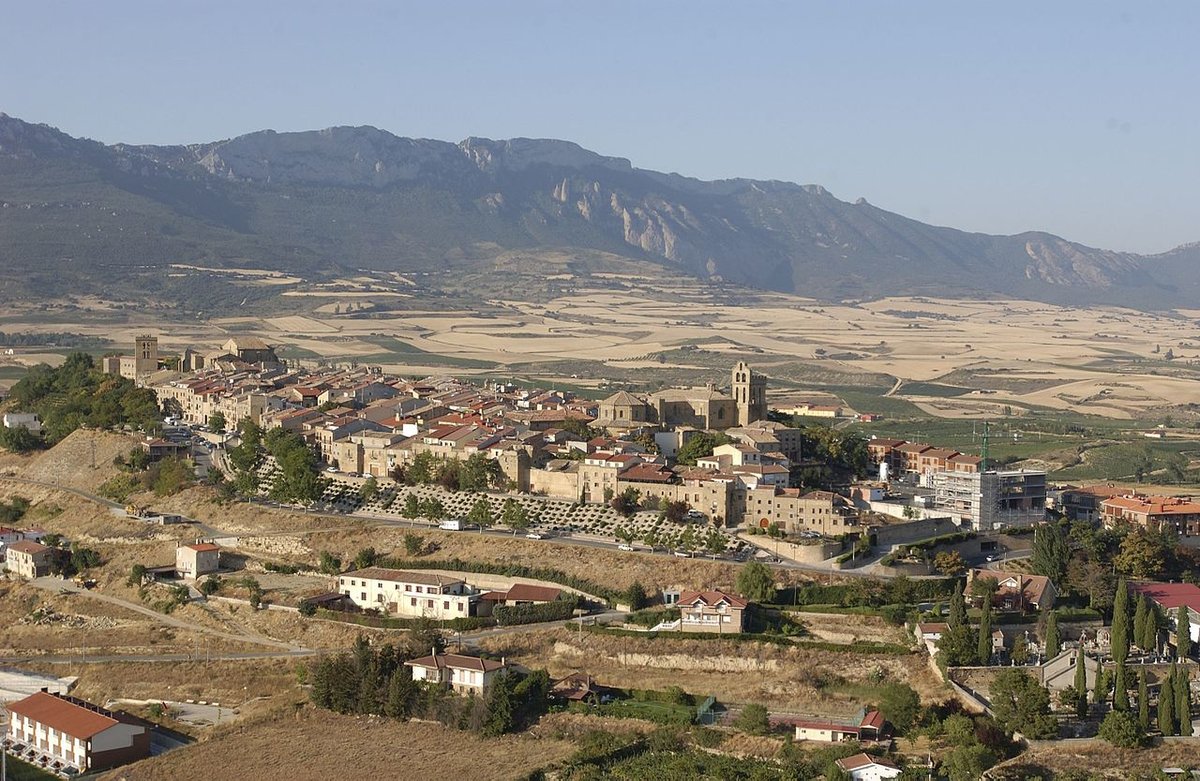
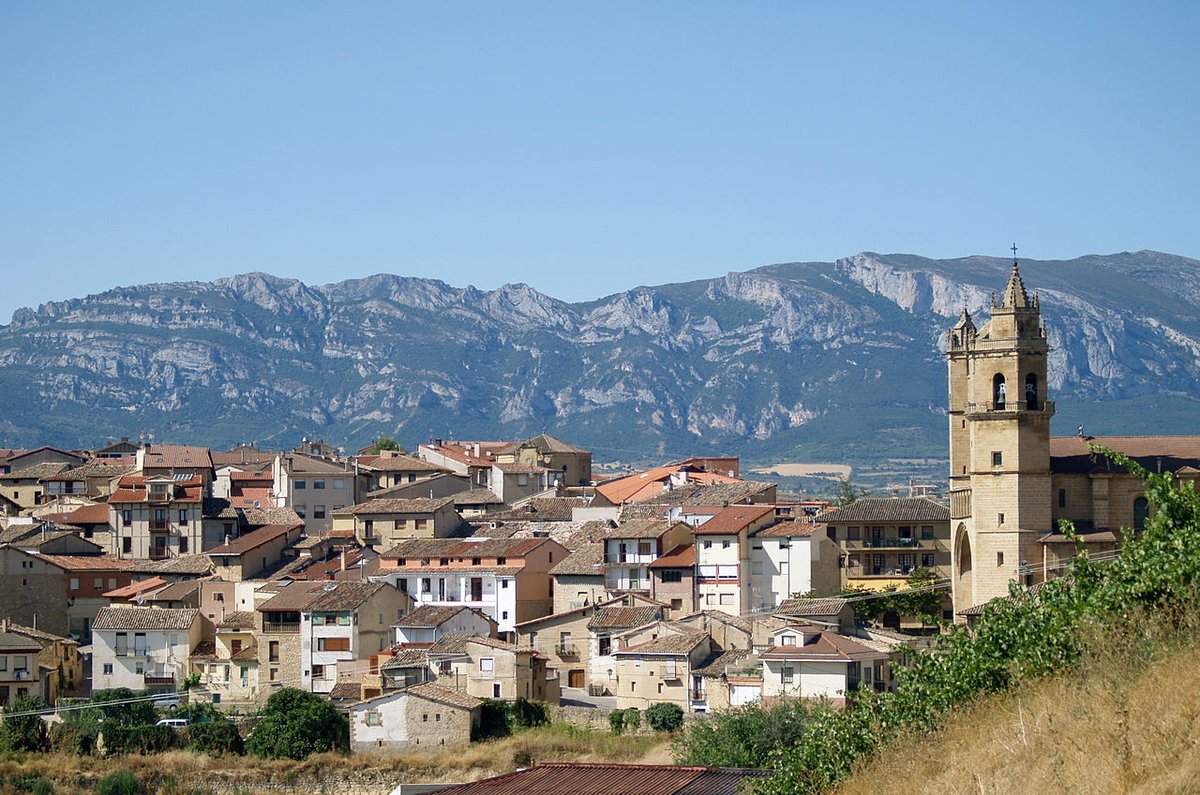
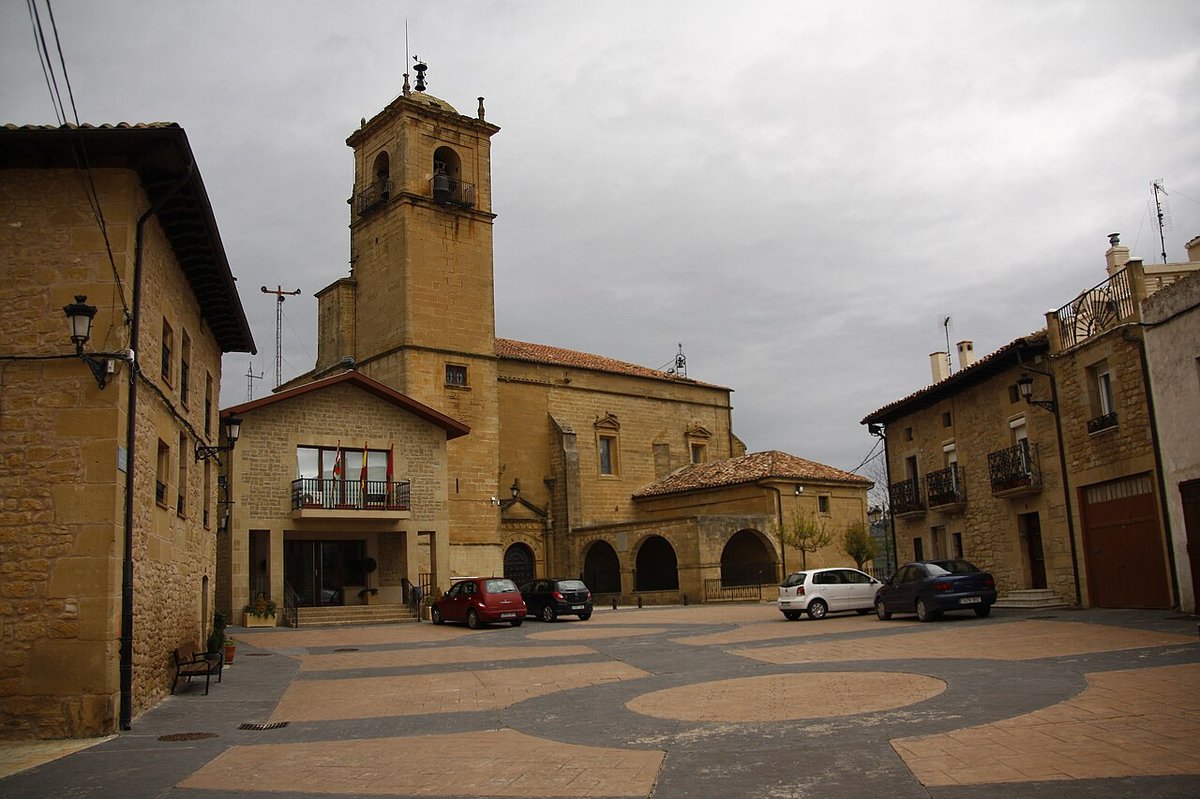
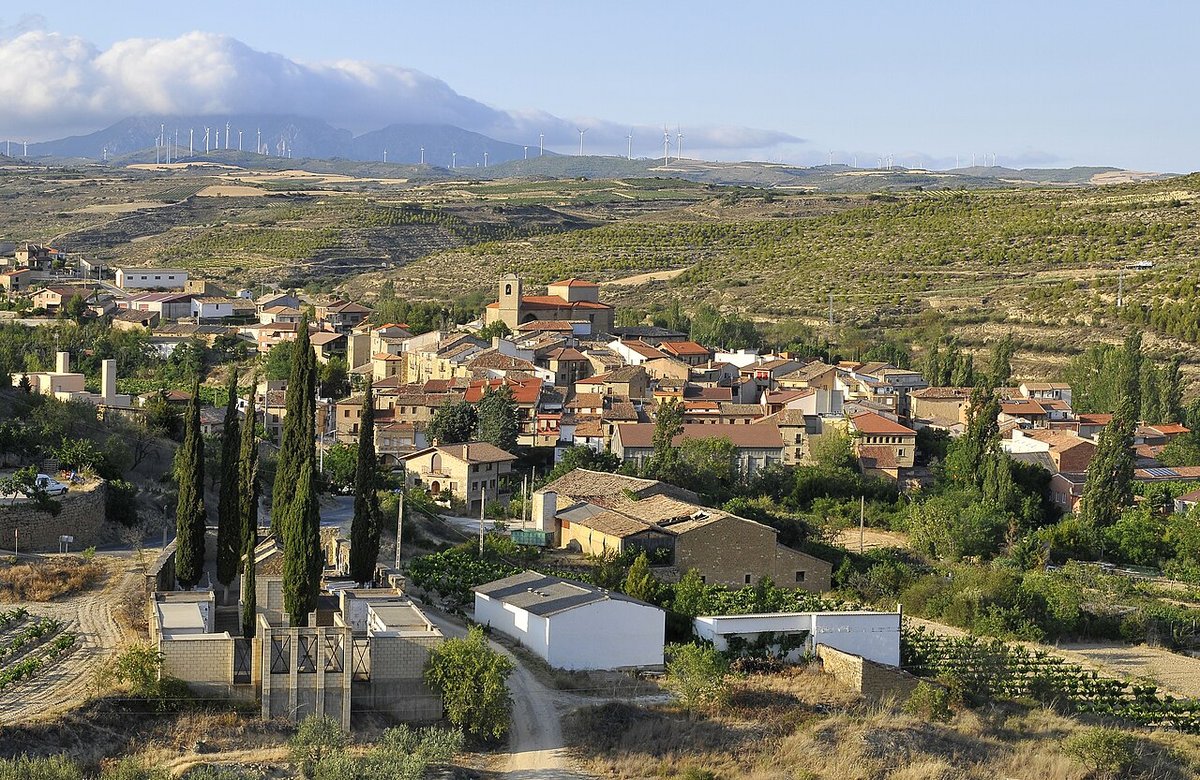
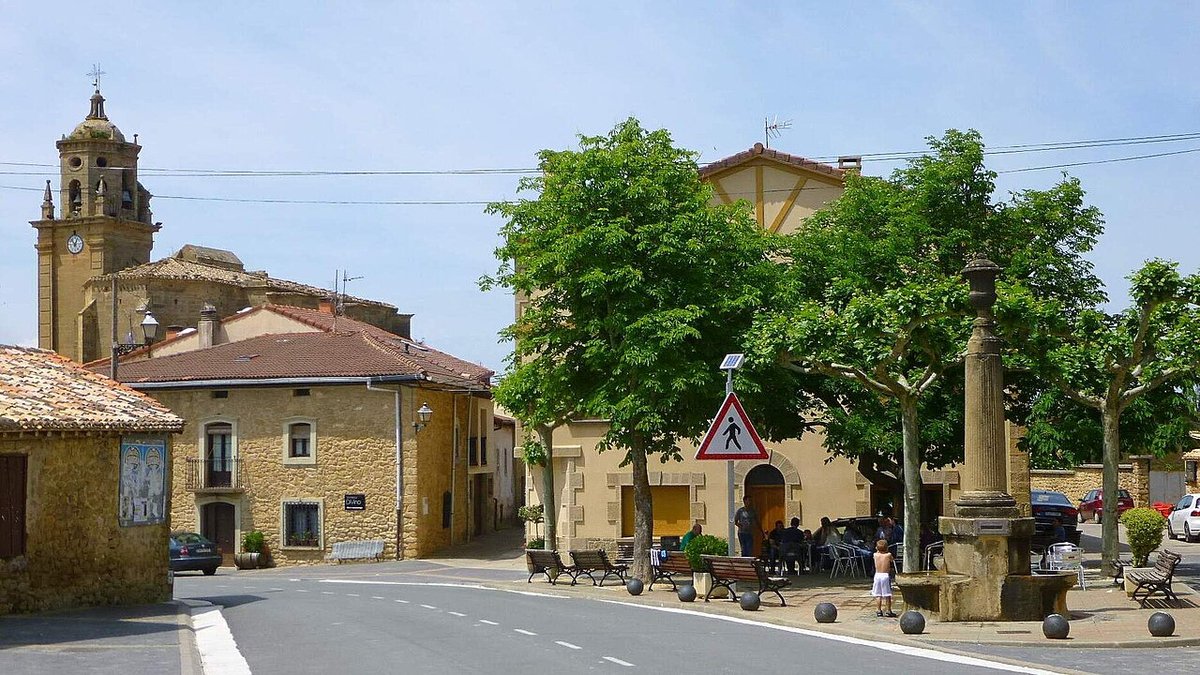
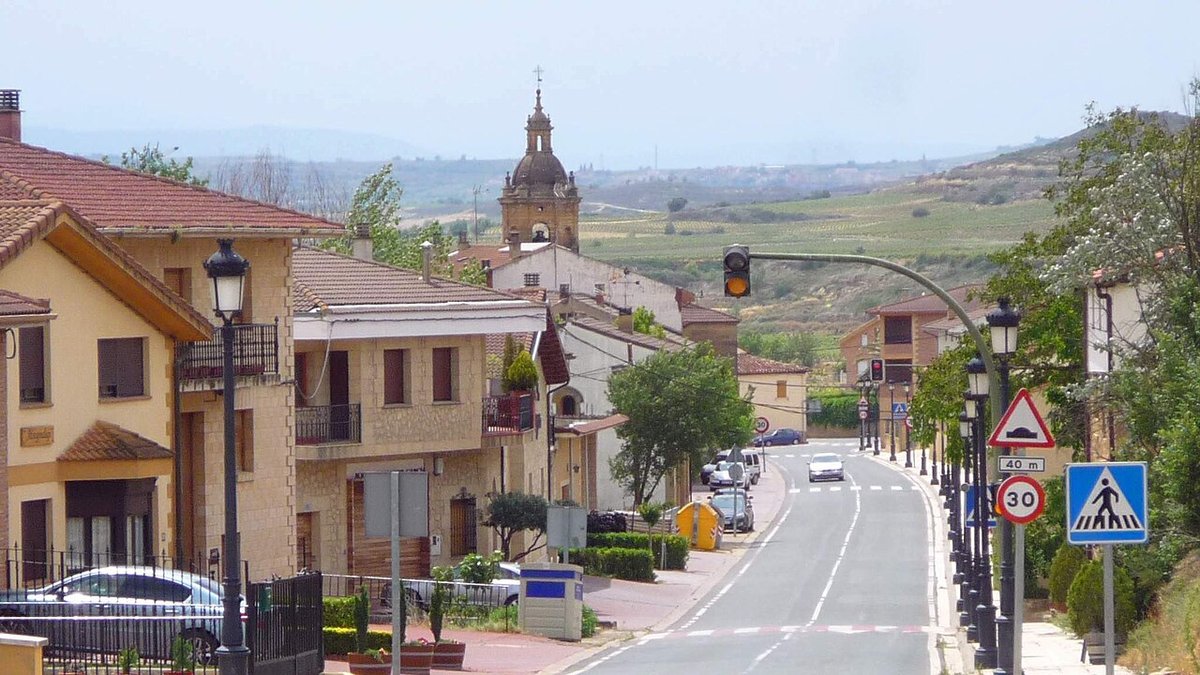
Mañueta is small. Houses gather along a handful of streets, many built in the pale stone that is typical of the area. Thick walls, large wooden doors, windows that have faced many winters. Nothing showy, yet it has the kind of architecture that seems built to last as long as the surrounding vines.
A slow walk reveals the details that tell you where you are. A coat of arms above a doorway, names carved into stone, façades designed for daily life rather than postcards. It does not take long to grasp the scale of the place. Within ten or fifteen minutes, the layout makes sense. It has the familiarity of a small neighbourhood shop where everything is easy to locate.
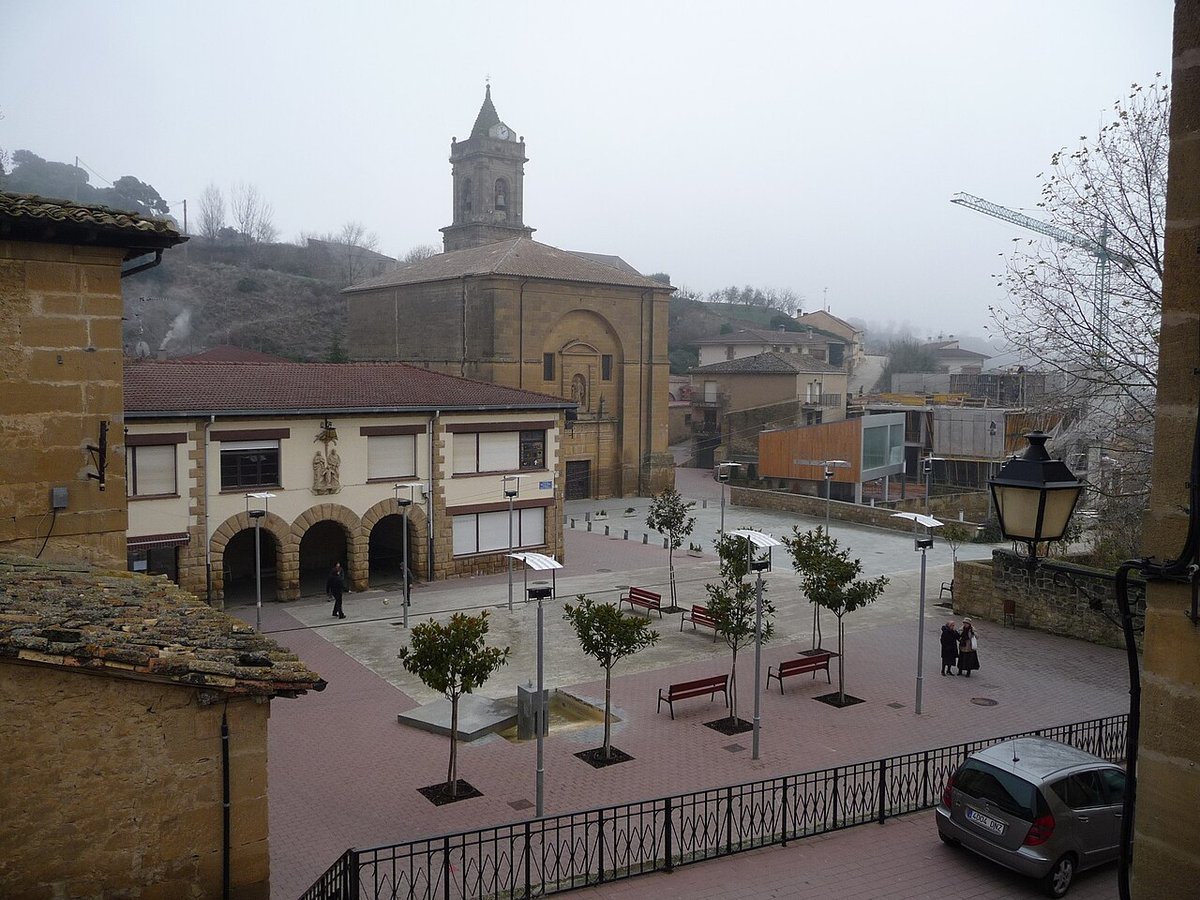
The church and the village centre
At the centre stands the church of Santa María de Mañueta. Its appearance is solid and restrained, with walls that look made to endure rather than impress. Brick dominates, with some stone, and the overall impression is sober.
Inside, decoration does not overwhelm the space. The feeling is quite the opposite. It comes across as a place that continues to serve the village first, rather than visitors passing through.
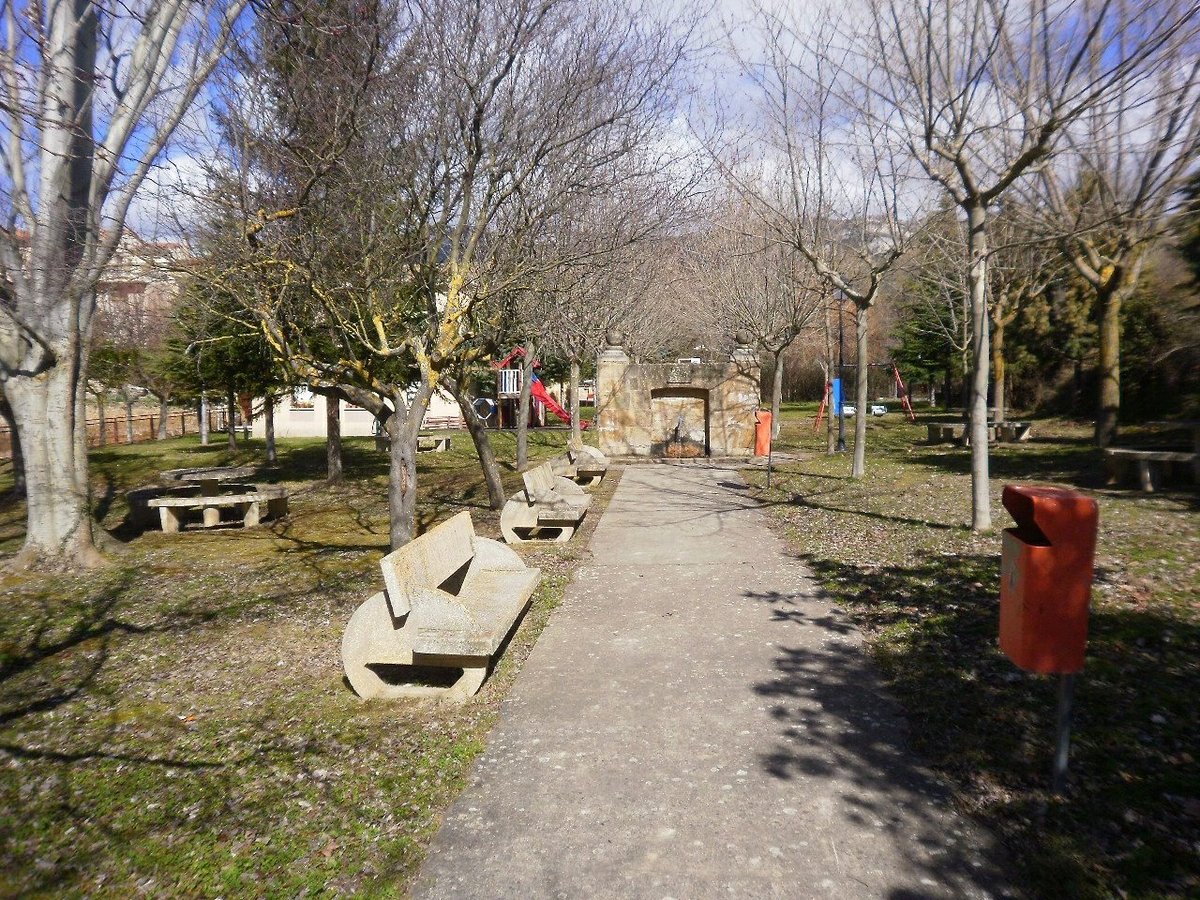
Outside, the nearby frontón plays an important role. A frontón is a traditional Basque pelota court, though in villages like this it often doubles as a social hub. Here it works almost like a shared living room. There are benches, some shade when the sun is strong, and a quiet that is only broken by conversations between people who have known each other for years. In many northern Spanish villages, this kind of space replaces the usual idea of a central square, café and meeting point all at once.
Paths through the vineyards
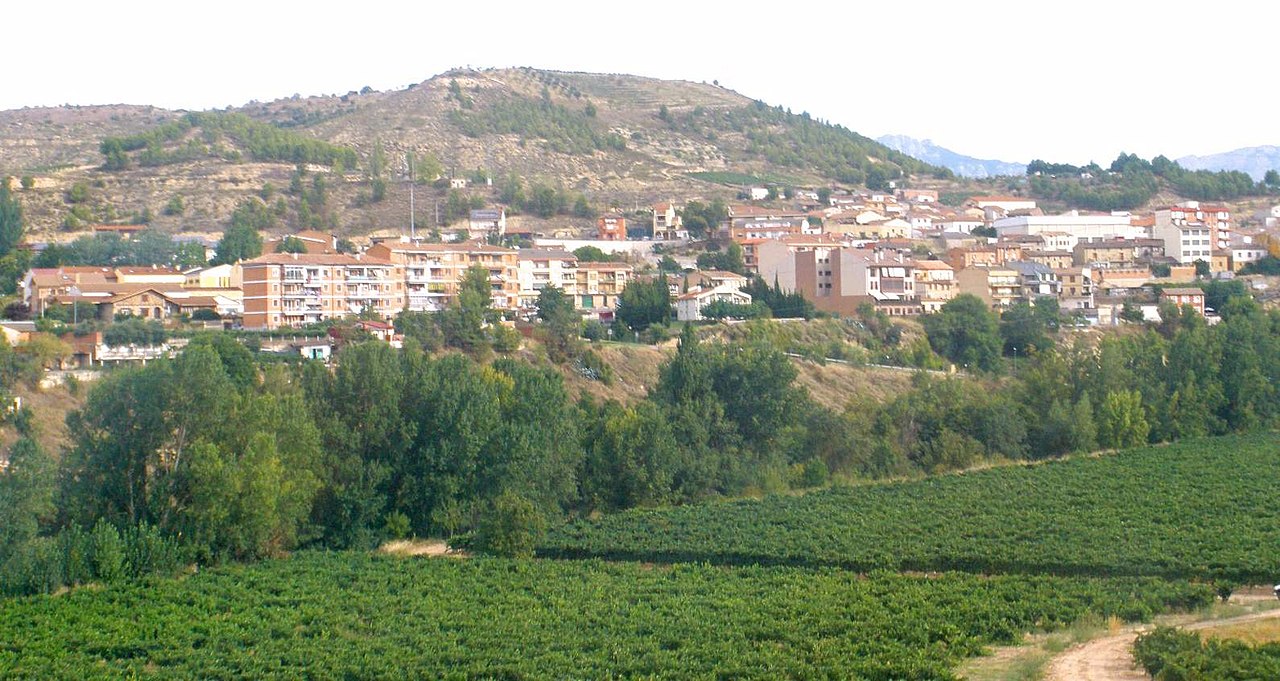
Beyond the edge of the village, agricultural tracks begin almost immediately. Vineyards stretch out on both sides, divided into small plots. The dirt paths change character depending on the weather. After rain they can turn into sticky clay, while in summer each step lifts a fine layer of dust.
These tracks link Mañueta with other nearby villages in Rioja Alavesa. Walking or cycling between them is common among those familiar with the area. There is no single marked route to follow. Instead, it is a network of paths that farmers have used for generations.
Close to the village, it is common to find small family-run bodegas where local wine is produced. Some of them open to visitors at certain times, although it is worth checking in advance as schedules can vary quite a bit.
The landscape itself does much of the talking. Rows of vines shape the horizon, and the terrain remains gentle enough for an unhurried walk. It is a setting that encourages moving at a slower pace, without the need for a fixed plan.
Simple food after a walk
After time among the vineyards, something warm usually feels like the right choice. In this part of Álava, traditional dishes are still very present. They resemble the kind of meal a grandmother might serve on a Sunday: patatas con chorizo, slow-cooked stews, bread ready to soak up the sauce without much ceremony.
These are filling dishes, designed for people who have spent long hours working in the fields. They suit the rhythm of the place, where meals tend to be straightforward and tied to the land.
Food here is less about variety and more about familiarity. The emphasis sits on comfort and substance rather than presentation.
How long to spend in Mañueta
Mañueta works best as a short stop within a wider route through Rioja Alavesa. It is the kind of place where you stretch your legs during a longer journey. A walk through the centre, a look at the church, a pause to take in the vineyard landscape, then on you go.
Those who enjoy walking may want to extend their time slightly by heading out along the agricultural paths. The terrain is generally easy, although after several days of rain some tracks can become quite muddy. Footwear that can handle a bit of dirt is a sensible choice.
Parking requires a little care. Streets are narrow, and many entrances lead directly to working fields or farm tracks. It is a place where daily activity still shapes how space is used.
When the landscape changes
The appearance of Mañueta shifts noticeably with the seasons. In autumn, the vineyards move from green to deep red and yellow, as if the entire landscape has been recoloured at once. Spring brings back a vivid green across the fields.
Summer places the sun directly over the vines, and the pace of life in the village slows down. Winter, on the other hand, brings stillness to the countryside. At that time of year, Mañueta carries the quiet often associated with small villages in January.
It is not a destination for filling several days with planned visits. As a brief stop within the region, though, it fits naturally. A short walk, a view over the Ebro valley, and a glimpse into the steady, unhurried life of Rioja Alavesa.