Full Article
about Moreda Araba (Moreda de Álava)
Vineyards, wineries and stone villages among gentle hills.
Hide article Read full article
A place that moves at its own pace
Some villages feel like a quiet conversation. Nothing dramatic happens, yet time slips by without much notice. Tourism in Moreda Araba follows that same rhythm. It is not a place that overwhelms with attractions. Instead, it reveals itself slowly, as you walk without hurry and begin to fall into the village’s pace.
Many visitors arrive expecting something similar to other towns in Rioja Alavesa, places with more bustle and visible activity. Moreda sits in a different space. It feels closer to stepping into a small, everyday setting where life continues without fuss. Things are happening, but quietly.
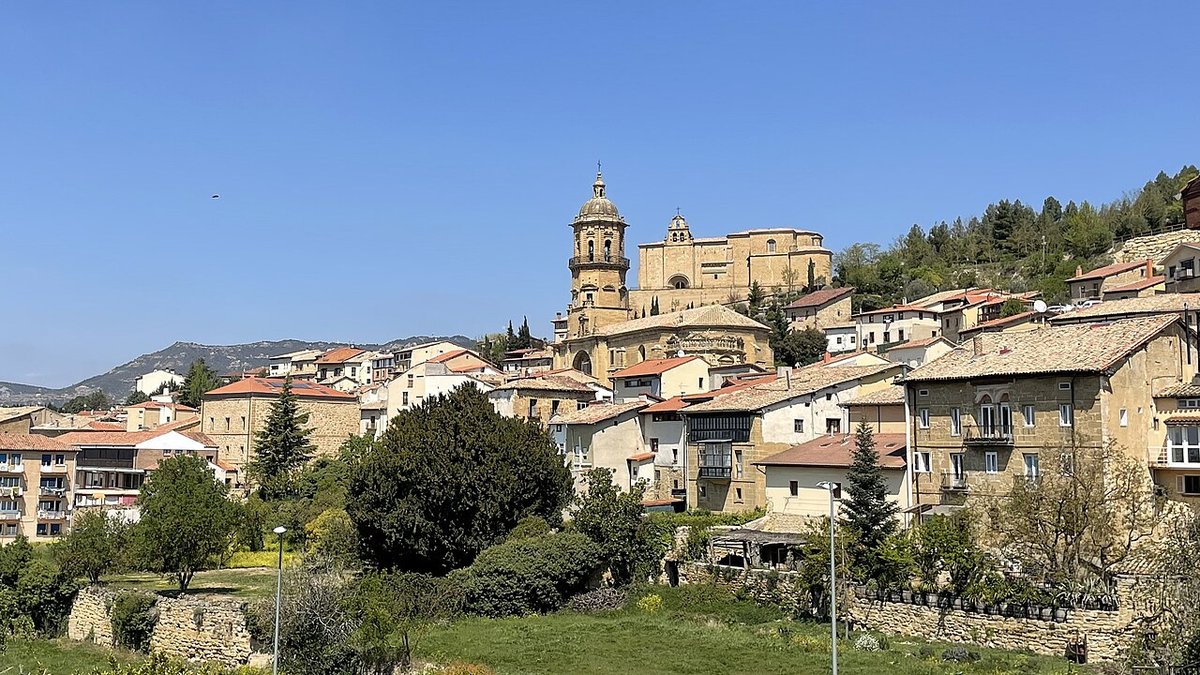
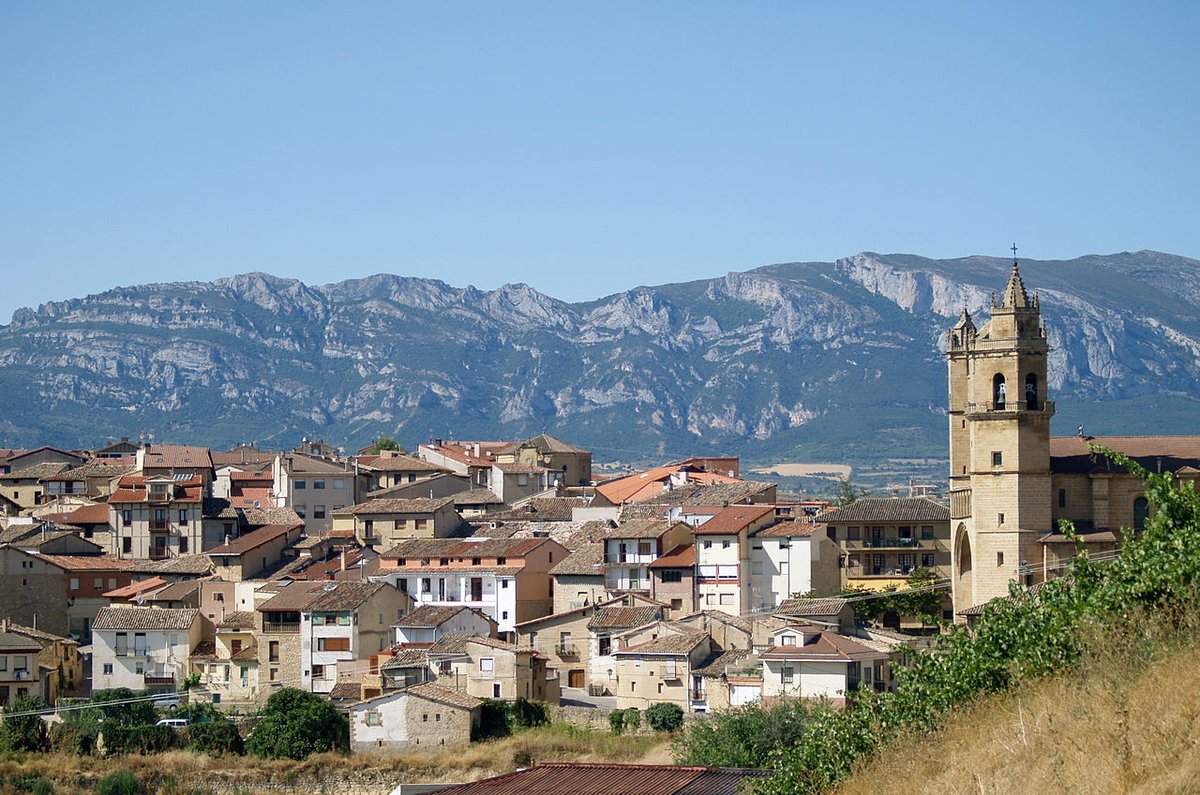
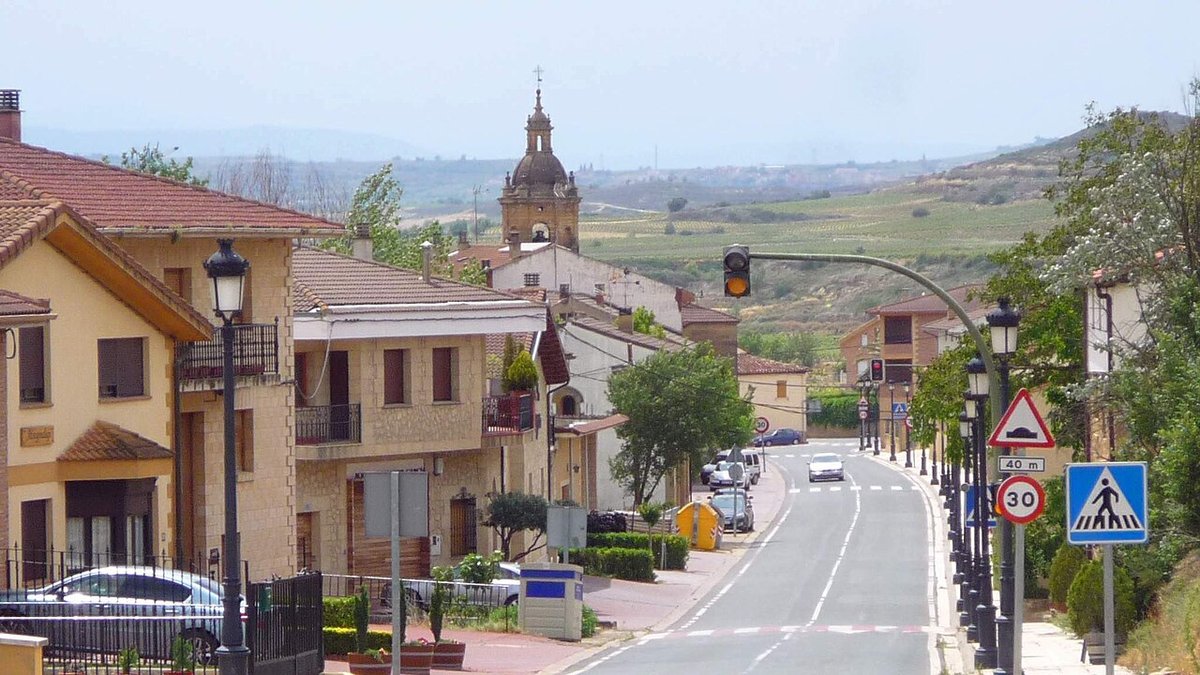
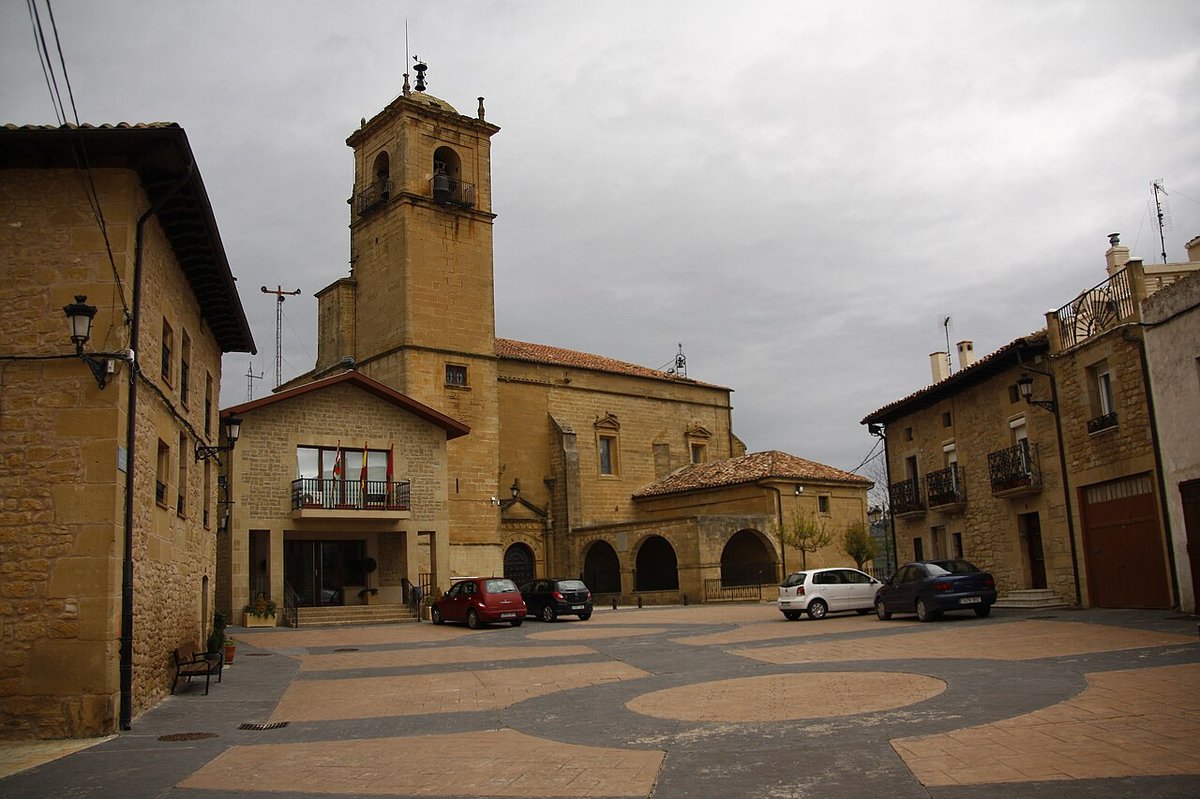
The architecture reflects that tone. Houses combine stone and exposed brick, with iron balconies that look as though they have always been there. At first glance, nothing demands attention. Stand still for a moment, though, and details start to appear. A coat of arms on a façade, an old doorway that has outlasted several renovations, a window with wooden shutters still in use.
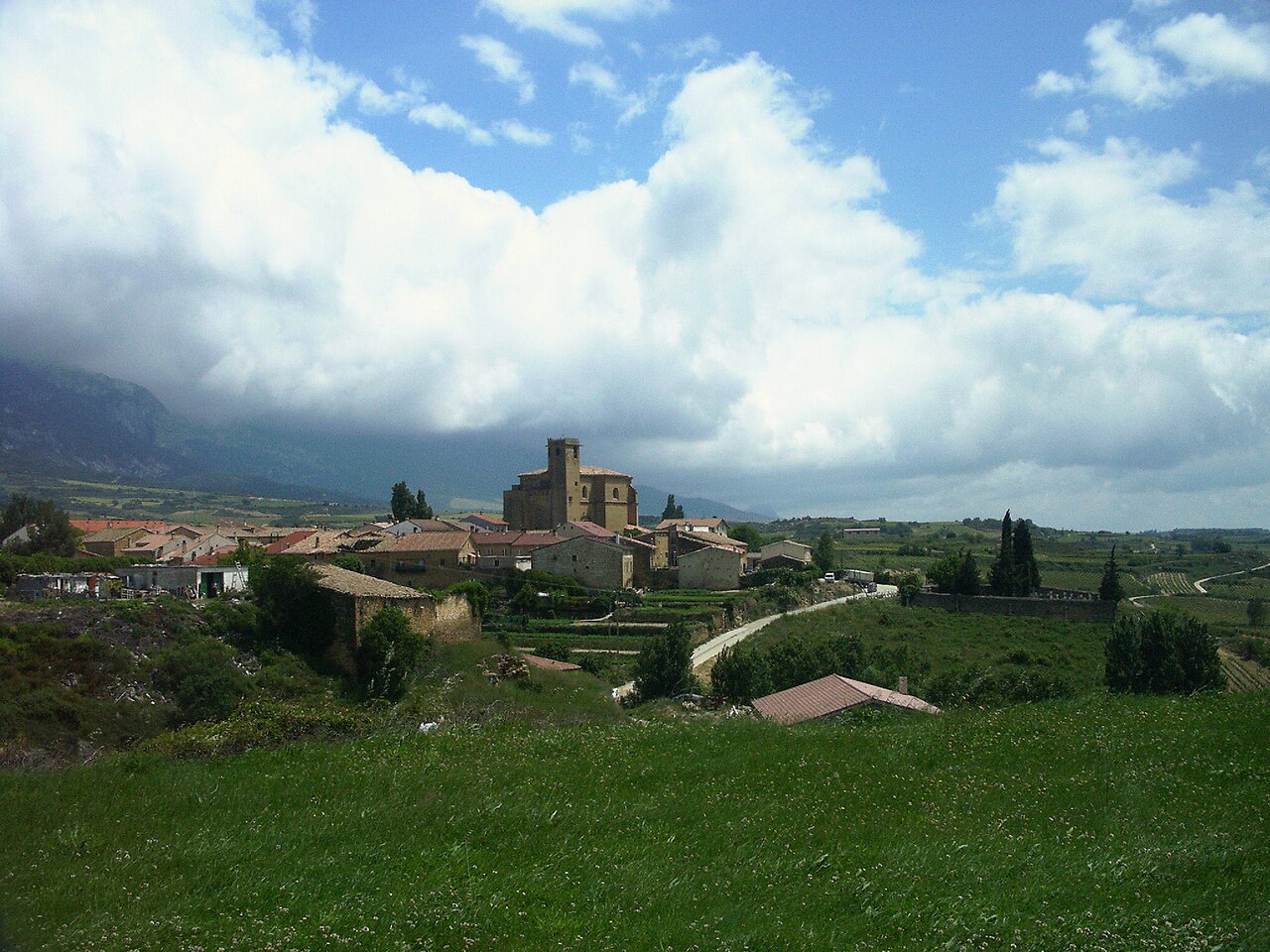
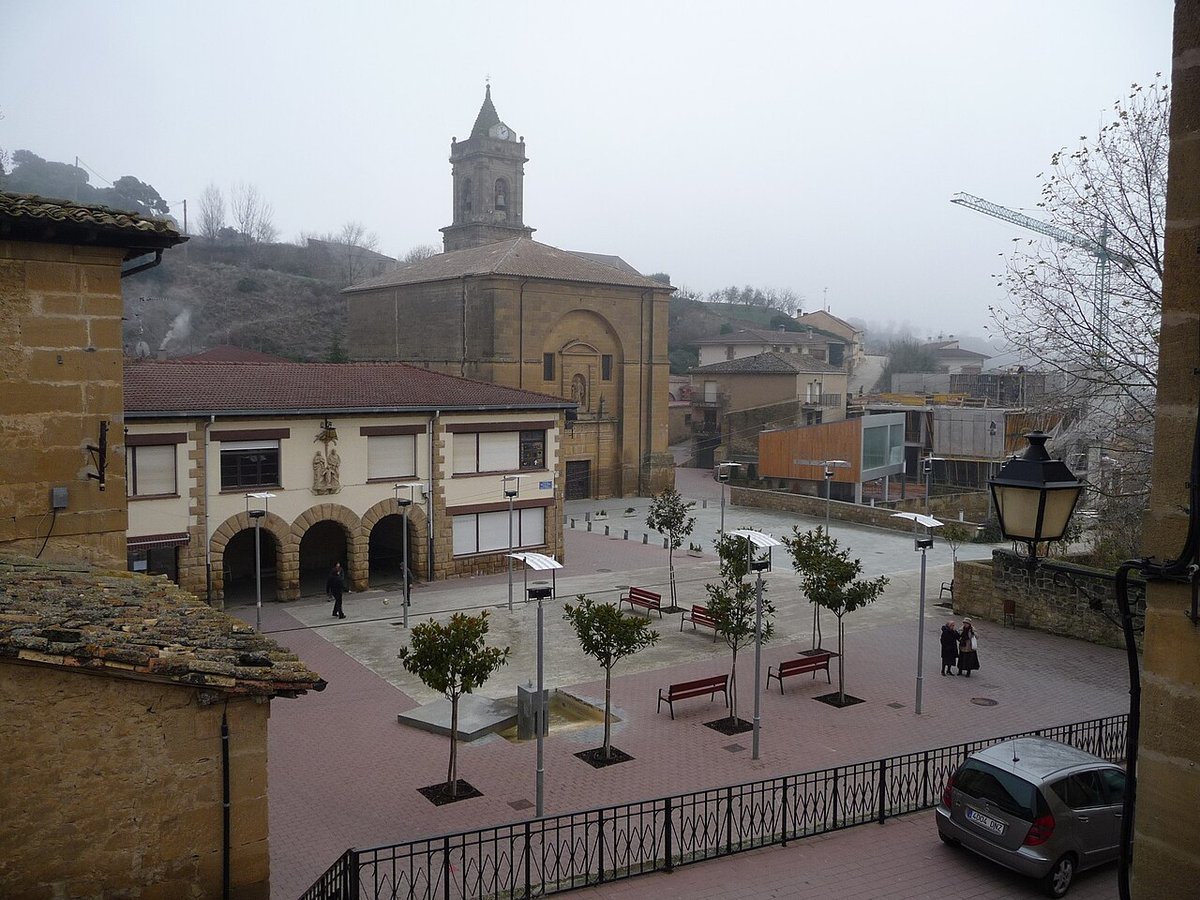
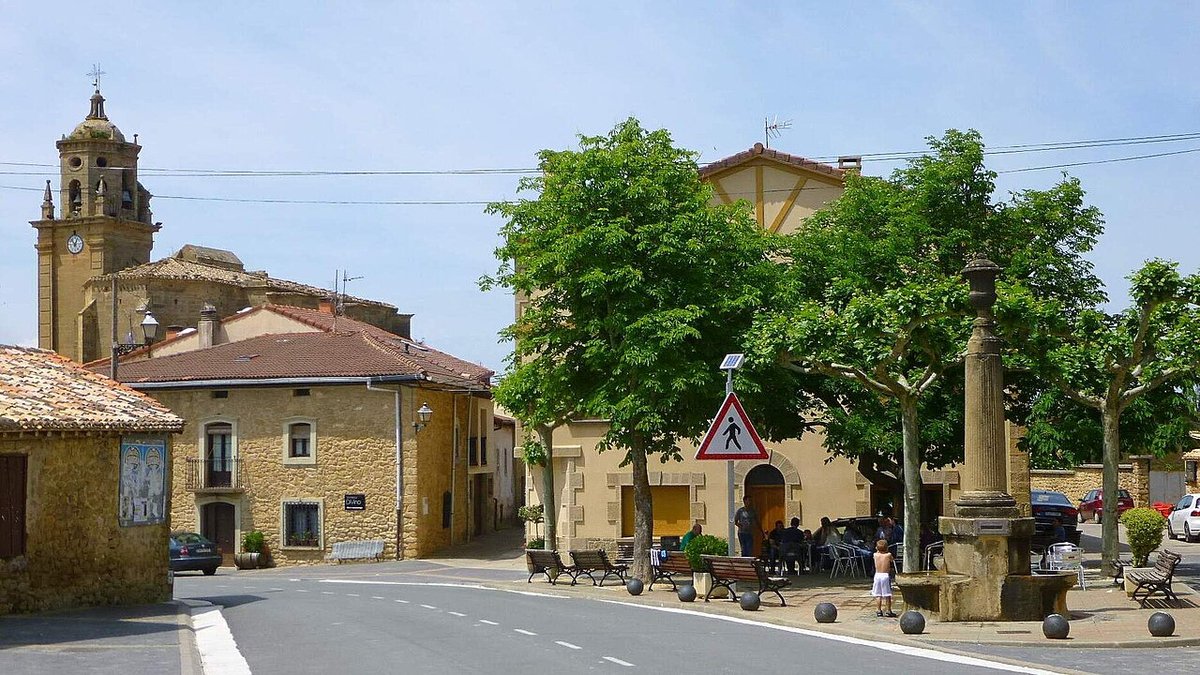
At the centre stands the church of Nuestra Señora de la Asunción. It has the steady presence typical of small village churches. It does not dominate the skyline, yet it anchors the layout of the place. The square bell tower continues to mark the hours, part of the background rhythm rather than a focal point.
Short streets and everyday life
Walking through Moreda is quick, not because there is nothing to see, but because distances are short. Within a brief stroll, the structure of the village becomes clear.
The streets are narrow and, at times, feel designed more for conversation than for traffic. There are doorways with old coats of arms, stretches where brickwork is left exposed, and façades with plants during the warmer months. Nothing appears arranged for visitors. The impression is closer to a lived-in space, where attractive details sit alongside signs of daily use.
Near the church, a small open area comes into view with the frontón. In many Basque villages, this type of court is used for pelota, a traditional ball game. It often doubles as an informal gathering point. Even when empty, it is easy to picture matches taking place, people leaning against the wall talking, or younger residents spending time there.
The overall atmosphere remains simple. There are no grand gestures or attempts to impress. The interest lies in how ordinary life is organised, in the way the village continues its routines without turning them into a display.
Paths through the vineyards
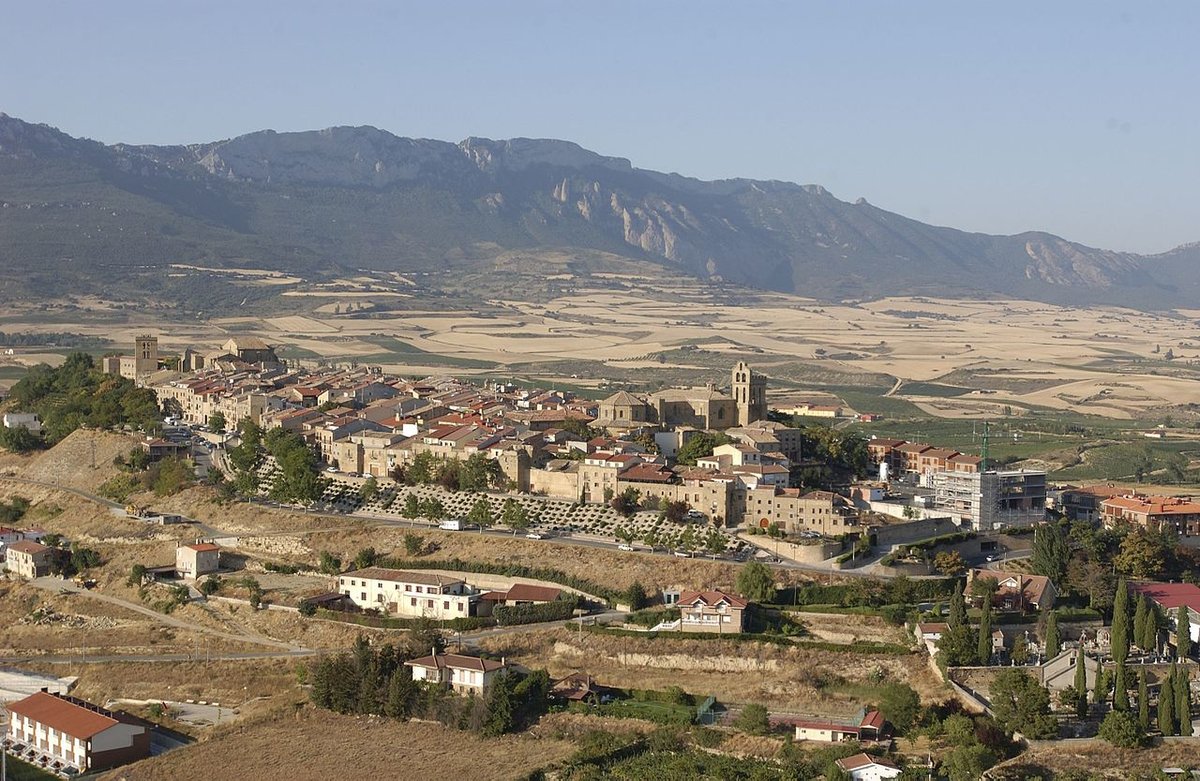
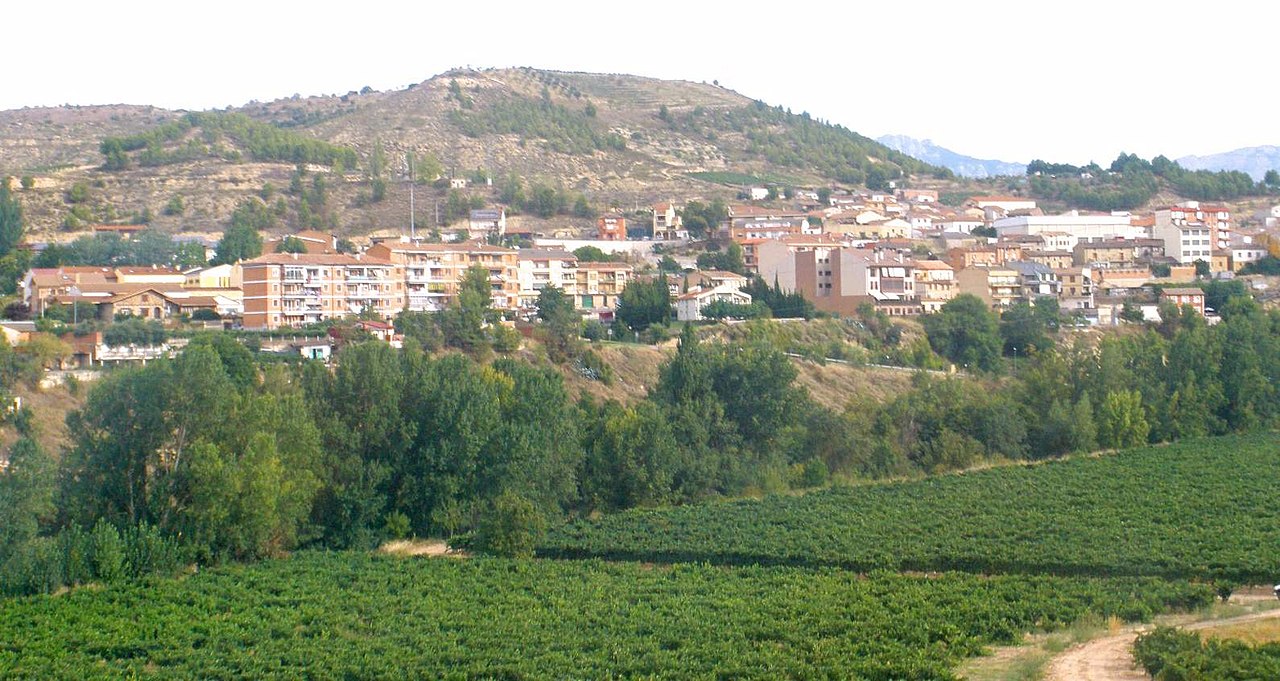
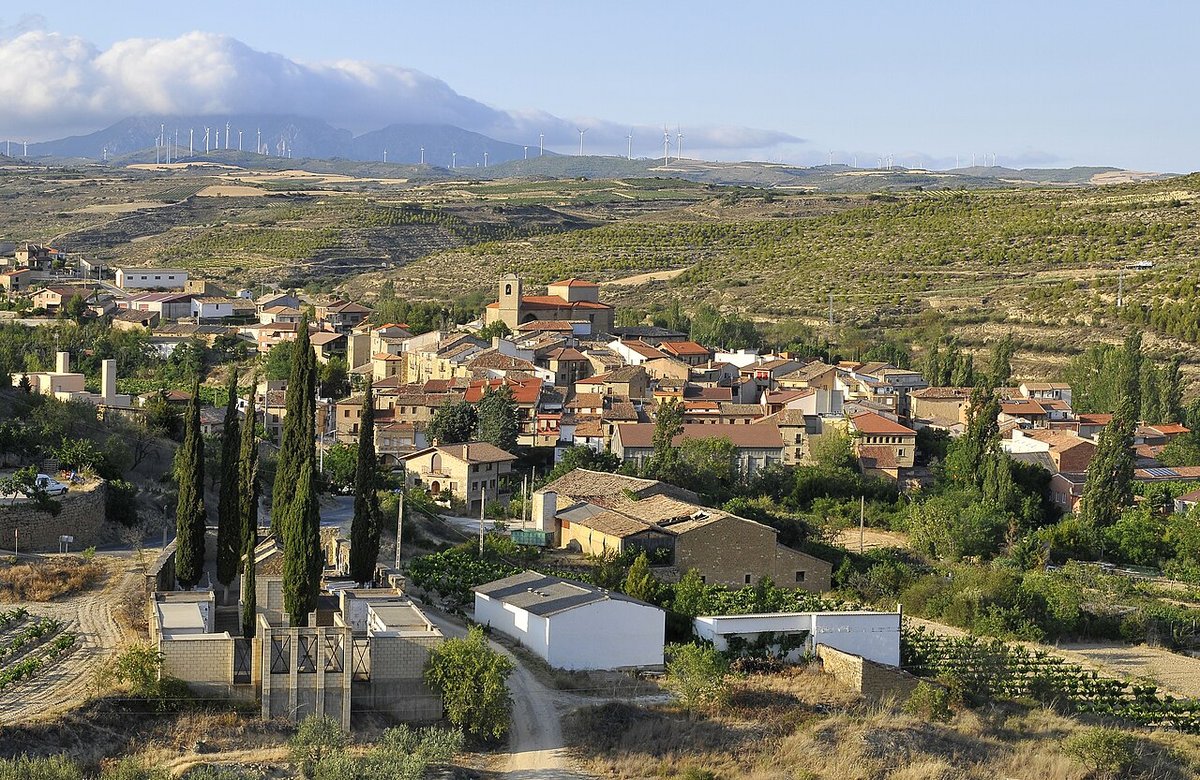
A short walk from the centre brings a change in scenery. The transition is almost immediate. One moment you are among houses, the next you are surrounded by vineyards.
The paths run between long, orderly rows of vines. Seen from above, the landscape resembles a notebook filled with parallel lines. Everything appears structured and clear.
Along the way, small buildings appear, used for storing tools, and the occasional tree stands between plots. The look of the vineyards shifts with the seasons. At times they are freshly pruned, at others beginning to grow, or heavy with grapes. The overall pattern remains the same, even as the details change.
It is worth keeping in mind that shade is limited. In warmer periods, the sun falls directly across the fields. After a while, the heat becomes noticeable. Bringing water makes a difference if you plan to walk for any length of time.
The routes do not stretch endlessly. After a certain point, the scenery begins to repeat itself: rows of vines, dirt tracks, and occasional stone walls marking boundaries. The experience is less about reaching a destination and more about spending time within that landscape.
How a visit fits together
Moreda is not a place designed to fill an entire day with activity. It works better as a calm stop or as a base for exploring the surrounding area. Think of it as a pause within a wider journey.
A simple plan is enough to understand it. Walk through the streets, stop by the church, pass the frontón, then head out towards the vineyards for a while. That sequence gives a clear sense of the village.
If arriving by car, it helps to consider where to leave it. Some streets are narrow, and going too far in can mean awkward manoeuvres when turning back. It is not a major issue, just something to keep in mind before entering tighter sections.
The appeal lies in the ease of the visit. There is no pressure to see everything or follow a strict route. The village does not demand much, and that is part of its character.
A small village without display
Moreda has just over two hundred residents, and that scale shapes the experience. There are no large museums or constant activity. What you find instead is a village continuing to function on its own terms.
For those expecting continuous entertainment, it may feel limited. For others, especially anyone interested in how life unfolds in vineyard regions, it offers something quieter and more observational.
In the end, Moreda is best understood through a simple comparison. It resembles those calm songs that do not stand out at first. They would not suit a lively gathering, yet when heard again later, they reveal something that lingers.