Full Article
about Navaridas
Vineyards, wineries and stone villages among gentle hills.
Hide article Read full article
A village where silence has its own sound
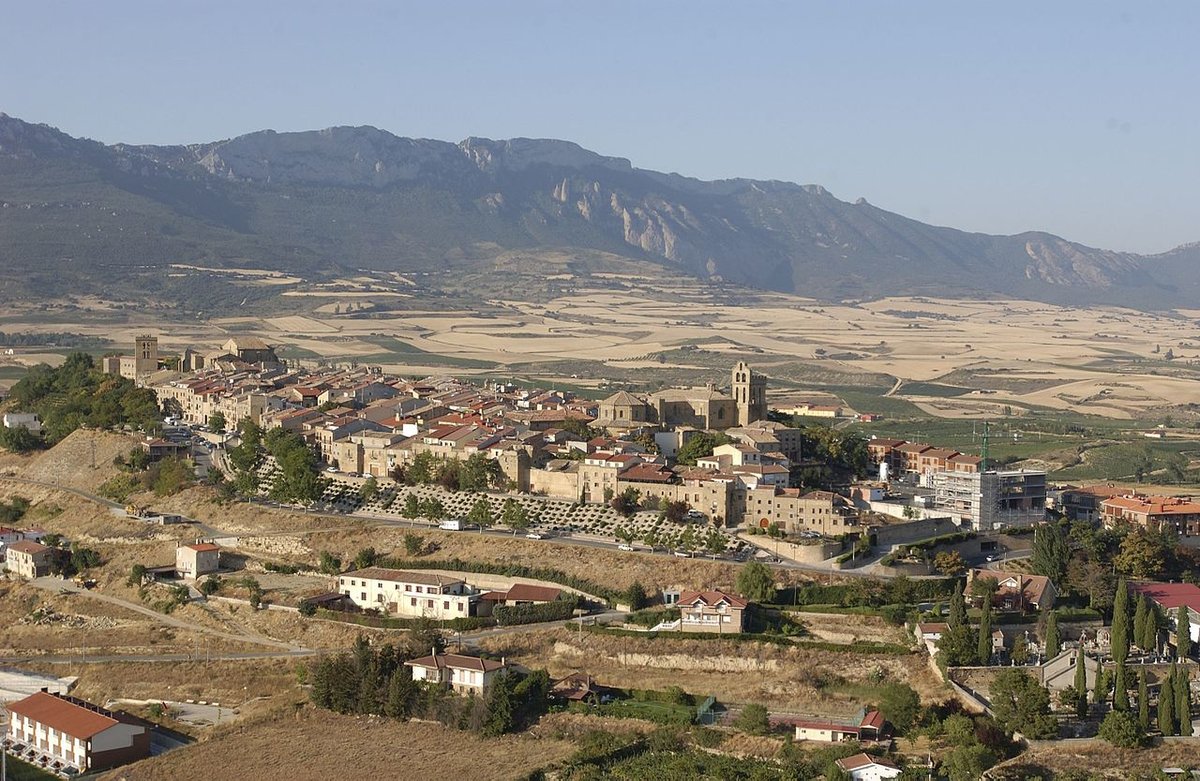
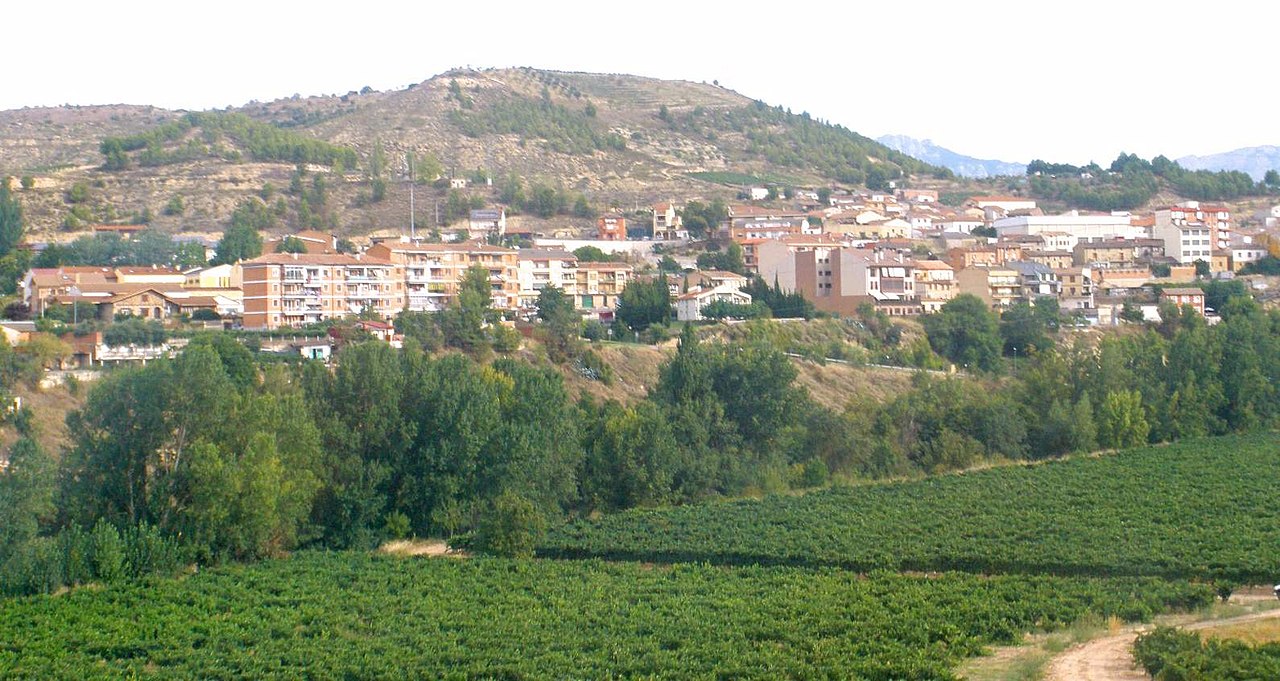
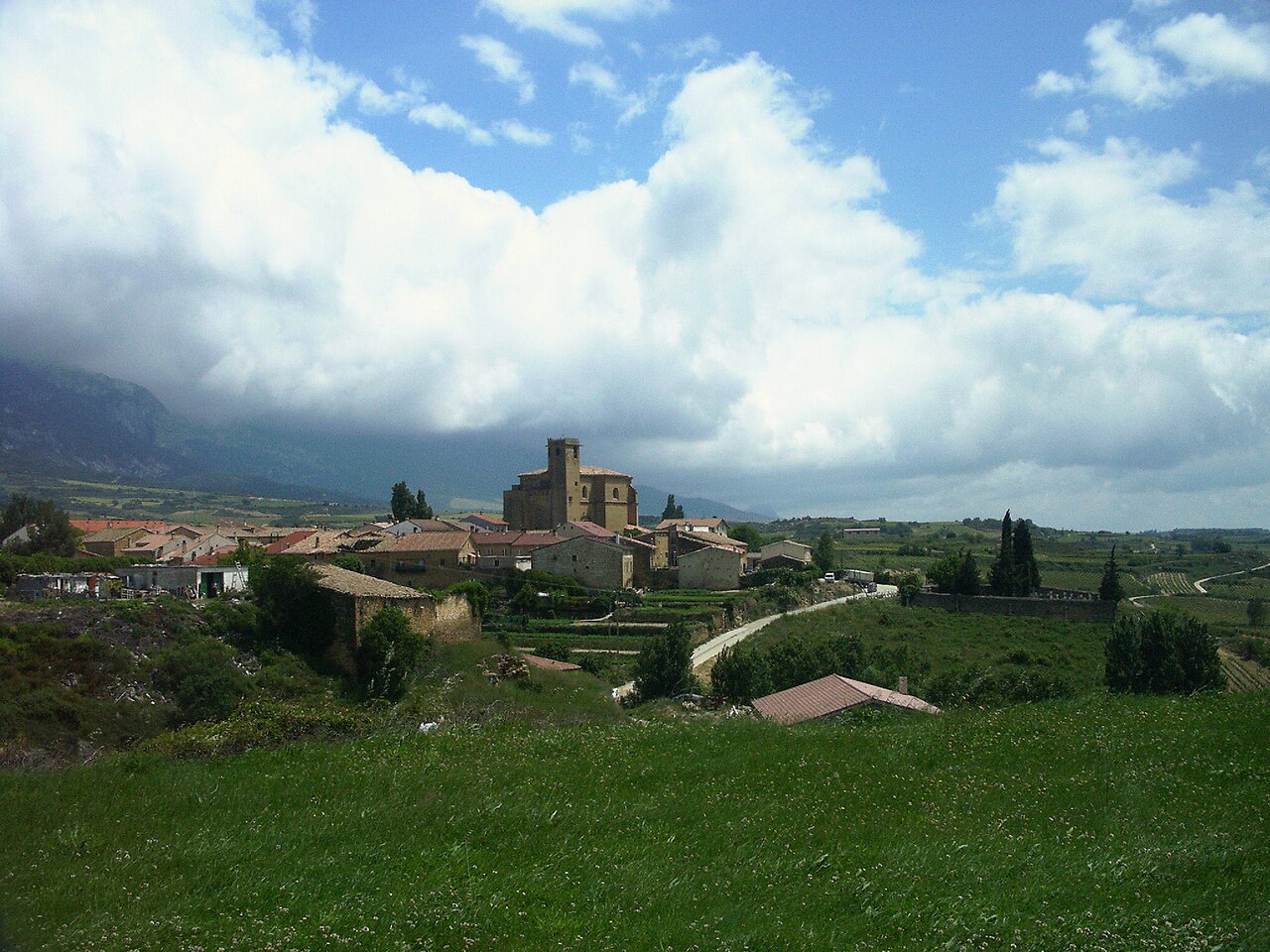
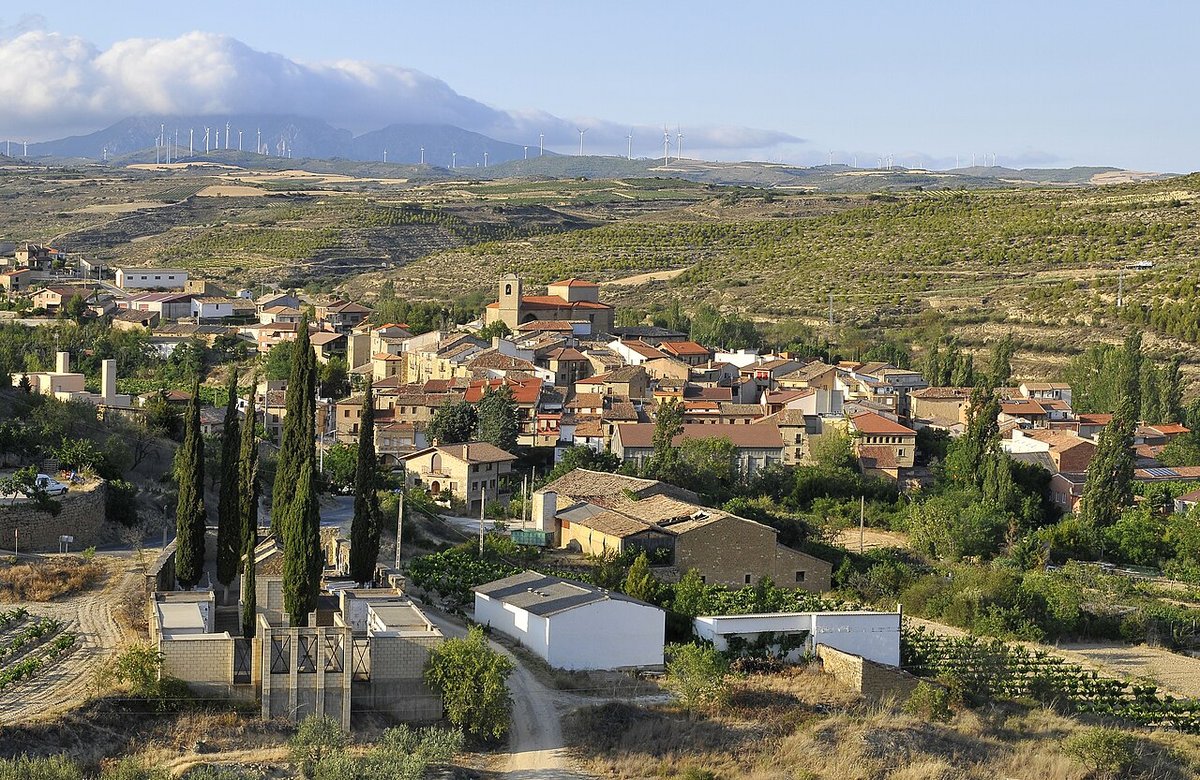
There’s a particular moment that tends to happen on arrival in Navaridas. The engine stops, the car door closes, and suddenly the quiet feels almost loud. Tourism in Navaridas begins in that stillness. Look around and everything points in the same direction: rows of vines, gentle slopes and a small village shaped by the rhythm of grape growing.
This is not a place of headline attractions or famous landmarks. It does not compete for attention. What it offers instead is a way of understanding daily life in the calmer corner of Rioja Alavesa, a wine-producing area in the Basque Country.
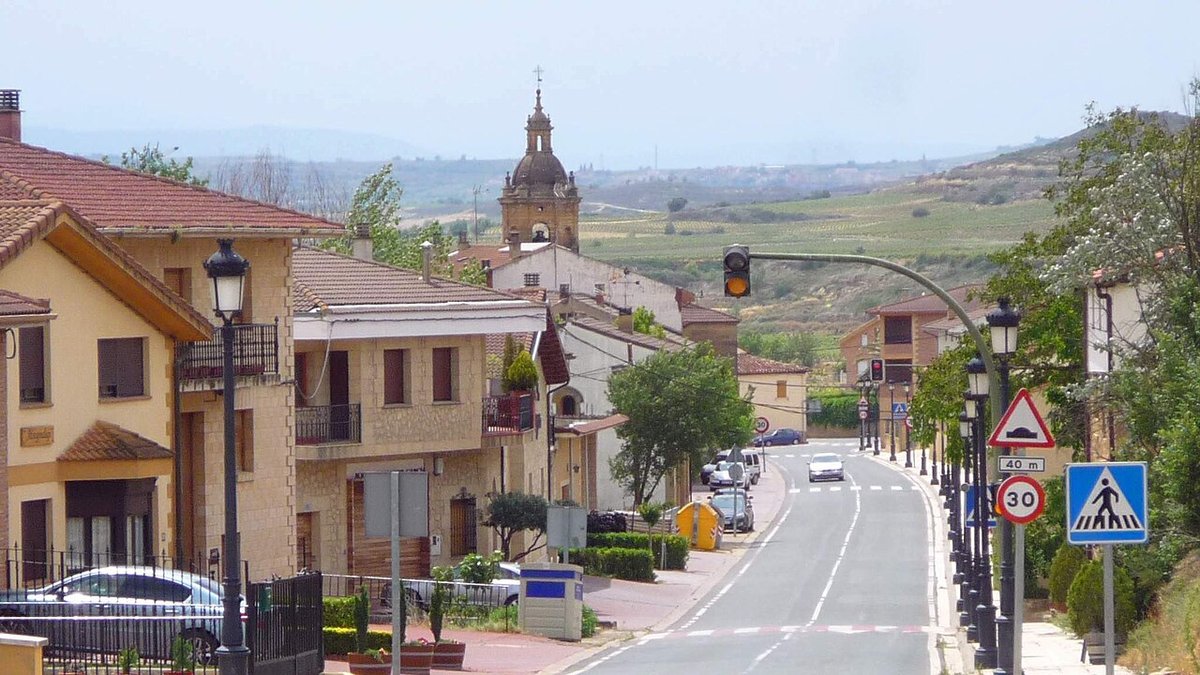
Navaridas is very small, with fewer than two hundred residents. The scale changes everything. Walk along a couple of streets and it already feels familiar: stone houses, the occasional winery door, tractors parked wherever they fit, and fields beginning almost at the edge of the last house. The transition from village to countryside is immediate.
The church and the heart of the village
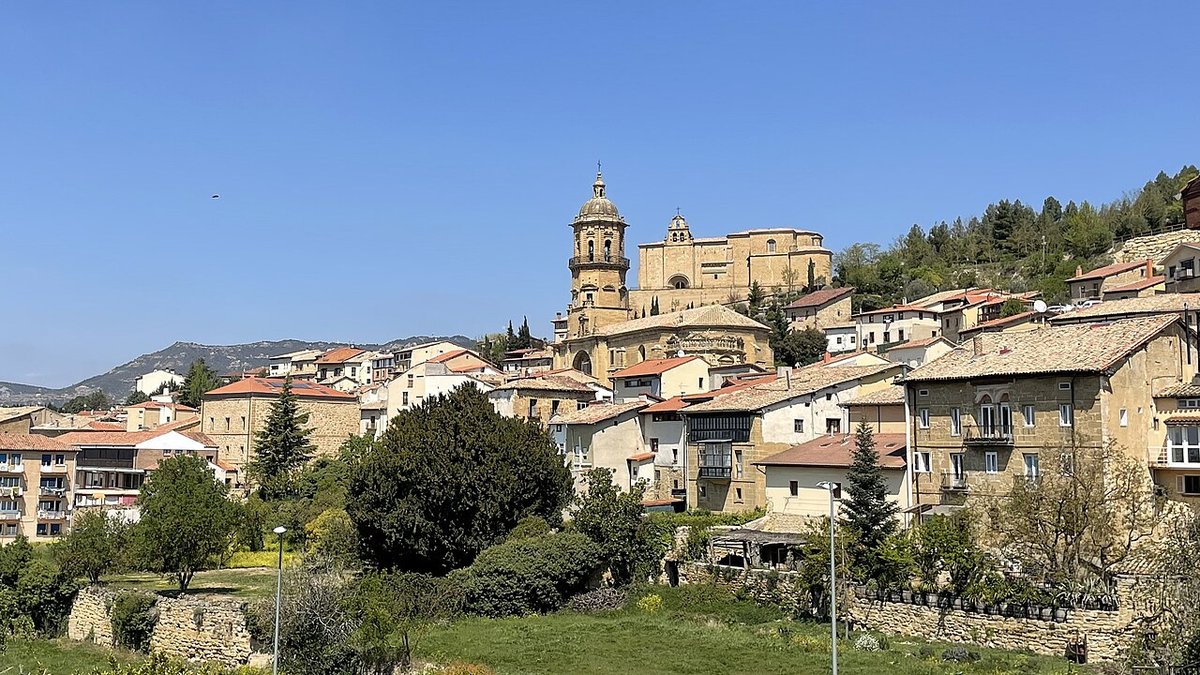
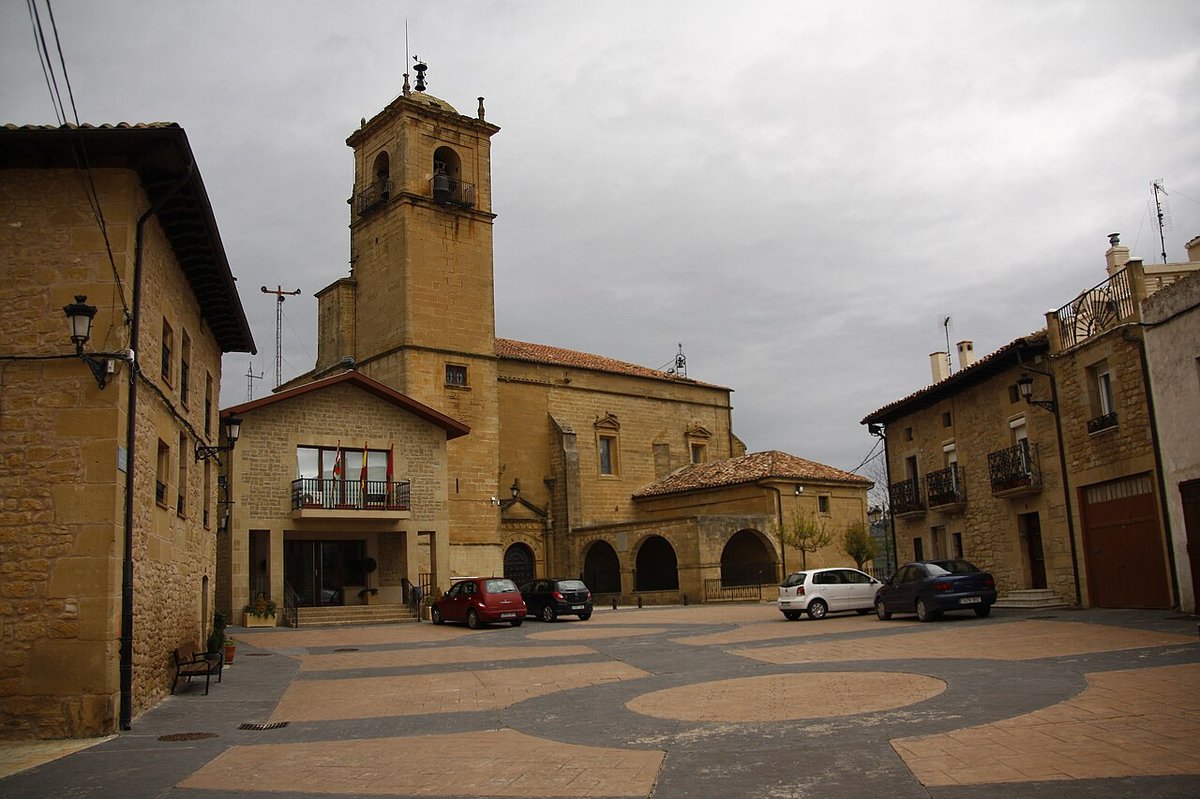
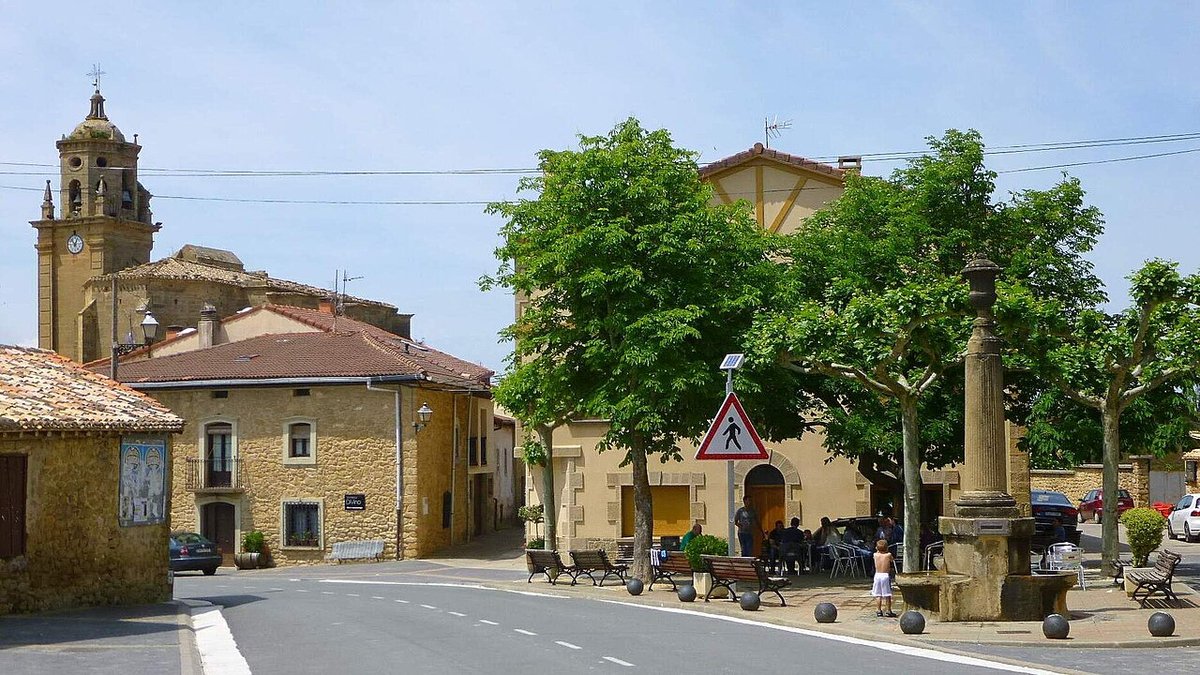
At the centre stands the Church of the Asunción. It does not overwhelm with decoration, yet it has a clear presence. Its Baroque structure contrasts with the otherwise restrained feel of the village.
A slower look reveals small details in the stonework: coats of arms, worn inscriptions, marks left by time. These are the kinds of features that locals may pass every day without a second glance, yet they quietly point to how long this place has existed.
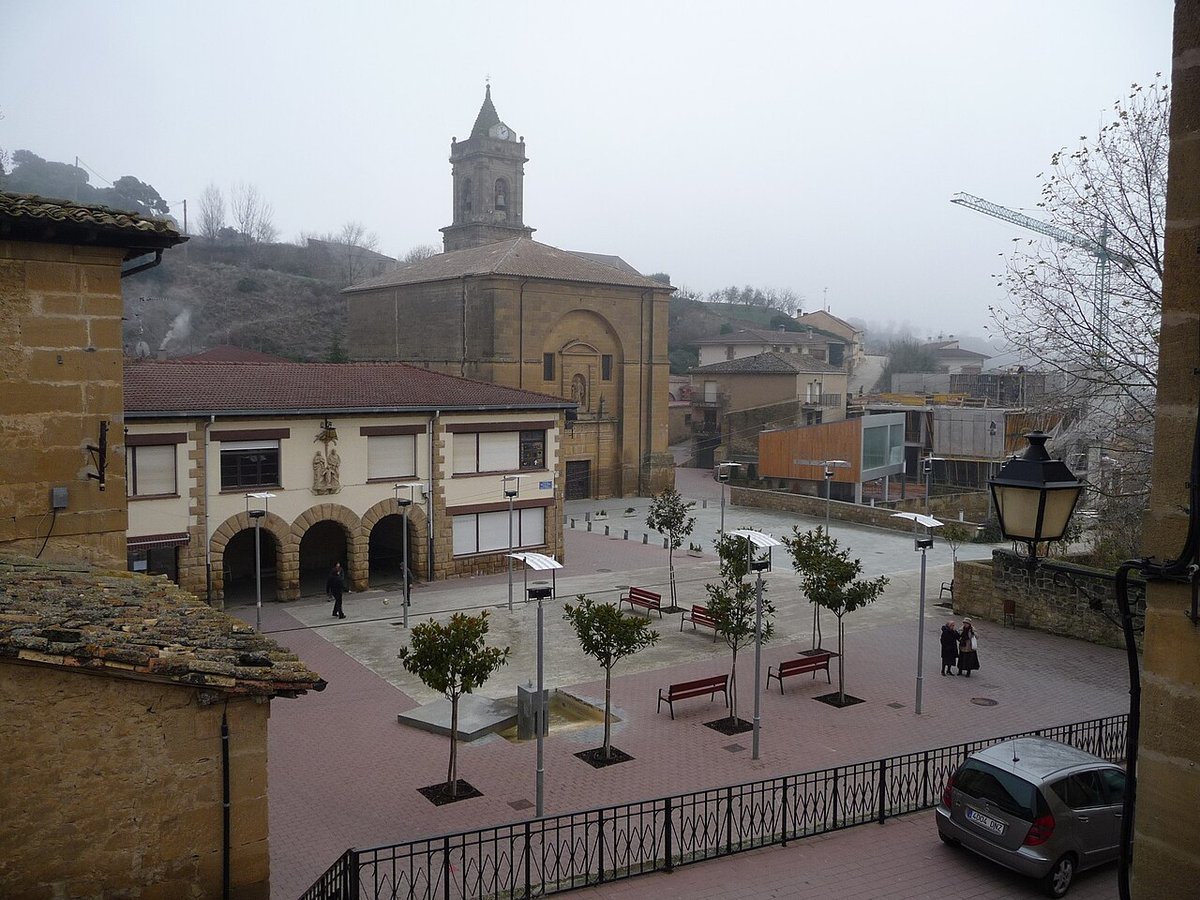
The surrounding streets are short and slightly uneven, shaped by the slope of the land. There is no obvious route to follow. The best approach is simply to wander, choosing whichever street seems inviting at the moment. It is the sort of place where direction matters less than pace.
Beneath the ground: wine and hidden spaces
Underneath Navaridas lies a network that is easy to miss from above. Traditional underground cellars, known locally as calados, have been carved into the rock and earth. Across Rioja Alavesa, these spaces were historically used for making and storing wine, as they maintain a steady temperature throughout the year.
Many of these cellars are decades old, and some likely go back more than a century. They are often owned by local families and are not always open to visitors, but they form an essential part of the village’s hidden landscape. Quiet streets above, a web of old wineries below.
Wine here is not presented as a spectacle. It is part of everyday work. During harvest time, trailers loaded with grapes appear regularly, and tools rest casually in doorways. The connection between village and vineyard is constant, without ceremony.
Walking out into the vineyards
Leave the village and agricultural tracks begin almost immediately. There is nothing designed specifically for tourism: just dirt paths, tractor marks and vineyards stretching as far as the eye can follow.
Walking here is straightforward. There is no need for a marked route. Pick a path and continue between plots of land, with the landscape shifting depending on the season. In autumn, vine leaves turn shades of red and yellow. In winter, the fields become more bare, revealing the shape of the rolling hills.
Conditions can change quickly after rain. Several wet days can turn the ground into thick mud, making a simple walk more challenging than expected. It is not unusual to finish with boots heavily coated.
Even so, the appeal lies in that simplicity. There are no barriers between visitor and landscape, no defined viewpoints, just open farmland and the quiet activity of rural life.
A short stop with a different rhythm
Navaridas works best as a brief stop within a wider route through Rioja Alavesa. This is the kind of place where half an hour, perhaps a little more, is enough to walk the streets, take in the surroundings and then move on.
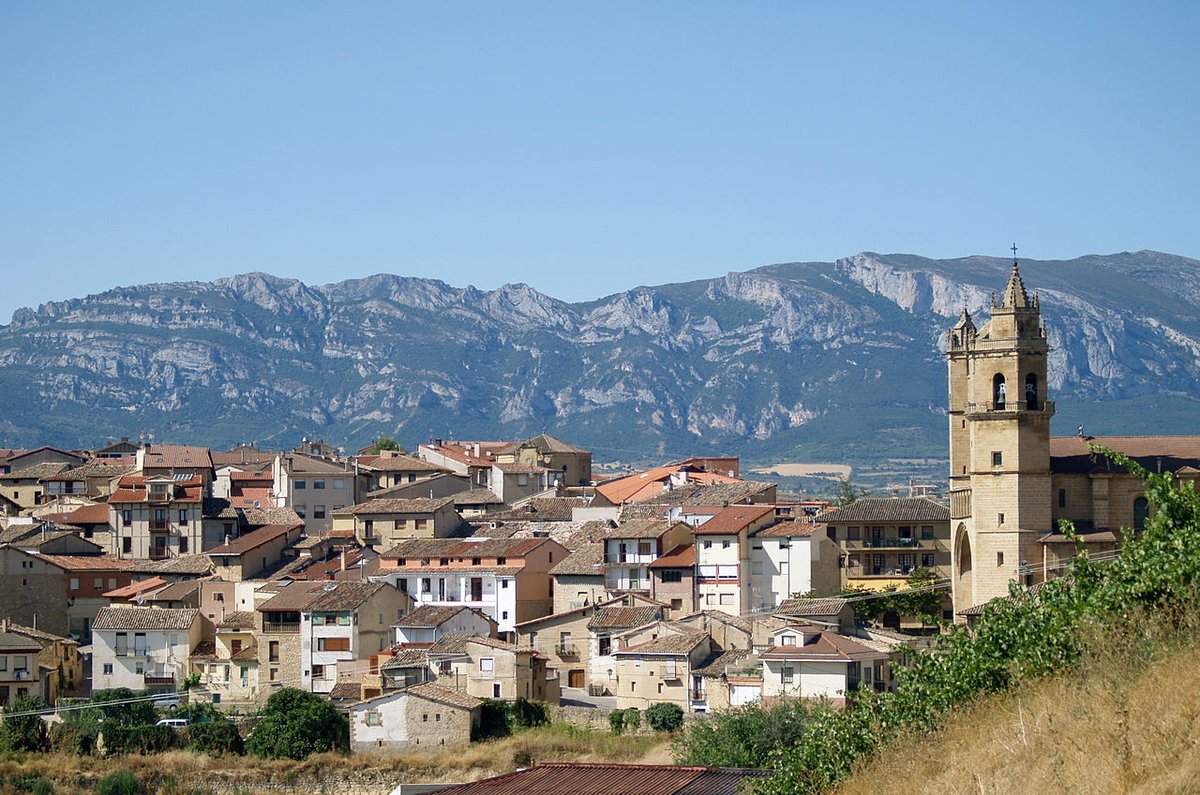
The contrast becomes clear if arriving from nearby towns such as Laguardia or Elciego, which attract far more visitors. Navaridas feels quieter and more everyday. Nothing is staged, and very little is designed to draw attention.
A simple approach suits the place: park the car, stroll through the centre without rushing, follow one of the tracks leading out towards the vineyards, and then continue exploring the region.
Festivities and moments of activity
Although calm defines most days, there are times when the village becomes livelier. Celebrations tend to centre around the feast of the Asunción, held in mid-August. As in many small villages, these are local in character: groups of friends, music in the square and a family-oriented atmosphere.
Another shift comes at the end of the grape harvest, usually between late October and early November. The fields have been cleared, and attention turns towards the early stages of the new wine. It is not something organised for visitors, yet the change in pace can be felt.
In the end, Navaridas is not a destination for ticking off sights. It feels closer to stopping by a friend’s home in the countryside: a short walk, a quiet moment, a look across the surrounding vines. It does not take long to understand how life moves here, and that is precisely the point.