Full Article
about Oion (Oyón)
Vineyards, wineries and stone villages among gentle hills.
Hide article Read full article
A pause on the road to Logroño
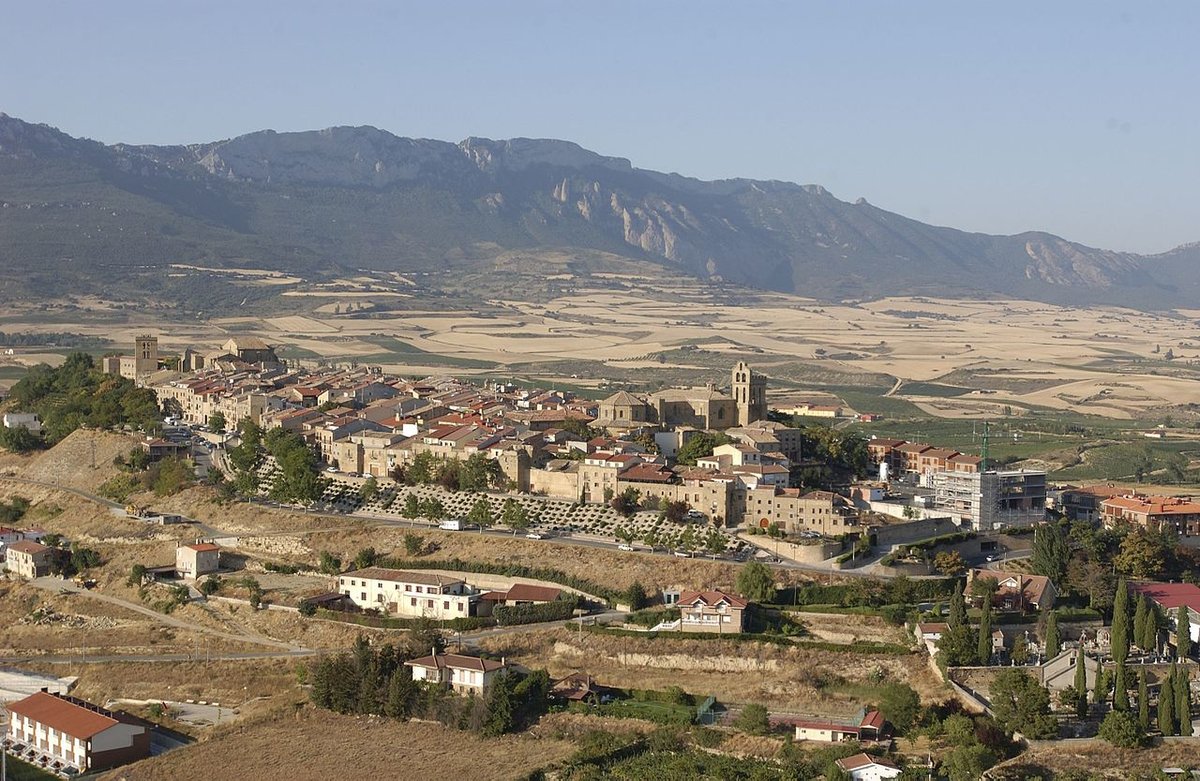
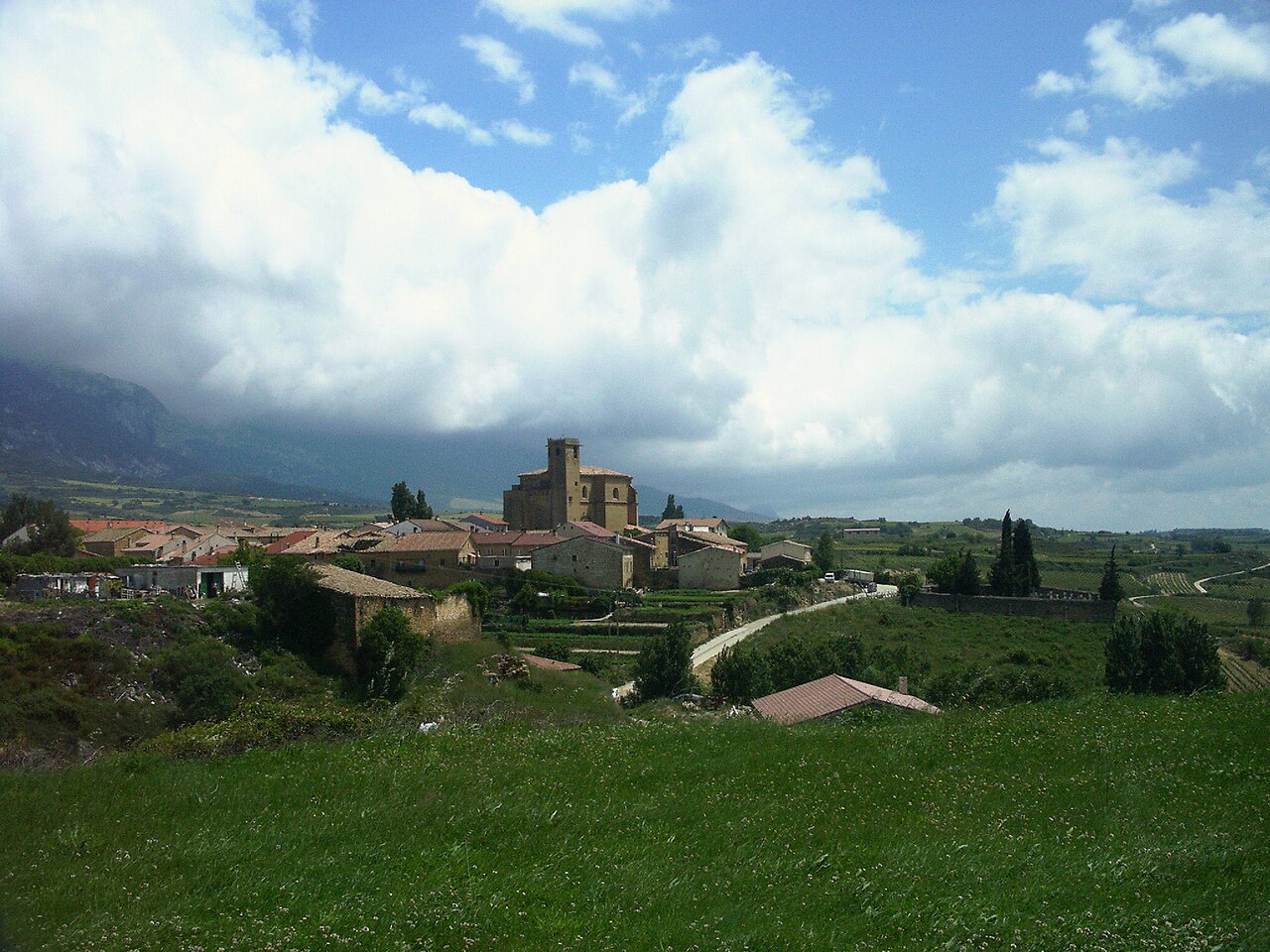
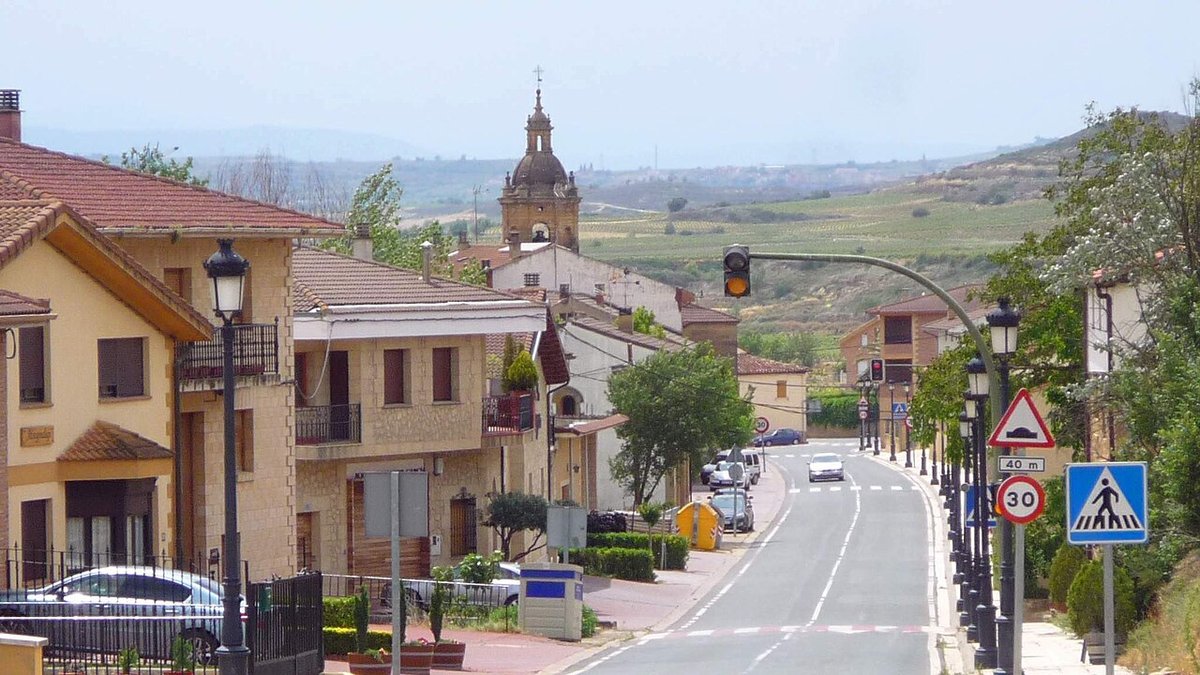
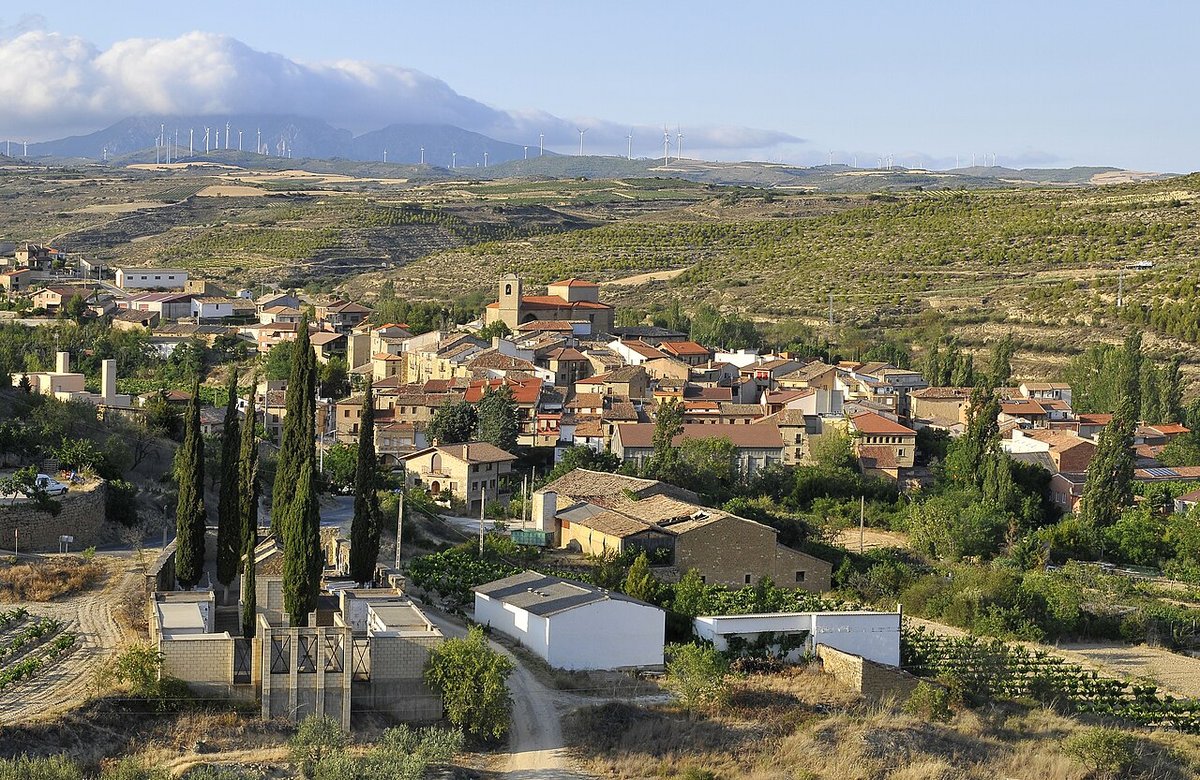
Oion tends to catch people off guard. The A‑124 carries traffic towards Logroño, and the plan is often to keep going. Then the view opens out into a wide valley of vineyards and the town appears, set against a slope. It prompts a quick rethink: slow down, take a look around, check the map. Nothing unusual has happened, you are still in Álava.
That first impression can be misleading. Oion feels calm, almost like a place you pass through, yet it works as an administrative centre for the Rioja Alavesa. For a relatively small town, it carries a surprising share of the region’s activity. It is one of those places where appearances do not quite match the role it plays.
A town that grew by absorbing others
There is a local joke that Oion ended up “swallowing” its neighbours. It comes from a real change in the 1970s, when the municipality incorporated Barriobusto and Labraza. The town’s boundaries expanded quite suddenly, and the story stuck.
Oion appears in written records from the early 12th century, linked to documents from the monastery of Leire. People have been settled here for a long time. Over the centuries, the area saw shifting borders, passing kings and conflicts, much like the rest of this strip between Navarra, La Rioja and Álava.
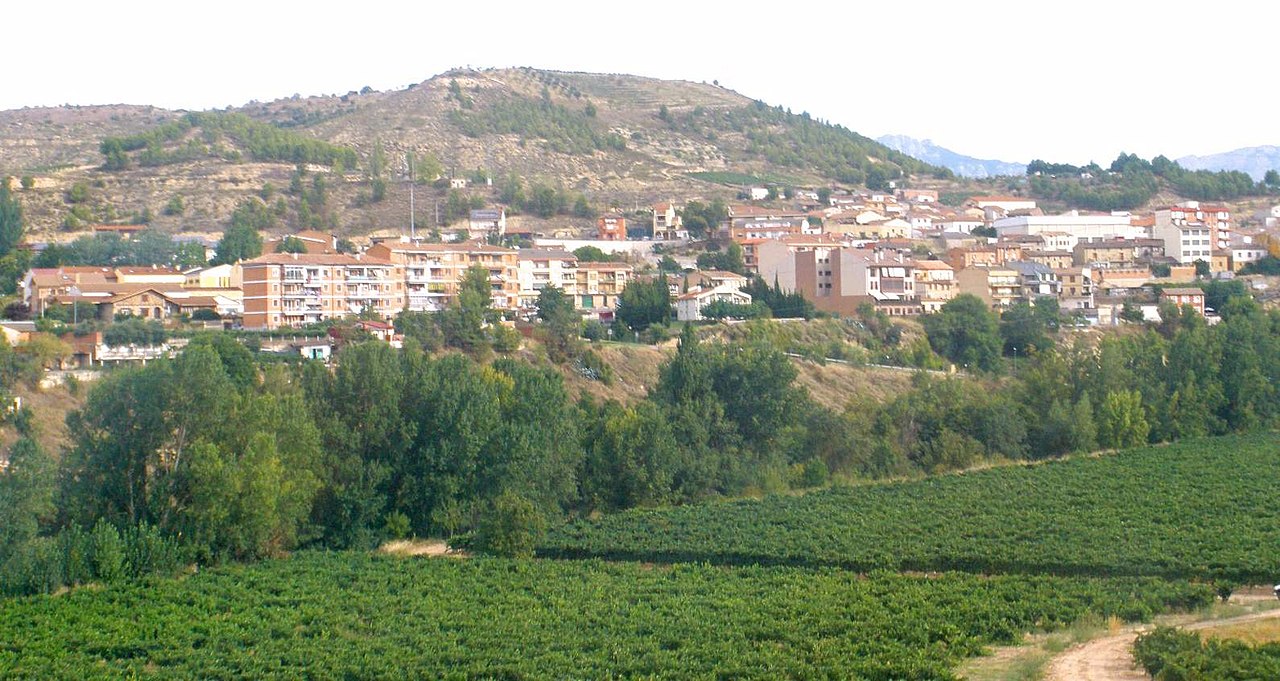
Another detail stands out when looking at the present. For its size, Oion has a high level of economic activity. Local figures often point out that a significant share of Rioja Alavesa’s businesses are registered here. A glance at the map helps explain why. The urban area is surrounded by extensive vineyards, stretching for kilometres in every direction. Wine is not a backdrop. It shapes the rhythm of work for much of the year.
Up to the hill, then back down for lunch
Cerro de la Mota is the kind of spot people climb out of curiosity and end up lingering longer than expected. From the top, the whole town is visible, its streets dropping towards the valley. Beyond it, vineyards spread out and shift colour with the seasons. On a clear day, Logroño can be picked out in the distance.
The walk up from the centre is straightforward. It takes around twenty minutes at an easy pace. No special preparation is needed, and it does not feel like a demanding outing. It works well as a short break before sitting down to eat, which is something taken seriously in this part of Álava.
There is also a small marked route nearby, the PR‑A 84. It loops through part of the municipality, passing pine woods and agricultural tracks. This is not a mountain trail. It is better thought of as a relaxed walk, the kind where conversation carries on while tractors pass and work continues in the vineyards.
When January changes everything
The pace of the town shifts completely during the festivals of San Vicente and San Anastasio in January. At that time of year, Oion becomes far more animated. Dancers appear with castanets, keeping a tradition that goes back centuries. As evening arrives, the toro de fuego runs through the streets, a typical feature of many local festivals in Spain. The Katxi also makes an appearance, adding another distinctive element.
The Katxi is not a recent invention. References to this character appear in documents dating back at least to the 17th century. It is a singular figure within the celebrations, one that makes more sense when seen in person than explained in advance.
Summer brings its own festivities, with a more relaxed atmosphere and milder weather. Even so, January has a particular pull. It draws people outdoors despite the cold, and the sense of shared celebration fills the streets.
Walking the town without overthinking it
Oion is easy to explore. Arriving in the morning and parking in the upper part of town is enough to get started. From there, everything can be covered on foot without much planning.
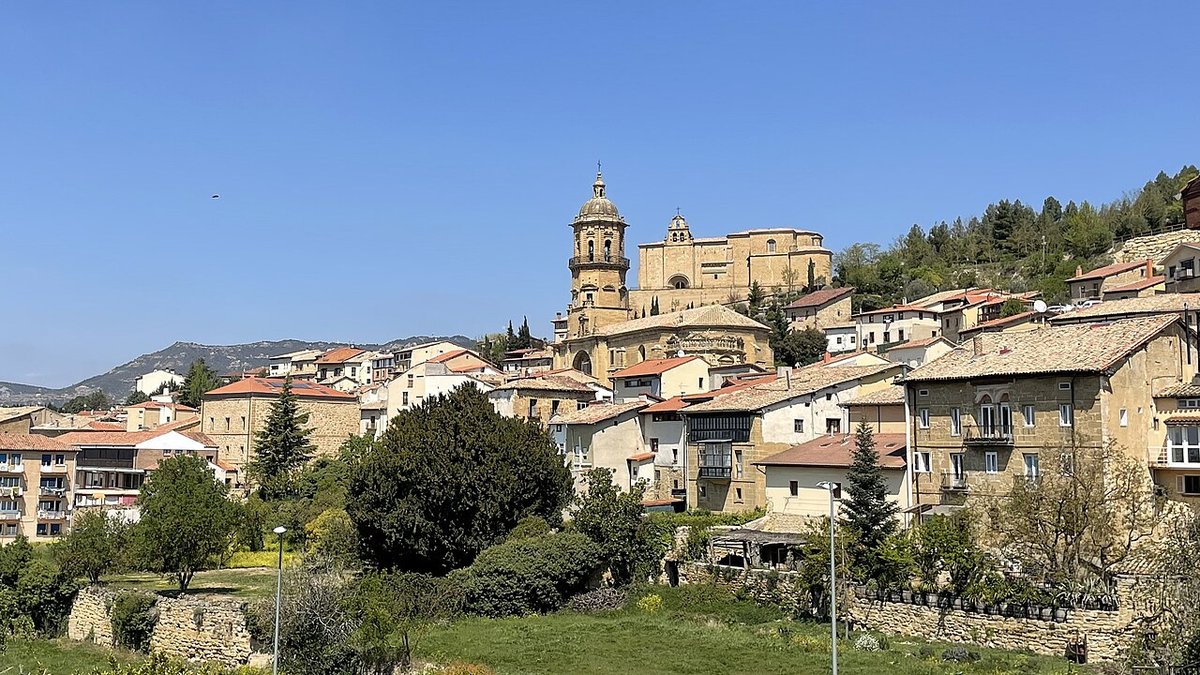
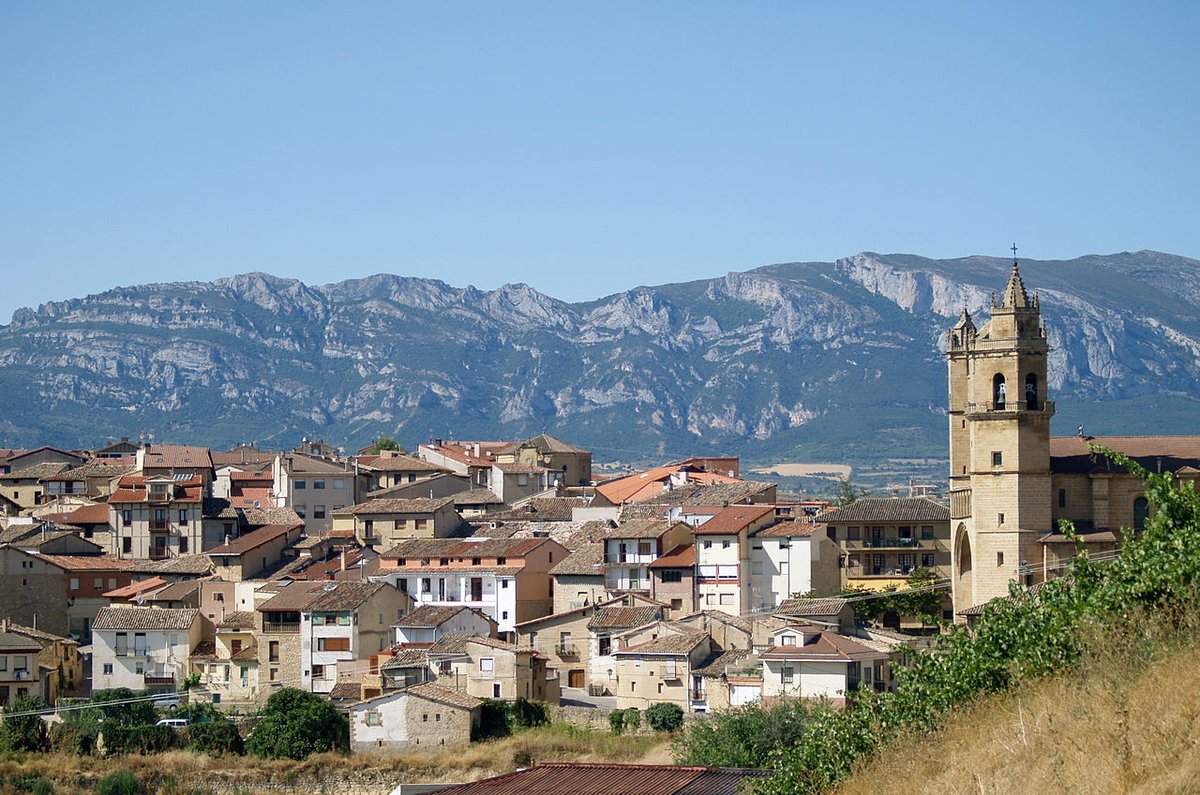
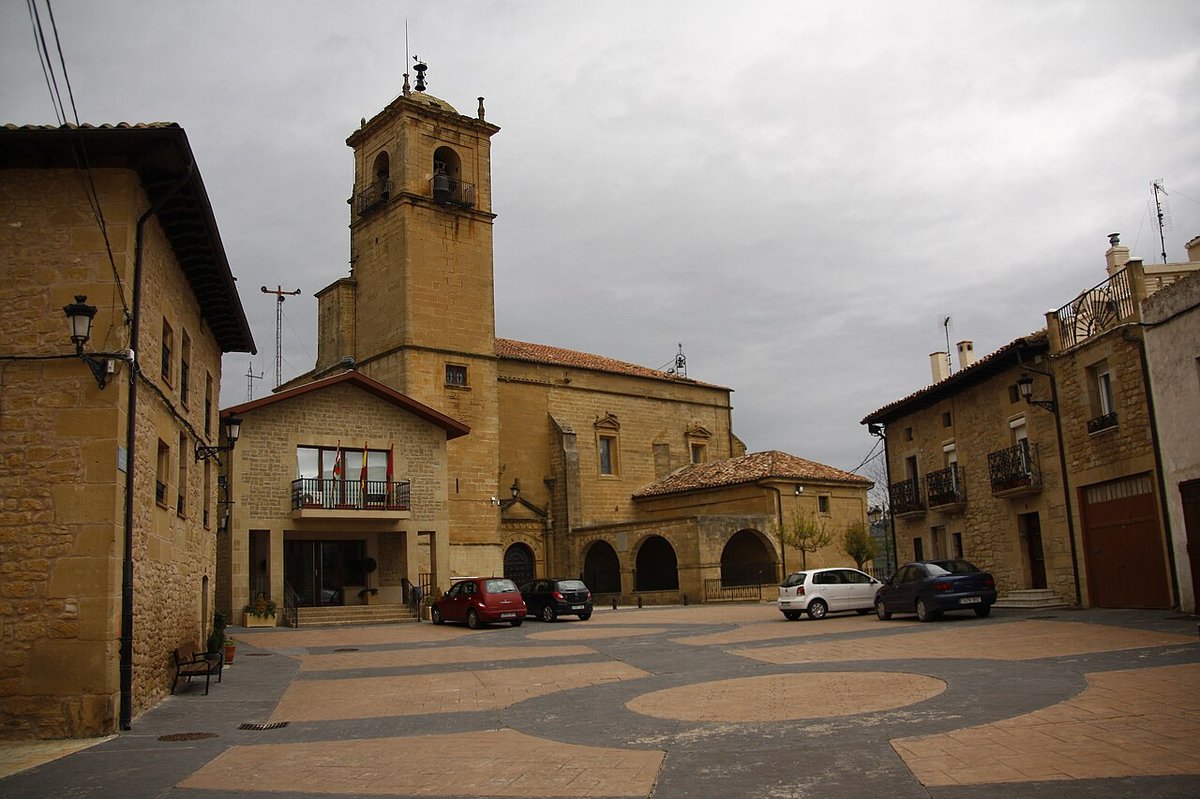
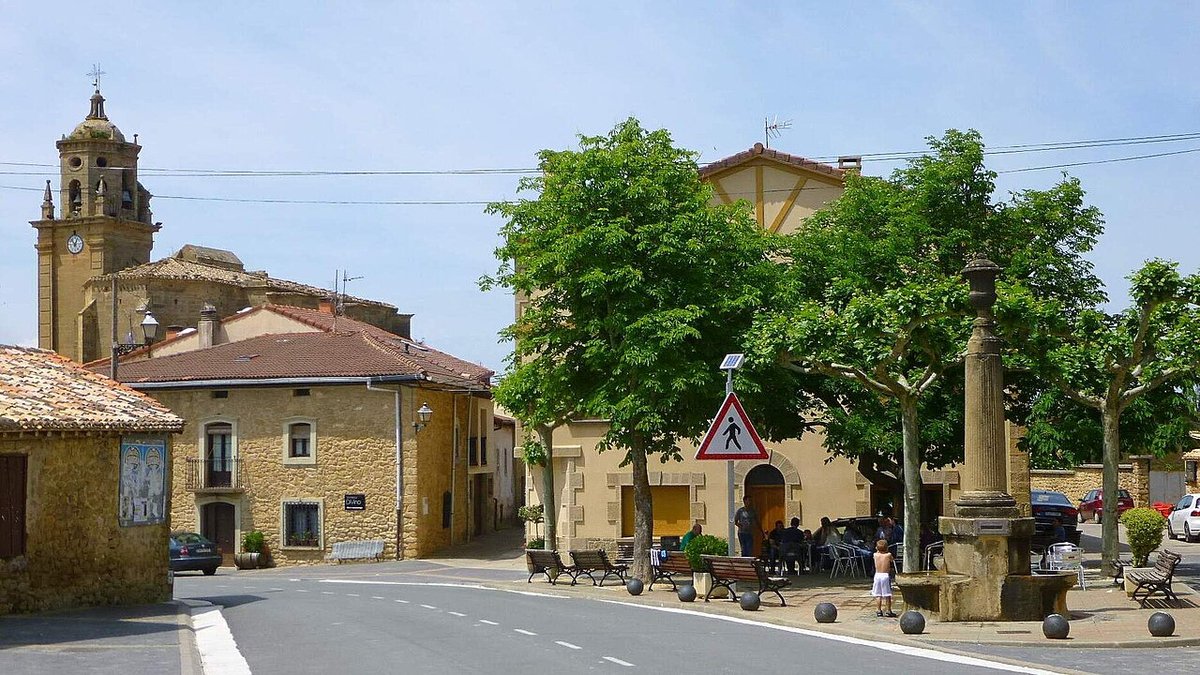
Calle Mayor holds a large part of the historic centre. The tower of the church of Santa María stands out, topped by a weather vane often referred to as the “giralda riojana”. It can be seen from several points around town, acting as a visual reference as you move through the streets.
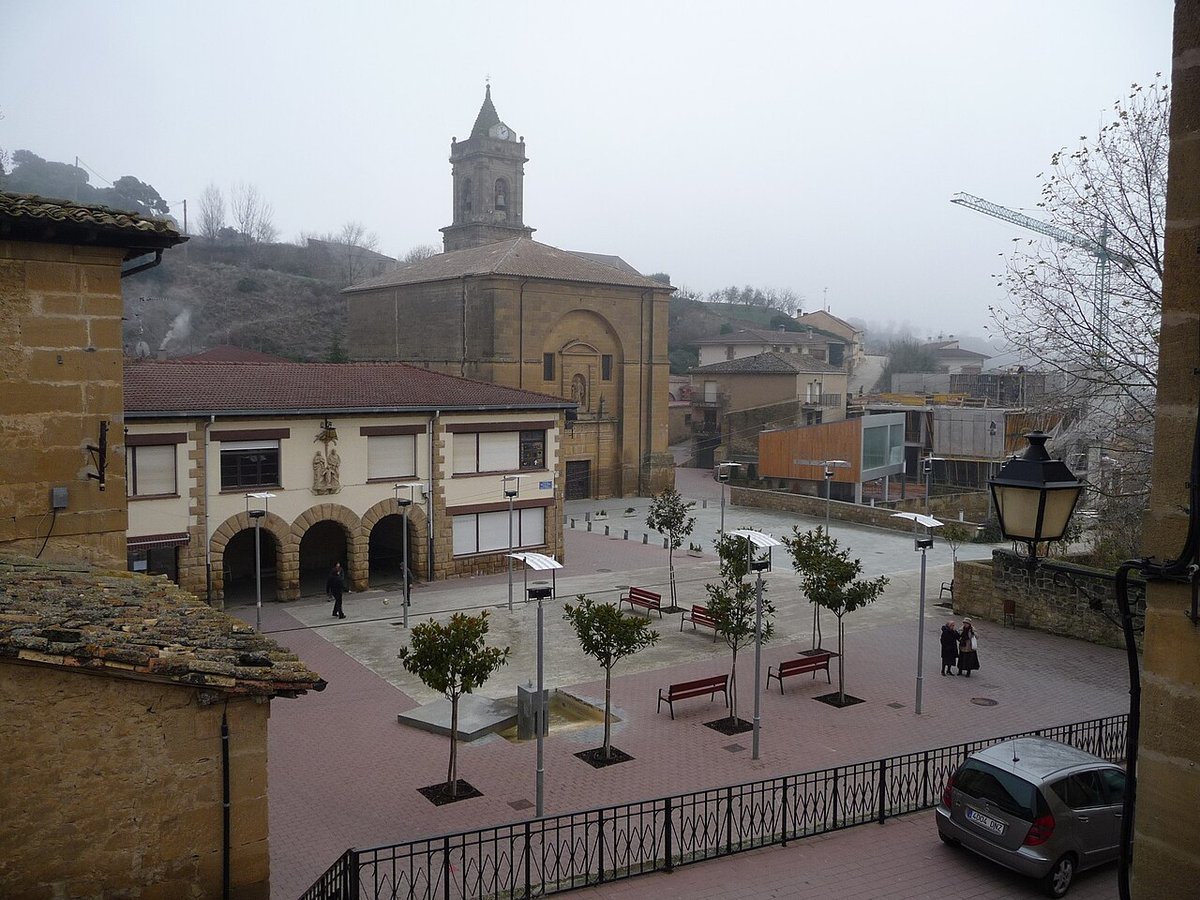
The layout encourages a relaxed wander. There are slopes, small squares, and stone houses that give a clear sense of the place in under an hour. It does not take long to get oriented.
There is no need to stretch the visit for the sake of it. Oion works best without a tight schedule. A short walk through the centre, some time on the hill, and a slow meal are enough to settle into the pace of the area. Watching how the light shifts over the vineyards becomes part of the experience.
There is no pressure to turn it into a checklist. A simple plan, a walk, and a glass of Rioja Alavesa can be all it takes.