Full Article
about Samaniego
Vineyards, wineries and stone villages among gentle hills.
Hide article Read full article
A Village That Wakes Slowly
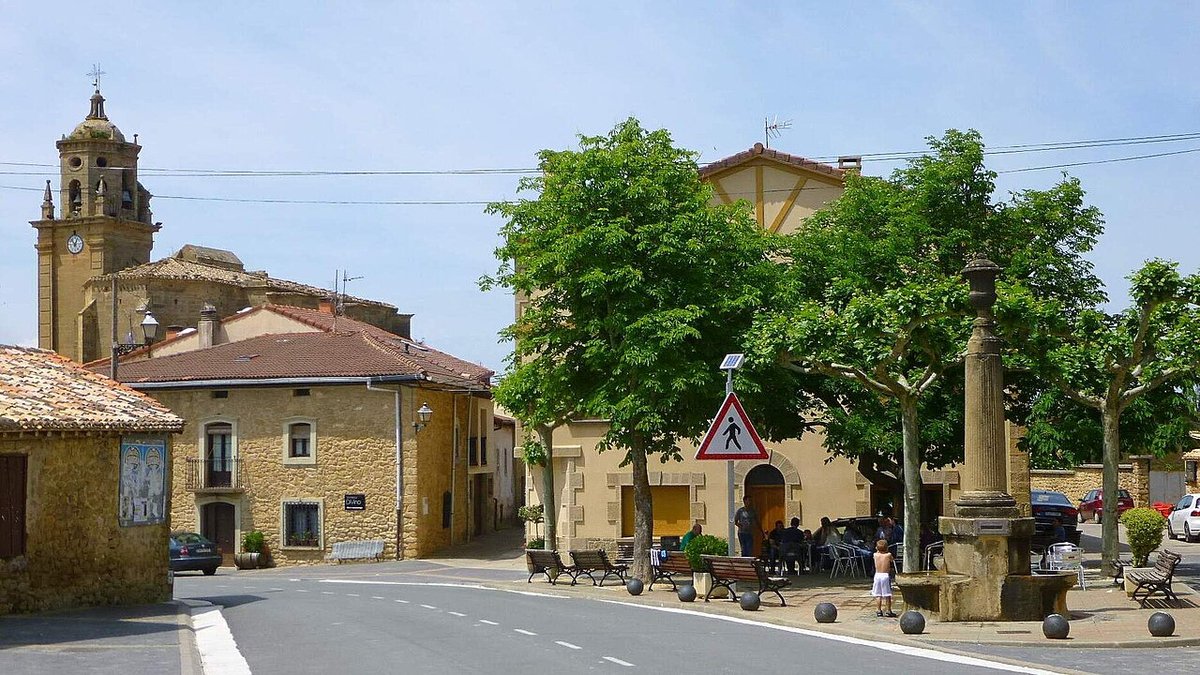
The first thing often heard when stepping out of the car in Samaniego is the wind brushing through the vines. Early in the day there is barely any movement. Pale stone façades still hold on to the night’s shadow, and the village seems to wake gradually, marked by the opening of a window or the echo of footsteps along a quiet street.
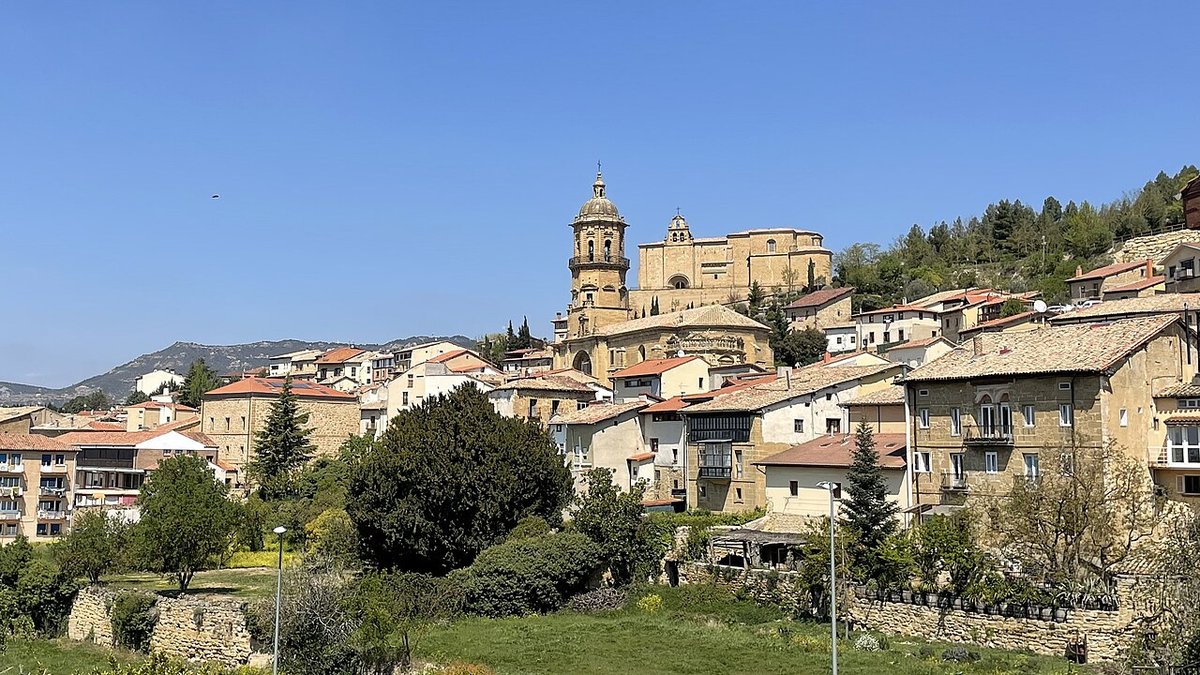
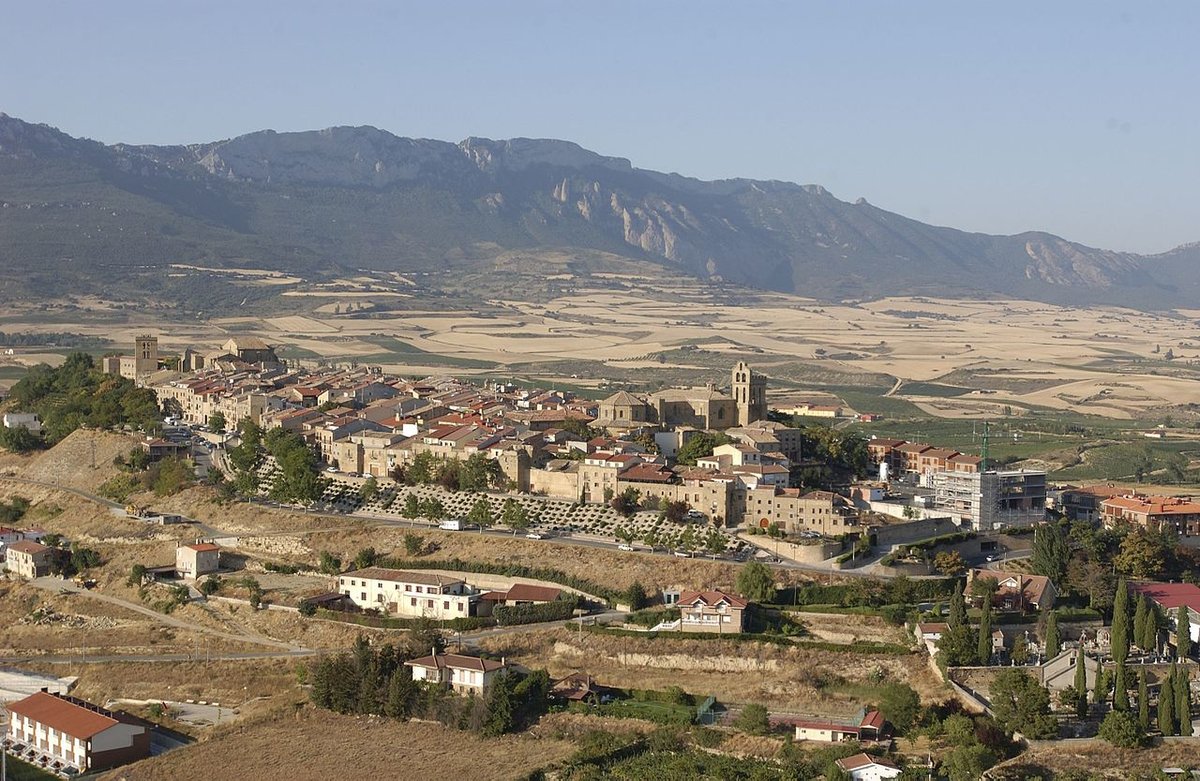
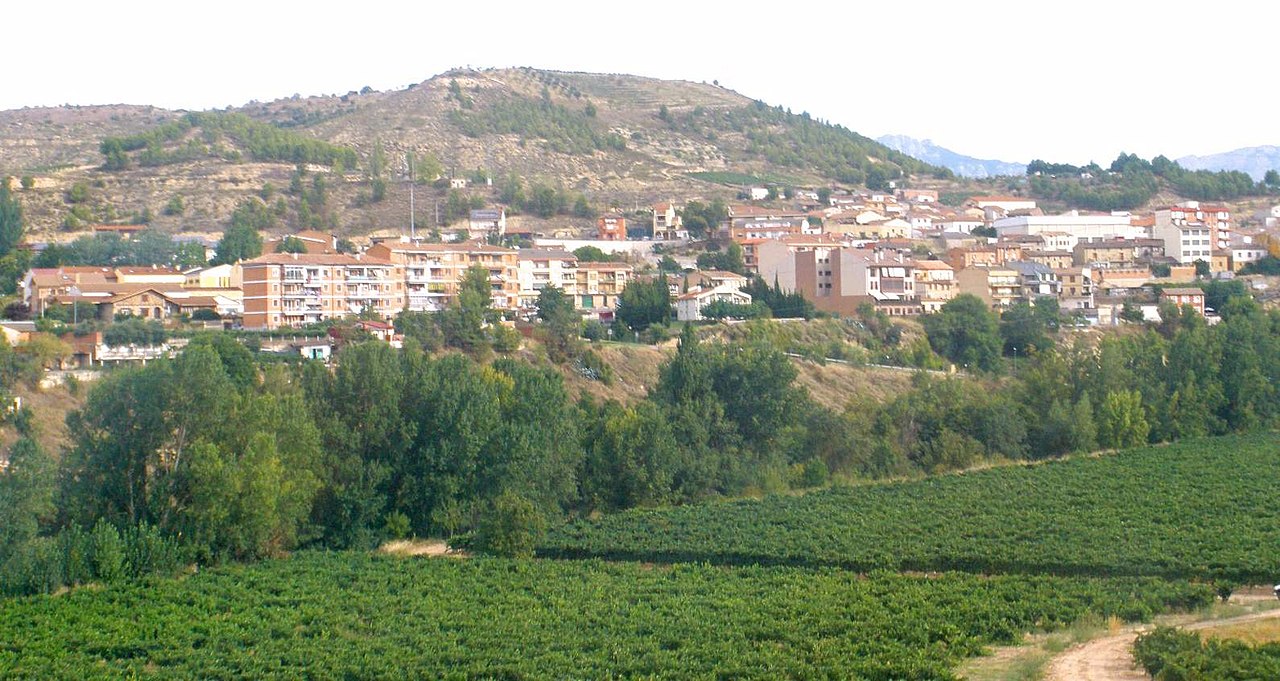
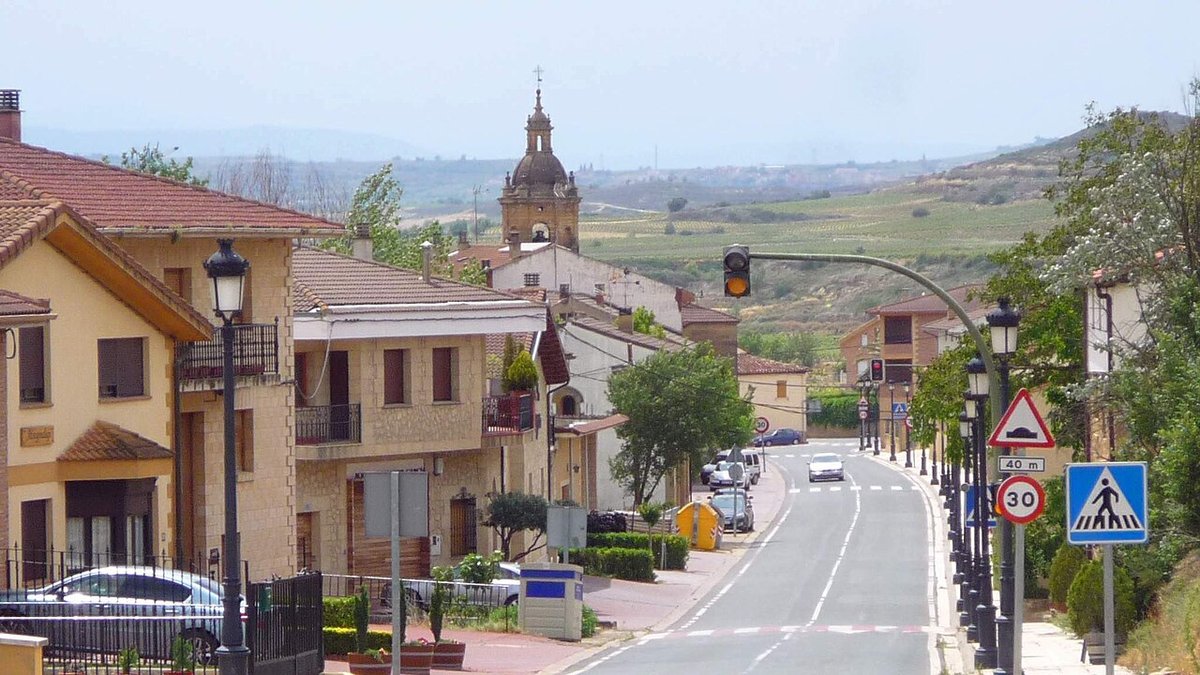
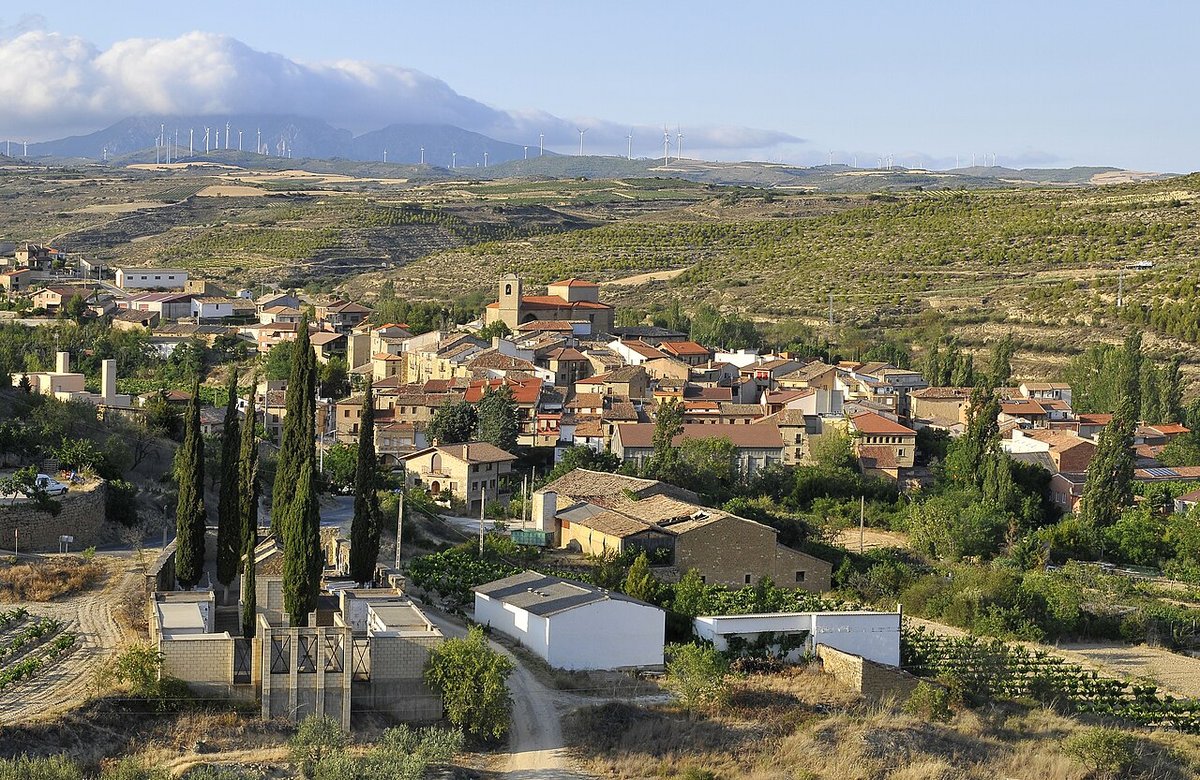
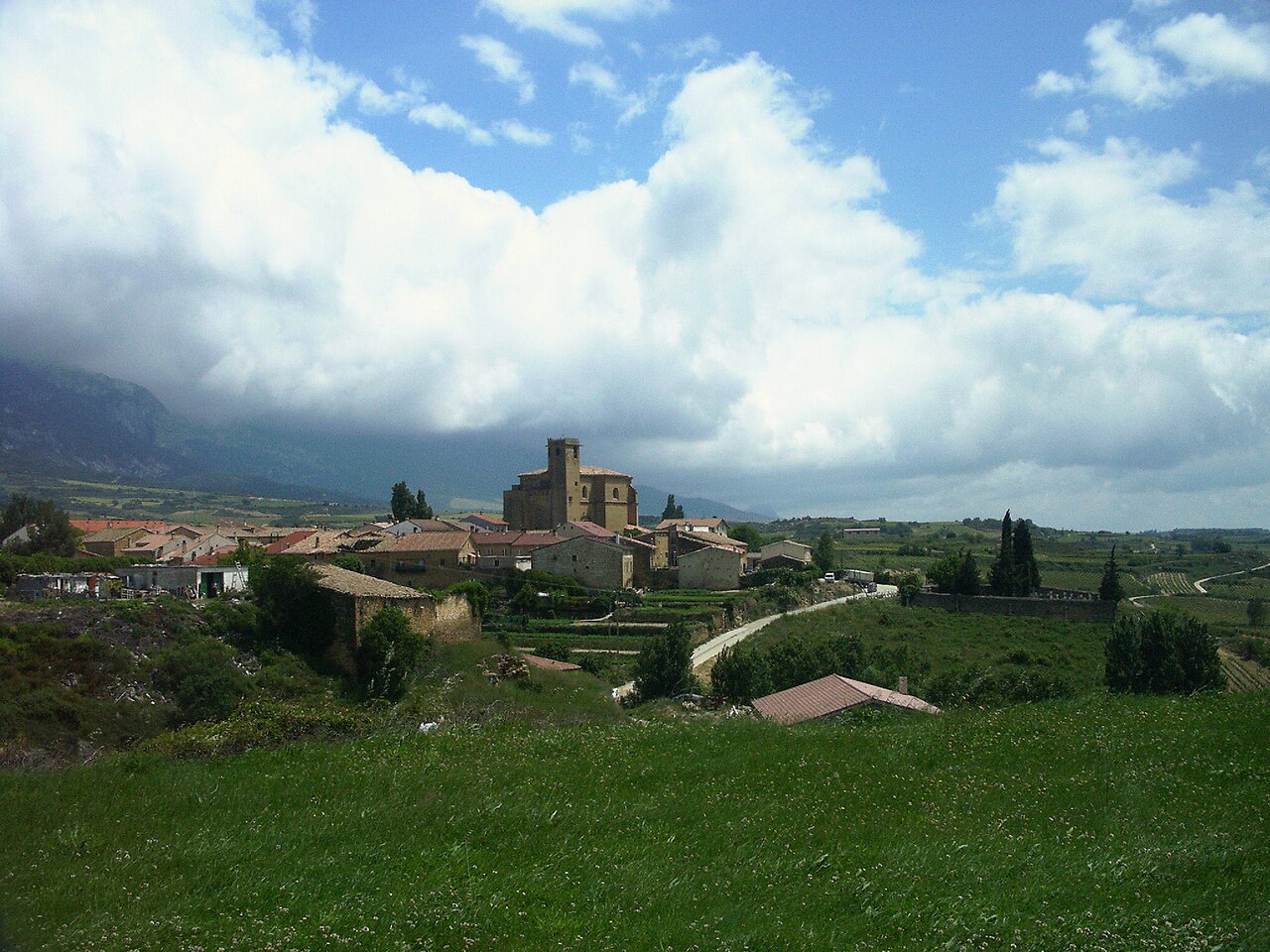
Tourism in Samaniego revolves around the same element that has sustained the village for centuries: the vineyard. In every direction there are rows of vines and agricultural tracks stretching out towards the Sierra de Toloño. The stone used in the houses carries a sandy tone that shifts noticeably with the light. In the morning it appears a soft grey, while towards evening it warms into something closer to gold.
Stone Streets and the Church of the Asunción
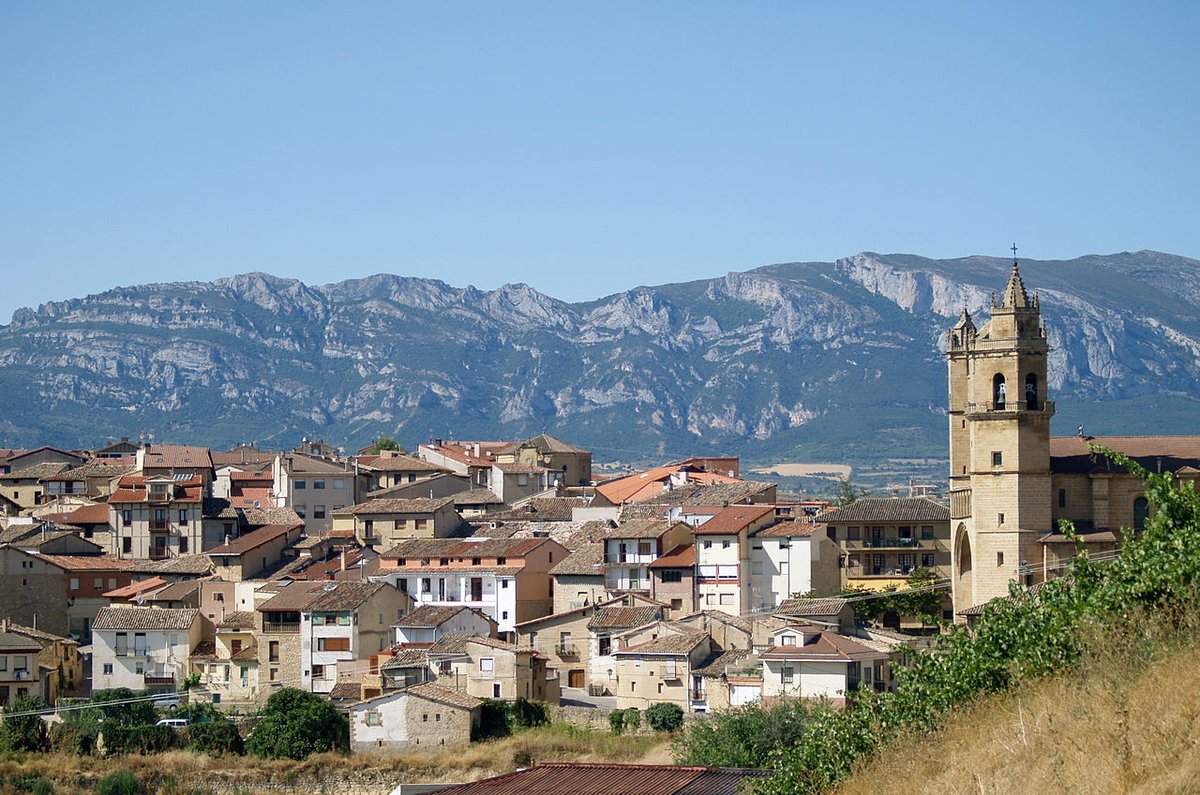
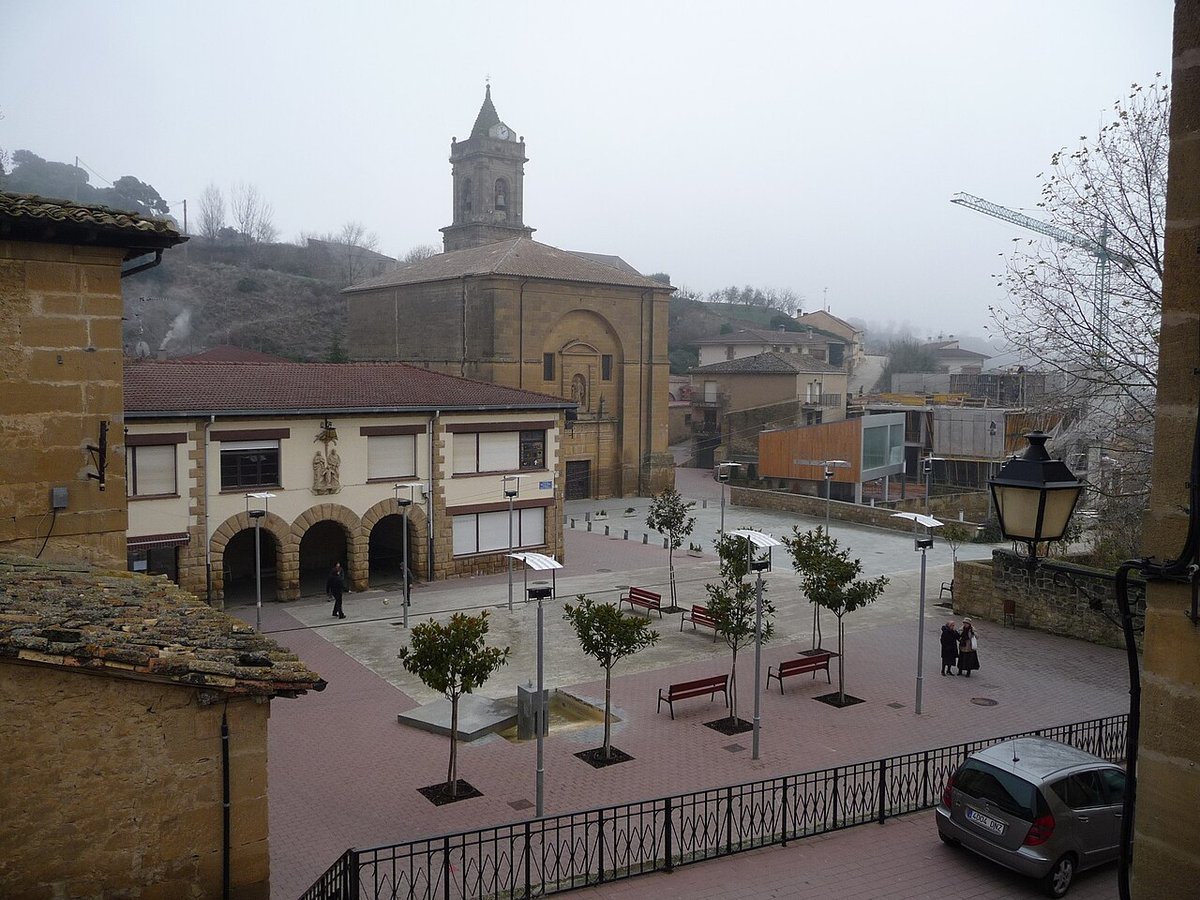
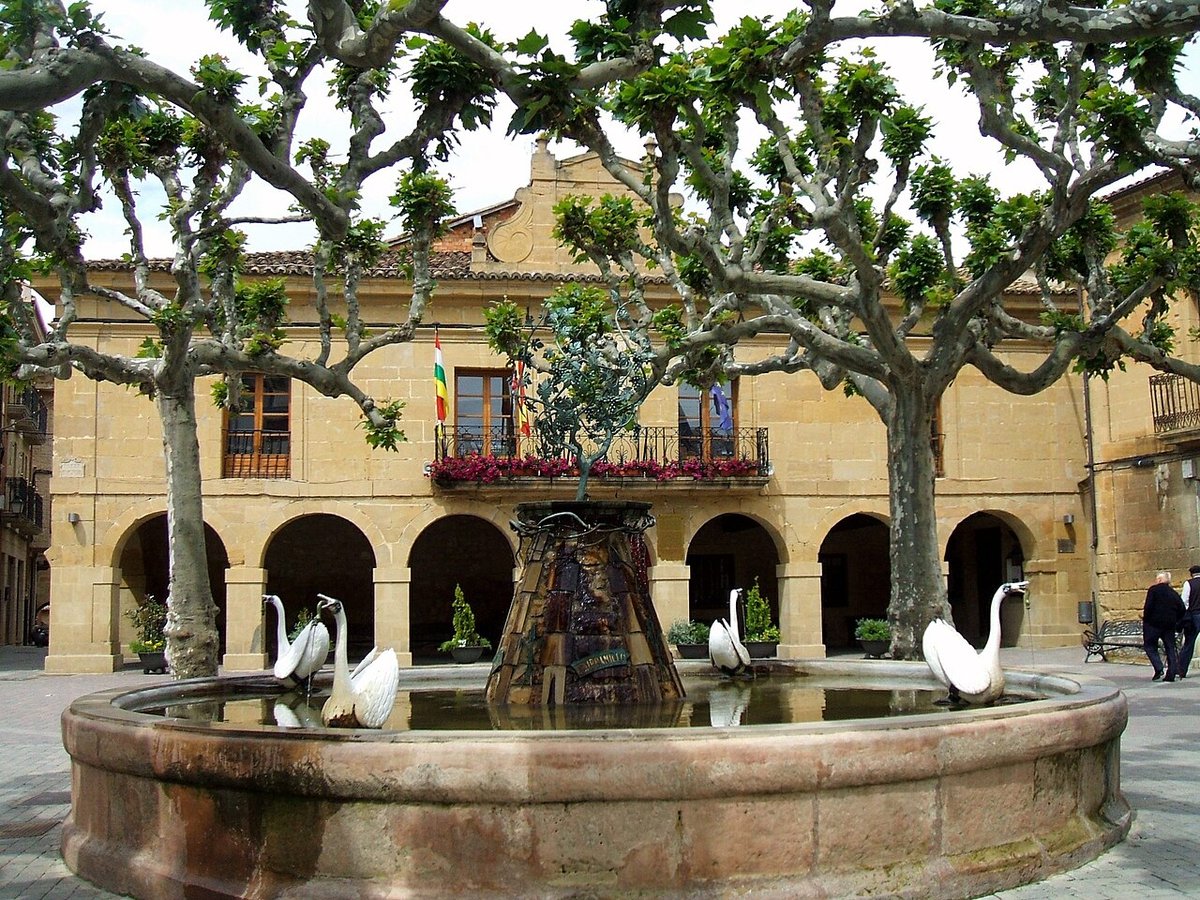
The centre of the village is compact and easily covered on foot. There are only a handful of streets, some with a gentle incline, lined with stone houses that still display carved coats of arms and dark iron balconies. It is worth walking slowly and looking upwards. Many façades bear old dates or worn inscriptions that can easily go unnoticed when passing through in a hurry.
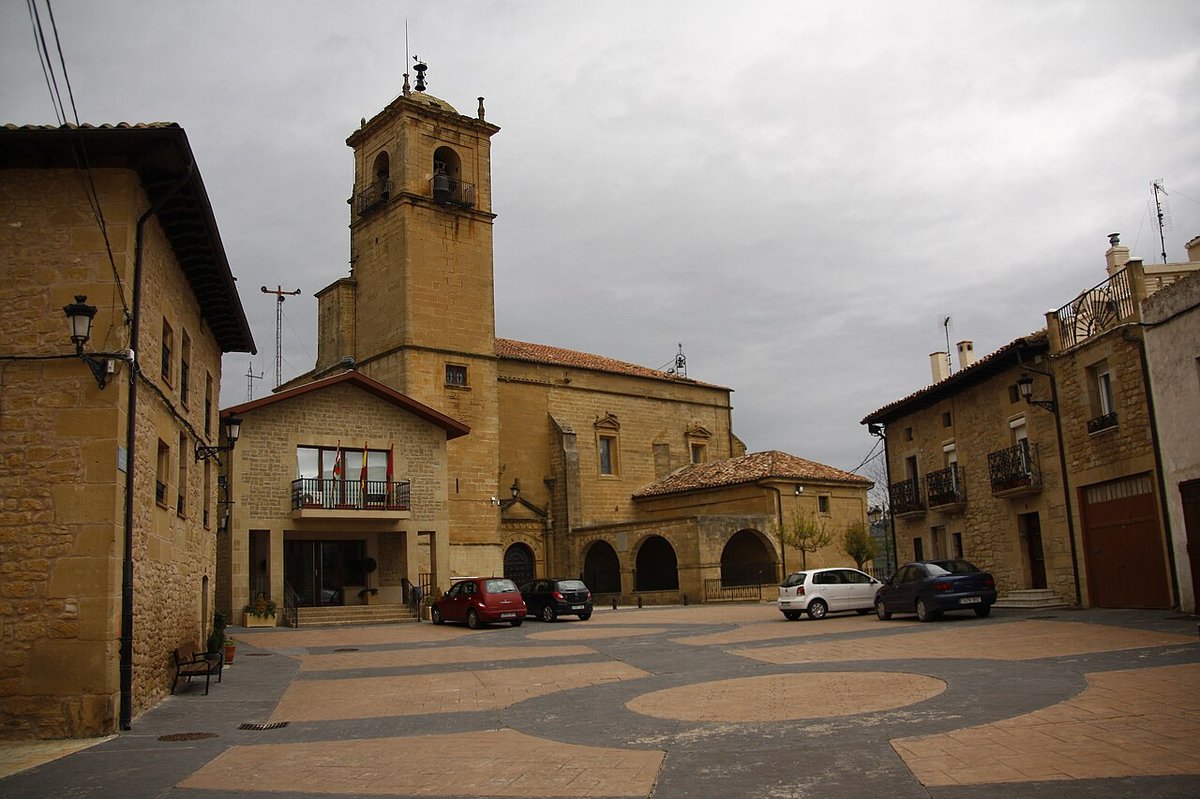
At the heart of Samaniego stands the church of the Asunción, its square tower visible even from the nearby vineyards. Much of the current building dates from the early modern period, though it has undergone later alterations. Inside, the light filters softly through the windows and settles on wooden pews and the cool stone floor. The scent is a mix of wax, damp and aged dust, a combination commonly found in churches across this part of northern Spain.
Tracks Through the Vineyards
The agricultural paths begin almost immediately at the edge of the village. There is no need to go far. Within a few minutes, the houses fall behind and the landscape opens into rows of vines planted in reddish soil.
The Sierra de Toloño defines the horizon. As the sun lowers, the mountain’s shadow slowly moves across the plots, and the colour of the leaves shifts almost minute by minute.
These paths also link Samaniego with other villages in Rioja Alavesa, such as Leza and Labastida. Locals use them regularly for work in the fields, so encountering tractors along the way is common. After rainfall, the mud tends to cling stubbornly to shoes, something worth keeping in mind if heading out for a walk.
Wine as Everyday Life
Wine is part of daily life in Samaniego rather than an occasional attraction. Within the municipality there are several bodegas, some family-run and others larger in scale, many connected to the Rioja Alavesa designation.
Some of these bodegas organise visits and tastings, usually arranged in advance. During the harvest, which generally takes place between September and October, activity increases along the tracks and the smell of grape must can be noticed in different parts of the village.
The most common grape varieties here include tempranillo, graciano and maturana tinta. Around the table, conversations often turn to harvests, rainfall or how that year’s vintage has turned out. These topics are woven into everyday life rather than reserved for specialists.
Seasons and Atmosphere
Towards the end of summer, the atmosphere shifts noticeably. Traditionally, the village festivities take place around August, and the streets become livelier than usual.
For a quieter view of Samaniego, early morning works well for most of the year. In July and August, the heat can be intense at midday, especially if walking along vineyard paths where there is very little shade.
Autumn brings a darker, more reddish tone to the landscape. It is one of the times when the vineyard shows its strongest contrasts in colour, with subtle variations appearing across the fields as the season progresses.
Moving Around and Taking It In
Samaniego is small enough to explore on foot, which is also the most practical way to experience it. Some streets are narrow, and traffic is usually limited to residents or agricultural vehicles.
If heading out towards the vineyard tracks, it is best to leave the car somewhere that does not block access for tractors. Many of the entrances to the plots are narrower than they appear from the road.
There is also value in wandering without a fixed plan. Some of the most interesting details are easy to miss: a carved stone on a corner, a coat of arms nearly worn away by time, or the quiet that settles over the streets as evening approaches.