Full Article
about Villabuena (Villabuena de Álava)
Vineyards, wineries and stone villages among gentle hills.
Ocultar artículo Leer artículo completo
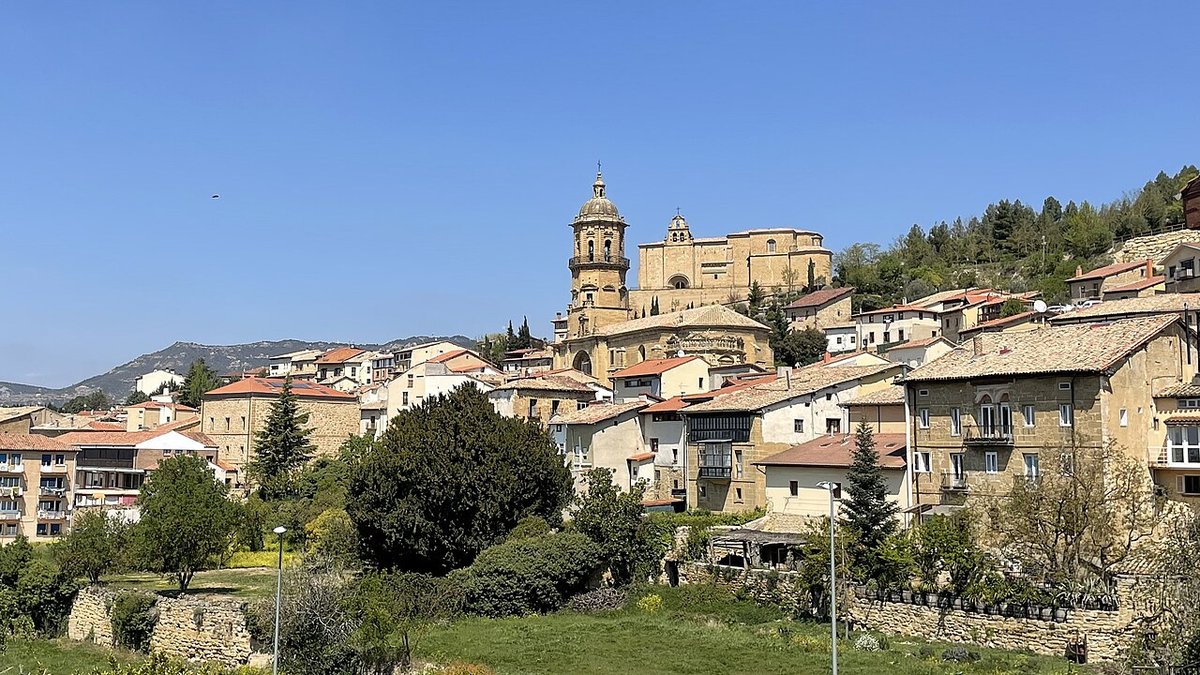
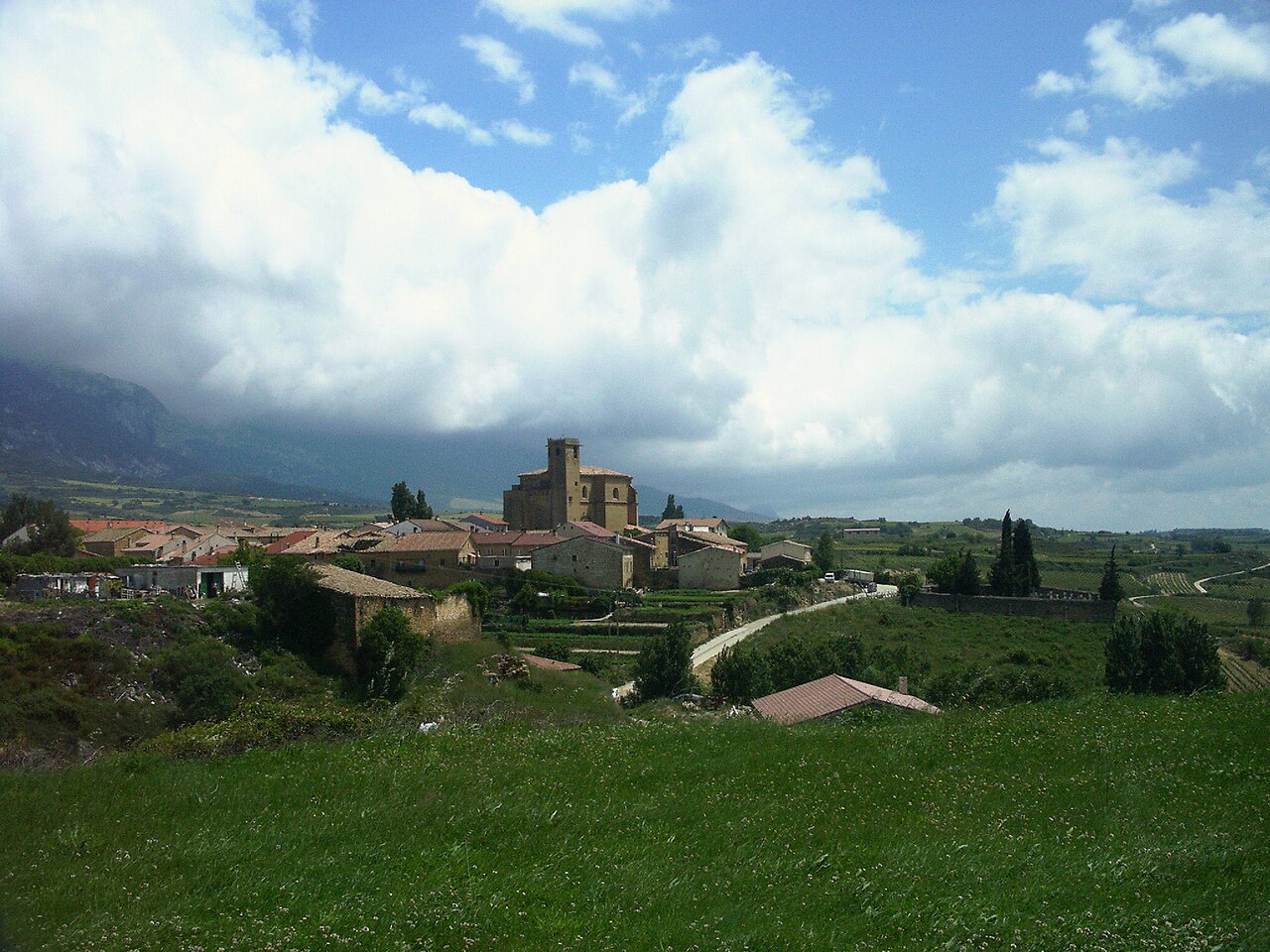
The first clue is altitude. At 520 m the air thins just enough to make a morning stroll feel brisk, even in May. The second clue is silence: no tractors until the dew lifts, only church bells and the soft clink of pruning shears somewhere below the stone wall. Villabuena de Álava sits on the topmost ripple of Rioja Alavesa, the Basque slice of Spain’s most famous wine region, and it behaves like a place that knows the world looks elsewhere for glamour.
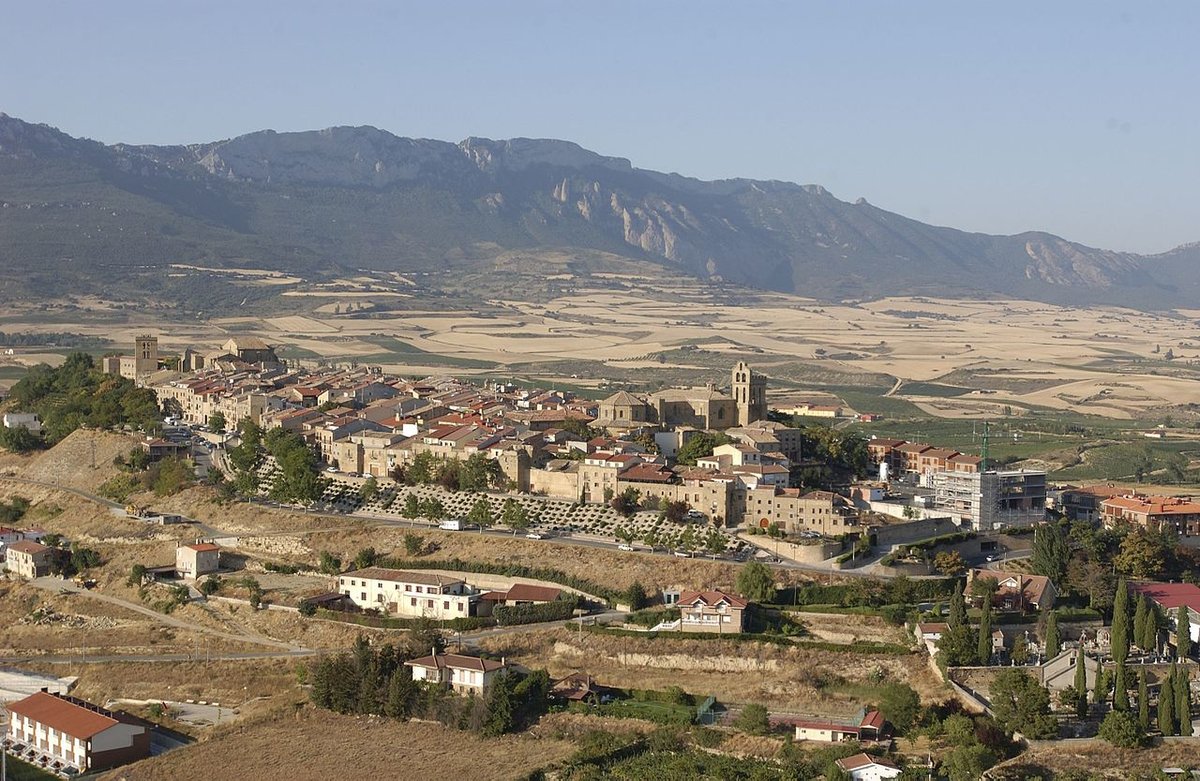
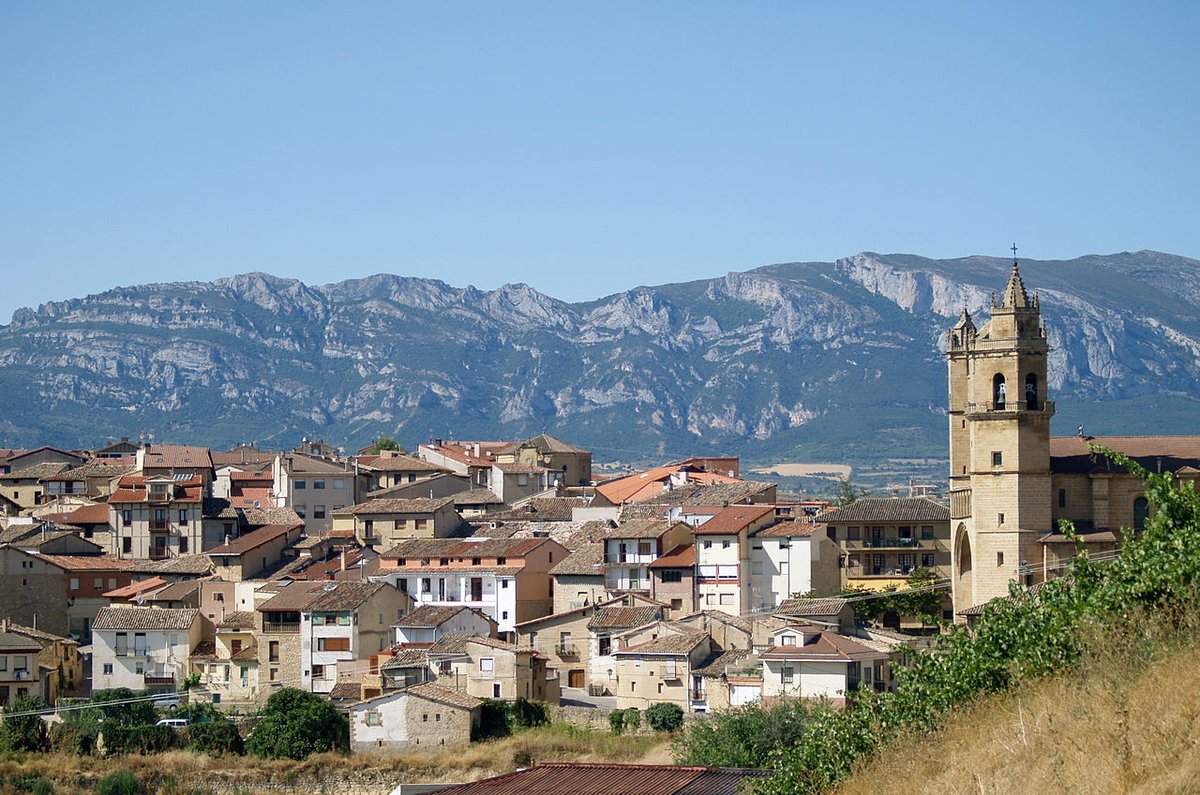
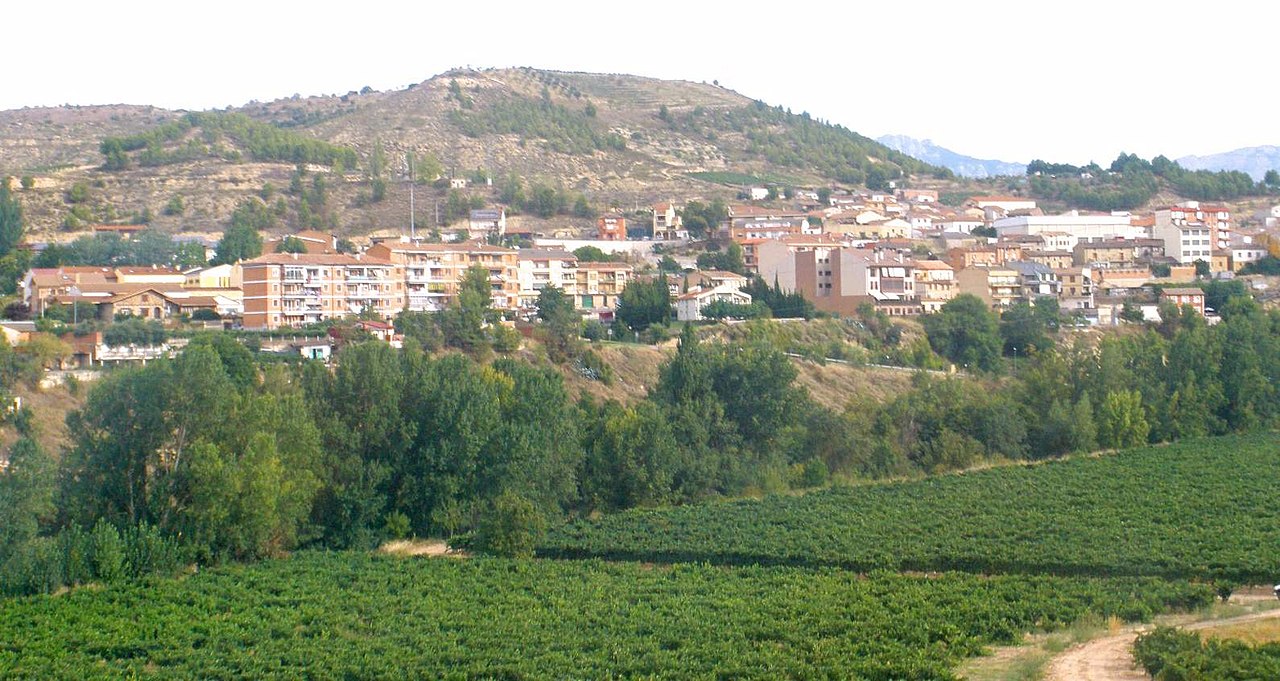
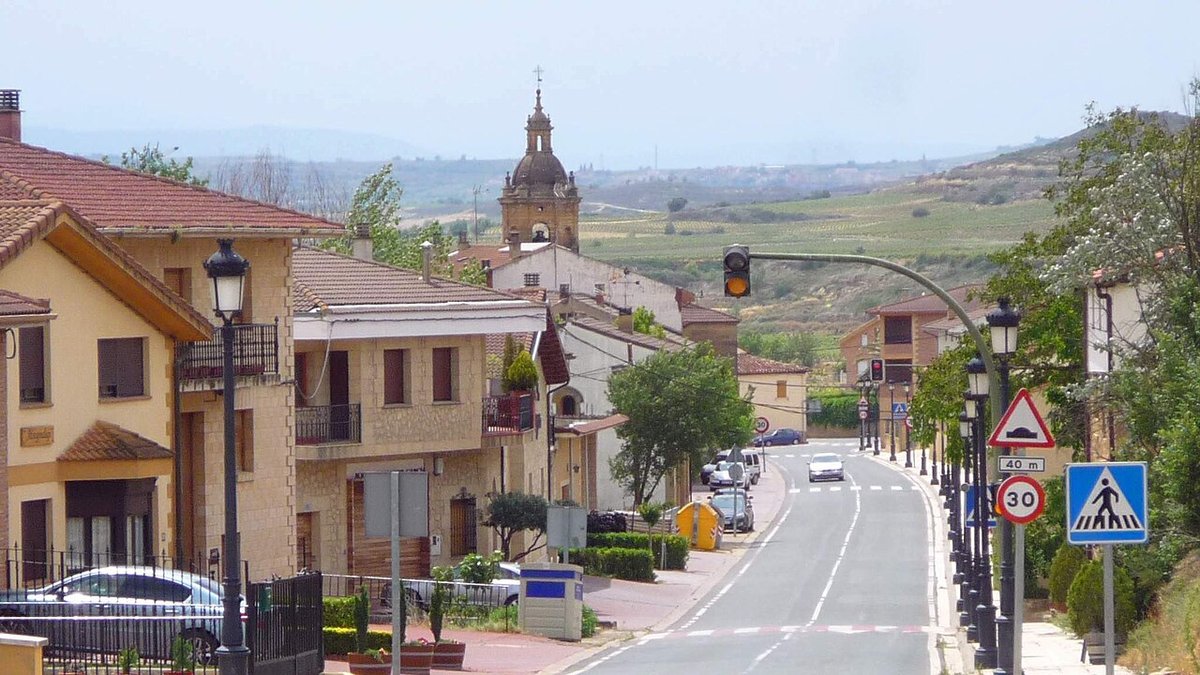
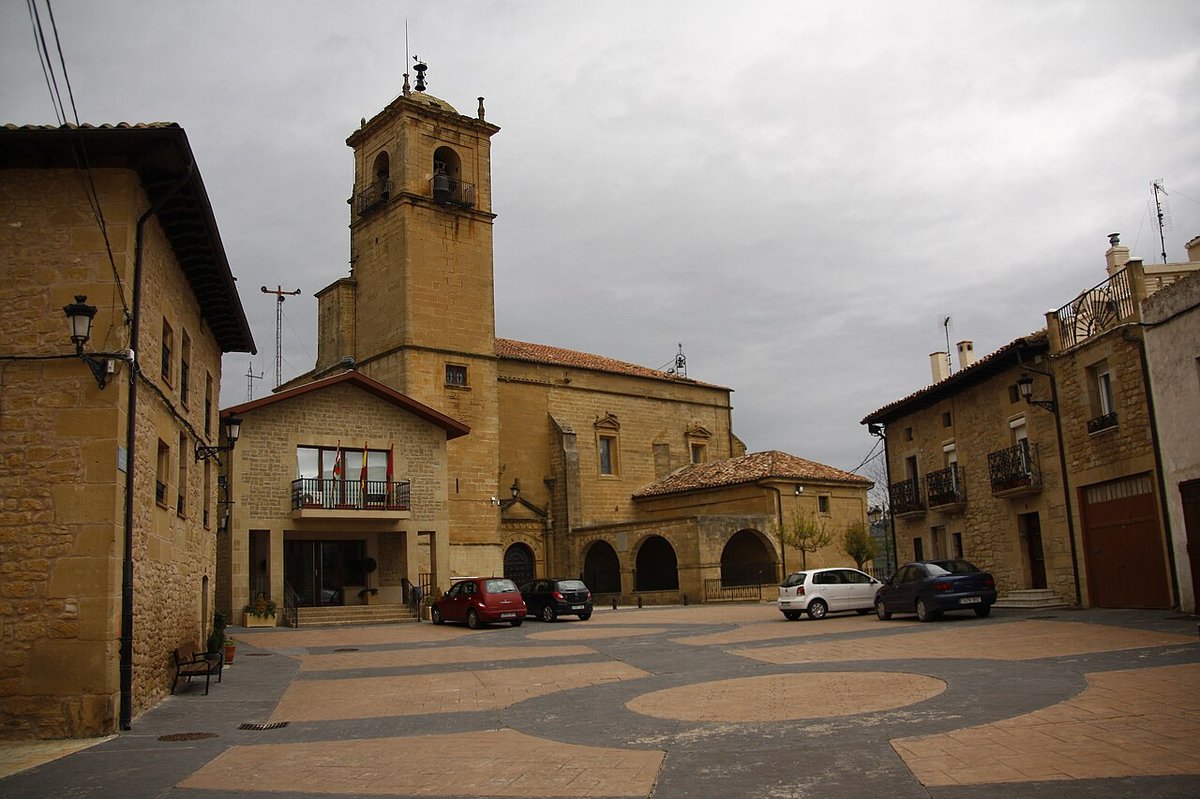
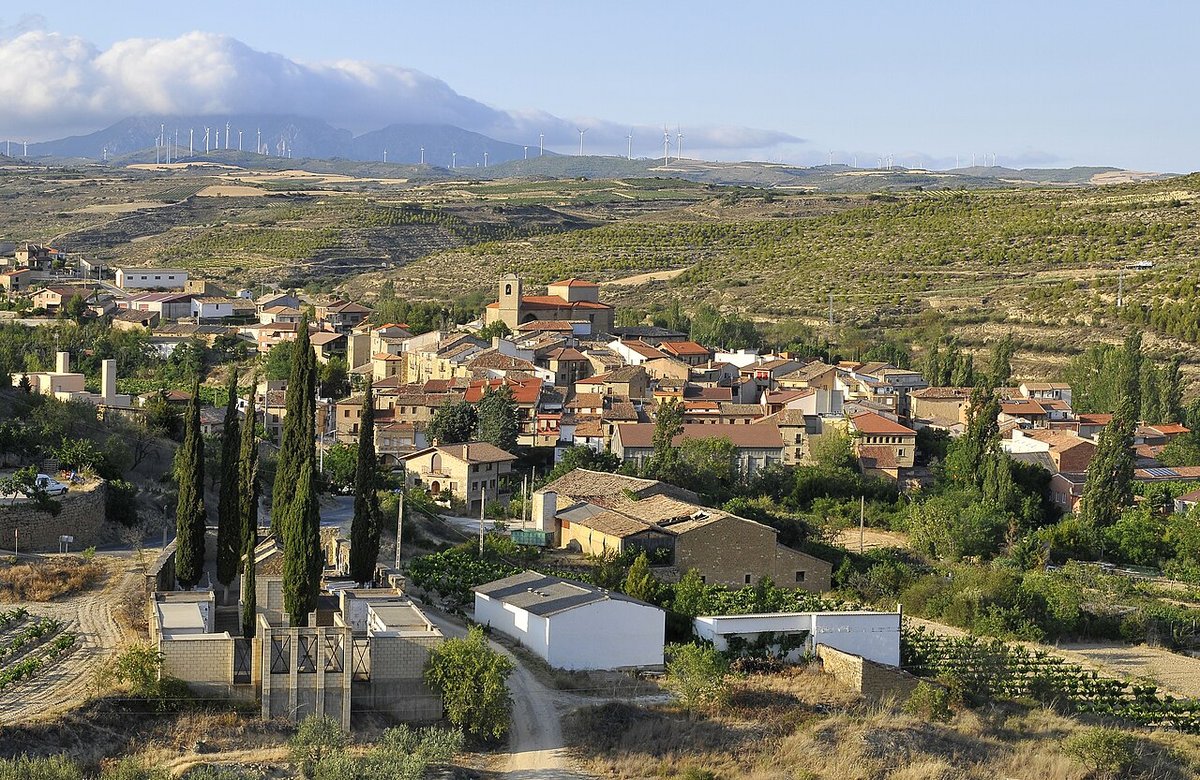
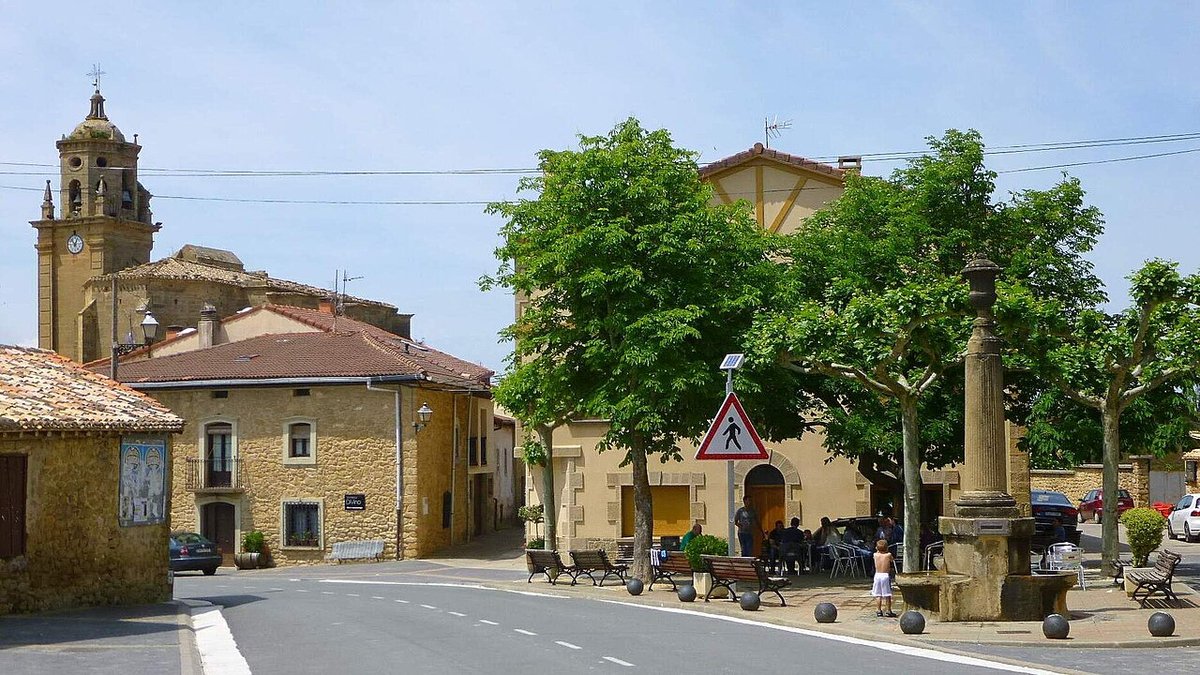
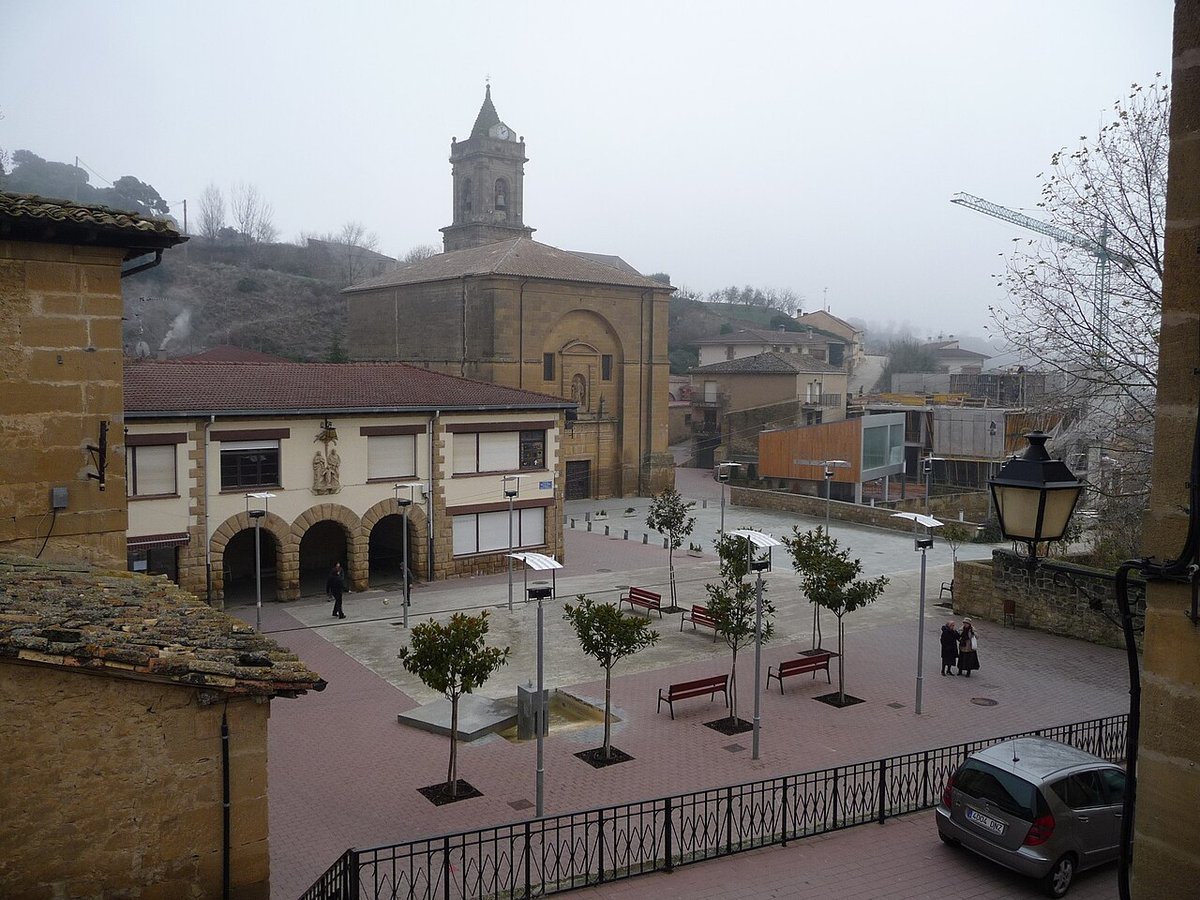
From the plaza the village runs two streets north and three streets south before surrendering to vineyard. Houses are built from biscuit-coloured limestone that turns honey-gold at dusk; vines climb right to the doorsteps, held back only by shin-high walls. There is no grand castle, no cathedral, no selfie-ready viewpoint—just a 16th-century church, a fronton court where locals still play pelota every evening, and 1,200 ha of Tempranillo that smell of lavender and iron after rain.
A wine town that refuses to perform
Tour buses prefer neighbouring Laguardia with its medieval tunnels, so Villabuena keeps weekday mornings to itself. Bodegas Amaren and Luis Cañas both open for tastings inside 18th-century manor houses, but you must book by phone the day before; walk-ins are politely turned away. Once inside you realise the cellars are working factories—stainless-steel vats humming, forklift beeps echoing—rather than theme-park sets. The upside is honesty: the person pouring the 30 € vertical flight is usually the same chemist who blended it. Ask about the 2017 frost and you’ll get graphs, not adjectives.
Evenings centre on the Hotel Viura, a stack of tilted white cubes that looks like a Jenga tower frozen mid-collapse. Non-guests can ride the glass lift to the roof for a 6 € glass of crianza and a sunset that turns the Sierra Cantabria mauve. Down in the kitchen the pigeon arrives with a date-and-fig reduction—sweet enough to convert the most sceptical British palate—while the chuletón (1 kg bone-in rib-eye) is designed for sharing and priced at 45 € for two. Vegetarians survive on roasted piquillo peppers stuffed with Idiazabal; it appears on every menu, so nobody goes hungry.
Walking without waymarks
There are no signed footpaths, yet you can be alone among vines within five minutes. Leave the plaza by the pelota court, pass the last house with its blue wooden balcony, and the tarmac simply stops. A sandy farm track dips between trellises; ahead the Ebro valley spreads like a green quilt 400 m below. Shade is non-existent—bring a hat even in April—and the soil is chalky white, so pale trainers turn taupe in minutes. Farmers don’t mind walkers, but they hate stray dogs among the grapes; keep the spaniel on a lead.
For a longer loop drive three minutes south to the Via Verde, a disused railway line converted to a gravel cycle trail. Rent bikes from the hotel (15 € half-day) and freewheel 12 km to Samaniego through two tunnels cut into red sandstone; the gradient is gentle enough for grandparents and the return leg can be done with one hand holding a picnic of carquinyols—local almond biscotti sturdy enough to survive in a pannier.
When the weather picks the itinerary
Spring brings fistfuls of wild tulips between the vines and daytime temperatures that hover around 18 °C—perfect for a three-bodega circuit before lunch. Summer is hotter than most of Britain expects: 34 °C by noon, dropping to 14 °C after midnight, so serious tasting starts at 10 a.m. and finishes before the sun goes vertical. Autumn means harvest traffic; tractors the size of lorries nose through the narrow streets trailing a perfume of crushed blackberries. Winter strips the landscape to geometry—brown stems in ruler-straight lines—and reveals snow on the Cantabrian crest. The village turns inward then: bars light wood-burning stoves, and the smell of chorizo drifting onto the plaza feels almost Alpine.
Access is straightforward if you hire a car. Bilbao airport is 75 min north-west on the A-68; Logroño is 35 min south-east. There is no station, and the twice-daily Alsa bus is timed for schoolchildren, not tourists. Roads switch from Spanish to Basque spelling at the municipal border—watch for both “Villabuena” and “Villabona”—but sat-nav copes. Park on the edge of the village; the inner streets are single-track and reversing past a delivery van full of glass bottles is nobody’s idea of holiday fun.
The honest truth about staying put
Spend more than half a day within the village limits and you’ll run out of pavement. Villabuena works best as a slow base rather than a boxed attraction: mornings tasting, afternoons in nearby Samaniego or Elciego (where the Frank-Gehry-clad Marqués de Riscal hotel charges 18 € just to gawp at the architecture). Sunday lunch tables disappear fast—book by Thursday—and almost everything shutters on Monday, so use that day for the hour-long drive to the coast at Bermeo if you need motion.
Crowds do arrive, but they are predictable: Madrid coach parties on Saturday morning, Dutch cycling clubs on Wednesday afternoon. Plan around them and the village reverts to hush. Even in peak October you can sit on the church steps at 5 p.m. and hear the irrigation water gurgling beneath the vines.
Leave before dusk on your final day and you’ll notice one last detail: the stone walls hold heat, so the scent of thyme rises only after the sun slips behind the ridge. It is the sort of small, unsignposted pleasure Villabuena trades in—no ticket required, no brochure mentions it, and by next harvest the wind will have moved the perfume somewhere else entirely.