Full Article
about Barrundia
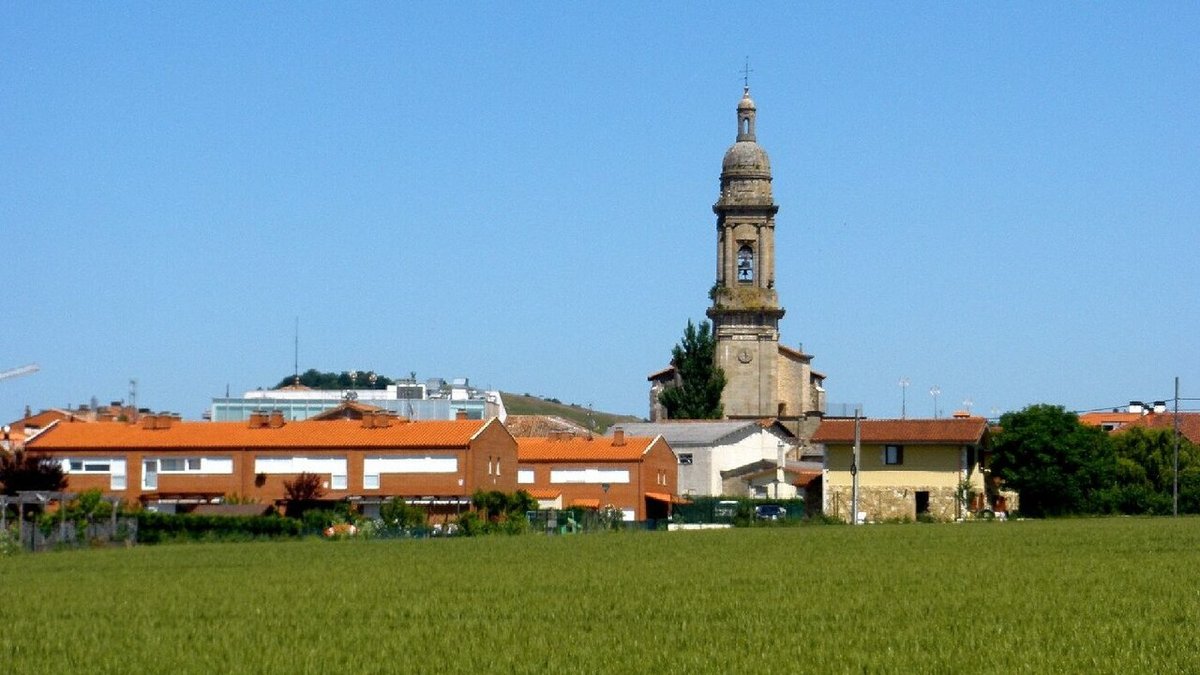
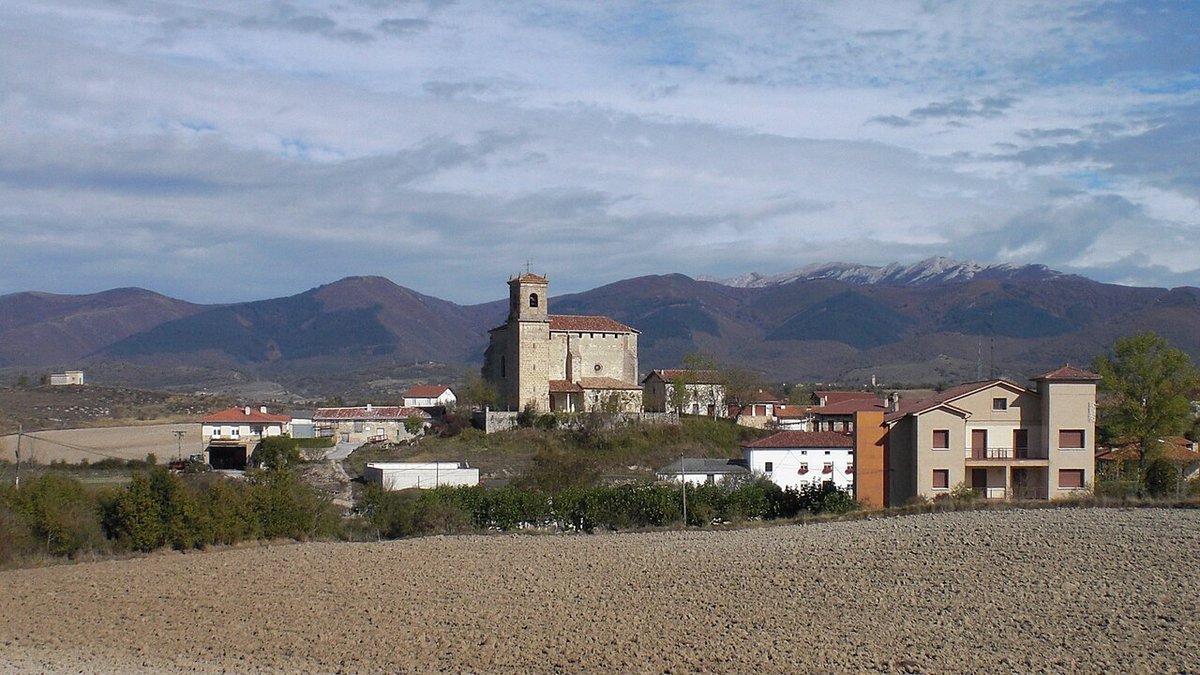
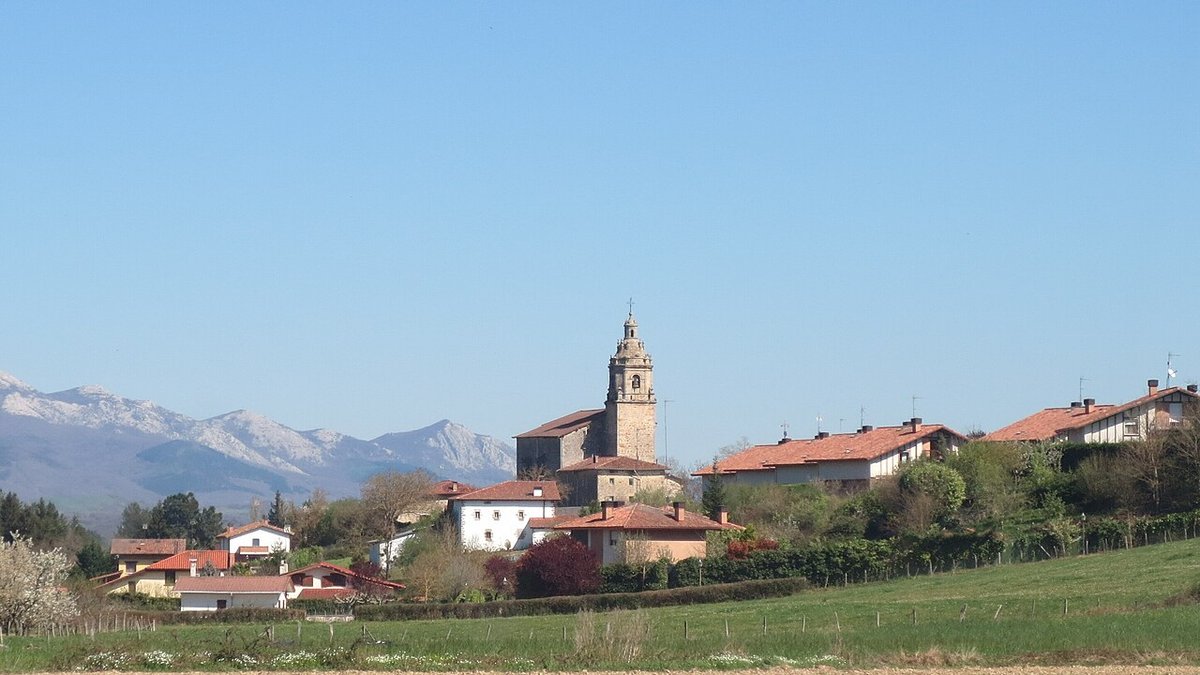
Deep green, farmhouses and nearby mountains with trails and viewpoints.
Ocultar artículo Leer artículo completo
The church bell in Acosta strikes eleven, yet only the crows reply. Stand still for thirty seconds on the stone track outside the twelfth-century ermita and you’ll hear tractor engines two fields away, the dry rustle of wheat, and the faint click of a bike gear on the road from Mendibil. Barrundia is not one settlement but a loose constellation of eleven hamlets spread across a high, rolling plain at 550 m; the sort of place where distances look negligible on the map until you realise the map omits the wind.
Patchwork of hamlets
Officially the municipality covers 882 residents; unofficially it feels like fewer once the evening meal hour begins. The names read like a tongue-twister for outsiders—Aguíñiga, Alangua, Arbulu, Zuazo de San Millán—yet each cluster of stone farmhouses has its own threshing floor, its own walnut tree, its own smell of hay. There is no high street, no souvenir row, no sea view. Instead, lanes that were designed for ox-carts stitch the settlements together, rising and falling just enough to hide the next village until you reach the crest.
Vitoria-Gasteiz lies 15 km to the north-east; the motorway close enough that you can be in the capital’s tapas quarter within twenty minutes by car. The psychological distance is greater. Leave the ring road, cross the railway line and the plateau opens like a hinged door. Mobile-phone coverage stays patchy in the hollows, and the evening sky keeps the orange glow of the city pinned to the horizon while overhead it turns an almost Antarctic blue.
Stone that isn’t trying to impress
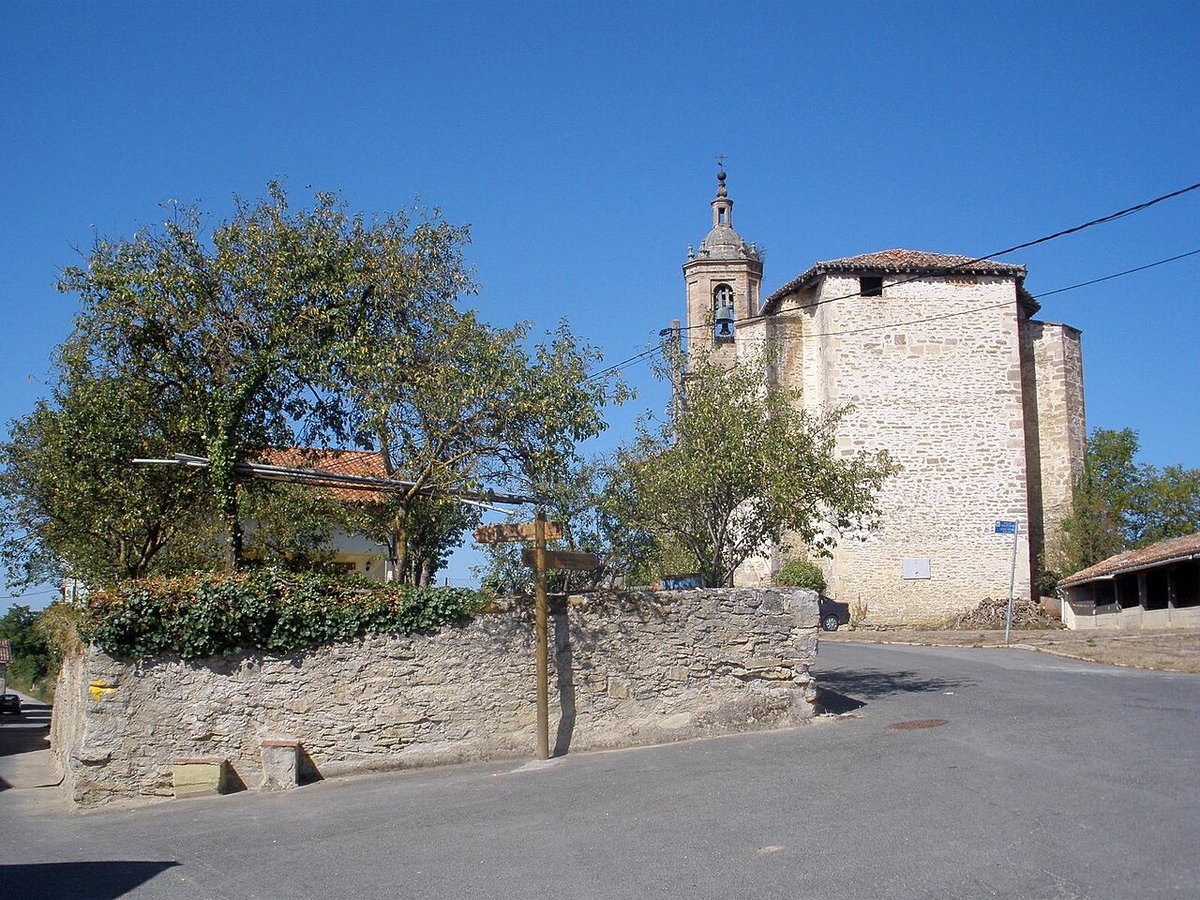
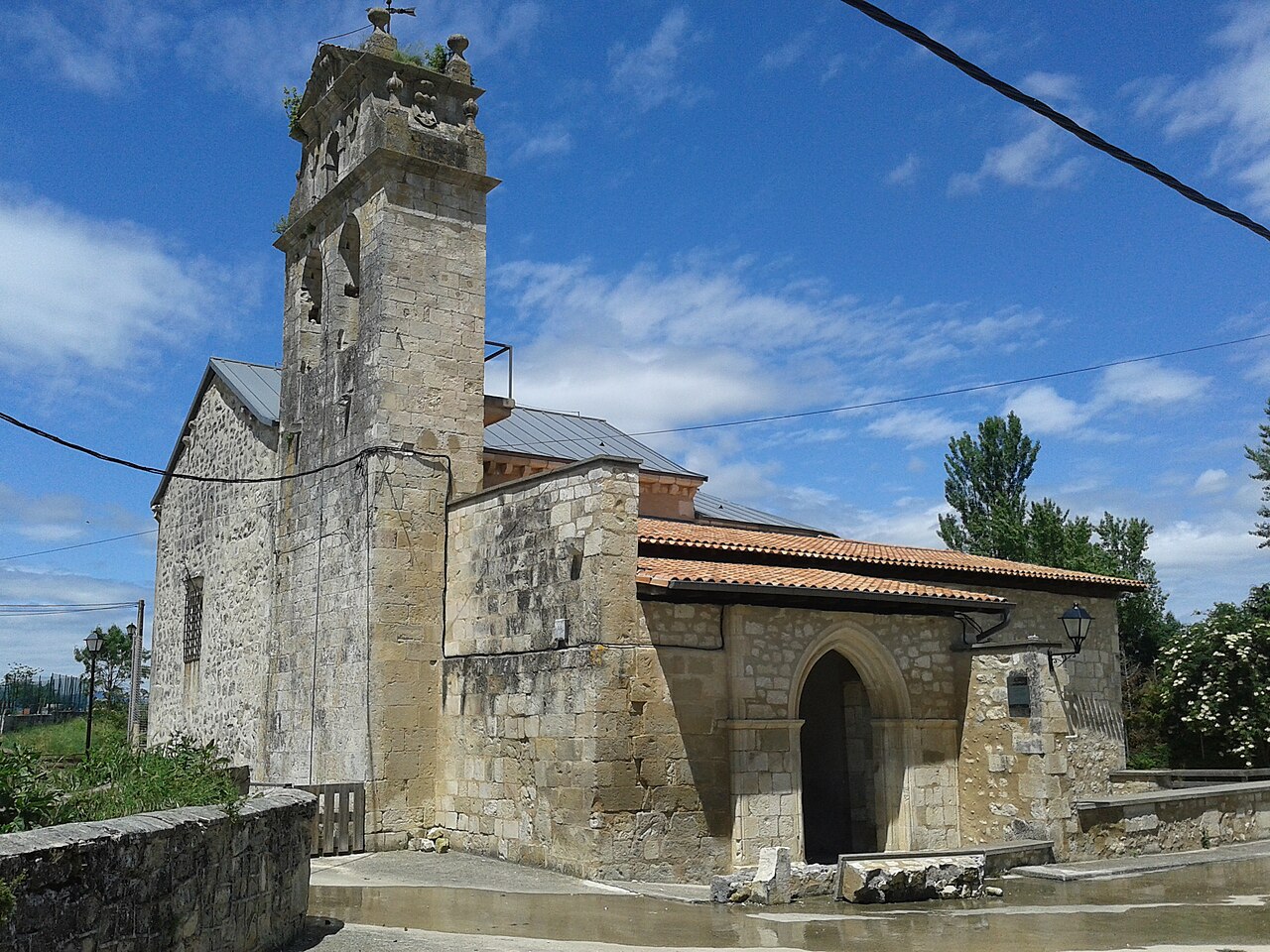
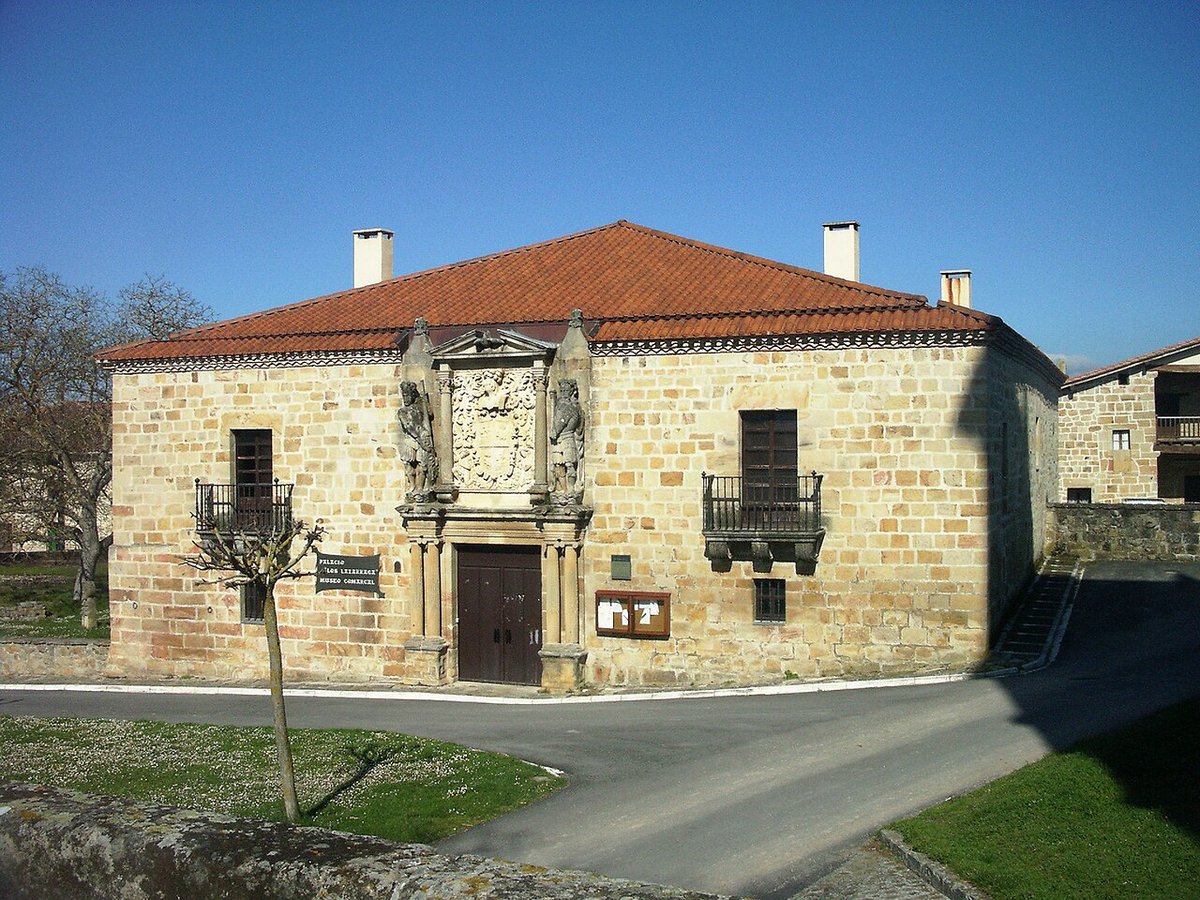
Barrundia’s churches will never feature on a flying-buttress bucket list. That is precisely why they reward a pause. The ermita of San Juan de Acosta, built in the Romanesque shorthand common to rural Álava, is a single-nave rectangle heavy with the smell of struck flint. The door is usually locked—Father Miguel arrives only for the monthly service—so visitors end up walking the perimeter instead, fingertips on the masonry, discovering beam holes where medieval scaffolding once rested and noticing how the stone warms once the sun climbs above the cereal fields.
Five kilometres south-west, Mendibil’s church of San Millán carries the same floor plan but with later additions that speak of remodelled taste rather than cathedral ambition. The west portal, repaired in the sixteenth century, still shows the original tooling: shallow chisel grooves designed to catch the oblique light of winter afternoons. Step inside and the temperature falls five degrees; the smell is of old candle wax and recently cut cedar—someone is always repairing a roof beam here. Neither site charges entry; neither offers a gift shop. If you need a toilet, the bar in neighbouring Oquina will sell you a cortado for €1.30 and point you towards the facilities without hiding the key.
Moving at field speed
Guidebooks like to brand this landscape “gently undulating”; your calves may prefer “relentlessly deceptive”. The plateau looks flat because the grain silos and electricity pylons are low, yet most farm tracks rise or fall 30–40 m every kilometre. That makes the area perfect for steady cycling rather than Strava glory. Road cyclists loop south towards the salt-white villages of La Rioja Alavesa; families on hybrids potter between Acosta and Armentia, stopping to read the slate nameplates fixed to barn doors—every house here carries the surname of the first inhabitant and the year of construction, some dating to 1764.
Walkers can stitch together two signed short routes: the 5 km “Ruta de los Centenarios” links veteran holm oaks, while the 7 km “Ruta de las Iglesias” passes three Romanesque sites and finishes at the only public fountain cold enough to numb your wrist. Neither path is strenuous, but both cross open country where shade arrives only at the foot of a wall. On an August afternoon the thermometer can touch 36 °C; carry more water than you think polite and start early enough to meet the dairy lorry doing its rounds.
When the weather turns jobsworth
Spring brings a sharp green that looks almost fluorescent after British winter browns; by late May the wheat is knee-high and poppies scar the verges. Autumn trades colour for texture—stubble fields the colour of pale ale, sky the colour of pewter. These are the comfortable seasons. In winter the plateau floats inside a saucer of fog that can linger until noon; overnight temperatures drop to –5 °C and the tarmac sparkles with black ice.
Wind is the year-round proviso. The Basques divide it into eight regional names; you will only need one: “galerna”, the south-western blast that arrives without negotiation. On gusty days cyclists pedal downhill in granny gear; walkers adopt the diagonal stride of a rugby pitch. The local council website posts no weather warnings—farmers already know the script—so check the AEMET state forecast the night before and pack a shell that won’t turn into a parachute.
Where to eat and where you won’t
There is no restaurant in Barrundia itself. Morning coffee and a tortilla wedge are available at the Oquina bar; after 14.00 the kitchen closes and the owner heads home for siesta. Your other option is the roadside venta on the N-622 at the municipality’s northern edge, where grilled entrecôte runs €18 and house wine arrives in a plain bottle with the vintage scratched on the wax. Locals drive into Vitoria for celebrations—twelve minutes by car, five times longer if you factor in finding a parking space near the medieval quarter.
Self-caterers should stock up before leaving the capital; the only shop within the municipal boundary is a seasonal vegetable stall beside an honesty box. On Friday afternoons a mobile fish van parks outside the church in Mendibil; arrive early or the hake is gone. If you are staying in one of the three rural casas rurales (€80–€110 per night for a two-bedroom house), the hosts leave a loaf of village bread and a note explaining which tap turns on the biomass boiler.
How to arrive without inventing a detour
No train reaches Barrundia. From Bilbao airport (70 min by car) take the A-1 south, peel off at the new Salvatierra bypass and follow the NA-620 for 9 km; the turn-off to Acosta is signposted but the sign is small and bent, so set the odometer. From Santander the A-68 and AP-68 combination saves half an hour but levies €15 in tolls. Buses operated by La Unión leave Vitoria’s bus station at 07:45 and 13:30, stopping on request at Oquina crossroads; the timetable was designed for schoolchildren, not tourists, and Saturday service is skeletal. A taxi from Vitoria costs €30—agree the fare before the driver discovers you are paying in pounds.
Leaving the checklist at home
Barrundia will not fill a day if your day is measured in selfie stops. It will fill a day if you measure by sky observed, threshing floors counted, or conversations conducted entirely in gesture with a farmer who insists you taste his just-pressed walnuts. Come with waterproof soles—the lanes are flanked by wild fennel that soaks your cuffs—and with enough Spanish to say “¿Puedo pasar?” before opening a field gate. The reward is the realisation that the Basque Country does not finish at the edge of Bilbao’s metro map; it thins out, keeps farming, and continues to smell of cut grass long after the city lights have switched on.