Full Article
about Burgu (Elburgo)
Deep green, farmhouses and nearby mountains with trails and viewpoints.
Hide article Read full article
A village shaped by the Llanada Alavesa
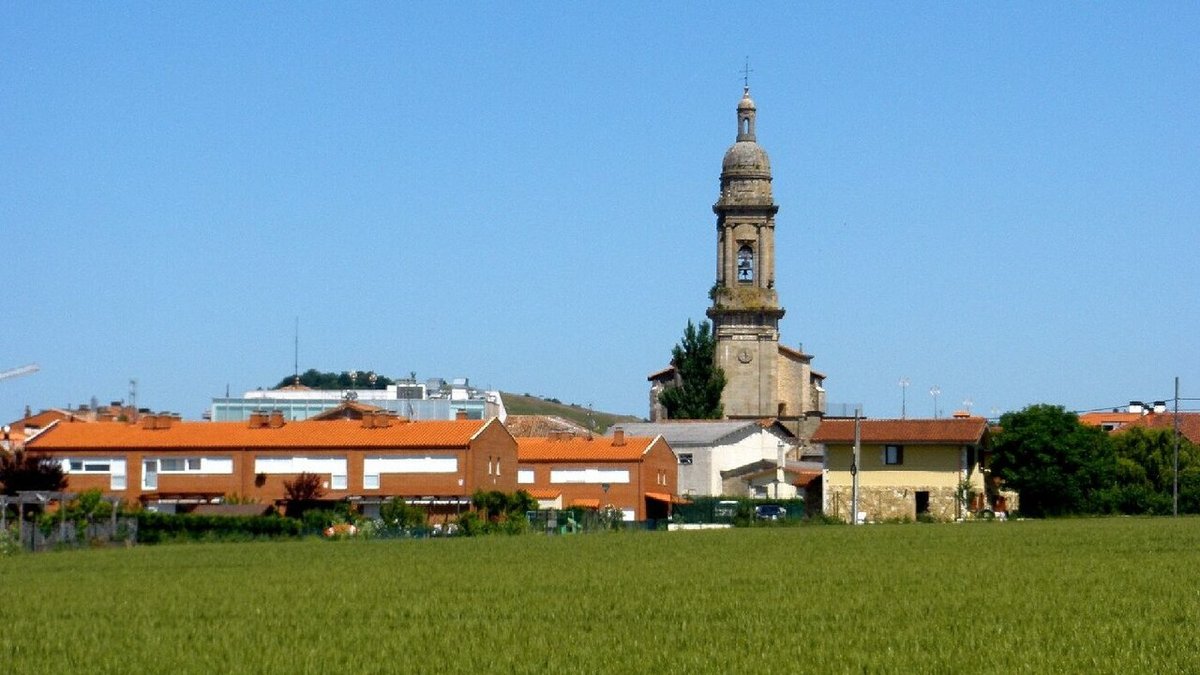
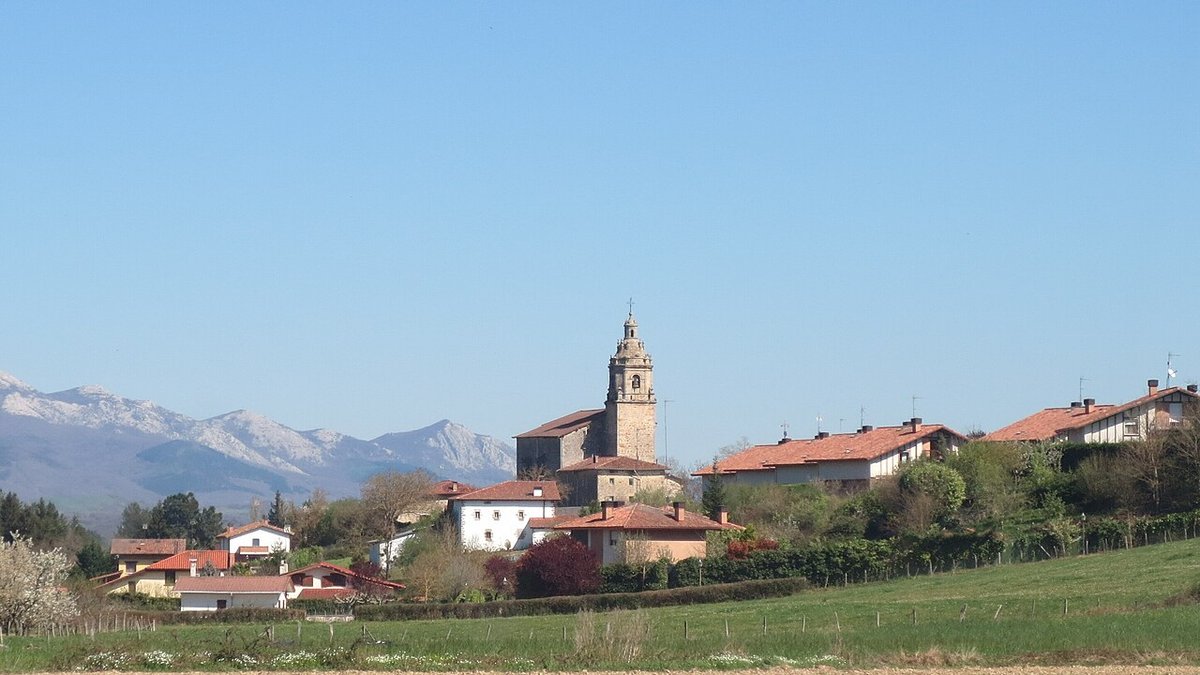
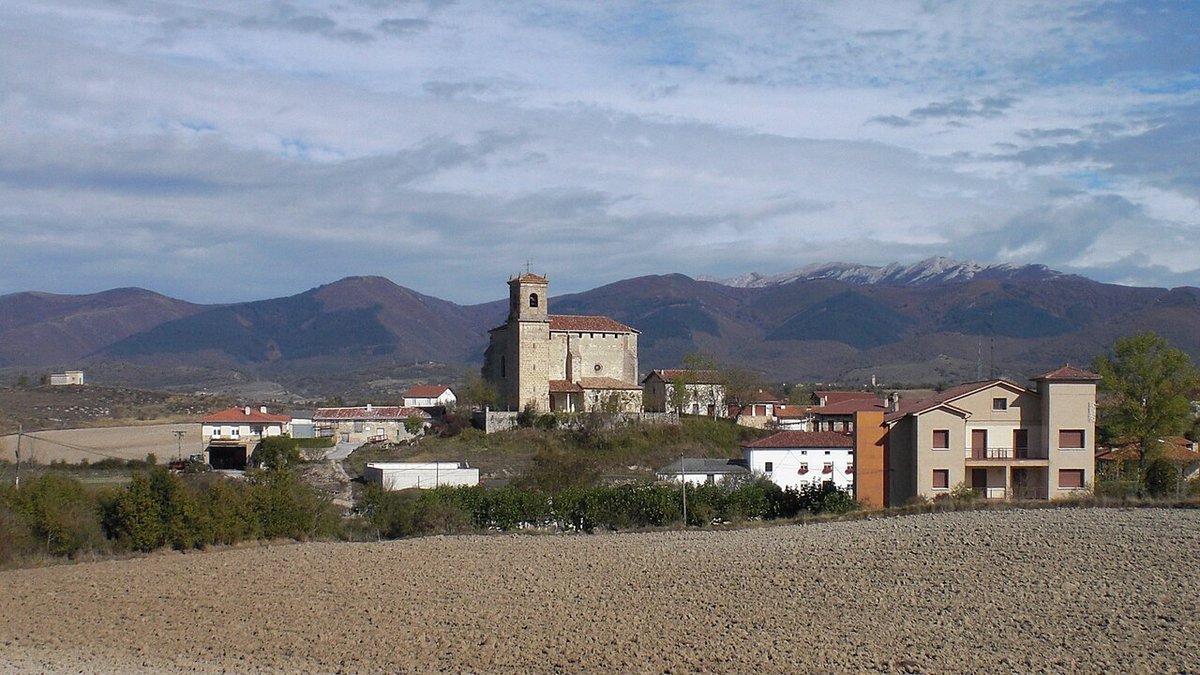
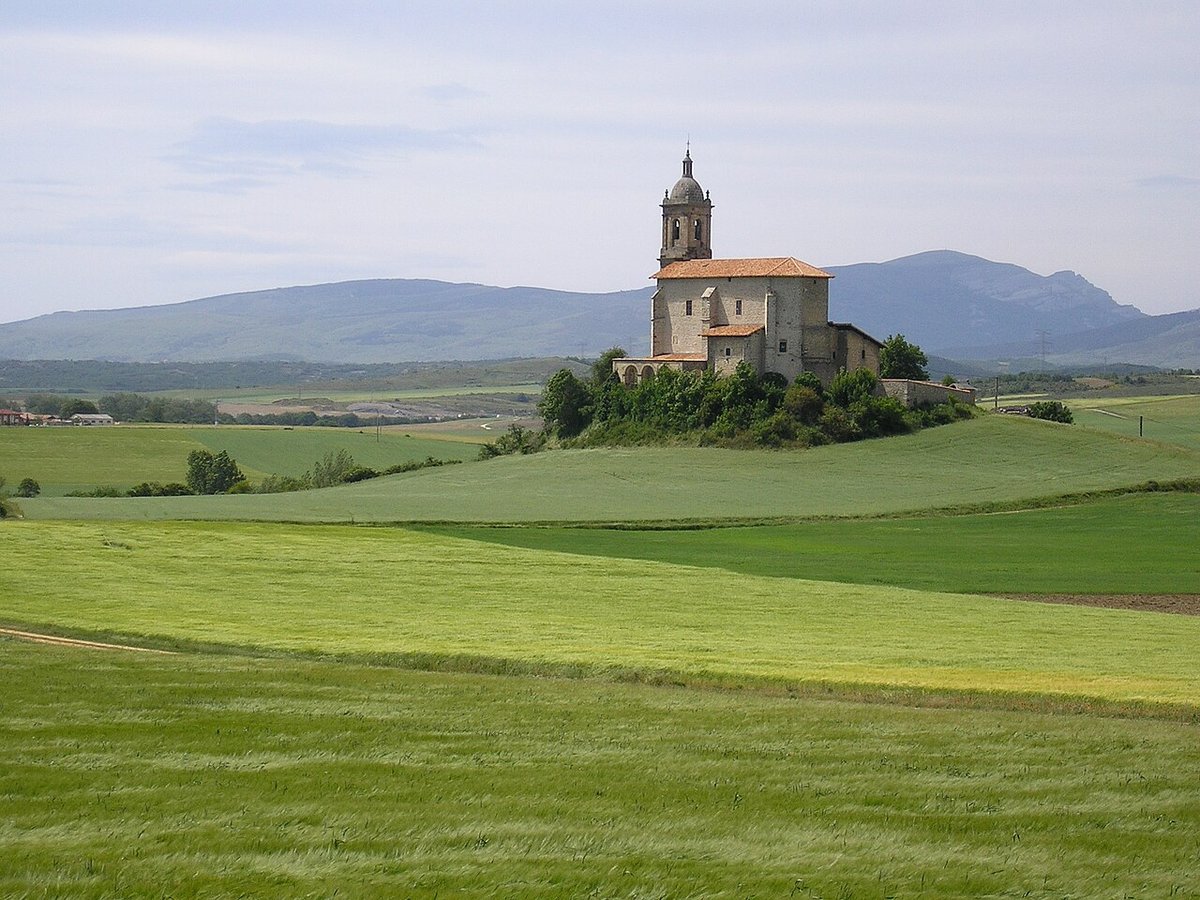
Tourism in Burgu begins with its setting. Elburgo lies in the Llanada Alavesa, a wide agricultural corridor in Álava that links Vitoria‑Gasteiz with Salvatierra. This is an open landscape of cultivated land, with few elevations and villages spaced out across fields that shift in colour with the seasons.
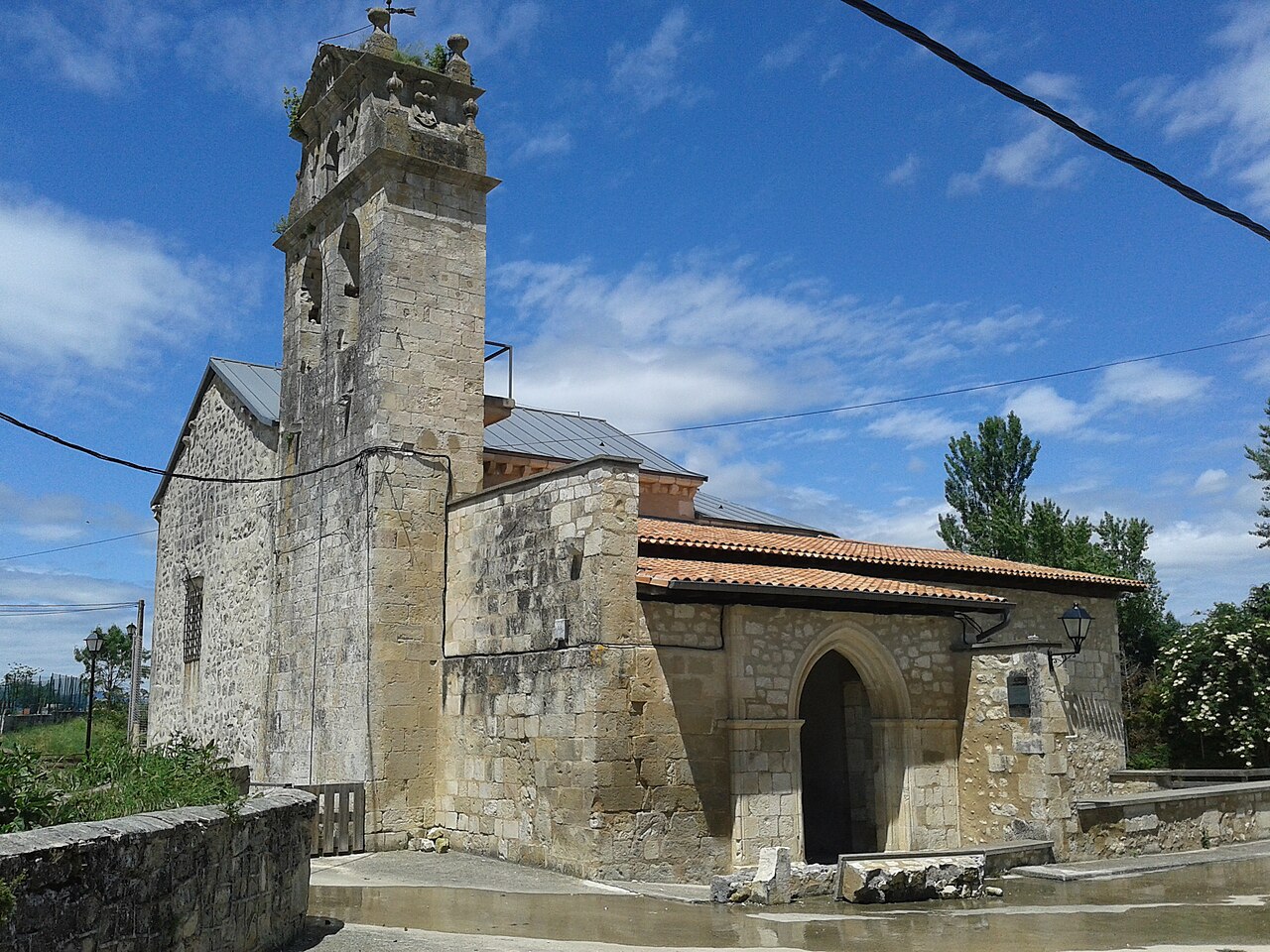
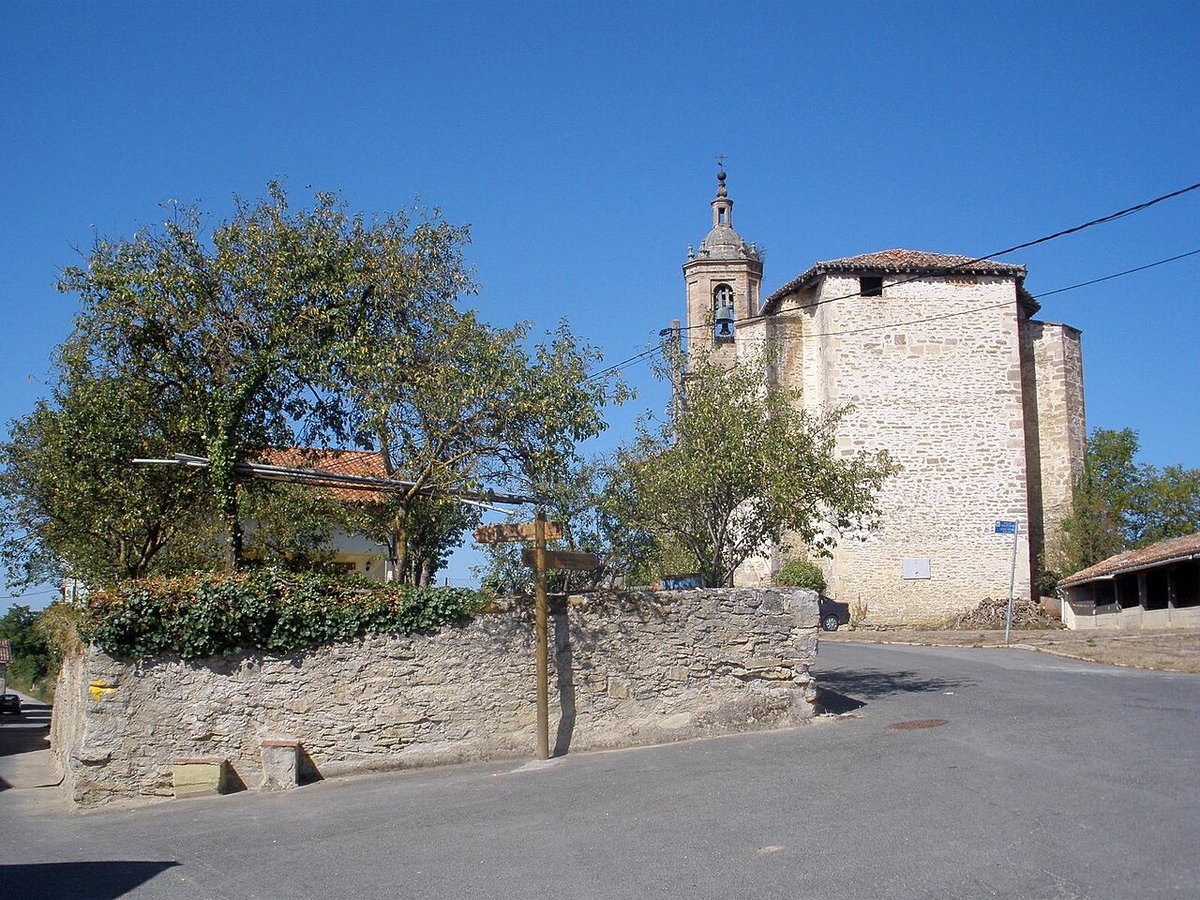
Burgu sits about 15 kilometres from the provincial capital. Its life has long been tied to this plain. The surrounding land explains much of the village’s structure and rhythm, where farming has historically defined both work and daily routines. In this context, the church of San Andrés offers a clear historical marker. Built in the 16th century and later altered, it reflects a time when Burgu had already formed a stable and organised community.
Across many villages in the Llanada Alavesa, churches served more than a religious role. They acted as a shared point of reference: the sound of the bell, the place for gathering, and a way to mark the agricultural calendar. Burgu follows that same pattern, where the church still anchors the identity of the settlement.
The village layout and San Andrés
The centre of Burgu is compact. Short streets, closely built houses and a central square shape the layout. It is not a monumental historic quarter, yet it clearly follows the logic of agricultural villages in this part of Álava.
San Andrés stands slightly above the rest of the village. Its construction is sober, built in stone, with restrained Renaissance elements visible on the main doorway. Inside, pieces from the early modern period remain, including a modestly sized altarpiece. The interest lies less in individual decoration and more in how everything fits together. The church, the square and the surrounding houses create a clear centre from which the village is organised.
This arrangement reflects a practical way of living. The layout keeps distances short and reinforces a sense of shared space, where daily life unfolds within a small, well-defined area.
Houses, adaptations and everyday use
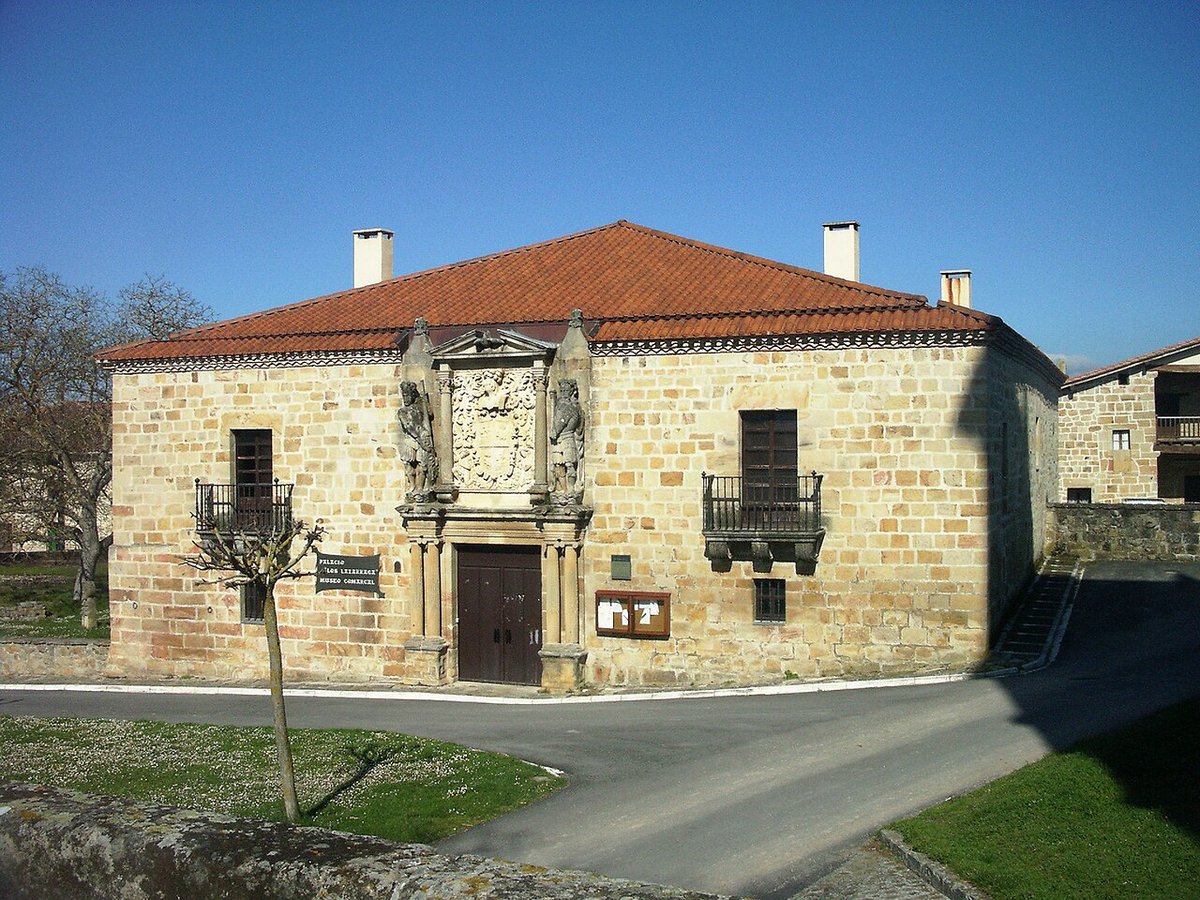
The architecture of Burgu combines older stone structures with more recent adaptations. This mix is typical of the Llanada Alavesa, where traditional homes have gradually been updated to meet changing needs.
Large doorways still appear on many houses. These entrances point to the agricultural use that once dominated domestic spaces, where storage, tools or livestock formed part of everyday life. Around the edges of the village, small kitchen gardens, sheds and modest livestock facilities remain in use. They are not decorative features but working parts of the local economy.
On the outskirts, isolated farmhouses and agricultural buildings add another layer to the landscape. These structures show how farming has evolved over recent decades. The scale and type of buildings reflect changes in how land is worked, while still maintaining continuity with earlier practices.
Paths across the plain
The routes around Burgu extend across the Llanada without major changes in elevation. These are agricultural tracks and footpaths that run between plots of land, used for generations to move between fields and nearby villages.
There are no prominent viewpoints or dramatic features in the terrain. This absence makes the structure of the landscape easier to read. Long plots stretch across the plain, lines of trees mark boundaries, and minor roads connect small settlements.
Wind plays an important role here. Strong gusts are common in the Llanada Alavesa, and they can make walking or cycling more demanding than the flat terrain might suggest on a map. The openness of the land leaves little shelter, which shapes the experience of moving through it.
Walking through Burgu and beyond
A visit usually begins in the square and the surrounding streets. The details of the buildings deserve attention: exposed stone, older door frames and renovations that retain parts of the original structure. These small elements reveal how the village has changed without losing its basic form.
If the church of San Andrés is open, stepping inside helps to understand its scale in relation to the rest of the village. The interior reinforces the sense of proportion, where the building feels significant without overwhelming its surroundings.
From there, the easiest way to grasp the setting is to head out along the paths that encircle the village. These routes quickly lead into the agricultural landscape, where the organisation of the land becomes clear. The transition from built space to open fields happens almost immediately.
Local roads link Burgu with other villages across the Llanada Alavesa. Travelling between them by bicycle highlights how short the distances are and how continuous the landscape feels. Each settlement appears as a compact cluster within a wide, shared plain.
Practical notes and the best time to go
Burgu can be explored in a short visit. One or two hours are enough to walk through the centre and follow a stretch of the surrounding paths.
Parking requires a bit of care. Streets are narrow, and many entrances lead to farmland or are used by agricultural machinery. It is best to leave a car where it does not block access for residents.
Weather has a strong influence on the experience. Wind is often the main factor to consider. In winter it increases the sensation of cold, while rainy days can leave dirt paths muddy and harder to use. Spring and early autumn tend to bring more stable conditions, which makes walking in the area more comfortable.
Burgu does not rely on major landmarks or dramatic scenery. Its appeal lies in how clearly it reflects the Llanada Alavesa: an open agricultural landscape, a compact village centre, and a way of life still closely tied to the land.