Full Article
about Dulantzi (Alegría de Álava)
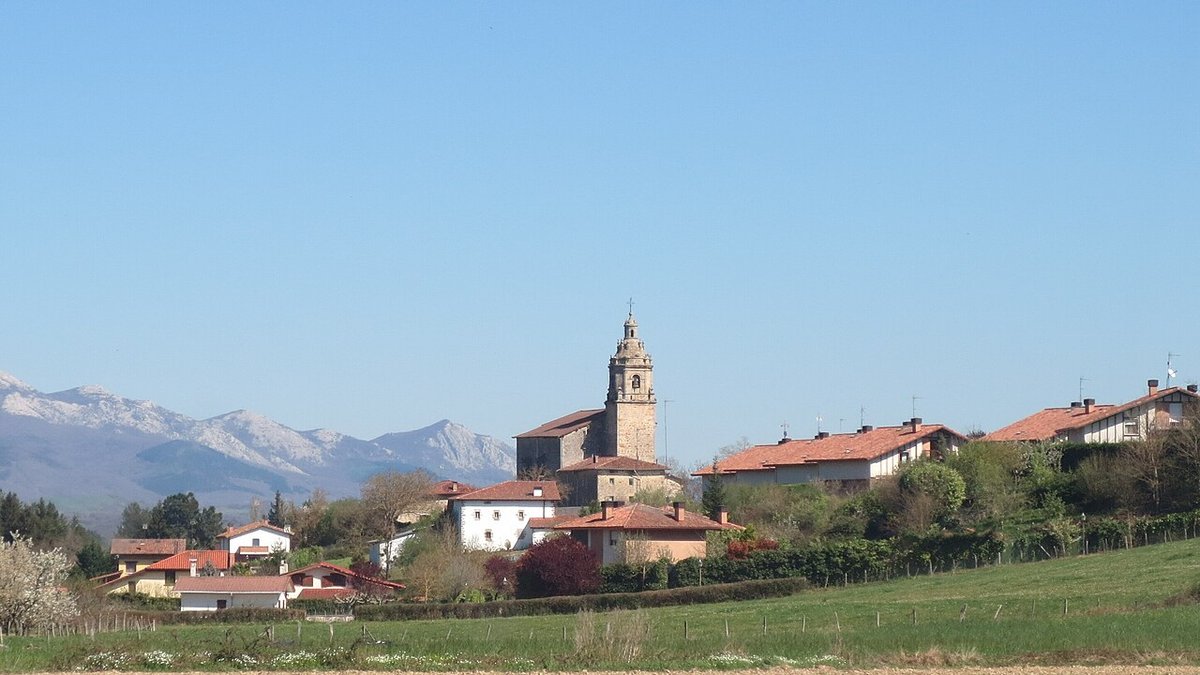
Deep green, farmhouses and nearby mountains with trails and viewpoints.
Ocultar artículo Leer artículo completo
The first thing you notice is the sound of the plaza changing. At 09:15 the school gate clatters, by 10:00 the butchers’ vans arrive, and just before 11:00 the bar terraces fill with farmhands ordering short beers and quarter-baguettes. Dulantzi—still called Alegría on older maps—keeps time like a pocket watch, not a smartphone. For visitors schooled in Spain’s blockbuster pueblos, that regularity can feel almost radical.
A grid you can walk in twelve minutes
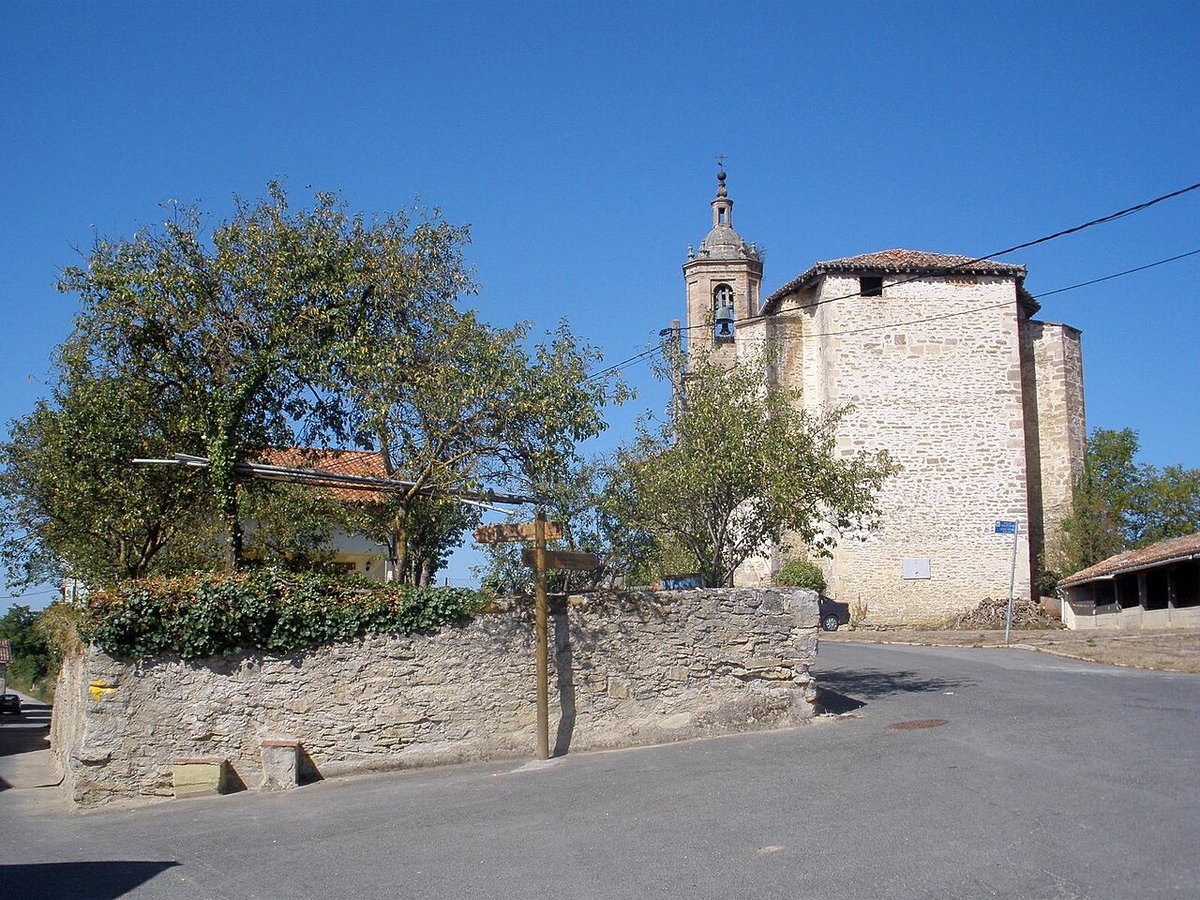
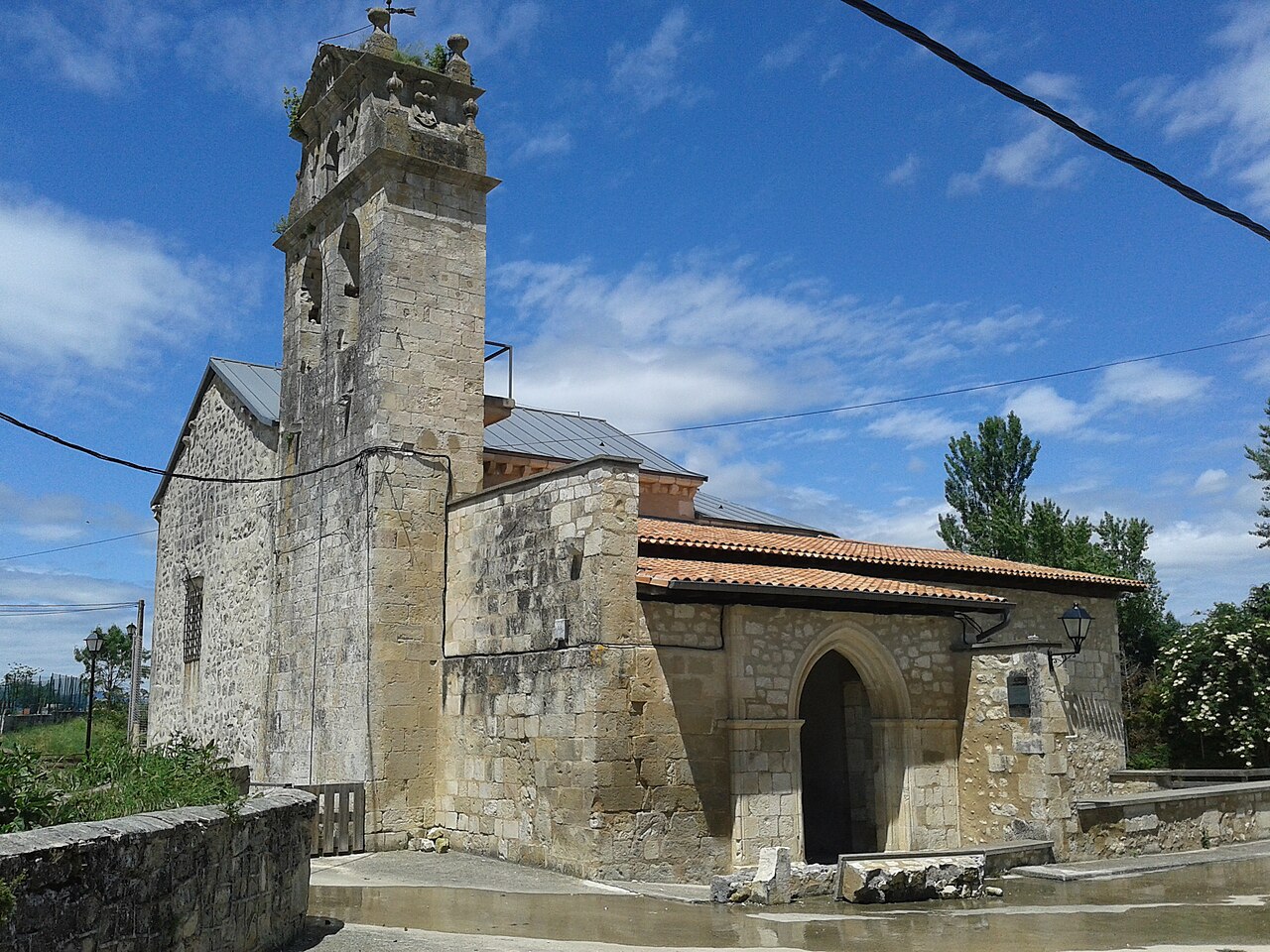
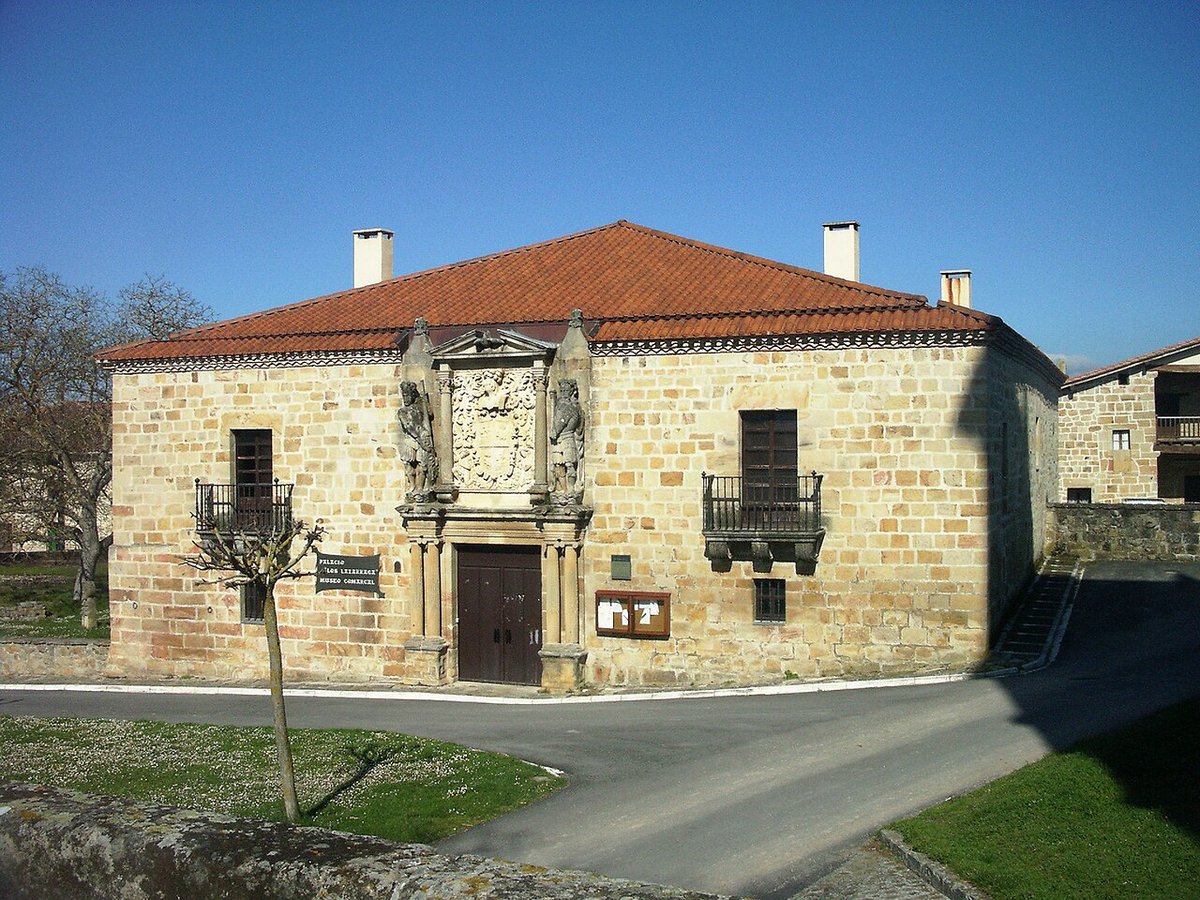
No hill climbs, no seafront promenades, just a compact grid of six streets that meet at the parish church. The stone is biscuit-brown, the balconies cast slender shadows, and every so often a family coat of arms appears when you tilt your head. The whole casco is flat, so pushchairs or walking boots make no difference. Give yourself forty minutes at dawdling speed and you will have clocked the bakery that still trays its bollería by hand, the ironmonger advertising goat bells, and the chemist whose window display alternates between sun cream and fungal cream depending on the month. These are the details that fill Dulantzi’s self-appointed brochure: daily life, not dramatic architecture.
If you arrive by car, leave it in the fairground car park south of the fronton; everywhere else is residents-only after 20:00. The absence of traffic hum is the village’s unofficial soundtrack—useful for eavesdropping on the elderly men who judge passing number plates like horse traders. Foreign registrations still earn a slow, appreciative nod.
Lunchtime science: the steak test
Basque gastronomy usually means cider houses or Michelin temples. Dulantzi offers a third lane: ranch-house grilling. Asador Baralde, on the eastern approach road, works to the following equation: 1 kg chuletón + 600 °C oak ember = enough beef for two British appetites and a doggy bag. The waiters will ask "poco, medio, tres cuartos?"—translating roughly as blue, rare, medium. Anything beyond that and the chef quietly assumes you’re joking. Starters are negotiable, but the chorizo simmered in red wine is mild enough for children and comes with surplus bread for sauce-mopping. House cider is served in the Asturian style: bottle held above the head, glass at knee height. Locals claim a steady hand predicts a good harvest; tourists who drench their shoes are applauded anyway.
Prices feel pre-inflation: €28 for the shared steak, €2.20 a glass of cider, no service add-on. Card machines exist, but bring cash as backup; the nearest ATM is eight kilometres away at the motorway services, and Dulantzi’s only bank closed in 2021.
When the village clock hits siesta
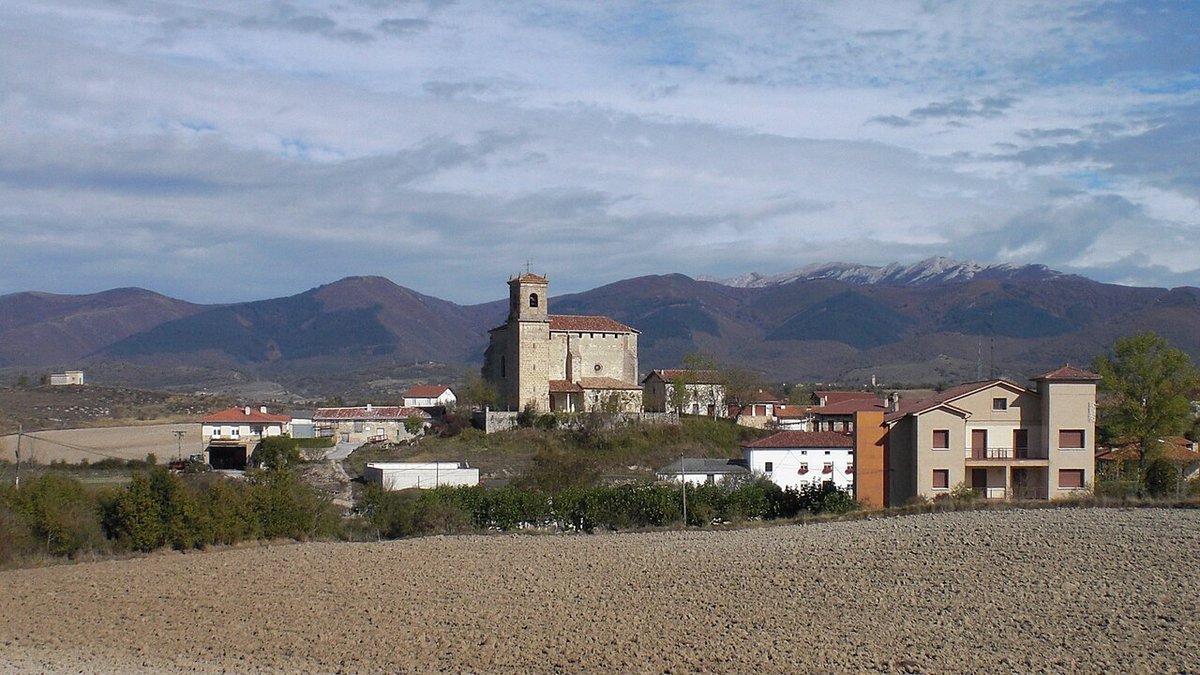
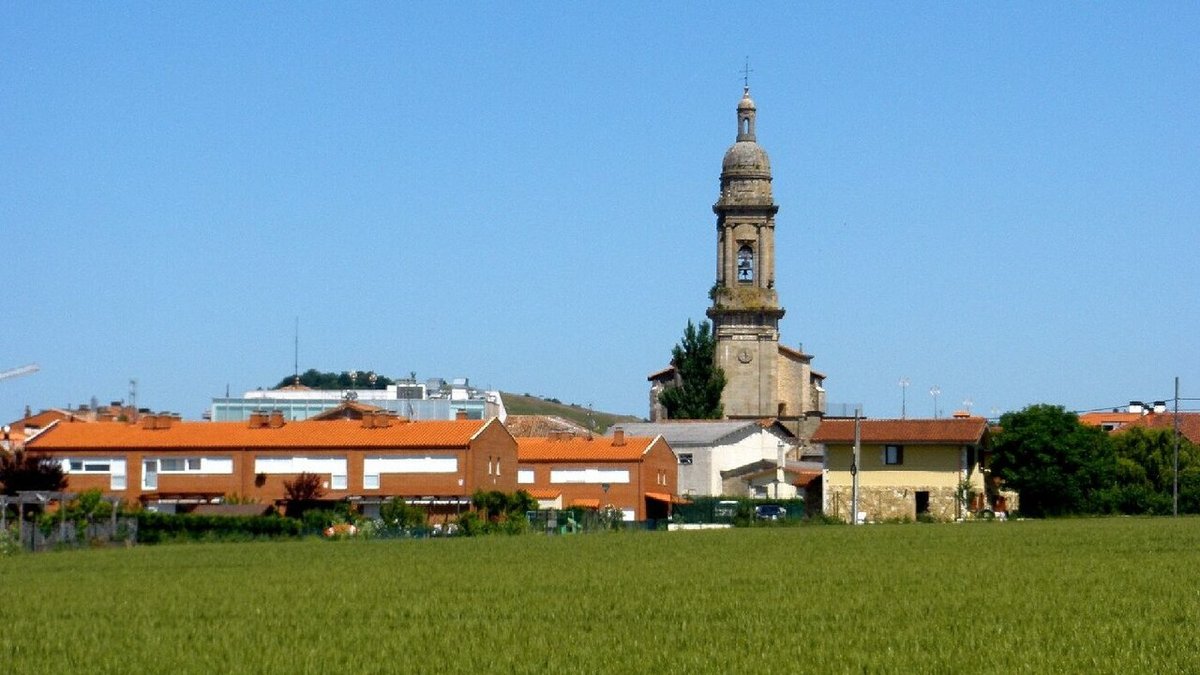
Mid-afternoon silence is real, not romantic. Shops pull metal shutters, the square empties, even the dogs seem posted on lookout. Use the lull for a lap outside the centre. A farm track called the Paseo del Seminario leaves from behind the church, passes a stone cross erected in 1901 after a cholera outbreak, then forks into cereal fields. Thirty minutes at an amble brings you to a low ridge where the village shrinks into a single terracotta block amid a chessboard of wheat and vines. On windy days—common on the Alavese plateau—you can hear the grain heads brushing like bristles. There are no signposts, no selfie stations, just the sense that you have stepped outside the itinerary.
Return via the fronton. If you’re lucky, the local pelota school will be running drills: teenagers firing balls at 80 mph, the thud echoing off the wall like indoor cricket. Spectators lean against the wire free of charge; applause is polite, never rowdy. Try to leave before the final point or you’ll be drafted into helping fold the plastic chairs.
Where to sleep (and why you might not)
Dulantzi has one guesthouse, six rooms above the Casa de la Cultura. Beds are firm, Wi-Fi patchy, bathrooms refurbished with rain showers strong enough to rinse a Labrador. At €55 including breakfast—coffee, juice, and a still-warm napolitana—it is priced for travelling sales reps rather than honeymooners. For anything boutique you head 18 km south to the parador in Miranda de Ebro, or 25 km north to the converted wheat mill at Elciego. Most British visitors treat Dulantzi as a lunchtime detour between Rioja bodegas and the Bilbao flight home; staying over only makes sense if you crave darkness so complete you can read Orion like a newspaper.
Sunday night adds complications. The village’s single taxi signs off at 21:00, there is no Uber, and the regional bus omits the place entirely. If you have dinner plans elsewhere, pre-book return transport or volunteer to be the designated driver; Spanish police set random breath-test roadblocks on the N-622.
Seasons and what they mean
Spring brings storks on the church bell-tower and fluorescent green wheat so bright it looks colour-graded. Temperatures hover around 17 °C—perfect for the walk without working up a sweat. Summer, by contrast, turns the plateau into a grill. At 35 °C shade is scarce; cafés pump mist over terraces, but the square still feels like a fan oven. Locals shift social life to dawn and dusk; visitors who insist on midday risk heat headaches and photographs of squinting relatives.
Autumn is auction season. The livestock market on the first Monday of each month funnels tractors into every spare metre. Even if you’re not bidding on calves, the café-bars lay on chistorra sausages and unlimited Rioja poured from ceramic jugs—probably the cheapest wine you will legally buy in Spain at €1.20 a glass. Winter is quiet, occasionally snowy, and surprisingly sharp: night frosts of –5 °C crack the stone gutters. The guesthouse stays open but central heating is set to Spanish norms; pack a jumper for indoors.
How Dulantzi fits a longer trip
Think logistics, not landmark box-ticking. The village lies eight minutes off the A-1 motorway, the main artery between Madrid and the Atlantic. That positions it as a reset button between Bilbao’s Guggenheim (55 min north) and the wine villages of Rioja Alavesa (35 min south). Land at Bilbao before 11:00, you can be ordering that chuletón by 13:30, walk it off in the fields, and still reach Laguardia for a 17:00 cellar tour. Alternatively, combine Dulantzi with Vitoria-Gasteiz: the provincial capital’s medieval quarter and ambitious green ring deserve a full afternoon, and the drive back to Bilbao airport is 45 min on fast dual carriageway.
Parting shot
Come with a checklist and Dulantzi will feel unfinished. Come with an hour to spare and you may appreciate a place whose greatest luxury is predictability: bread at the same time, cider poured the same way, the fronton ball hitting the wall with the same rhythm farmers have heard since 1952. It is not spectacular, but it is honest—and these days that alone can feel like a discovery.