Full Article
about Zalduondo (Zalduendo de Álava)
Deep green, farmhouses and nearby mountains with trails and viewpoints.
Hide article Read full article
Zalduondo en la Llanada
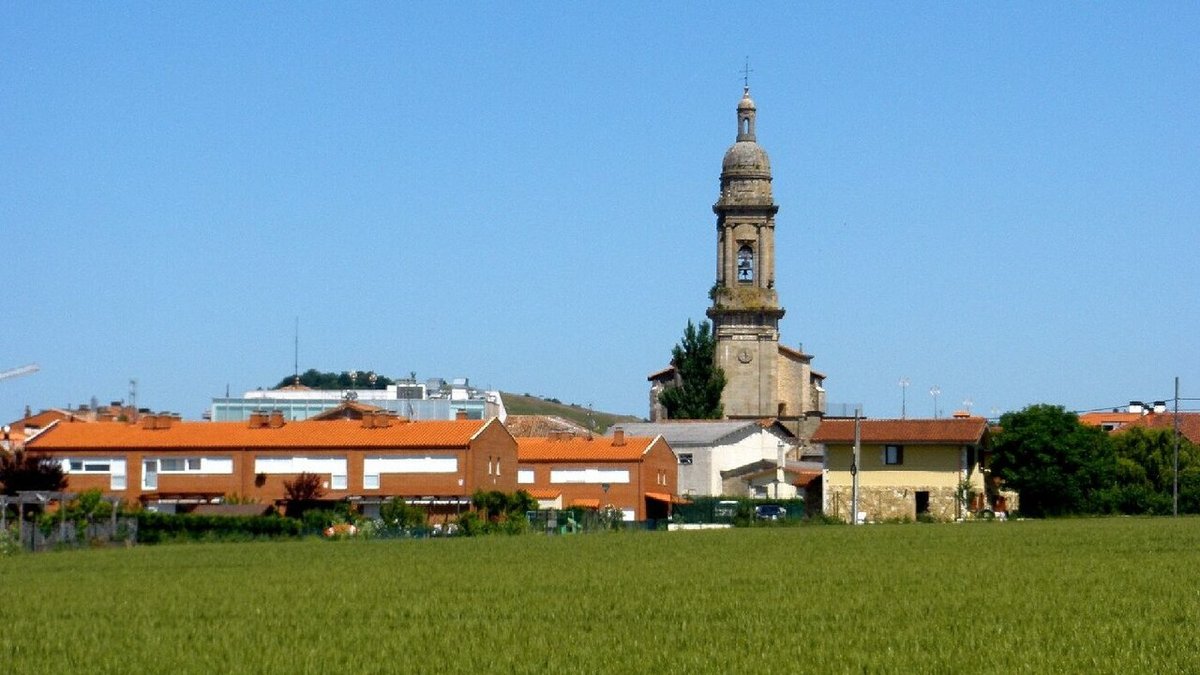
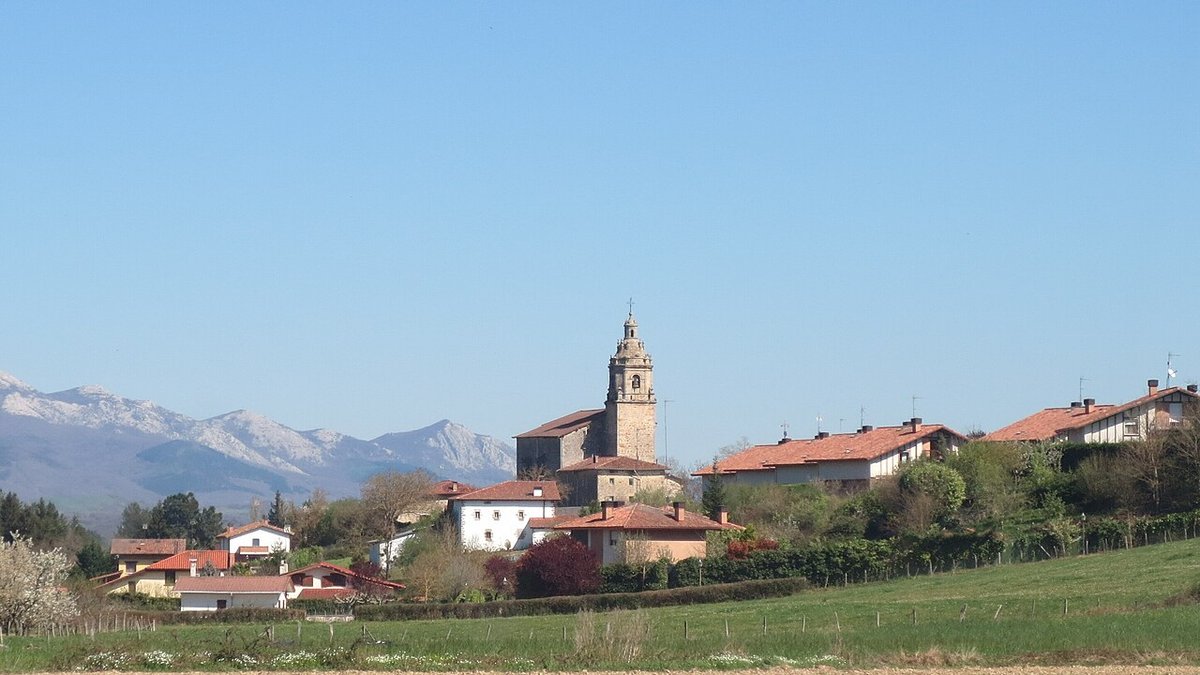
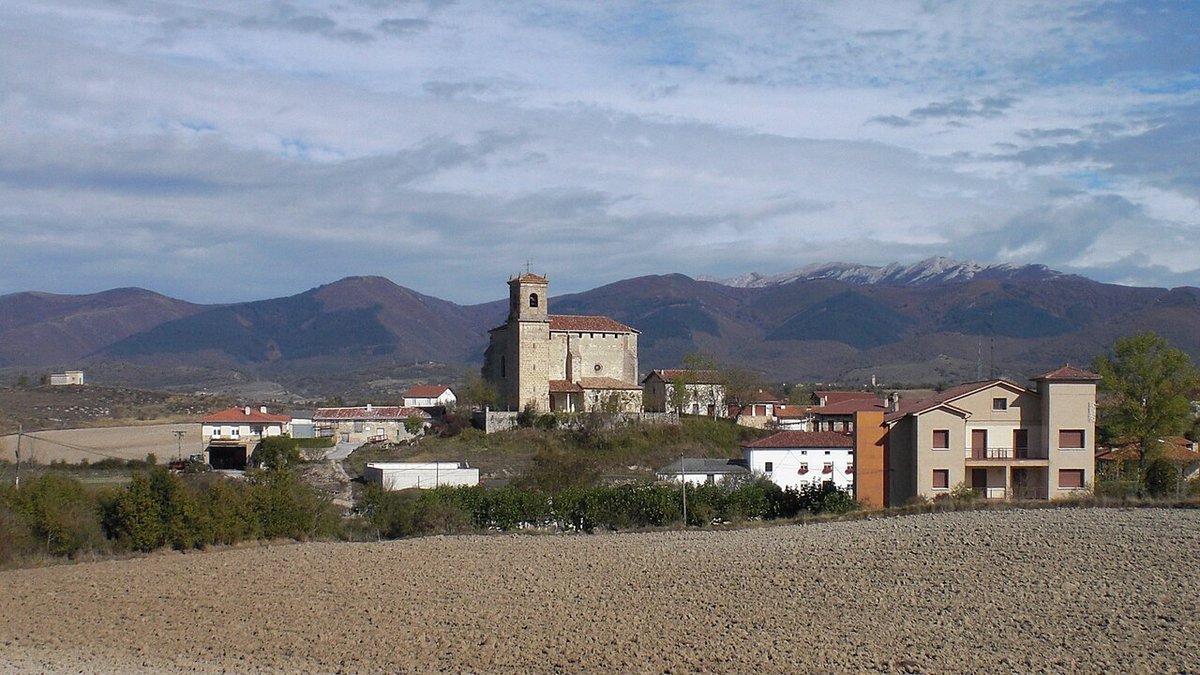
Zalduondo se entiende por su geografía. Es un municipio de poco más de ciento noventa habitantes en el centro de la Llanada Alavesa, una de las planicies cerealistas más extensas del País Vasco. El pueblo no está encaramado en una colina ni escondido en un valle; se asienta, llano, en un territorio de horizontes abiertos y caminos rectos. Su estructura, compacta y de piedra, responde a una lógica agrícola y ganadera que durante siglos organizó la vida aquí.
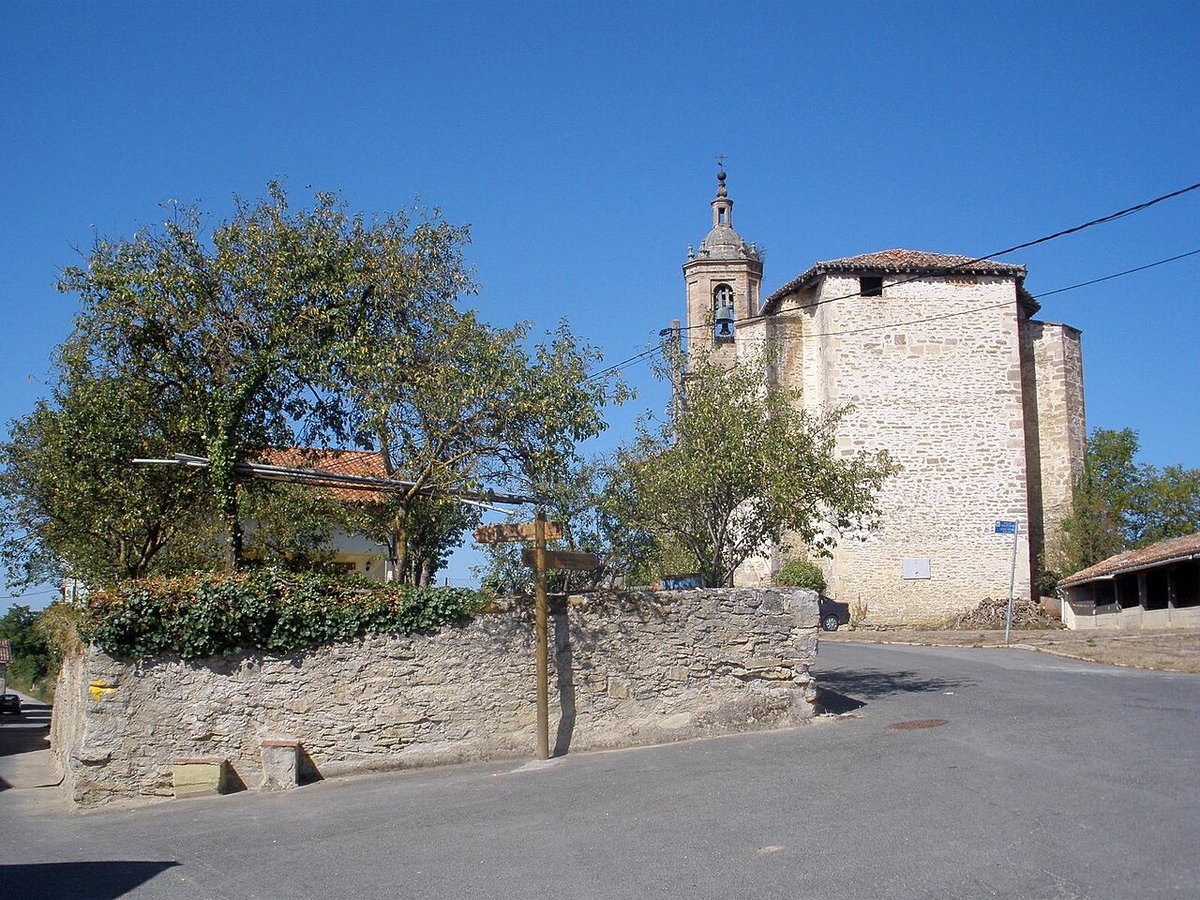
Las casas se agrupan de forma apretada en torno a la iglesia parroquial, sin grandes plazas ni avenidas. El trazado es funcional, de calles estrechas que convergen en el templo. La piedra es el material que define el conjunto, tanto en los muros de las viviendas como en las cercas que marcan los límites. Incluso en las construcciones renovadas, se mantienen las proporciones y los vanos originales, lo que da una sensación de homogeneidad tranquila.
La iglesia y las casas blasonadas
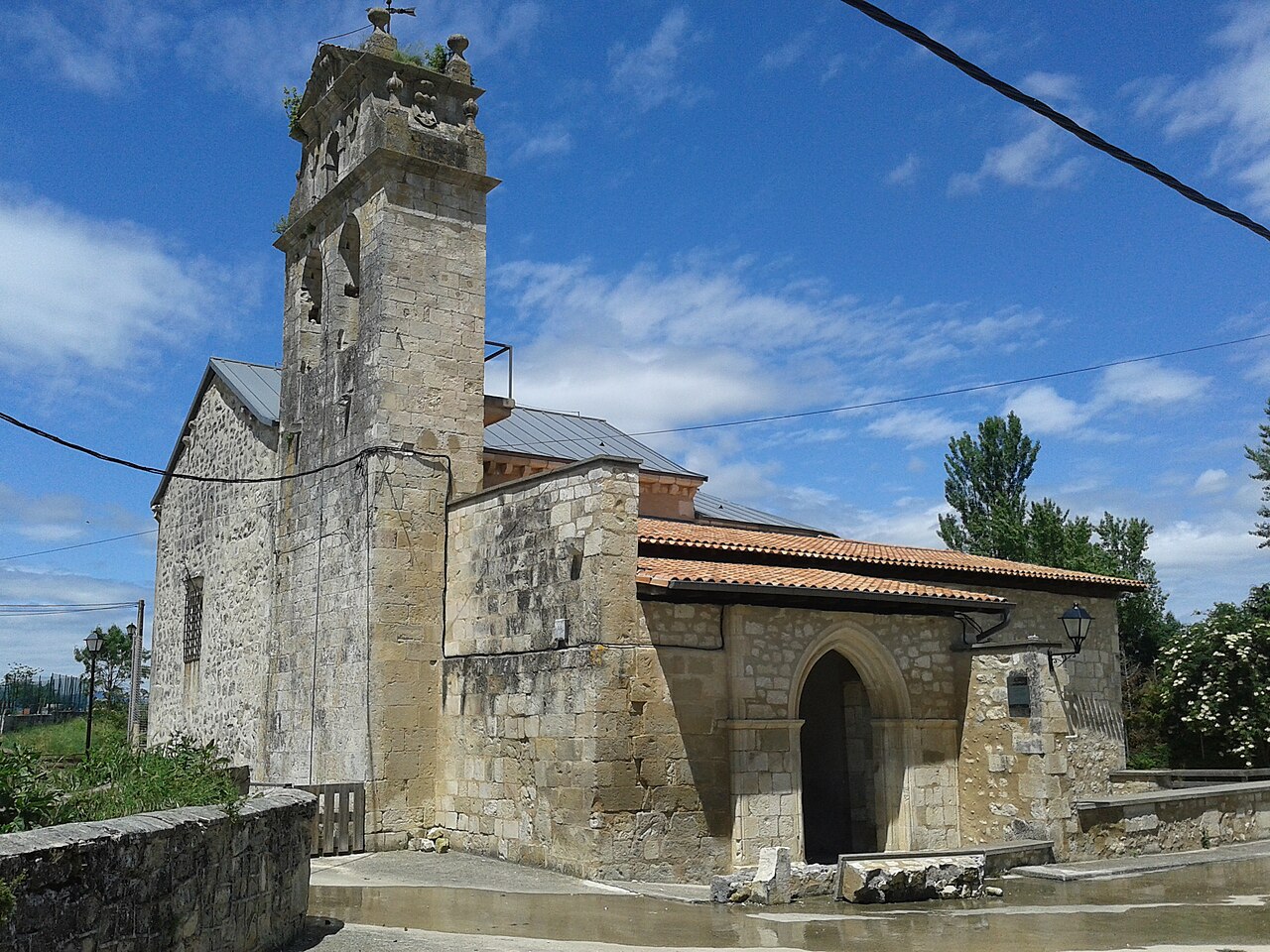
La iglesia de San Saturnino ocupa el centro físico del pueblo. Su volumen, más alto que el del caserío, la hace visible desde casi cualquier punto. La fábrica actual data principalmente de los siglos XVI y XVII, con reformas posteriores, un proceso habitual en estas iglesias rurales que se fueron adaptando. No siempre está abierta al público, pero su posición ya explica mucho: el pueblo creció a su alrededor, y las calles principales parten de su atrio.
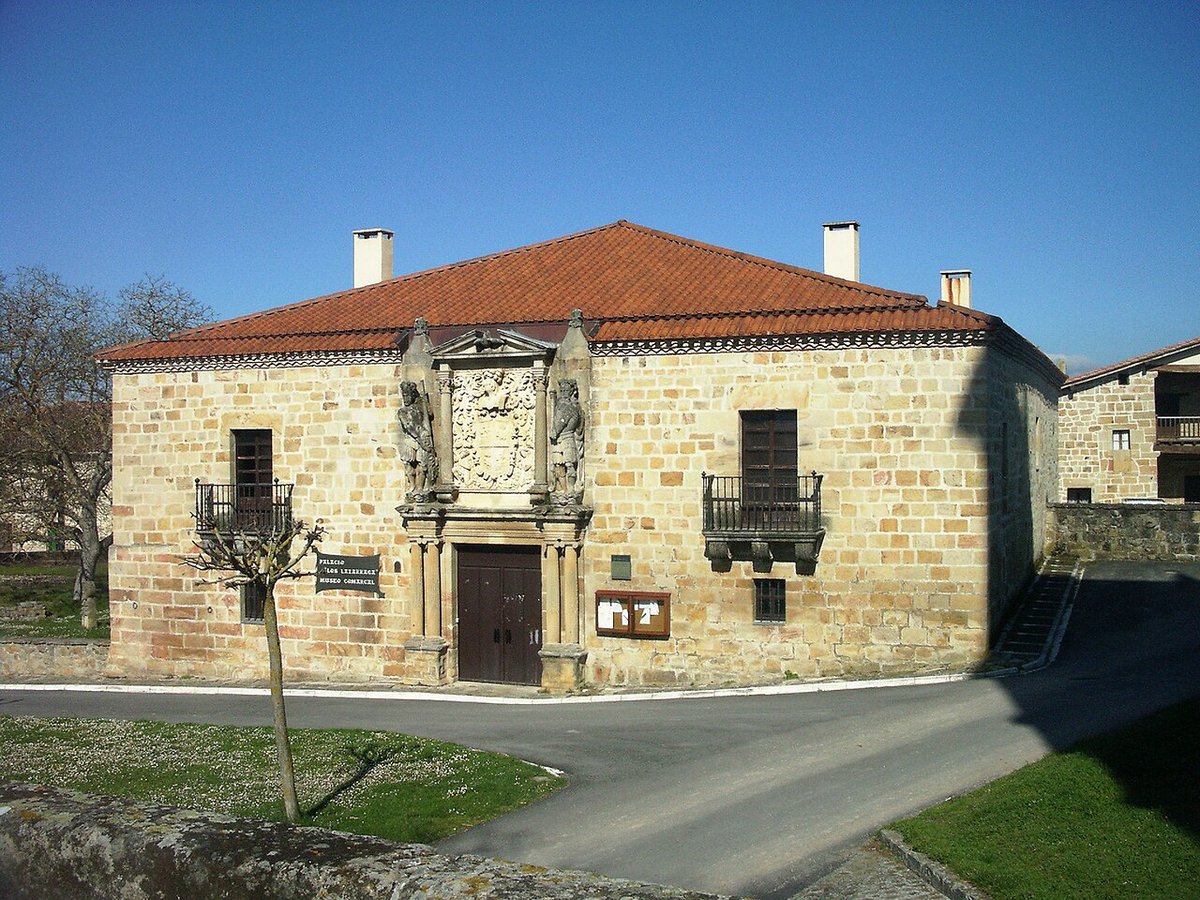
Varias casas muestran escudos de piedra labrados sobre las puertas. Corresponden a linajes que tuvieron cierta relevancia local entre los siglos XVI y XVIII. Esta heráldica doméstica es frecuente en Álava, y en un núcleo pequeño como Zalduondo se lee con claridad. El resto de la arquitectura es sobria: muros de mampostería o sillería, portadas grandes para permitir el paso de carros y alturas moderadas. Muchas fueron originalmente casas de labranza, donde la vivienda y la cuadra compartían estructura.
El paisaje de la Llanada
A doscientos metros de las últimas casas comienza la llanura propiamente dicha. El cambio es brusco: se pasa de un núcleo cerrado a una extensión de terreno llano, sin relieves que corten la vista. La sensación de amplitud es absoluta.
El paisaje tiene dos caras muy marcadas por el ciclo agrícola. En primavera y principios de verano, los campos verdes de cereal dibujan una cuadrícula casi infinita. A partir de julio, ese verde se torna amarillo ocre, y tras la cosecha, la tierra desnuda muestra su color pardo. No hay miradores acondicionados; la experiencia es la inmersión en esa escala. El viento suele estar presente, y el sonido —o el silencio— se percibe de manera distinta que en un valle.
Senderos y conexiones
Los caminos que salen de Zalduondo son pistas agrícolas anchas y llanas, pensadas para maquinaria. Conectan el pueblo con las localidades vecinas de manera directa, siguiendo los límites de los cultivos. Son rutas sin dificultad técnica, útiles para paseos cortos o para enlazar con otros pueblos en bicicleta por la red de carreteras secundarias.
Conviene tener en cuenta que las distancias en la llanura suelen subestimarse. La falta de referencias visuales hace que un punto parezca más cercano de lo que está. Estos caminos no son circuitos turísticos; son vías de trabajo que por las tardes o los fines de semana se usan también para pasear.
Cómo visitar Zalduondo
Un recorrido a pie por el núcleo urbano no lleva más de cuarenta minutos. Basta con fijarse en la disposición de las casas respecto a la iglesia, buscar los escudos en las portadas y notar la textura uniforme de la piedra. Para entender su contexto, es necesario salir andando por cualquiera de los caminos que llevan a los campos.
El tiempo aquí es variable. El viento es frecuente y los inviernos son fríos, con heladas habituales. Tras lluvias intensas, los caminos de tierra pueden embarrarse. Zalduondo no es un pueblo de grandes monumentos; es un ejemplo bien conservado de la arquitectura y el urbanismo propios de la Llanada Alavesa. Su interés está en esa relación directa entre el caserío compacto y la llanura agrícola que lo rodea por completo.