Full Article
about Aramaio (Aramayona)
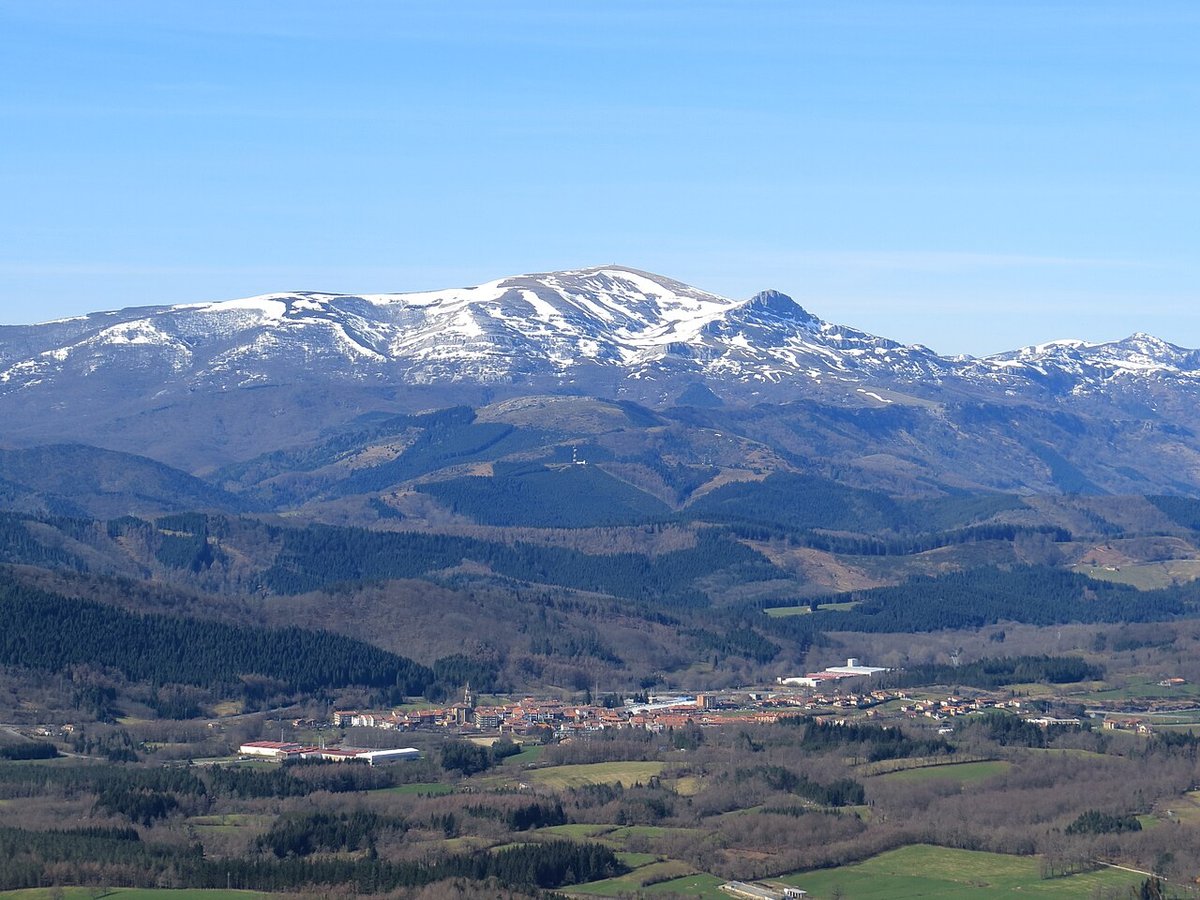
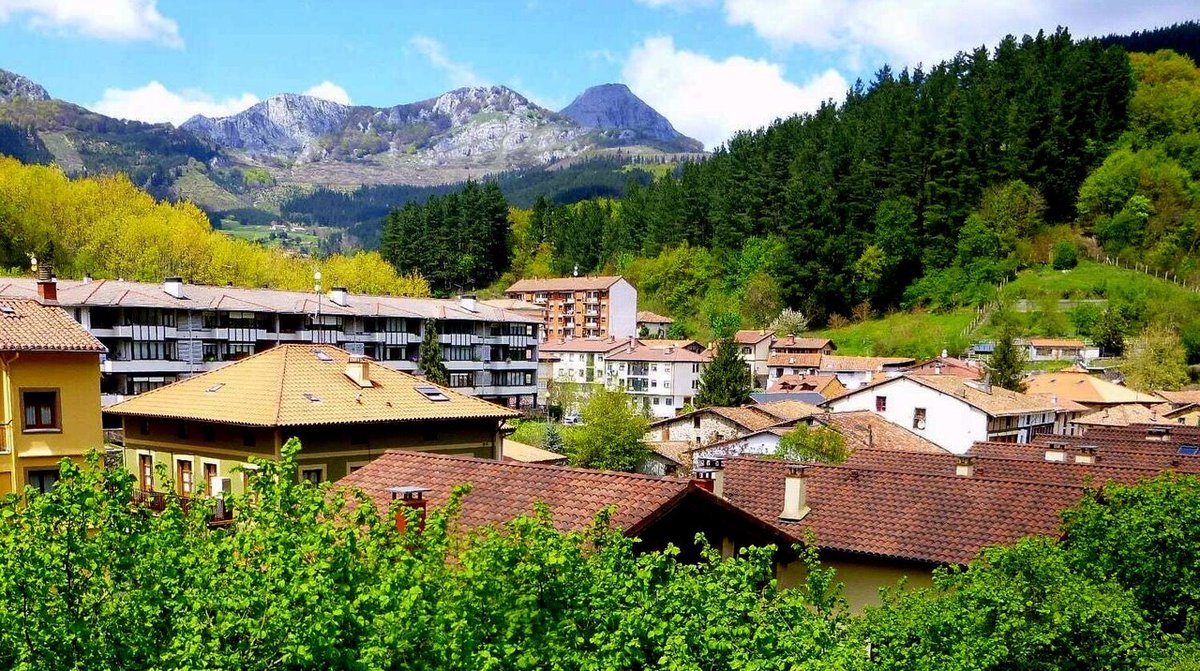
Deep green, farmhouses and nearby mountains with trails and viewpoints.
Hide article Read full article
Arriving without much expectation
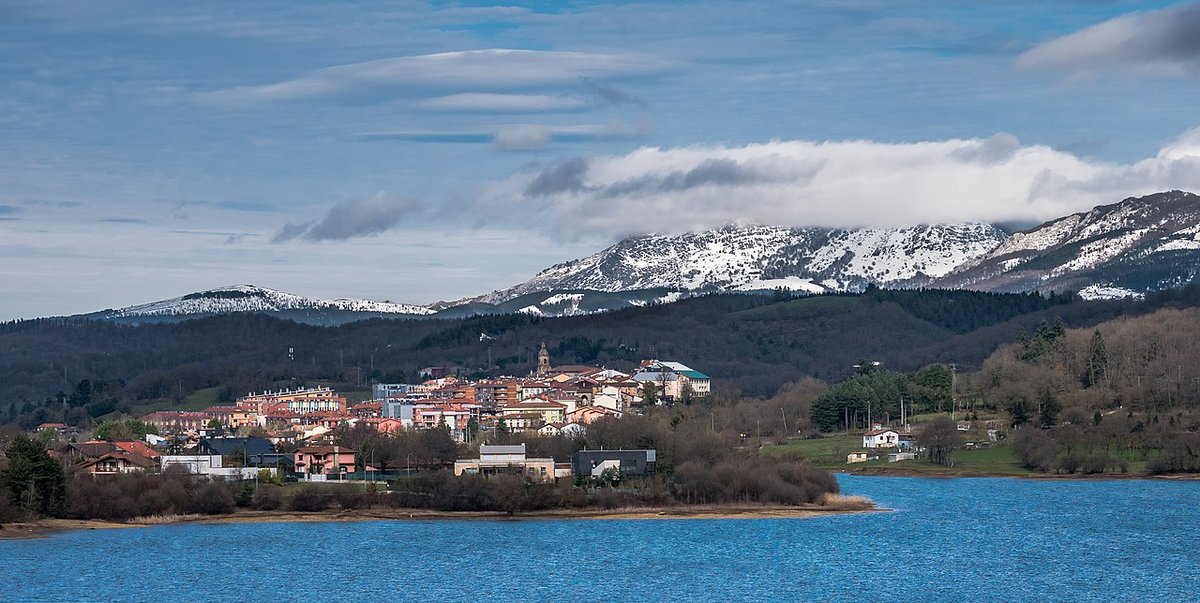
Tourism in Aramaio feels like the kind of place you reach almost by accident. The road winds through the mountains, bends a little more than expected, and then the valley opens out. Scattered houses, very green fields, and a sense that life here follows a different rhythm. There are no headline attractions or monuments drawing crowds, but there is a landscape and a way of living that make more sense when explored on foot.
This is not somewhere that demands a checklist. It works better as a slow wander, where the setting gradually reveals itself.
A valley made of small pieces
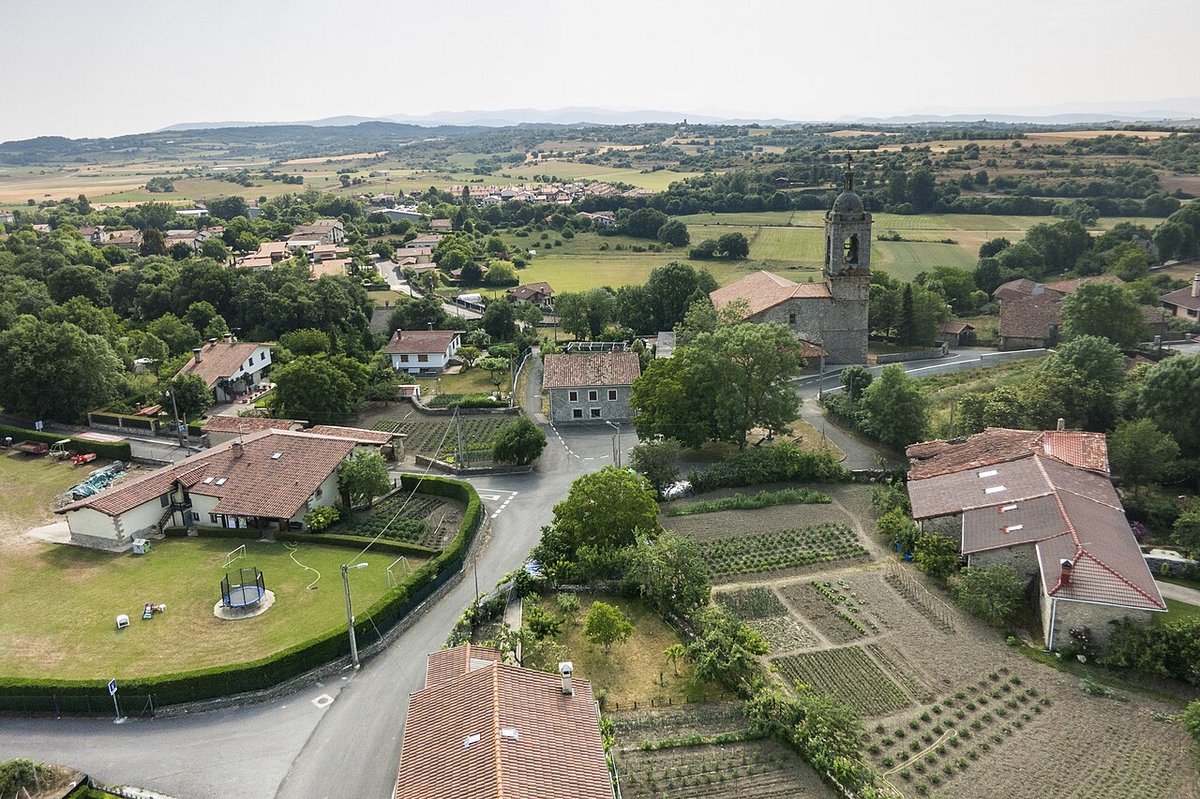
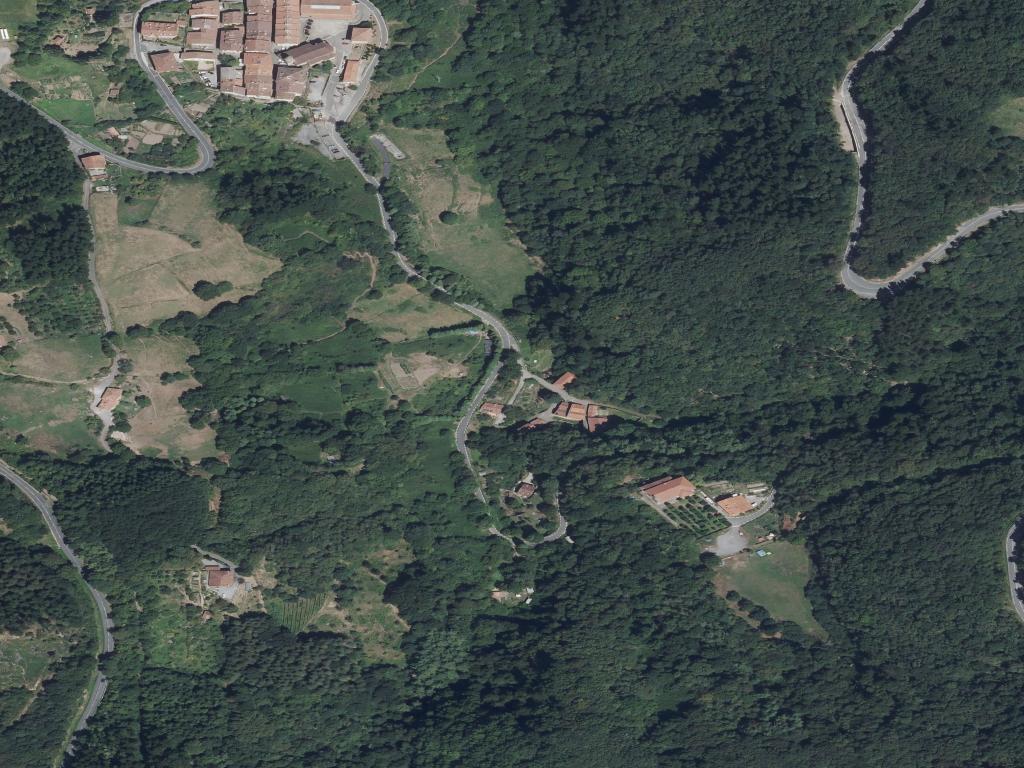
The main area of Aramaio is spread across several neighbourhoods rather than gathered into a single compact village. Etxaguen, Santa Eulalia, San Martín and Uribarri-Aramaio form a loose network of small centres, separated by meadows, local roads and slopes.
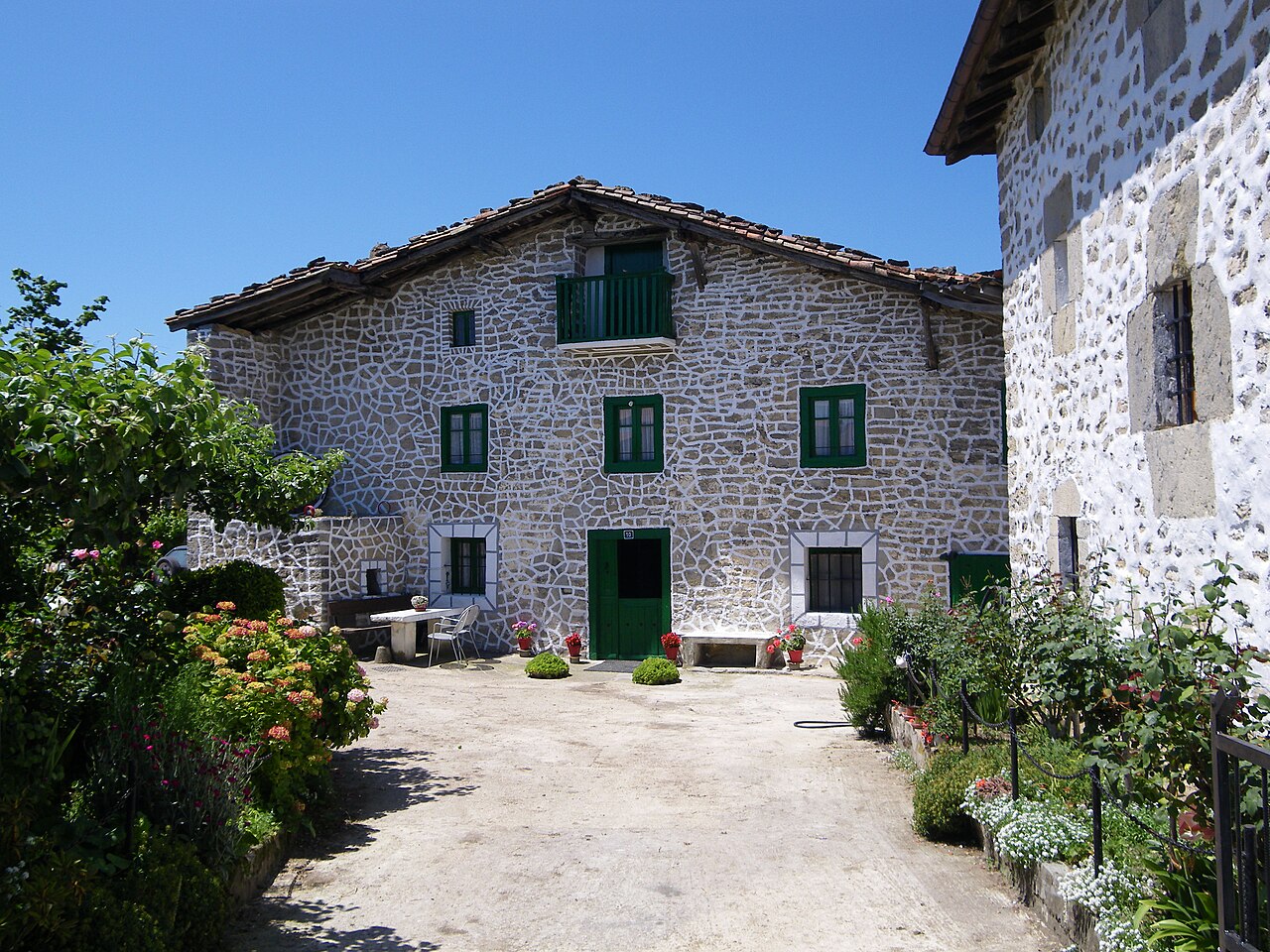
The houses follow the familiar pattern of Basque farmsteads, known as caseríos. Stone and wood dominate, with large structures built to withstand damp winters. Some feature long balconies and thick walls that suggest they were meant to last for generations. Moving through the valley at an unhurried pace, small details start to stand out: old signs, coats of arms on façades, subtle alterations that show how homes have adapted over time.
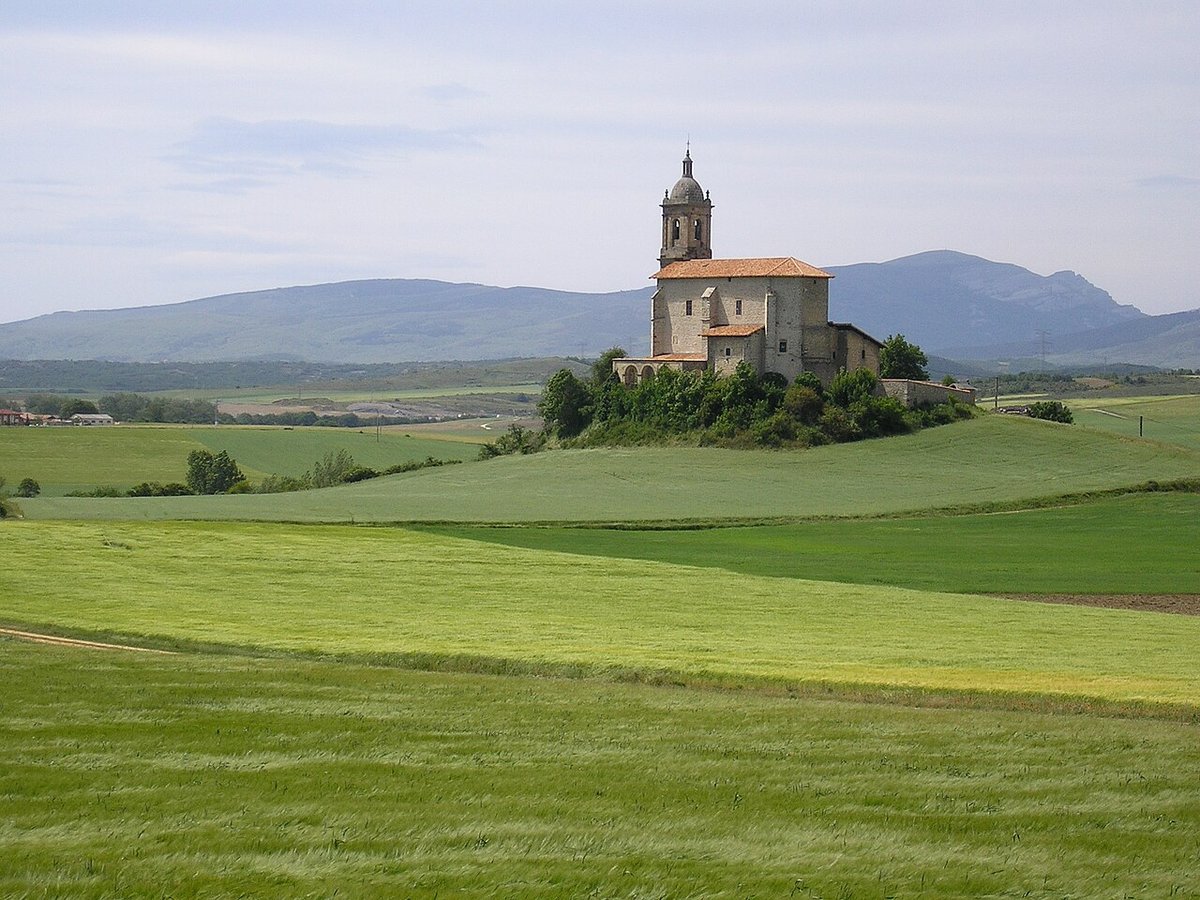
The landscape sets the tone. Meadows where cows and sheep graze, patches of beech forest in shadier areas, and slopes that begin to rise towards the surroundings of Gorbeia. In autumn, the beech woods shift the colour of the entire valley. It is not a dramatic postcard scene, but it invites long, quiet walks.
Walking between neighbourhoods
A simple way to experience Aramaio is to walk through its narrow streets and slopes. Routes like Txitxarril or Eskolaza connect different neighbourhoods with gradients that quickly remind you that this is a valley enclosed by mountains.
Something happens while walking here. It becomes easy to picture what daily life might have been like a few decades ago. Moving from house to house, heading down into the valley for work or errands, all on foot or later by car when they became common. The terrain itself explains why each neighbourhood sits where it does.
For those wanting a longer walk, there are marked routes leading up into the surrounding hills. One of the usual summits is Monte Arrola, which reaches around one thousand metres. The climb is not technical and does not require special equipment, though it does call for some effort. From the top, the structure of the valley becomes clear.
The area can also be explored by mountain bike along rural tracks. There are no prepared lanes or closed circuits. It is normal to share the path with livestock, the occasional tractor, or to stop and open a gate along the way.
Reading the everyday landscape
One of the most interesting aspects of Aramaio is that there is no need to enter a museum to understand how the valley has worked over generations.
Everything is already there in plain sight. Pens next to farmhouses, small agricultural buildings, threshing floors where grain was once processed, and old paths that still connect the neighbourhoods. Often there are no signs explaining any of it. They simply exist as part of daily life.
It is the kind of place where it makes sense to pause for a moment, listen, and then carry on walking.
Autumn and mushroom season
When autumn arrives, many locals head into the mountains with a basket. In the surrounding forests, saffron milk caps and other edible mushrooms tend to appear, always within the framework of local regulations that control foraging.
If you are not experienced, it is best to go with someone who knows the terrain and the species well. Mushrooms leave little room for guesswork.
What the valley eats
The cooking in Aramaio reflects its livestock-based surroundings. The dishes are hearty and closely tied to local produce.
Beans are a regular feature on tables, along with pork dishes and beef steaks. Cheeses are also made using milk from nearby herds. There is no need to look for anything elaborate. What you find is straightforward cooking, generous portions and direct flavours.
A short visit still works
If time is limited, Uribarri-Aramaio can be explored at a relaxed pace in around half an hour to forty-five minutes. It is enough to see how the farmhouses are arranged along the slopes and to get a quick sense of the valley.
Another option is to move by car between neighbourhoods such as Santa Eulalia or Etxaguen, stopping wherever something catches your attention. It might be an old fountain, a well-preserved caserío, or simply a stretch of path that looks worth a short walk.
Aramaio is not a place built around a list of sights. It works better when approached without hurry, like setting out for a long Sunday walk. Sometimes that is exactly what is needed.